

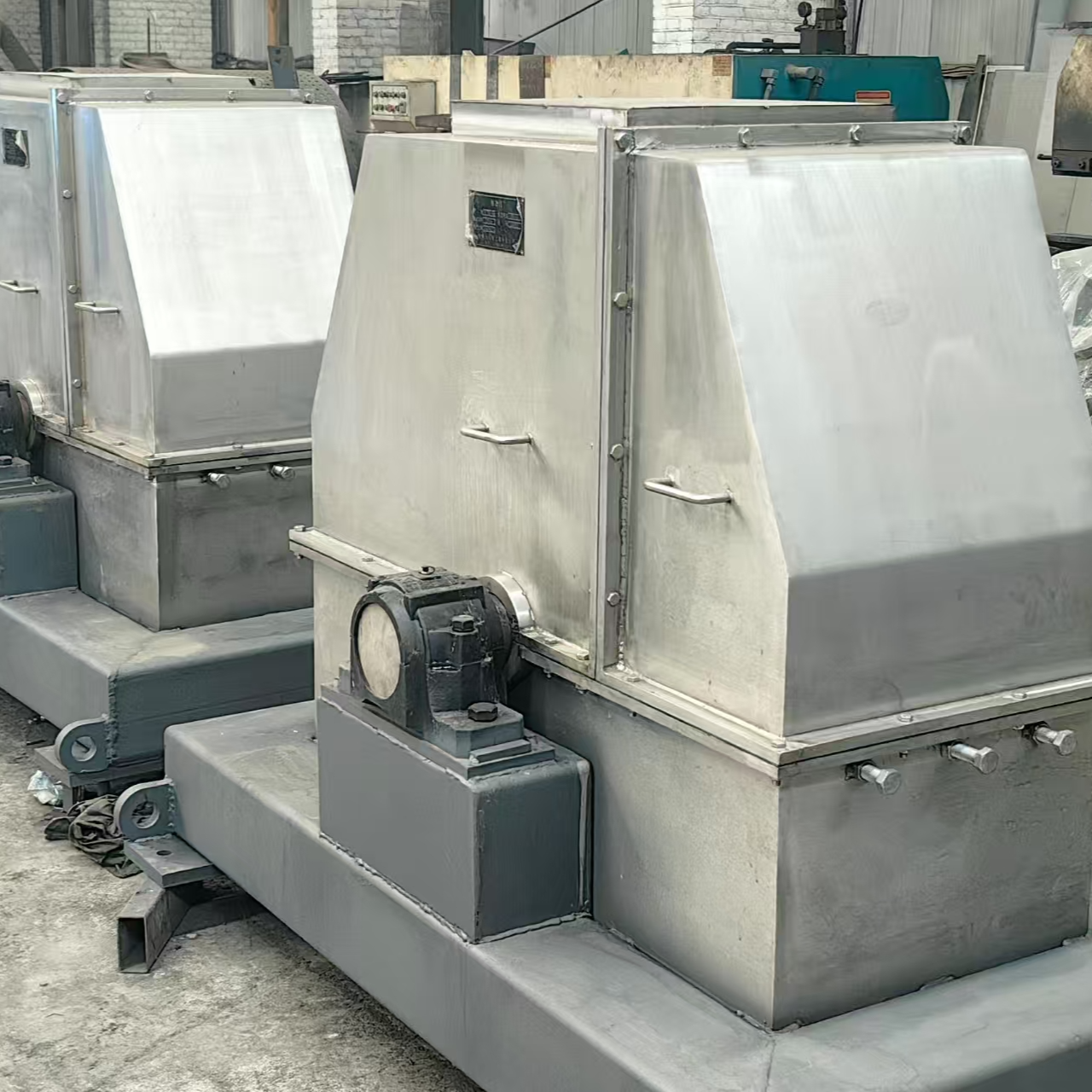
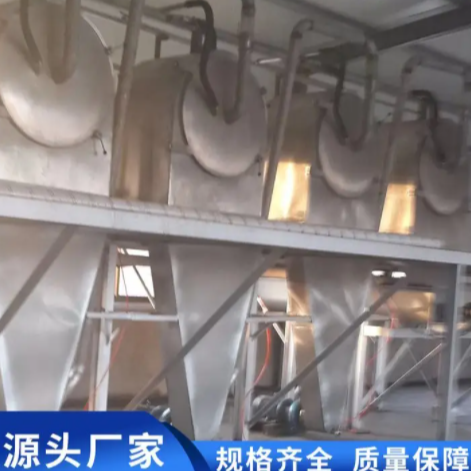







Heat pipe heat exchangers are the next-generation heat exchange equipment, centered around high-efficiency heat pipe elements. With their superior heat transfer performance and structural advantages, they serve as efficient thermal energy conversion devices in hot spring, HVAC, industrial waste heat recovery, and temperature control systems, offering high thermal efficiency, stability, and adaptability.
Heat pipes are revolutionary high-efficiency heat transfer elements, with thermal conductivity far exceeding that of ordinary metals, reaching hundreds to thousands of times the thermal conductivity of metals. They also possess core characteristics such as excellent uniform temperature performance, adjustable heat flux density, and reversible heat transfer direction. Heat exchangers composed of heat pipes inherit the advantages of the heat pipes themselves, such as large heat transfer capacity, small temperature difference, light weight, small size, and rapid thermal response. Additionally, they offer easy installation, simple maintenance, long service life, low resistance loss, and the ability to completely separate and not leak between intake and exhaust air channels, significantly enhancing system safety and operational efficiency.
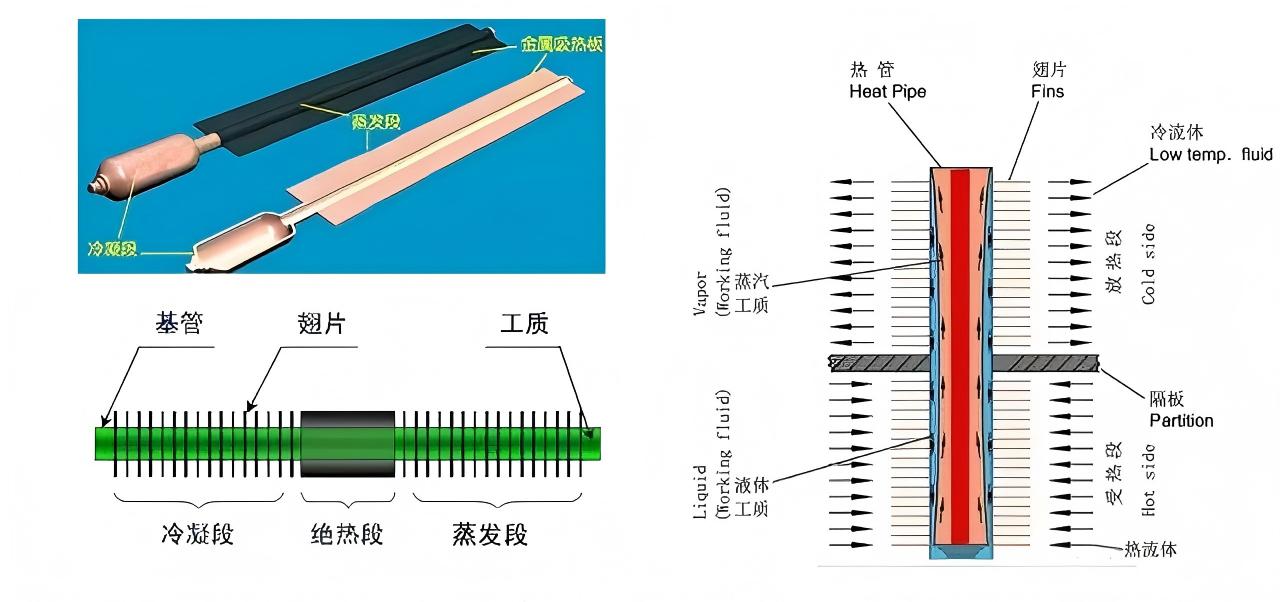
Heat pipe components consist of aluminum (rolled) fin tubes with internally machined capillary channels and sealed at both ends, cleaned, evacuated to high vacuum, and then filled with a specialized liquid working substance. Depending on the composition and ratio of the working substance, they are categorized as KLS Low-Temperature Heat Pipe Heat Exchangers, GRSC-A Medium-Temperature Heat Pipe Heat Exchangers, and GRSC-B High-Temperature Heat Pipe Heat Exchangers, covering all temperature range operational requirements. The working principle is: the working substance in the heated end of the heat pipe absorbs heat from the heat source and quickly vaporizes, carrying latent heat to the cold end, where it condenses and releases heat; the condensed liquid, assisted by capillary force and gravity, returns to the heated end, vaporizes again, and the cycle repeats, achieving efficient heat transfer through repeated phase changes of the working substance.
In practical applications, heat pipe components are bundled and arranged within the framework shell at specific row and column spacing. They are strictly separated by intermediate baffles, creating a compact and highly efficient heat exchanger. It can be flexibly customized according to flow rate, temperature, and heat exchange area requirements, fitting various scenarios such as hot spring heating, constant temperature circulation, waste heat recovery, and air heat exchange. It is an ideal heat exchange equipment for achieving high-efficiency heat energy conversion and energy-saving.