


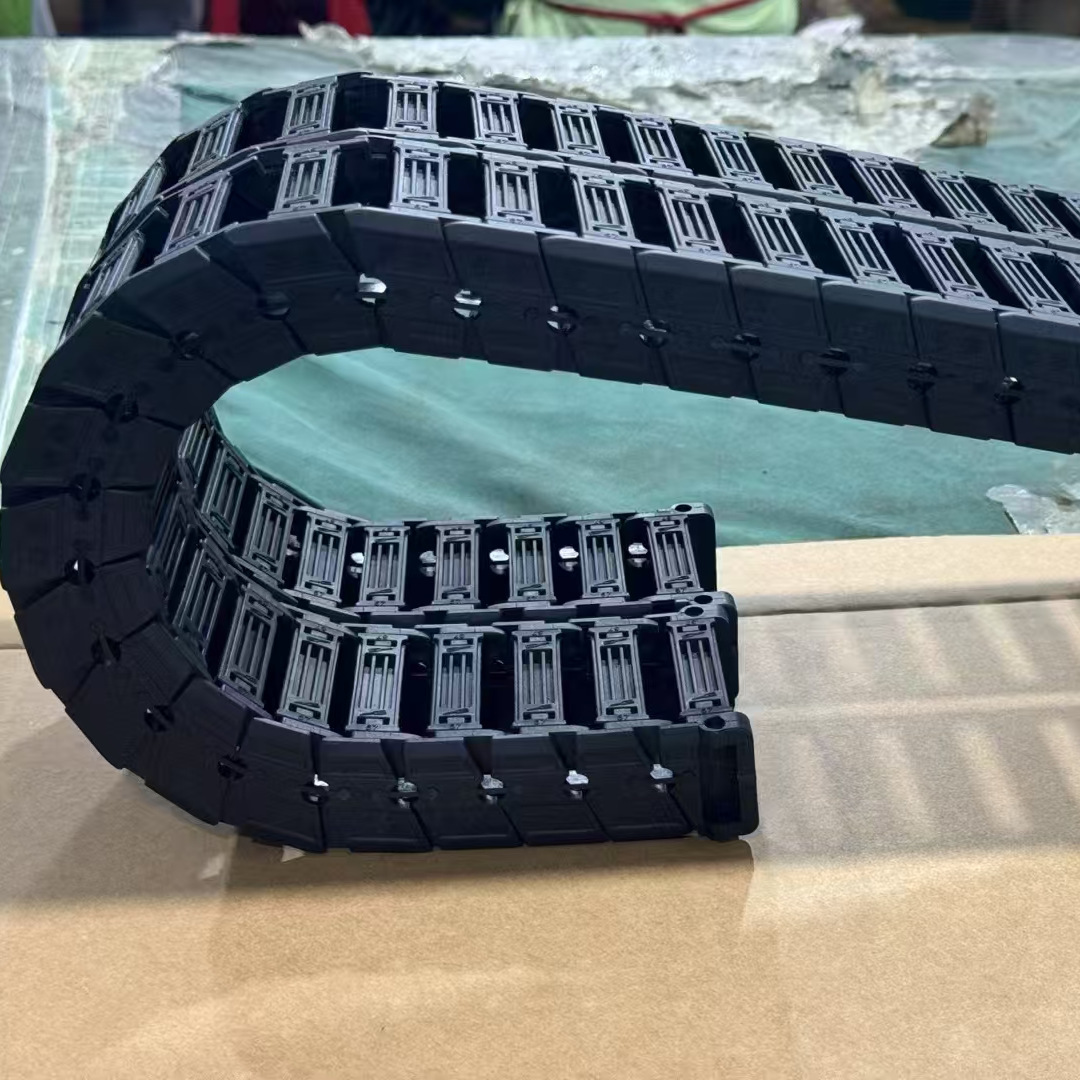












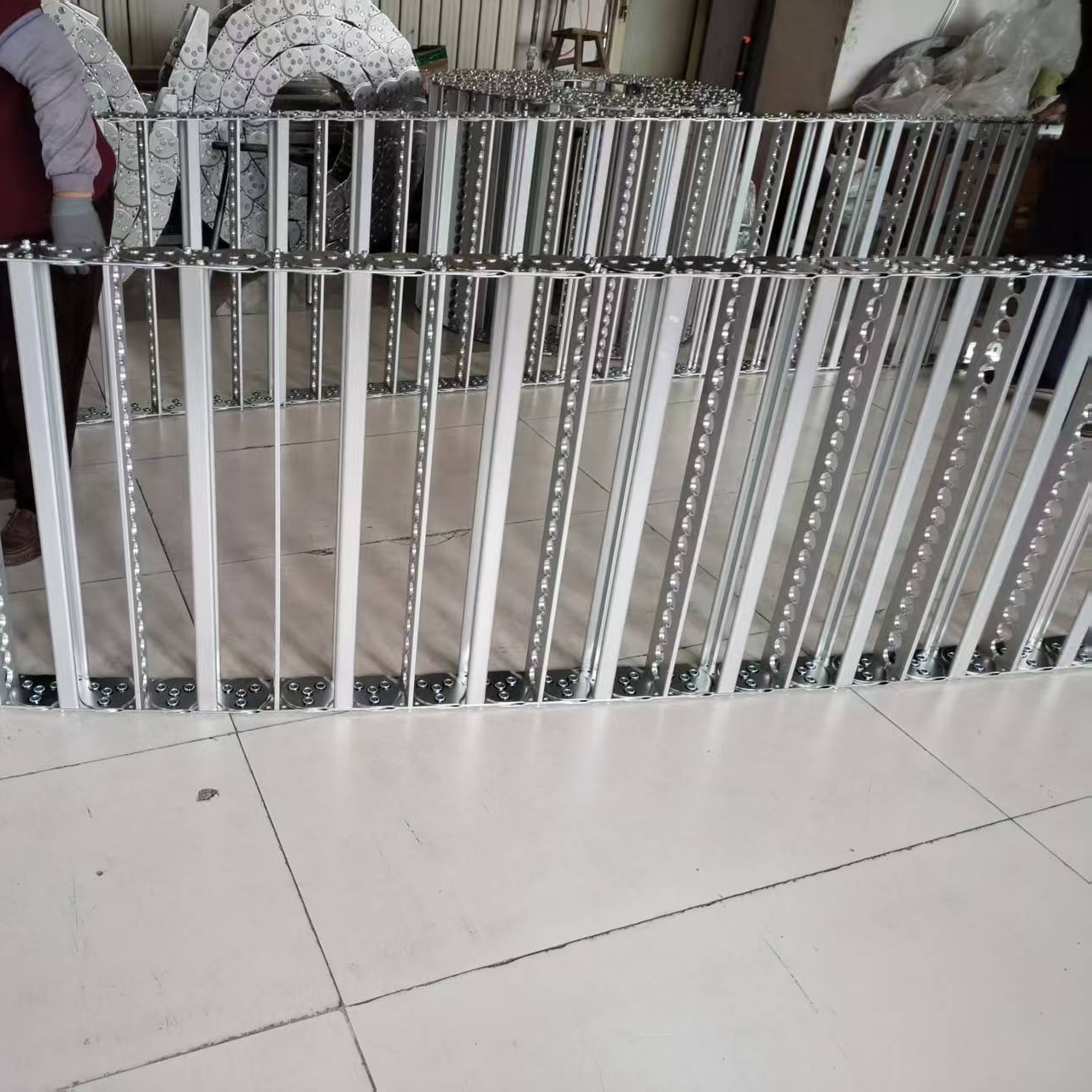
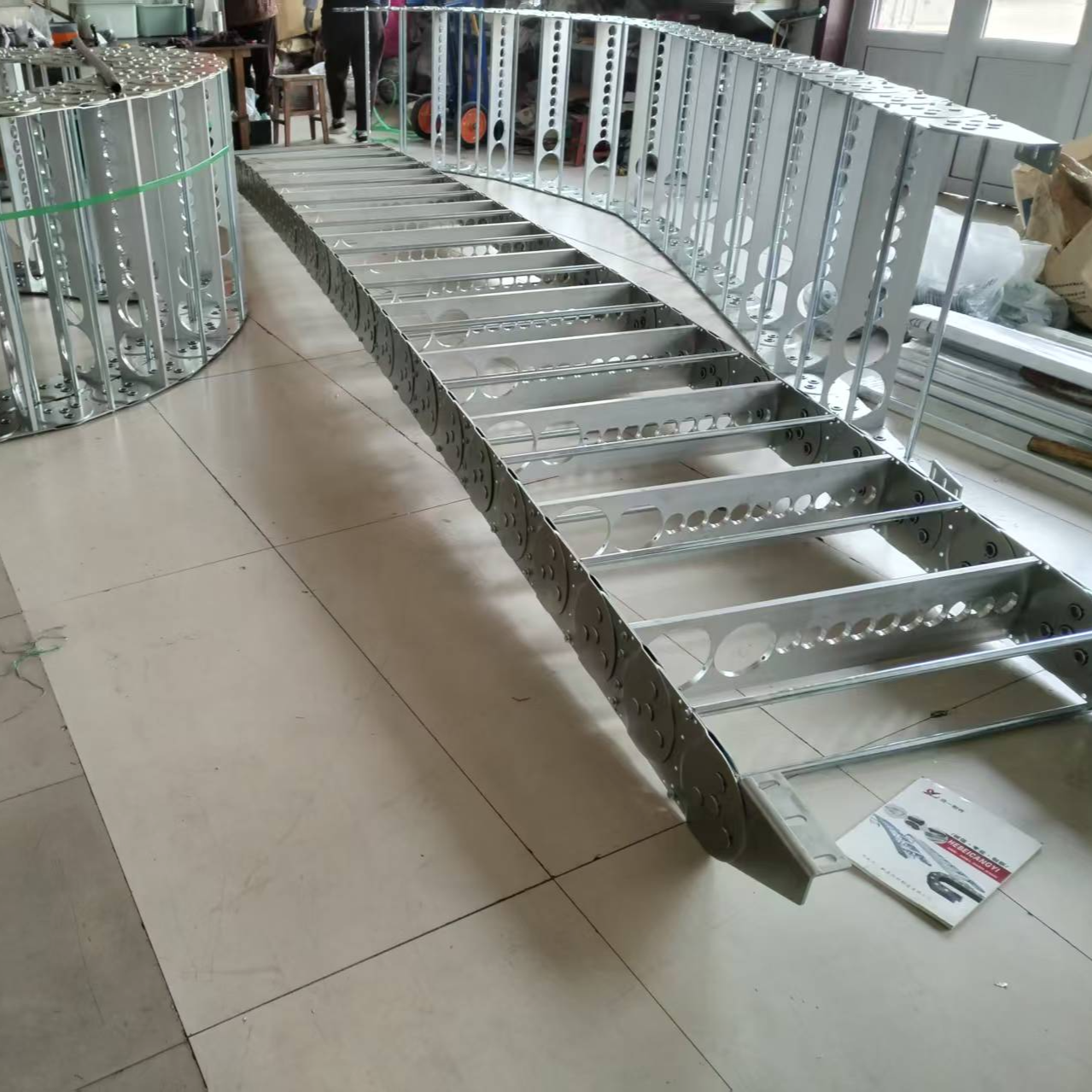
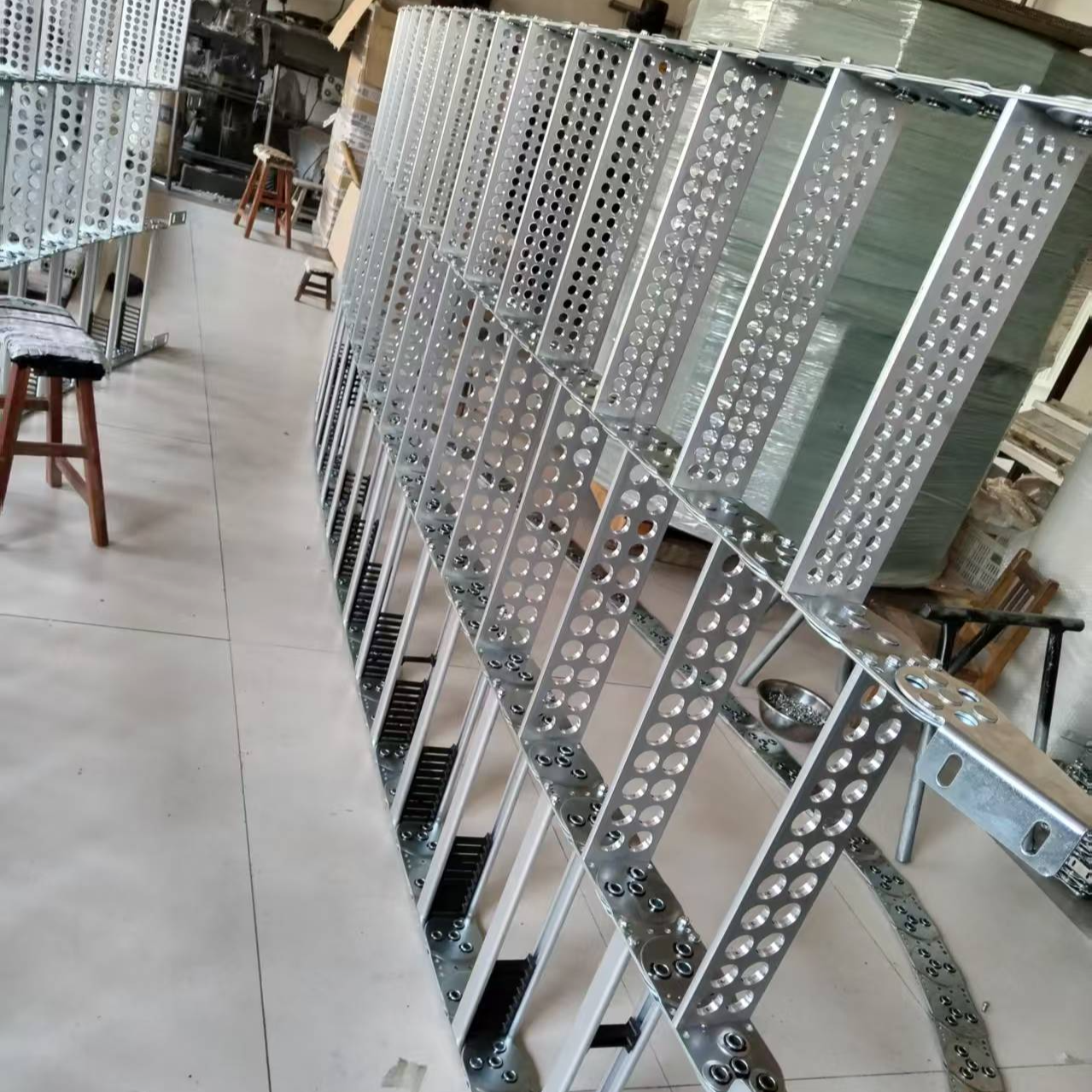
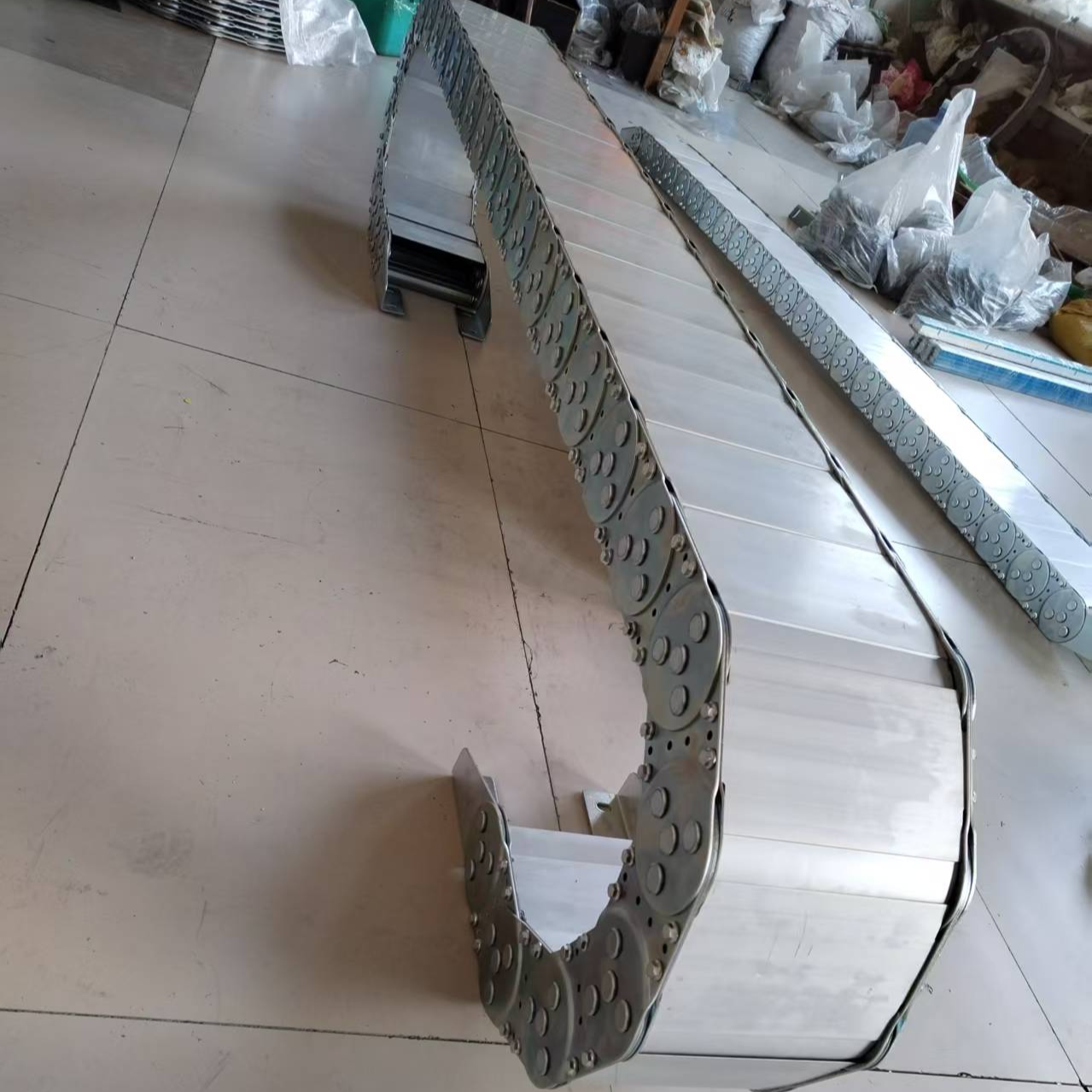
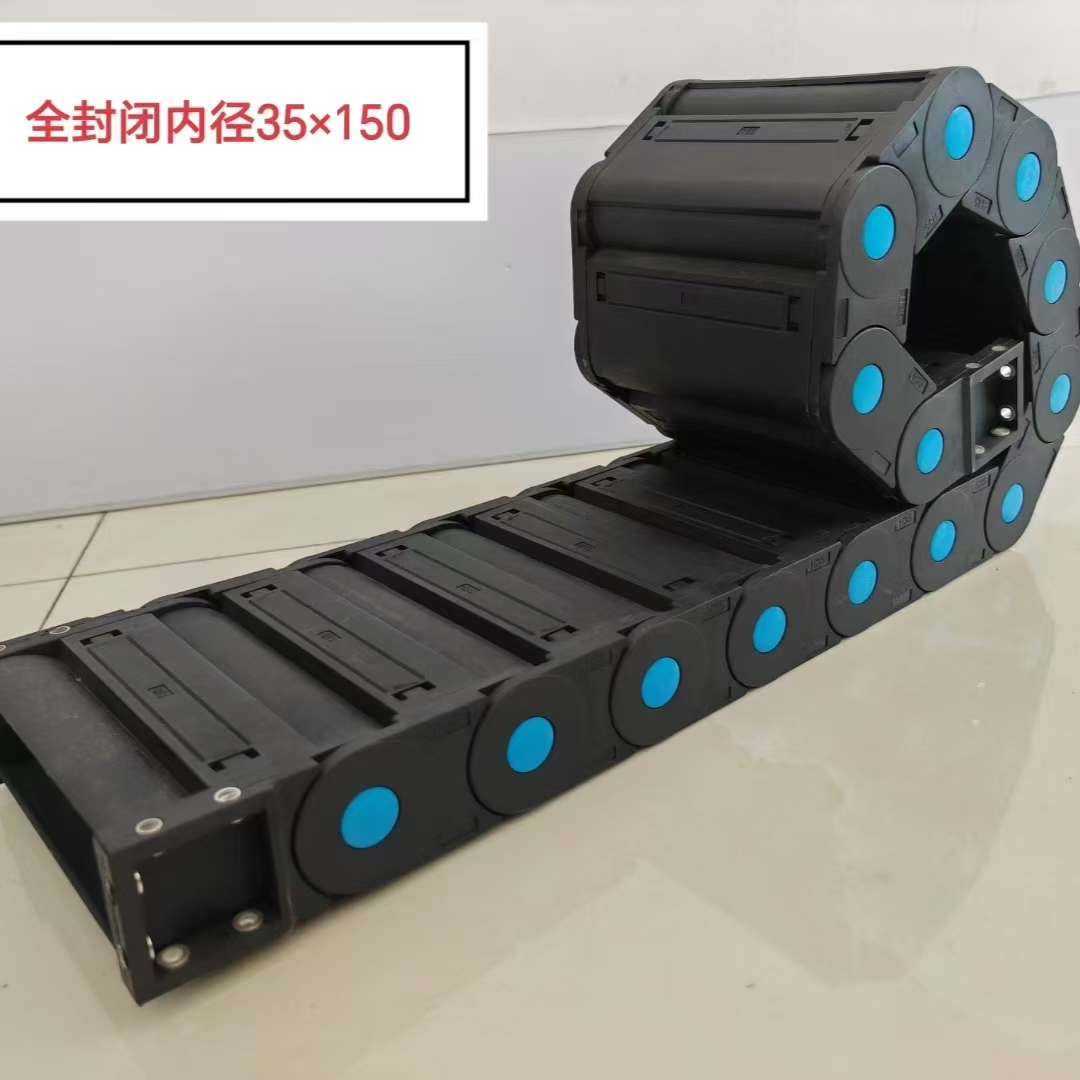
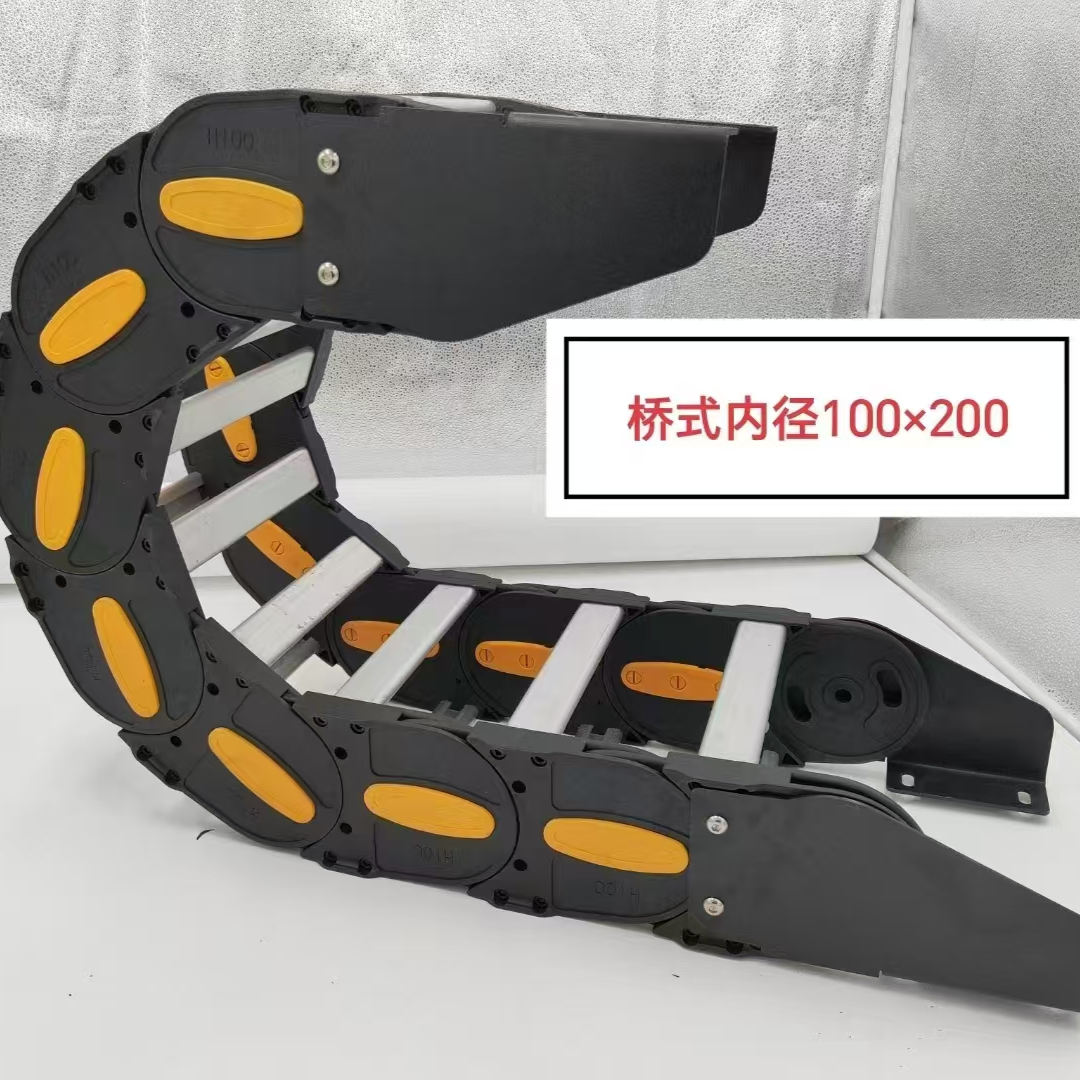
Engineering plastic conduit is a crucial industrial component used to protect cables, oil tubes, and air hoses, etc., widely applied in dynamic operating environments such as CNC machine tools, automated equipment, robots, and various mechanical arms.
Its core function is to orderly store pipelines through a link-type structure, providing abrasion-resistant, tensile-resistant, and anti-torsion protection during the reciprocating movement of the equipment, while also reducing direct friction between the pipelines and the external environment, thereby extending the service life.
From a technical perspective, engineering plastic conduits are typically injection-molded from reinforced engineering plastics, with material characteristics directly influencing their performance. Common materials include nylon (PA), polypropylene (PP), and polyoxymethylene (POM), with the nylon series becoming the mainstream choice due to its high strength, oil resistance, and self-lubricating properties. For instance, a conduit made of nylon 66 reinforced with glass fiber can have a tensile strength exceeding 80MPa and a bending fatigue life of over 5 million cycles, suitable for high-speed reciprocating motion applications. Structurally, conduits are categorized into bridge-type and fully enclosed types: bridge-type designs offer good ventilation and are lightweight, ideal for dry environments; while the fully enclosed type can completely isolate cutting fluids, iron shavings, and other contaminants, commonly used in machine tool machining centers.
In application scenarios, engineering plastic conduit carriers are particularly crucial in the automotive manufacturing sector. For instance, welding robot arms require frequent ±180° rotations, and the carriers must bear the weight of the piping (usually 5-15kg) while maintaining a low friction coefficient to avoid signal transmission delays. In the 3C electronics industry, precise pick-and-place machines demand that the carrier's movement noise be below 50dB, and the gap between links should be kept within 0.5mm to prevent tiny components from becoming dislodged by vibration. Additionally, the food machinery industry has stringent hygiene standards for conduit carriers, requiring the use of FDA-certified white engineering plastic to ensure they are non-toxic, odorless, and resistant to cleaning agents.

















