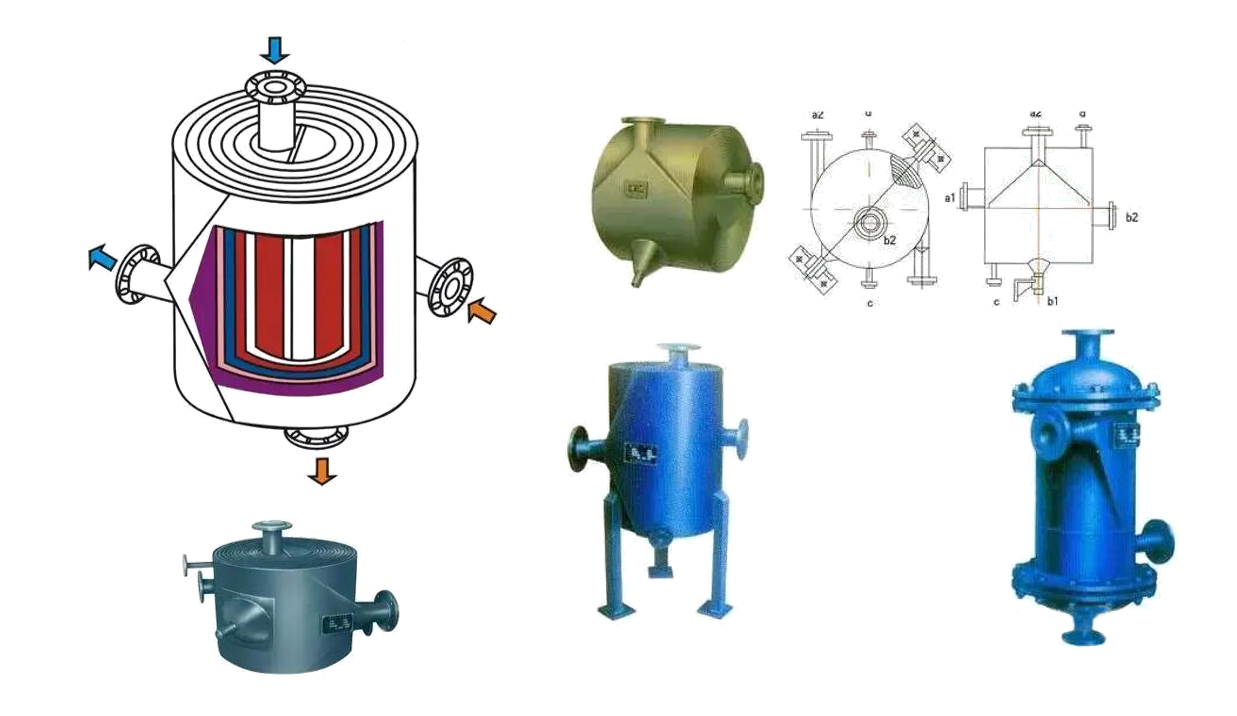


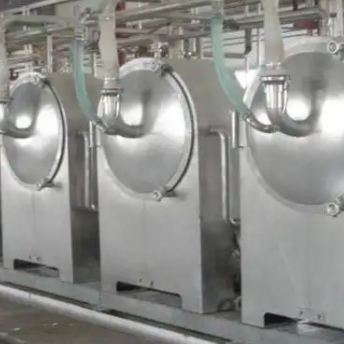
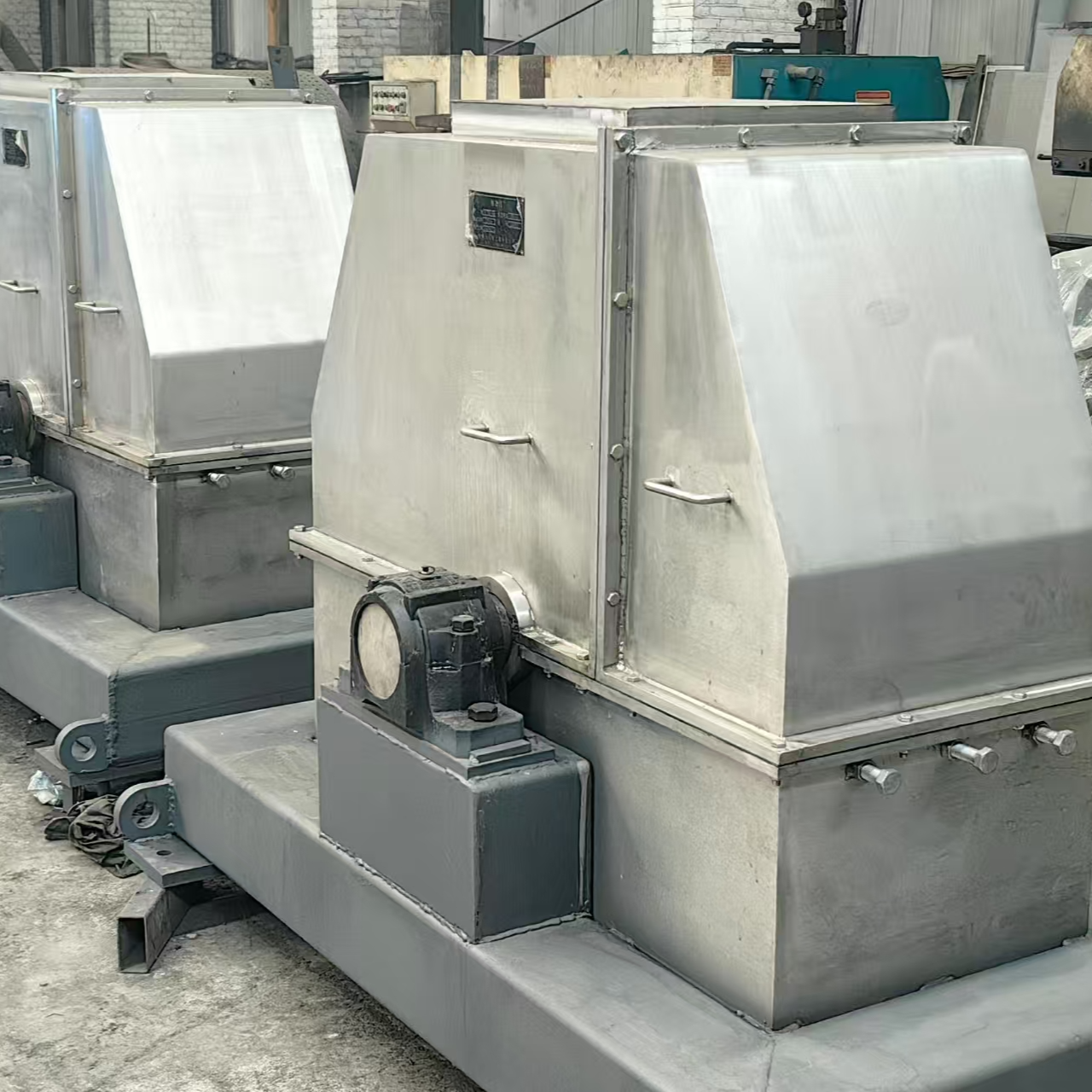







A spiral plate heat exchanger is a novel and highly efficient thermal energy exchange device, boasting core advantages such as uniform heat transfer, low resistance, and compact structure. Widely used in various industries and multi-medium heat exchange scenarios, it can flexibly adapt to steam-to-steam, steam-to-liquid, and liquid-to-liquid heat transfer conditions involving fluids. It is an essential equipment for achieving high-efficiency thermal energy conversion and energy-saving.
The equipment has an extremely wide application range, covering industries such as chemicals, petrochemicals, solvents, pharmaceuticals, food, light industry, textiles, metallurgy, rolling steel, and coking. It also caters to the heat exchange needs in the health and wellness sector, such as hot spring heating circulation and waste heat recovery from hot spring water. It can meet large-scale heat exchange, cooling, and condensation requirements in industrial production, as well as precise temperature control for small and medium-sized venues, with exceptional adaptability.
The structural types of spiral plate heat exchangers are primarily divided into two categories, which can be flexibly selected based on the application scenario and maintenance requirements: 1) The non-detachable (Type I) spiral plate heat exchanger, with excellent sealing performance and stable pressure-bearing capacity, is suitable for conditions where the medium is not prone to leakage and does not require frequent disassembly and maintenance. It features a compact design, small space occupancy, and outstanding cost-performance; 2) The detachable (Type II, Type III) spiral plate heat exchangers, with core components that can be disassembled, facilitate later cleaning, inspection, and maintenance. They effectively address the issue of medium prone to scaling and require regular cleaning, offering greater flexibility in application scenarios.
Compared to traditional heat exchangers, spiral plate heat exchangers utilize a helical channel design, where the fluid flows in a spiral pattern within the channels, resulting in a longer path and uniform flow rate. This maximizes the utilization of the heat exchange area and significantly improves the heat exchange efficiency over similar equipment. Additionally, the channels are less prone to clogging, have minimal resistance loss, and operate with low energy consumption. Their simple structure, reasonable manufacturing costs, and long service life make them a practical and cost-effective choice, preferred in heat exchange systems across various industries.