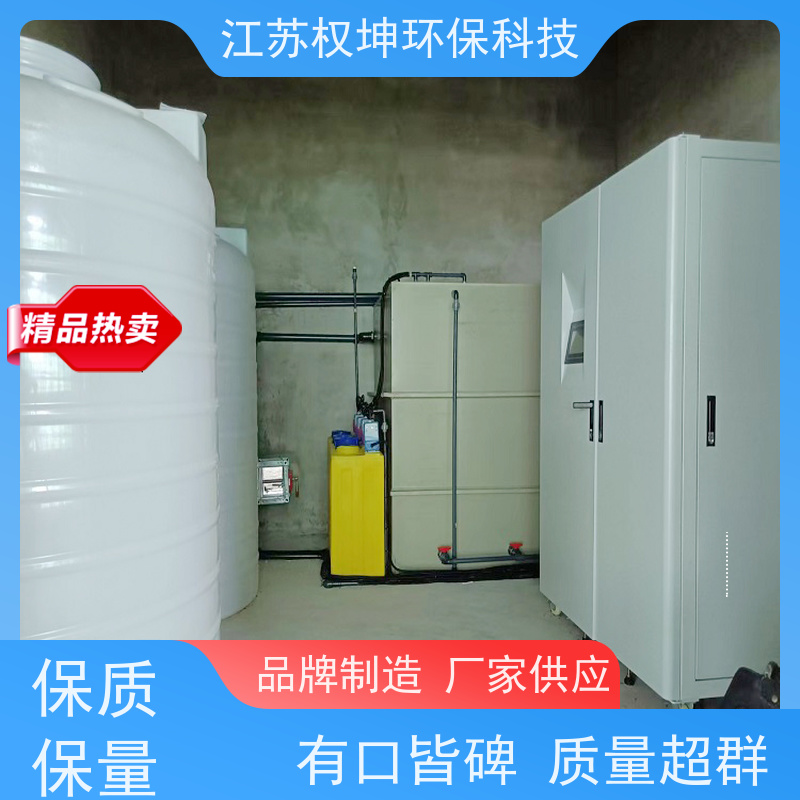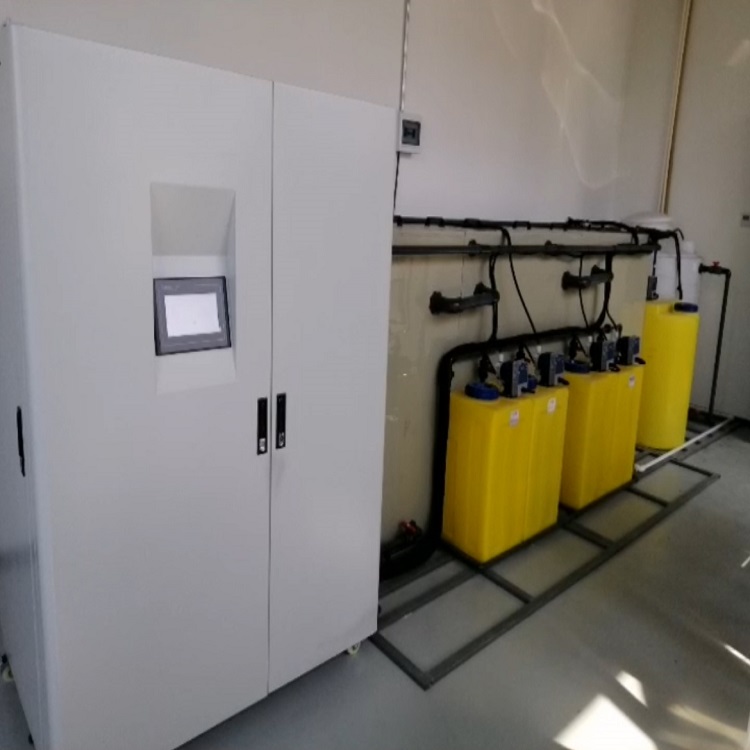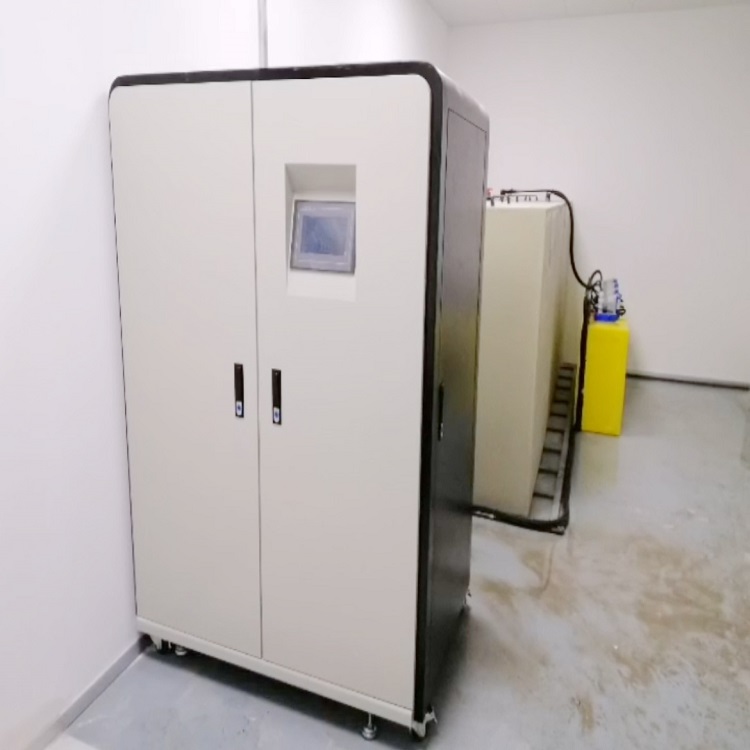


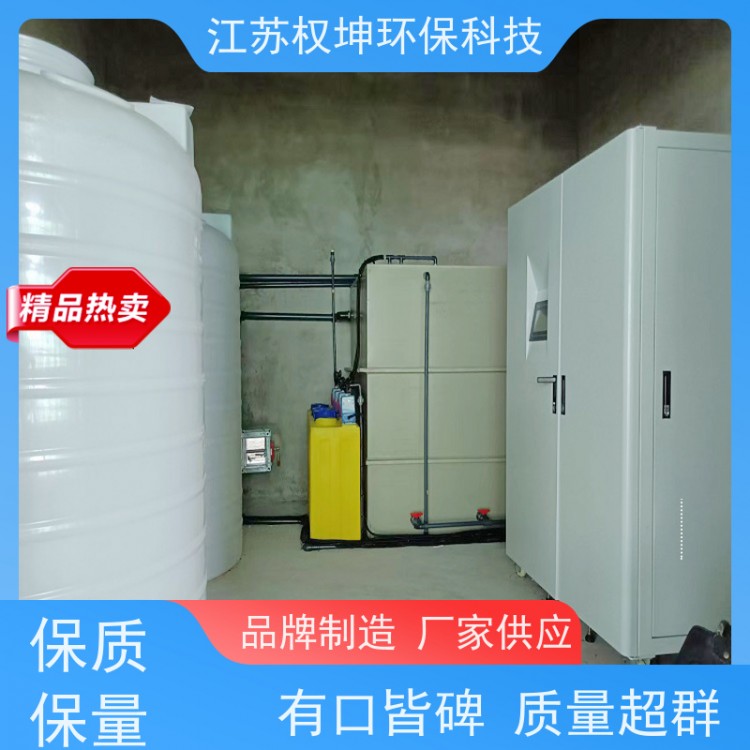
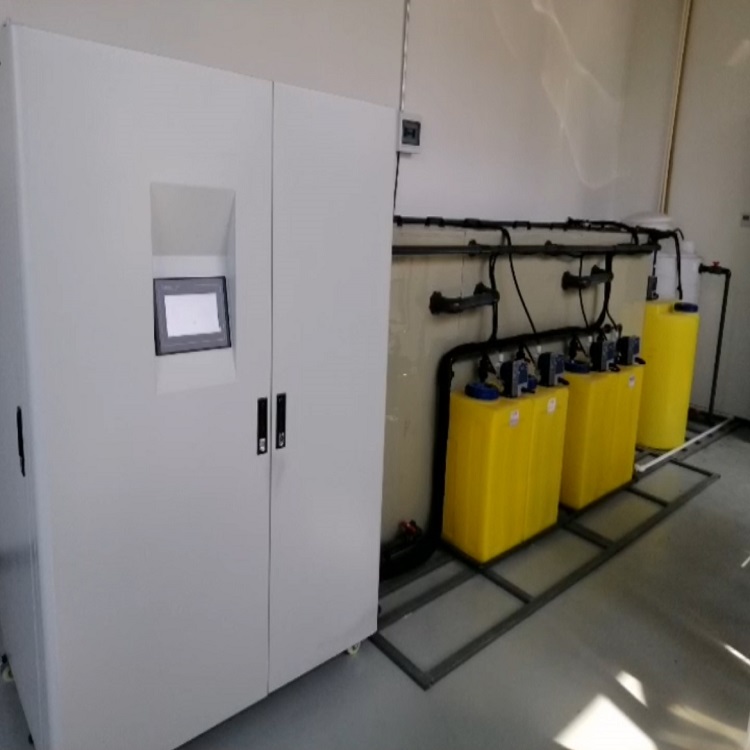
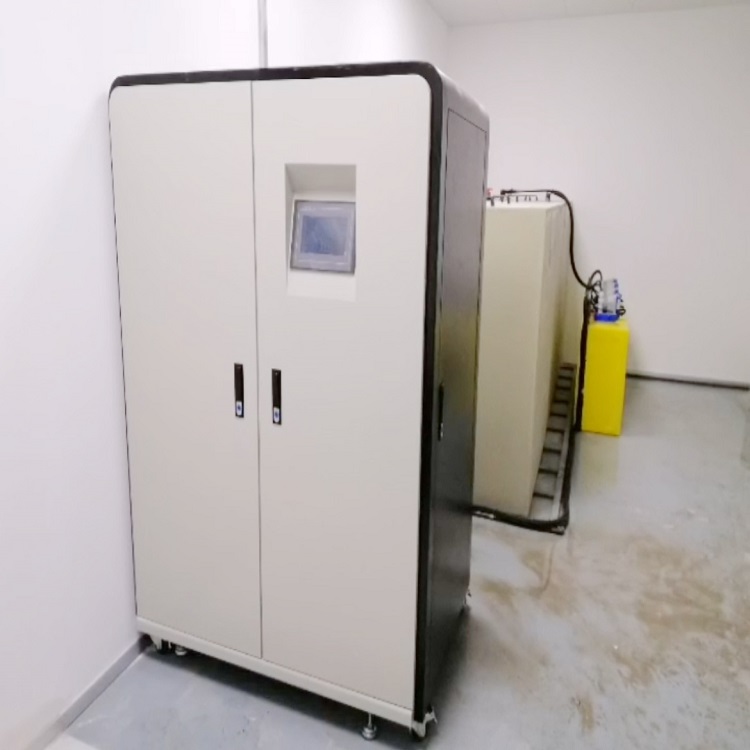












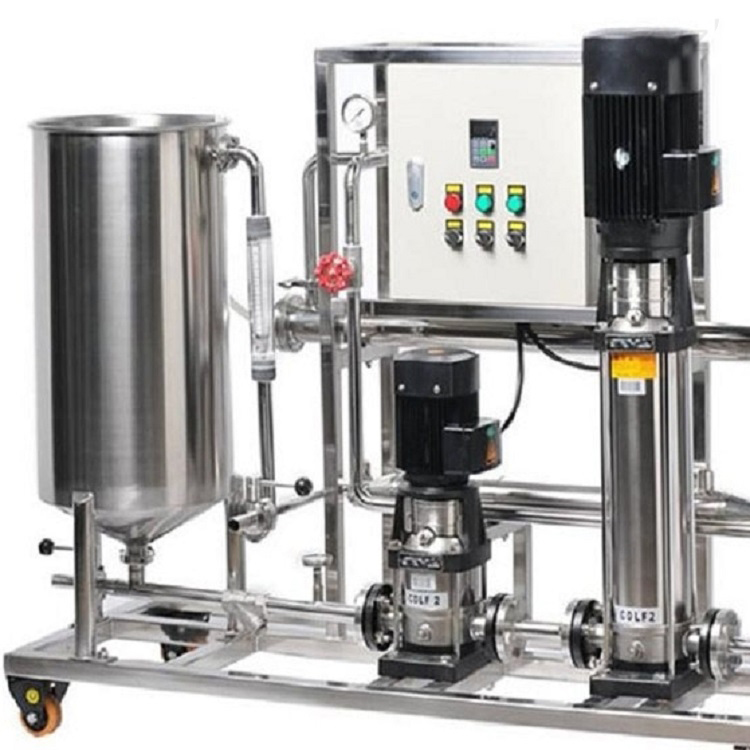
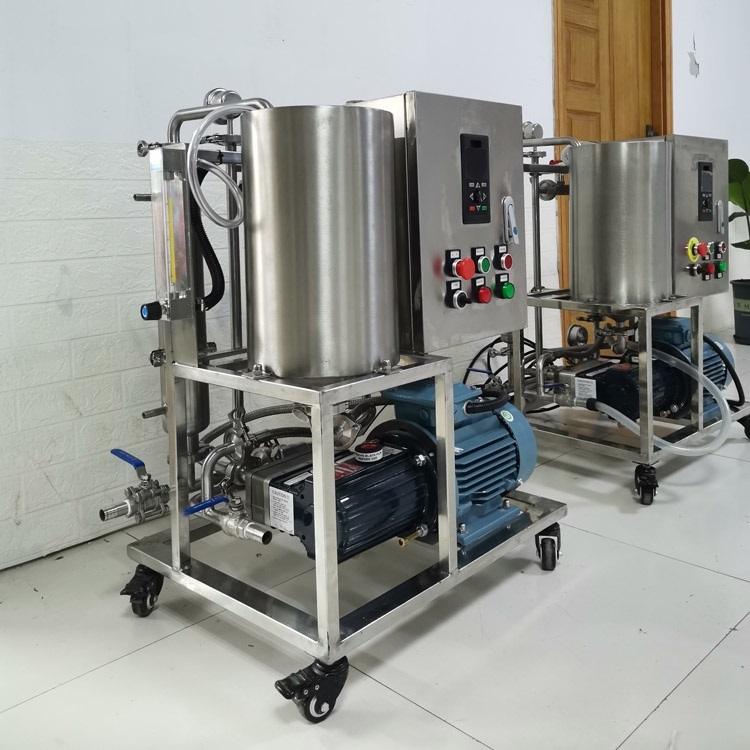
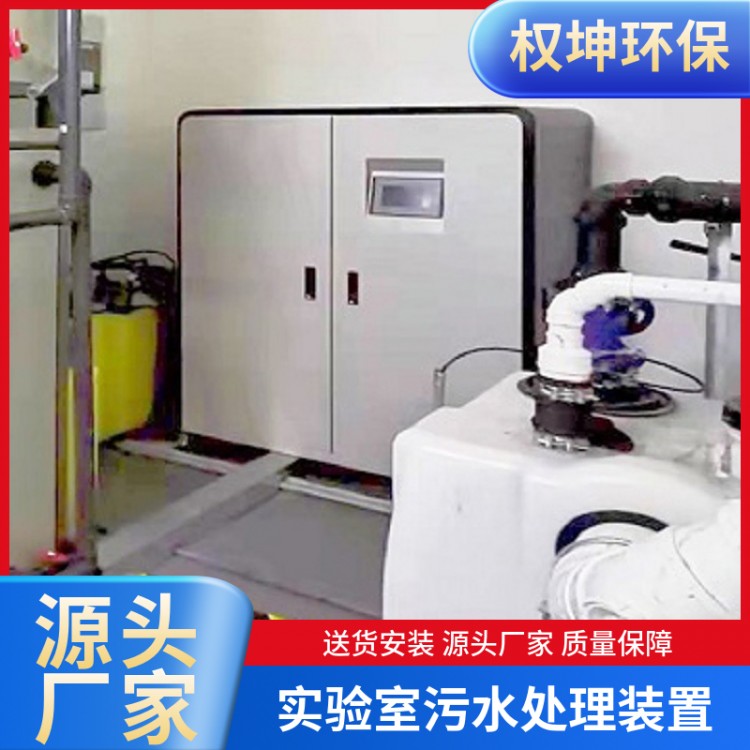
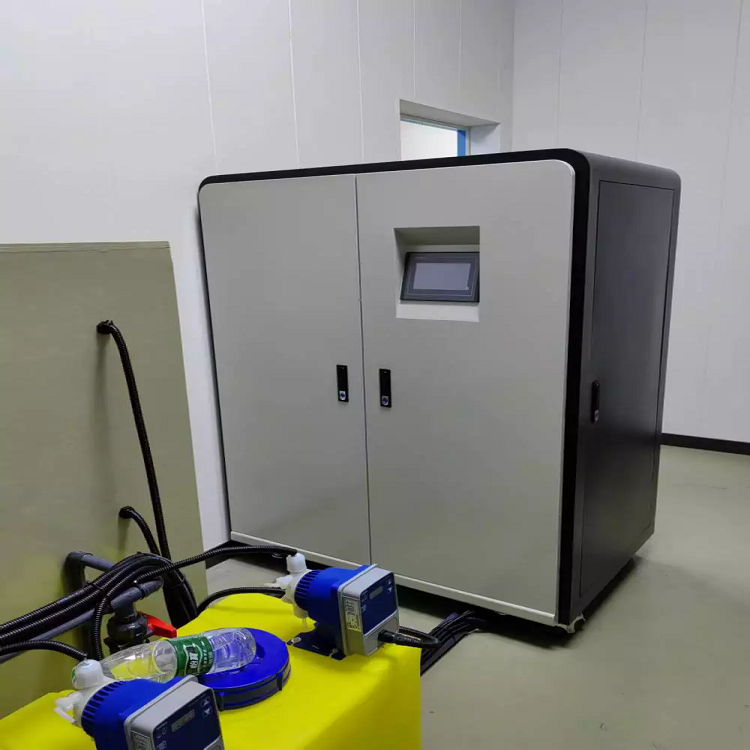
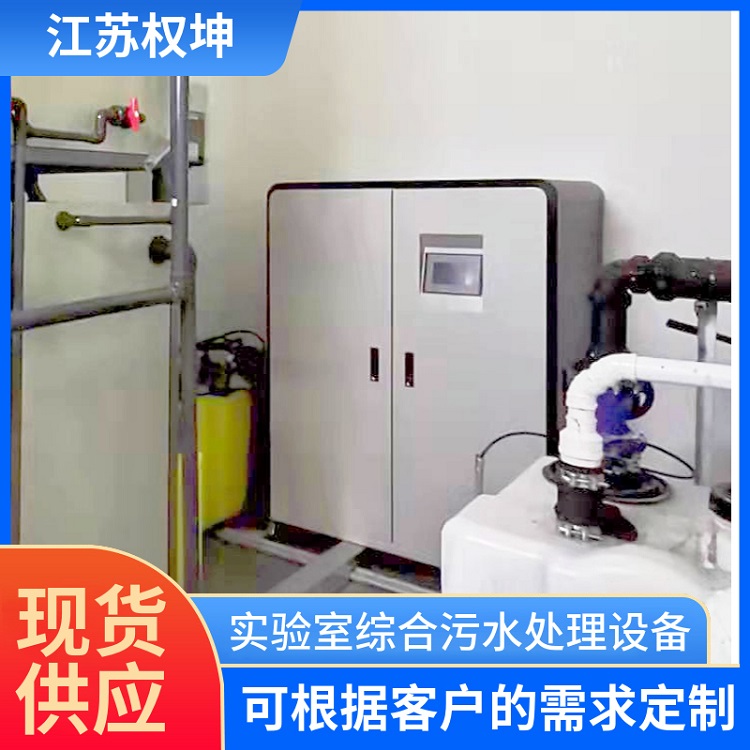
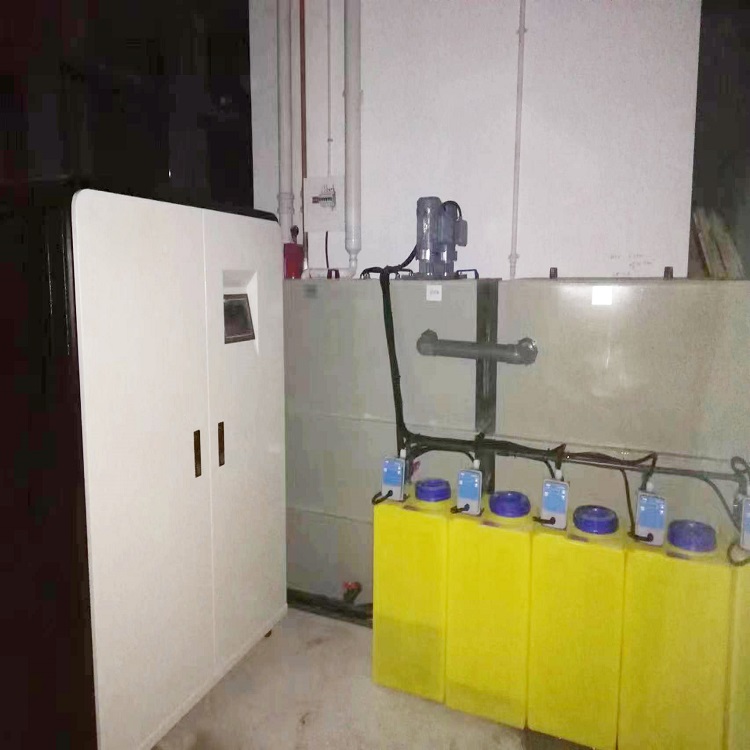
Medical Institution Wastewater Treatment Equipment
Wastewater sources and compositions are complex and highly hazardous. The main sources include medical treatment rooms, laboratories, wards, laundry rooms, X-ray rooms, and operating rooms, among others, discharging wastewater. The wastewater contains a large number of pathogenic bacteria, viruses, and chemicals, exhibiting characteristics of spatial pollution, acute infectious diseases, and latent infections. If medical wastewater containing pathogenic microorganisms is discharged into urban sewage systems or environmental water bodies without disinfection, it often leads to water pollution, triggering various diseases and infectious diseases, posing severe harm to people's health.
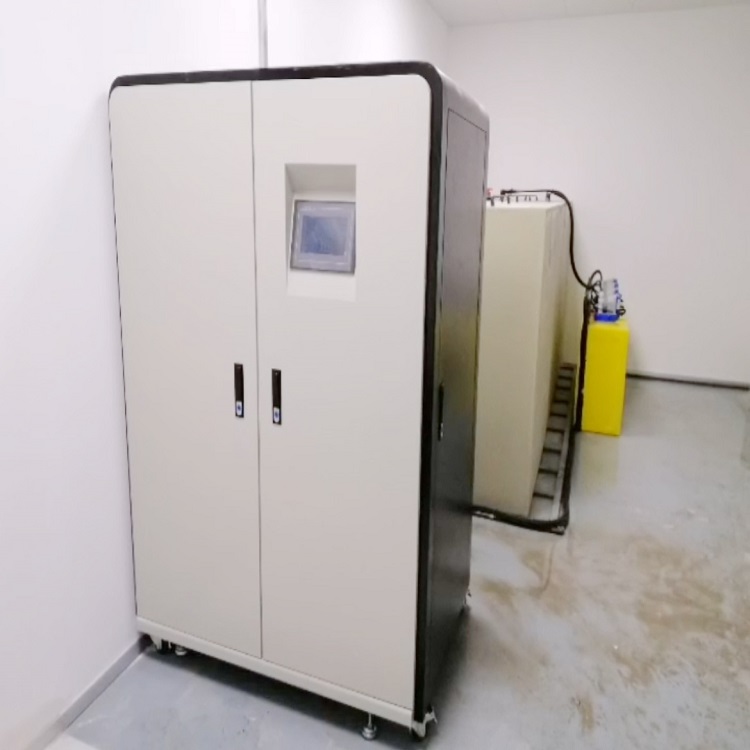
Medical Waste Water Treatment Process Description:
Wastewater treatment system, after格栅filtering to remove large particles of sludge, impurities, and domestic waste, it enters the equalization pond. Medical wastewater is treated in the existing septic tank to enhance the bio-degradability of the wastewater, preparing for subsequent contact oxidation. It then proceeds to equalization and water quality adjustment, followed by being lifted by the wastewater pumping station to the primary aeration tank in the second-stage biological contact oxidation pond. After biochemical treatment in the primary aeration tank, the effluent flows naturally to the primary sedimentation tank, then to the secondary aeration tank, where it undergoes microbial oxidation.DecomposeFurther eliminate COD from the wastewater, allowing the effluent to flow directly into the secondary sedimentation tank. The effluent then flows into the clear water disinfection tank, where it undergoes chlorine dioxide disinfection. After thorough disinfection, it is pumped up to the activated carbon filter by the recycled water pump.After absorbing excessive residual chlorine, meets the standard for discharge.

Process Flow:
After the wastewater has been treated in a grit chamber to remove large floating particles and solids, it enters an equalization pond. Water treatment reagents are added to decompose most organic pollutants, resulting in the removal of most CODcr. It then proceeds to a sedimentation pond, where a flow diversion wall is set up. The wastewater enters from about 1.0m above the low water level of the pond. The clarified supernatant after sedimentation is directed to an automatic dosing system for disinfectants within the pond. The produced chlorine dioxide is mixed and sterilized through the dosing system. The treated effluent is discharged after meeting standards. Sludge generated from the sedimentation pond is transferred to a sludge pond, treated for non-hazardous disposal, and then used as agricultural fertilizer.
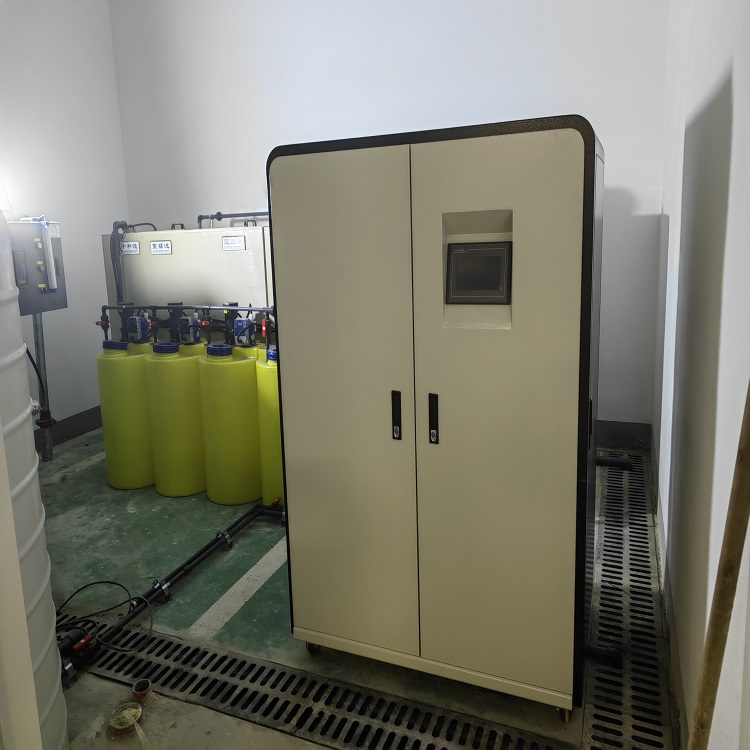
Wastewater treatment equipment is divided into three stages during the treatment process:
1. Primary Treatment
Primarily removes suspended solid pollutants in wastewater, physical treatment methods can only meet the requirements of primary treatment. Wastewater treated at the primary level typically removes about 30% of BOD, failing to meet discharge standards. Primary treatment is a pre-treatment for secondary treatment.
2. Secondary processing
Primarily removes colloidal and dissolved organic pollutants from wastewater, with a removal rate exceeding 90%. This ensures organic pollutants meet discharge standards. Currently, short fibers are widely used, achieving a 95% removal rate of suspended solids for excellent effluent quality.
3. Triple-level Treatment
Further processing of non-biodegradable organic matter, soluble inorganic substances such as nitrogen and phosphorus, which can lead to eutrophication of water bodies. The main methods include biological denitrification and phosphorus removal, coagulation and sedimentation, sand filtration, activated carbon adsorption, ion exchange, and electro dialysis.
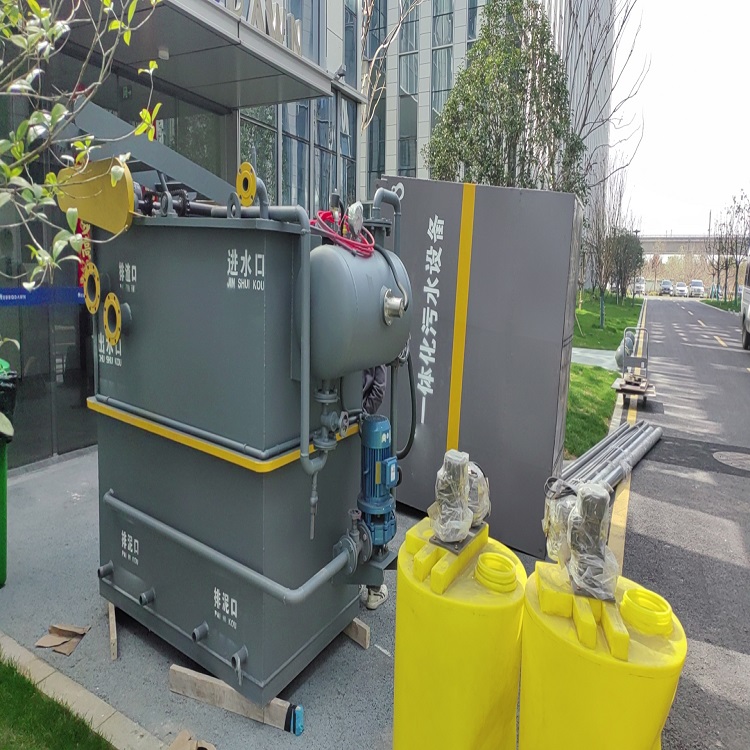
Medical Facility Wastewater Treatment Equipment
Application Scope:
Laboratory wastewater treatment equipment is widely used in colleges, universities, research institutions, medical institutions, pharmaceuticals, disease control centers, environmental supervision, product quality inspection, inspection and quarantine, drug inspection, blood stations, animal husbandry, hospitals, petrochemical enterprises, and other laboratories and testing rooms. After treatment, the wastewater meets the first, second, and third standards of the Comprehensive Wastewater Discharge Standard [GB8978-1996]. The treated wastewater can be discharged into the municipal wastewater pipeline or reused through further treatment processes.