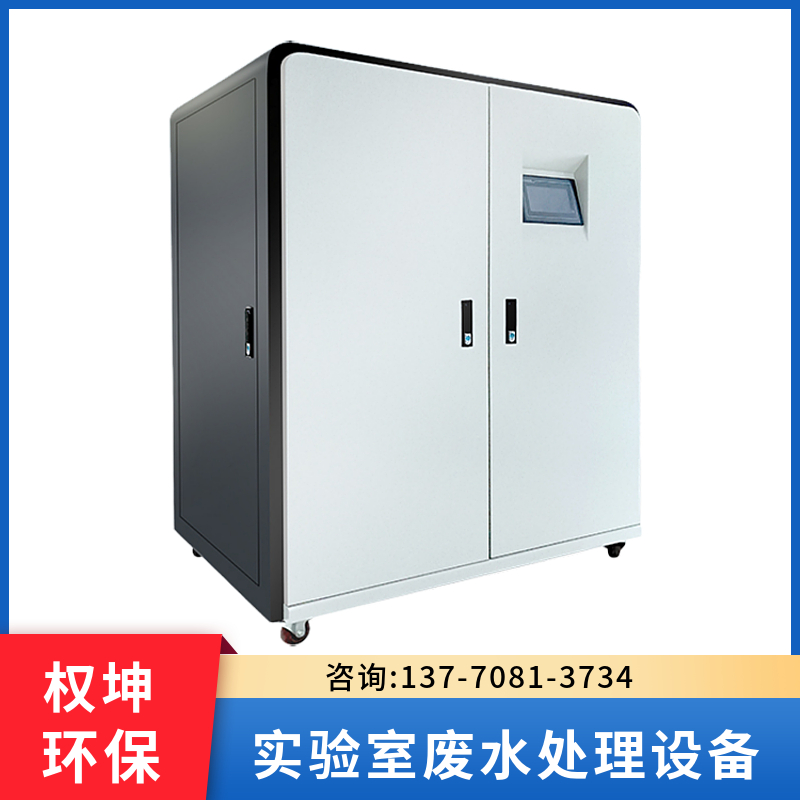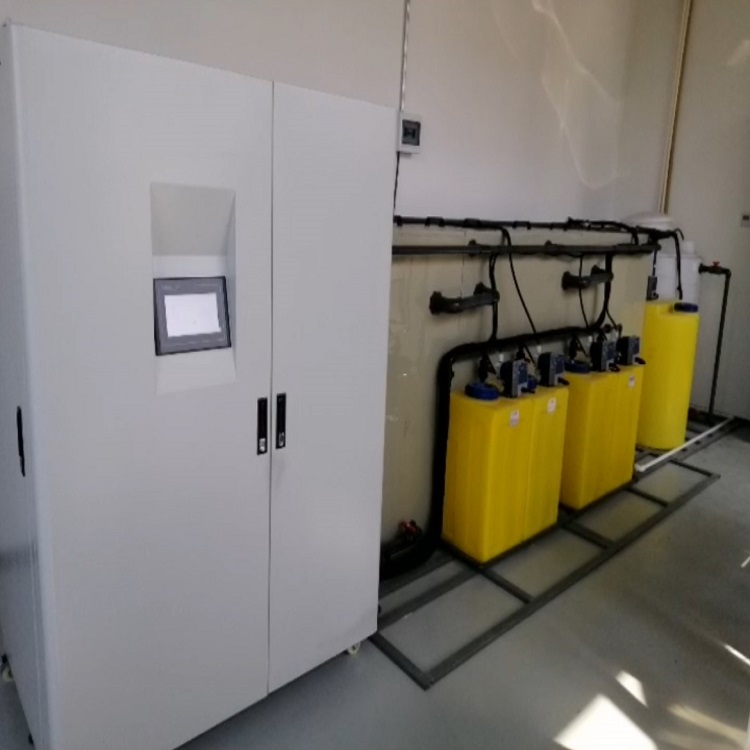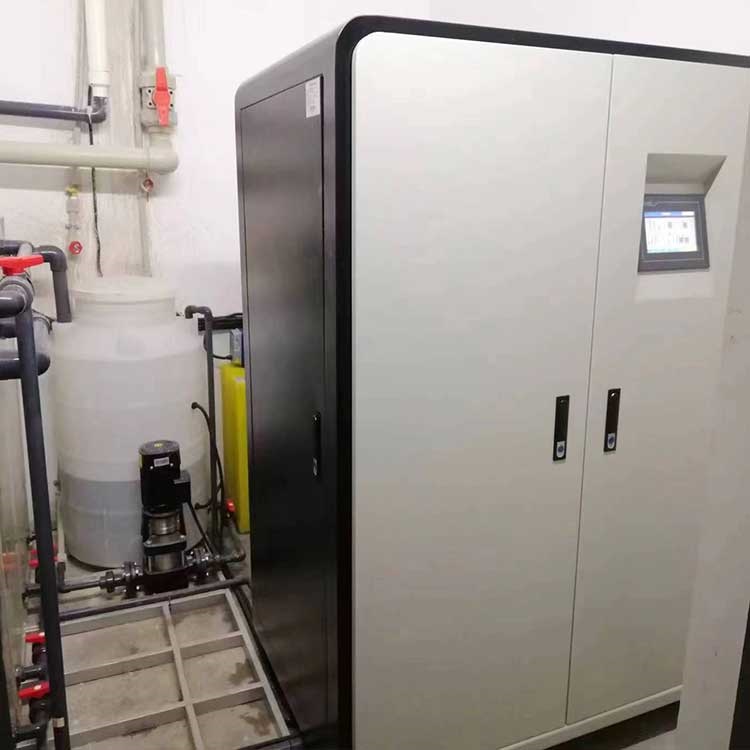

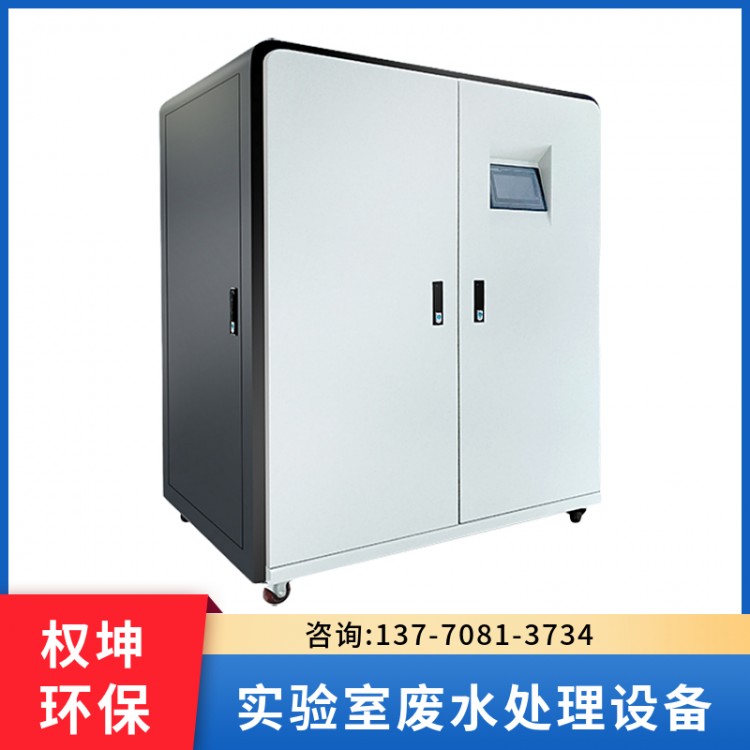

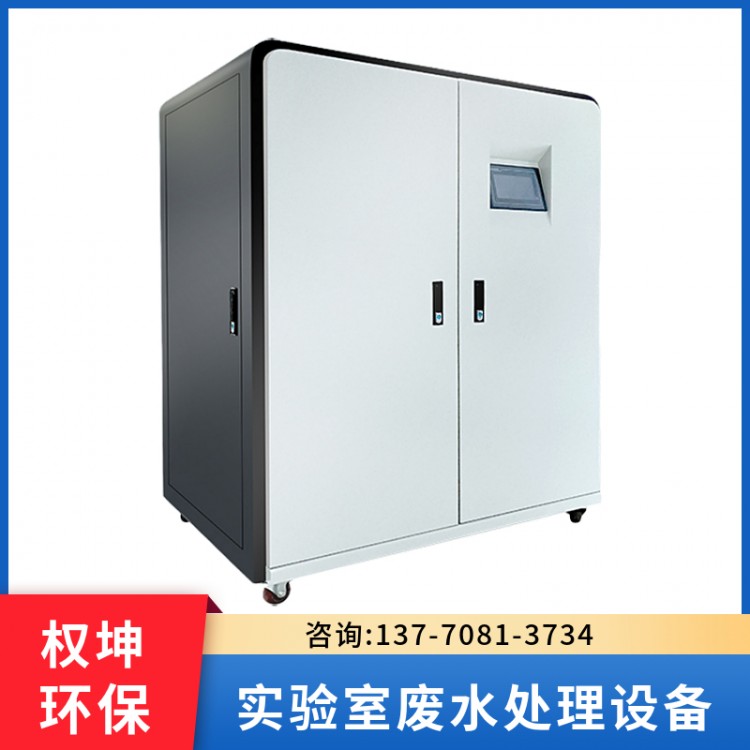

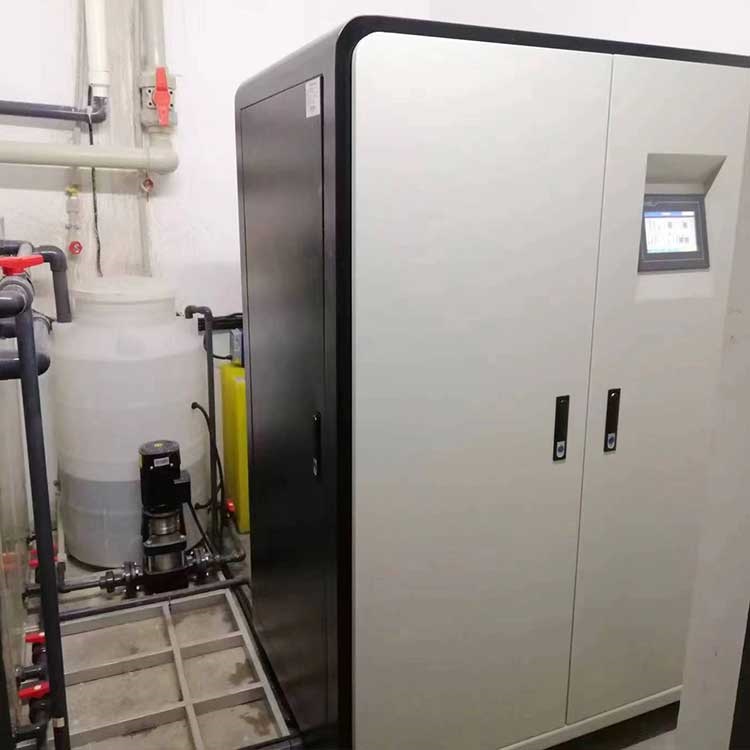












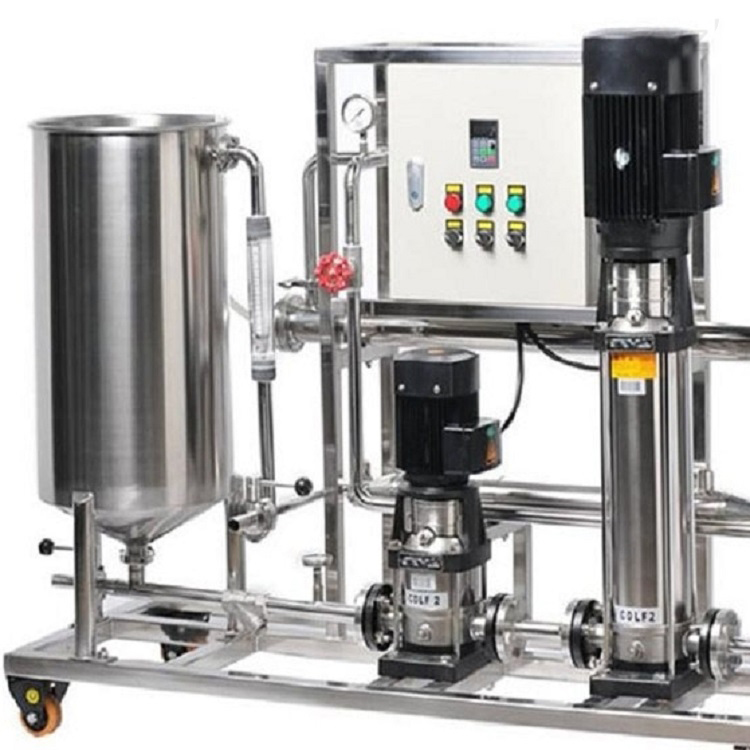
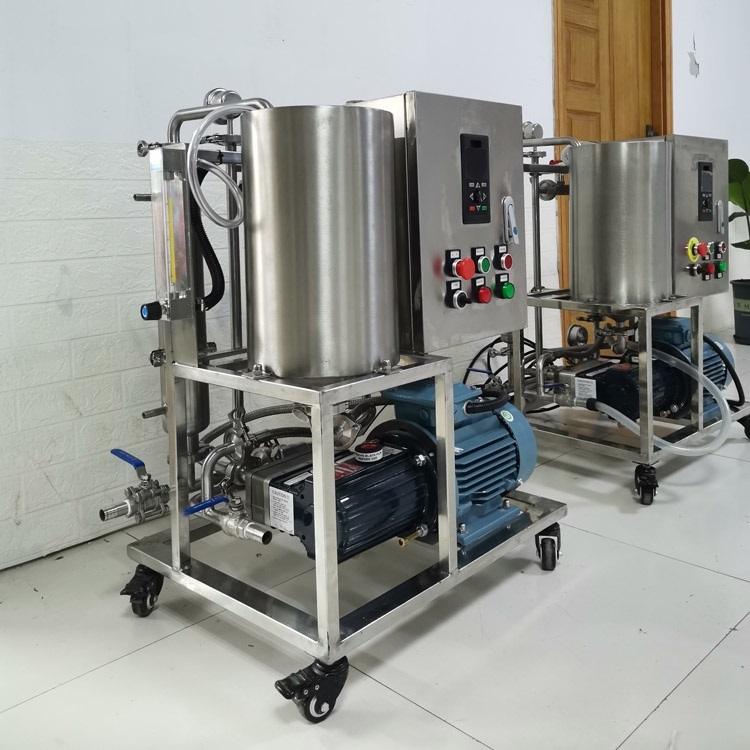
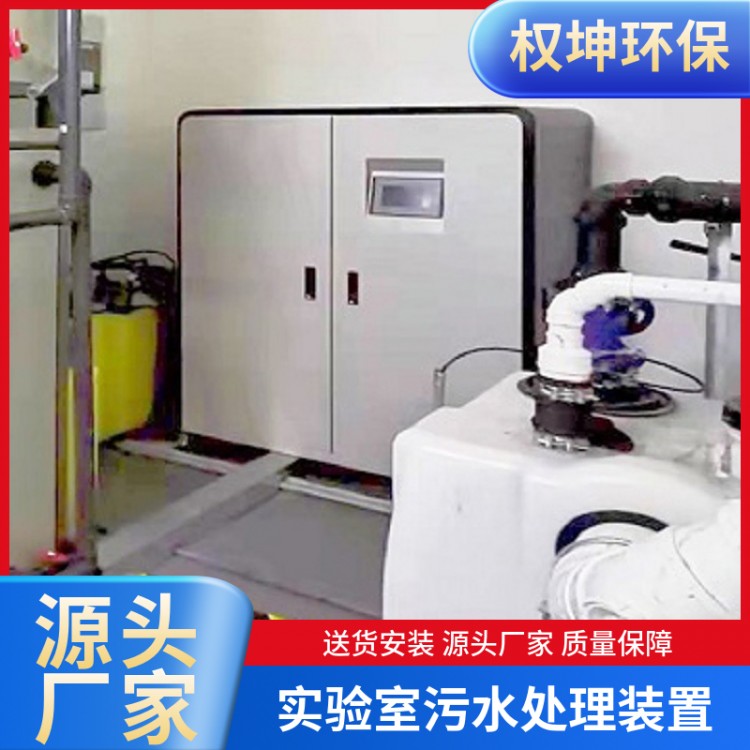
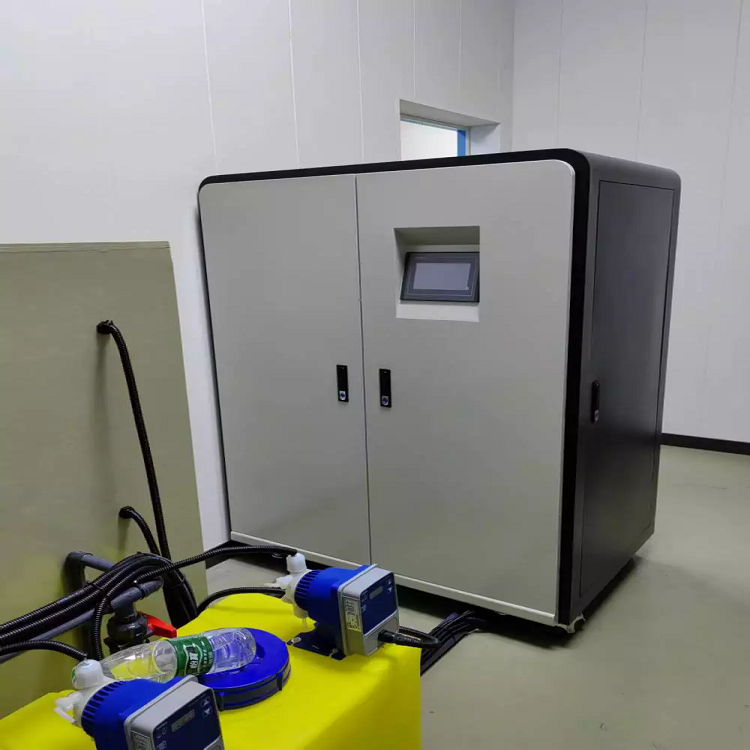
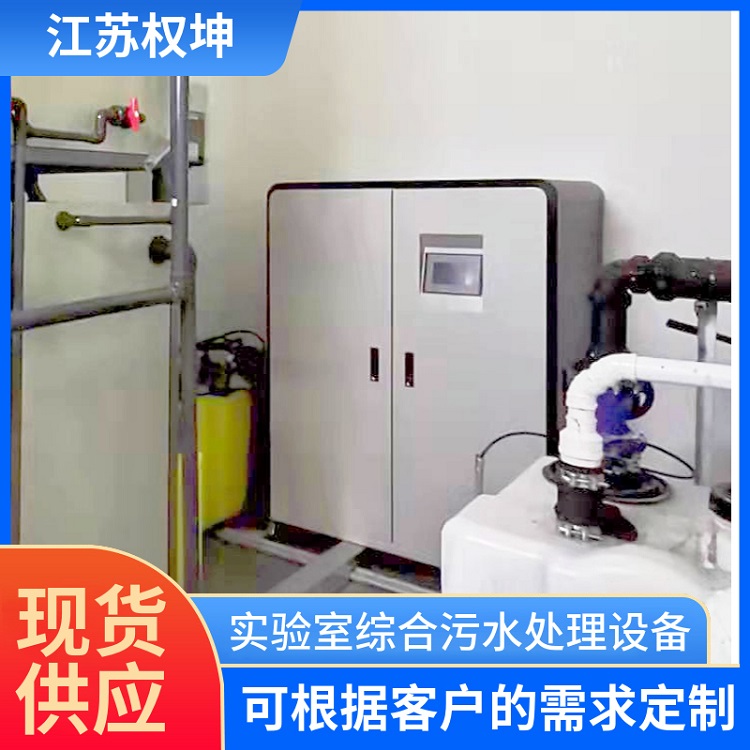
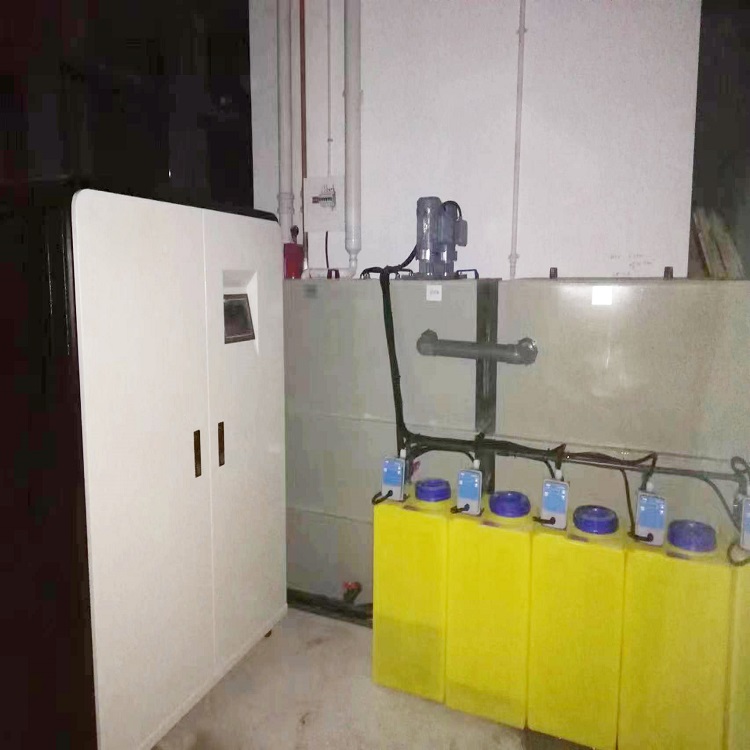
Integrated wastewater treatment - Industrial laboratory wastewater treatment equipment - Carbon steel material - Stable operation
The lab generates a significant amount of hazardous waste liquids containing acids, alkalis, and organic substances daily. As laboratory analysts, it is essential to strengthen one's safety awareness and avoid随意 disposing of chemical waste. This helps minimize the harm of toxic and harmful waste to humans and the environment. Therefore, laboratory wastewater treatment is a crucial task. Cultivate good laboratory habits, operate in accordance with regulations, and strive to reduce the harm caused by experimental wastewater to the minimum, contributing to environmental protection.
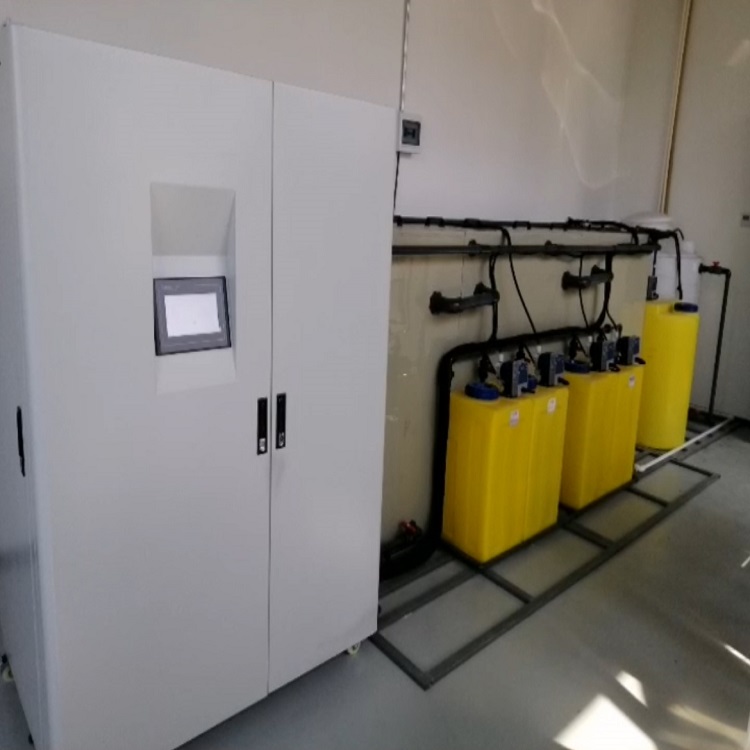
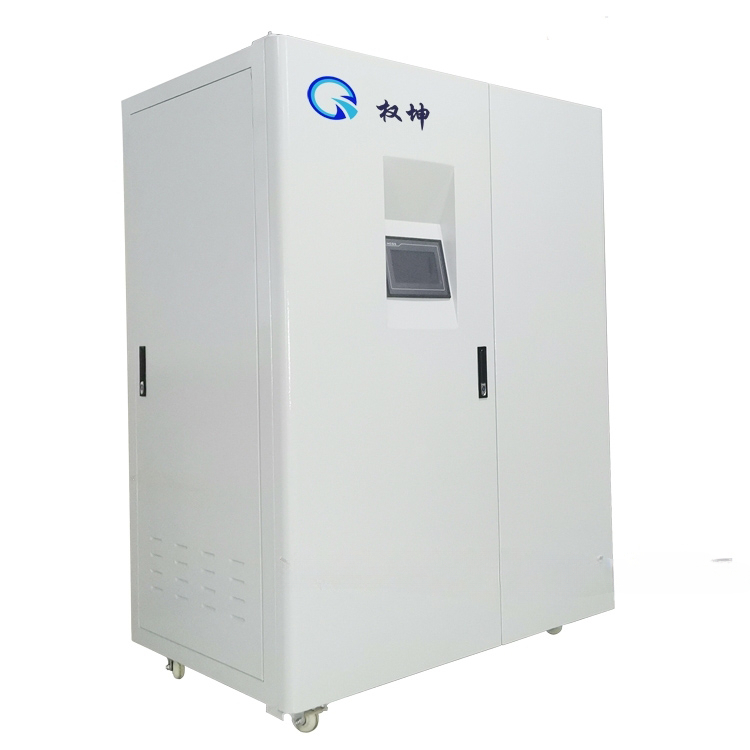
Equipment Advantages:
Treat inorganic pollutants in wastewater using neutralization coagulation, flocculation, natural sedimentation, fine filtration, and activated carbon adsorption technologies.
2. Fully automated operation with no need for staff to be present 24/7.
3. Accurately control the dosage of chemicals using pH levels and a metering pump.
4. Easy to operate, stable performance, long service life, and low maintenance costs.
5. Compact footprint, suitable for indoor or outdoor placement as needed.
6. Custom design and manufacturing available based on customer requirements and operating volume.
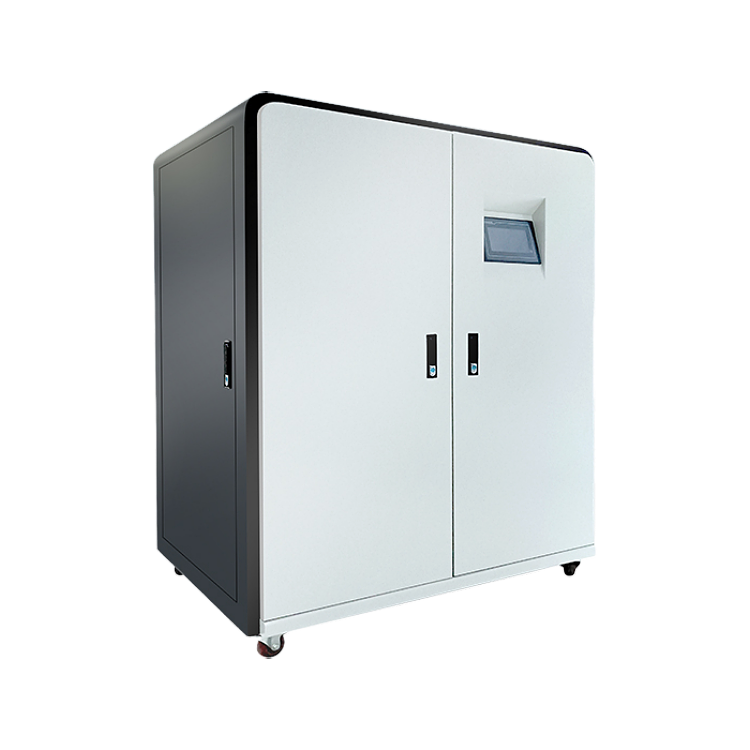
Laboratory wastewater treatment equipment configuration quotation:
Laboratory wastewater sources: comprehensive laboratory wastewater generated from pharmaceuticals, reagents, solutions, and instrument cleaning, etc.
2. Comprehensive laboratory wastewater composition: inorganic substances, organic substances, biological wastewater, etc.
1) Inorganic wastewater: heavy metal ions, acid-base pH values, halogen ions, and other non-metallic ions.
2) Organic Waste Water: Organic solvents, ammonia nitrogen, organic phosphorus fertilizers, etc.
3) Biological wastewater: viruses, chlamydia, mycoplasma, spirochetes, fungi, Brucella, anthrax bacteria, etc.
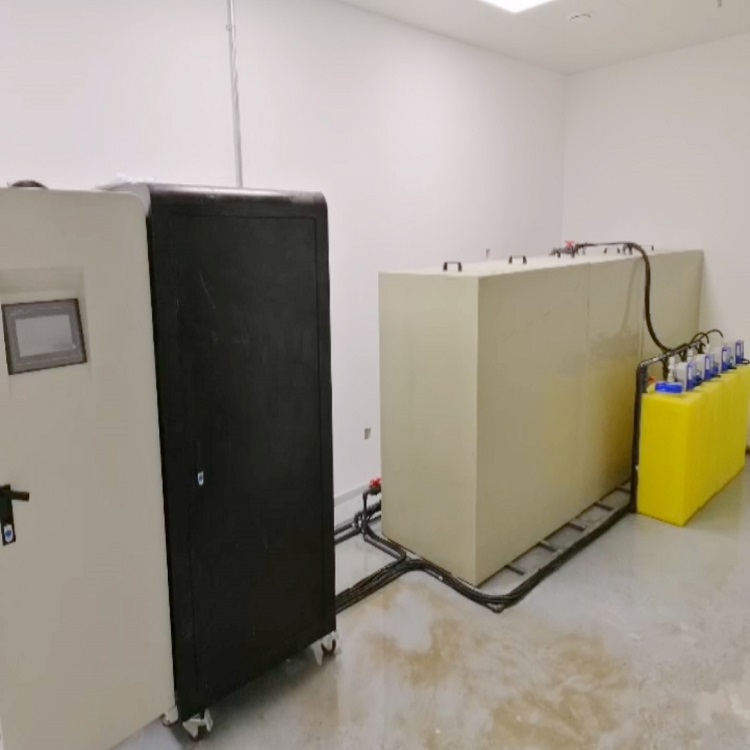
Equipment Advantages:
1. Treat various pollutants in wastewater with technologies such as acid-base neutralization precipitation, active adsorption, and ozone sterilization disinfection.
2. Utilizes microcomputer programming for real-time monitoring and control of wastewater quality and treatment process, ensuring around-the-clock automatic operation without the need for constant supervision.
3. Accurately control the dosing amount with a pH meter and imported metering pump, and is equipped with level control and other devices.
4. Utilizing state-of-the-art oxygenators, achieving thorough gas-water contact and complete reaction.
5. User-friendly, stable operation, long service life, low running and maintenance costs.
6. Compact in size, suitable for placement indoors or outdoors as needed.
7. Custom design and manufacturing services available to cater to diverse customer requirements.
8. Equipment features anti-leakage protection and comes with an integrated safety protection system.
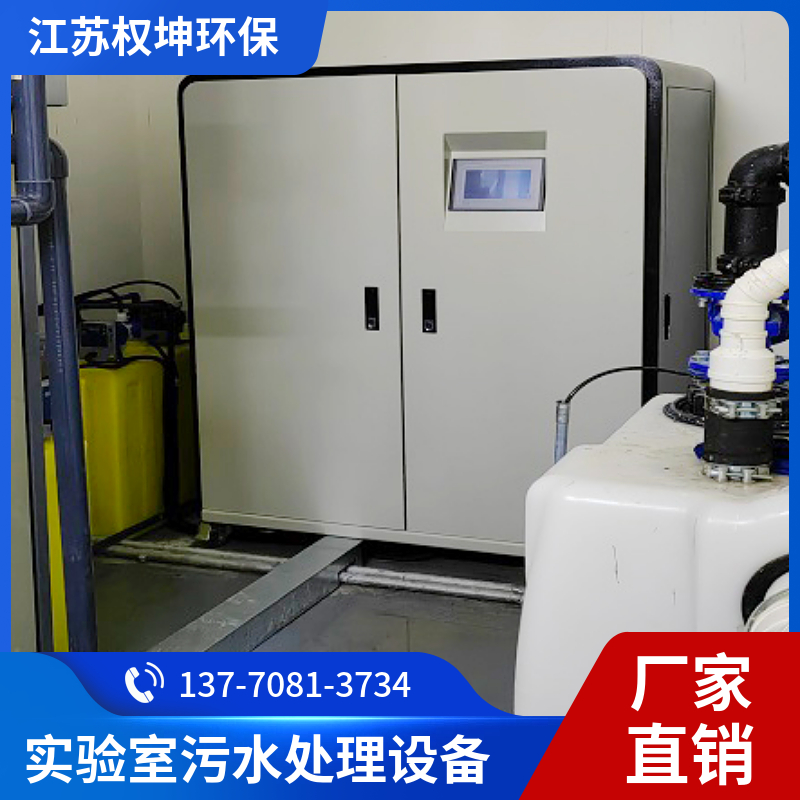 Integrated wastewater treatment - Industrial laboratory wastewater treatment equipment - Carbon steel material - Stable operation
Cautionary Notes for Maintenance:
If there are minor malfunctions in the small-scale laboratory wastewater treatment equipment, such as belt deviation in the dewatering machine, excessively low oil temperature in the blower, and low-level alarm of the automatic flocculation device, they can be repaired on-site without disassembly. In such cases, with a supervisor in charge, confirm that the repair will not affect the entire process, and complete the repair as soon as possible.
1. When equipment requires disassembly for repair, simple replacement of parts, or needs to be repositioned as a whole, such as the complete replacement of a pump, electrical components, and hand valves. In the event of such malfunctions, the maintenance staff must report the issue to the supervisor, who will then assign a maintenance worker to perform the replacement or repair.
2. In case of equipment malfunctions that cannot be resolved by the crew, it is necessary to promptly report to the department head. The department head should then arrange for the equipment supplier or a relevant professional to carry out the repair.
3. Employing a tiered troubleshooting approach to address issues with small-scale laboratory wastewater treatment equipment, we ensure uninterrupted continuous operation while enhancing the equipment's effective utilization.