













Product Introduction:
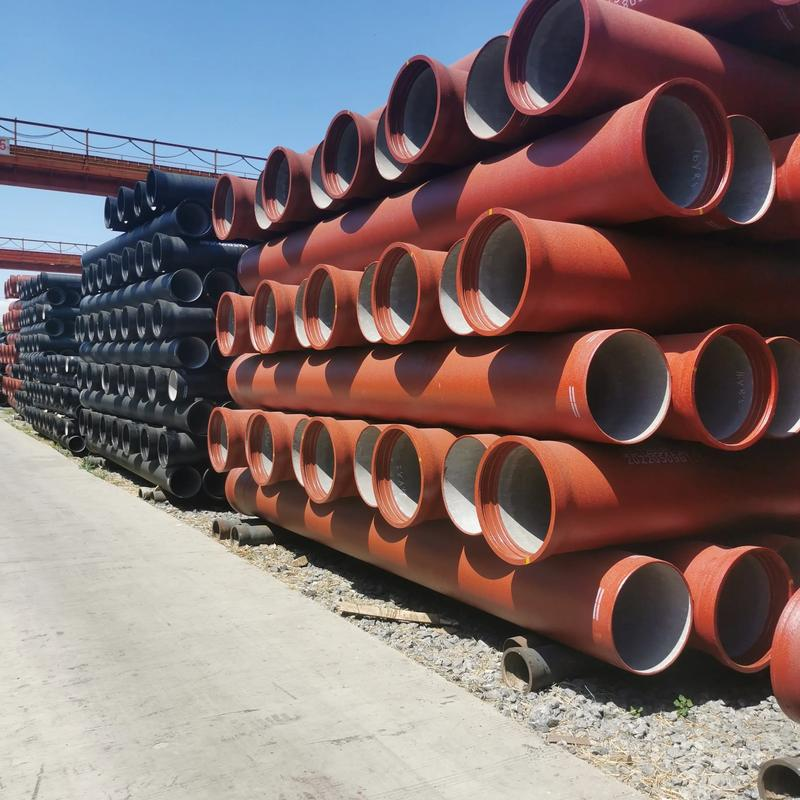
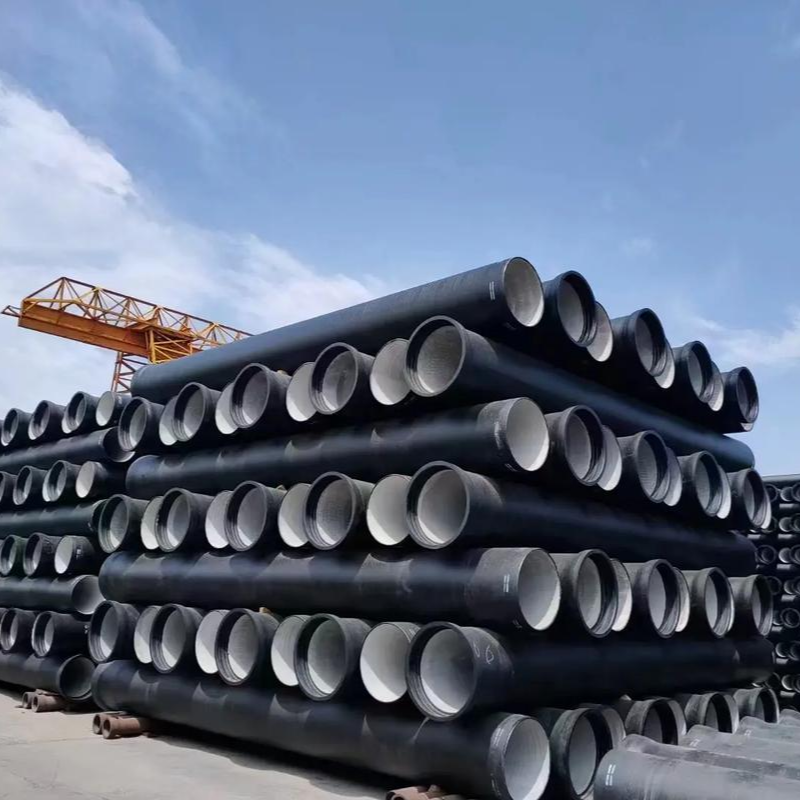
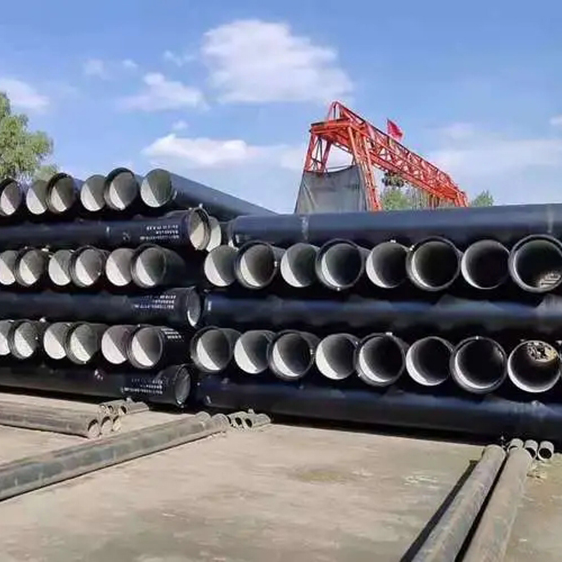
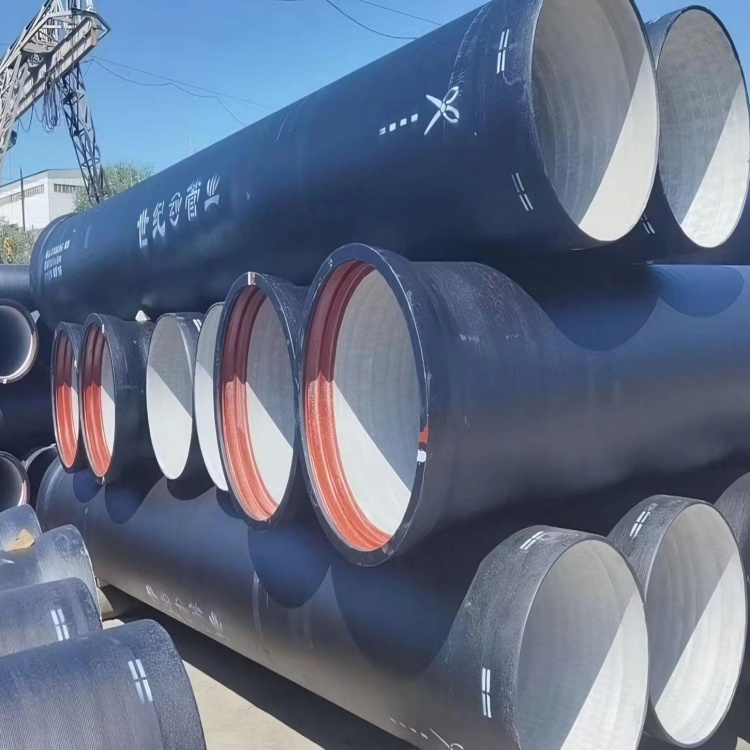
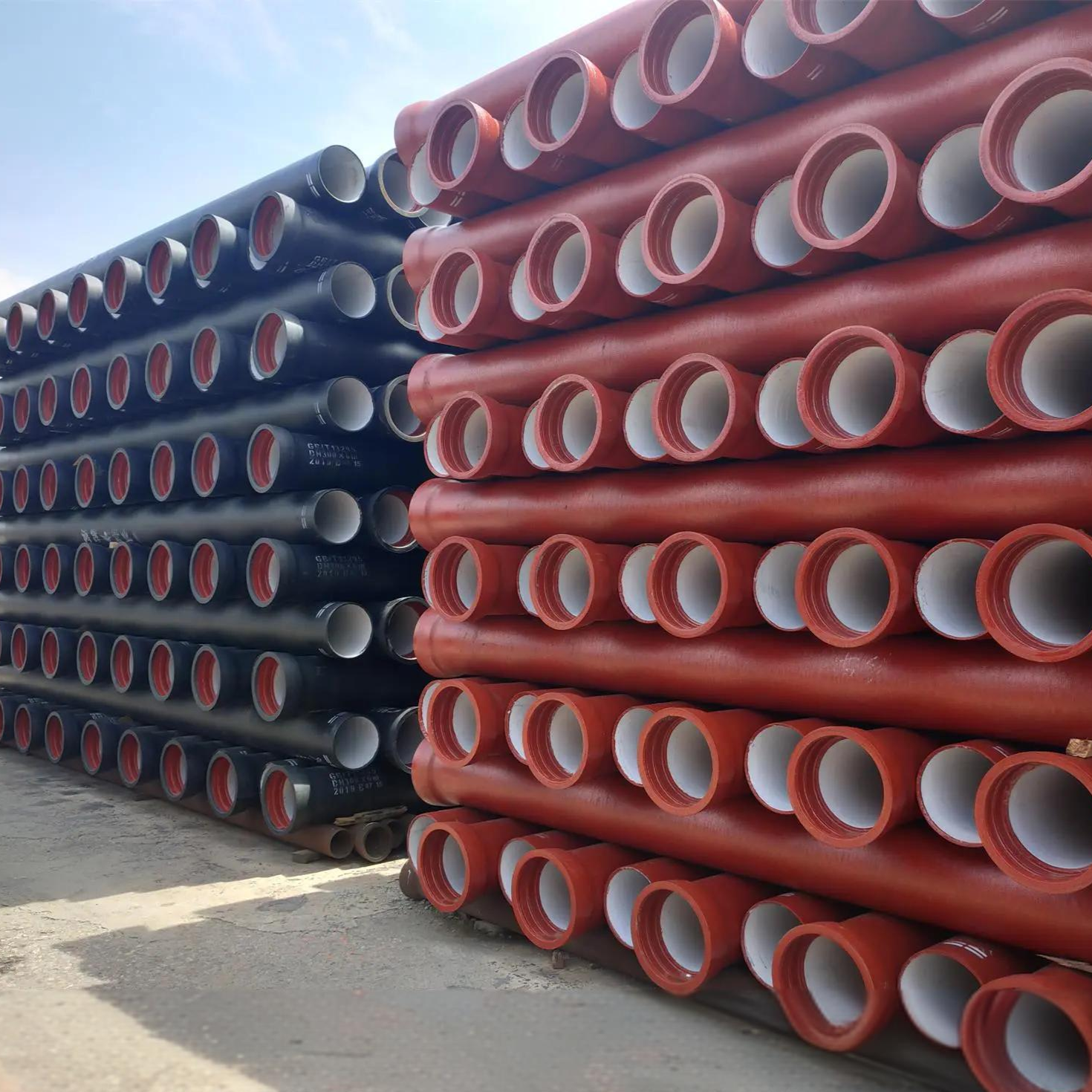
Graphite iron is a type of cast iron, an alloy of iron, carbon, and silicon. The graphite in the graphite iron exists in spherical form, usually with a size of 6-7 grades. In terms of quality, the spheroidizing grade of cast pipe is required to be controlled at 1-3 grades (spheroidizing rate ≥80%), thus improving the mechanical properties of the material itself, combining the essence of iron with the properties of steel. After annealing, the microstructure of the graphite iron pipe is ferrite plus a small amount of pearlite, and it has good mechanical properties.
Ductile iron pipe features:
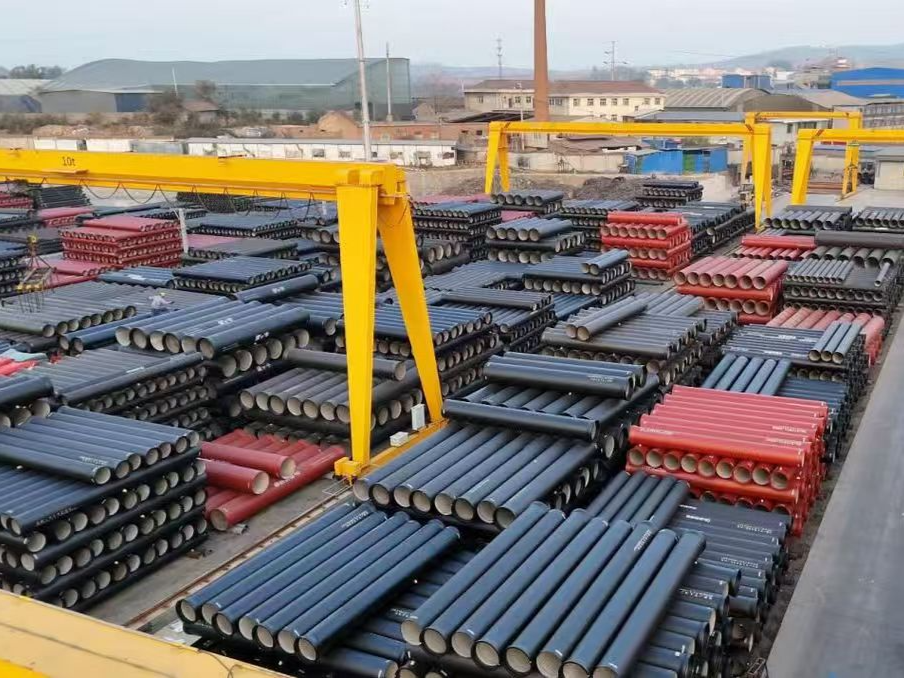
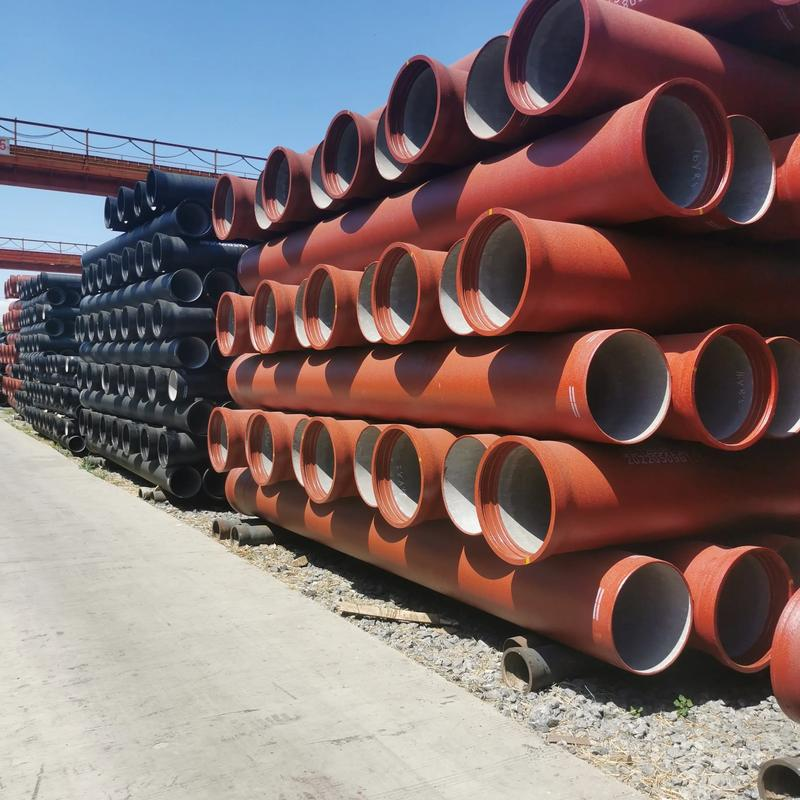
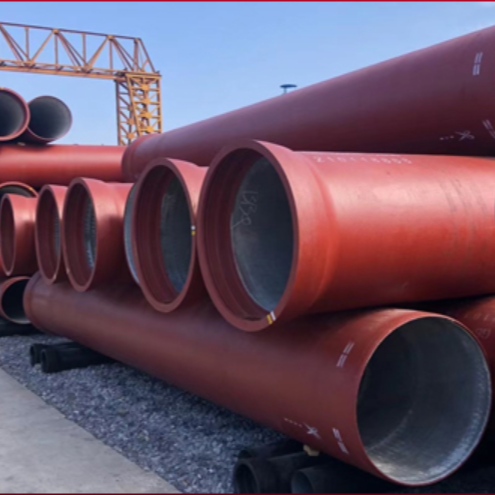
■ Possesses the essence of iron and the properties of steel, with excellent corrosion resistance and good ductility, easy installation, mainly used for municipal, industrial and mining enterprises in water supply, gas transmission, and oil transportation.
In medium and low-pressure pipelines, Ductile Iron Pipes offer reliable operation with low failure rates and specific execution standards for construction and maintenance.
The main components of ductile iron pipes include carbon, silicon, manganese, sulfur, phosphorus, and magnesium, among others.
Ductile iron pipes, as a new type of pipeline material, excel in their performance with their excellent mechanical properties, metal savings, ease of construction, cost-effectiveness in comprehensive engineering projects, high reliability, corrosion resistance, and safe water and gas supply. They are used in fields such as water supply pipelines, water distribution networks, oil transportation pipelines, and gas transmission pipeline networks, offering a long service life. Ductile iron is an alloy of iron, carbon, and silicon, with carbon existing as spherical free graphite. In gray cast iron, the flake-shaped graphite exerts a "cutting" effect on the iron matrix, making it brittle. In ductile iron, the spherical graphite eliminates this destructive effect, making it tough. It retains the essence of iron and the properties of steel.
Graphite cast iron and gray cast iron both contain individual graphite, meaning cast iron is a mixture of iron and graphite. In gray cast iron, the graphite is in a flake form, with very low strength, so it is akin to having many flake-shaped voids in the cast iron, making gray cast iron relatively weak and brittle. In graphite cast iron, the graphite is spherical, resulting in many spherical voids within the cast iron. Spherical voids have a much lesser impact on the strength of cast iron than flake-shaped voids, hence, nodular cast iron is significantly stronger than gray cast iron. Naturally, pipes made of high-strength nodular cast iron are quite popular!
■ Ductile iron pipes have become the preferred material for water supply systems worldwide and are increasingly being adopted in gas pipeline systems. This is due to the fact that ductile iron pipes offer the strength and elongation required of steel pipes, but with corrosion resistance that is over twice as good. Flexible joints can effectively serve as vibration dampeners.
Ductile iron pipes, with their superior mechanical properties and excellent quality, serve as the backbone of the pipeline water supply industry. Their exceptional pressure-bearing capacity, reliable sealing performance, unparalleled corrosion resistance, and guaranteed water quality system make pipeline water supply near perfect. Even under challenging conditions such as complex terrain, saline-alkali soils, swamps, steep slopes, and deserts with varying soil compositions, they excel in fulfilling the water supply tasks.
The tensile strength and pressure resistance of ductile iron pipes are comparable to those of steel pipes, with significantly higher elongation compared to gray cast iron pipes, offering excellent toughness. Not only does it overcome the vulnerability of gray iron pipes to fracture, but it also avoids the deformation issue that steel pipes may experience under high pressure. Consequently, ductile iron pipes exhibit remarkable seismic resistance and have a significantly extended service life, up to 50-70 years.
Ductile iron pipes (hereinafter referred to as DIP) are the most commonly used water supply piping materials internationally, and are also applicable in oil, electricity, mining, and chemical industries. DIP combines the corrosion resistance of gray cast iron pipes with the strength and toughness of steel pipes, weighing up to one-third to one-half less than gray cast iron pipes of the same diameter, and is closer in weight to steel pipes, yet with several to even dozens of times greater corrosion resistance. Consequently, DIP does not require special corrosion prevention treatment in various environments. The strength of DIP is sufficient to bear complex external loads, including road surface loads, a feature that outperforms gray cast iron, concrete, glass, and plastic pipes. The honed cement lining has a low roughness coefficient, offering minimal fluid resistance, making it comparable to glass and plastic pipes.