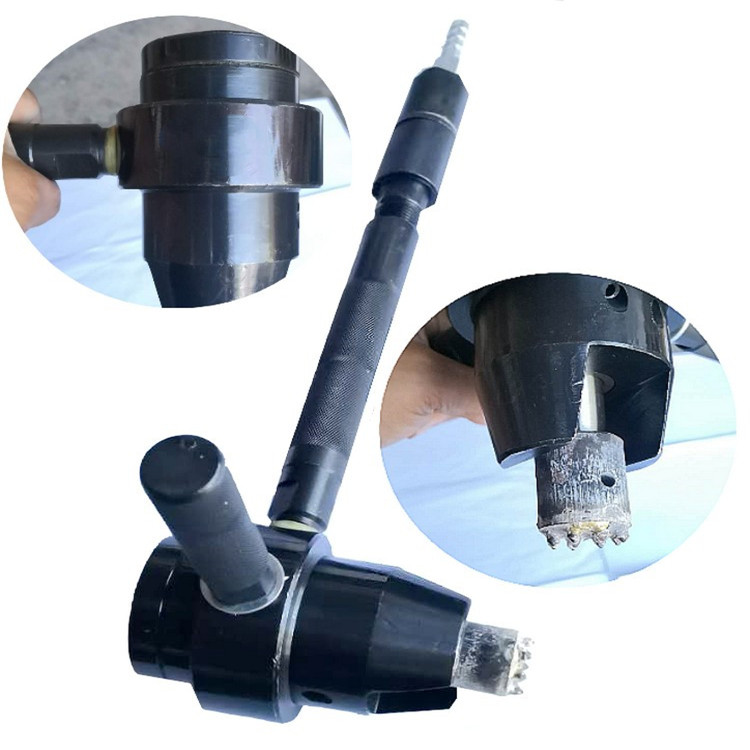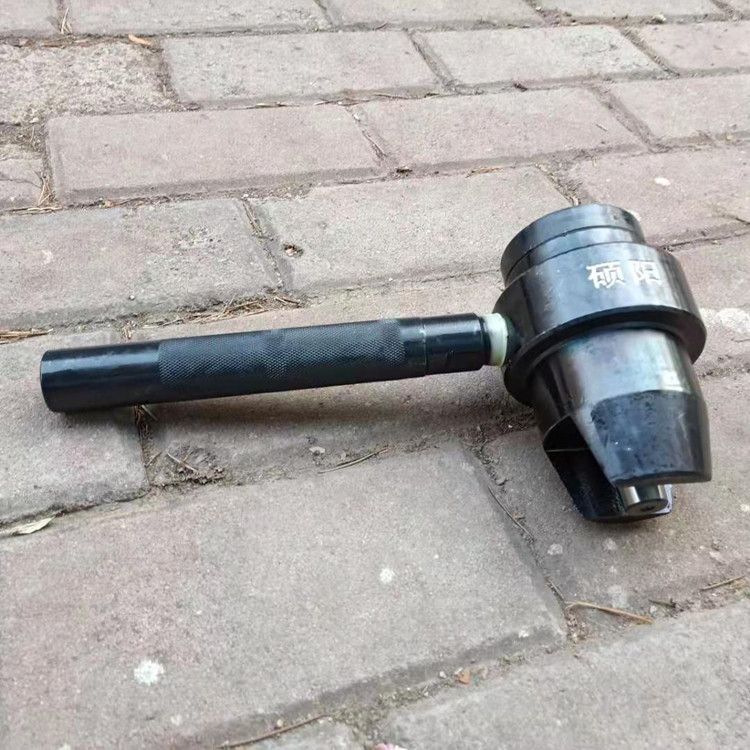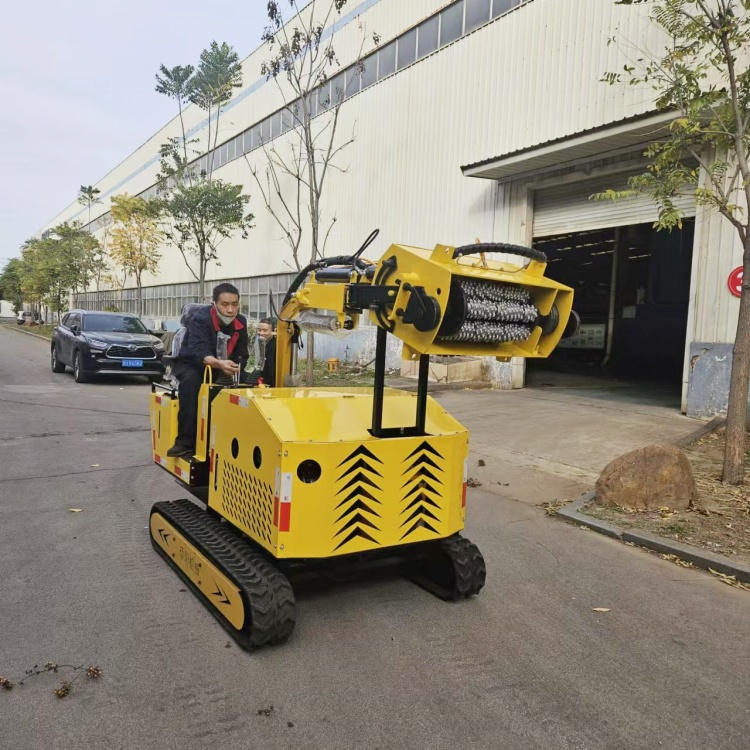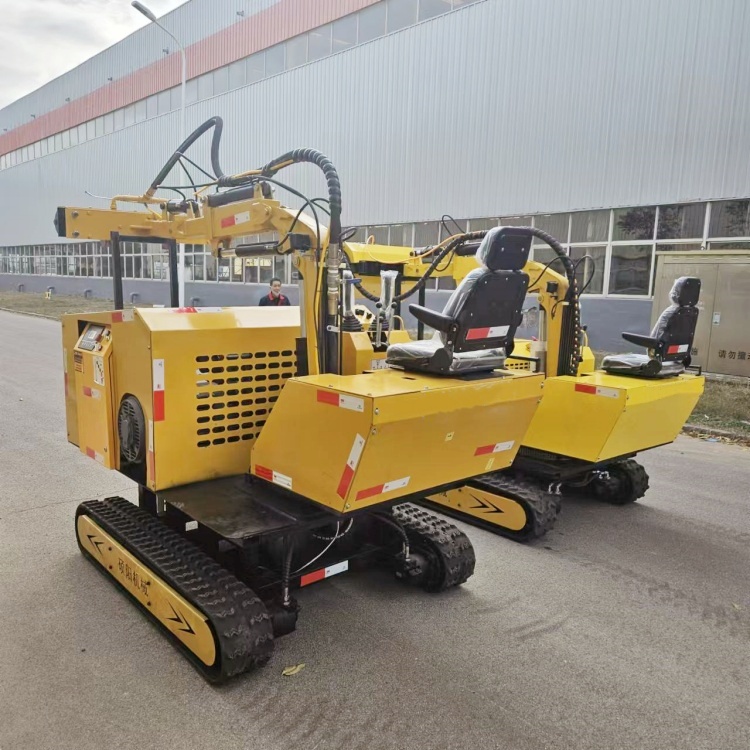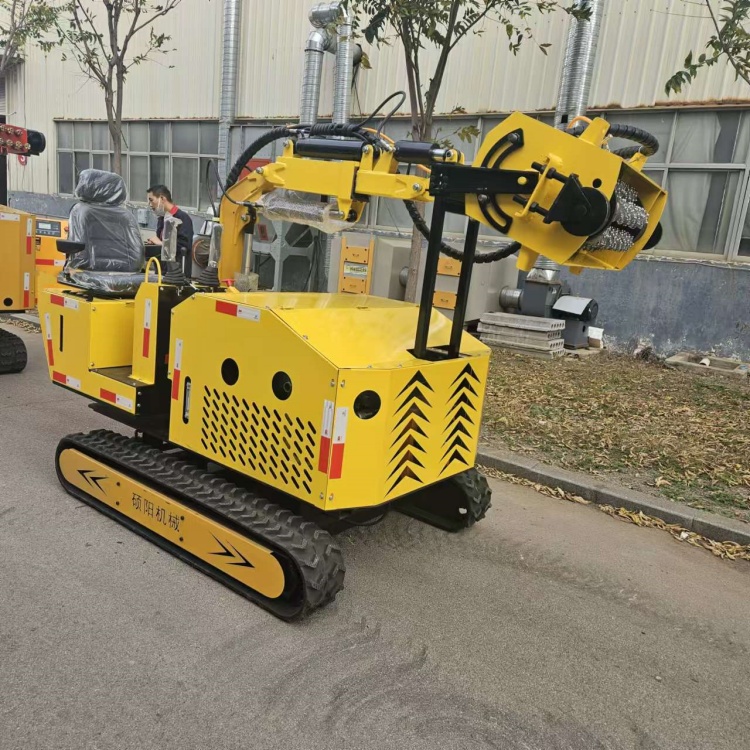

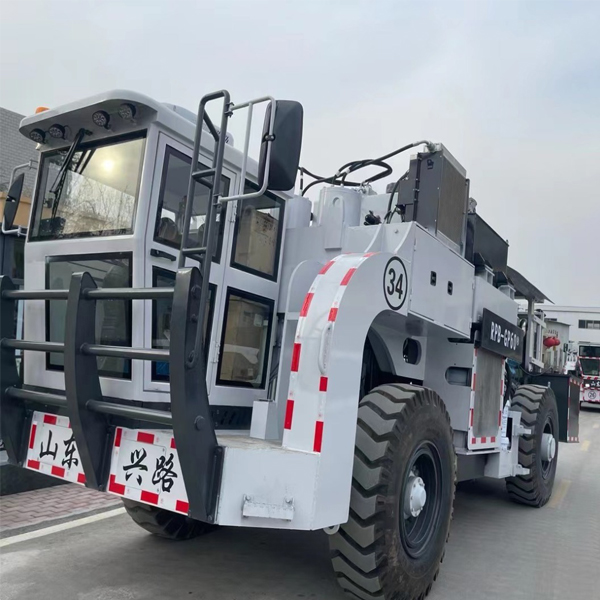







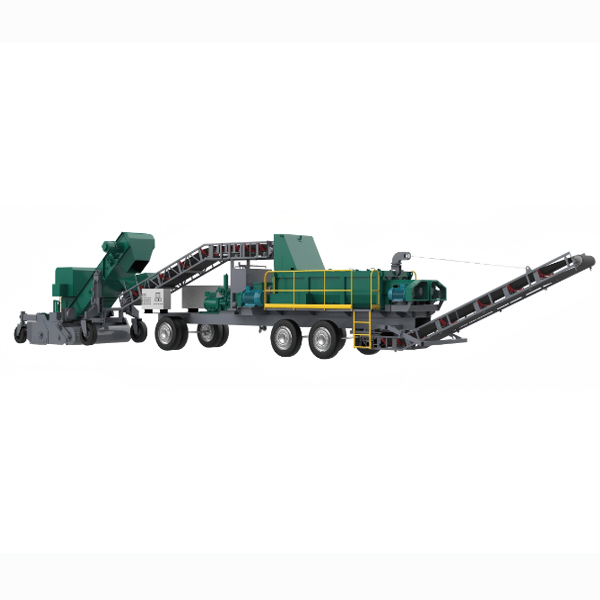
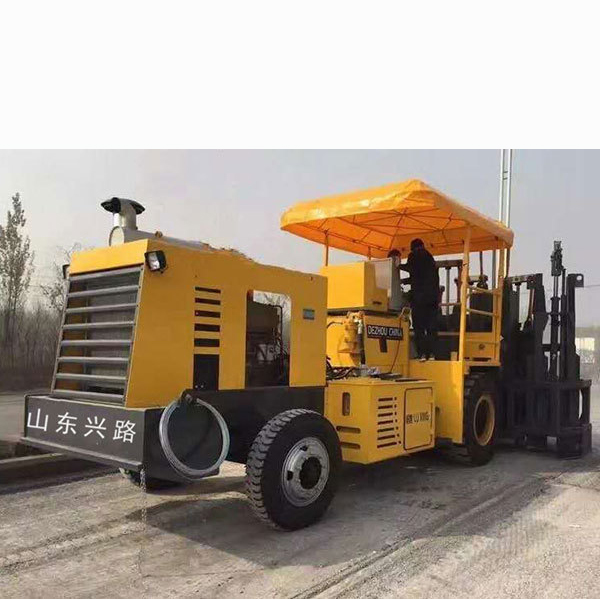
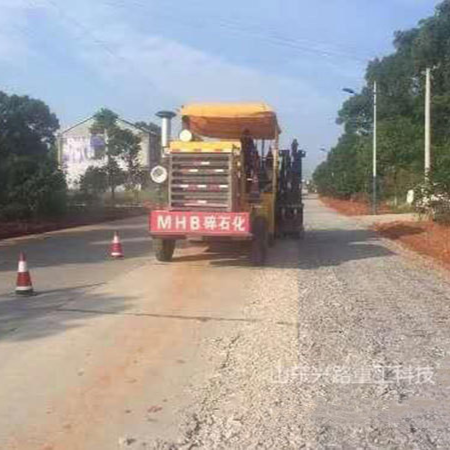
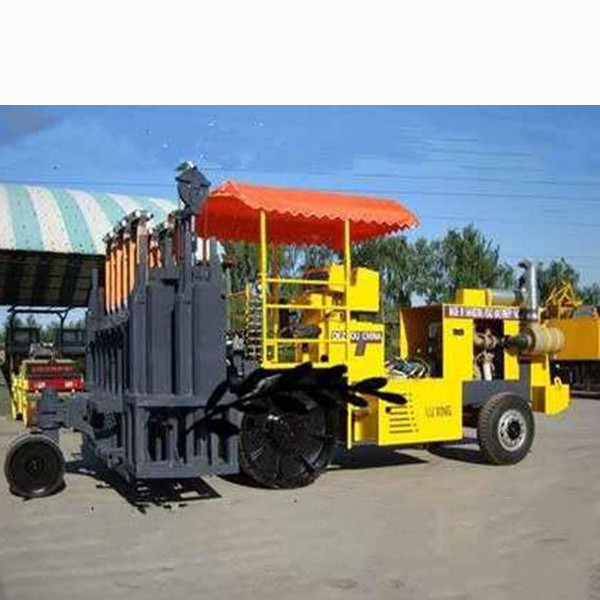
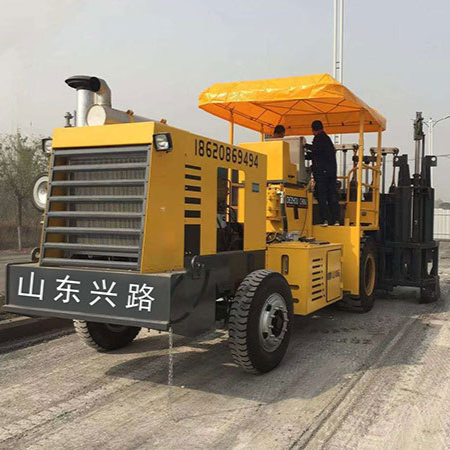
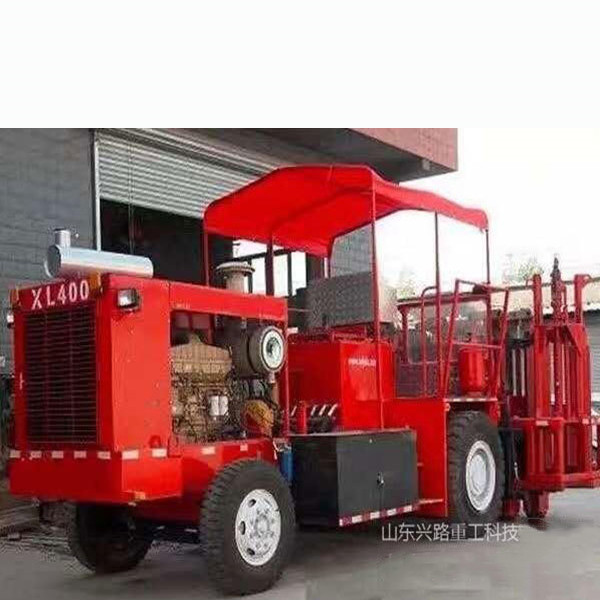
Resonant crushing and screening construction technology features:
The high-frequency, low-amplitude vibration energy generated by the resonance fracturing technology can be transmitted to the concrete slabs through the crushing hammer head, causing the surface layer of the old concrete slabs to fracture within a depth of 4-6 cm into碎石 layers with particle sizes of 3 cm or less.
Due to the high momentum of the resonance crusher, the contact time with the slab is shorter, which allows the cracks on the surface of the cement slab to uniformly extend to the bottom of the slab in a short period. It also exerts a high-frequency vibratory force on the interior of the cement board, resulting in relatively even overall cracking. The size and direction of the fragments are highly regular. The cement slab forms diagonal cracks, which form an angle of 30-40 degrees with the road surface. The particle size of the cement slab's surface is smaller and more loose, while the lower layer has larger particle sizes.
Interlocking is preferable as it allows the lower layer of the crushed stone to crack rather than break, forming a block structure that interlocks, and it also exhibits good arching effects, converting vertical pressure into horizontal thrust, thereby fundamentally reducing or preventing the occurrence of reflective cracks, and also causing no damage to the subgrade, roadbed, and surrounding structural facilities.