







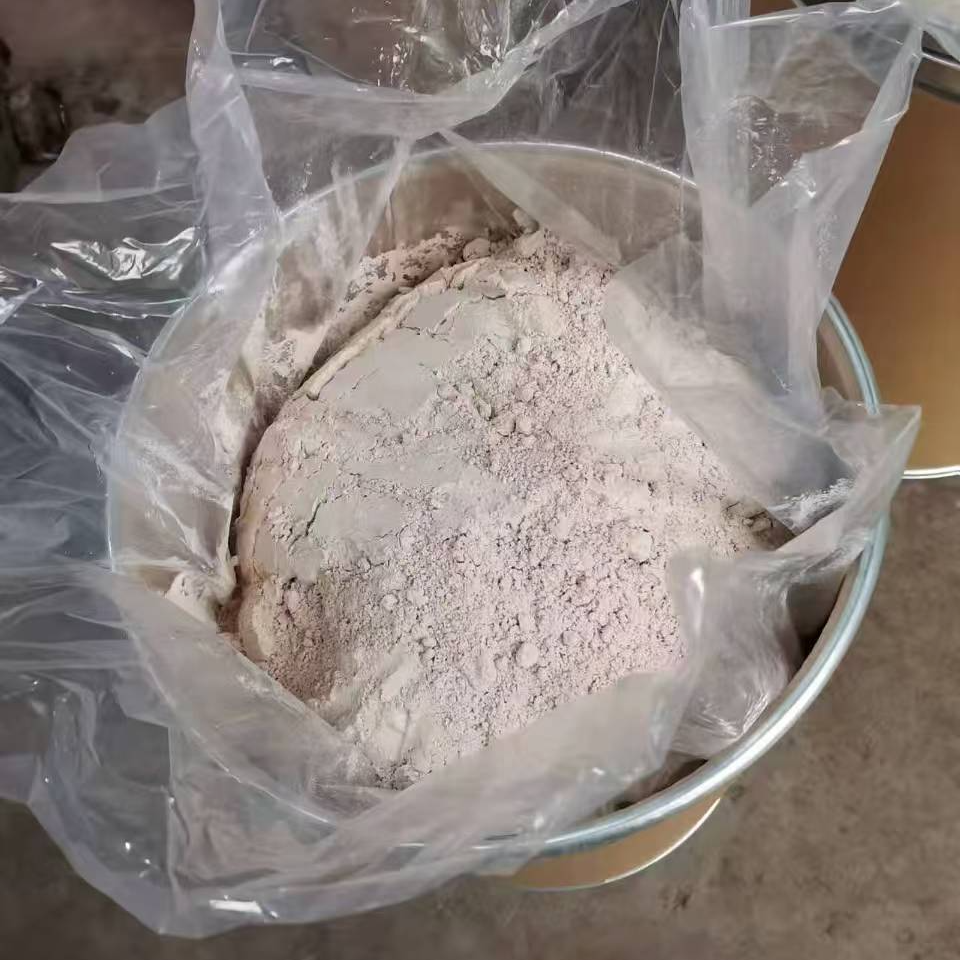



Organic Synthesis and Pharmaceutical Intermediates (Core Applications)
This is the classic and primary use of 2-naphthylhydrazine salt.
Synthetic Heterocyclic Compounds: Hydrazine is the "skeleton" for constructing numerous nitrogen-containing heterocycles.
Indole and its derivatives: Produced through the Fischer indole synthesis, they react with aldehydes or ketones, closing the ring to form indole compounds containing naphthyl fused systems. These structures are widely present in drug molecules and natural products.
Pyrazoles, triazoles, etc.: React with 1,3-dicarbonyl compounds, nitriles, etc., to construct five-membered nitrogen-containing rings.
Synthetic azo dyes and颜料 intermediates: serve as precursors for diazo components. They can undergo diazotization reactions themselves, and the resulting diazo salts can couple with phenols, aromatic amines, etc., to form azo compounds containing larger naphthalene rings. These compounds are characterized by deep colors and large molecular weights, and are often used as dyes or pigments (such as certain red and blue pigments).
Synthetic hydrazide compounds: React with acyl chlorides, anhydrides, or esters to produce 2-naphthylhydrazide derivatives. These products may possess biological activity or can serve as intermediates for further synthesis (e.g., condensation with aldehydes or ketones to form hydrazones).
2. Analytical Chemistry and Biochemical Reagents
Derivatization reagents for carbonyl compounds: Used in High-Performance Liquid Chromatography (HPLC) or Gas Chromatography (GC) analysis. They react with aldehydes and ketones to form stable hydrazones, thereby:
Enhance the detection sensitivity of the item being tested (especially for UV or fluorescence detection).
Improve chromatographic separation performance.
Used for detecting and quantifying trace aldehydes and ketones in complex samples (such as biological samples, food).
Metal ion detection and chelating agents: The hydrazine group and naphthalene ring in their molecules can act as coordination sites, forming colored complexes with certain metal ions, which are used for colorimetric detection or extraction and separation of specific metals.
3. Materials Science
Building blocks for functional organic molecules: Used for synthesizing organic materials with special photoelectric properties. For instance, incorporating the 2-naphthylhydrazine structure into conjugated polymers or small molecules may adjust their luminescent and charge transport properties, and find applications in organic light-emitting diodes (OLEDs) or sensors.
Coordination polymers: As nitrogen-containing ligands, they assemble with metal ions to form coordination polymers or metal-organic frameworks (MOFs) with specific structures.
4. High Molecular Chemistry
Monomers or modifiers for polymerization reactions: Suitable for synthesizing polymers containing hydrazine or azo bonds. Azo bonds exhibit pH responsiveness and can be used in drug delivery systems to construct intelligent release carriers.