

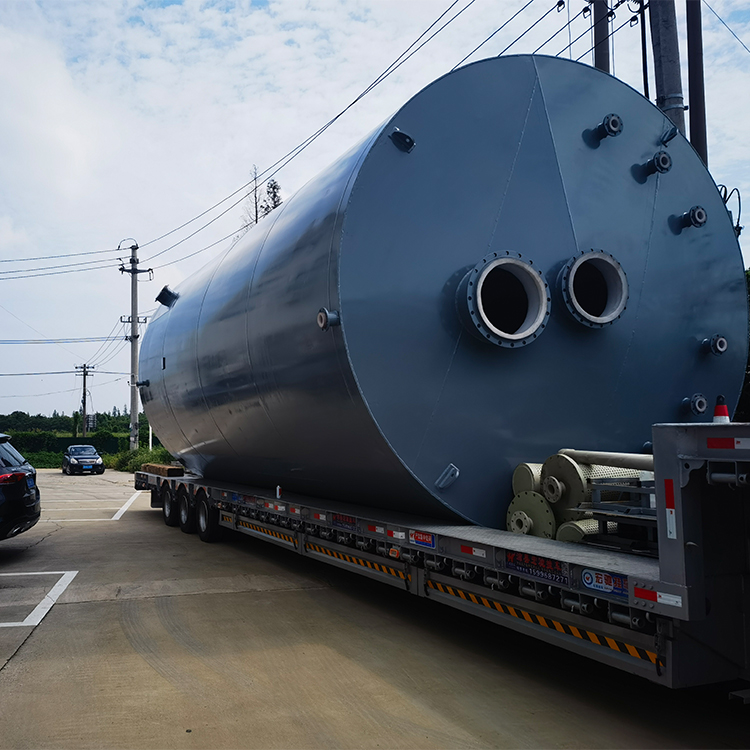


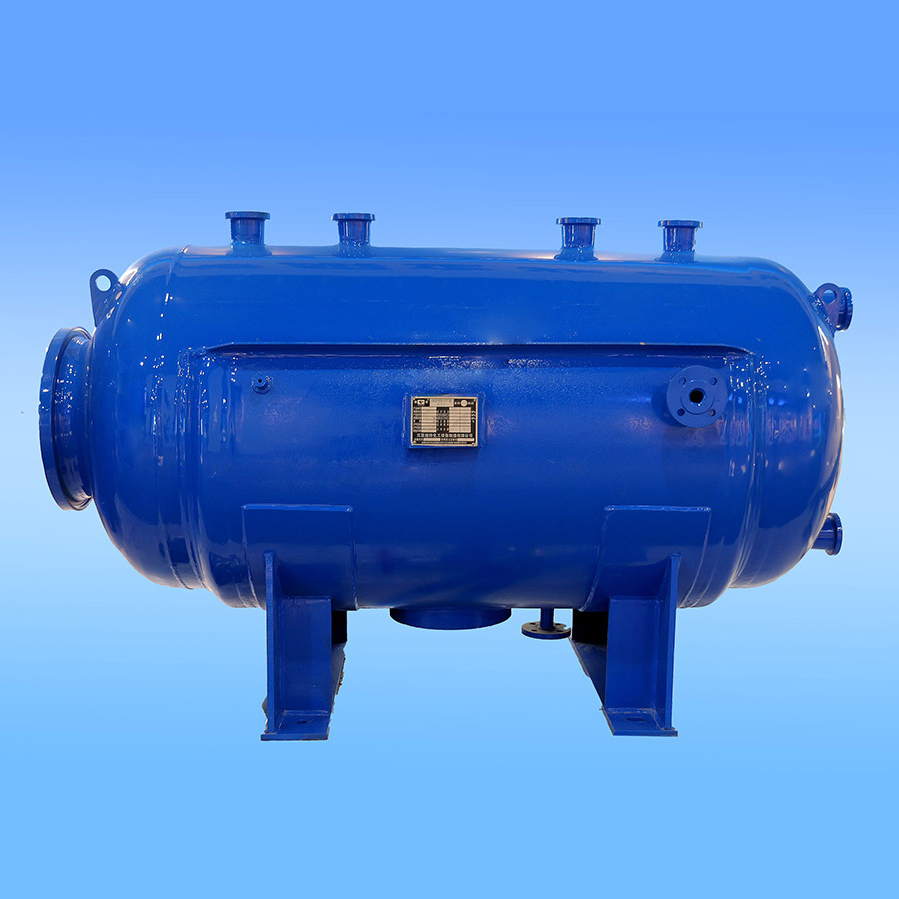
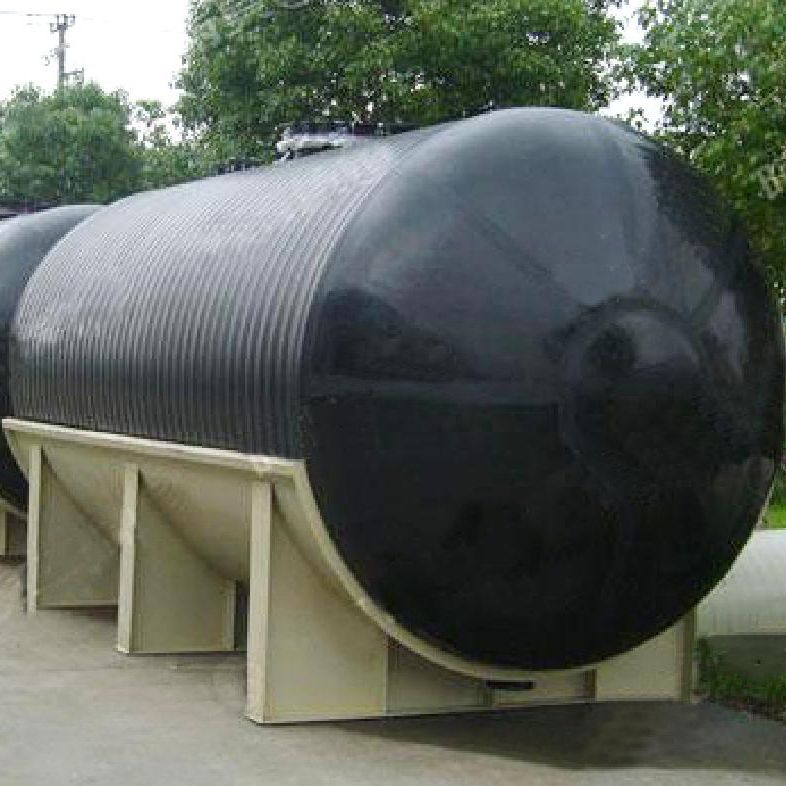
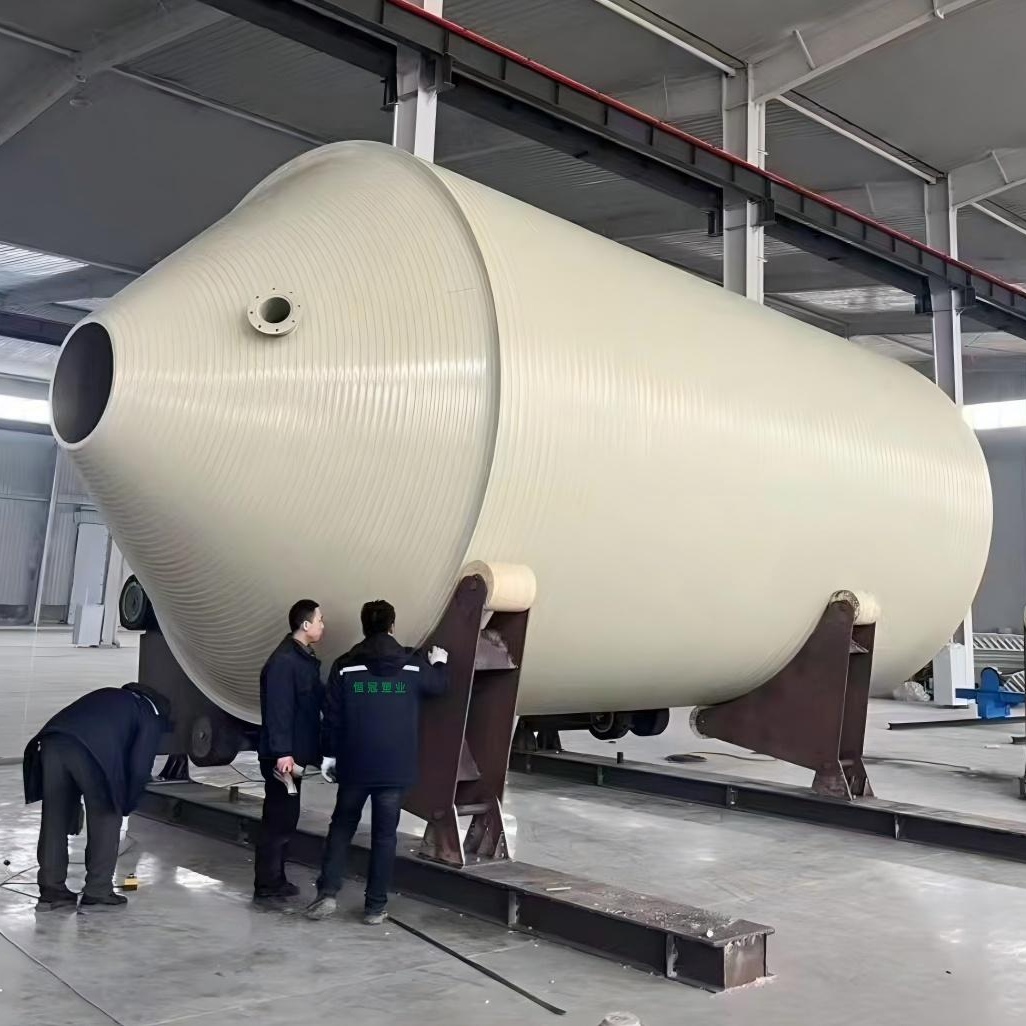







Pre-treatment
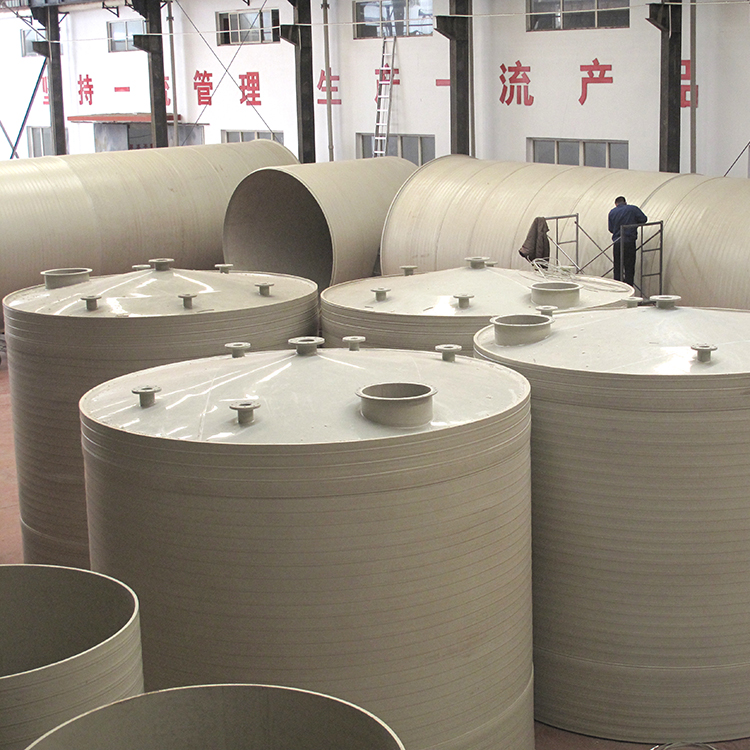
The inner surface of the lining equipment is degreased with solvents and dried, followed by sandblasting with 46# steel grit. The surface that has been sandblasted is then cleaned with trichloroethylene and dried.
Surface paint treatment on the bottom
Section 3: Adhesive Coating
Apply a uniform layer of special adhesive to the product's inner surface. Similarly, coat the adhesive on the back of the composite board, then align and affix the board in place.
Four: Paste
After aligning the adhesive-coated composite panel, apply it first, then use local heating and rolling to expel the air trapped in between, ensuring a tighter fit for the 3mm or 4mm polytetrafluoroethylene sheets.
Five. Weld seam
Once the composite boards are fully bonded, use a professional notching machine to create "V" shaped long grooves at the joint between the two boards, and clean out any debris from the gaps.
Welding
Utilizing imported high-temperature welding torches, welding is performed with Φ3.5mm PFA rods in the center of grooved plate seams, ensuring seamless bonding of the composite panels without impurities, bubbles, or gaps. After completing the overall welding, a pinhole tester is used to test at 15,000 volts to check for any micro-holes and make necessary repairs. Upon completion, an imported grooving machine is used to flatten any protruding weld rods on the composite panel surface. Then, a 20mm-wide welding strip is applied to reinforce the original welds, ensuring the welding joints are secure and free of micro-holes. Finally, a 30,000-volt voltage test is conducted to confirm the absence of pinholes and verify the welding integrity.
Section 7: Inspection