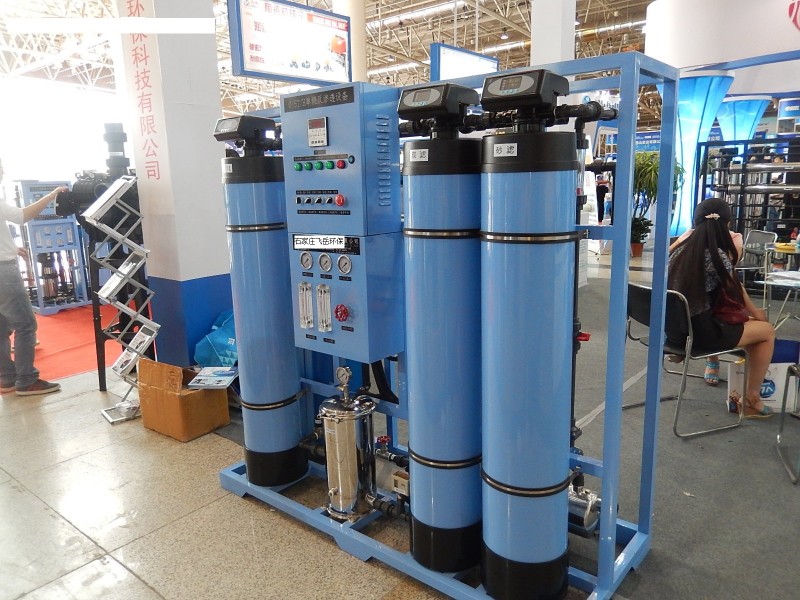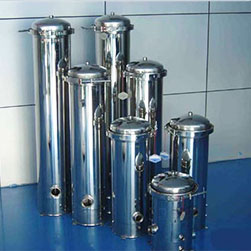

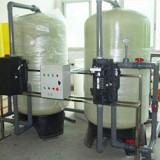













Water softeners, also known as water softening equipment, are primarily used to remove calcium and magnesium ions from water, preventing scale formation in boilers and pipelines. They are commonly employed in boiler make-up water treatment, circulating cooling water make-up water treatment, chemical batching, food industry, detergent chemicals, and various other industries. Their applications are widespread. However, as a commonly used and important water treatment equipment, proper daily maintenance is crucial for extending the service life of water softeners! Daily maintenance of water softeners must be done meticulously, focusing on operational maintenance and post-shutdown maintenance.
I. For maintenance of the软化水 equipment during operation, focus on the following key points:
1. Ensure stable input voltage and current to prevent damage to electrical control devices. External enclosures should be installed on electrical control devices to prevent dampness and water immersion. Regularly add granulated table salt to the salt box (strictly prohibit adding refined salt or iodized salt), ensuring the salt solution in the box remains supersaturated. When adding salt, be careful not to sprinkle the granulated salt into the salt well to prevent the formation of salt bridges above the salt valve, which could block the salt intake lines. Since granulated salt contains a certain amount of impurities, a large amount of impurities will settle at the bottom of the salt box, blocking the salt valve, so it is necessary to regularly clean the impurities at the bottom of the salt box. During cleaning, open the drain valve at the bottom of the salt box and flush with clean water until no impurities are discharged. The cleaning cycle of the salt box should be determined based on the impurity content of the granulated salt.
2. Regularly inspect the aeration jet and salt absorption pipeline for air tightness to prevent leaks that could affect regeneration efficiency.
3. Annual disassembly of the water softener is required to clean the upper and lower distributors and the quartz sand bed, inspect the resin for wear and exchange capacity, replace severely aged resin, and for iron-poisoned resin, use hydrochloric acid solution for revival.
Two, for the shutdown and maintenance of the软化水 equipment, the following signs of work are indispensable:
Before a long-term shutdown, the resin in water softening equipment should be fully regenerated, converting the resin to sodium type for wet maintenance. During summer shutdown, the softener should be flushed at least once a month to prevent microbial growth in the exchange tank and to avoid mold and caking of the resin. If mold is detected, sterilization can be performed. Typically, soak the resin in a 1% formaldehyde solution for several hours, then rinse until the formaldehyde odor is gone. For winter shutdown, anti-freezing measures should be taken to prevent the resin from cracking and breaking due to frozen water inside. Store the resin in a solution of saltwater, with the concentration of the saltwater depending on the temperature conditions.