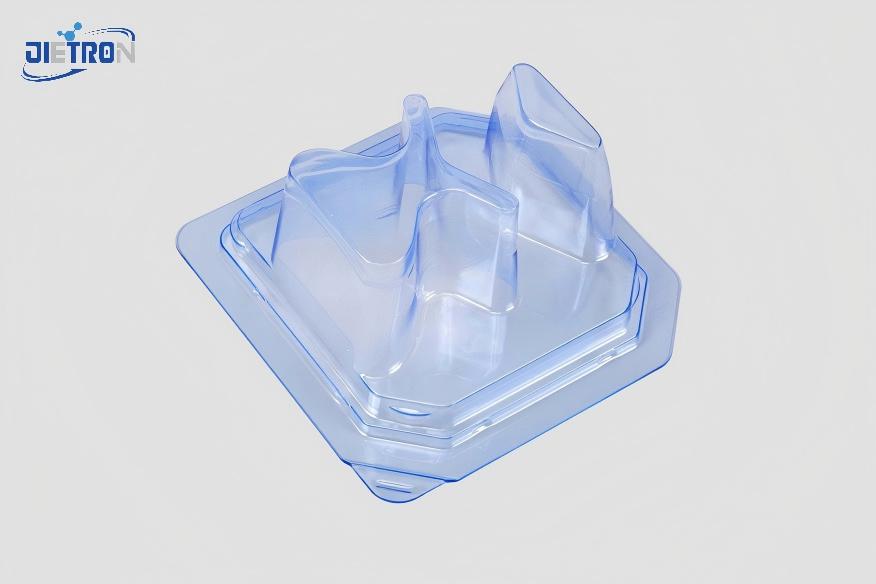








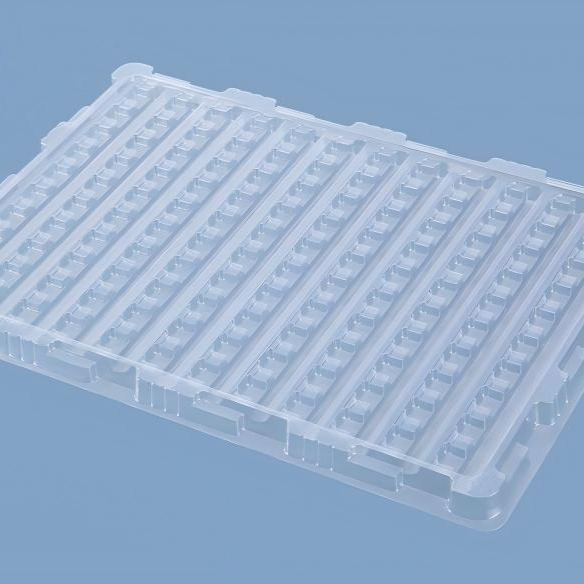
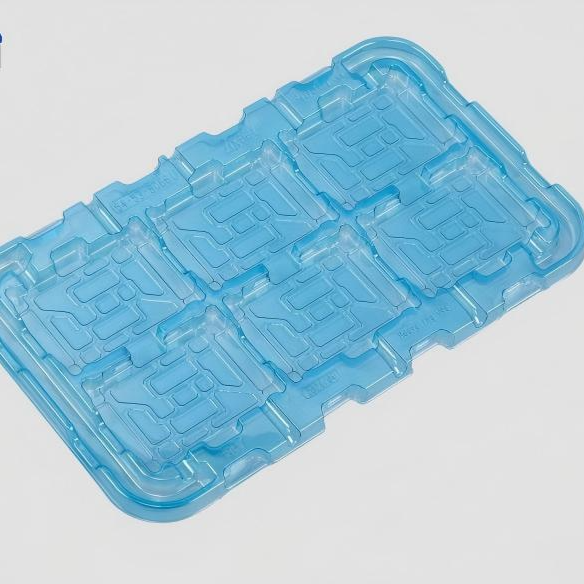
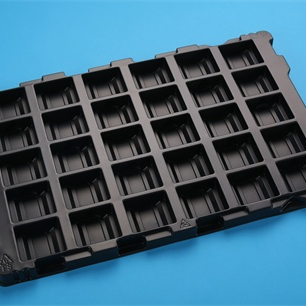
We have a successful overall packaging solution for artificial tibial plateau.
Firstly, a basic introduction to the diaphyseal end and articular surface of the proximal tibia, referred to as this anatomical location in orthopedics.Tibia platformThe upper end of the tibia forms the knee joint with the lower end of the femur. The surface of the tibia that contacts the lower end of the femur isTibia platform。Tibial plateauIt is a crucial load-bearing structure of the knee joint. Fracture of this structure can lead to uneven distribution of force on the medial and lateral platforms, causing osteoarthritis changes. Artificial tibial plateau implantation may be necessary.
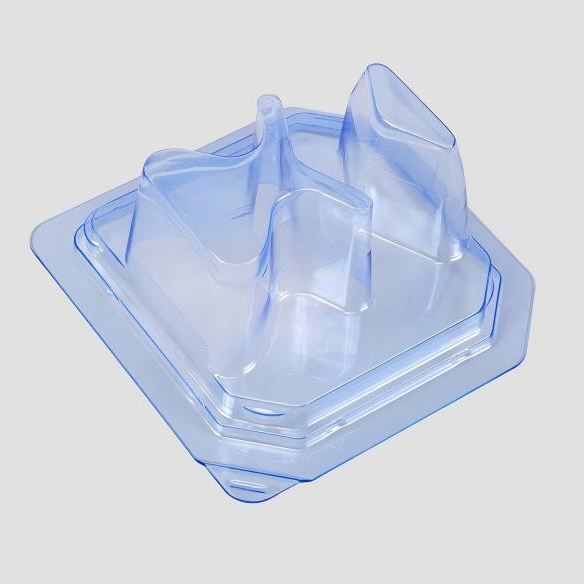
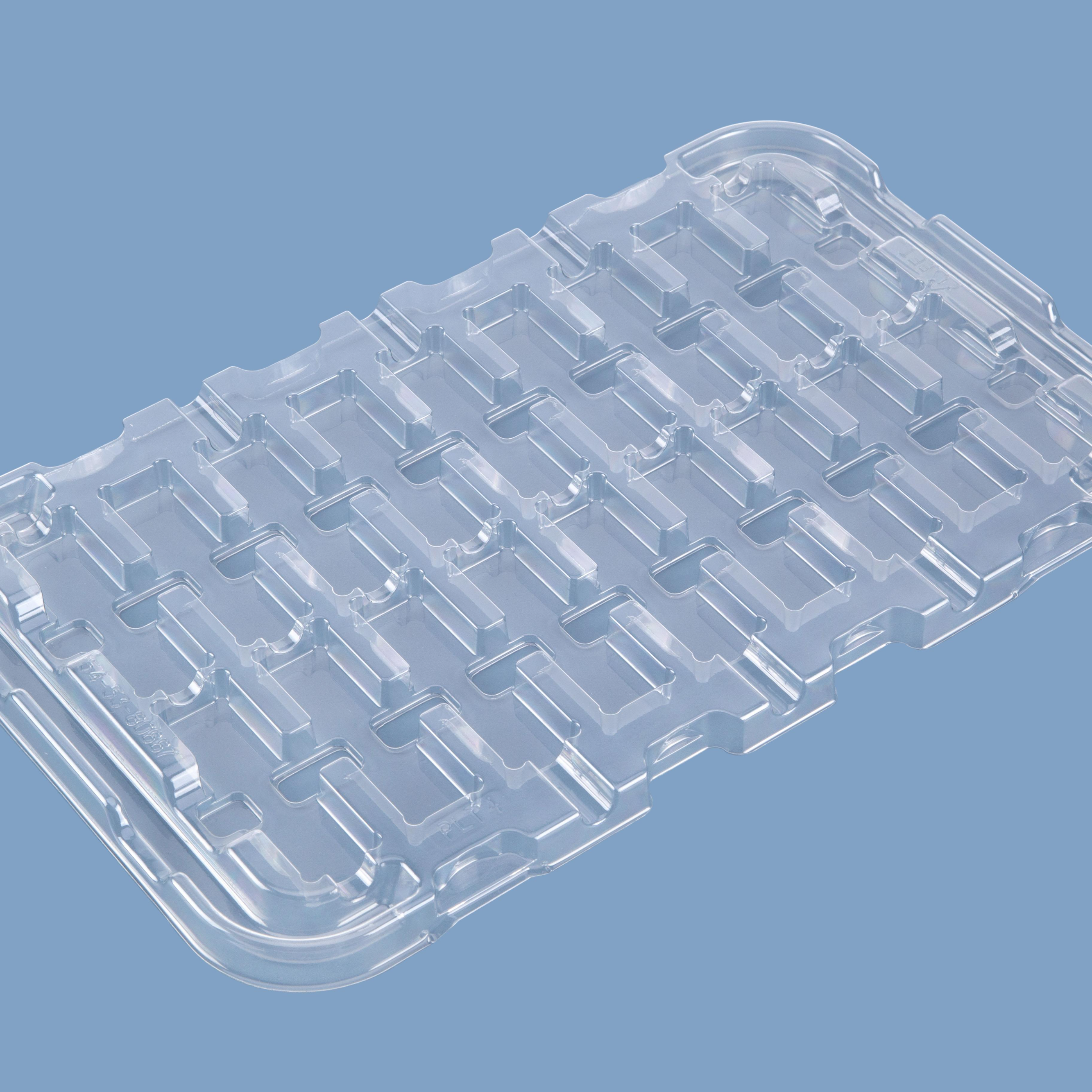
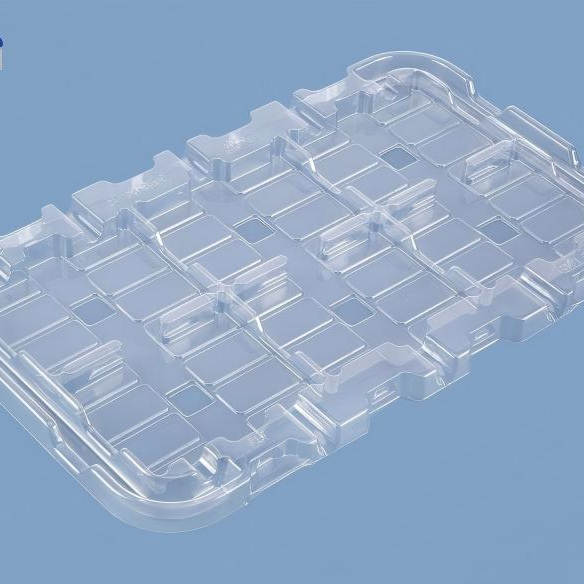
The tibial tray is made of metal with a smooth surface. To maintain sterility during implantation, we use medical-grade TPU pad protection to prevent friction with the outer packaging of the medical blister box, which could generate debris and cause contamination. The TPU material's resistance to wear and piercing helps prevent damage to the tray's mirror-like surface and the formation of debris. Additionally, the medical blister box serves as the outer packaging, allowing the tibial tray to stand upright and float inside, with the mirror side facing up, facilitating ease of use by personnel.
The packaging sequence is: first, protect with medical-grade TPU pads, then place in a PETG material medical blister box. Utilize an inner and outer box design, sealed with a special strong lid material to form a sterile barrier system. The outer box is universal for various models, saving costs.
This packaging solution boasts excellent sealing performance, ease of handling, strong product protection, and ease of opening. It is suitable for various sterilization methods and helps maintain the sterility and integrity of medical devices, thus gaining favor among numerous medical device companies.