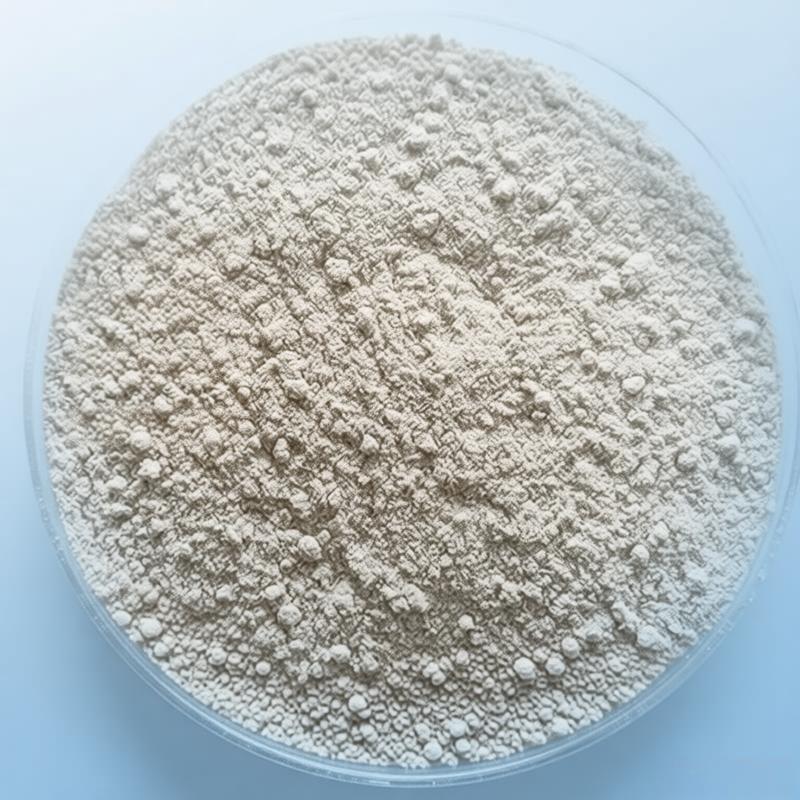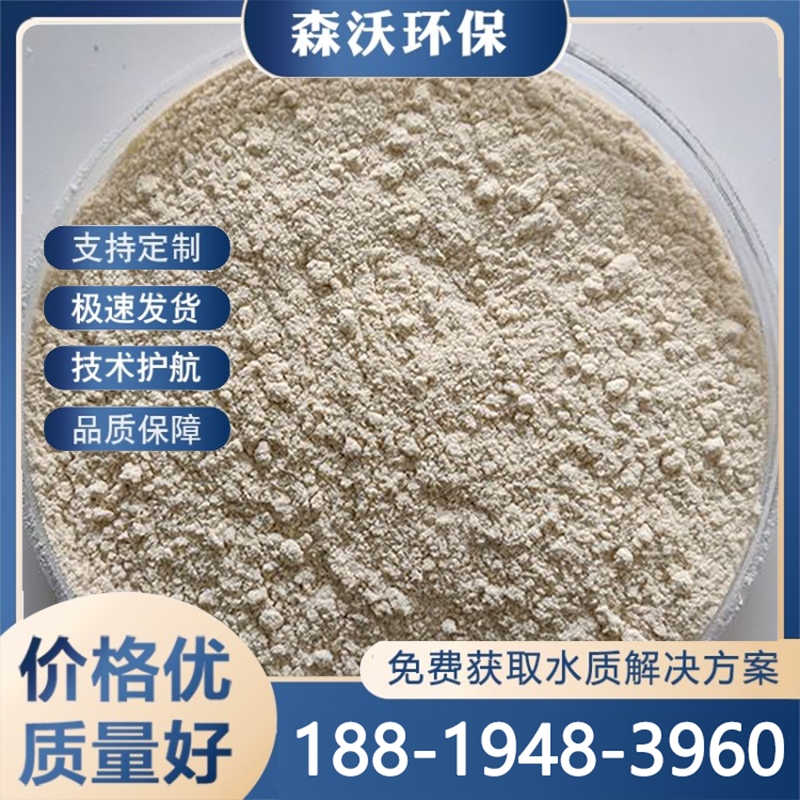








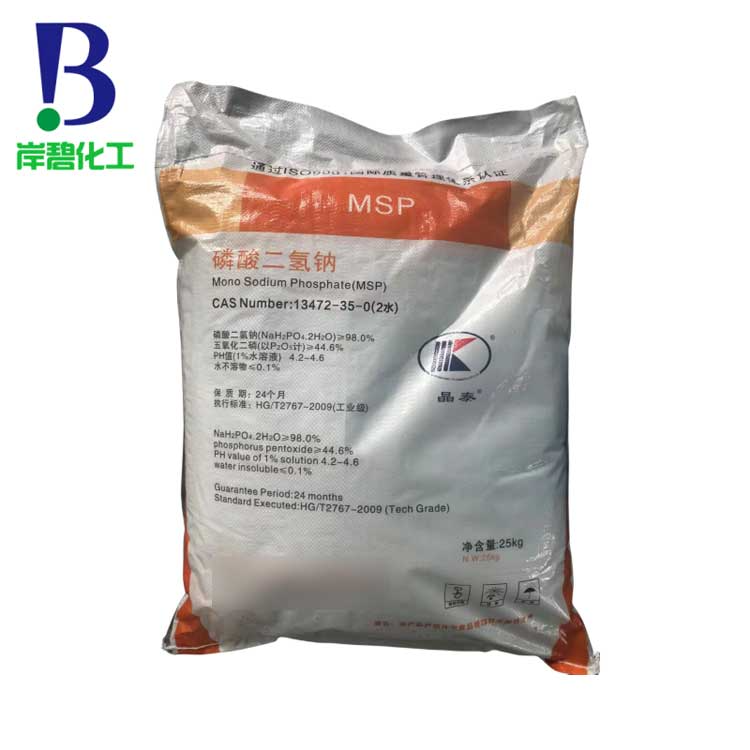
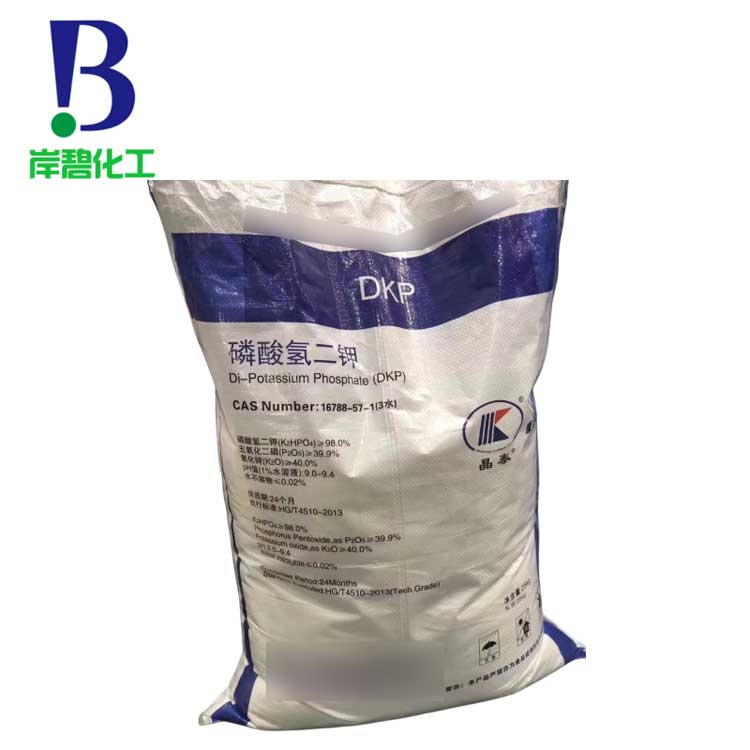
Colorless crystals or white granules. Odorless. Decomposes above 280°C. Solubility in water: 70.6g at 0°C, 103.8g at 100°C. Insoluble in ethanol and acetone. pH of 0.1mol/L water solution is 5.5. Relative density 1.77. Refractive index 1.521. Ammonium sulfate is mainly used as fertilizer, suitable for various soils and crops. It can also be used in textiles, leather, medicine, and other fields.
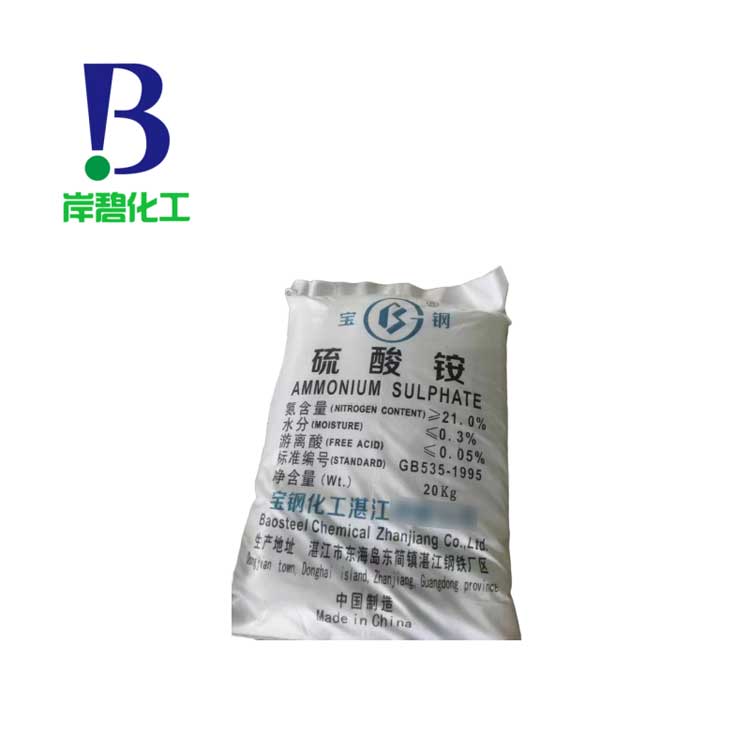
An excellent nitrogen fertilizer (commonly known as "fertilizer powder"), suitable for general soil and crops, it promotes vigorous growth of branches and leaves, enhances fruit quality and yield, strengthens the crop's resistance to disasters, and can be used as base fertilizer, topdressing, and seed dressing. It can undergo a double decomposition reaction with salt to produce ammonium chloride, react with aluminum sulfate to form ammonium alum, and, when mixed with boric acid, produce refractory materials. It can increase conductivity in electroplating solutions. It also serves as a catalyst for food coloring, a nitrogen source for yeast cultivation in fresh yeast production, an assistant dyeing agent for acid dyes, and a degreasing agent for leather. Additionally, it is used in beer brewing, production of chemical reagents, and battery manufacturing.
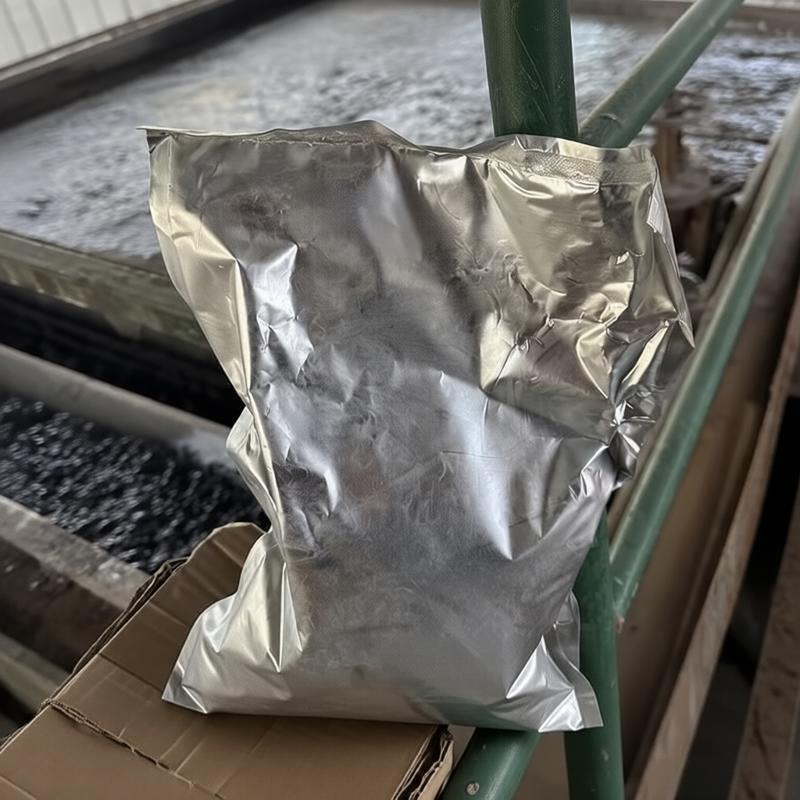
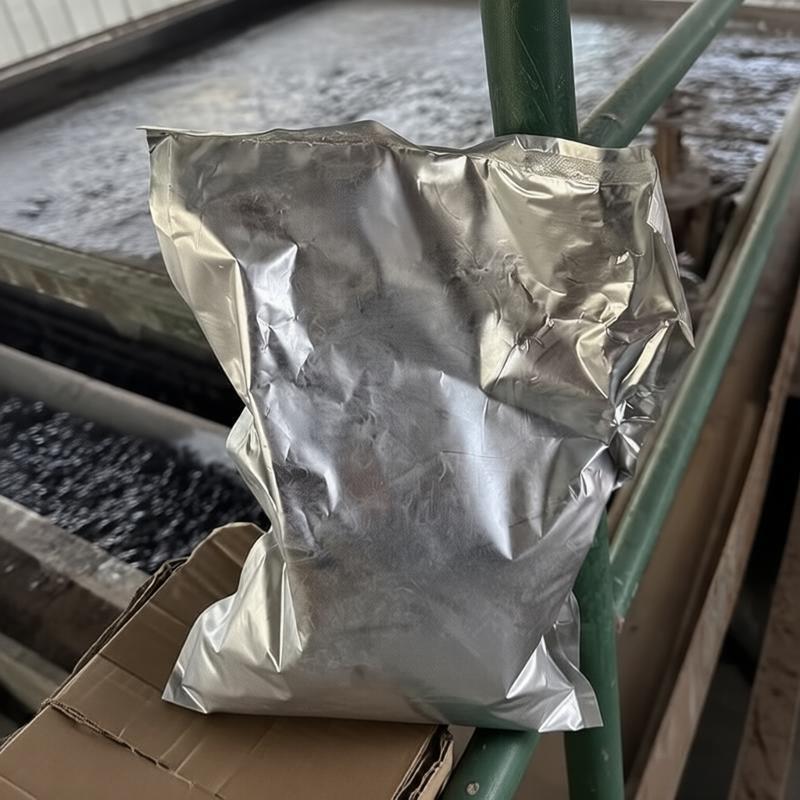
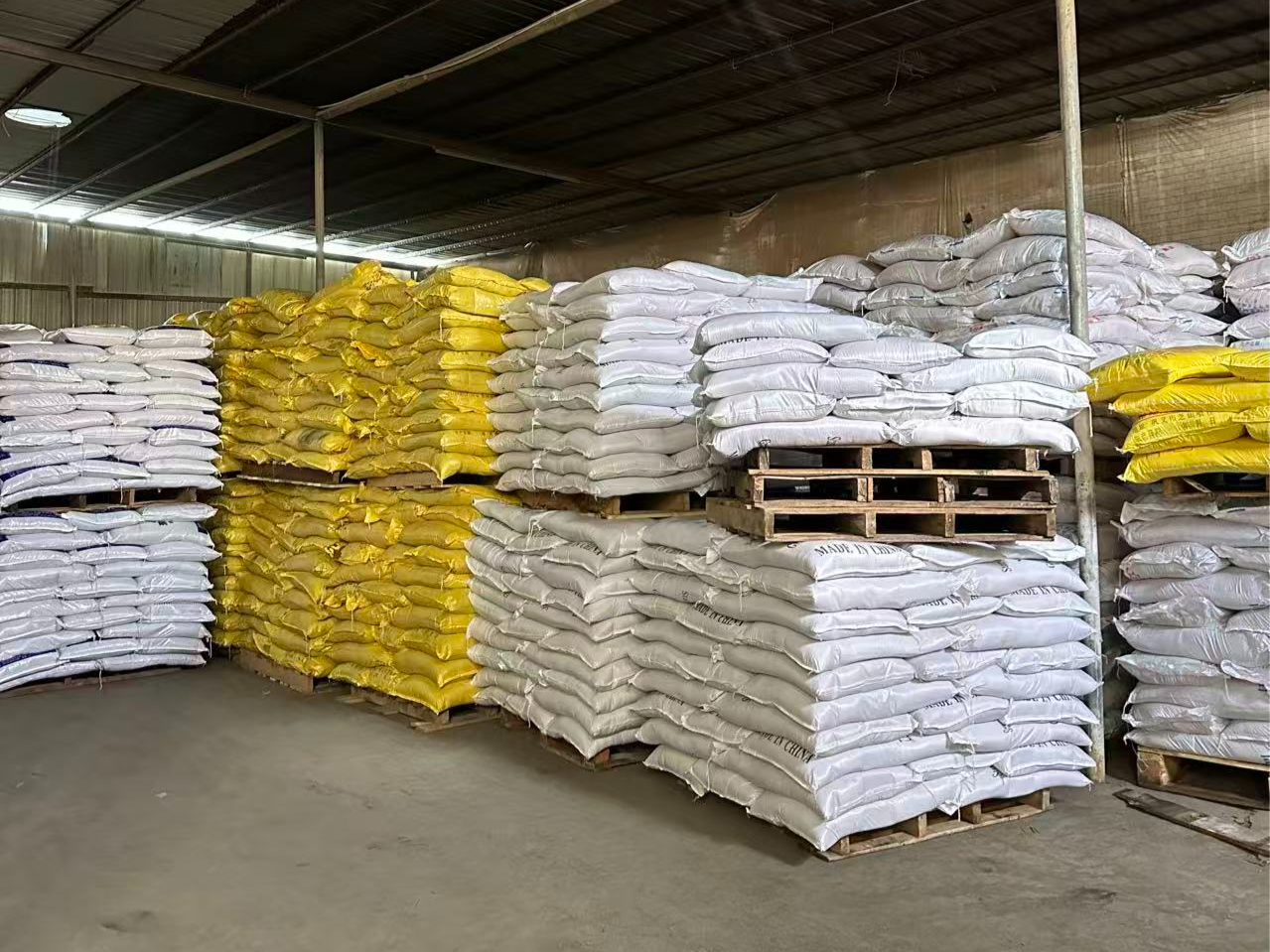
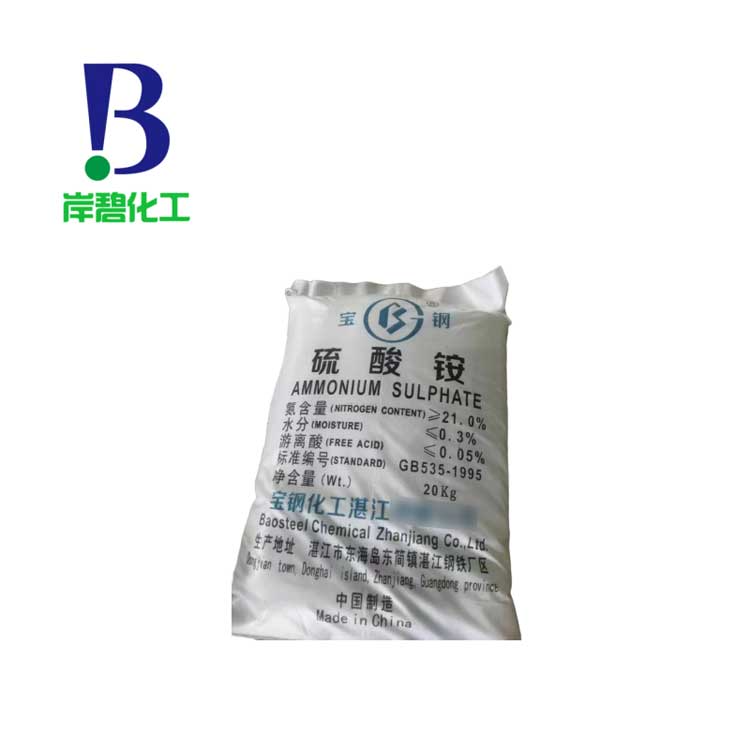
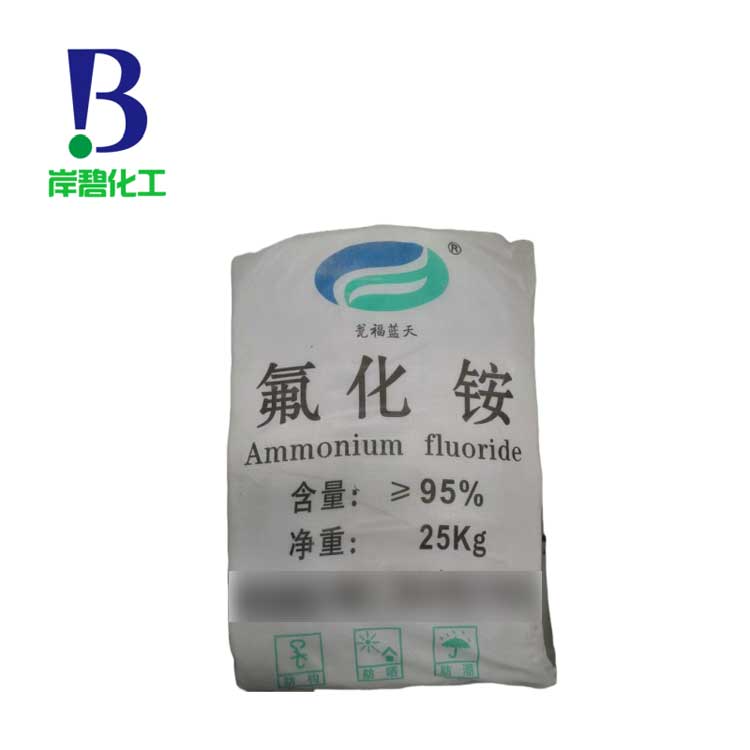
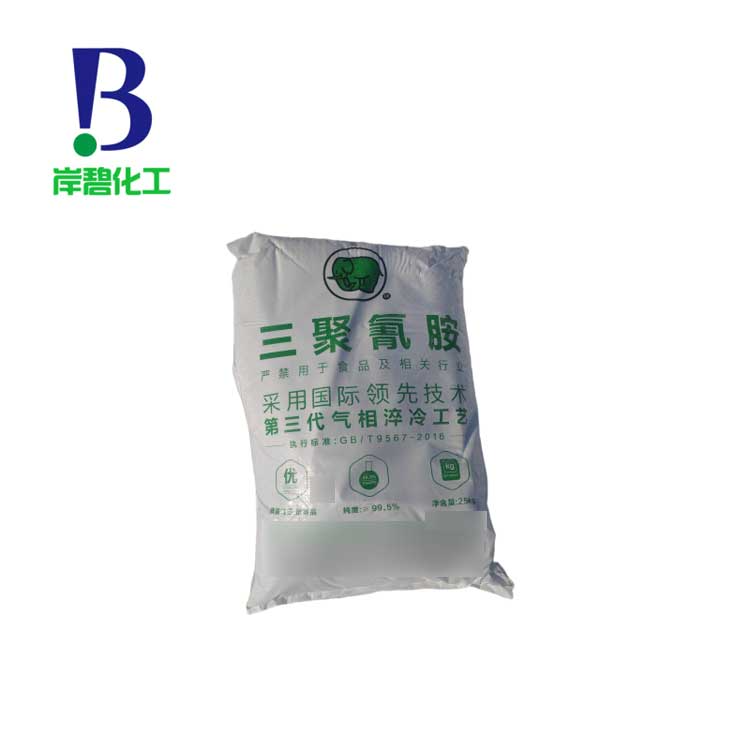
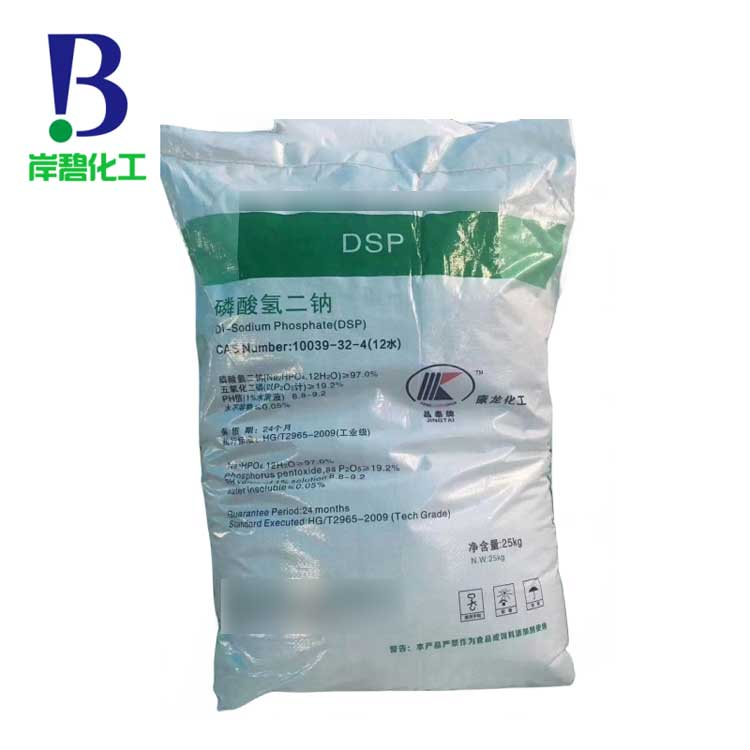
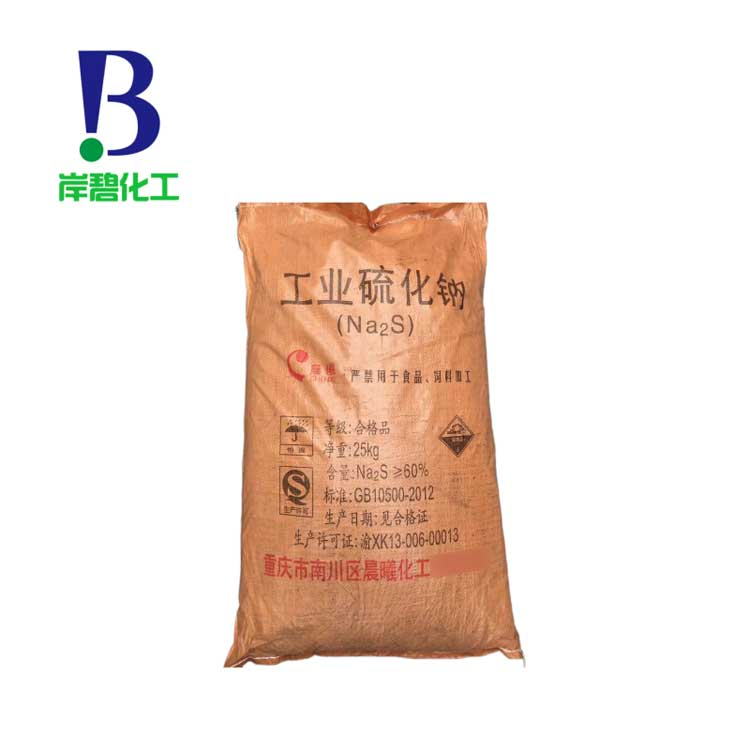
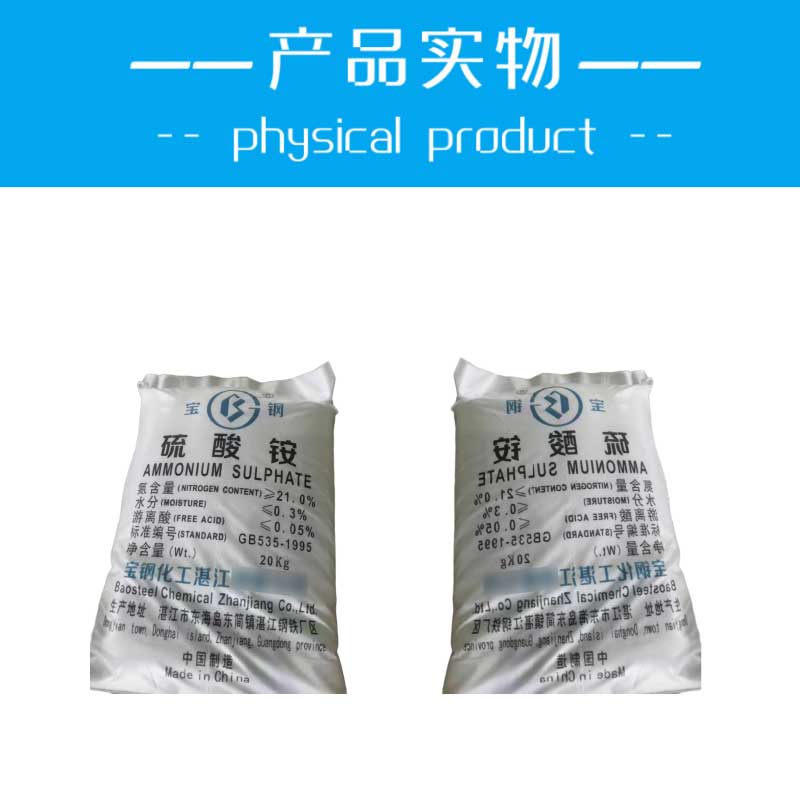
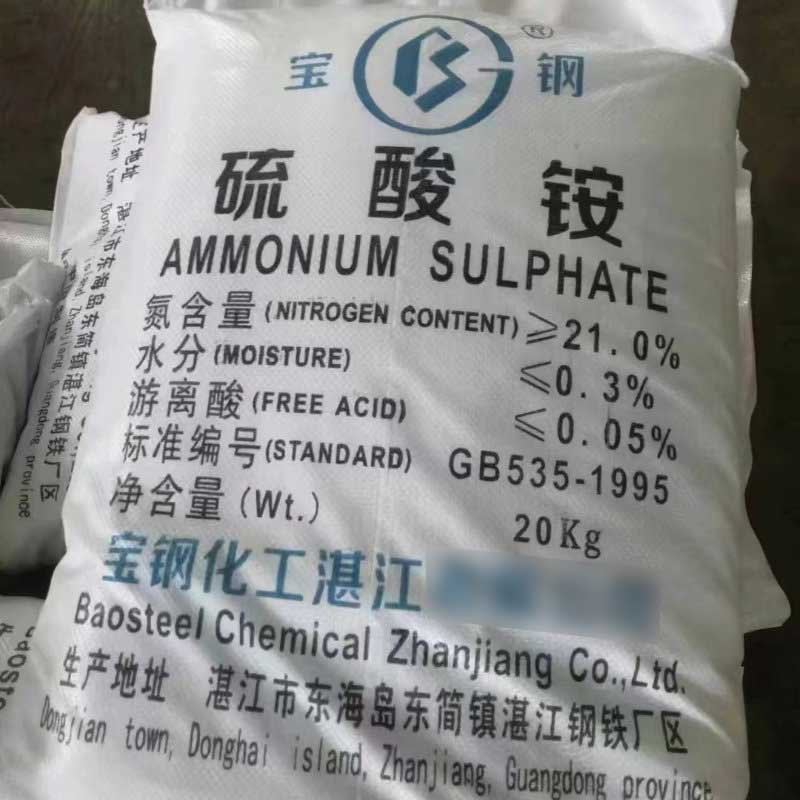
Actual product photos displayed

Operation Precautions: Enclosed operation, local exhaust ventilation. It is recommended that operators wear self-priming dust masks, chemical protective goggles, protective clothing against toxic substances, and rubber gloves. Avoid the generation of dust. Avoid contact with acids and alkalis. Handle with care to prevent damage to packaging and containers. Equip with emergency spill response equipment. Empty containers may contain hazardous residues.
Storage Precautions: Store in a cool, well-ventilated warehouse. Keep away from fire and heat sources. Separate from acids and alkalis; do not store together. The storage area should be equipped with suitable materials for containing spills.