







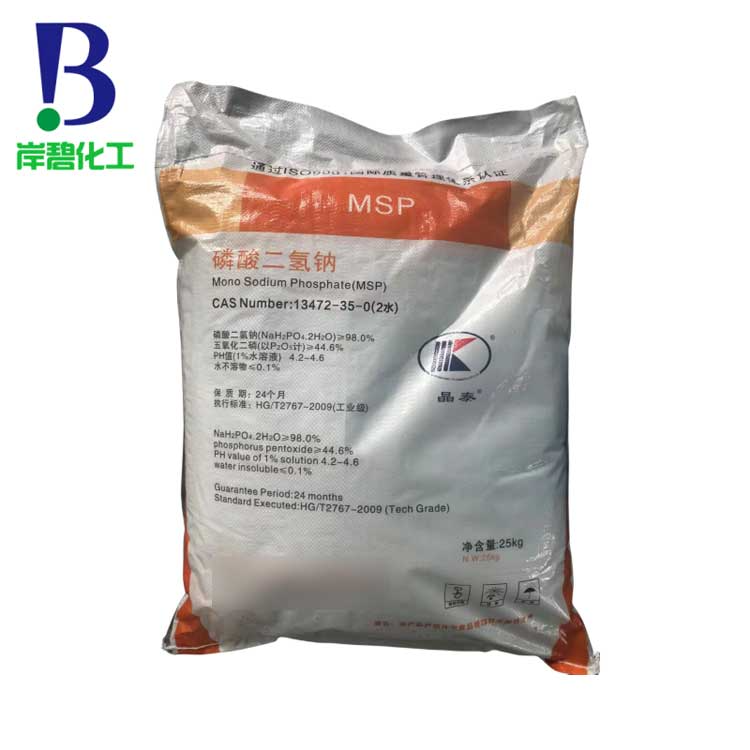
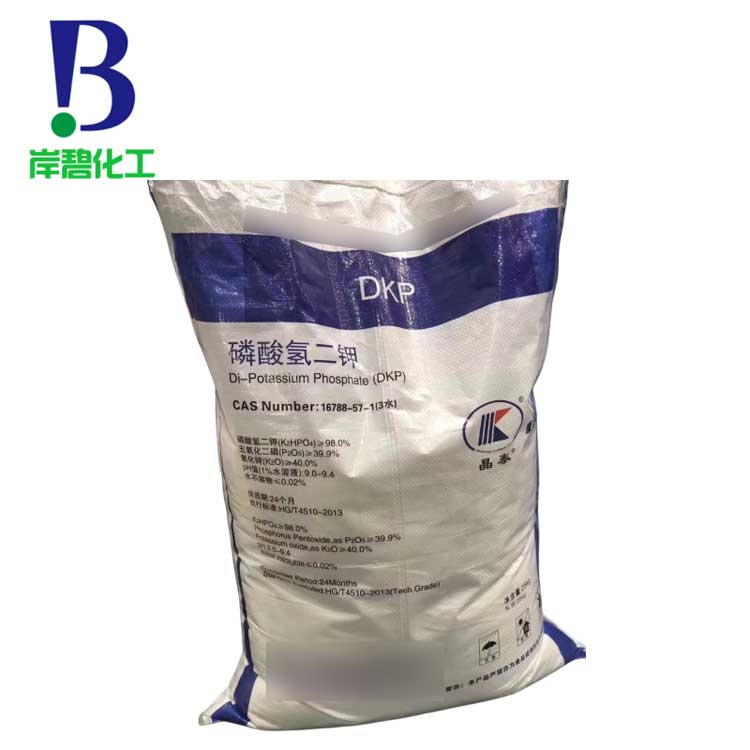
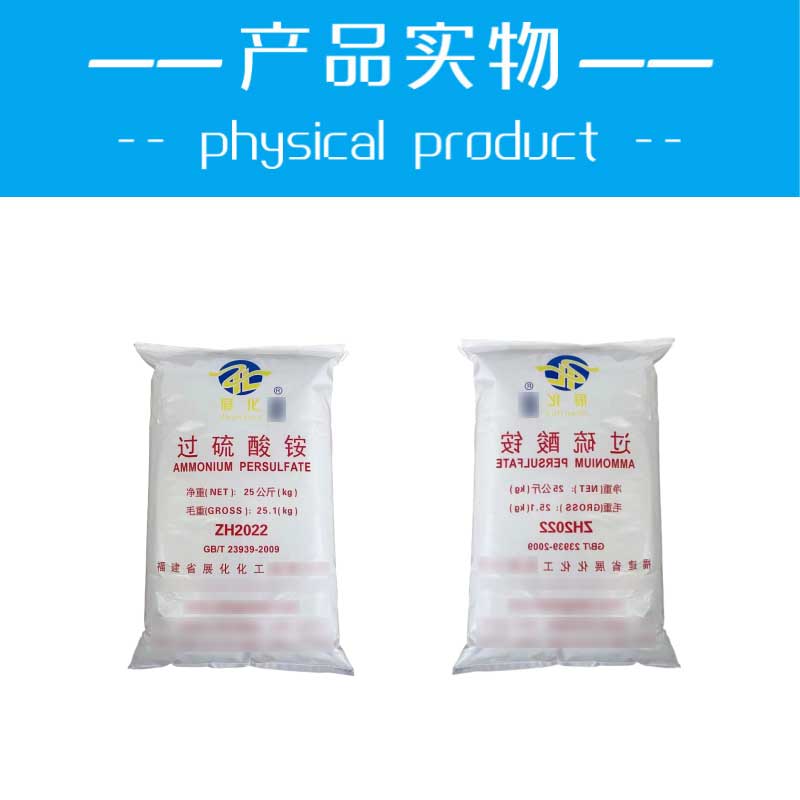
Ammonium sulfateAs an oxidizing agent and bleaching agent, it is widely used in the battery industry; it also serves as an initiator for polymerization, a defiberizing agent in the fiber industry; it can be used as a surface treatment for metals and semiconductor materials, an etchant for printed circuit boards; it is extensively employed in fracturing oil beds for oil extraction, the flour and starch industry, the oil industry, and in the photographic industry for removing wave-salt.
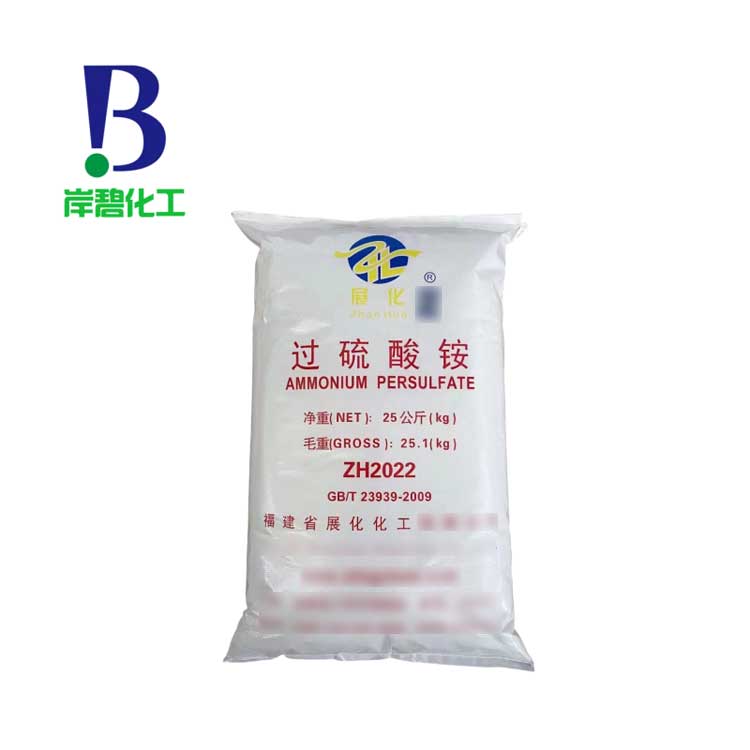
Assay and determine manganese, used as an oxidizing agent. Bleaching agent. Photographic reducer and inhibitor. Battery depolarizer. Used in the preparation of soluble starch.
A catalyst for the polymerization of olefin monomers such as ethylene acetate, propylene acetate, etc., for vinegar use, offering a low price and good water resistance in the resulting emulsion. Also serves as a hardener for urea-formaldehyde resin, with rapid curing speed. Additionally used as an oxidizing agent for starch adhesive, enhancing adhesion by reacting with proteins in the starch composition, with a recommended dosage of 0.2%~0.4% of starch. Also employed as a surface treatment agent for copper metal.
Used as raw materials in the chemical industry for producing persulfates and hydrogen peroxide, as a polymerization aid during organic polymerization, and as an initiator during vinyl chloride monomer polymerization. Also used as a bleaching agent in the oil and soap industry. Additionally, it serves as an etchant in metal plate cutting and in various aspects of the petroleum industry, such as oil extraction. In the food grade, it is used as a wheat modifier and a mold inhibitor for beer yeast.
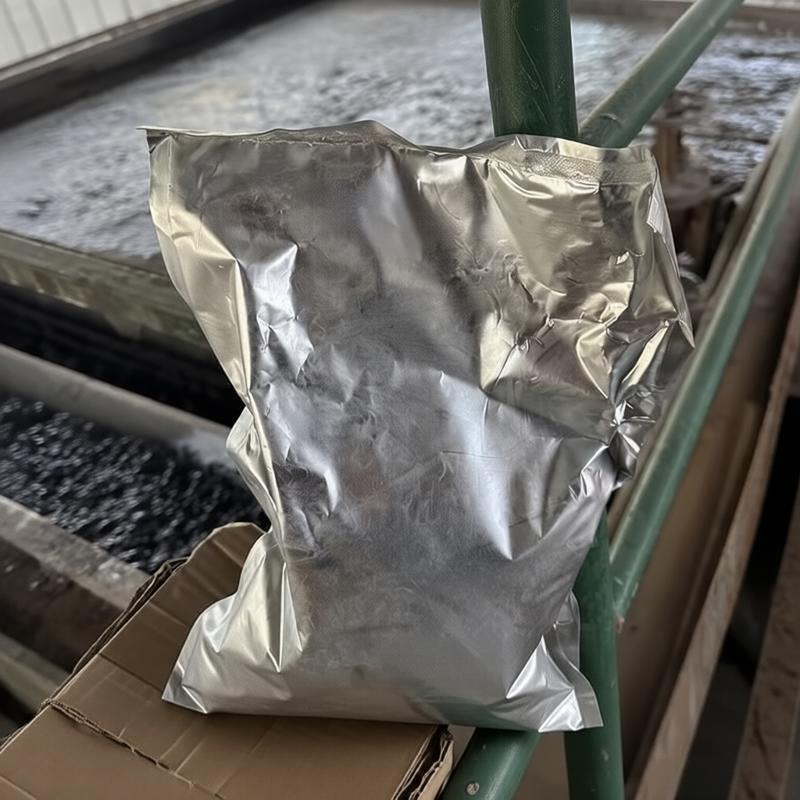
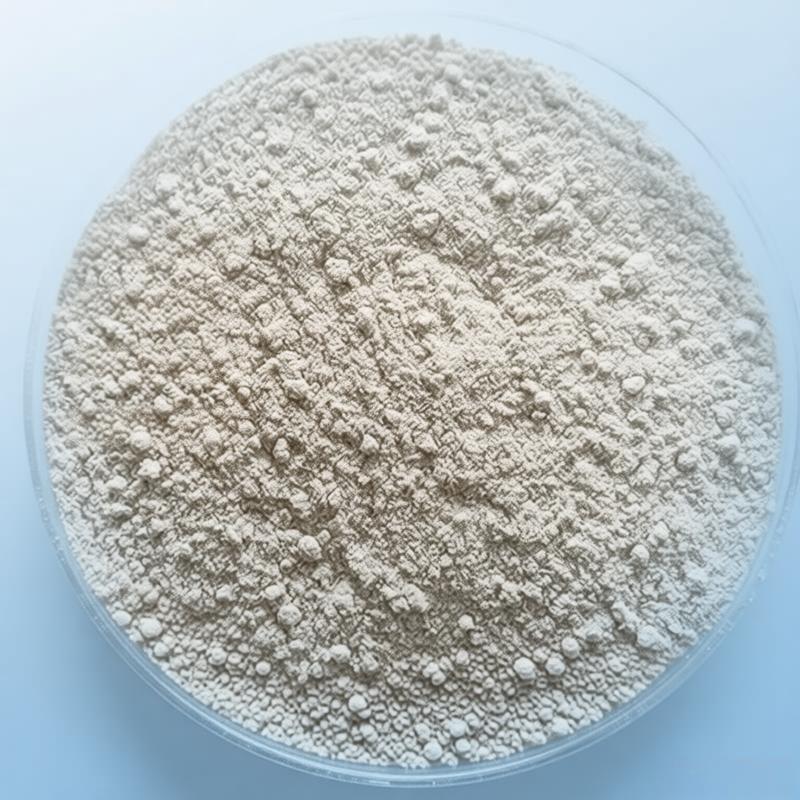
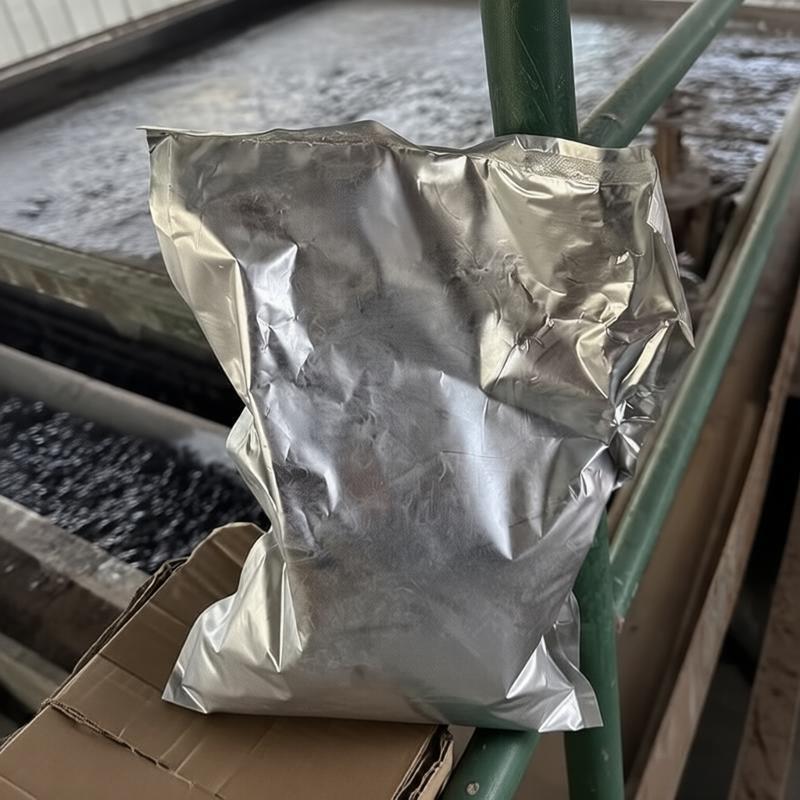
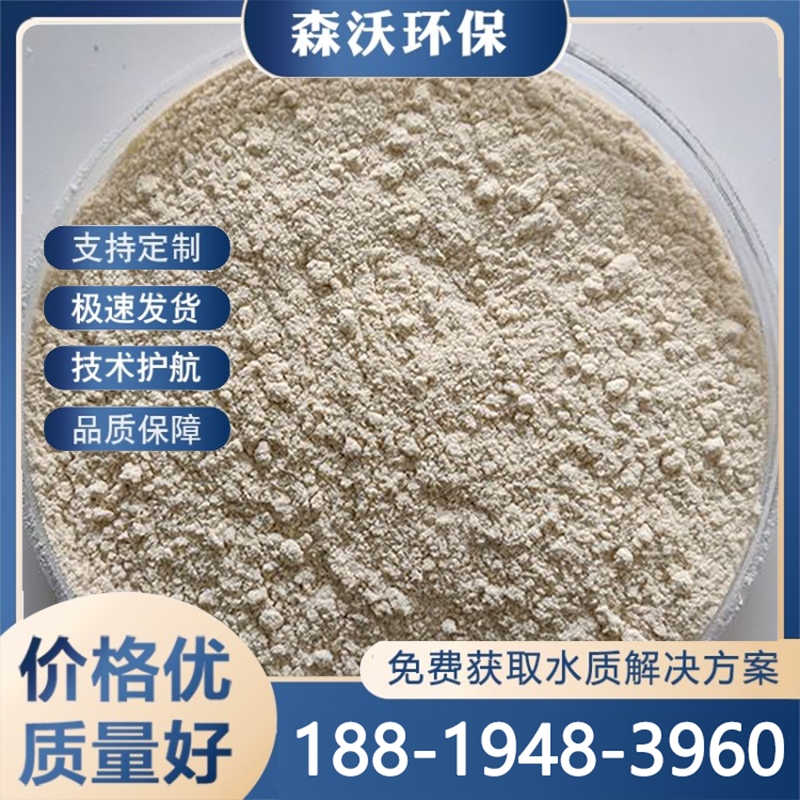
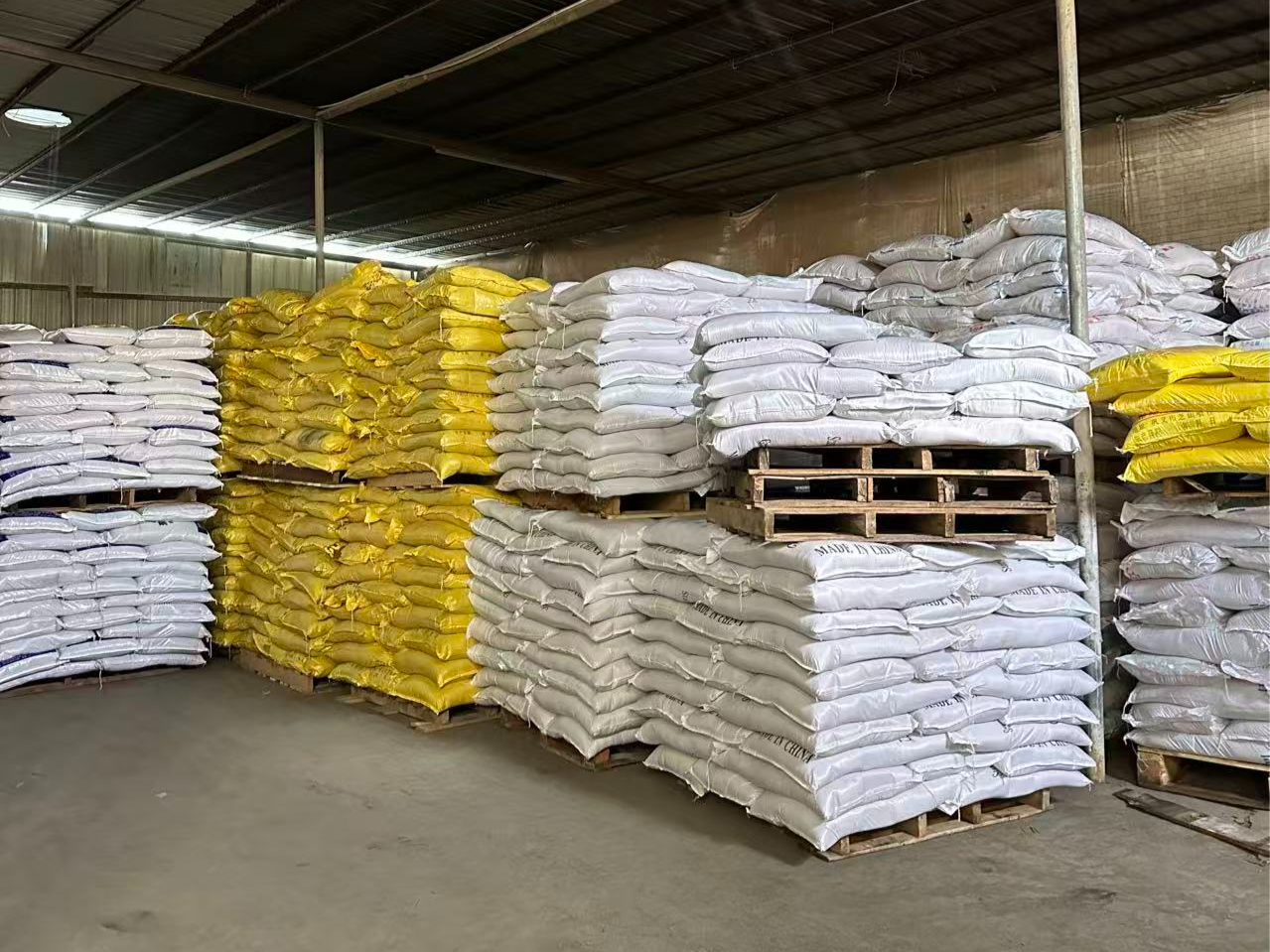
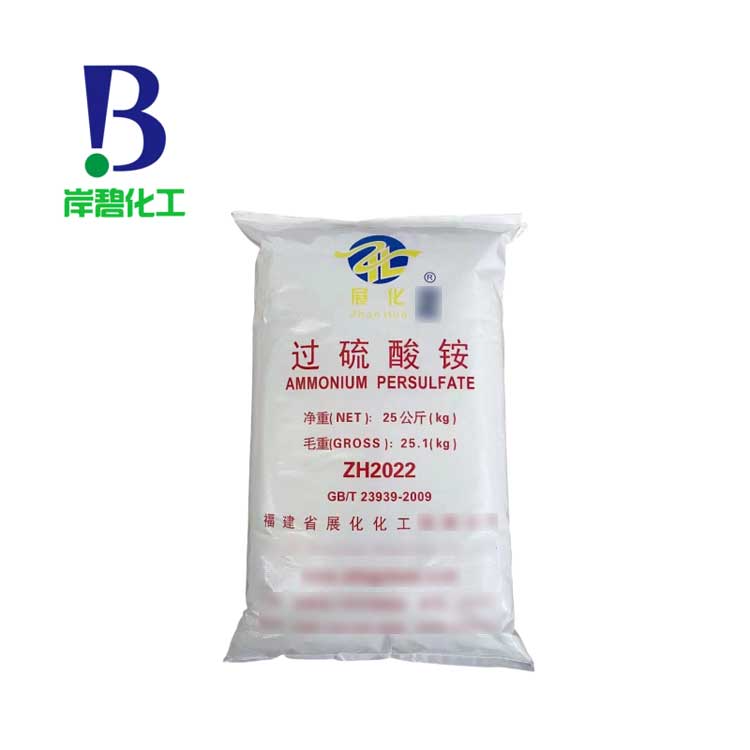
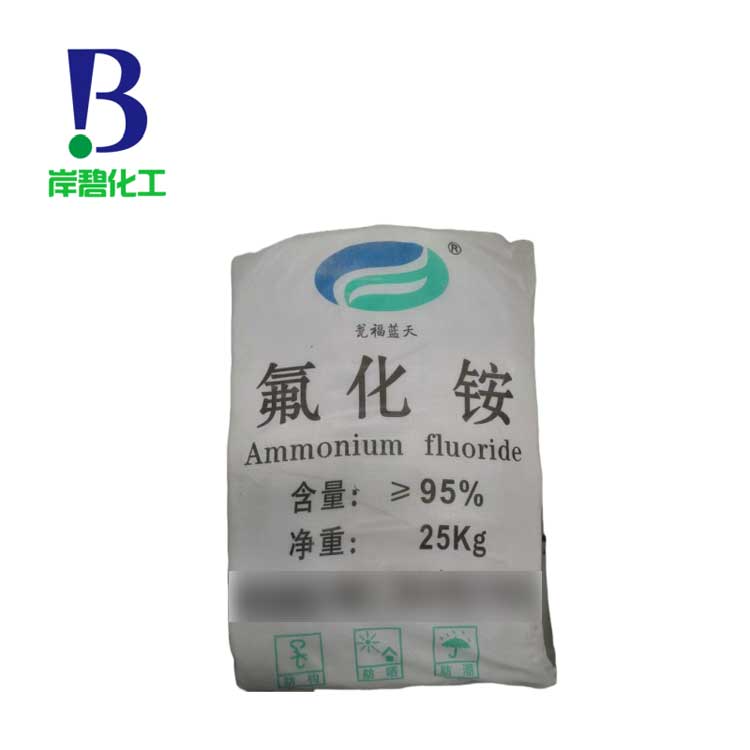
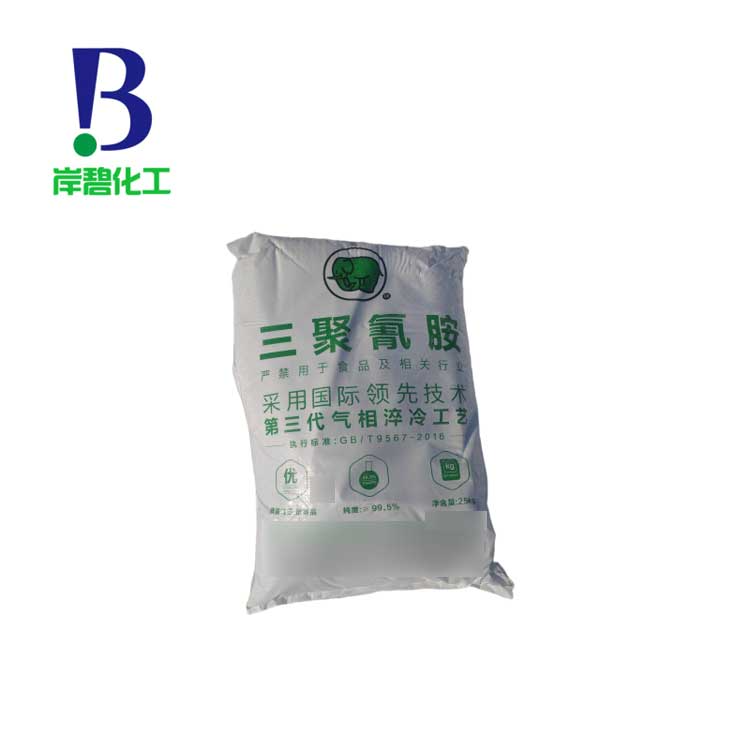
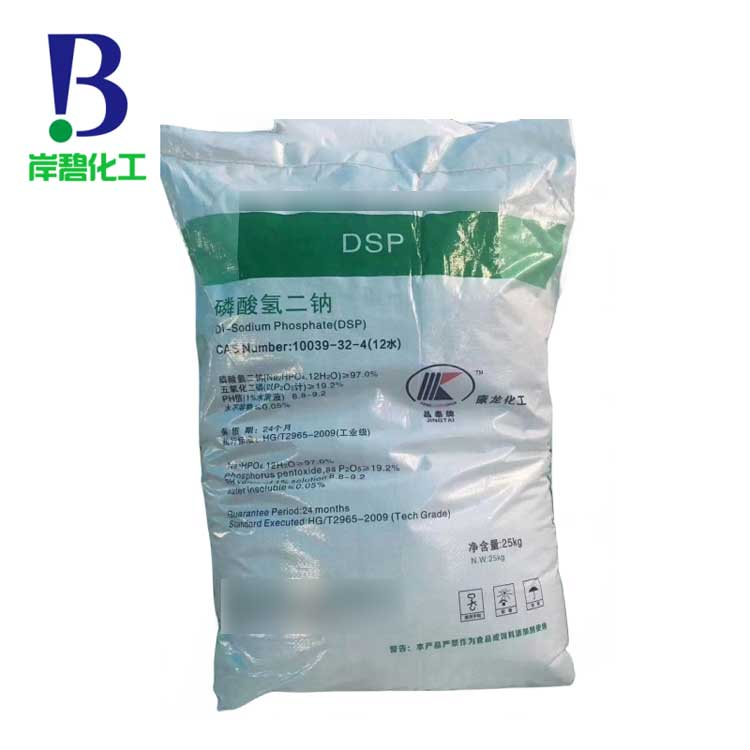
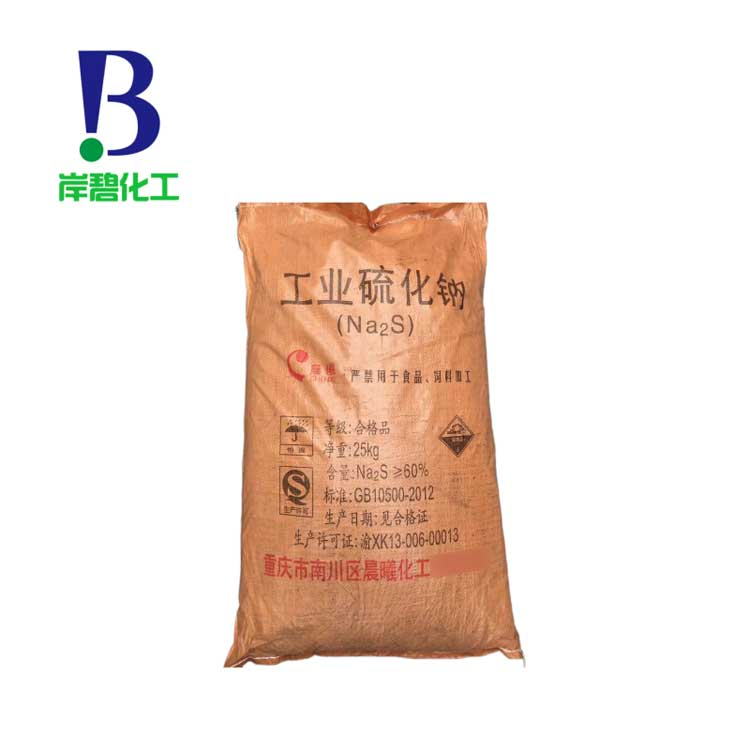
Actual product images display

Disposal and Storage:
Operation Precautions: Enclosed operation, local exhaust ventilation. Operators must be specially trained and strictly follow operational procedures. It is recommended that operators wear a helmet-type electric-powered air-supplied filter dust respirator, wear polyethylene protective suits, and use rubber gloves. Keep away from fire and heat sources; smoking is strictly prohibited in the workplace. Avoid generating dust. Avoid contact with reducing agents and active metal powders. Handle with care to prevent damage to packaging and containers. Prohibit vibration, impact, and friction. Equip with the appropriate types and quantities of fire fighting equipment and emergency leak response equipment. Empty containers may contain hazardous materials.
Storage Precautions: Store in a cool, dry, well-ventilated warehouse. Keep away from fire and heat sources. Packaging must be sealed to prevent moisture. Keep separate from reducing agents, active metal powders, etc., and never store together. The storage area should be equipped with suitable materials for containing leaks.