







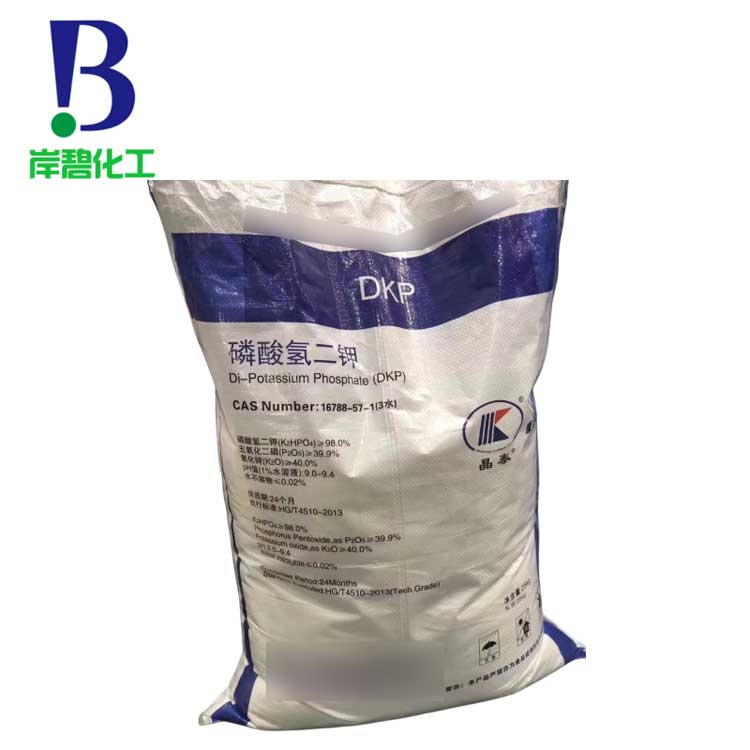
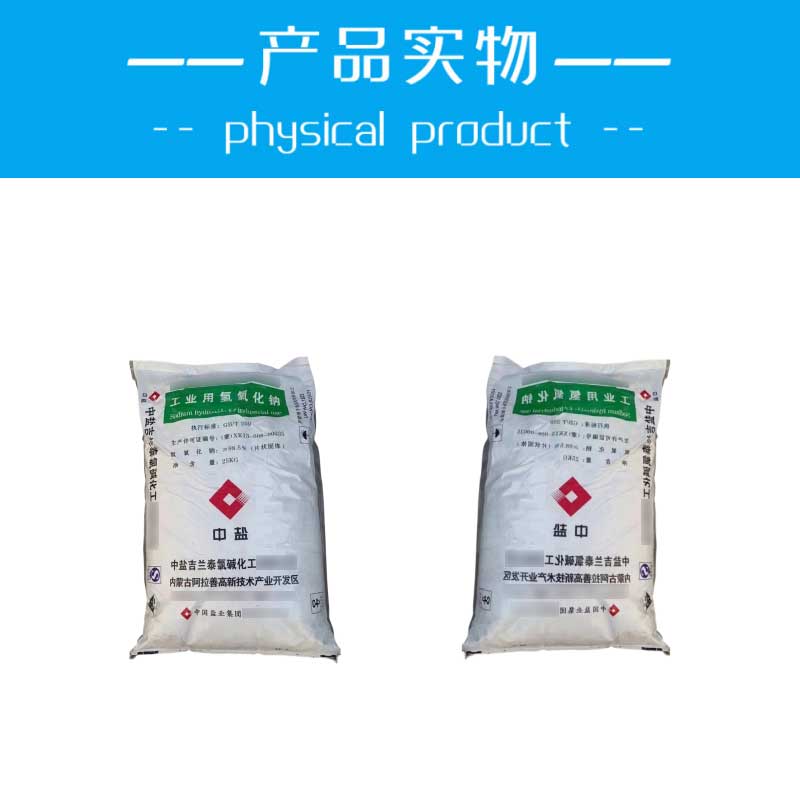
Sodium hydroxide, chemically known as NaOH, commonly referred to as lye, caustic soda, or soda lye, is a highly corrosive strong base. It typically comes in a solid, either in sheet or granular form, and is highly soluble in water (releasing heat upon dissolution), forming an alkaline solution. It also exhibits hygroscopic properties, readily absorbing moisture from the air (causing efflorescence) and carbon dioxide (leading to deterioration).
NaOH is a necessary chemical in chemical laboratories and also one of the common industrial chemicals. The pure form is colorless and transparent crystals. Density is 2.130 g/cm³. Melting point is 318.4°C. Boiling point is 1390°C. Industrial grade contains a small amount of sodium chloride and sodium carbonate, appearing as white, opaque crystals. It comes in various shapes such as blocky, flake, granular, and rod-like. With a molecular weight of 40.01, sodium hydroxide can act as an alkaline cleaner in water treatment, dissolves in ethanol and glycerin, but not in propanol or ether. It also has corrosive effects on sodium at high temperatures. It undergoes disproportionation reactions with halogens like chlorine, bromine, and iodine, and neutralizes with acids to form salts and water.
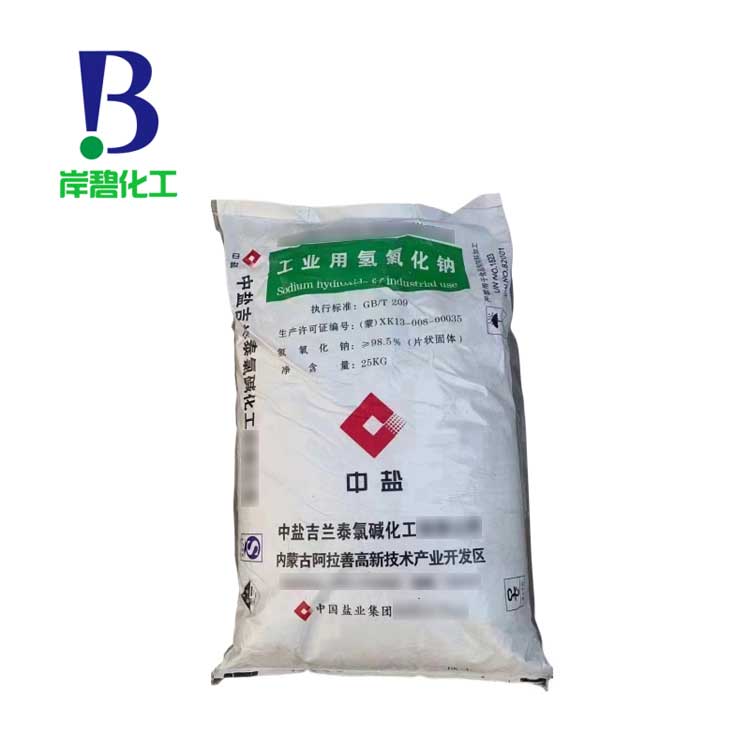
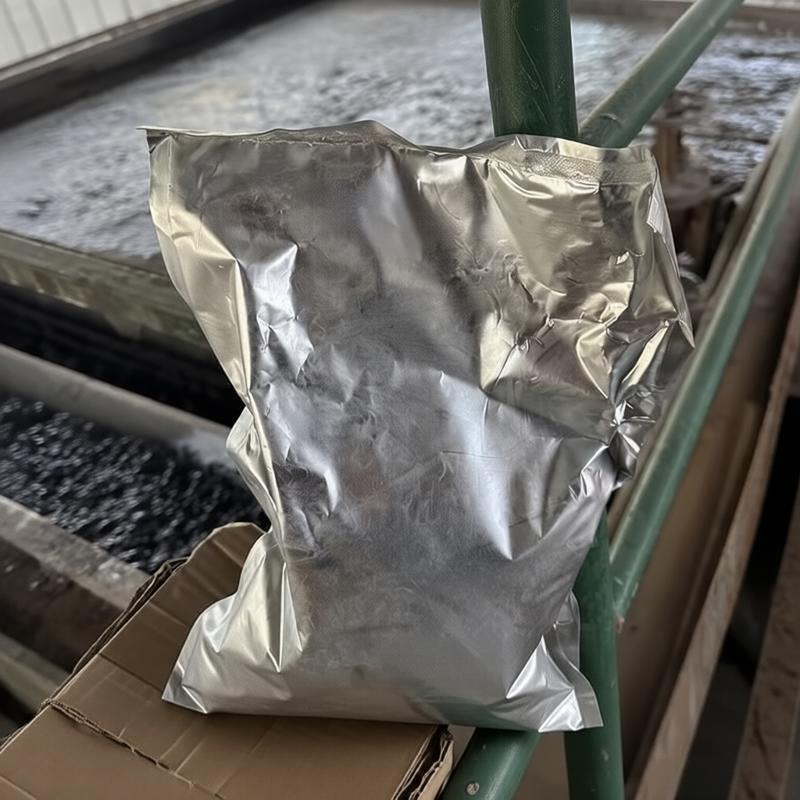
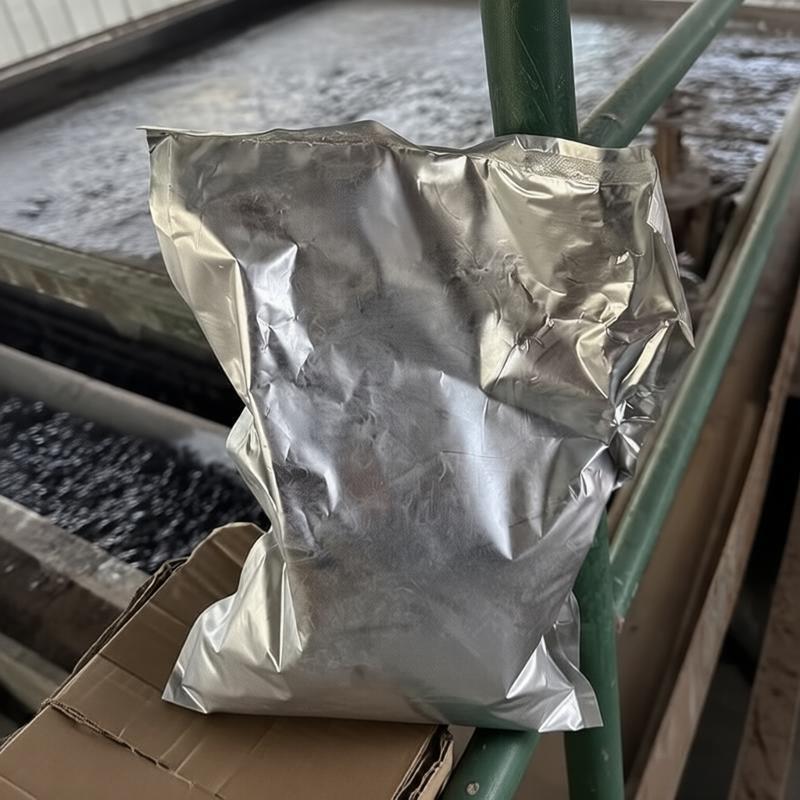
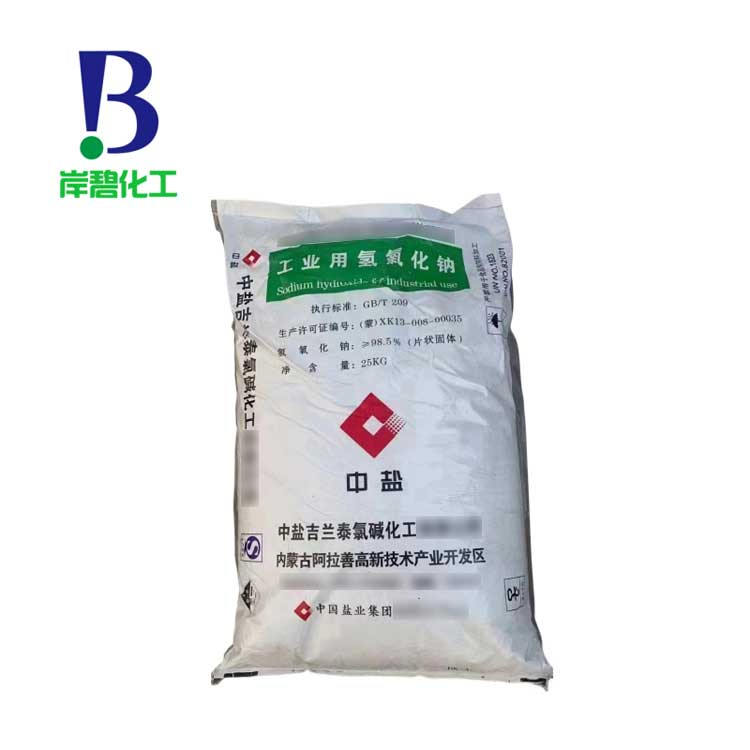
Product Specifications: 25KG per bag
Chemical Formula: NaOH
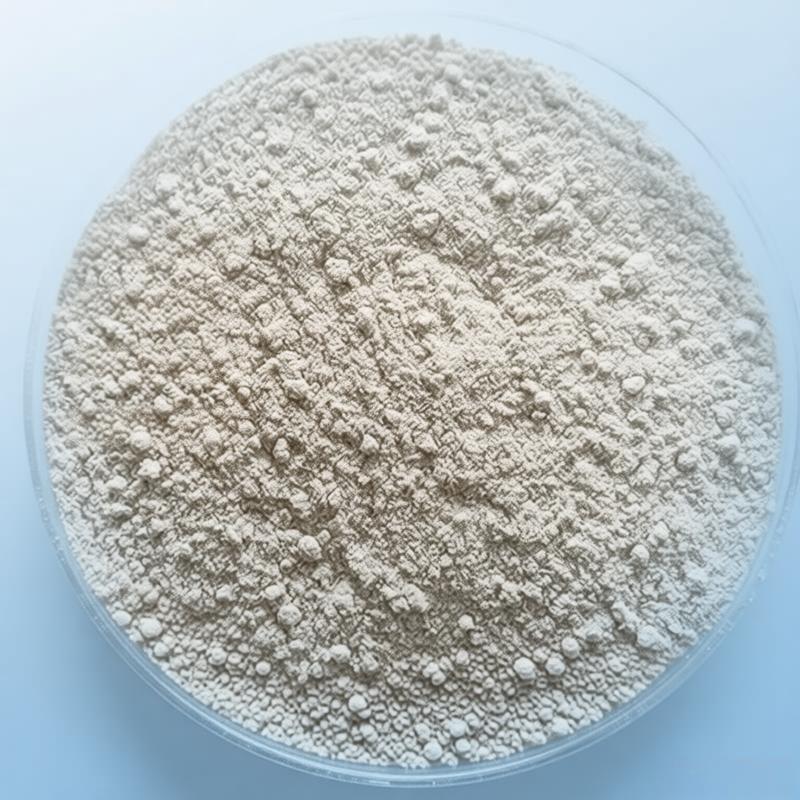
Shape: Sheet or Granular
CAS No.: 1310-73-2
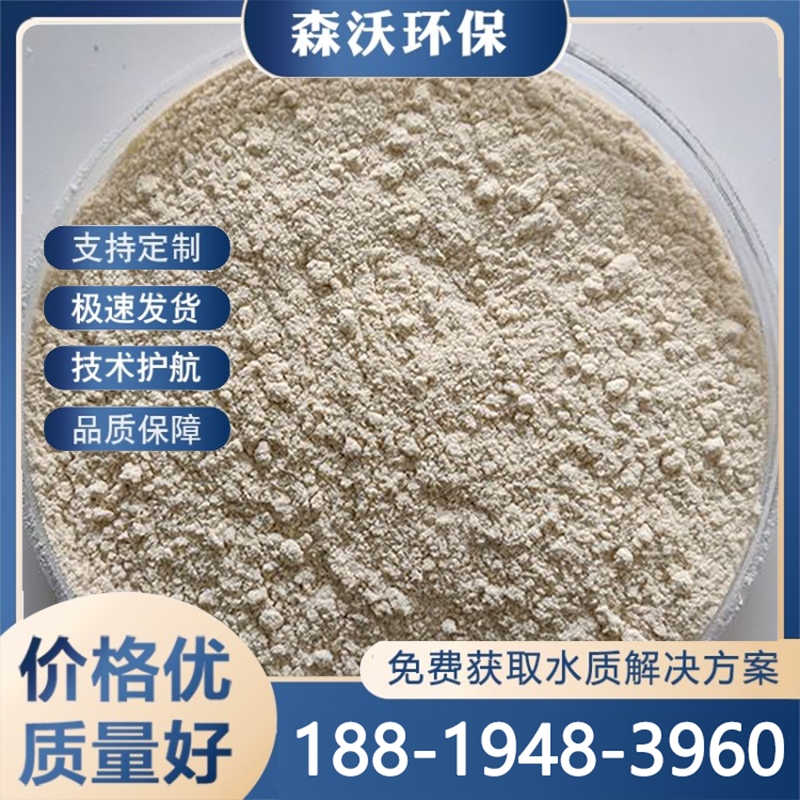
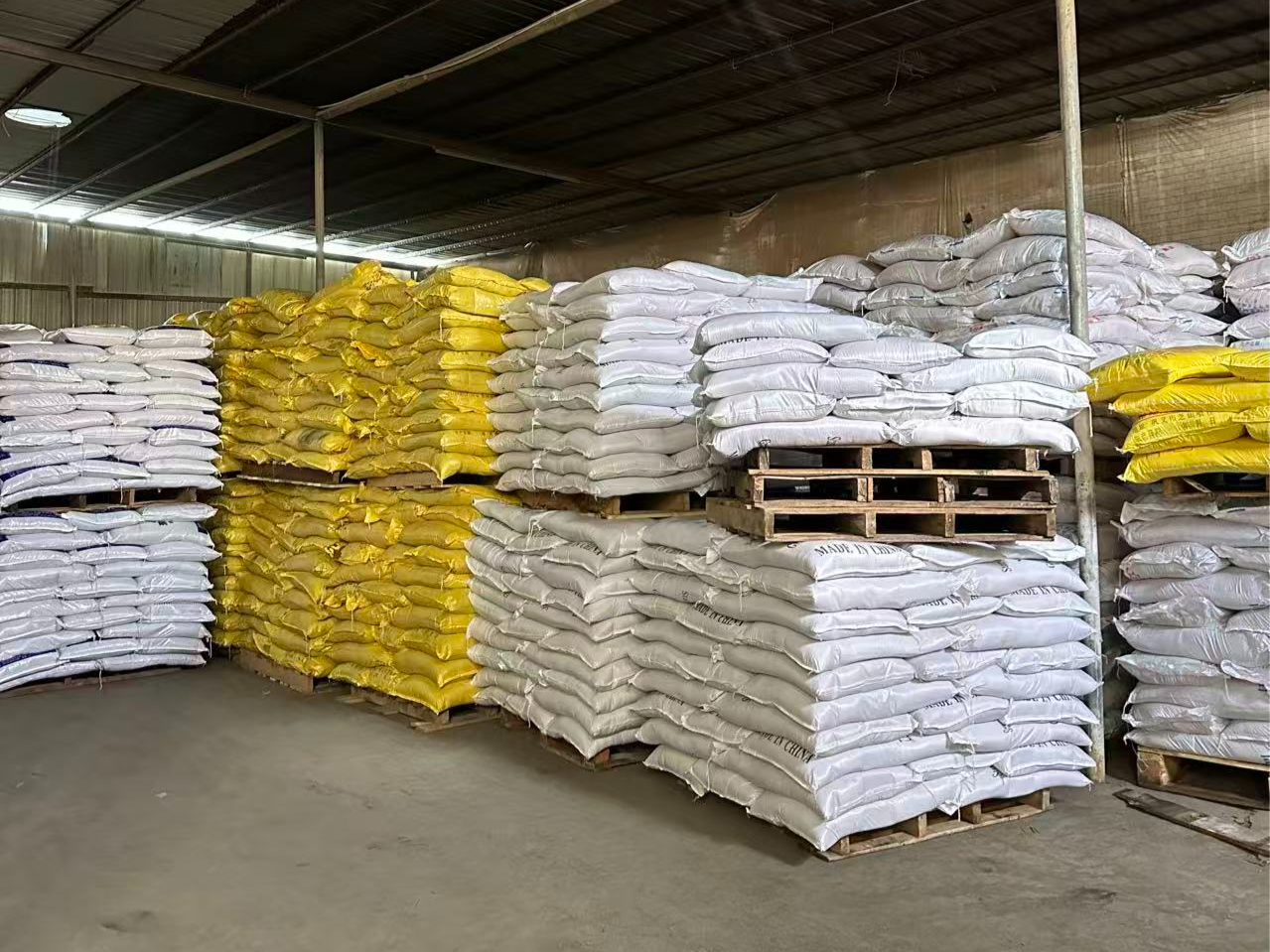
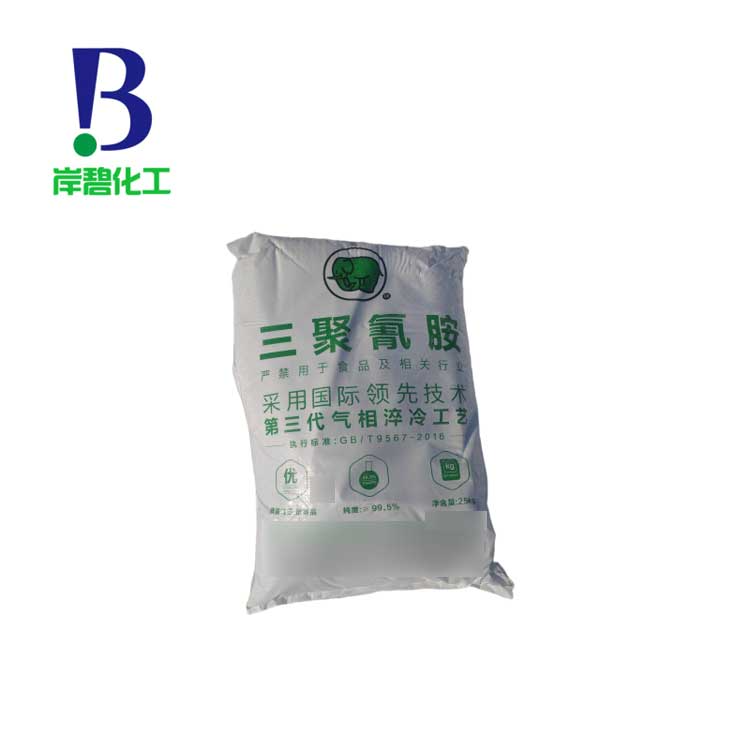
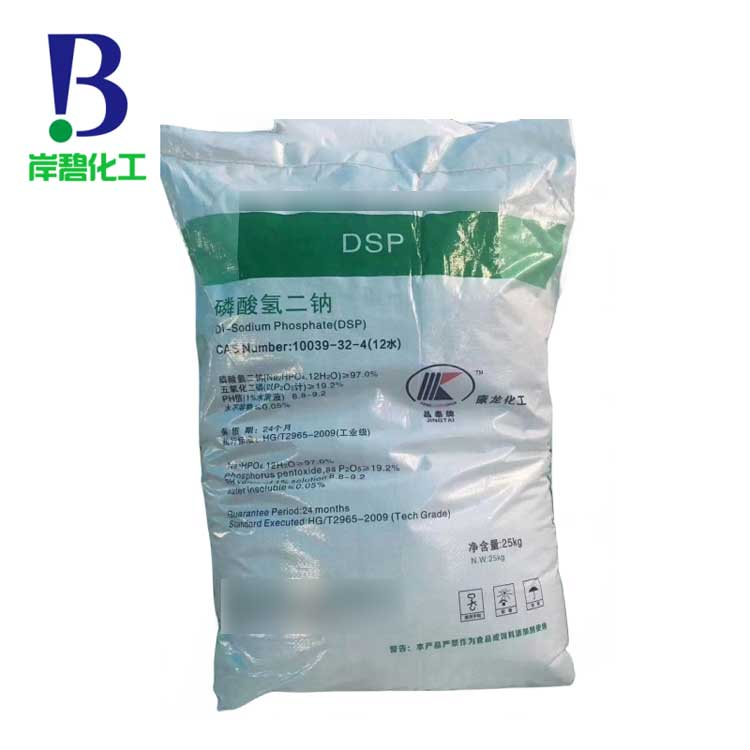
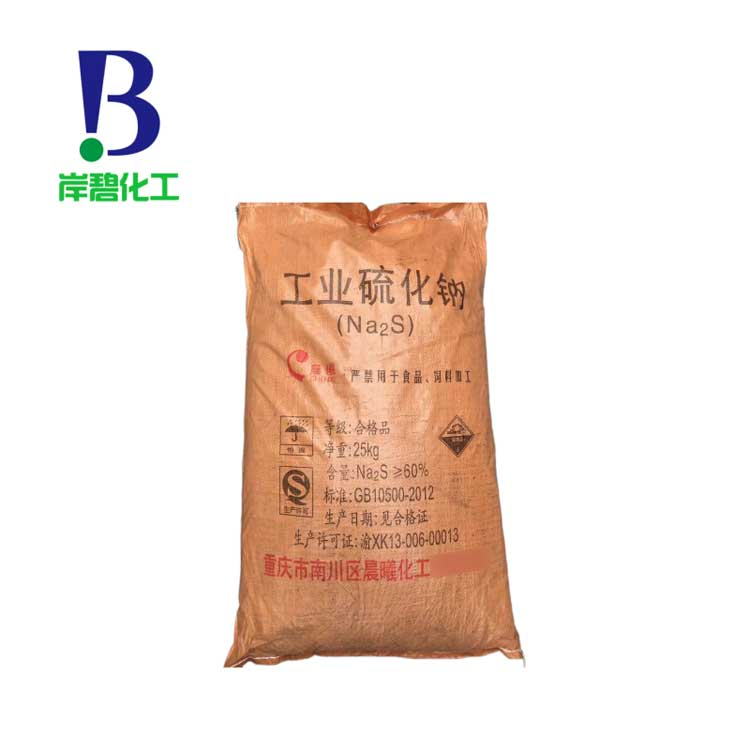
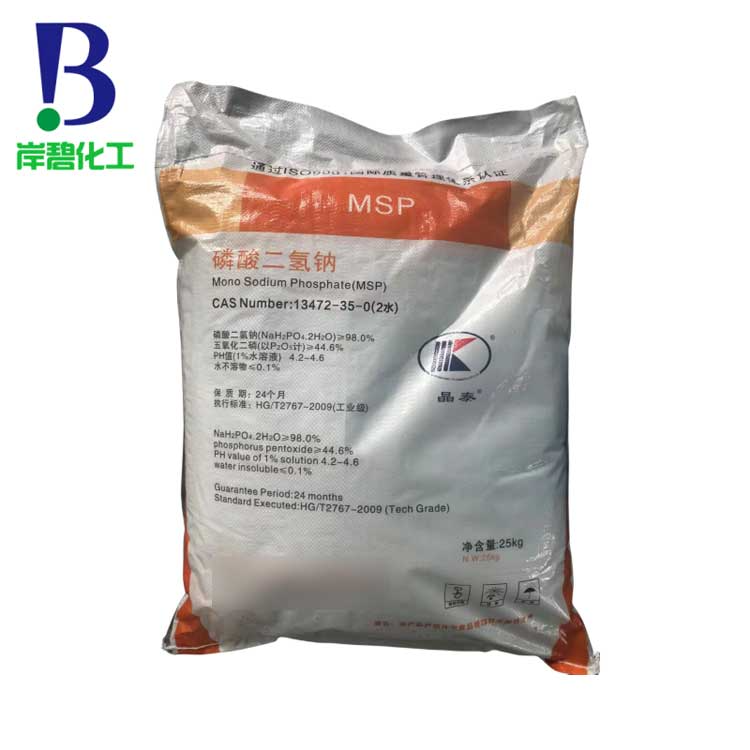
Actual product images displayed

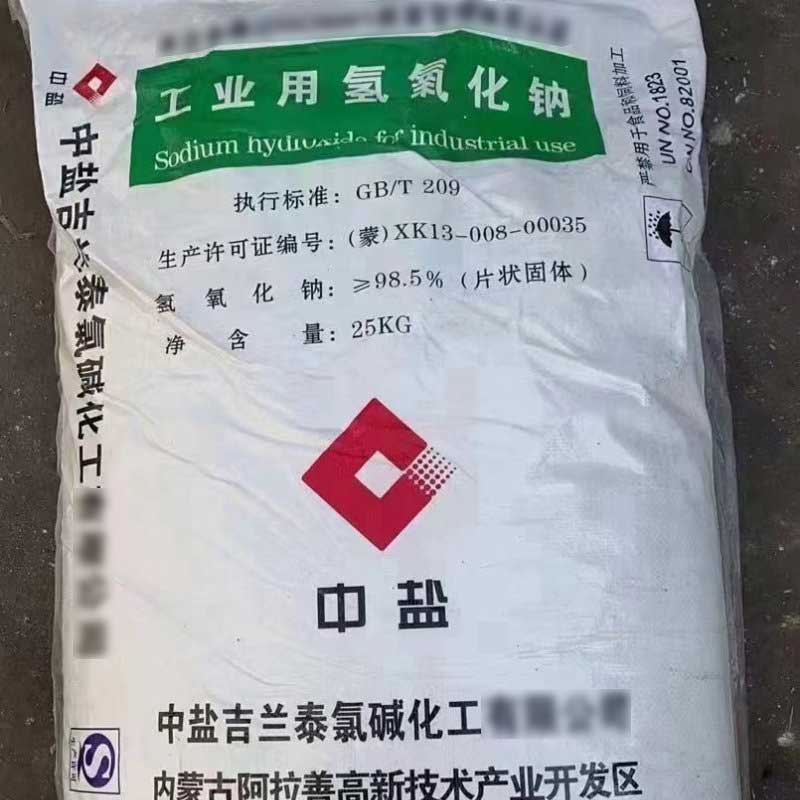
Storage and Transportation
Solid sodium hydride packed in 0.5mm thick steel drums, each drum weighing no more than 100 kg; steel drums with full or partial openings covered with plastic bags or double-layer kraft paper bags; glass bottles with threaded caps, metal lids, plastic bottles, or metal drums packed in plain wooden boxes; glass bottles with threaded caps, plastic bottles, or tin-plated steel drums packed in solid-bottom lattice boxes, fiberboard boxes, or plywood boxes; tin-plated steel drums, metal drums, plastic bottles, or metal hoses packed in corrugated cardboard boxes. Packaging containers must be intact, sealed, and clearly marked with "Corrosive Material."
During rail transportation, open-top wagons are available for steel drum packaging. The packaging must be intact at the time of shipment, and loading should be secure. Throughout the transportation process, ensure the containers remain leak-proof, upright, and undamaged, with protection against moisture and rain. If rust, cracking, holes, or dripping are observed in the packaging containers, replace the packaging immediately or ship and use them as soon as possible; damaged containers can be repaired with soldering. It is strictly prohibited to mix and transport with flammable or combustible materials, acids, edible chemicals, etc. The transport vehicle should be equipped with emergency spillage response equipment during transportation.