








Density: Typically around 2.4 - 2.8 g/cm³, with specific values slightly varying depending on the precise composition of the glass powder and the manufacturing process.
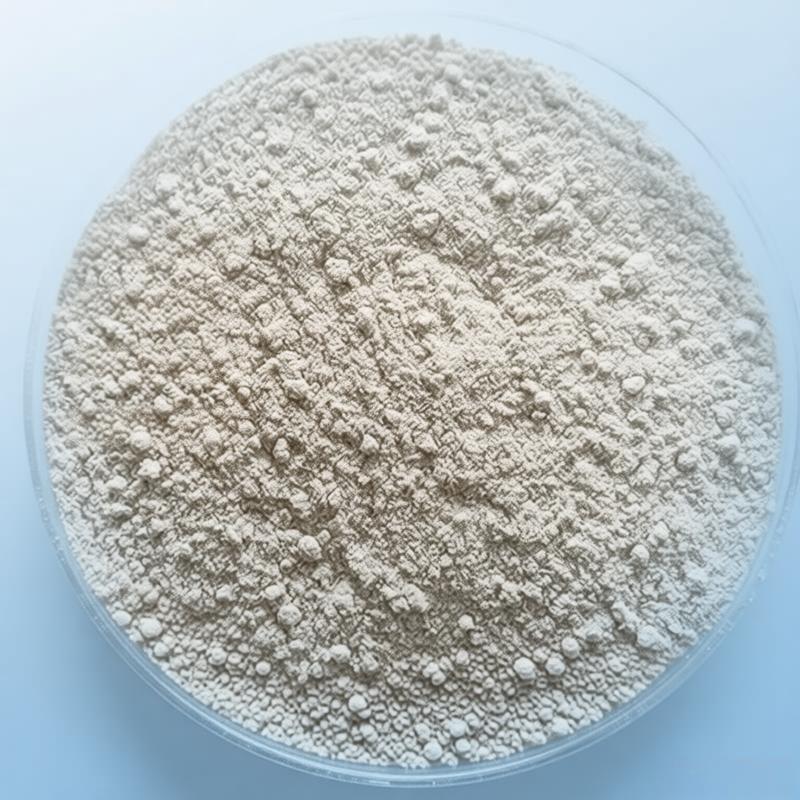
Particle Size Distribution: Can be adjusted according to different preparation methods and application requirements. Generally, the common particle size range is a few micrometers to several tens of micrometers, for example, D50 (the particle size when the cumulative particle size distribution reaches 50%) may be around 10-30μm.
Refractive Index: Generally between 1.5 - 1.6, this parameter is of significant importance for its applications in the optical field.
Coefficient of thermal expansion: Generally ranges from (80 - 120)×10⁻⁷/°C, higher than that of common silicate glass. This is due to the addition of elements such as strontium, boron, and aluminum, which allow for better matching and sealing with certain metal materials.
Specific Surface Area: The specific surface area typically ranges from 1 to 10 m²/g, and the size of the specific surface area affects the reactivity and dispersion performance of the glass powder in composite materials.
Chemical Composition: Primarily composed of strontium oxide (SrO), boron oxide (B₂O₃), aluminum oxide (Al₂O₃), and silicon dioxide (SiO₂), with varying proportions based on the specific glass formula. For instance, in common formulas, SiO₂ content may range from 40% to 60%, B₂O₃ from 10% to 20%, Al₂O₃ from 5% to 15%, and SrO from 10% to 30%.
Chemical Stability: Exhibits excellent chemical stability with better resistance to acidity and alkalinity than ordinary silicate glass. Its corrosion rate is relatively low in typical acidic and alkaline environments, but...Hydrofluoric AcidEven in highly corrosive acids, chemical reactions occur, leading to corrosion.
Solubility: Extremely low solubility in water; almost insoluble. However, under certain conditions, it can partially dissolve or react in specific solvents or fluxes.