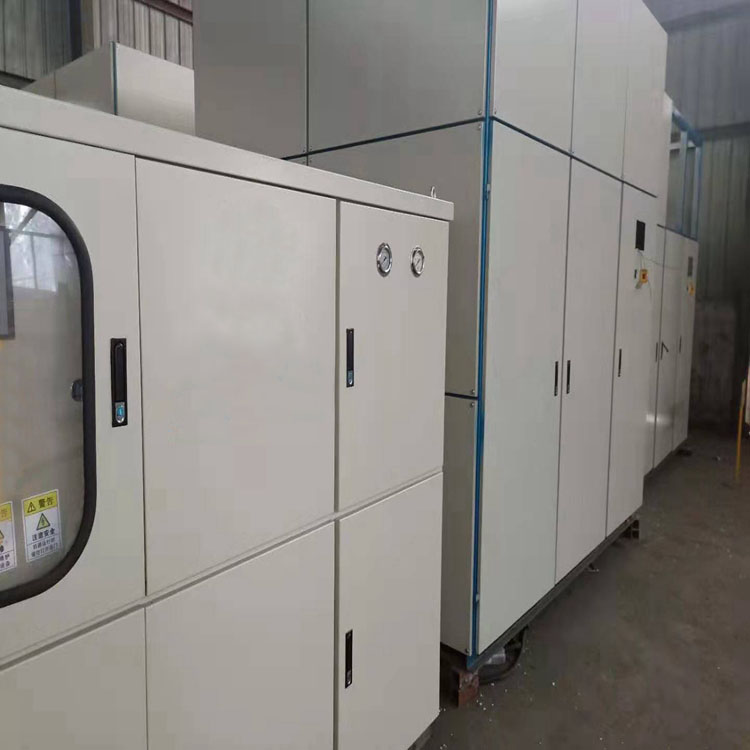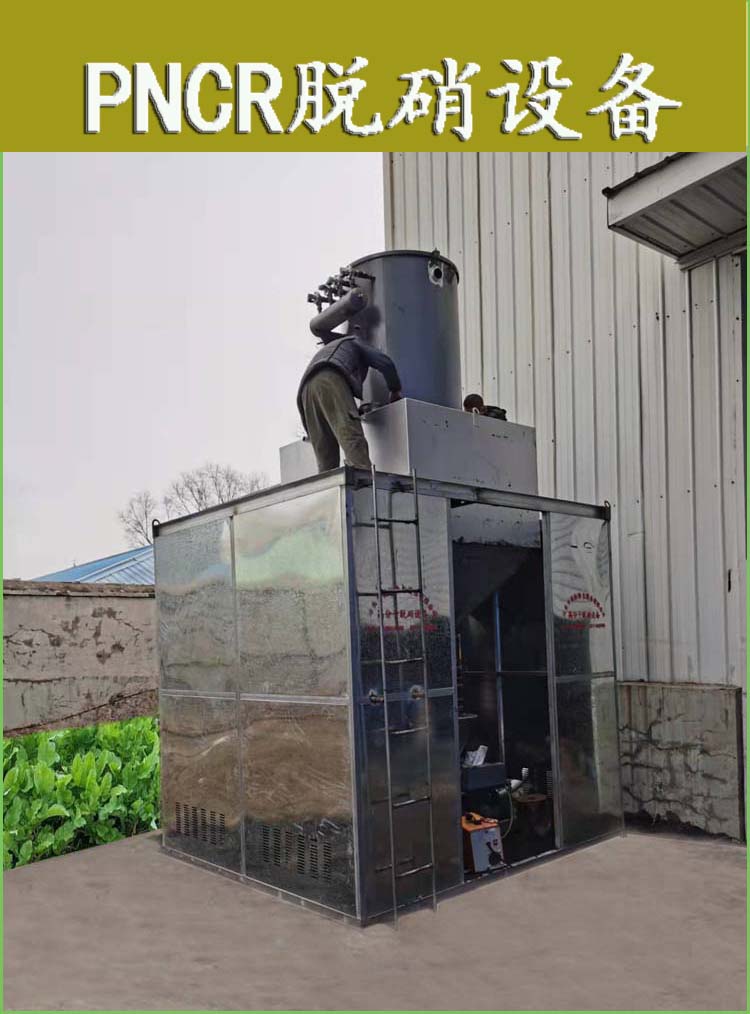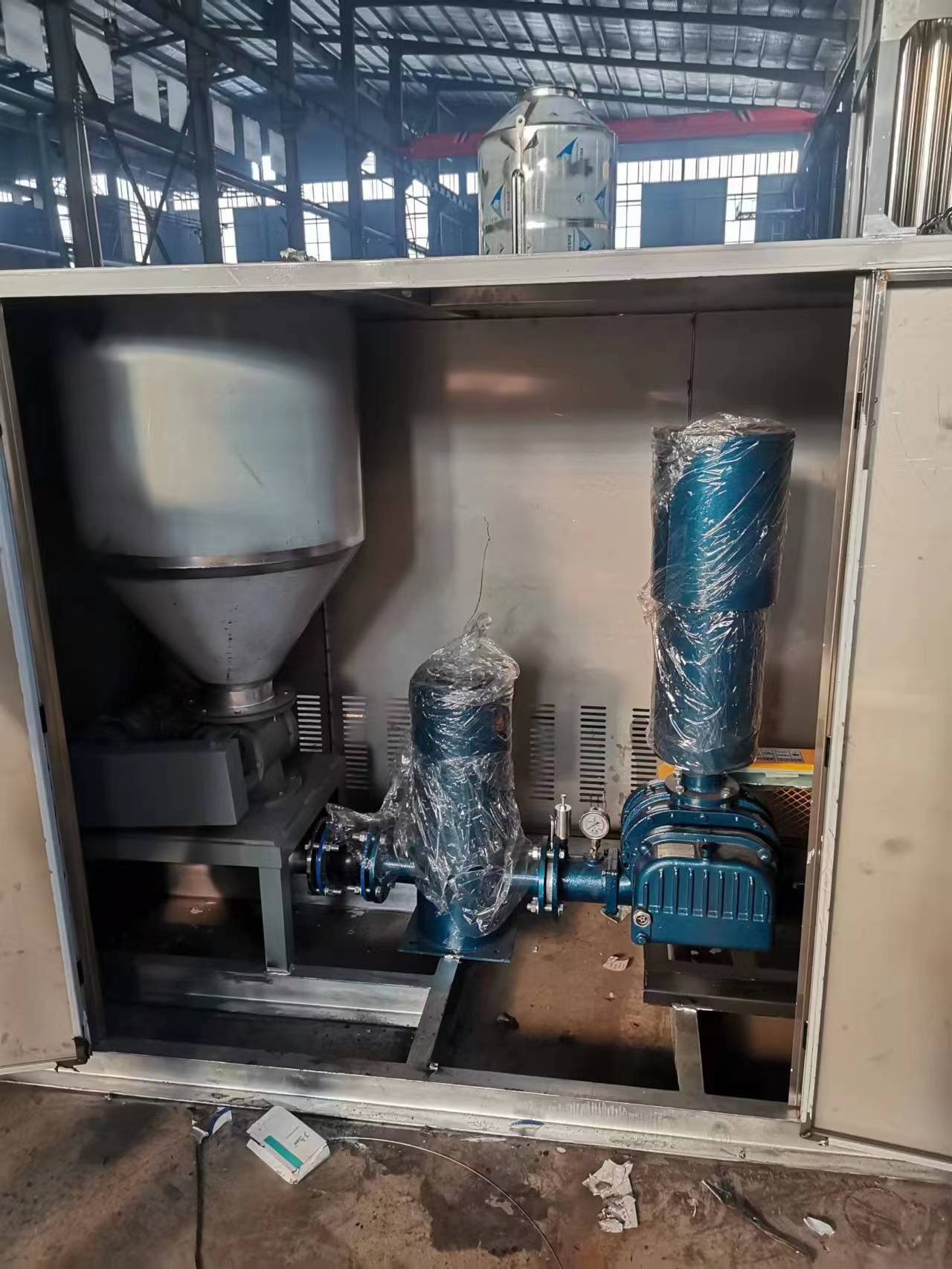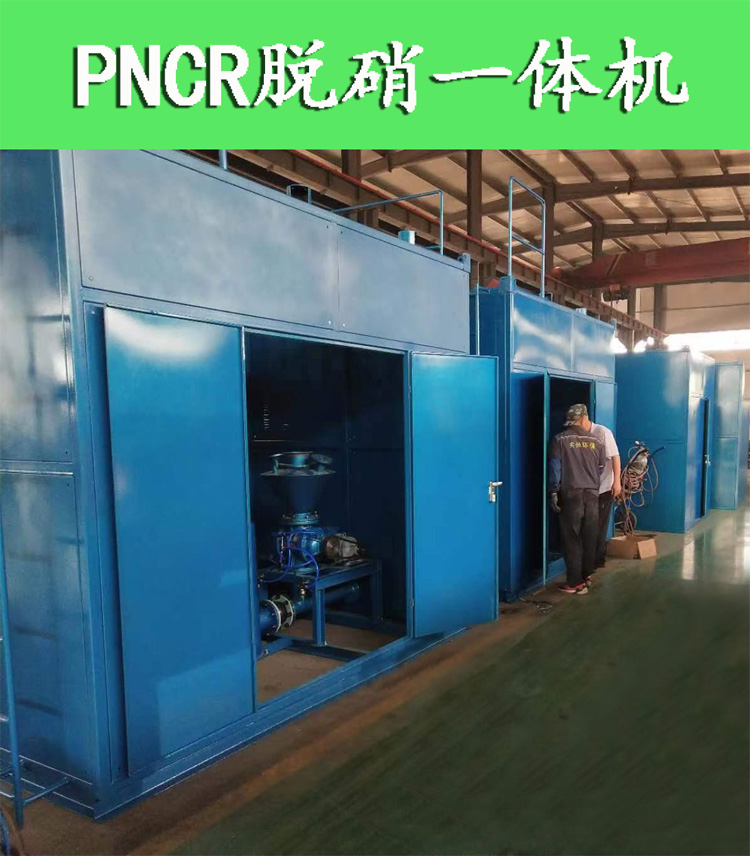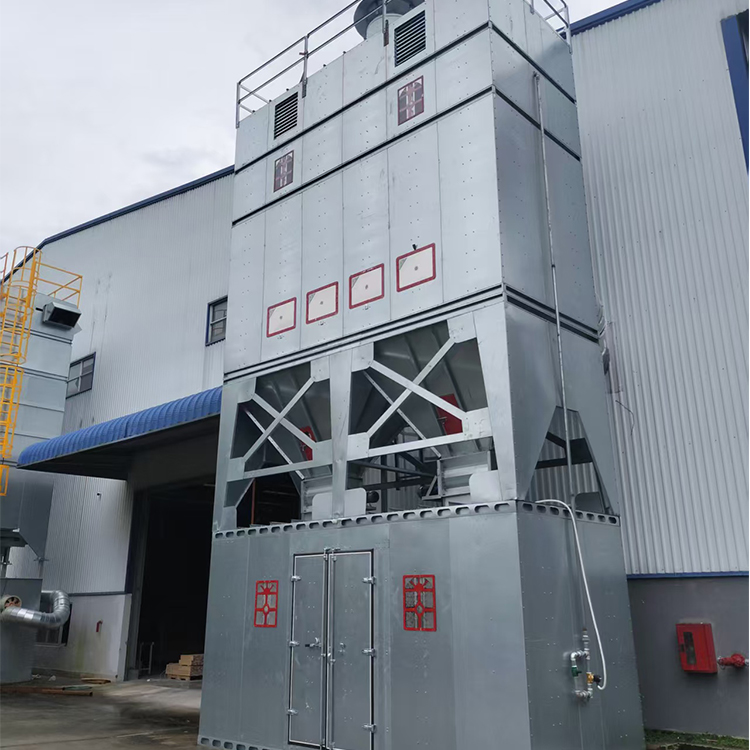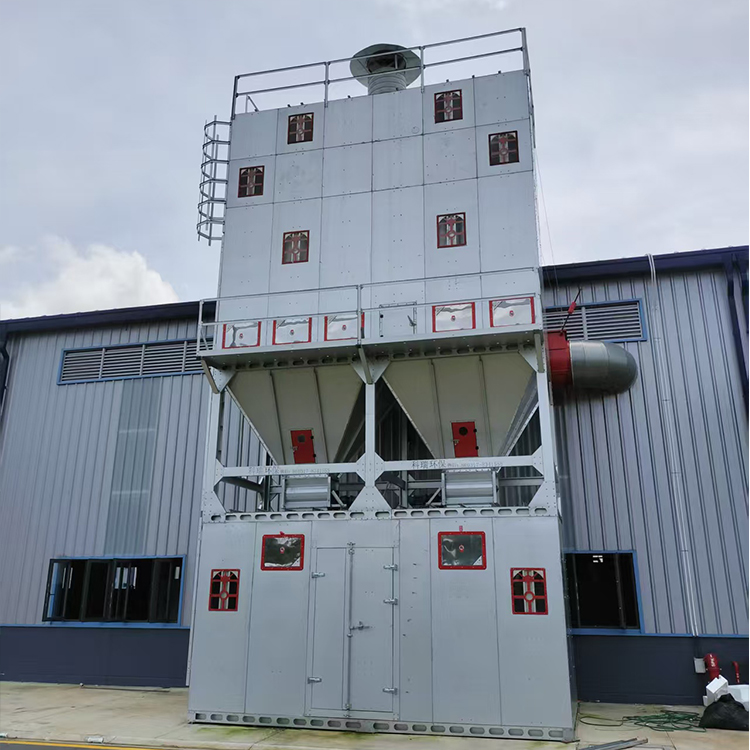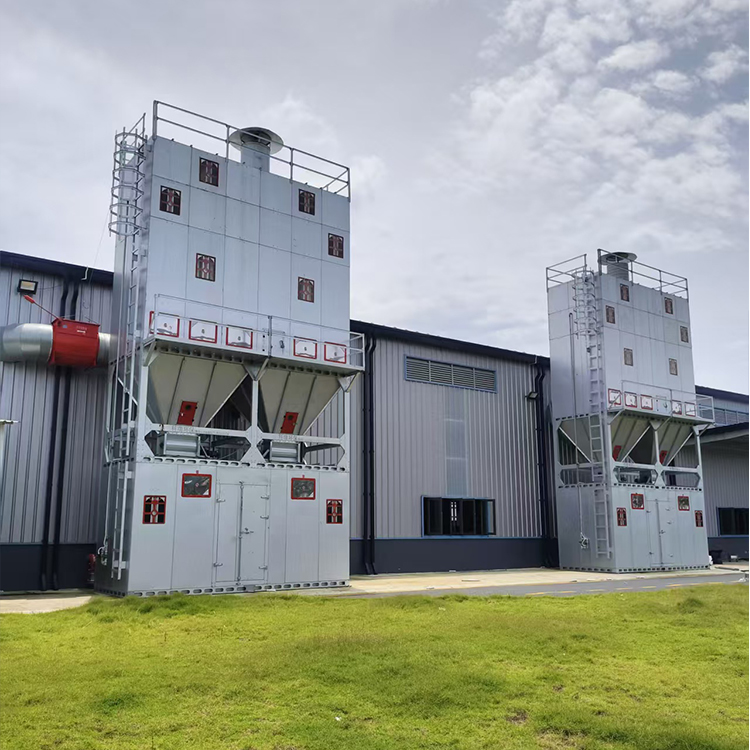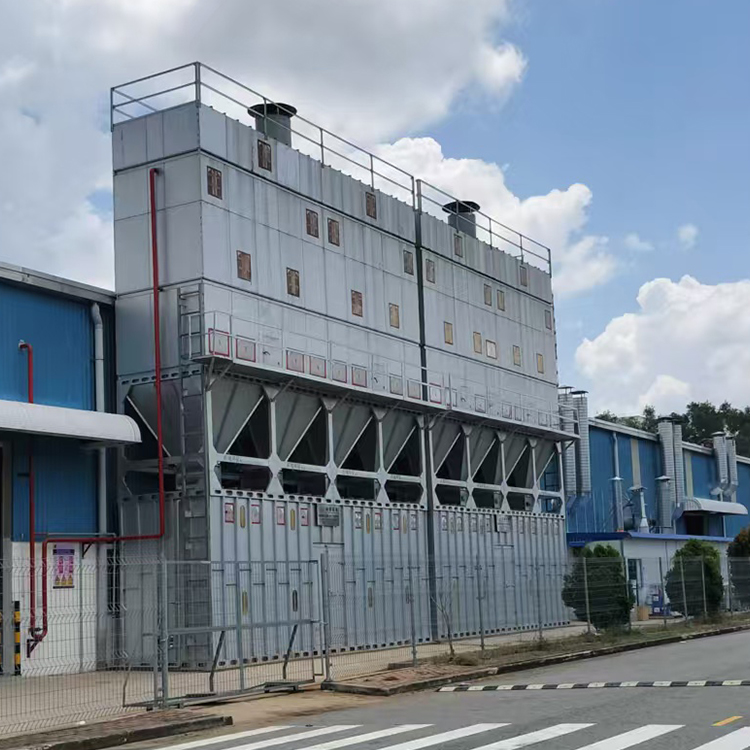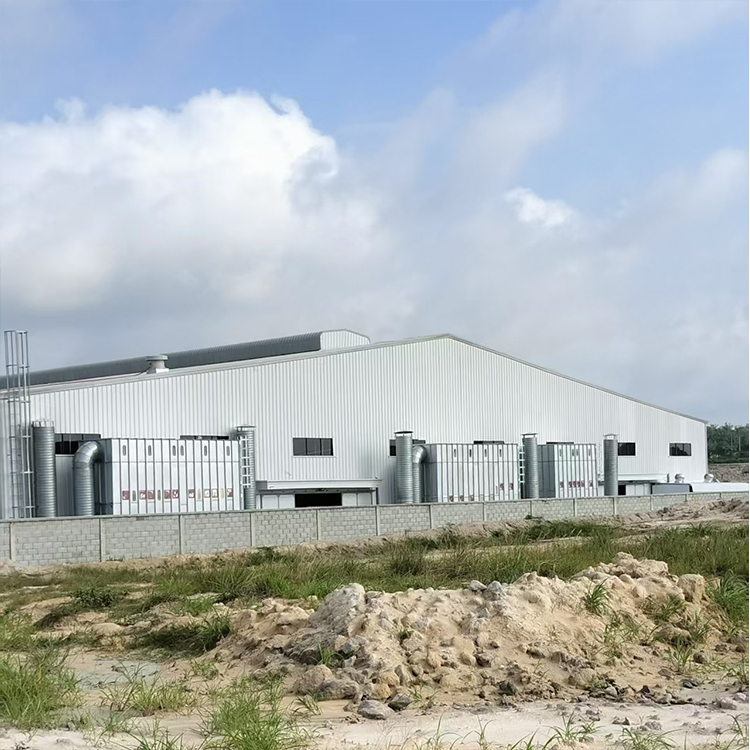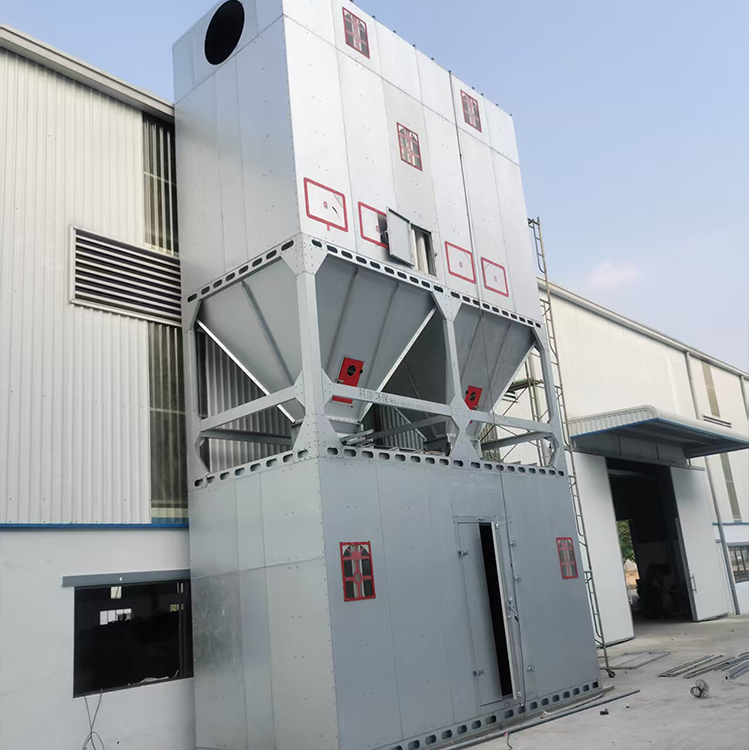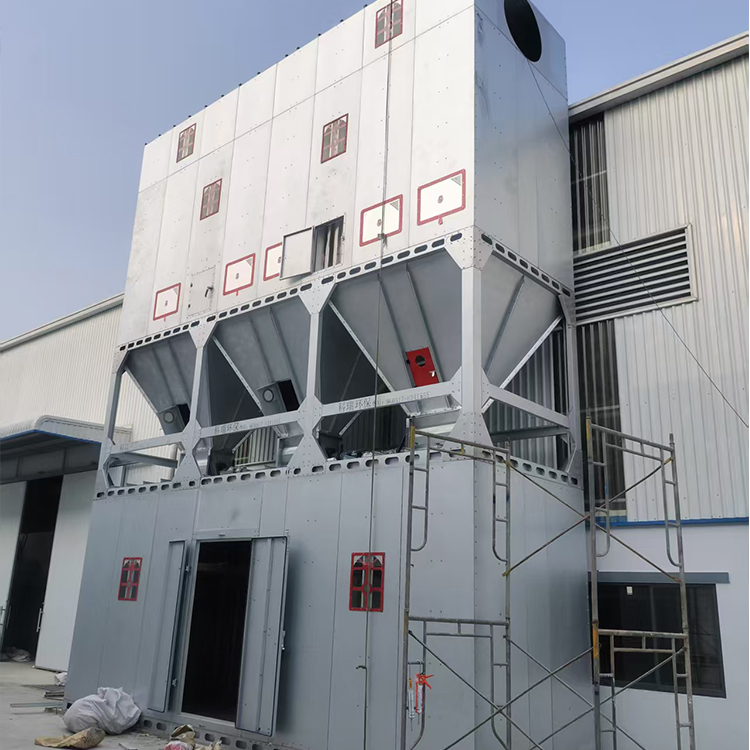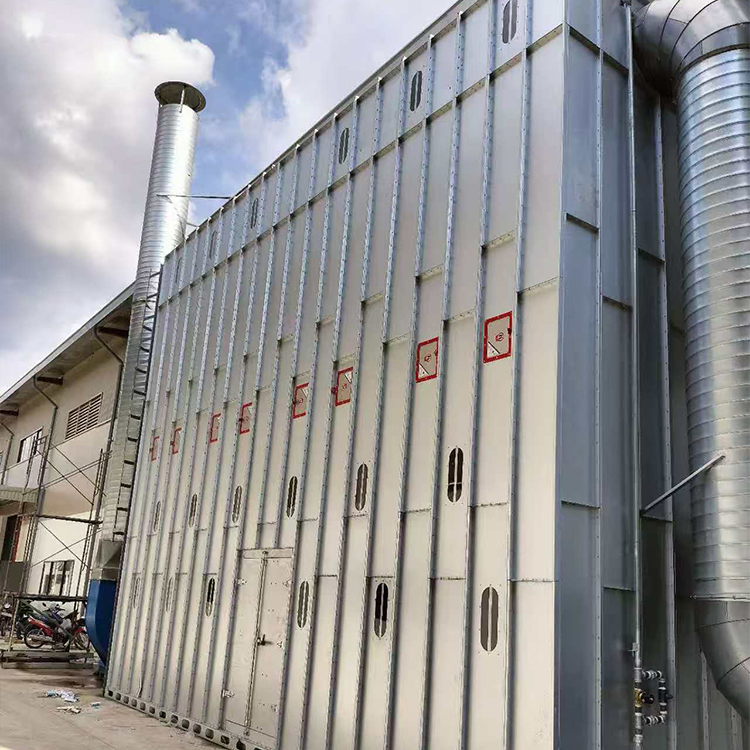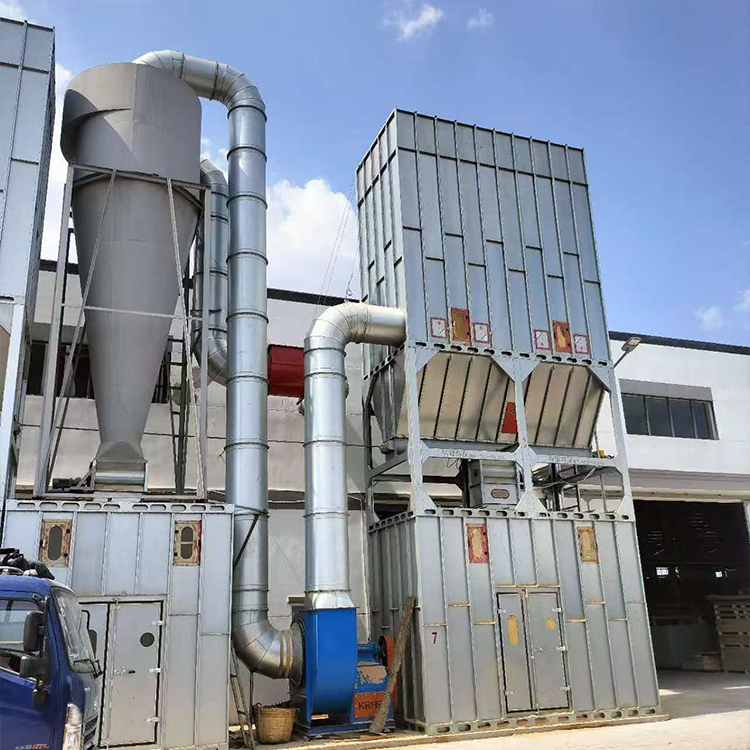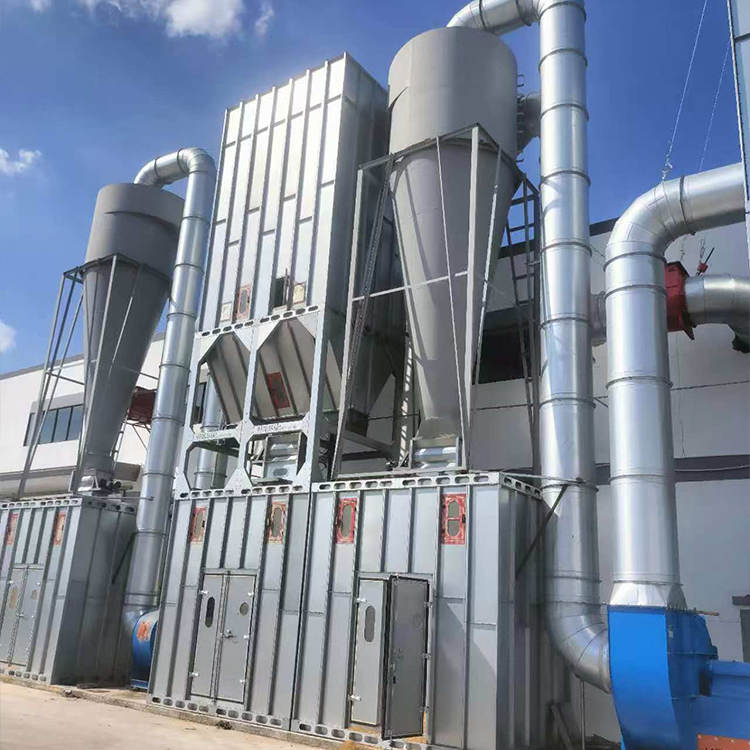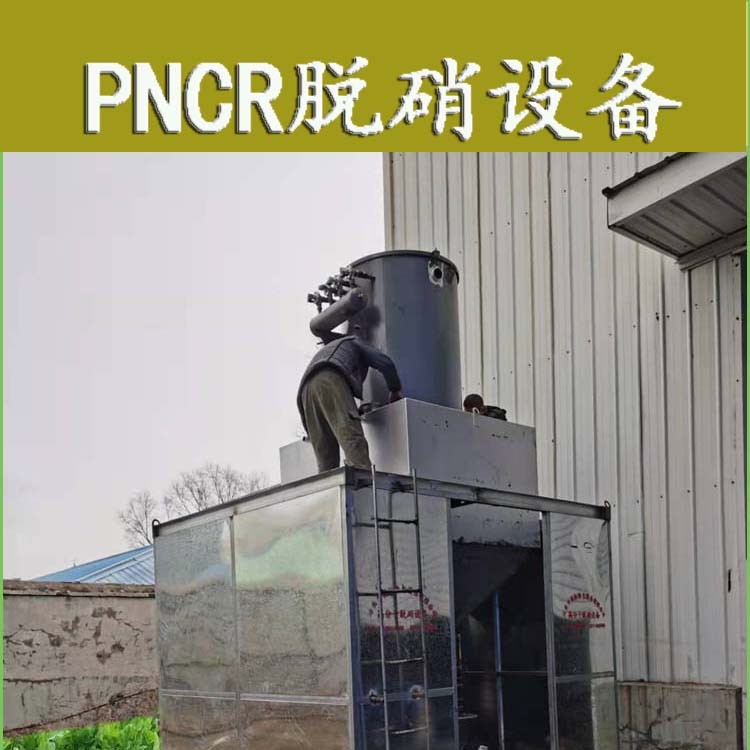

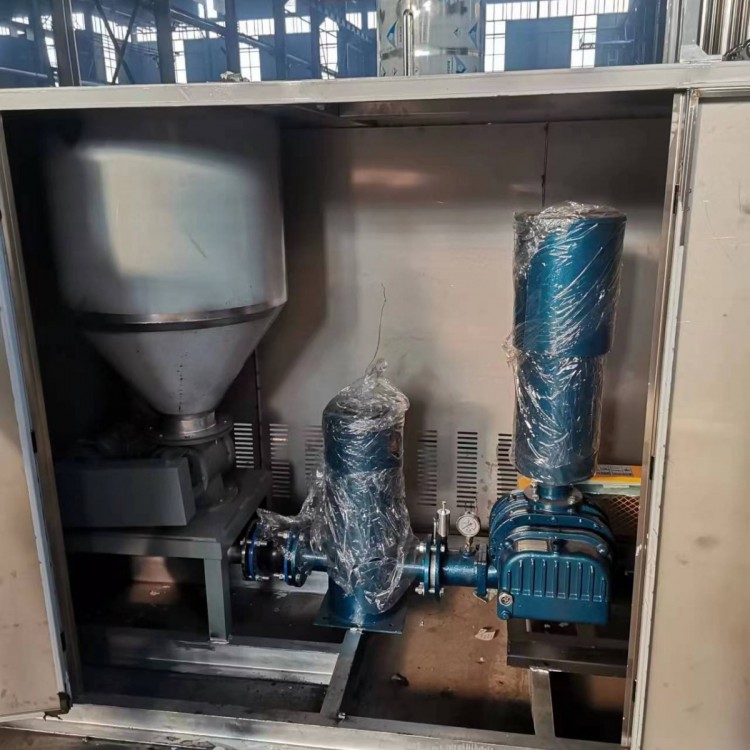
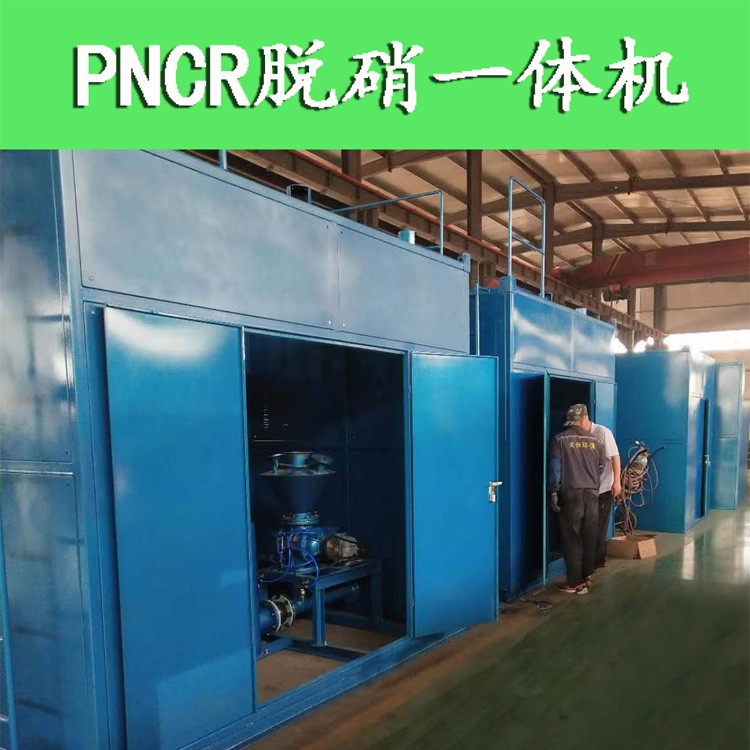


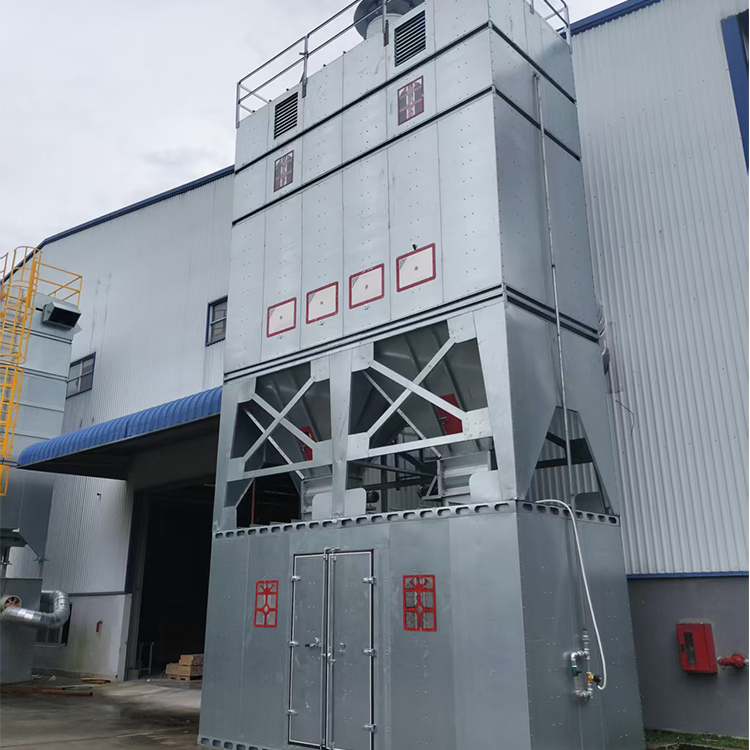
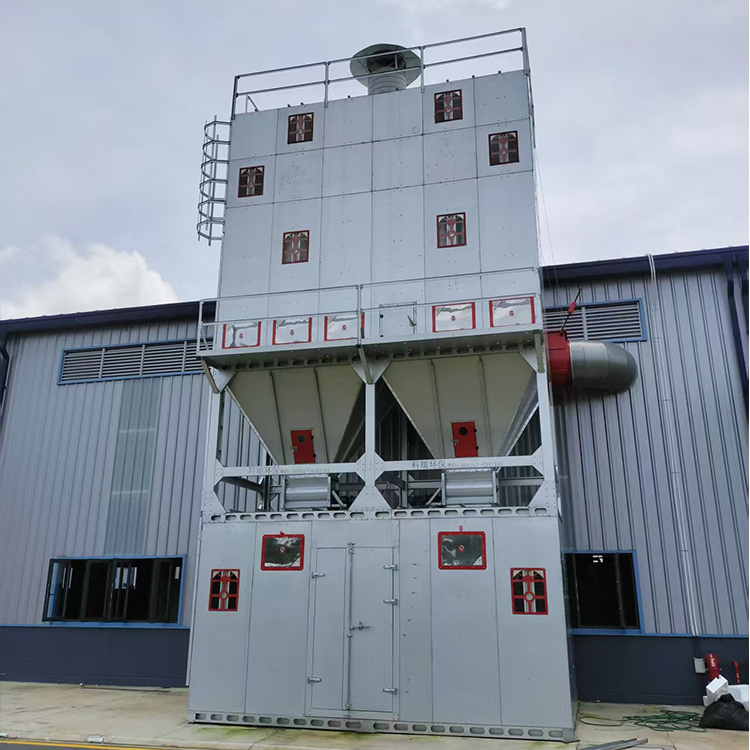
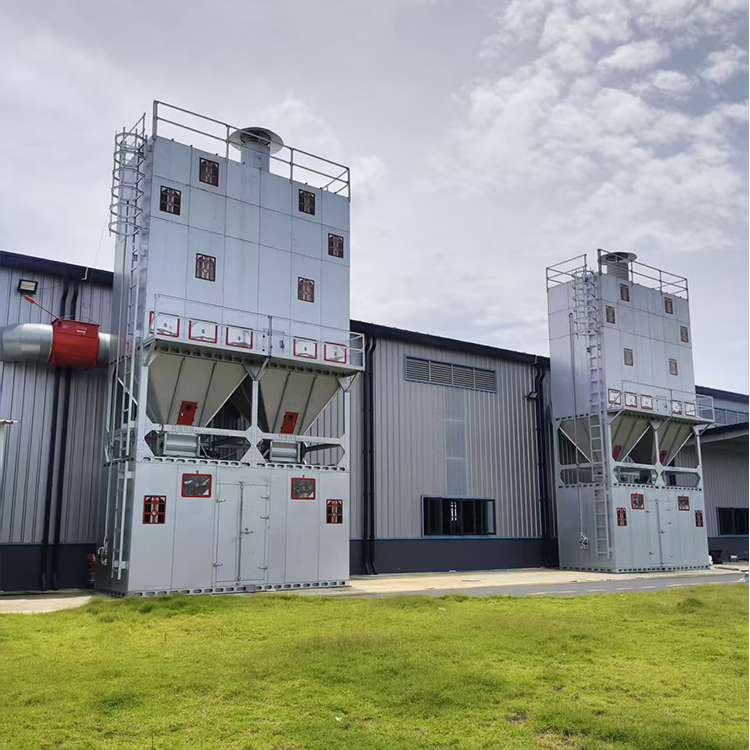
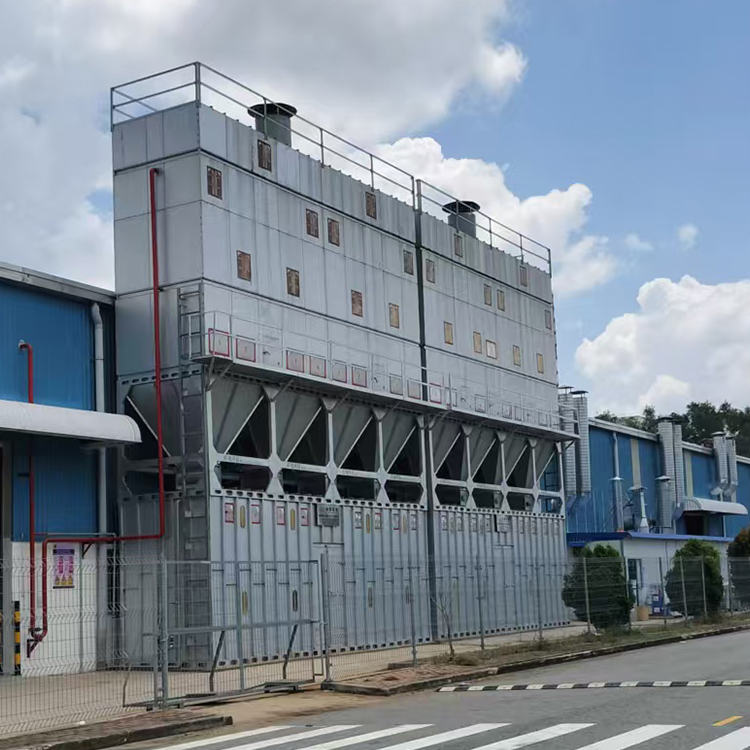
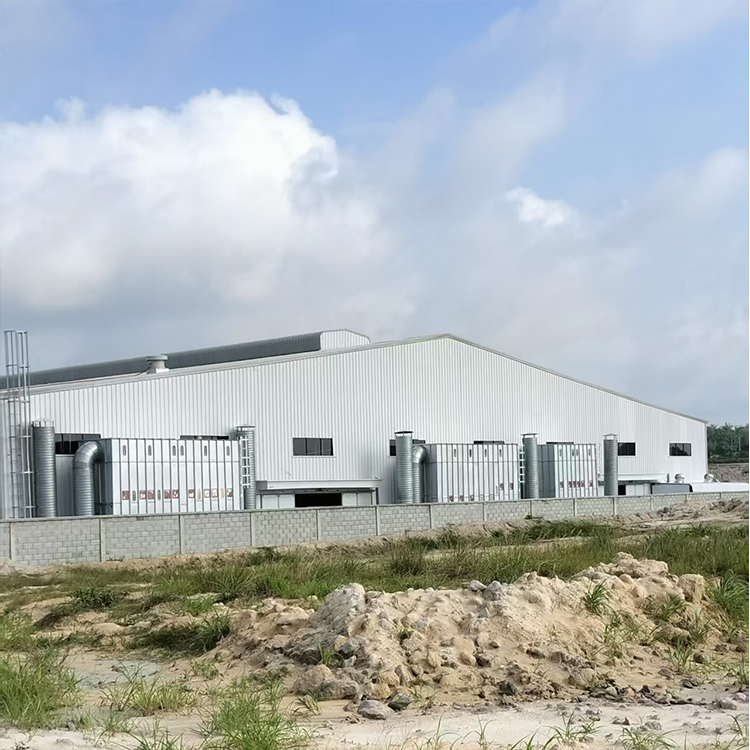






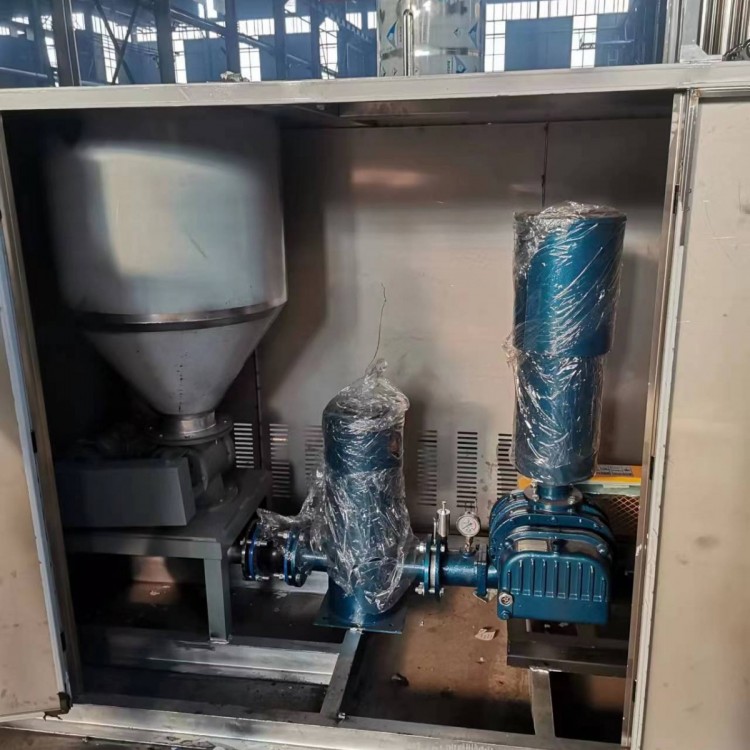


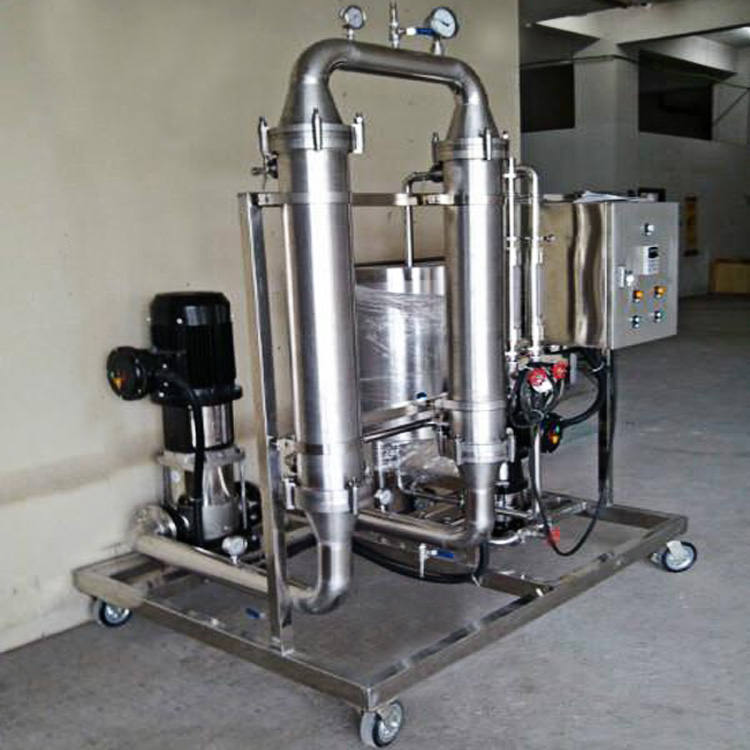
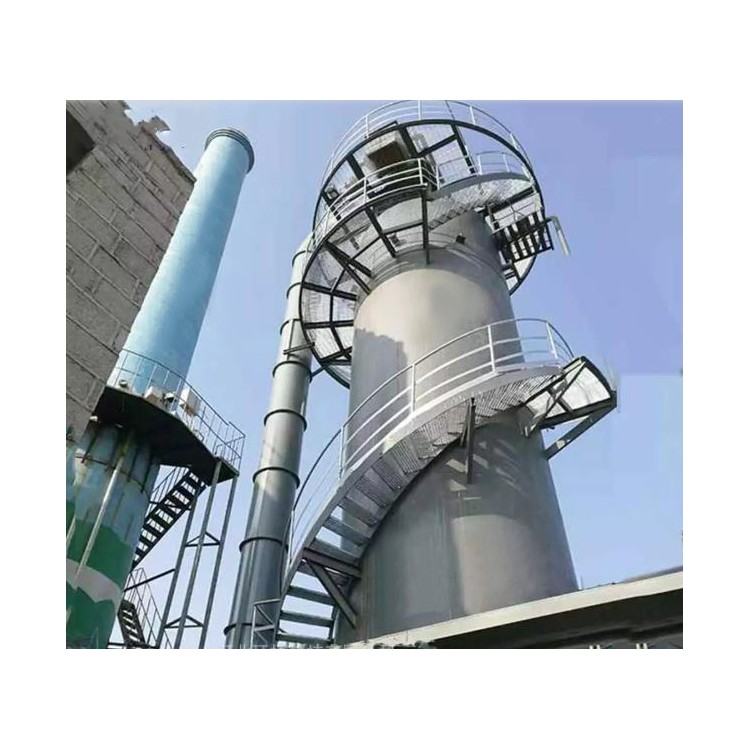
Product Introduction: PNCR High Polymer Denitrification Equipment for Waste Incinerator
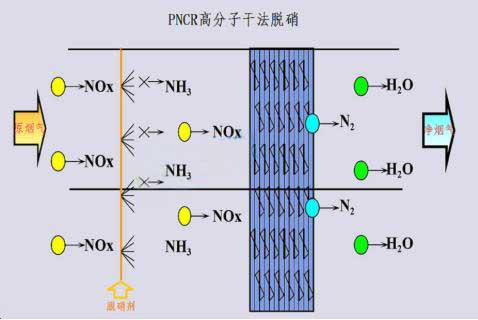
PNCR (Polymer-Selective Non-Catalytic Reduction) denitrification technology is one of the core processes for flue gas treatment in waste incinerators. It releases active amino radical free radicals from solid polymer denitrification agents at high temperatures, which react with NOx to produce nitrogen and water, achieving efficient denitrification. Key points are as follows:
Technical Principle
Reaction Mechanism: Denitration agents (such as amines in high polymer materials) undergo thermal decomposition at 800-1000°C, releasing amines that react with NOx to form N₂ and H₂O.
Temperature Window: Optimal reaction temperature is 800-1000°C, suitable for the high-temperature environment of waste incinerators.
Core Advantages
Efficiency: Denitrification efficiency reaches over 80%, meeting ultra-low emission requirements (such as NOx < 50 mg/m³).
Low Cost: No catalyst required; investment and operating costs are only 1/3-1/2 of SCR technology.
Environmental Friendliness: No secondary pollution; the decomposition products of the denitrification agent are solely N₂, H₂O, and CO₂.
Application Scenarios
Applicable Facilities: Particularly suitable for small and medium-sized waste incinerators, biomass boilers, etc.
Process Combination: In areas with stringent emission requirements, the efficiency can be further enhanced by combining SNCR or SCR processes (such as SNCR+SCR).
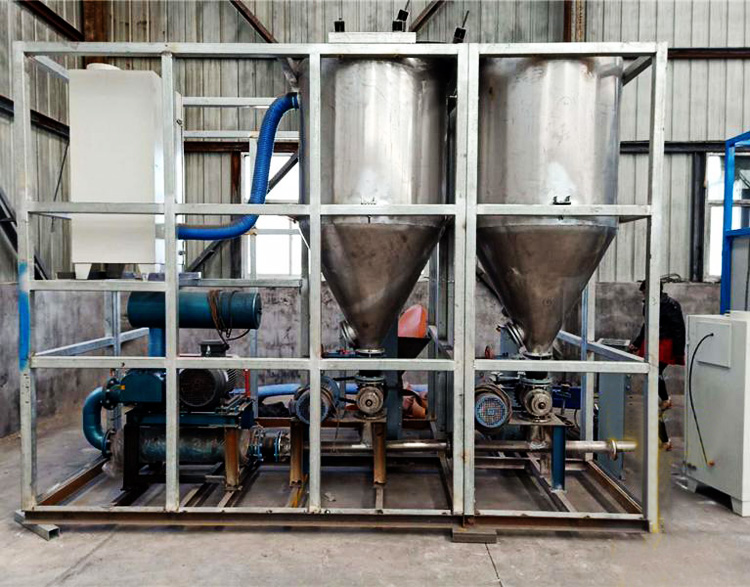
Compared to SCR technology
Comparison Item PNCR Technology SCR Technology
Catalyst No need Vanadium-titanium based catalyst required
Reaction Temperature 800-1000℃ 300-420℃
Denitrification Efficiency Over 80% 80-95%
Investment Cost Low (No Catalyst) High (40% of catalyst)
Maintenance Complexity Simple (No Catalyst Change Required) Complex (requires regular replacement)
Typical Process Flow
Conveying System: Denitrification agent is injected into the furnace through a pneumatic conveying device._
Reactive Zone: Mixes with flue gas and reacts at temperatures of 800-1000°C._
Emission Control: Achieve ultra-low emissions through subsequent dust removal and desulfurization processes.
This technology, with its high efficiency, economic benefits, and environmental friendliness, has become one of the mainstream denitrification choices in the waste incineration industry.