













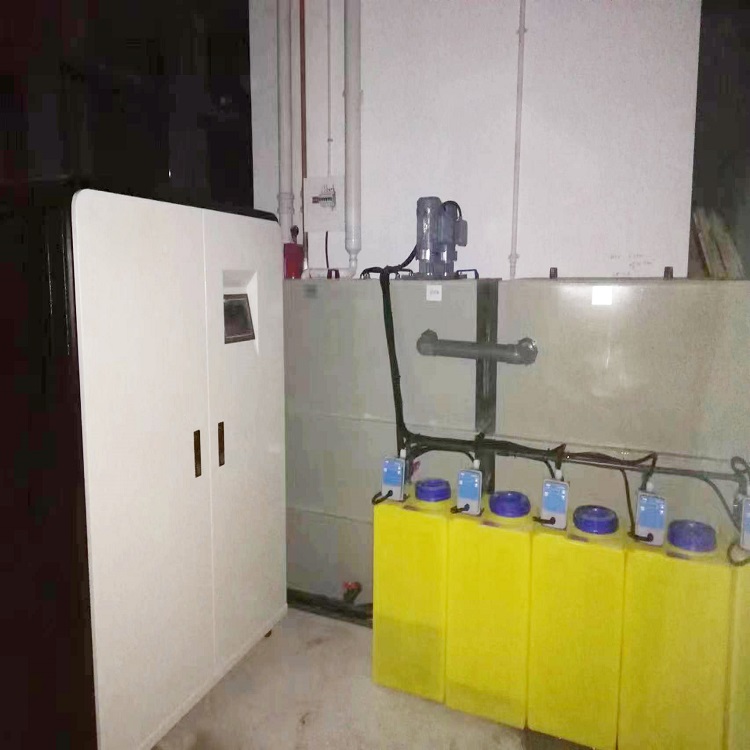
Subsurface Aquaculture Wastewater Treatment - Effluent Meets Standards - Quankun - Microbial Wastewater Treatment Equipment
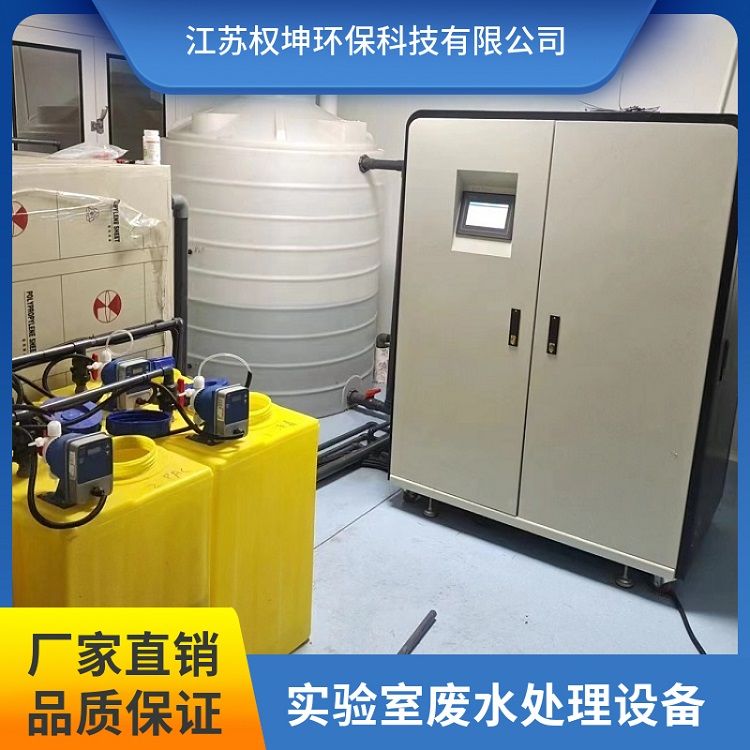
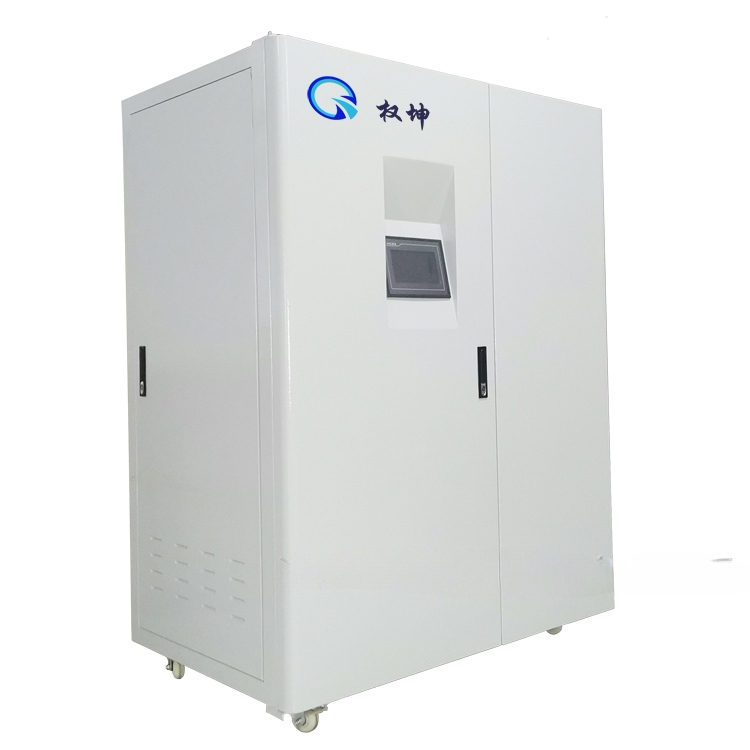
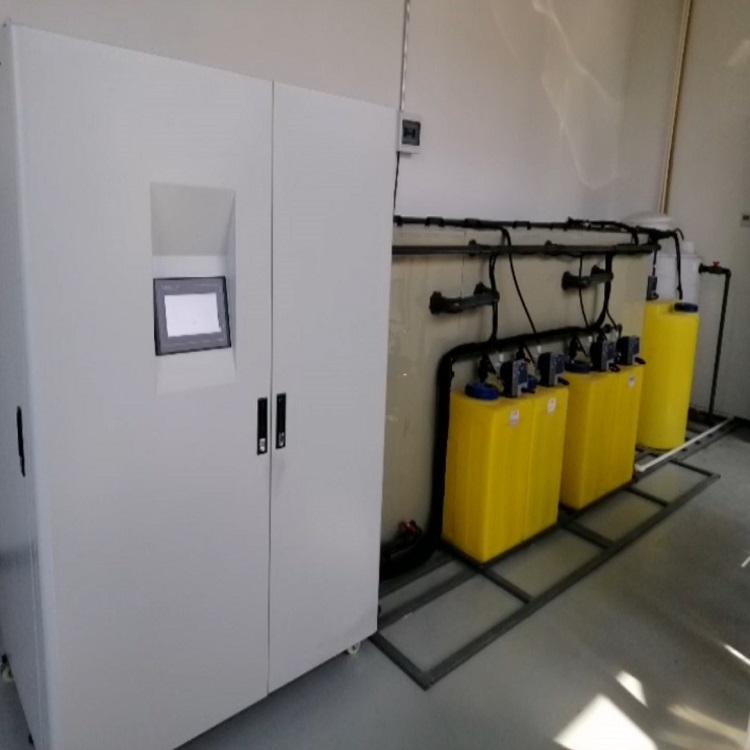
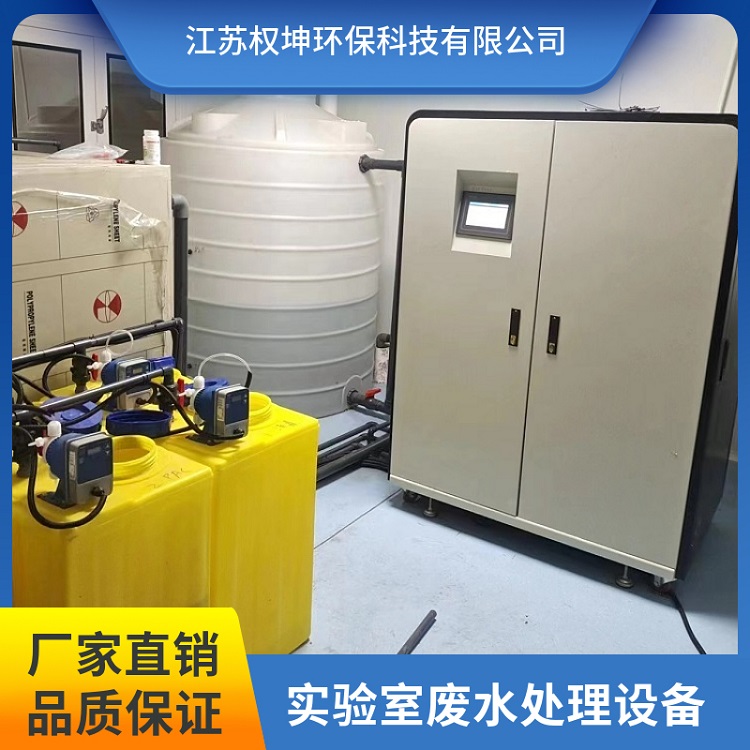
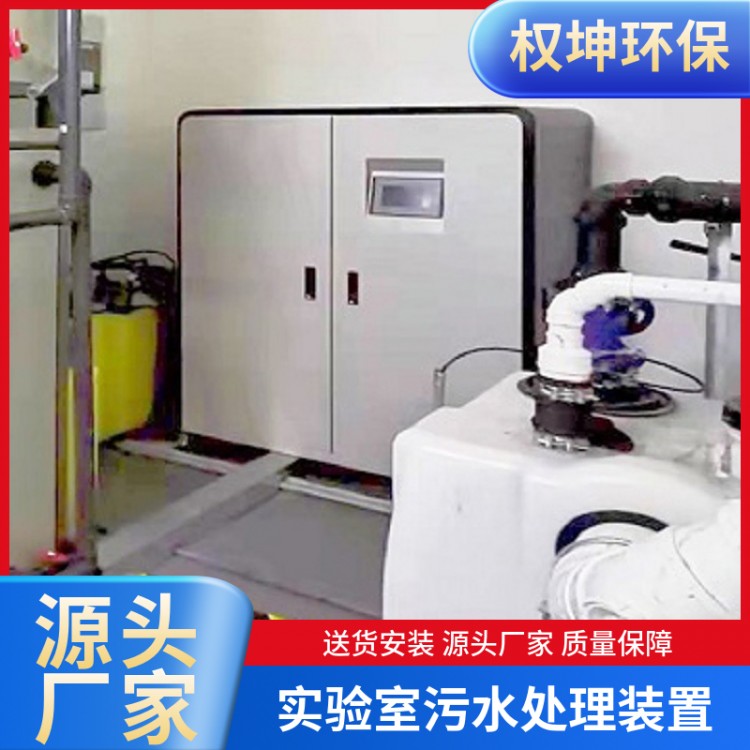
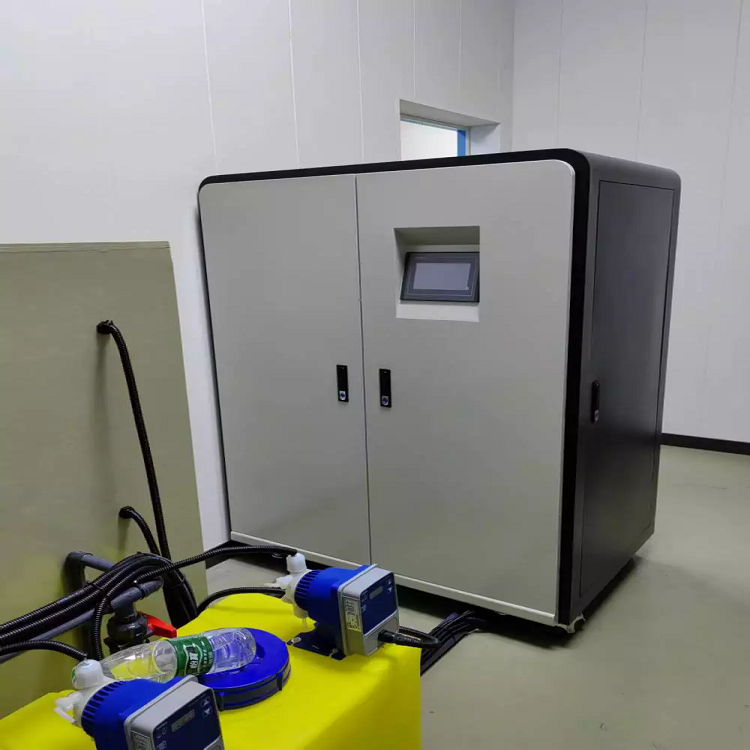
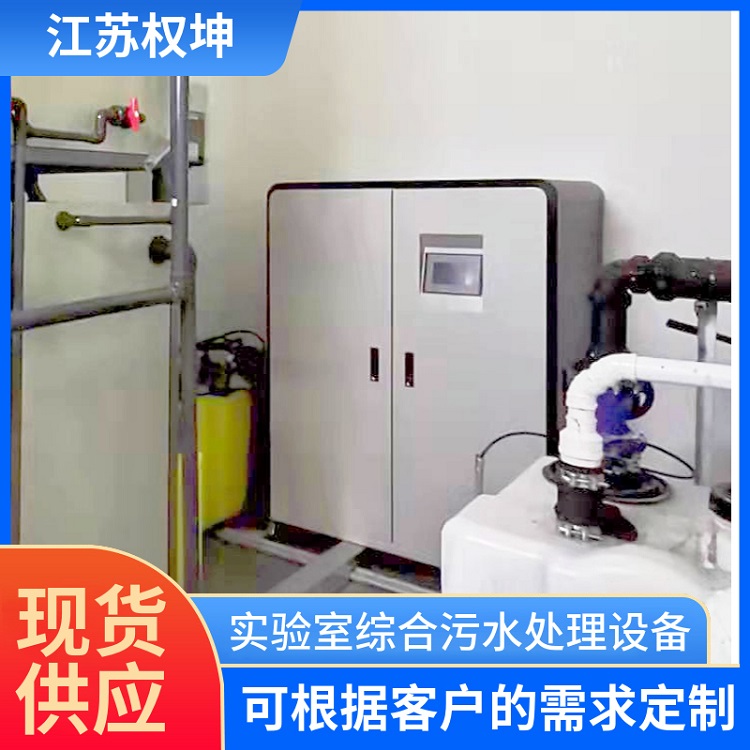
Jiangsu Quankun is a high-tech enterprise engaged in the research, development, production, and sales of comprehensive laboratory wastewater treatment equipment and comprehensive laboratory air pollution treatment equipment. The comprehensive laboratory wastewater treatment equipment is a product that has obtained both invention patent certificates and utility model patent certificates domestically. It enjoys a large number of users both domestically and internationally, and has a significant market share.
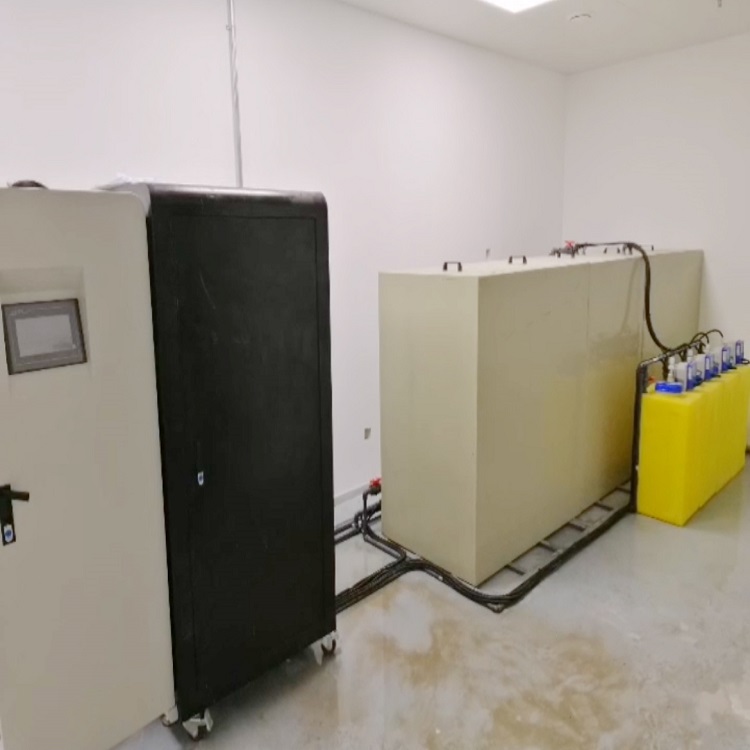
Feature Highlights:
1. Wide applicability, adaptable to various comprehensive medical wastewater treatments.
2. Utilizes multiple advanced patented technologies for multi-stage treatment and purification of wastewater, achieving discharge standards.
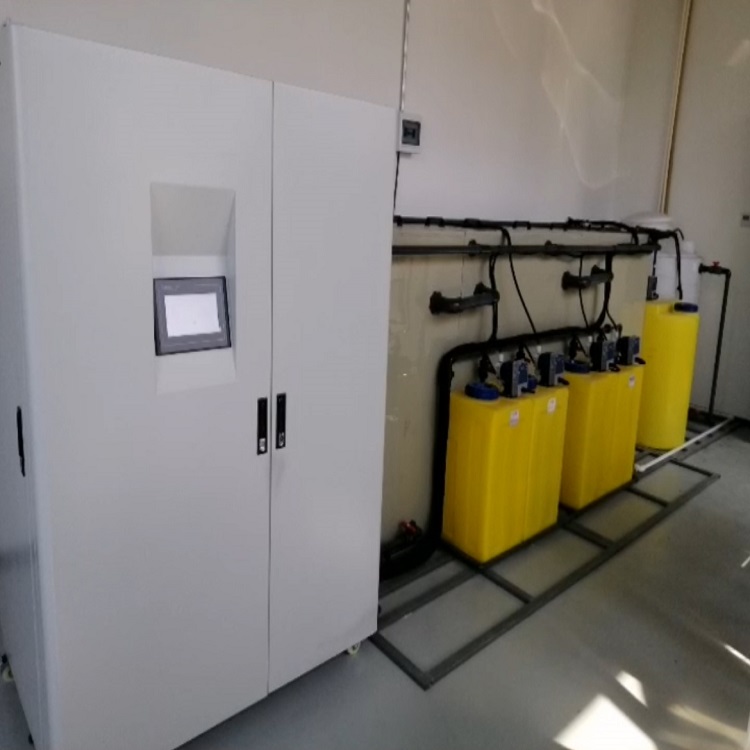
3. High level of automation through centralized control, simple operation, fully automatic operation, no need for dedicated staff.
4. Automatic leak and electric shock protection, high and low voltage automatic protection, no sewage protection, and liquid storage tank level protection.
5. Scheduled Cleaning Function: The system automatically cleans and flushes necessary parts at scheduled intervals, extending their lifespan.
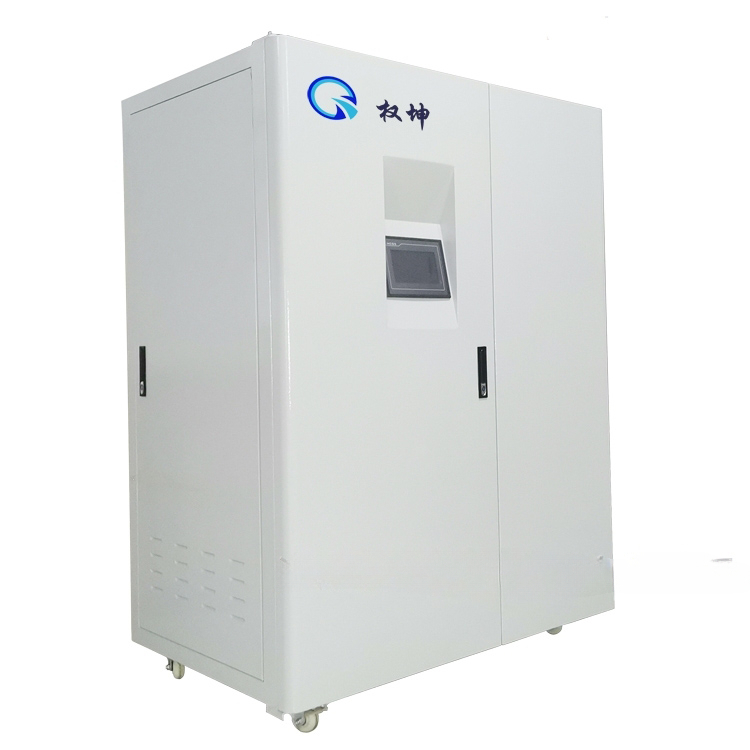
6. Dynamic operation with a digital LCD display for water quality indicators.
7. Modular integrated technology effectively handles waste, preventing secondary pollution such as sludge and wastewater, with low operation costs.
8. Acid-resistant, low noise, small power, and multi-protection features; specialized laboratory wastewater treatment equipment for vocational colleges
9. With a "one-stop" integrated design, it boasts an aesthetically pleasing appearance, minimal land footprint, quick processing speed, cost-effectiveness, easy installation and relocation, high processing capacity, excellent performance, low energy consumption, noiseless operation, no leaks, and environmental friendliness, truly achieving engineering equipment standardization. No need for multiple treatment ponds, and it does not generate secondary pollution such as waste, waste gas, and wastewater.
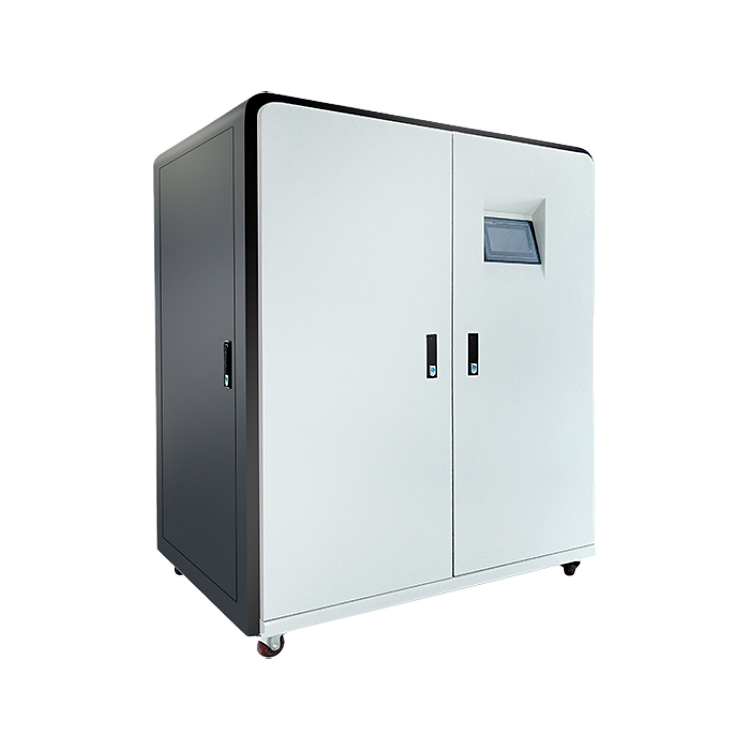
Laboratory wastewater treatment equipment is widely used in universities, colleges, research institutes, health institutions, pharmaceuticals, disease control centers, environmental supervision, product quality inspection, inspection and quarantine, drug inspection, blood stations, animal husbandry, petrochemical industries, and various company laboratories and analytical laboratories. After treatment, the wastewater meets the first, second, and third-level standards of the Comprehensive Wastewater Discharge Standard [GB8978-1996]. The treated wastewater can be discharged into the municipal sewage pipeline or further utilized through additional treatment processes.
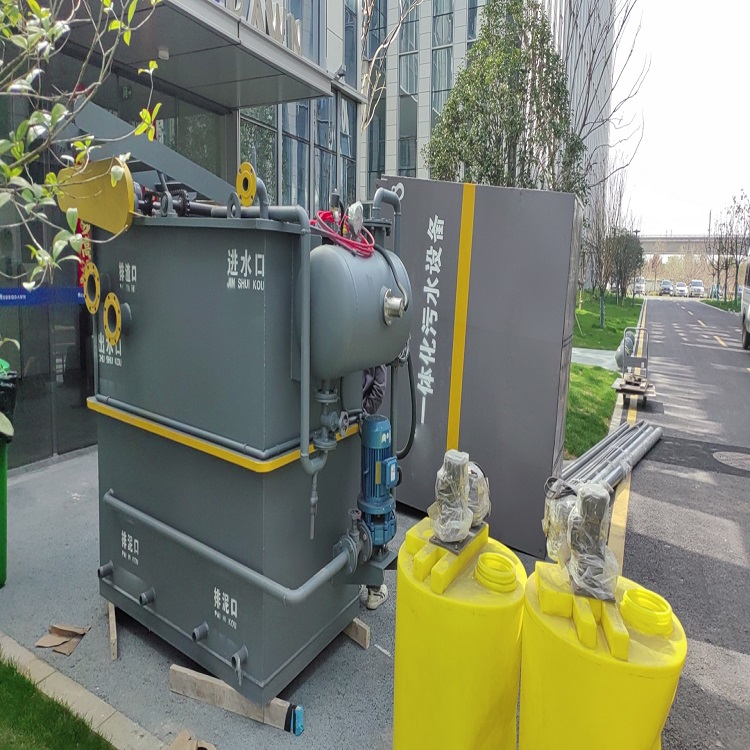
The laboratory wastewater contains acids, bases, organic pollutants, heavy metal ions, pathogenic microorganisms, with a wide pH range variation and high COD concentration. It is mainly divided into three major categories:
1. Organic Wastewater: Primarily derived from laboratory reagents and solvents.
2. Inorganic Wastewater: Main sources include acidic and alkaline reagents, heavy metal reagents.
3. Pathogenic Wastewater from Biological Sources: Primarily originates from microbiological, hematology biochemical experiments, blood stations, disease control centers, etc.
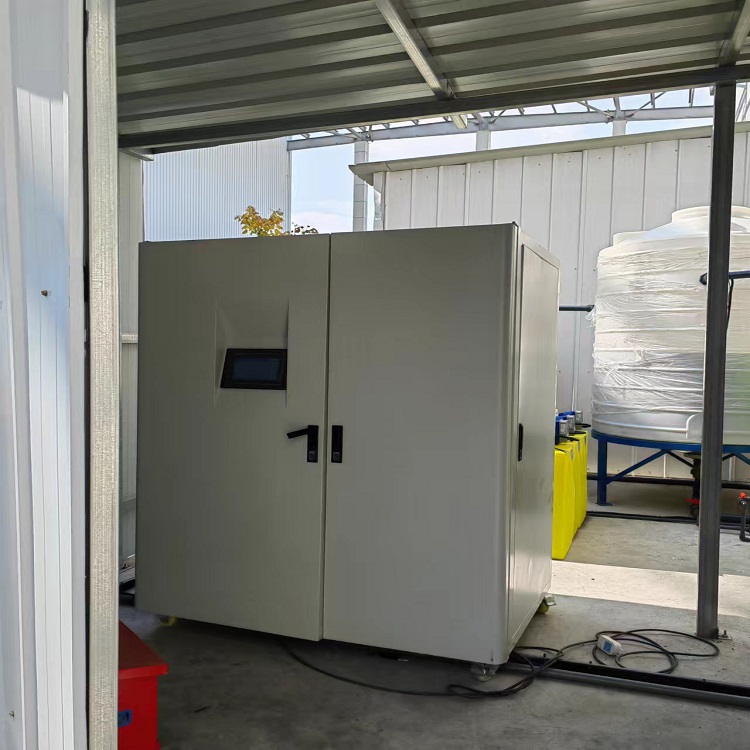
Subsurface Aquaculture Wastewater Treatment - Effluent Meets Standards - Quankun - Microbial Wastewater Treatment Equipment
The treatment of laboratory wastewater cannot be equated to industrial wastewater treatment; instead, a multi-unit treatment process system or targeted classification treatment should be employed to minimize treatment difficulty and keep costs low, with simple operation. The treatment methods for laboratory organic wastewater can be借鉴 from other organic wastewater treatments. Generally, organic wastewater treatment technologies include biological and physical-chemical methods. For laboratory wastewater with high organic concentrations, strong toxicity, and unstable water quality and volume, biological treatment is not effective, while physical-chemical treatment shows a clear advantage in handling such wastewater.