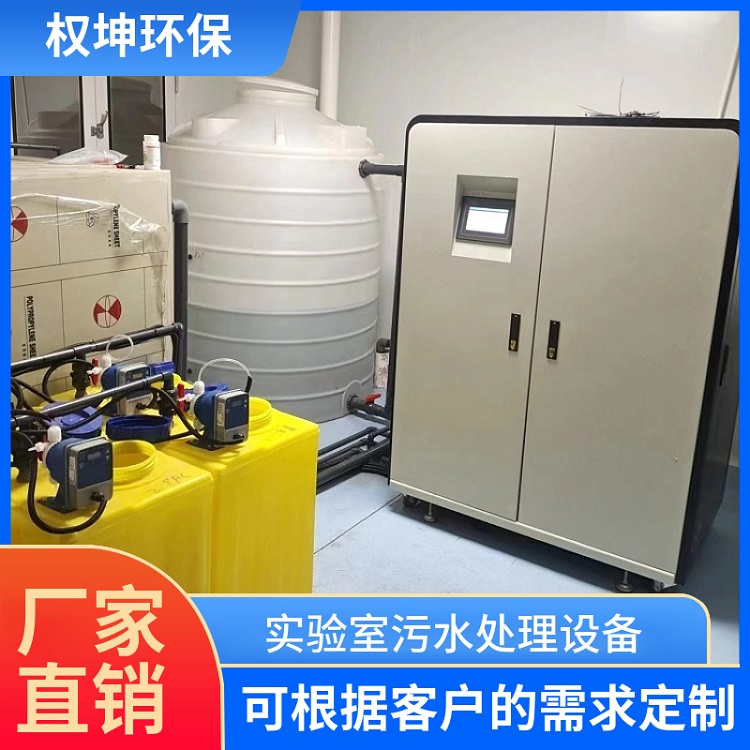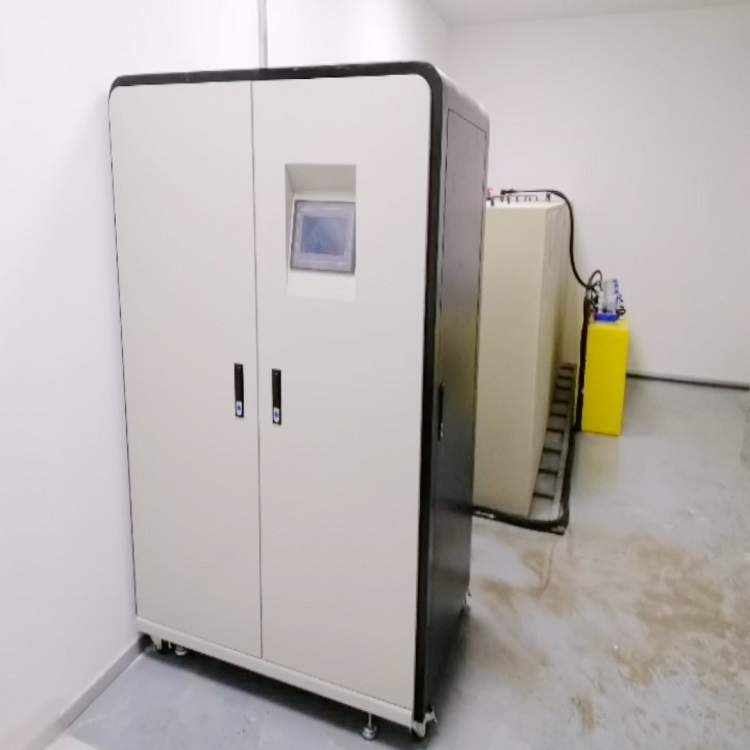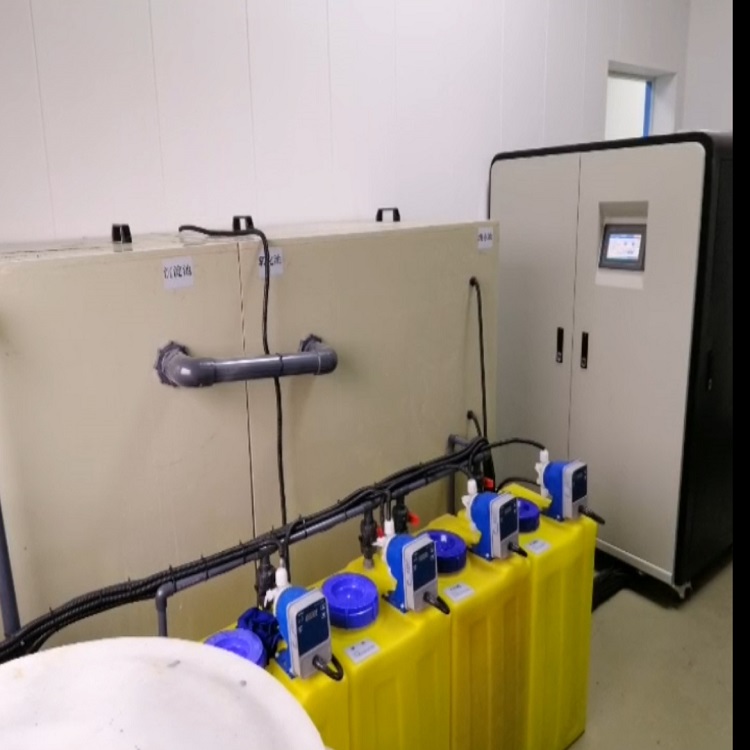

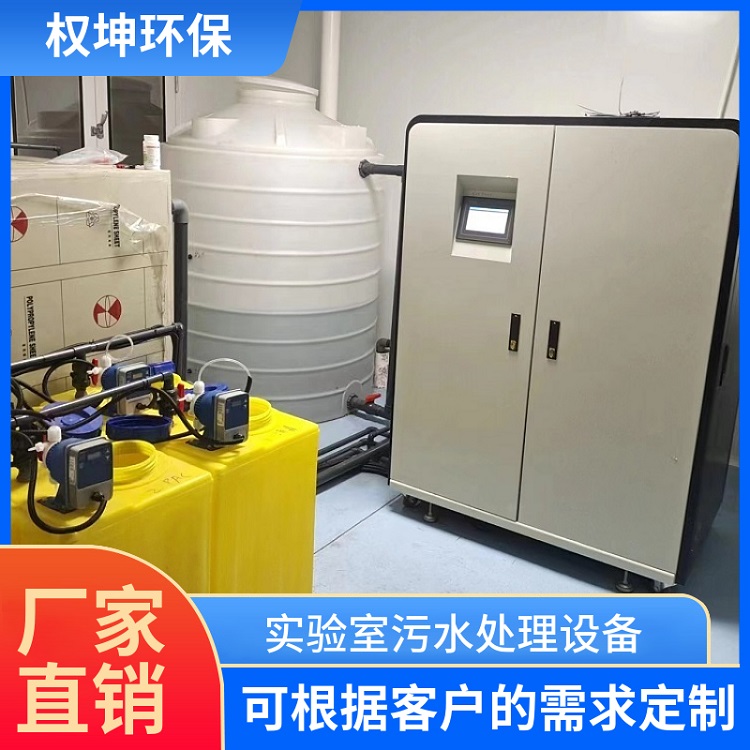

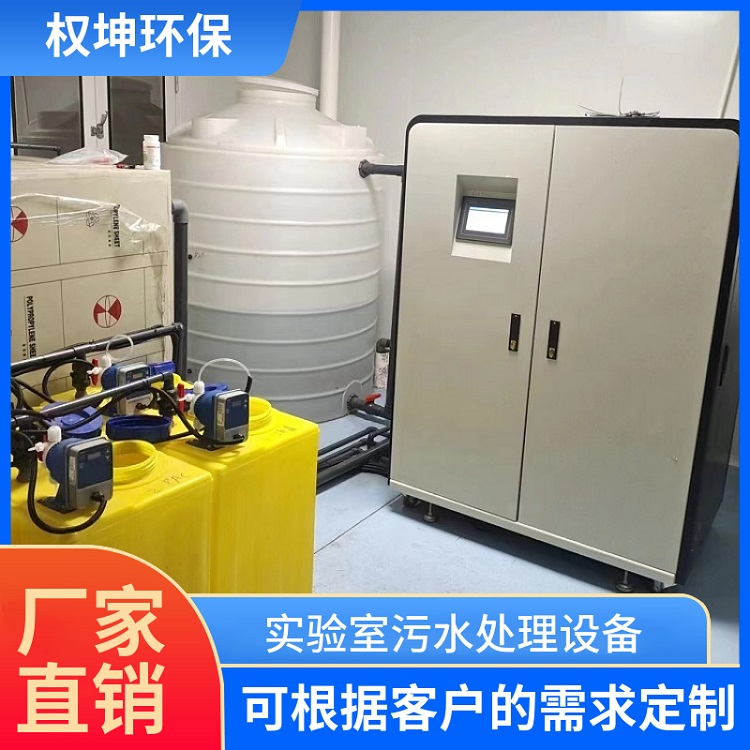
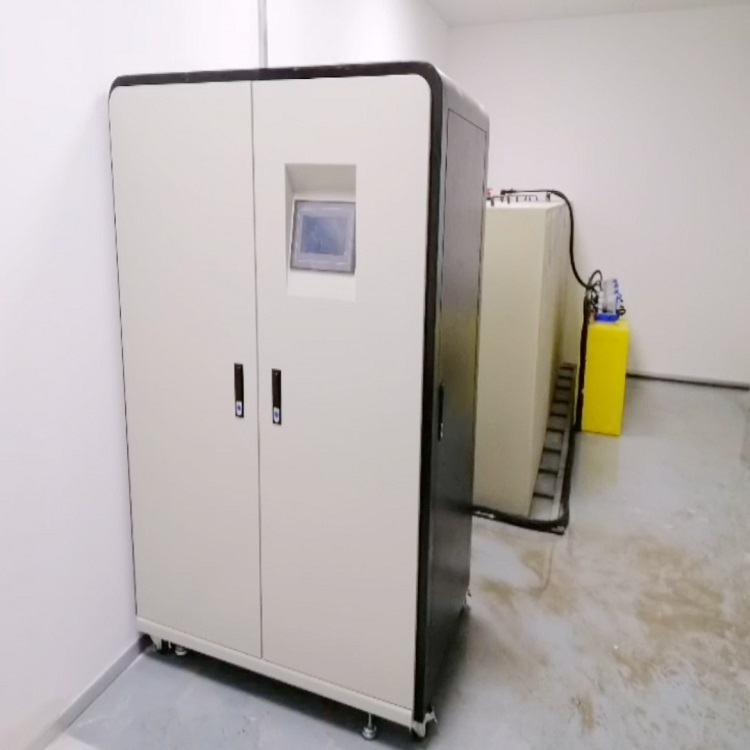
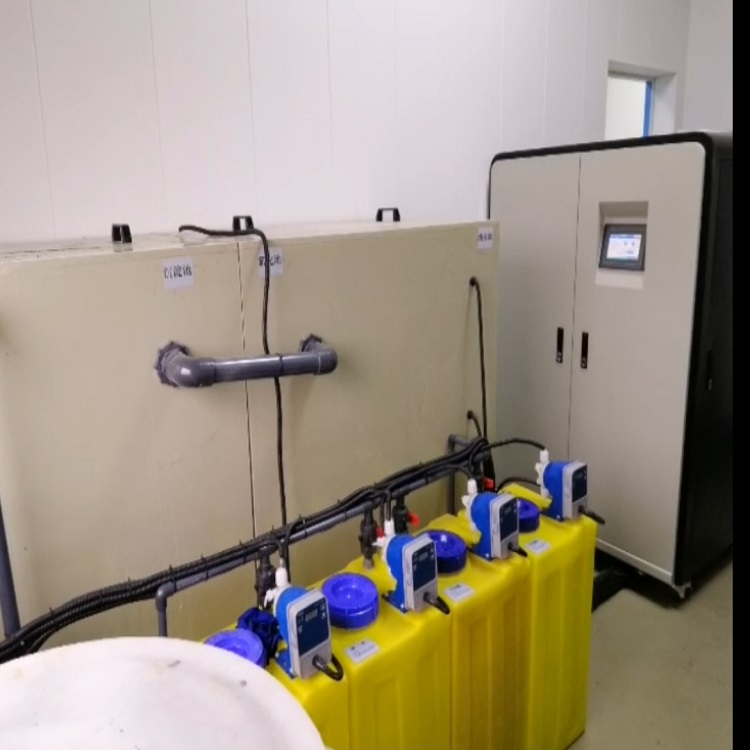












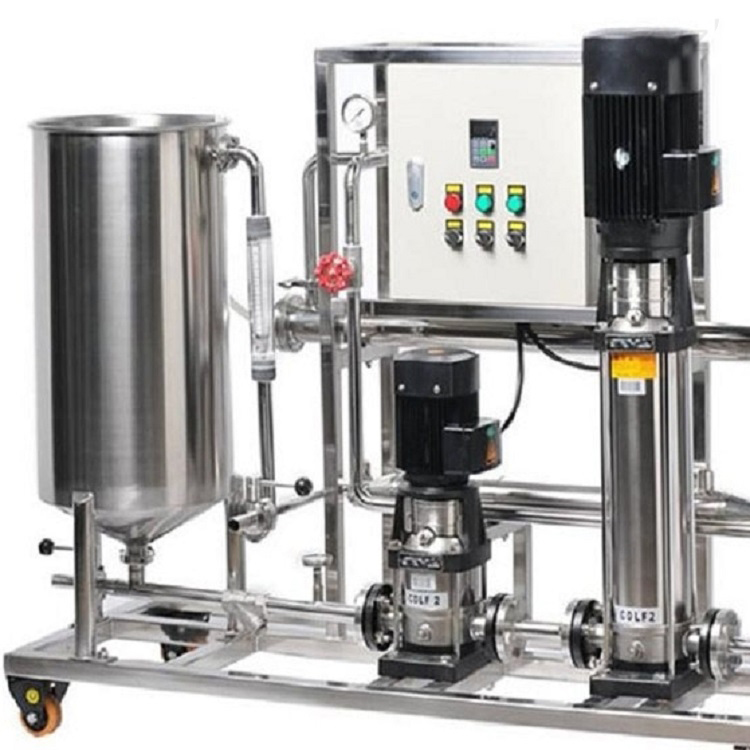
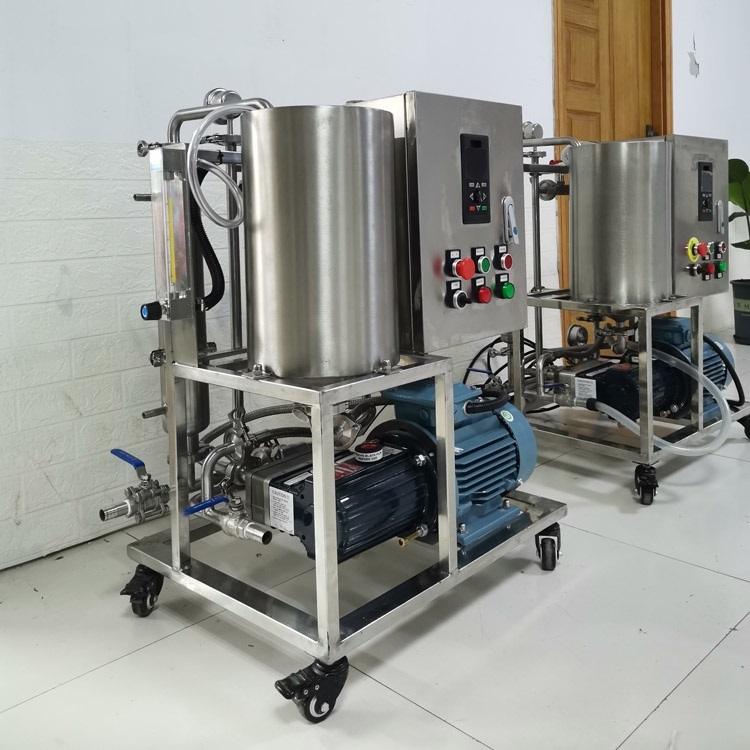
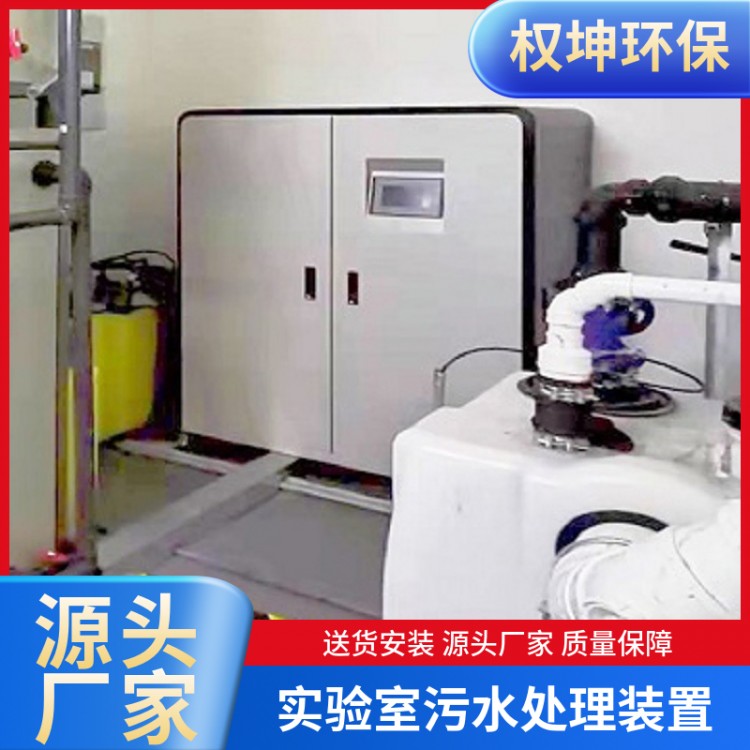
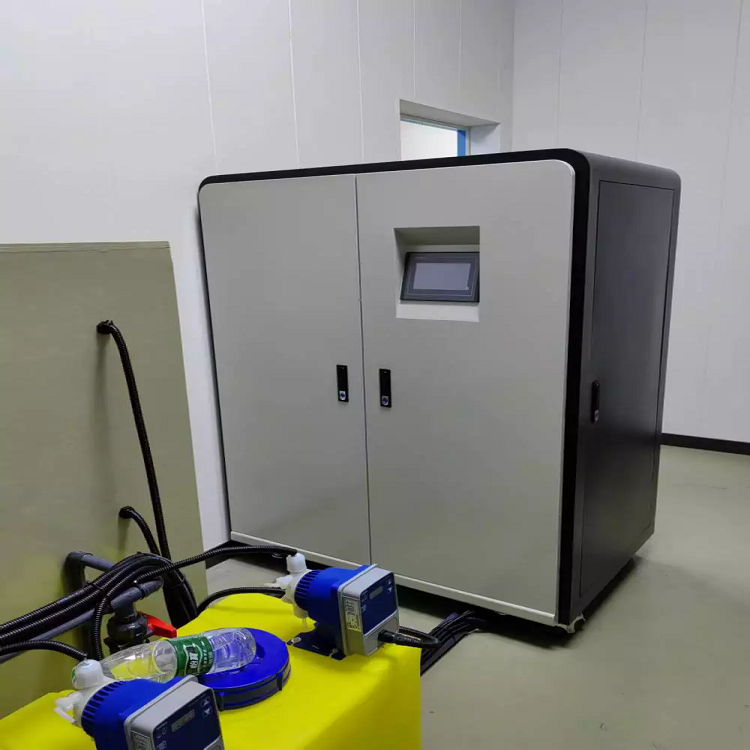
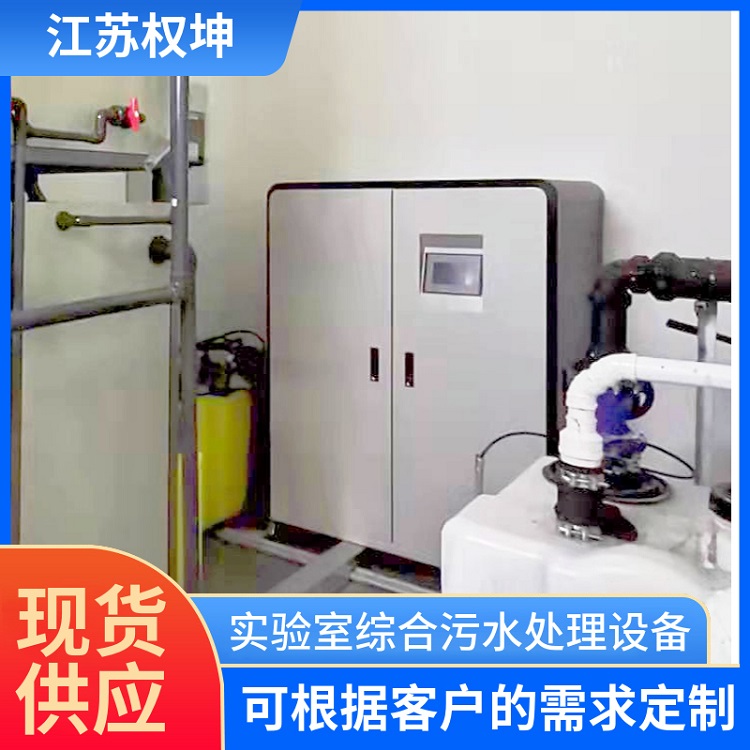
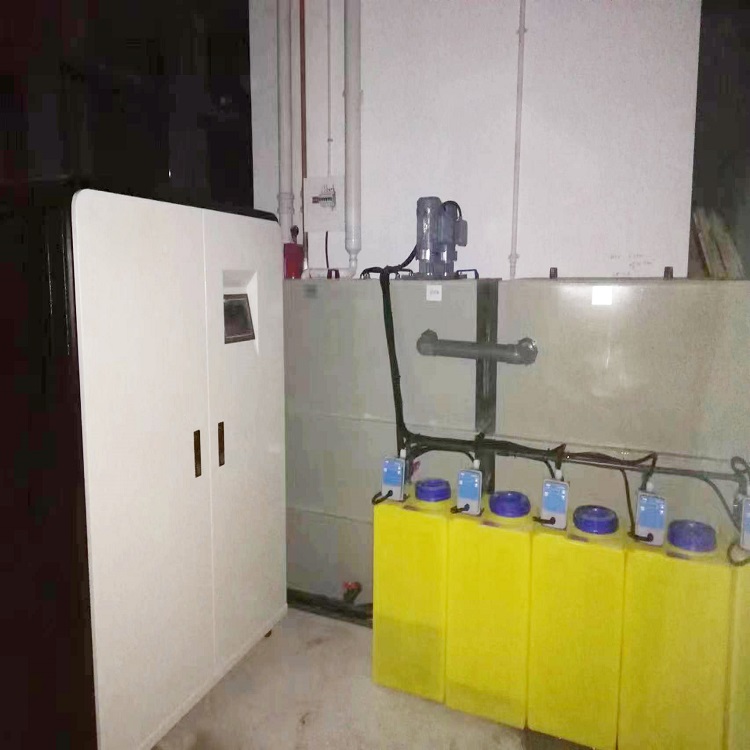
Laboratory Water Treatment Equipment - Chemical Laboratory Sewage Treatment Equipment
The primary function of the laboratory wastewater treatment equipment is to efficiently and safely process wastewater generated in laboratories. It employs advanced techniques such as physical separation, chemical neutralization, and biological degradation to remove or reduce the concentration of harmful substances in the wastewater, ensuring it meets national emission standards. Additionally, the equipment features automated control and intelligent monitoring capabilities, enabling real-time monitoring of the wastewater treatment process and outcomes, ensuring consistent and reliable treatment effectiveness.
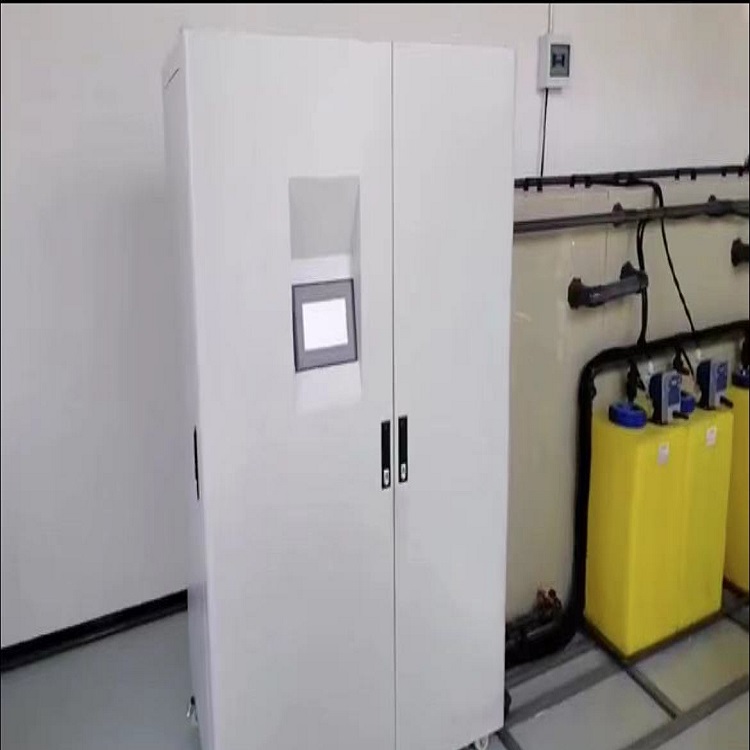
Working Principle:
The working principle of wastewater treatment equipment varies by type. For instance, in an oil separator, the principle is primarily to utilize the density differences between suspended solids and oils in wastewater, separating the oils either through natural floating or by an oil skimmer. Biological treatment equipment, on the other hand, degrades organic matter in wastewater into harmless substances through the metabolic action of microorganisms.
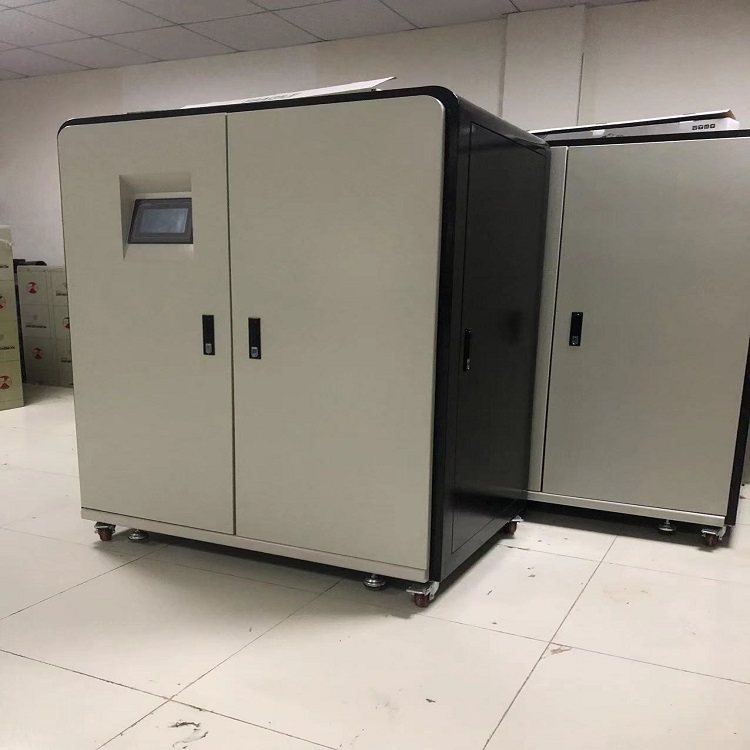
When designing waste treatment equipment for biological preparation laboratories, the following principles should be adhered to:
Efficiency: The equipment should possess high efficiency in waste liquid treatment, capable of rapidly removing pollutants from the waste liquid.
2. Environmental Friendliness: The equipment should use environmentally friendly processing techniques to prevent secondary pollution.
3. Safety: The equipment must ensure the safety of the operators and prevent accidents such as the leakage of waste liquids.
4. Practicality: The equipment should meet the actual needs of the laboratory, and be easy to operate and maintain.
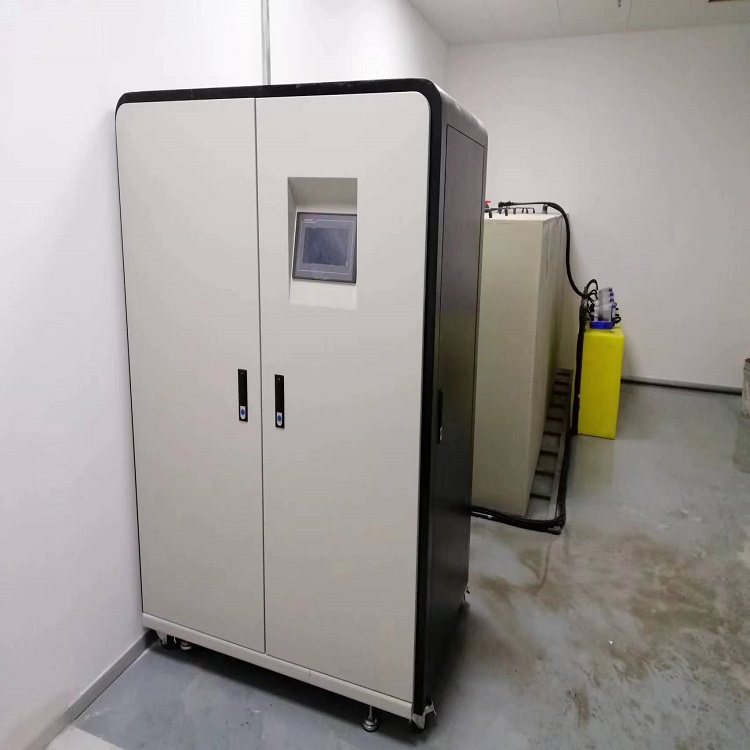
Basics of Laboratory Wastewater Treatment Equipment Design
1. Laboratory wastewater sources: Comprehensive laboratory wastewater generated from activities such as drug, reagent, solution, and instrument cleaning.
2. Laboratory comprehensive wastewater composition: inorganic substances, organic substances, biological wastewater, etc.
1) Inorganic wastewater: heavy metal ions, pH of acid and alkali, halogen ions, and other non-metallic ions.
2) Organic Waste Water: Organic solvents, ammonia nitrogen, organic phosphorus drugs, etc.
3) Biological Wastewater: Viruses, Chlamydia, Mycoplasma, Spirochetes, Fungi, Brucella, Anthrax Bacillus, etc.
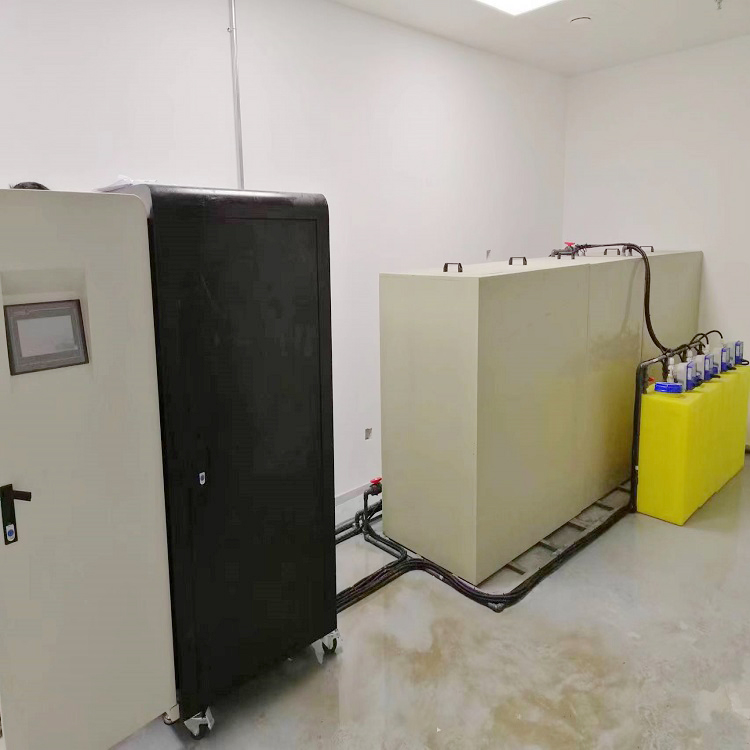
Laboratory Water Treatment Equipment - Chemical Laboratory Wastewater Treatment Equipment
The laboratory wastewater treatment facility consists of wastewater classification collection, wastewater regulation, advanced treatment, sedimentation separation, physical treatment, biological treatment, and comprehensive purification units. It employs a variety of treatment processes, including chemical pretreatment, advanced chemical treatment, inclined tube sedimentation, multi-pass disinfection sterilization, filtration sedimentation separation, micro-electrolysis with high and low potential differences, electrochemical oxidation-reduction technology, two-stage organic biological membrane purification, novel packed bed photo-catalytic reaction technology for organic wastewater, selective mass transfer of fresh liquid, and mycelium surface molecular imprinting technology, to comprehensively treat organic, inorganic, and biological wastewater generated in the lab. This effectively removes COD, BOD, SS, color, and heavy metal ions from the wastewater. Different treatment technologies and control systems are utilized based on the composition of various laboratory wastewater types.