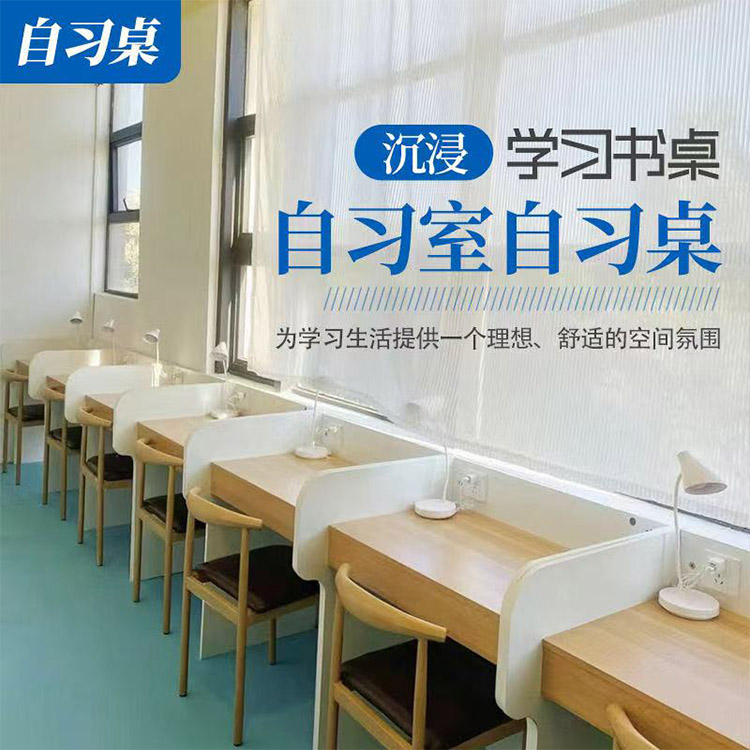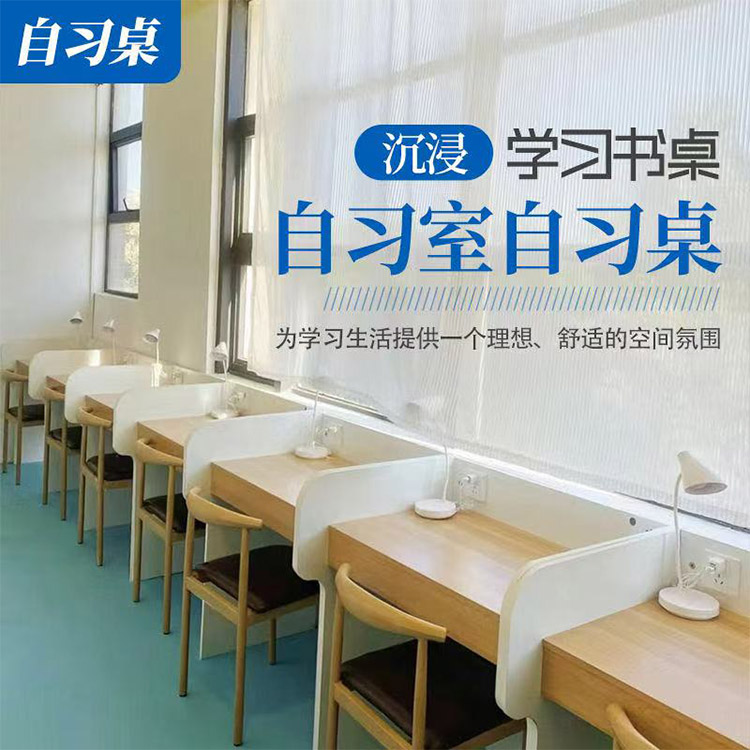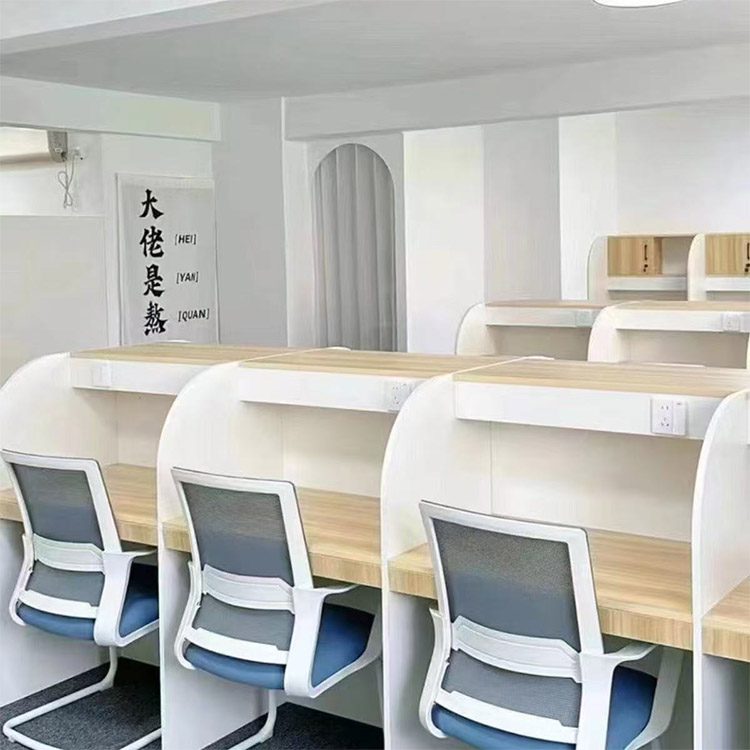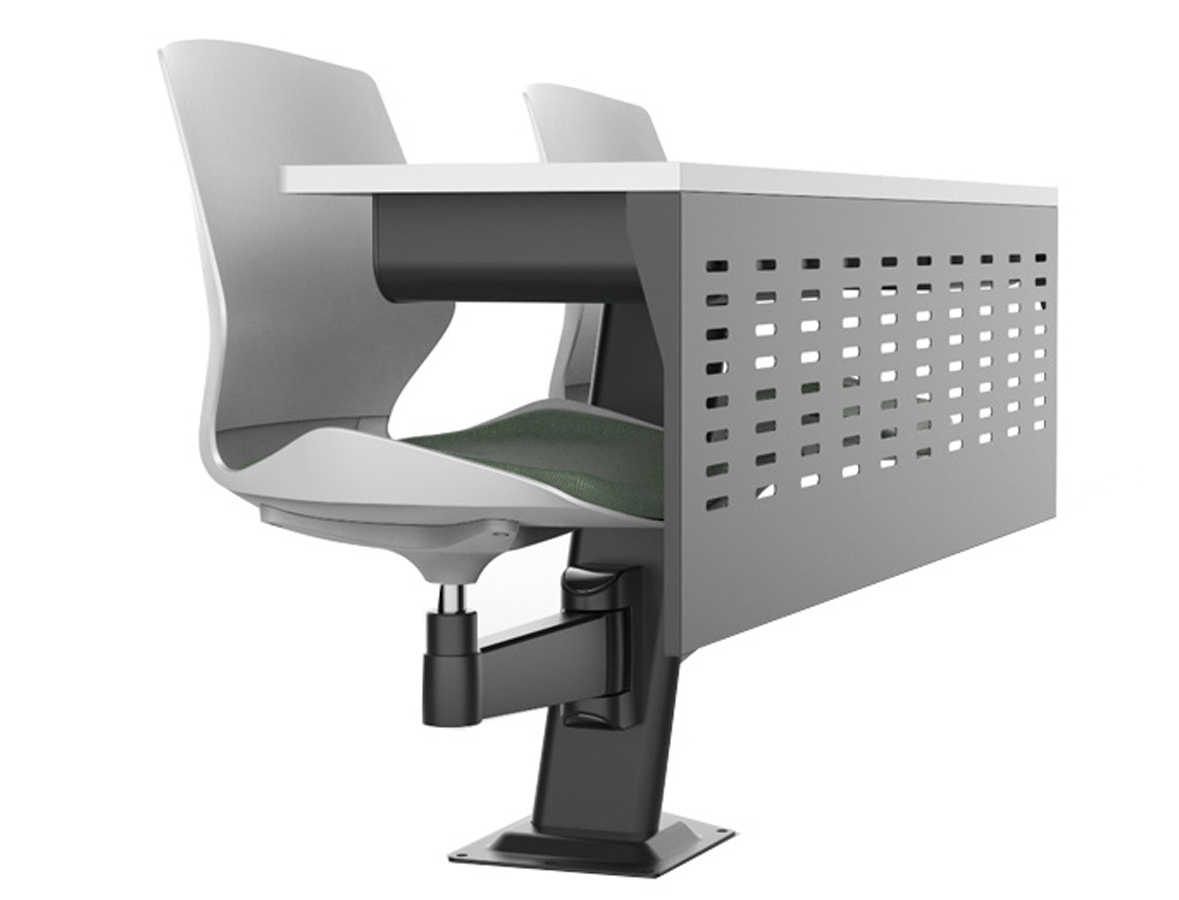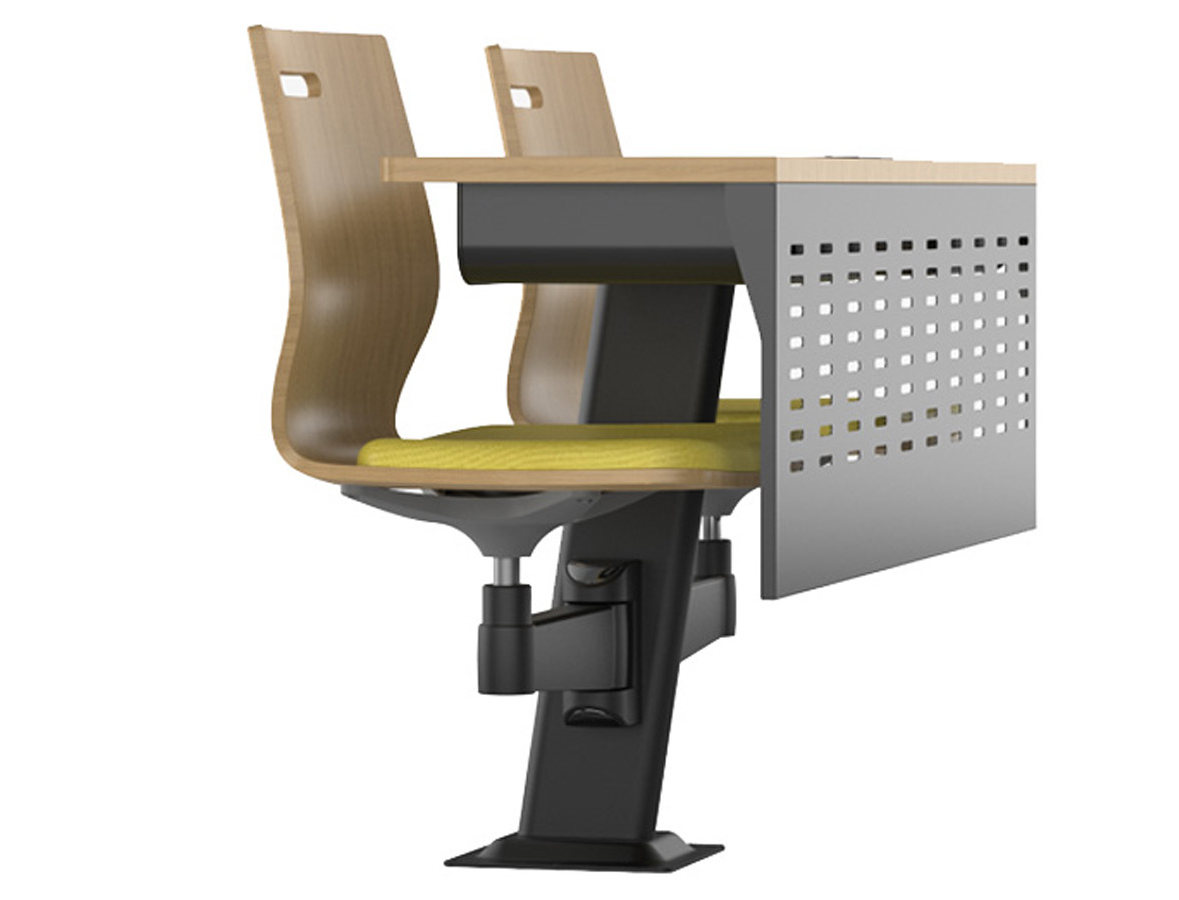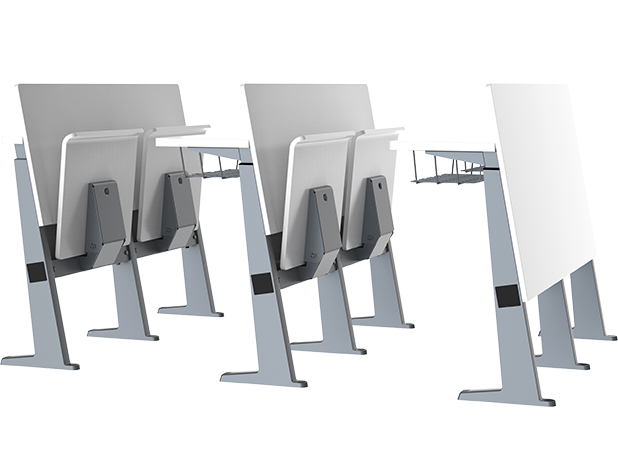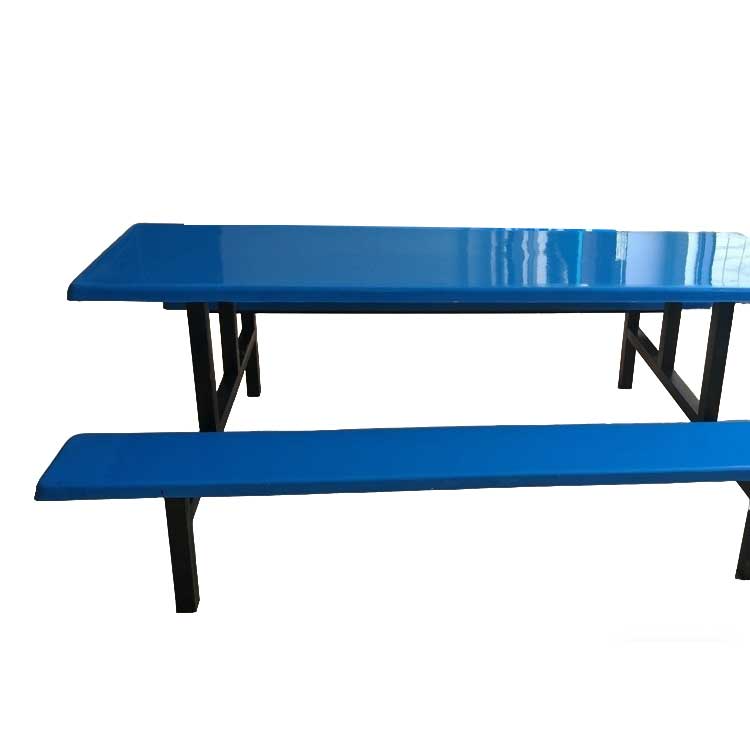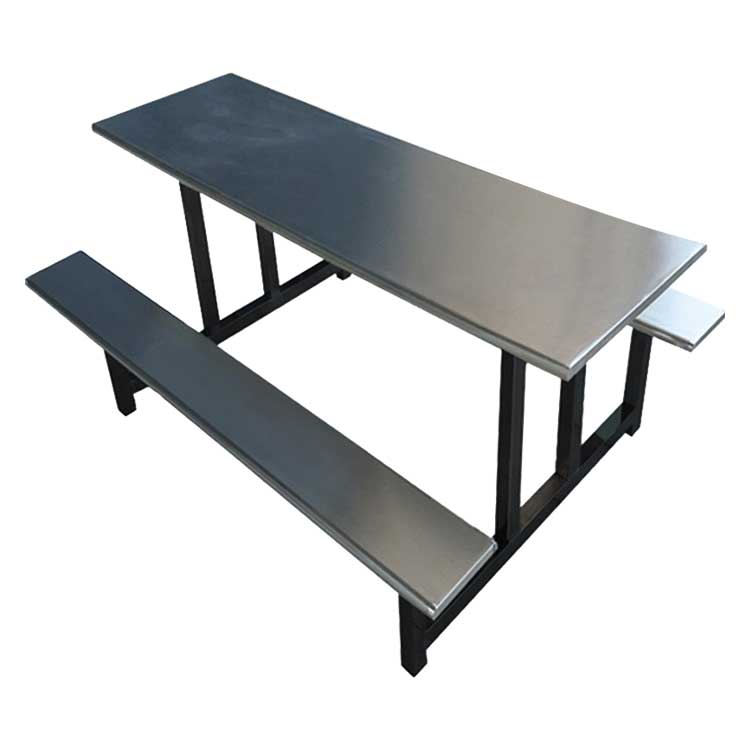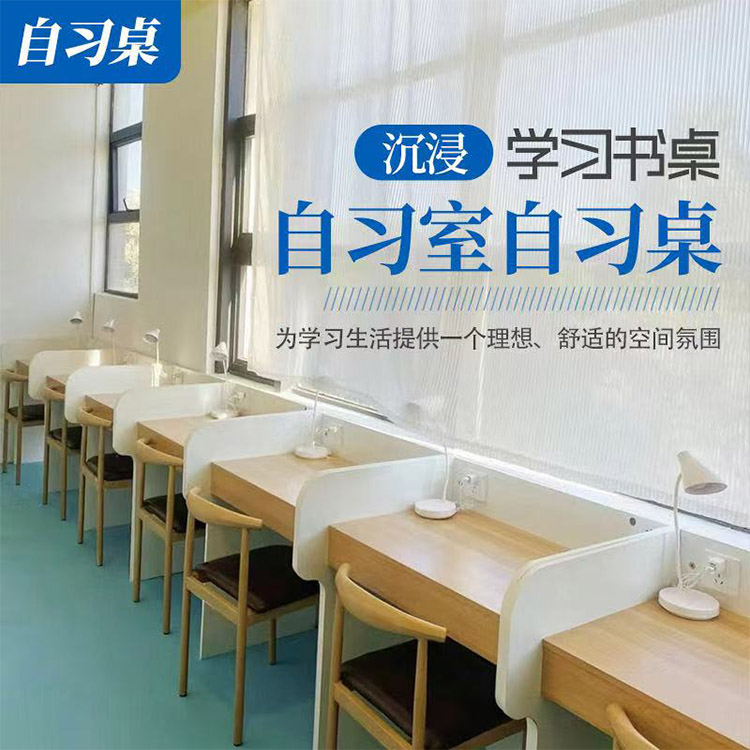

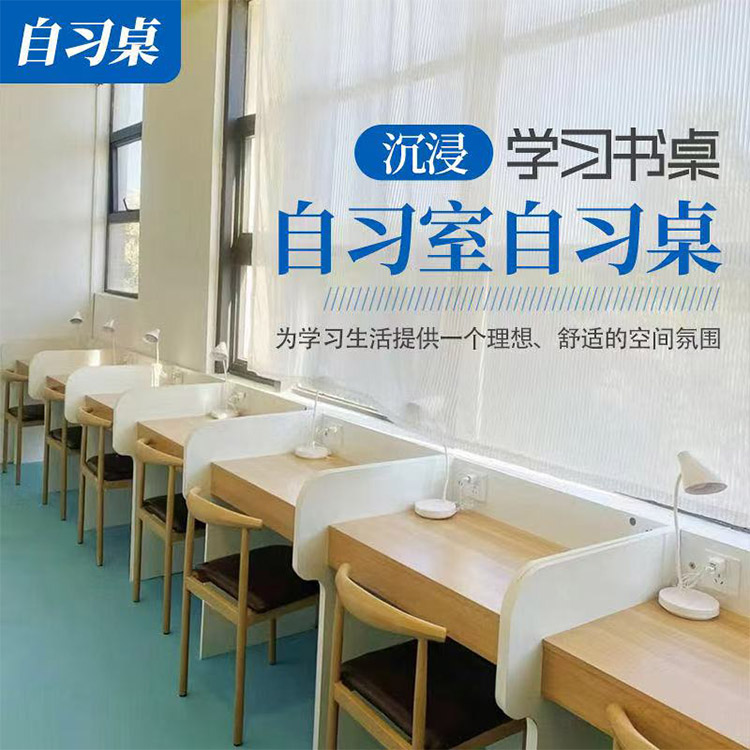
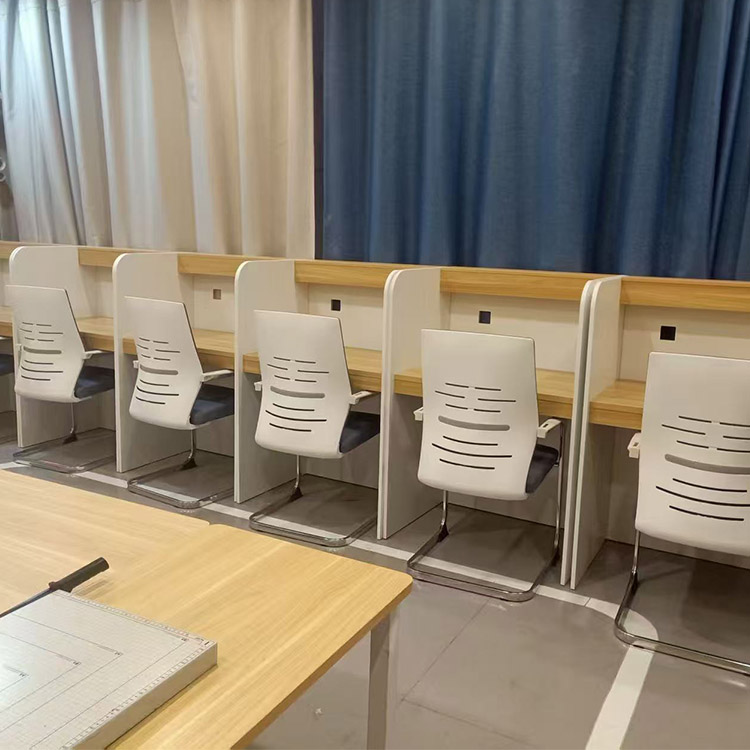
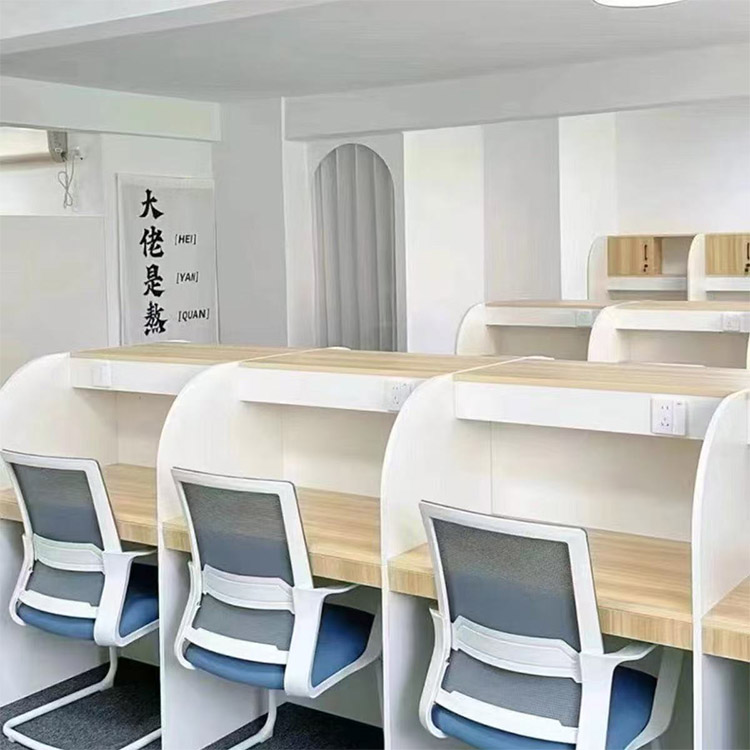


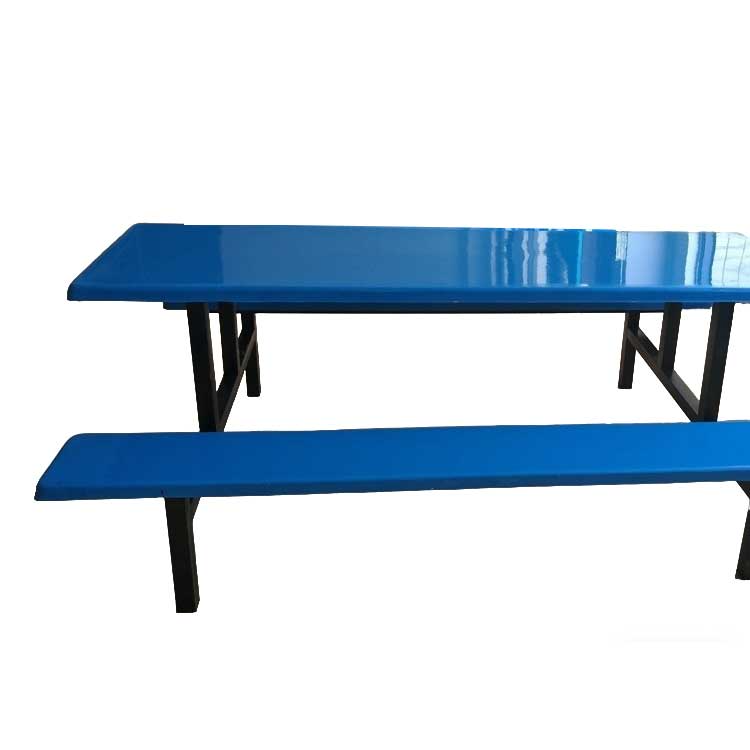
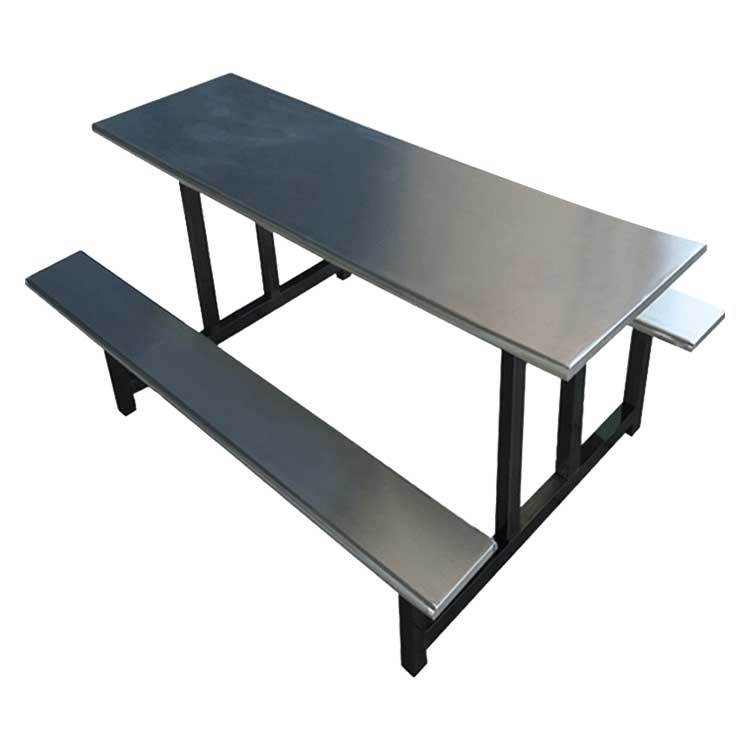
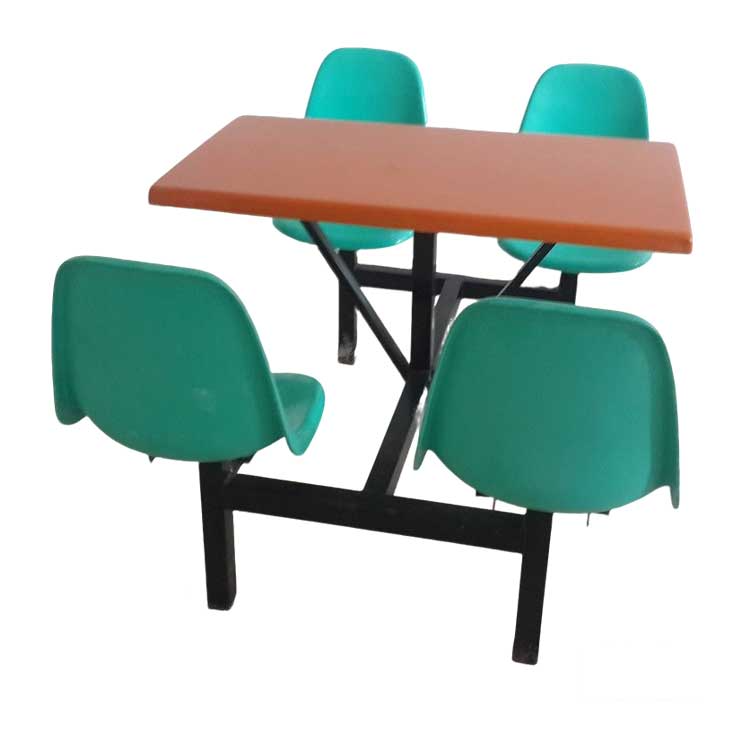
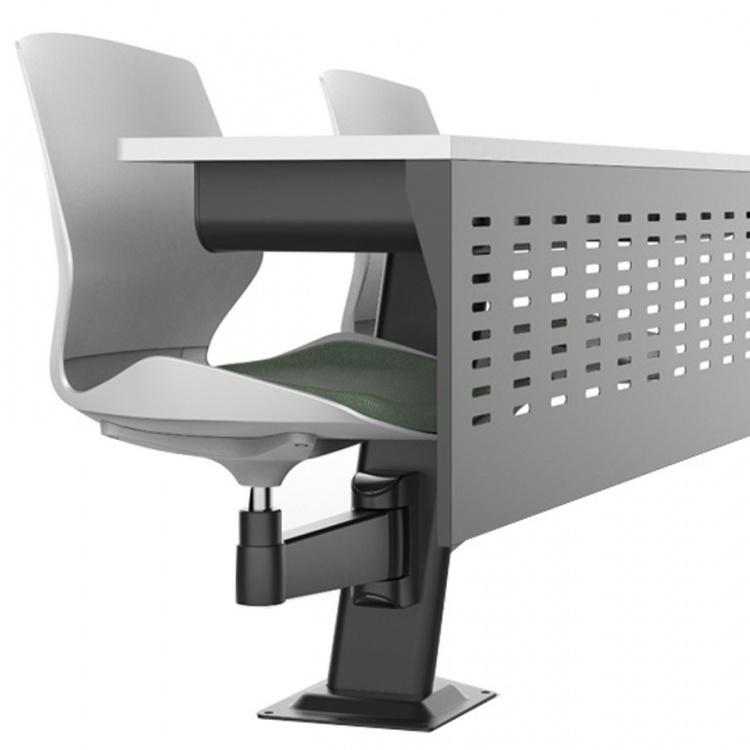
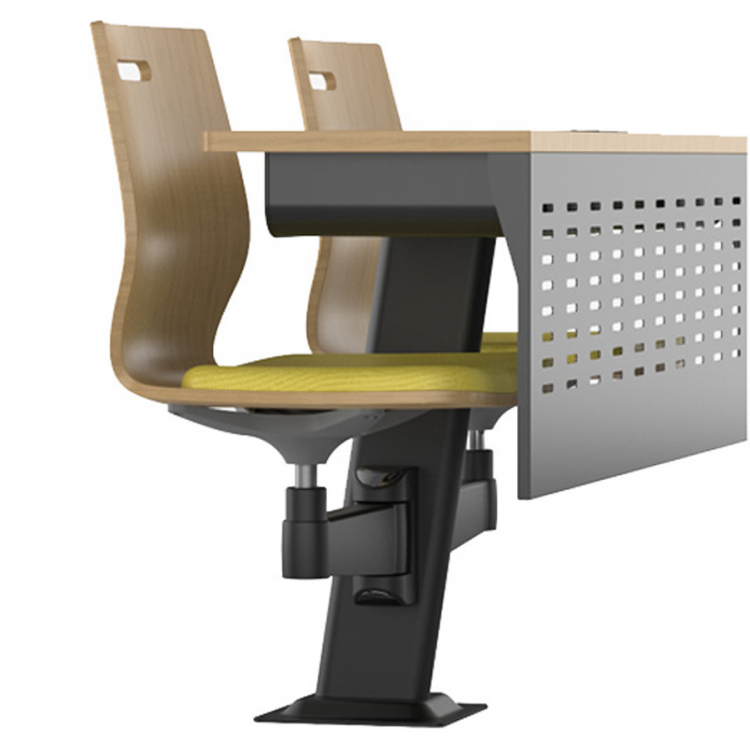





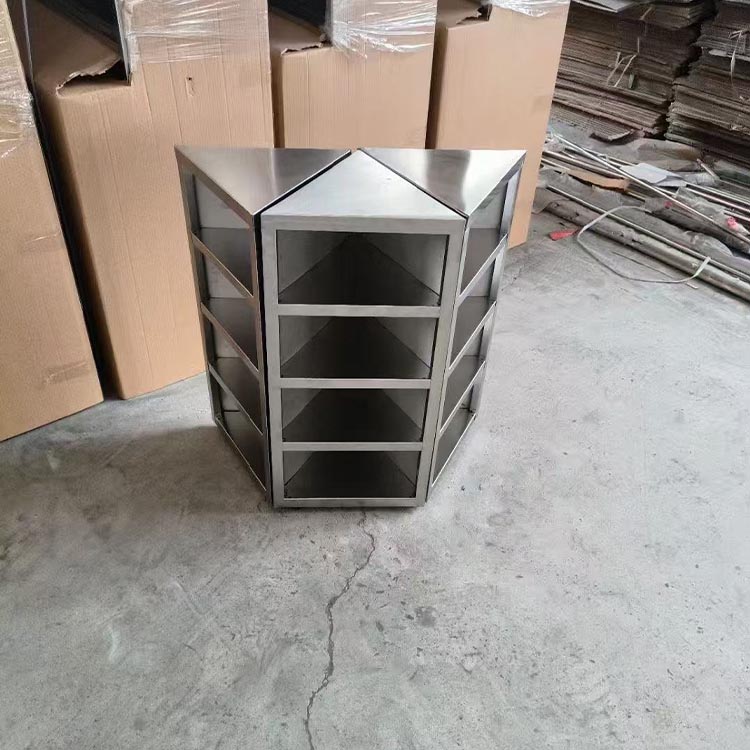
Study room desks are designed specifically for self-study environments, aiming to provide learners with a comfortable, focused, and efficient learning space. The following is a related introduction:
Features
Spacious: Desks are typically wide, usually over 60cm in width and at least 50cm deep, providing ample space for books, computers, stationery, and various study supplies.
Equipped with Power Supply: To cater to the needs of electronic device usage, some self-study room desks are fitted with power outlets and USB ports for convenience in charging laptops, tablets, smartphones, and other devices.
Reduce Distractions: Full-enclosed or partitioned study desks with three or two-sided elevated panels effectively block visual and auditory distractions, creating a relatively independent learning space that allows learners to focus more easily.
Material Selection
Solid wood material: Eco-friendly, durable, with good texture, but relatively high in price.
Man-made boards: Such as particleboard, MDF, etc., are lightweight and cost-effective. With high-quality surface treatment, they also offer good wear resistance and environmental friendliness, making them a common choice.
Metal Material: Often used for table frames, characterized by high strength and good stability, commonly used in combination with other materials.
Style and design
Modern minimalist style: dominated by straight lines, with simple shapes and light, elegant colors such as white and light wood. It saves space and is easy to clean, making it suitable for most study room environments.
Scandinavian Style: Emphasizes nature, simplicity, and functionality, often using light-colored woods and simple design elements, creating a refreshing and comfortable feeling.
Dimensions and Specifications
Height: Standard desk height is approximately 75 cm, but adjustable height desks typically range between 68-76 cm.
Length: The length of a single study desk typically ranges from 60 to 120 centimeters, while the length of a double or multi-person combination desk is usually longer.
Depth: Generally 50-70 cm to accommodate item placement and writing space.