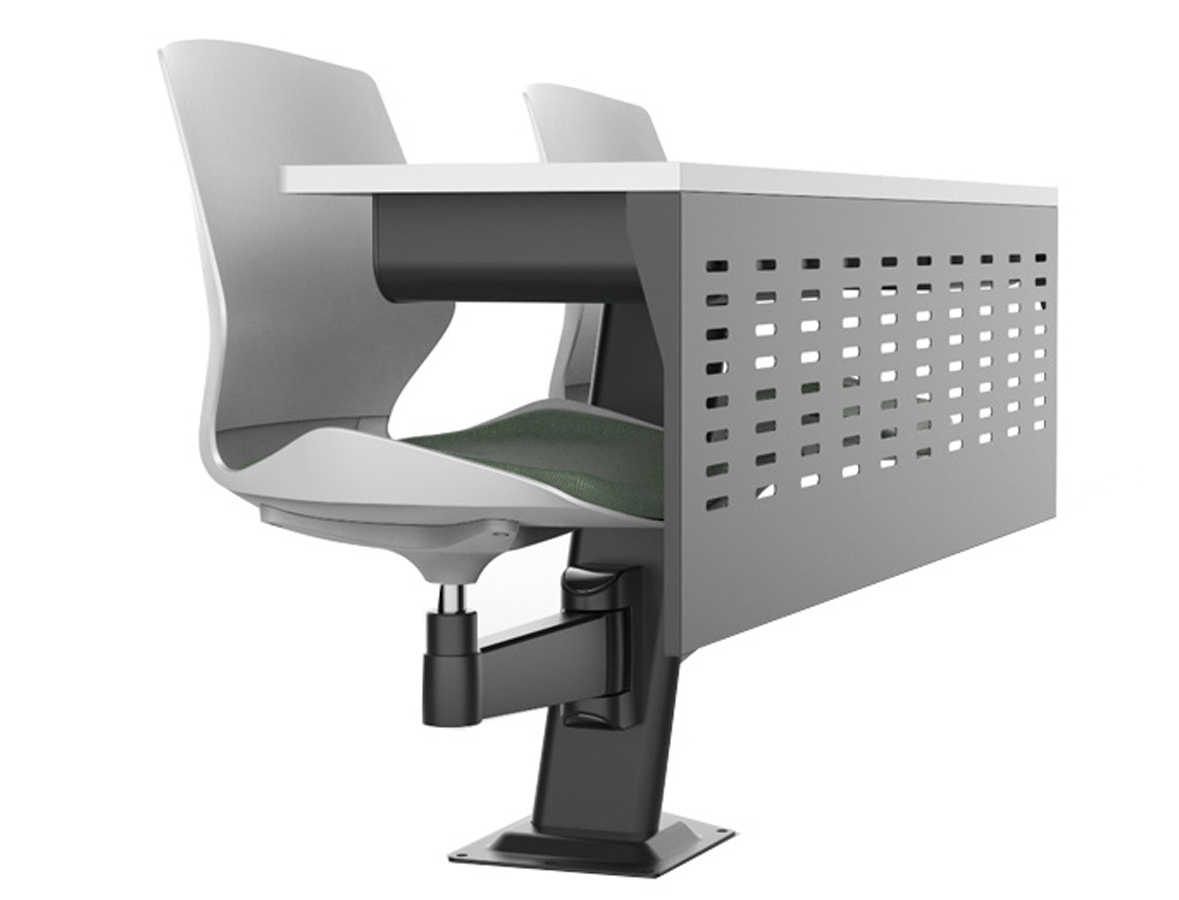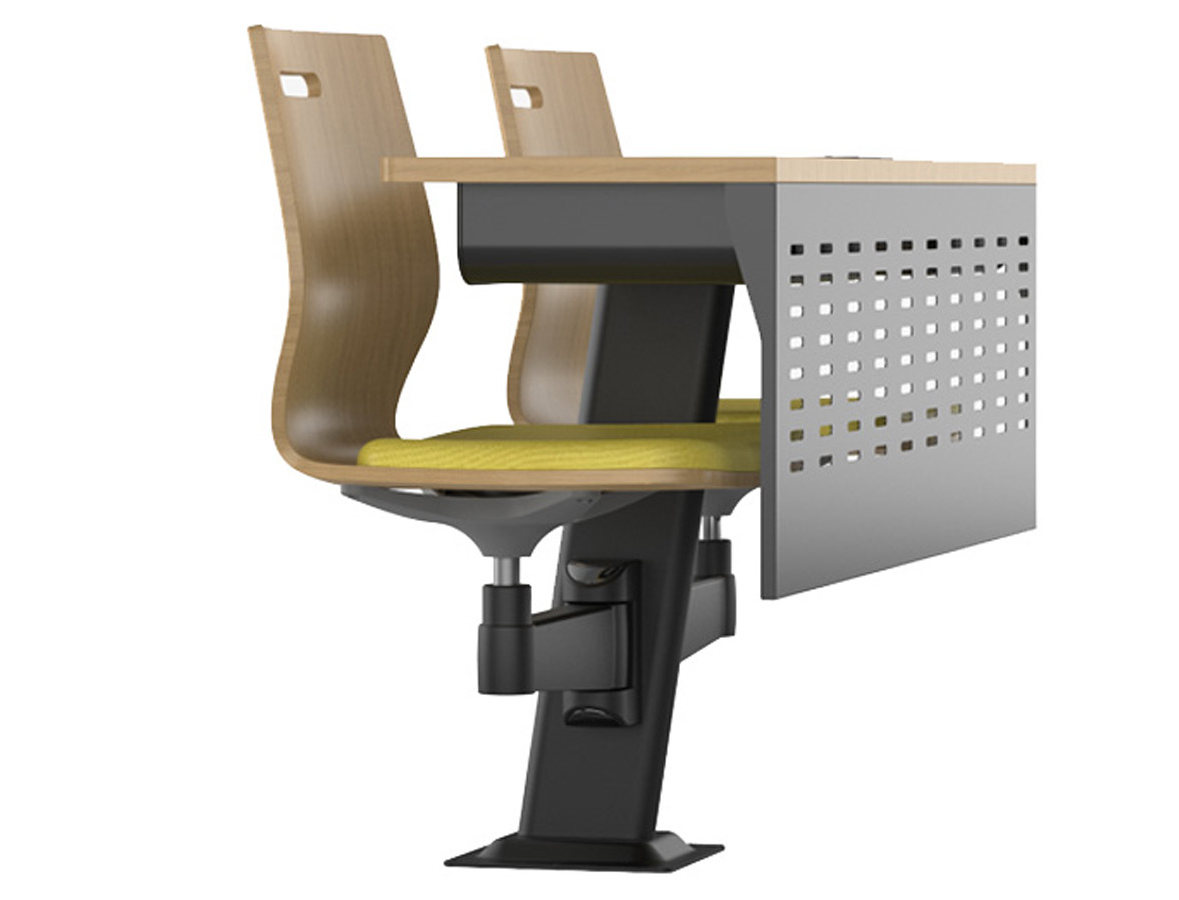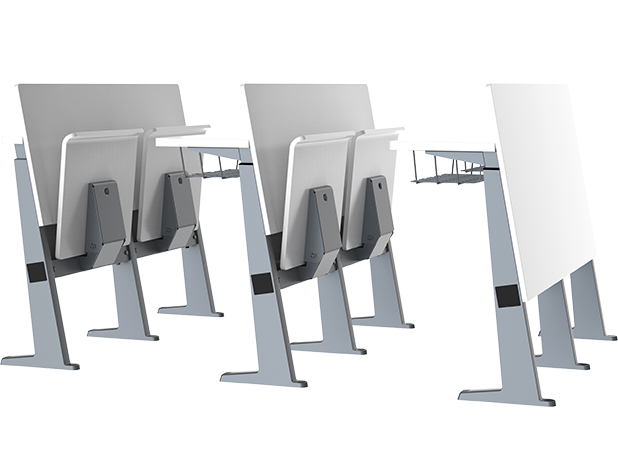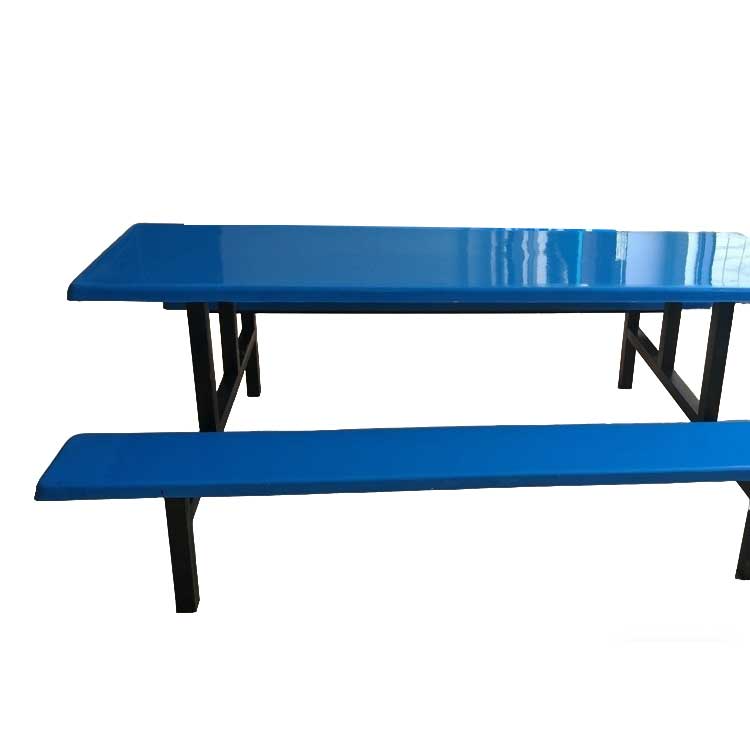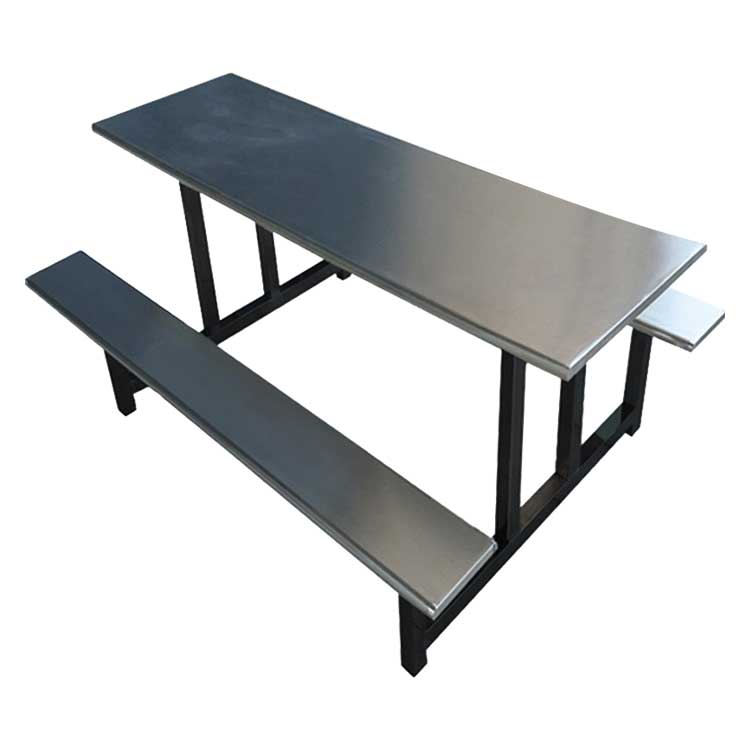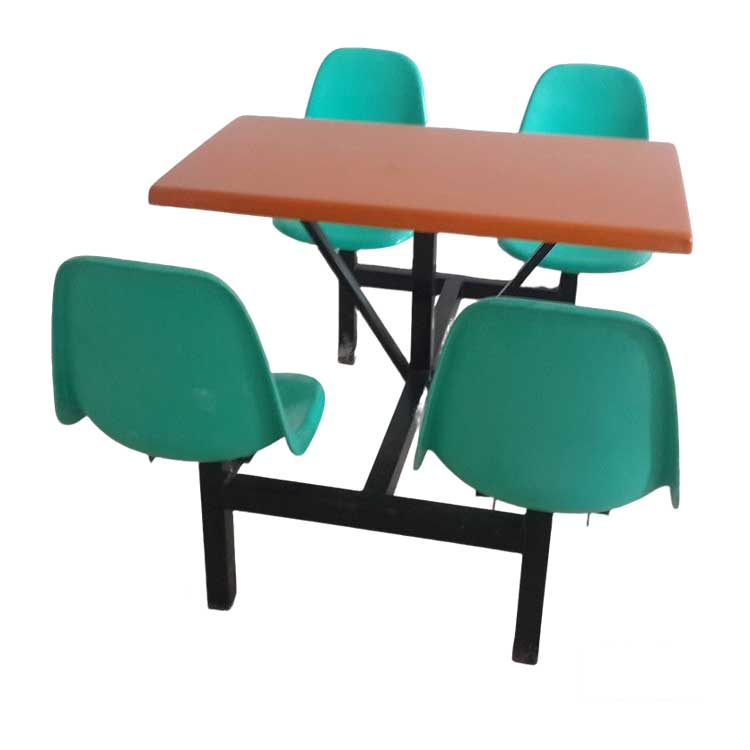



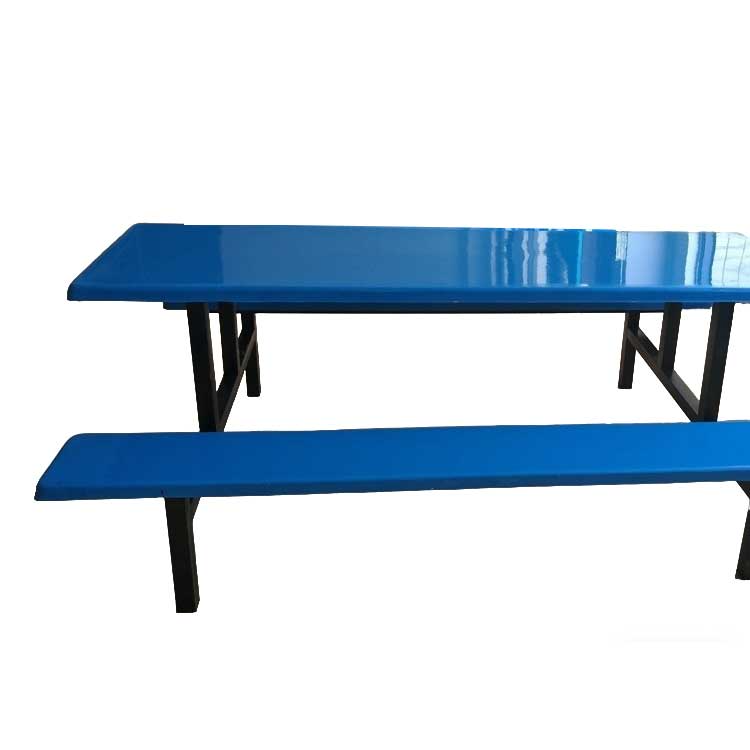
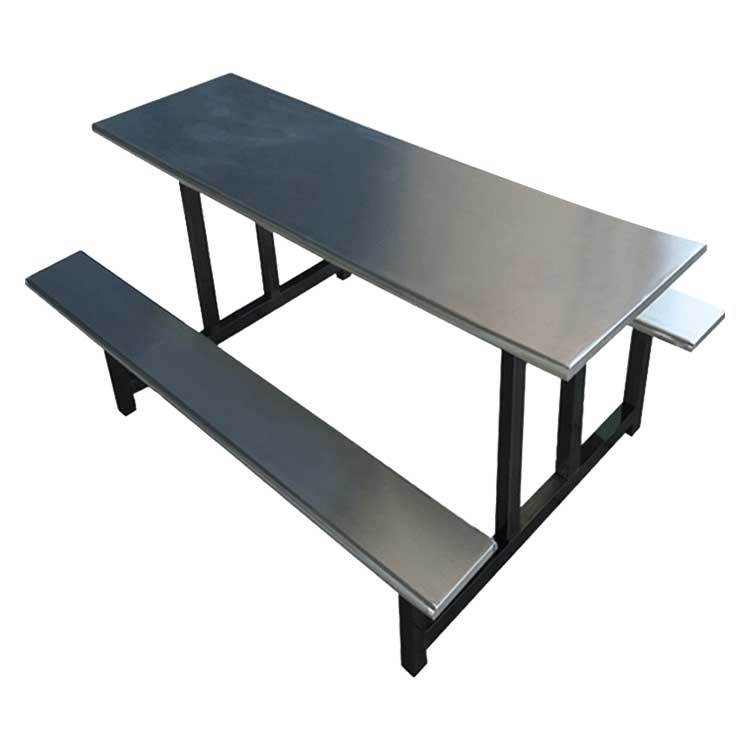
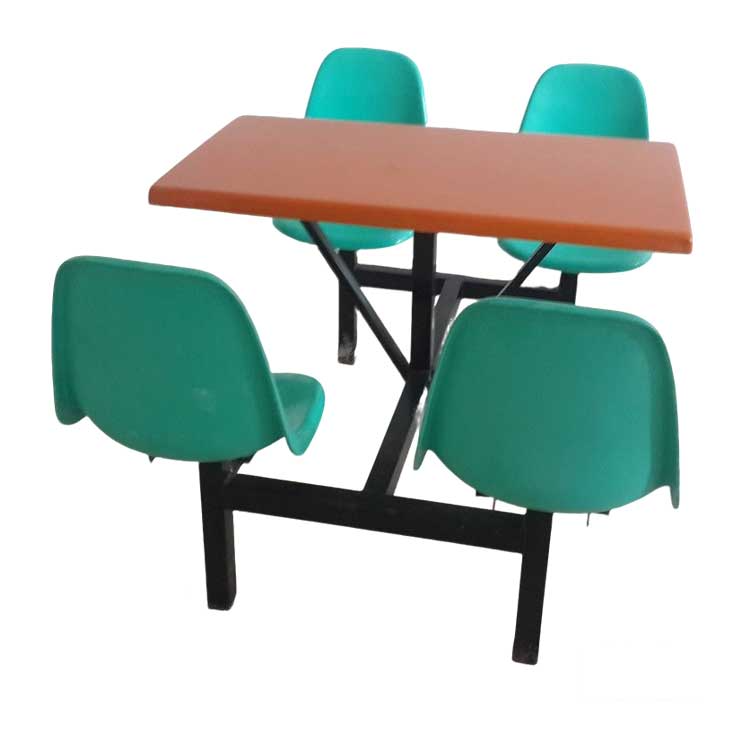
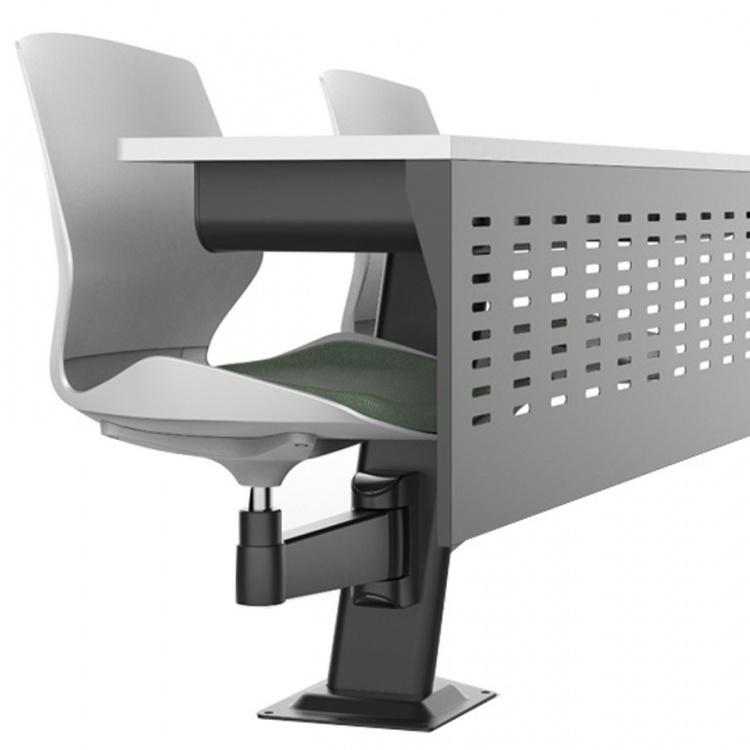
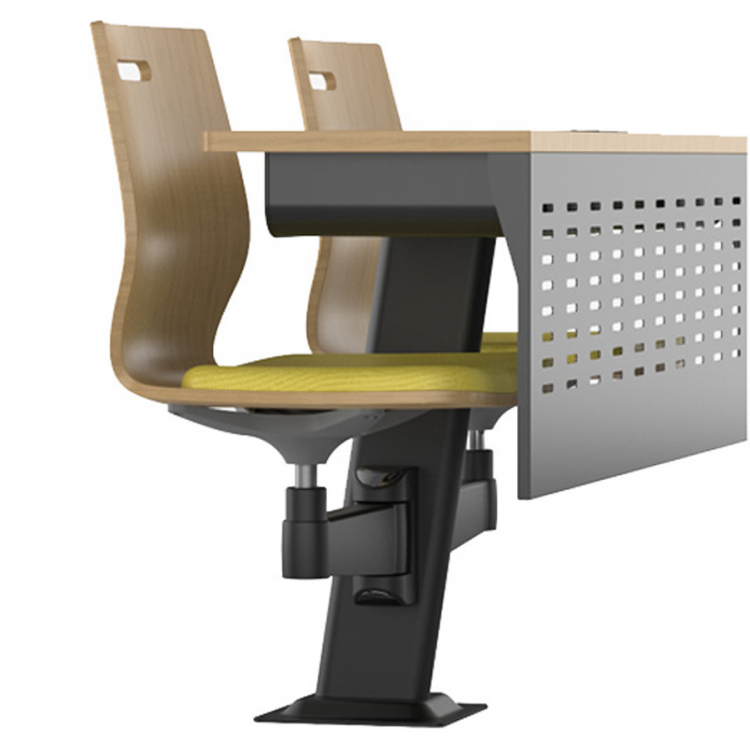







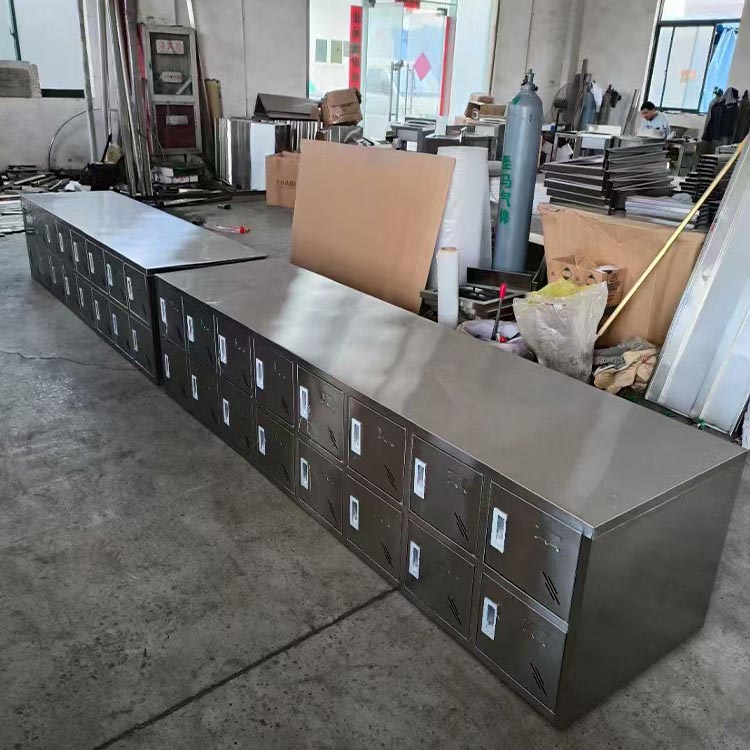
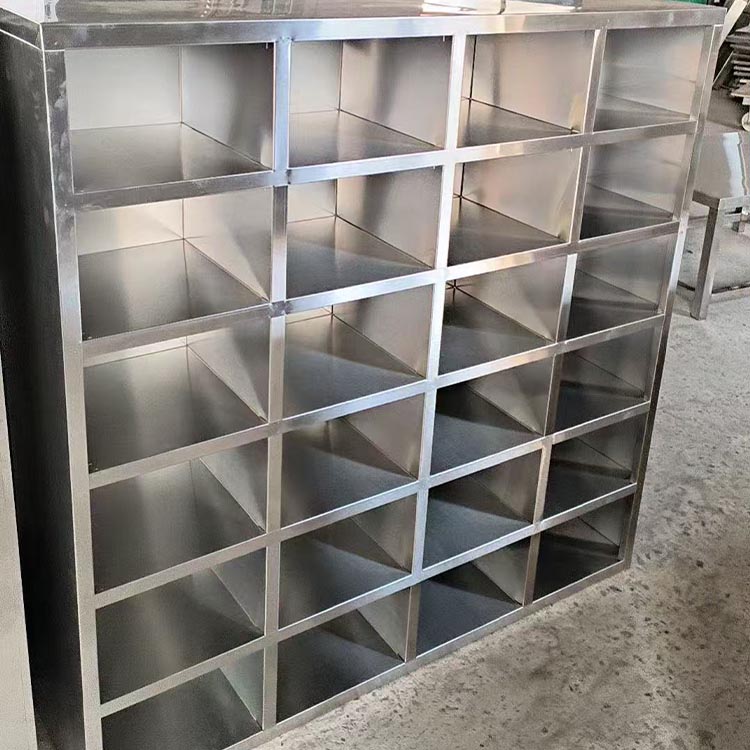
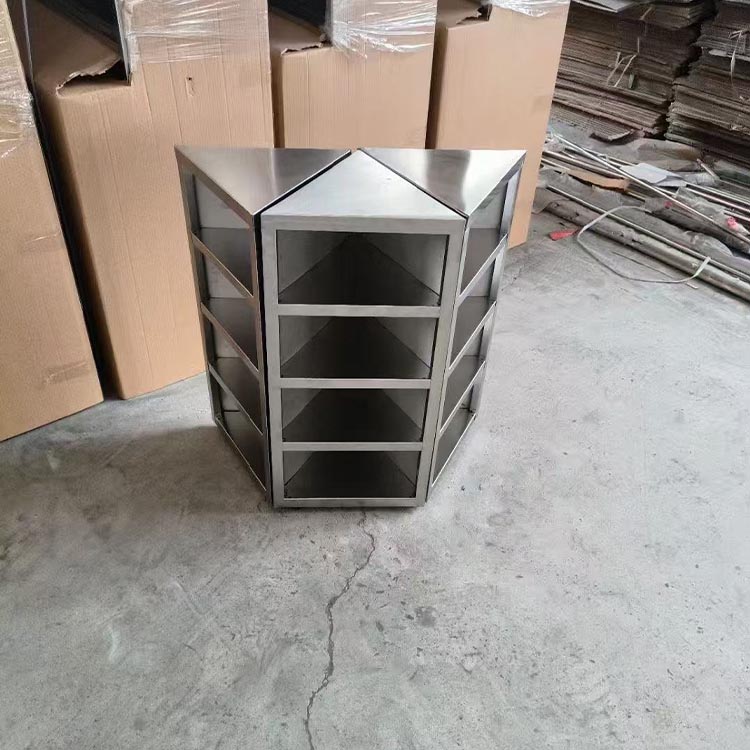
Studying cubicle desks and chairs are a set designed specifically to enhance focus, featuring physical partitions to create individual study spaces. Widely used in libraries, school study rooms, and other venues. Below is a detailed introduction:
Type
Single person partition desk and chair: Designed for individual use, occupying minimal space, providing users with an independent study area, ideal for individuals requiring high focus during study or exam preparation.
Double-Section Partition Table and Chairs: Designed for simultaneous use by two individuals, featuring a partition in the middle. This allows for easy communication and collaboration while minimizing interference.
Multi-functional partition desk and chair set: In addition to basic study functions, it may also integrate bookshelves, display cabinets, and other features to meet diverse learning needs.
Dimensions
Table Size: Single desks typically range in width from 60-75 cm and depth from 50-60 cm; double desks are 120-150 cm wide to accommodate side-by-side seating for two.
Partition height: Typically ranges between 1.2 to 1.5 meters, ensuring a certain level of privacy without making the user feel too confined.
Material
Timber: Includes solid wood and composite boards, with solid wood furniture offering a superior texture and strong environmental friendliness, though at a higher price point; composite boards are more affordable and possess good wear resistance and aesthetic appeal.
Metal: The metal-framed desk and chair structures are sturdy, high in strength, and resistant to deformation, commonly used in high-frequency public study rooms.
Glass: Some partitions will be made of glass materials, such as frosted glass and tempered glass, which can ensure a certain level of light transmission while also providing privacy protection, and feature a modern minimalist style.
Features
Partition Design: Each study station is separated by tall partitions, effectively blocking external sight and sound disturbances to create a quiet learning environment.
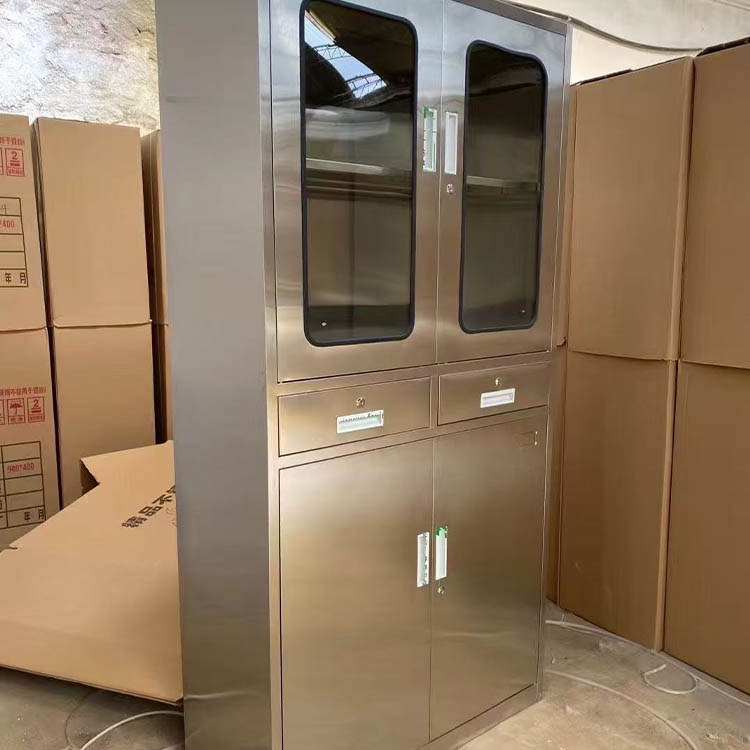
Storage Space: Typically equipped with shelves, drawers, and cabinets, for easy storage of items such as books and stationery, keeping the desk organized.
Ergonomic Design: The chair features a backrest that conforms to the human body's curves, and the table height is adjustable to ensure the user maintains a proper sitting posture, reducing fatigue from long hours of study.
Portable and Modular: Some tables and chairs are designed to be portable and easy to combine, allowing for flexible adjustments to the layout and usage requirements of the study room.