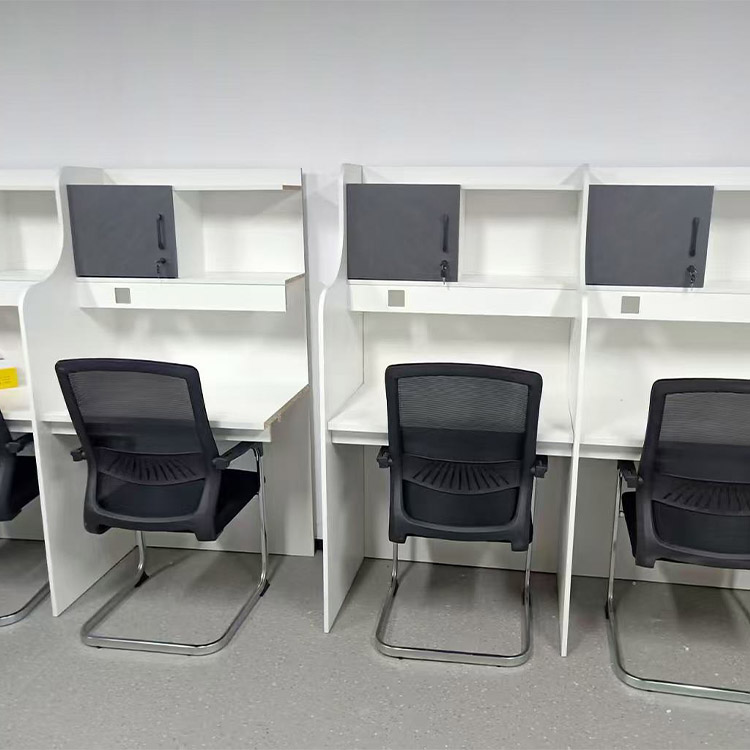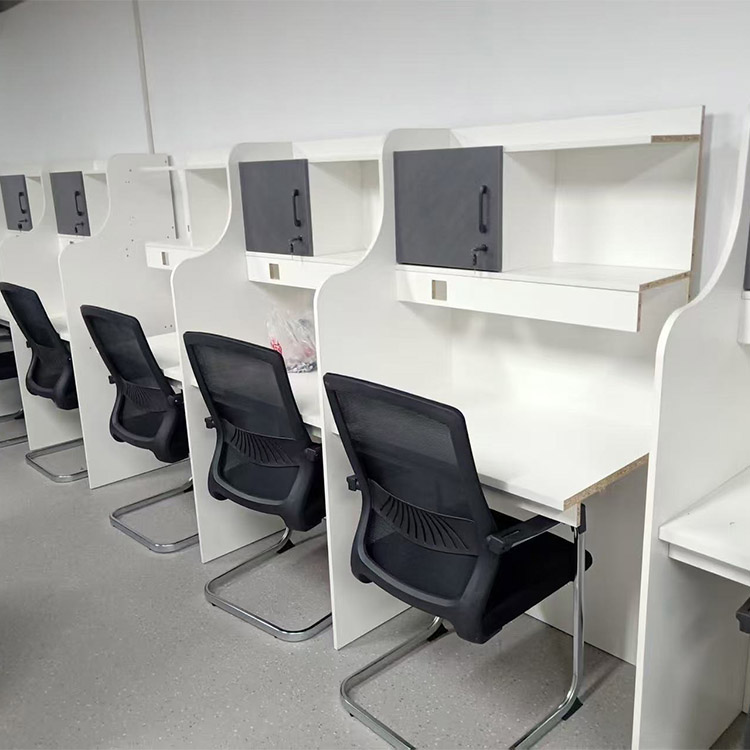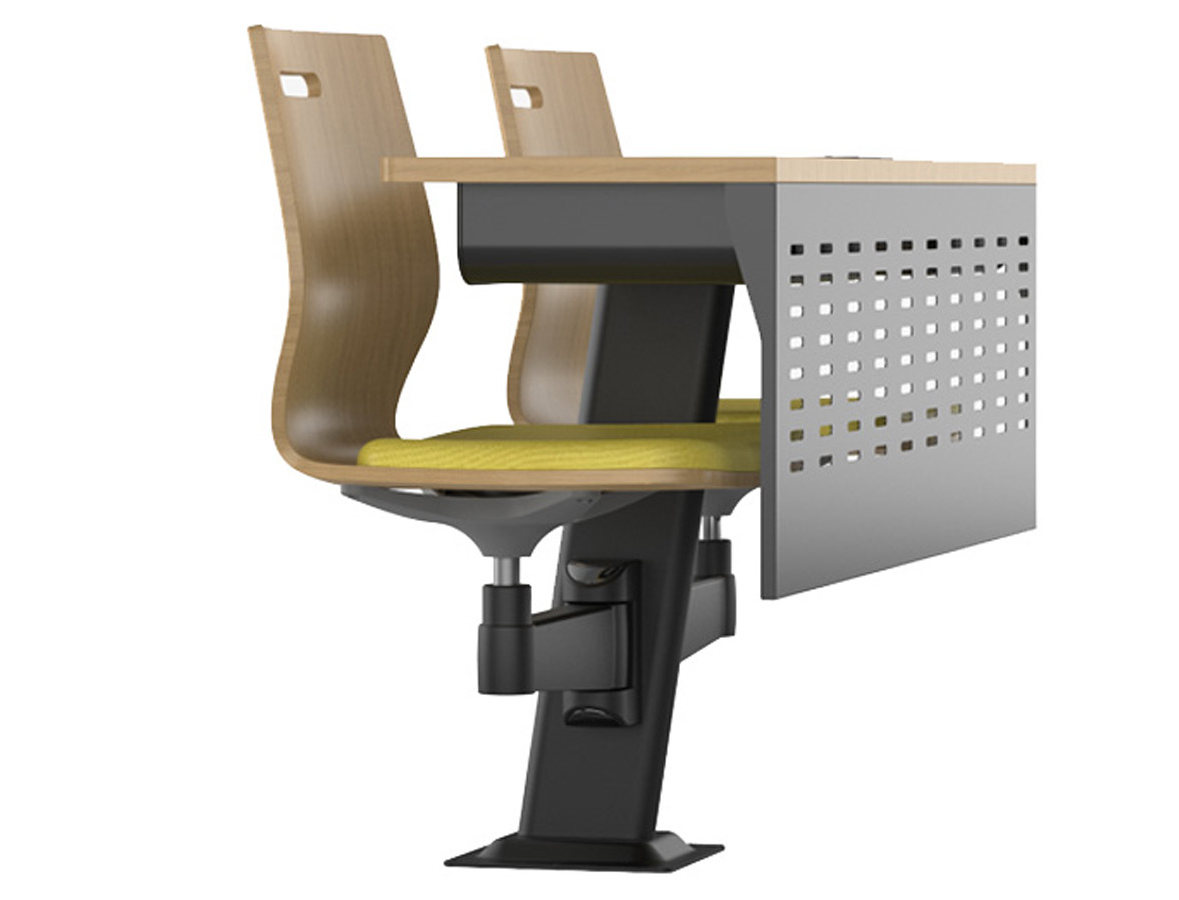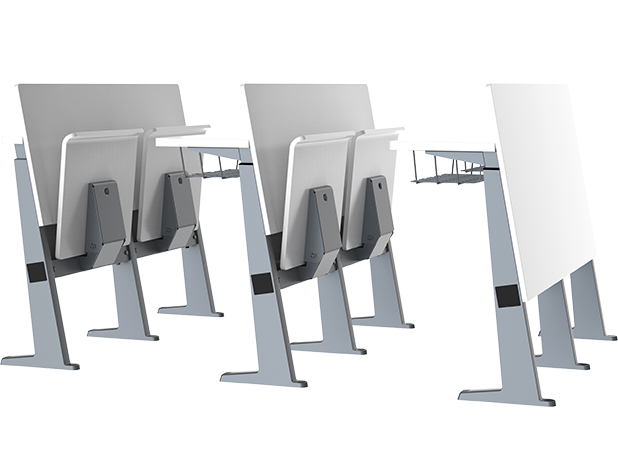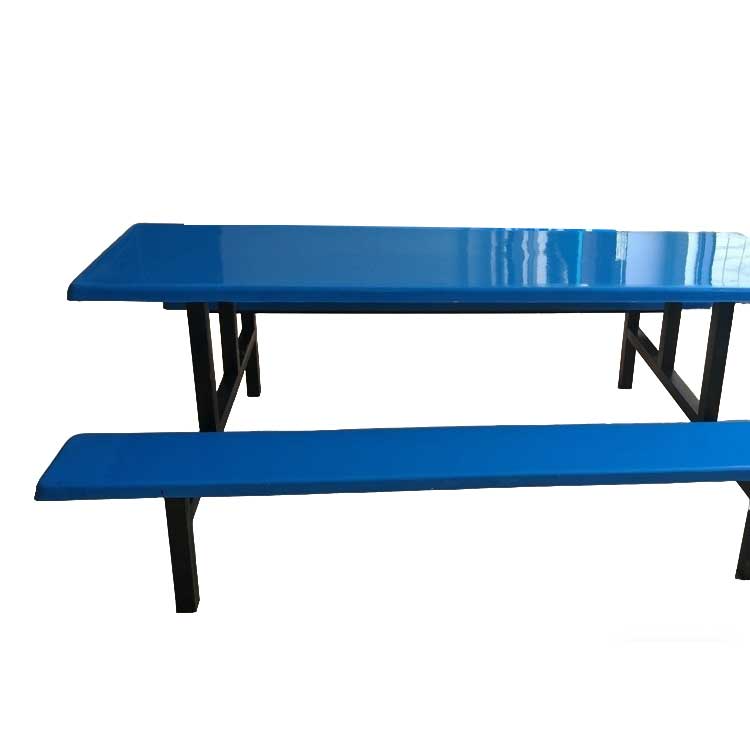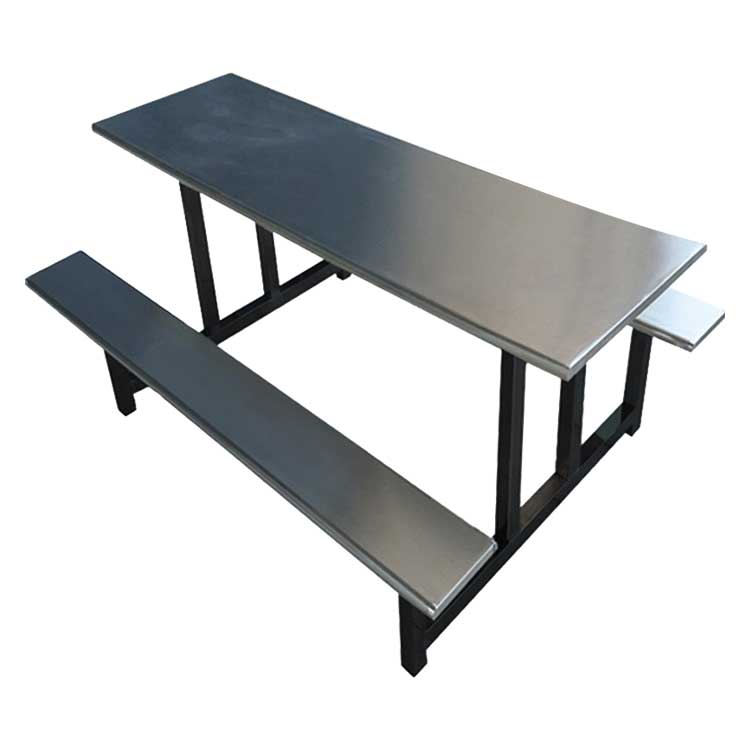


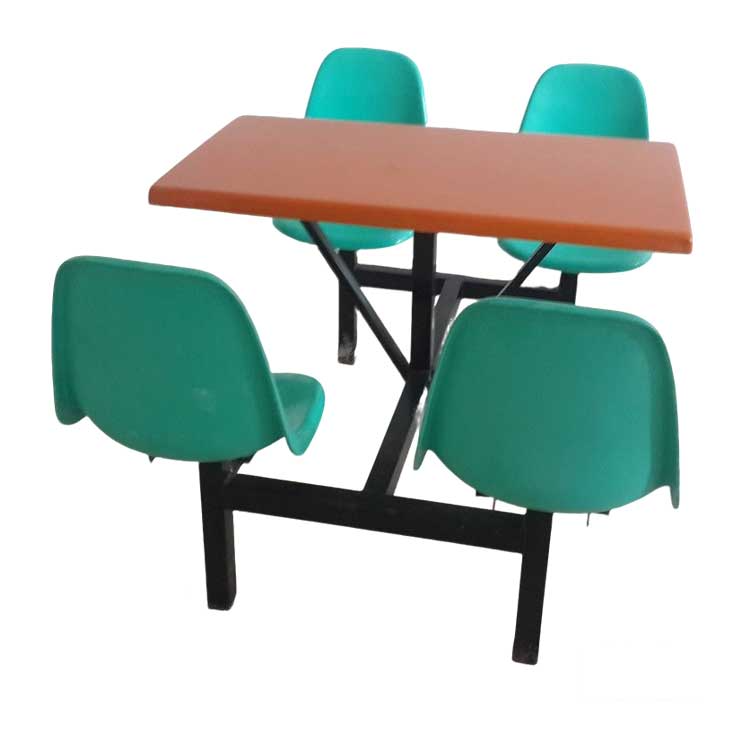
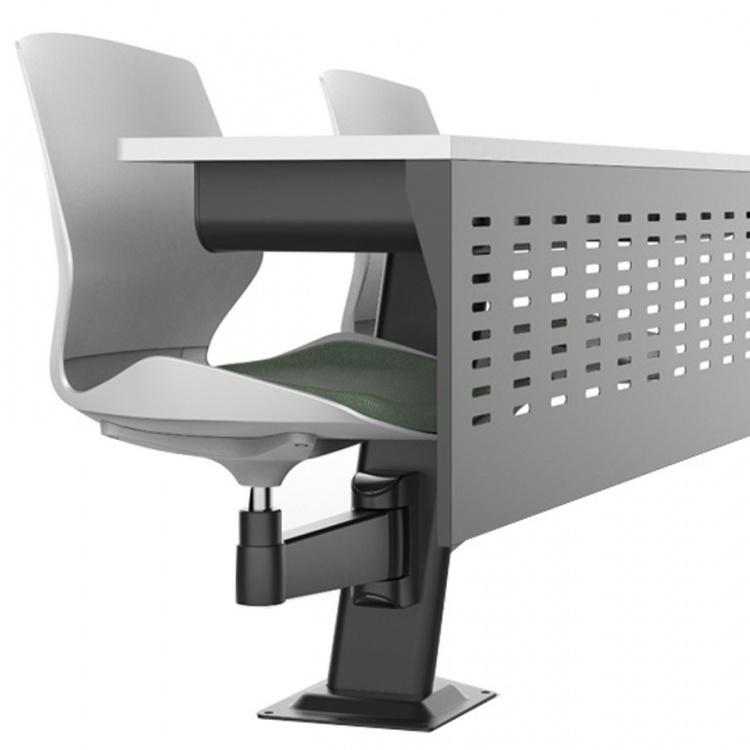
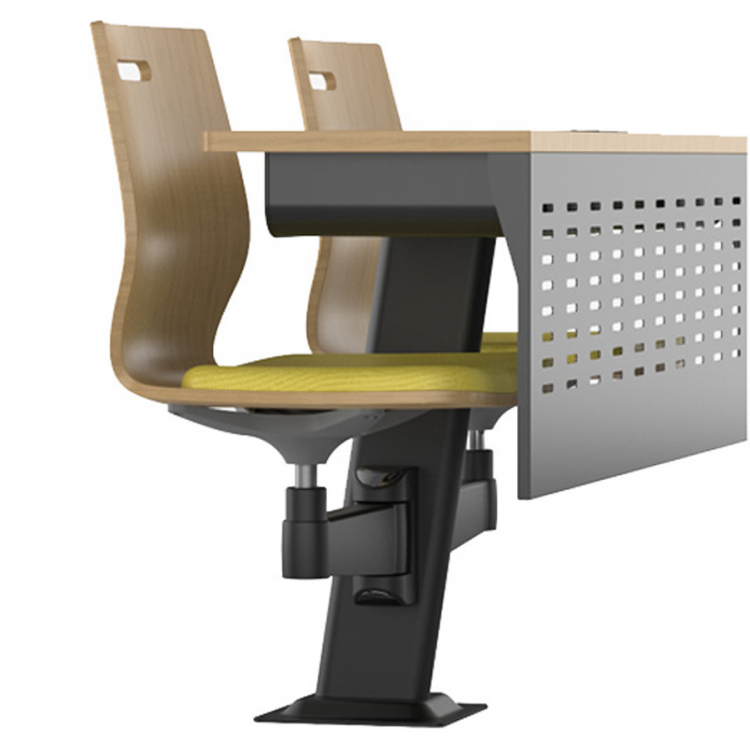







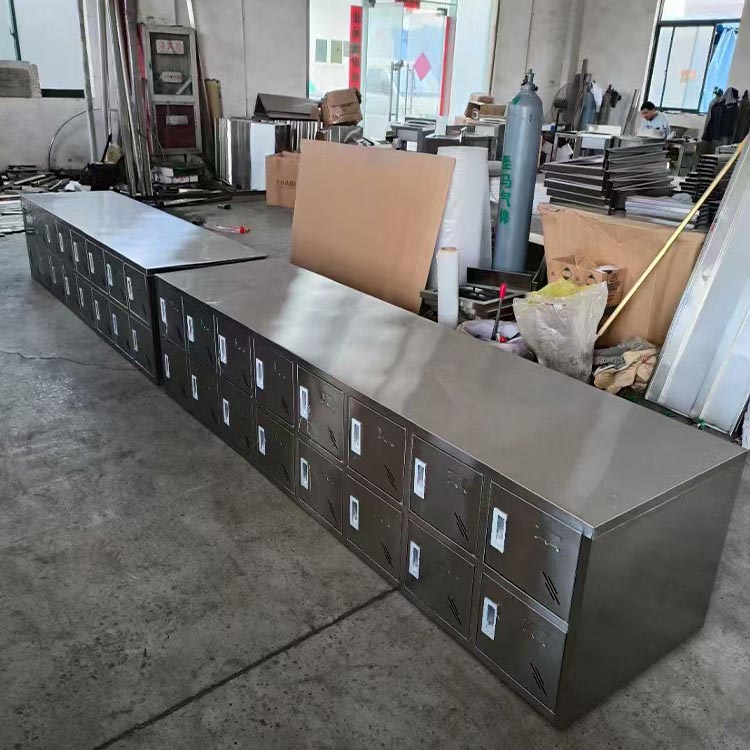

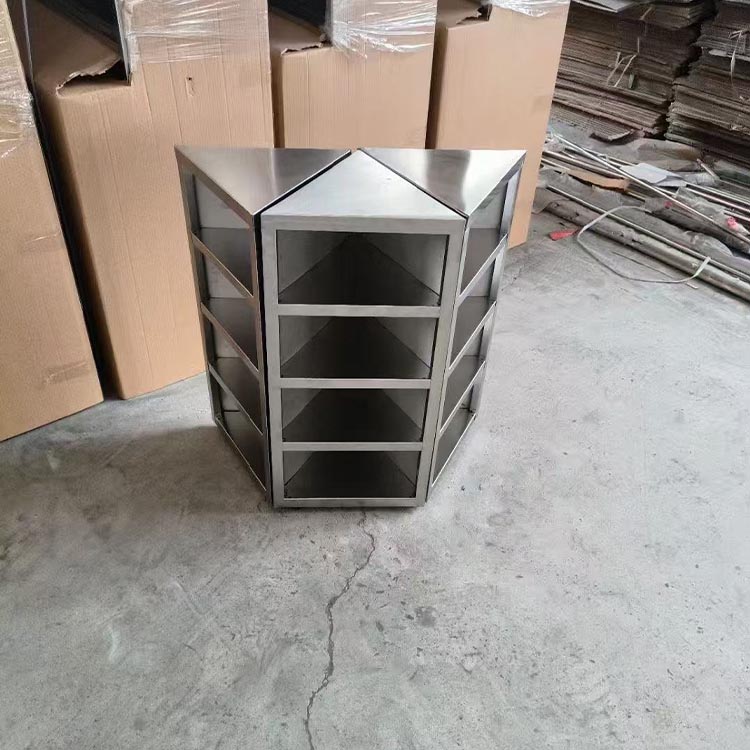
Reading Room Study Desks are common study furniture found in libraries, school reading rooms, and other similar venues, designed to provide readers with a comfortable and quiet study environment. Here is the relevant introduction:
Features
Stability: The structure is sturdy, ensuring no movement or tilting during use, guaranteeing a safe learning environment.
Comfort: The desk height is typically around 750mm, ergonomically designed to maintain a comfortable sitting posture for the user, suitable for extended reading and writing sessions.
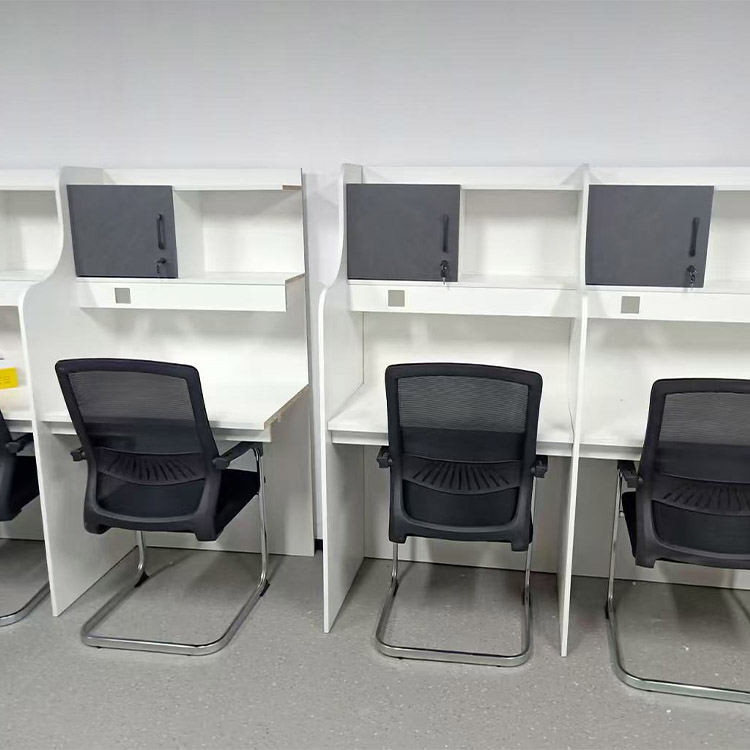
Practicality: The desk offers ample space for books and stationery, with some study desks featuring drawers and shelves for convenient organization of learning materials.
Aesthetics: The sleek and generous design complements the overall environment of the reading room, creating a tranquil and comfortable study atmosphere.
Style
Single-User Reading Table: Standard size, designed for individual use, typically equipped with drawers or shelves to enhance storage space, occupies minimal space, and offers high flexibility.
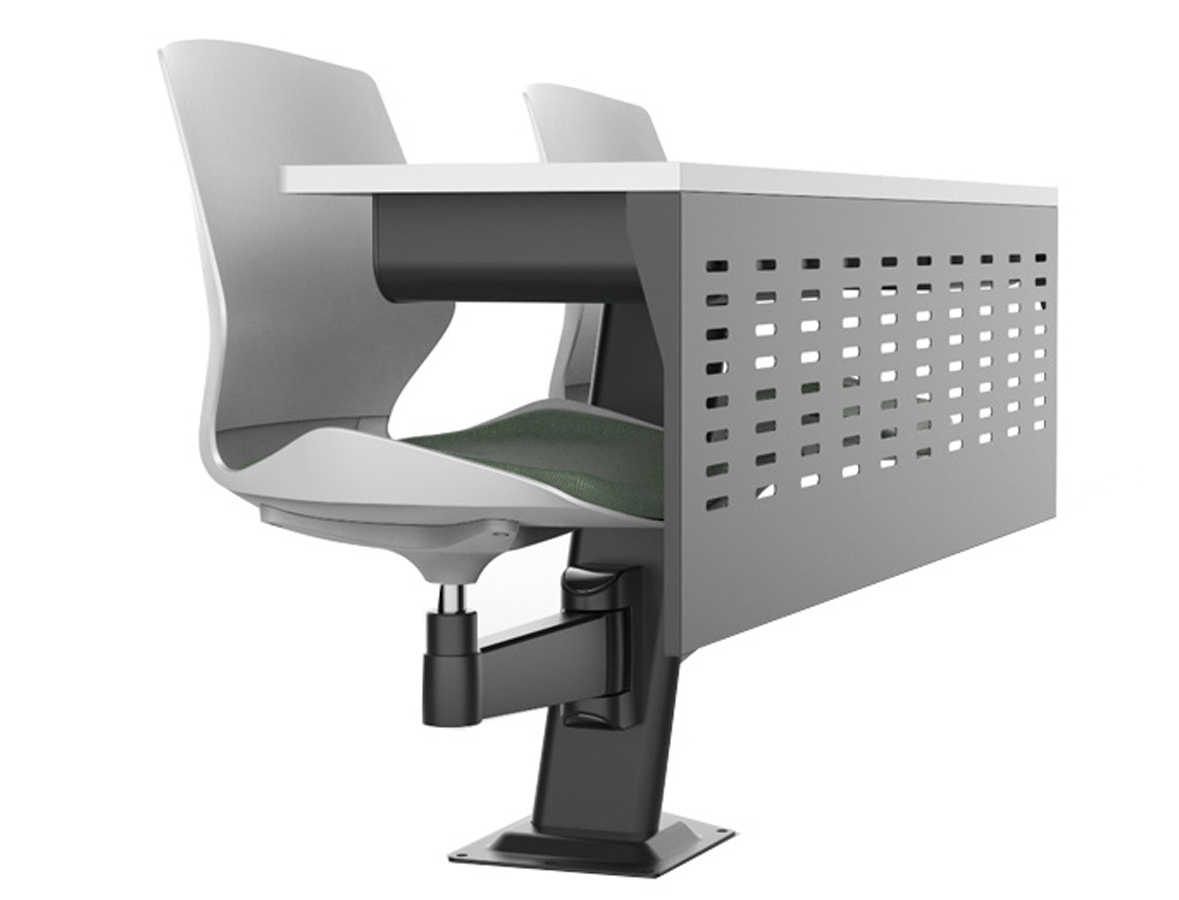
Double-Seat Reading Table: Wider in size, designed for two people to use simultaneously. Some models feature partitions to minimize interference and facilitate communication and collaboration.
Corner Reading Table: Designed with a corner layout, it maximizes corner space, expands usable area, and boasts high space utilization, ideal for irregularly shaped reading rooms.
Folding Reading Table: Easy to store and carry, space-saving, versatile, and suitable for temporary reading rooms.