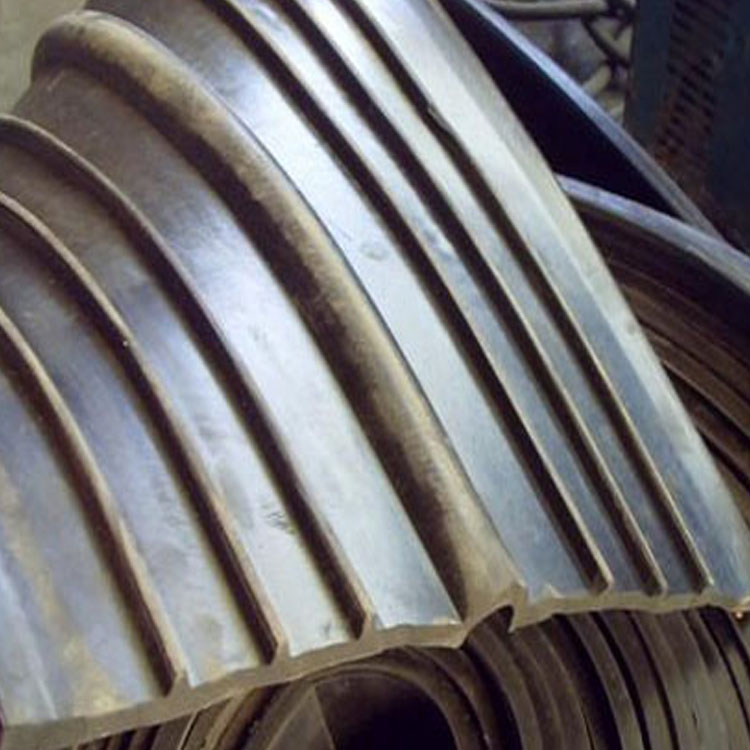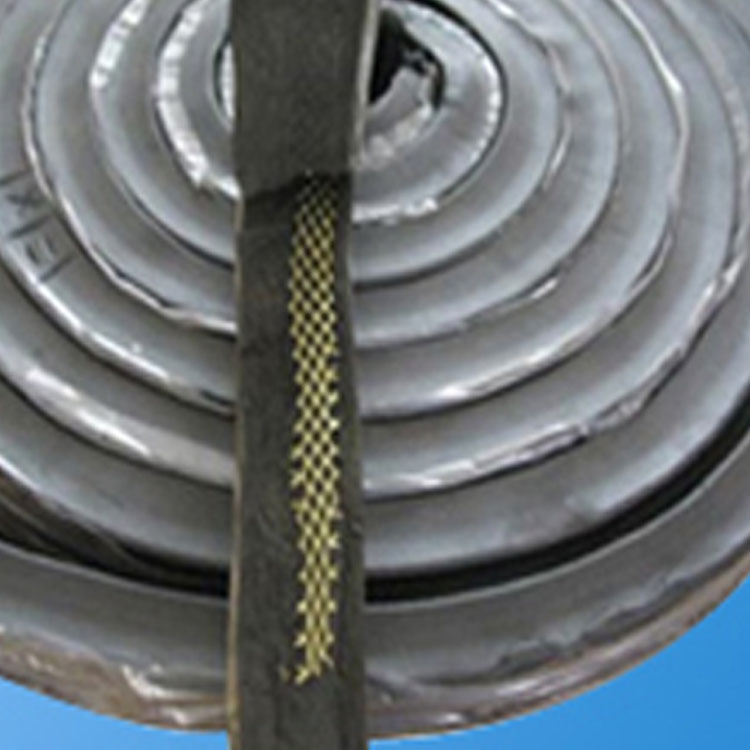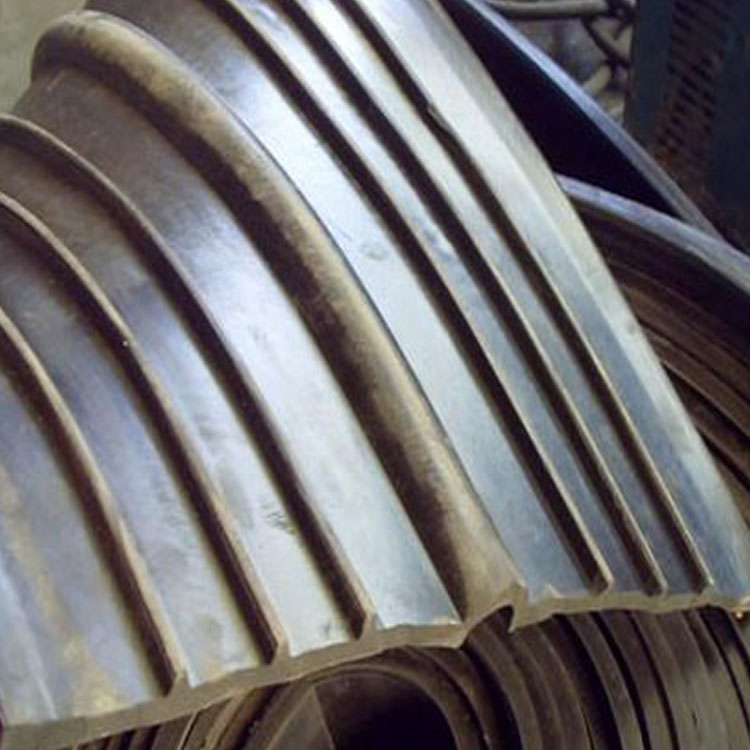

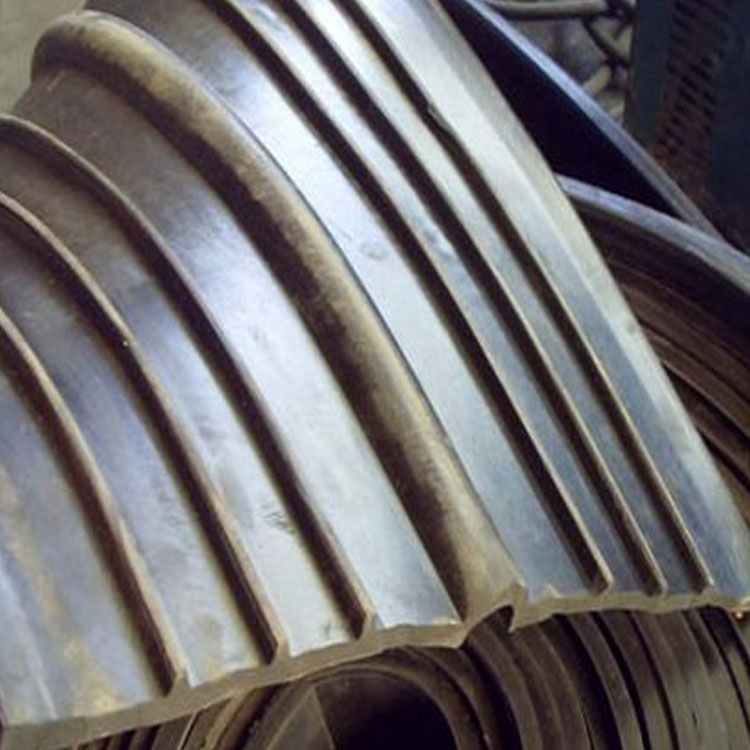

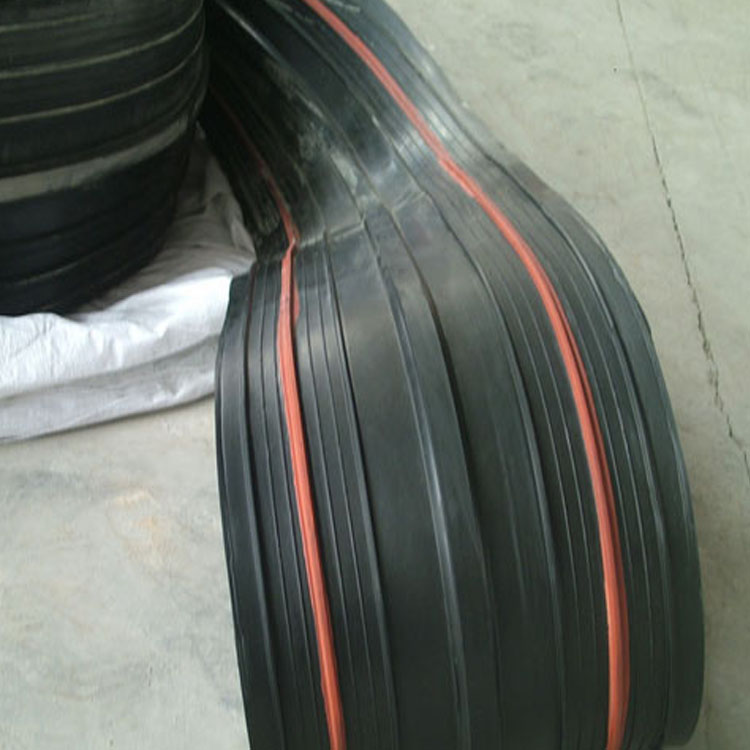















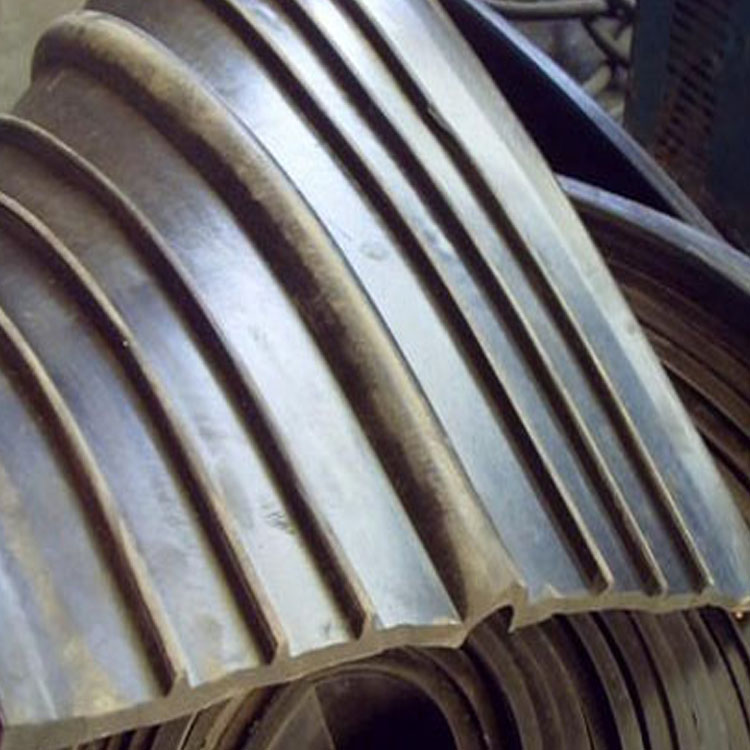
Rubber waterstop belts and rubber waterstops are primarily made from natural rubber and various synthetic rubbers, mixed with various additives and fillers, then plasticized, compounded, and molded into various shapes, including bridge, mountain, P, U, Z, B, T, H, E, and Q types. They are produced using natural rubber or various synthetic rubbers as the main material, mixed with a variety of additives and fillers, and processed through plasticizing, compounding, calendering, and vulcanization. They can be categorized as embedded rubber waterstop belts and adhesive-backed rubber waterstop belts based on their application. These waterstop materials offer excellent elasticity, wear resistance, aging resistance, and tear resistance, with strong adaptability to deformation and good waterproofing performance. They are suitable for use in temperatures ranging from -45℃ to +60℃. However, rubber waterstop belts should not be used when the temperature exceeds 70℃, or when they are subjected to strong oxidation or侵蚀 by oils or other organic solvents. They are commonly used during the construction of underground exterior walls and post-pouring strips.