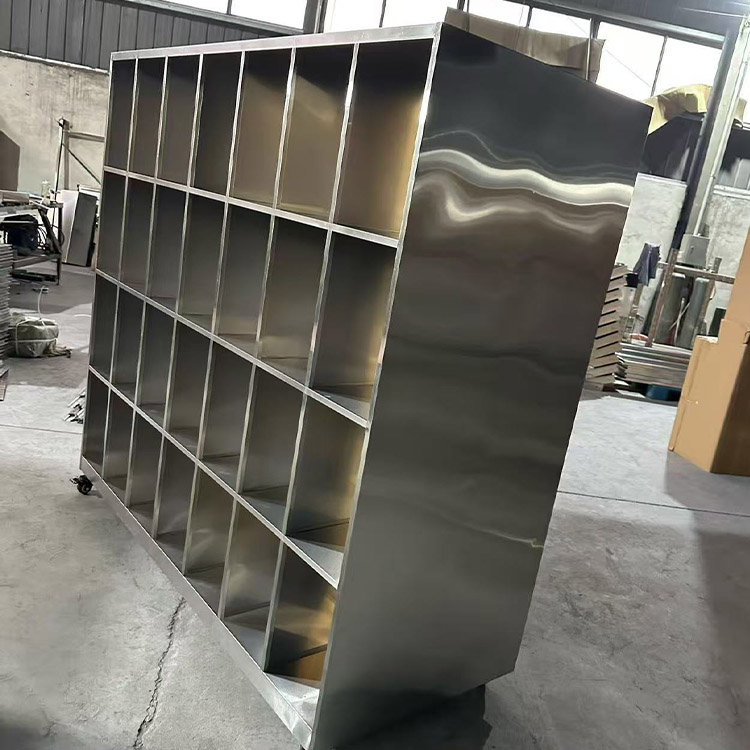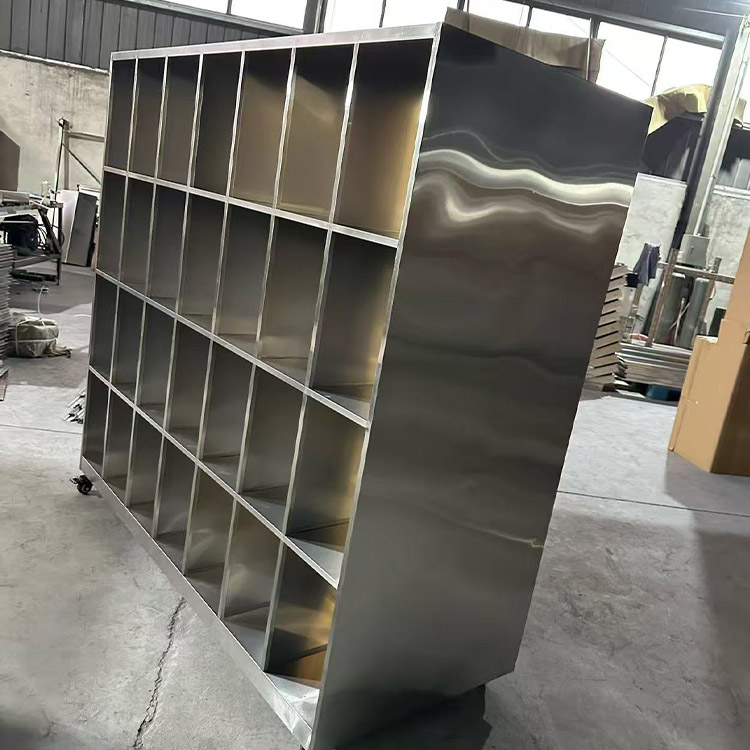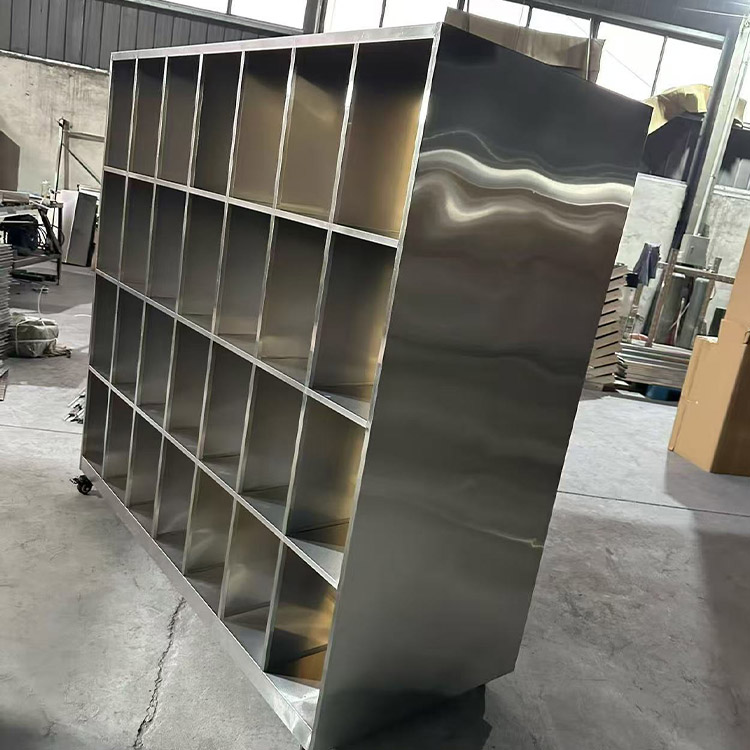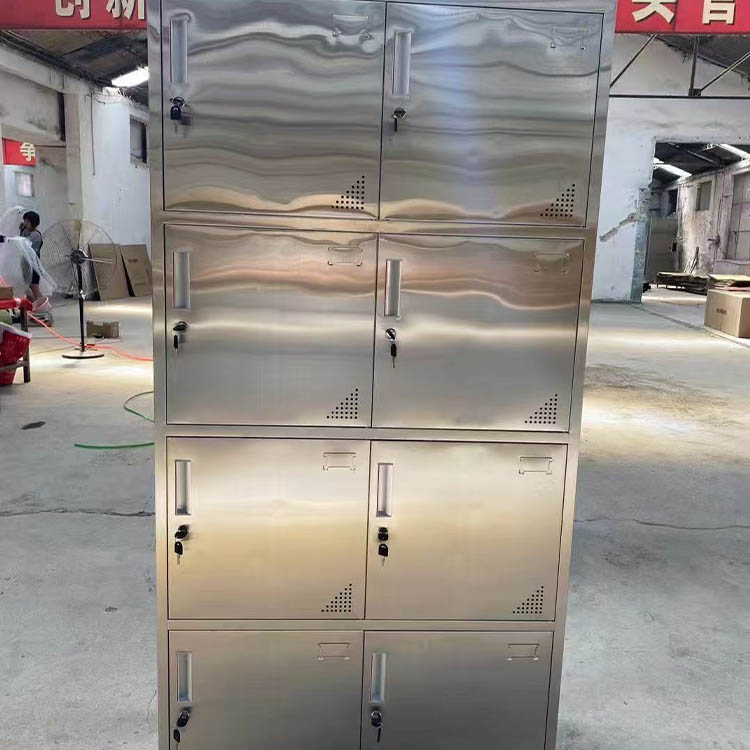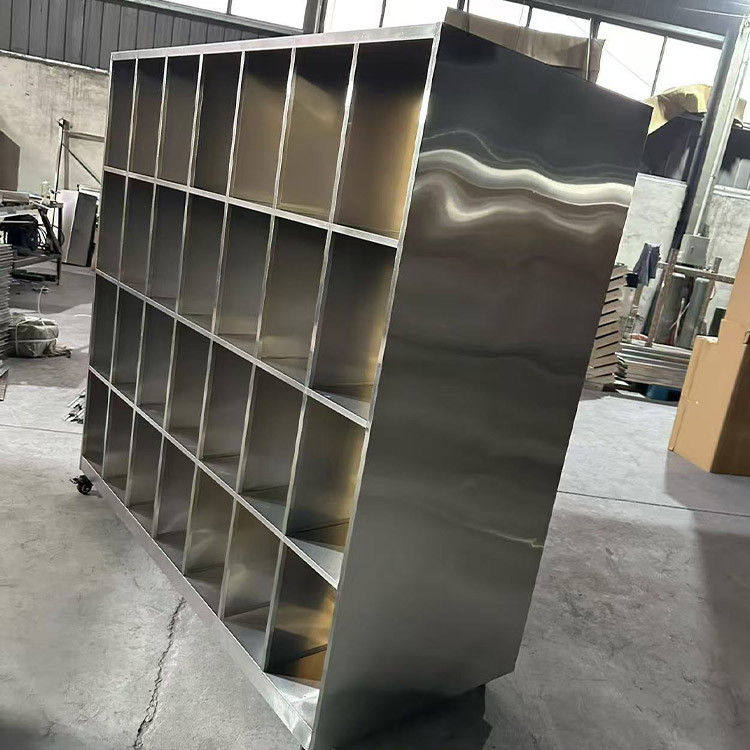


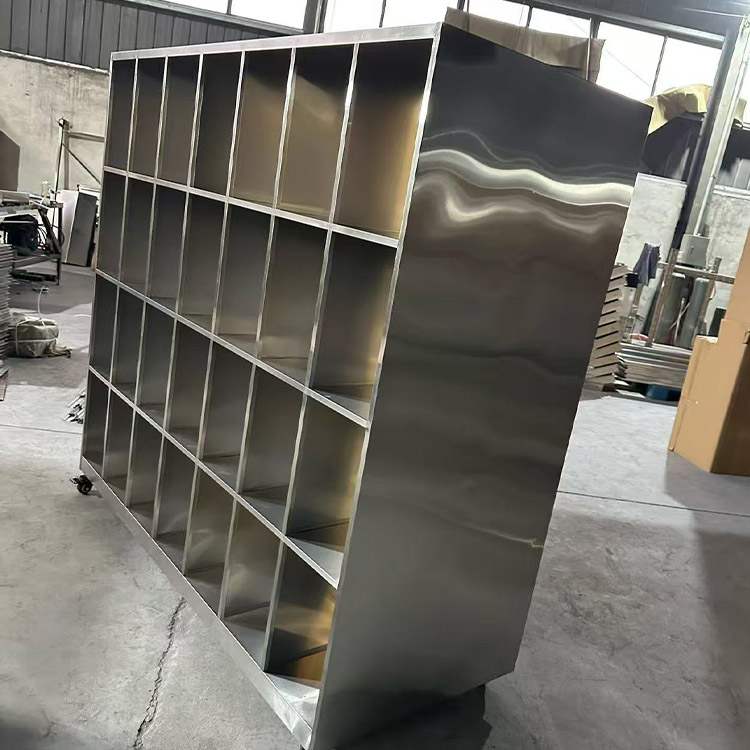







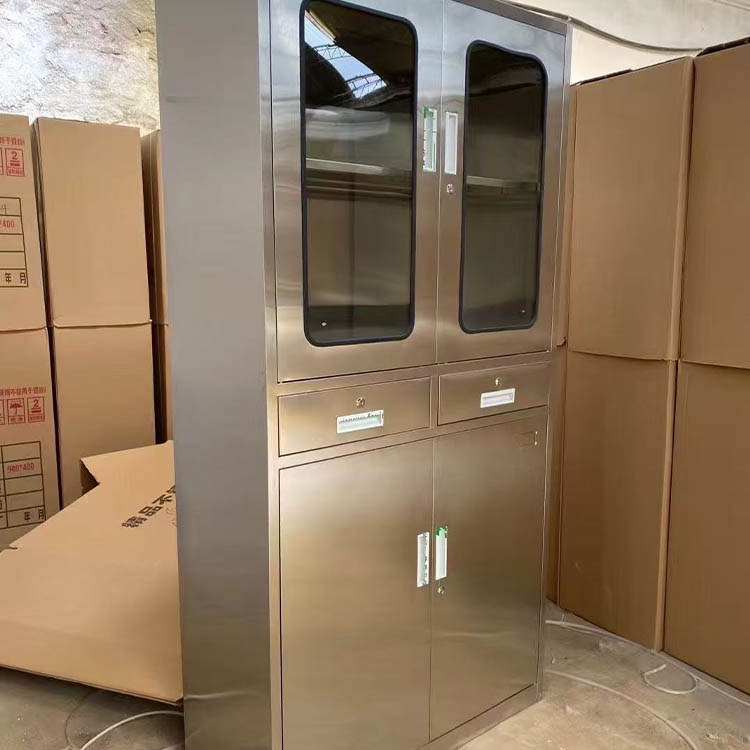
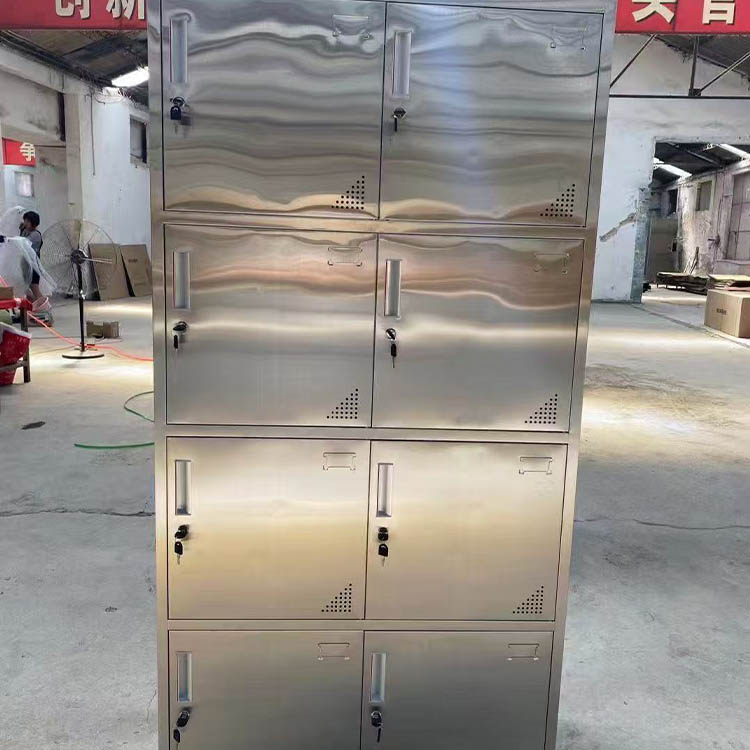
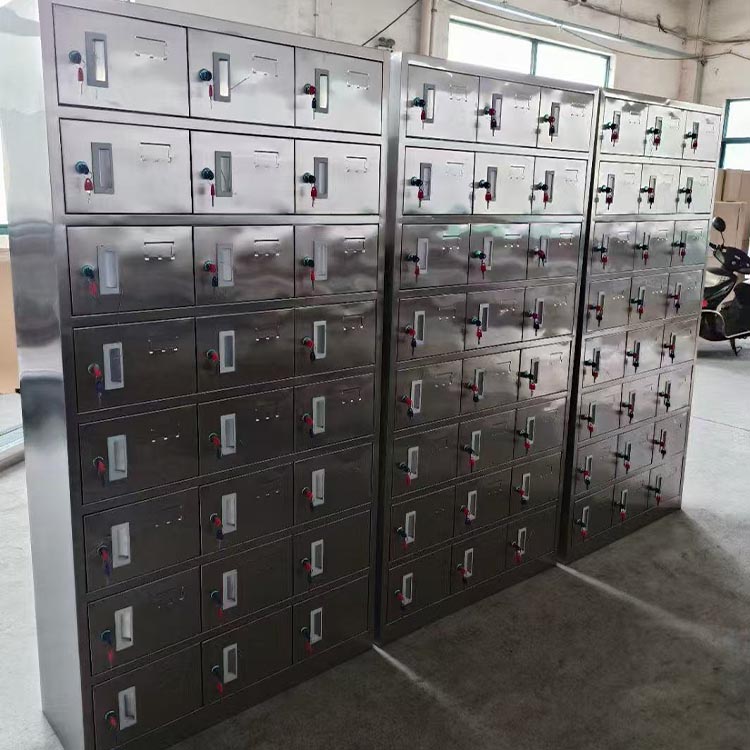
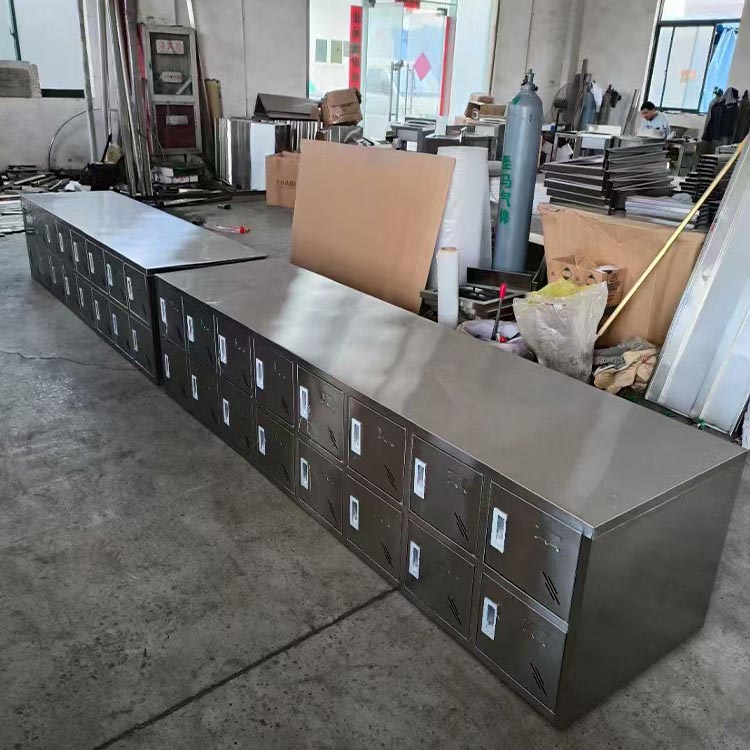
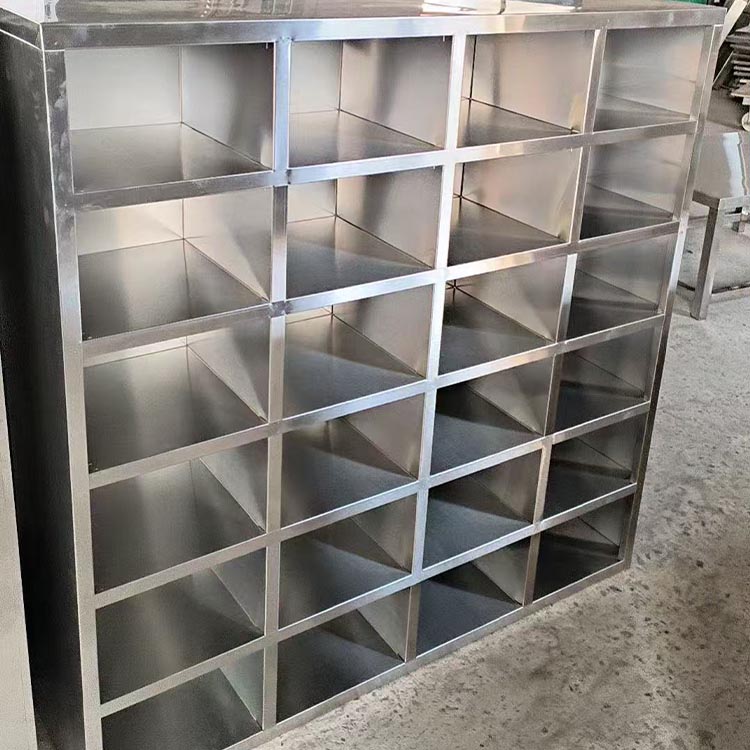
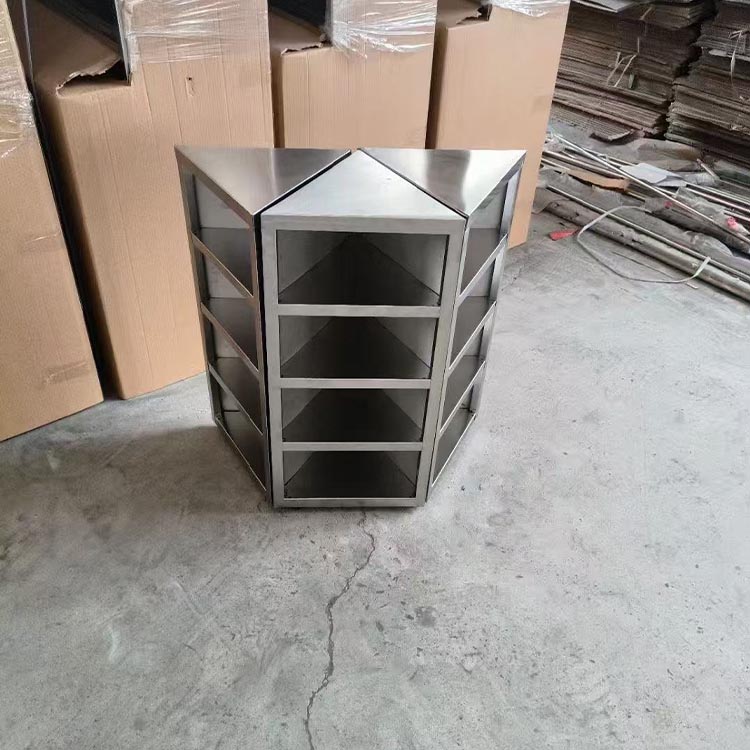
Stainless steel storage lockers, as the name implies, are storage facilities primarily made of stainless steel. They are the preferred choice in many situations due to their array of unparalleled superior characteristics:
Excellent Durability: Stainless steel boasts high strength and hardness, able to withstand daily collisions, scratches, and heavy pressure without deformation or damage, offering a lifespan significantly longer than cabinets made from wood or regular steel.
Superior rust and corrosion resistance: This is its core strength. High-quality stainless steel (such as the commonly used 304 stainless steel) effectively resists the侵蚀 of moisture, detergents, weak acids, or alkalis. This ensures there's no need to worry about rust, as seen in ordinary iron cabinets, making it particularly suitable for humid or frequently cleaned and disinfected environments.
Easy to clean and maintain: smooth surface, non-porous, and non-absorbent. Whether it's dust, stains, or spills, simply wipe with a damp cloth or a mild cleaner for easy cleaning, and effectively prevents the growth of bacteria and mold.
Robust and reliable security: The sturdy body, combined with high-quality locks (whether mechanical or electronic), ensures reliable physical security for the stored items.
Modern simplicity in aesthetics: The metallic texture exudes a modern, professional, and clean visual sensation, with its appearance remaining evergreen and timeless.
Eco-friendly and fire-resistant: Made of 100% recyclable stainless steel, in line with environmental principles. Additionally, it boasts a non-combustible fire-resistant property, enhancing safety levels.
Primary Application Scenarios
Based on the above advantages, stainless steel lockers are widely used in the following fields that require durability, hygiene, or safety:
Humid and high sanitation environments: such as swimming pools, gym shower rooms, locker areas of water parks, as well as food processing plants, pharmaceutical factories, and laboratories.
High-intensity use and public areas: Such as employee changing rooms in factory workshops and construction sites, for storing personal items and protective equipment; as well as public storage spaces in schools, hospitals, and corporate institutions.
Special Item Storage: Used for storing chemicals in laboratories; ingredients or utensils in kitchens; medical supplies in healthcare facilities.