




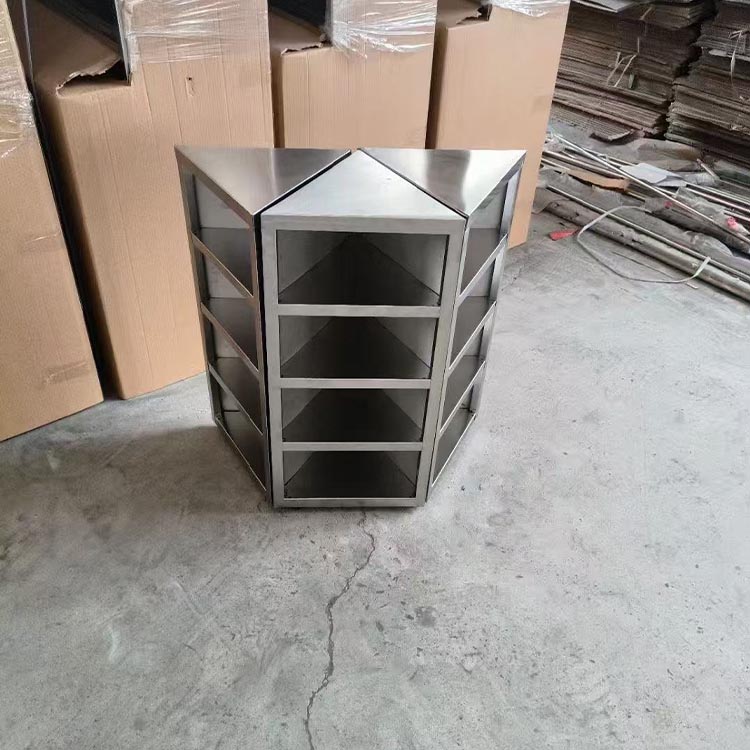
Stainless steel storage cabinets, with their material properties, functional design, and scene compatibility, have become a preferred solution for modern organization and industrial storage. Below, we analyze their value from multiple dimensions:
Section 1: Material and Performance Advantages
The stainless steel base material imparts the storage cabinet with its core characteristics of durability, moisture resistance, and environmental friendliness.
Corrosion and Rust Resistance: Contains elements like chromium and nickel, forming an oxide film on the surface to long-term resist moisture and oil stains. 304 stainless steel is particularly suitable for food-grade applications (such as kitchens, food factories).
Sturdy Load-Bearing: Enhanced material and rational structural design allow for carrying heavy loads (such as kitchenware, tools) without deformation, meeting the heavy-duty requirements of industrial/commercial applications.
Easy-to-clean and maintain: Smooth surface with no pores, stains wipe away easily, preventing bacterial growth. Daily cleaning requires only a damp cloth, while stubborn stains can be handled with mild cleaning agents.
Eco-friendly & Recyclable: Material is reusable, reducing resource waste and aligning with modern environmental protection concepts.
Section II: Features and Design Details
The product optimizes the experience in dimensions such as storage, labeling, ventilation, and noise reduction.
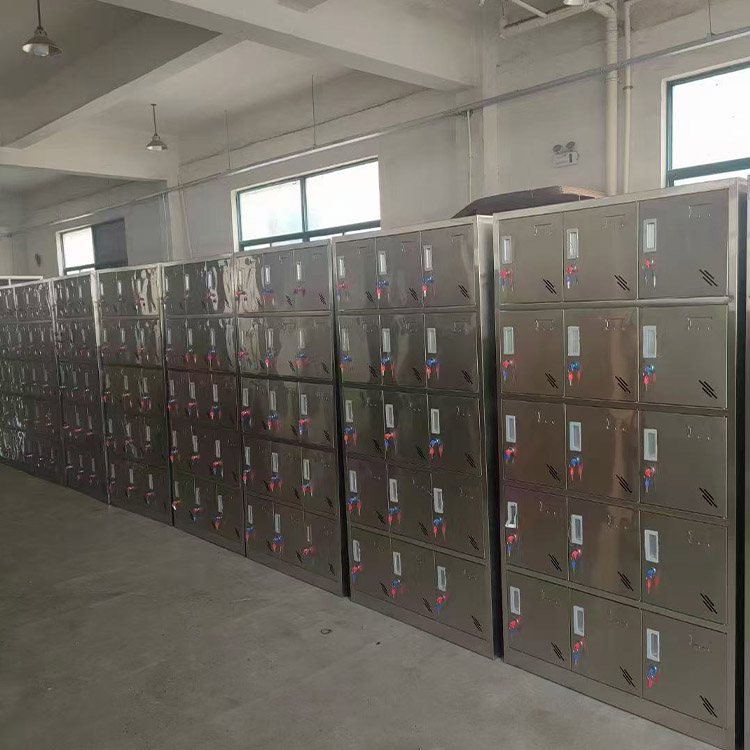
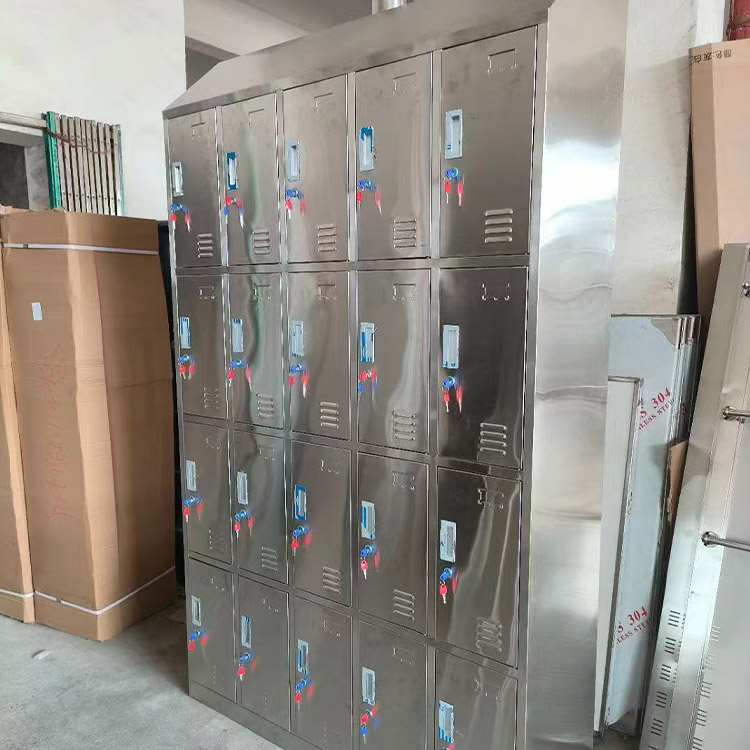
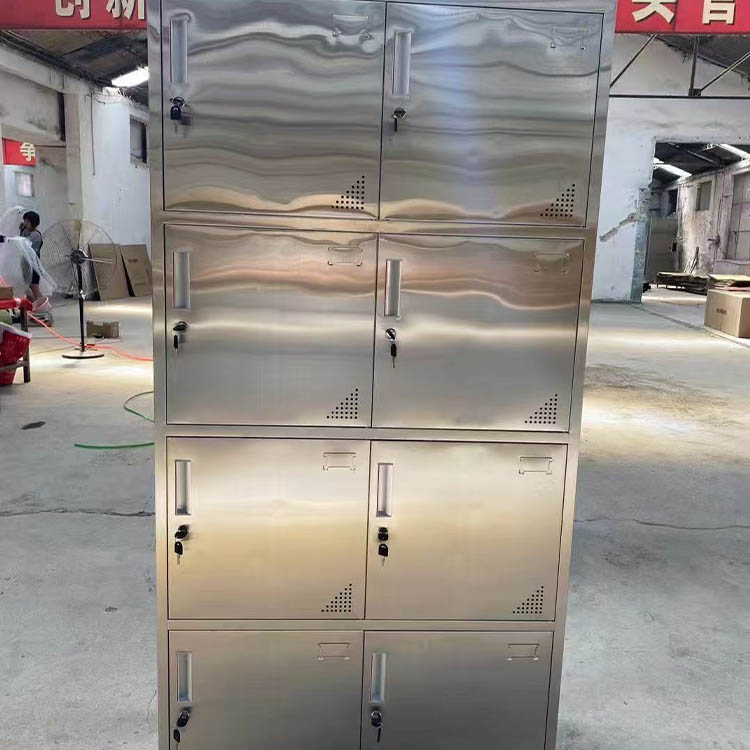
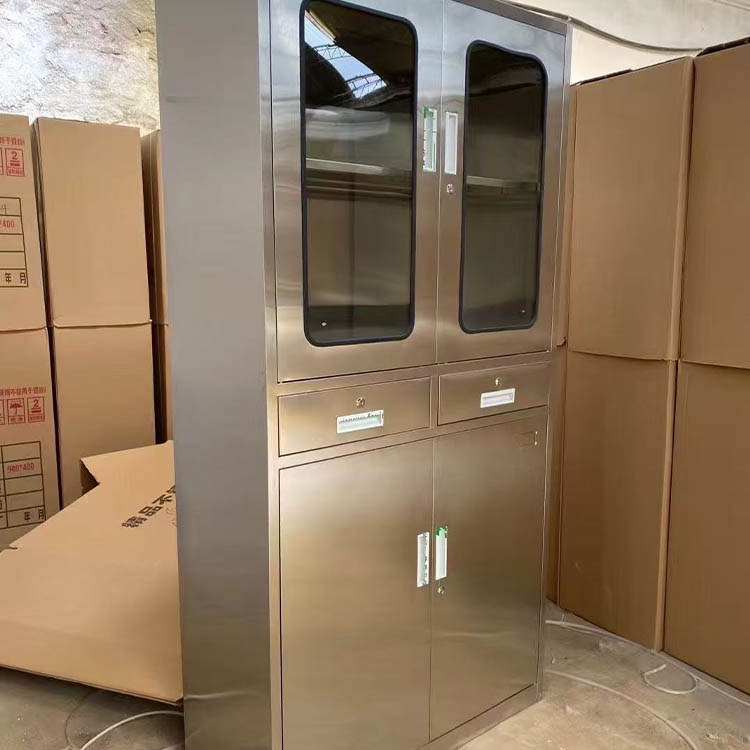
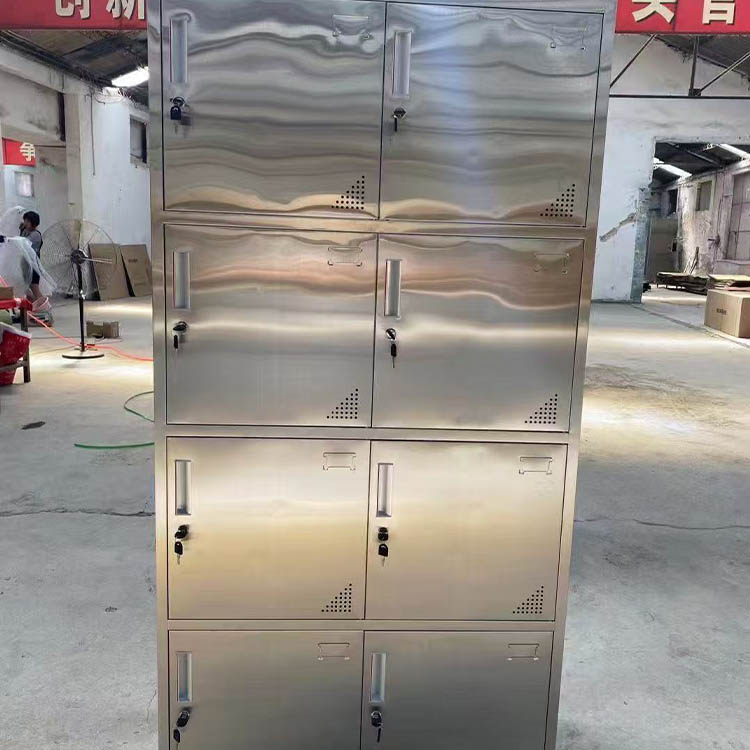
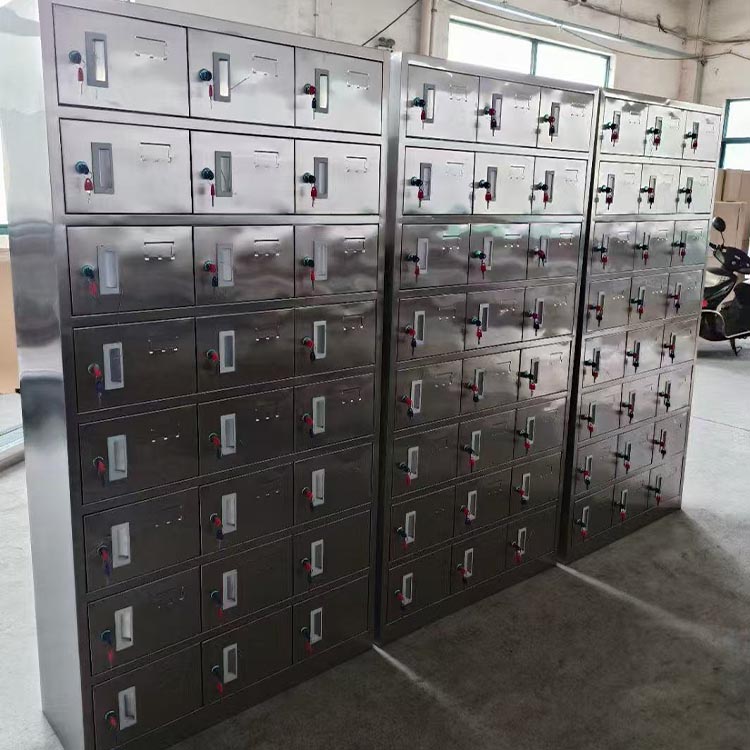
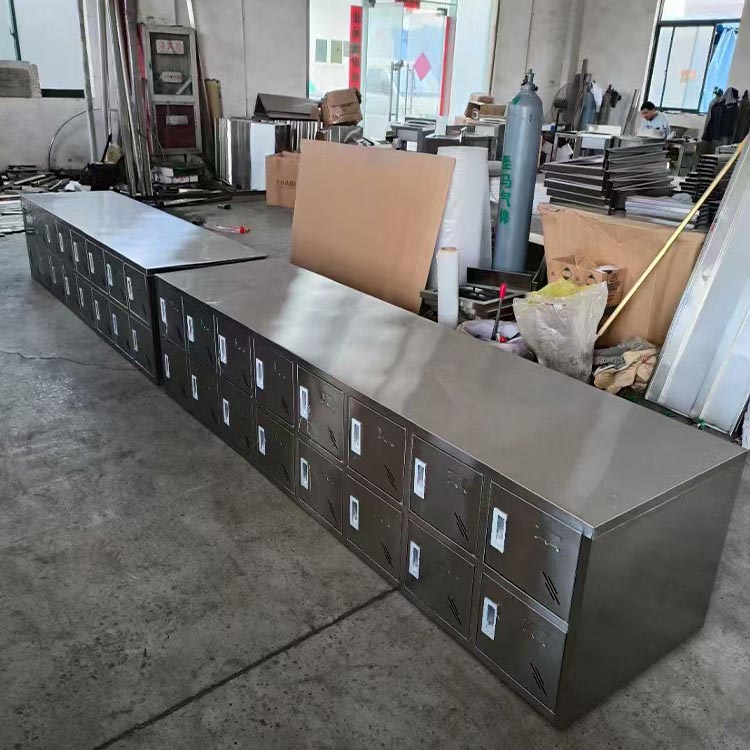
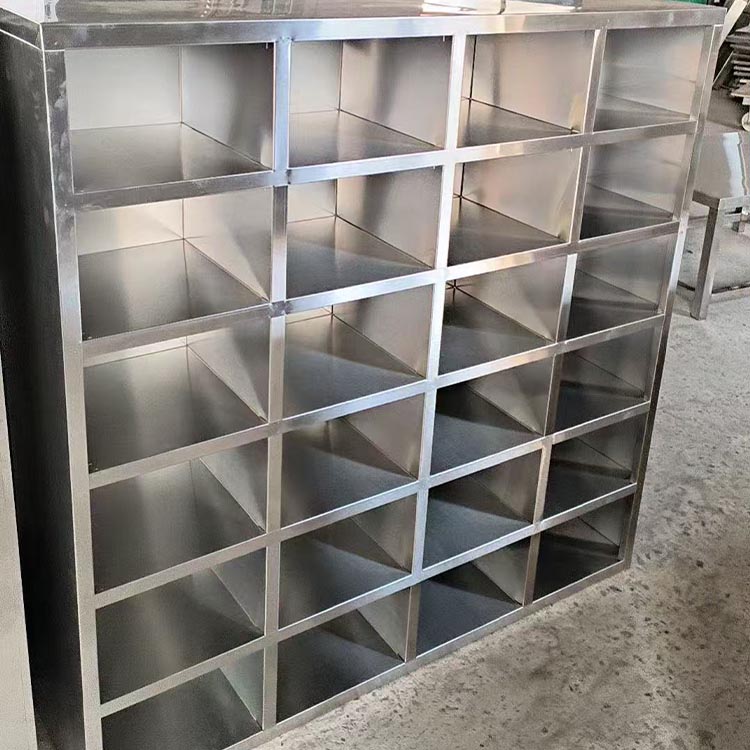
Storage Efficiency: Multi-door structure (as shown in the dense door body) combined with hanging rods, drawers, etc., for categorized storage of clothing/tools; some designs support shelf/closet rod adjustment to accommodate various item sizes.
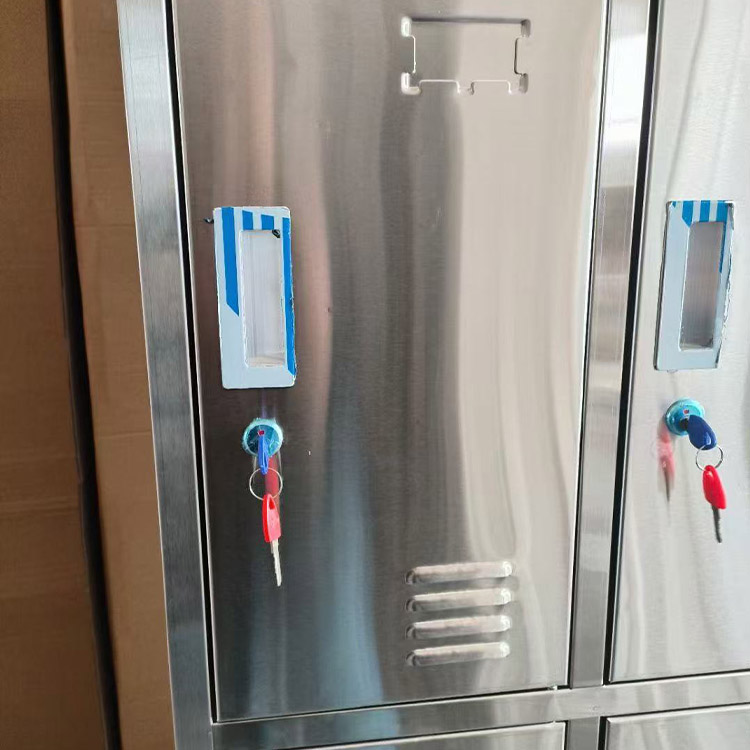
Identification Convenience: Name card holder installed at the door for quick identification of designated storage compartments by staff/users.
Ventilation and Moisture Protection: The cabinet door features ventilation holes to enhance air circulation inside, reducing the risk of clothing mold.
Silent Design: Equipped with noise-reducing pads on the door edges, door opening and closing are noiseless, suitable for public areas such as workshops and changing rooms.
Section 3: Scenarios and Industry Applications
Stainless steel storage cabinets are widely used in industries such as industrial, food, medical, and public spaces that have high environmental requirements.
Industrial Workshop: Meets employee clothing and tool storage needs, moisture and dirt-resistant features are well-suited for the workshop environment.
Food Factory/Clean Room: Meets food industry hygiene standards, features moisture-proof and easy-to-clean properties to ensure a safe production environment.
Medical/Laboratory: Meets hygiene requirements for medical environments; made of stainless steel for corrosion resistance and easy sterilization.
Public Changing Rooms: Designed for multiple users in gyms, hotels, etc., with multiple doors for convenience, and a signage system to enhance management efficiency.
Section 4: Selection and Maintenance Suggestions
Select materials, craftsmanship, and brand when choosing; focus on routine cleaning for maintenance.
Selection Tips: Prioritize 304 stainless steel (higher corrosion resistance), inspect the cabinet welding and surface treatment (such as brushed finish) for fineness, and pay attention to brand after-sales service and warranty.
Maintenance Tips: Wipe with a soft cloth and a neutral cleaning agent; avoid scratching with sharp objects. Regularly inspect accessories like locks and rubber pads, and replace worn-out parts promptly.
If a more specific scenario is needed (such as custom parameters for food factories or workshop size planning) or material comparisons (like 304 vs. 316 stainless steel), further analysis can be conducted based on specific requirements.