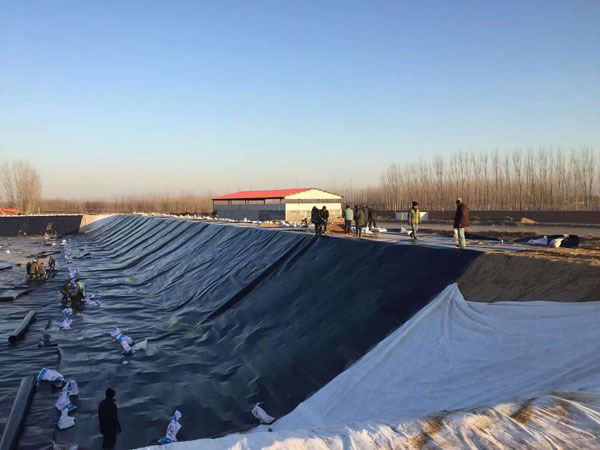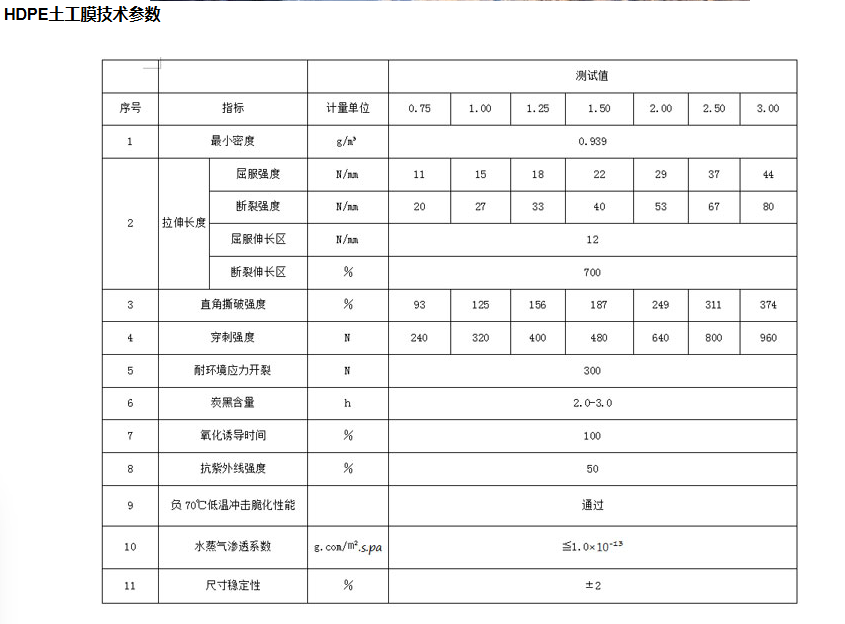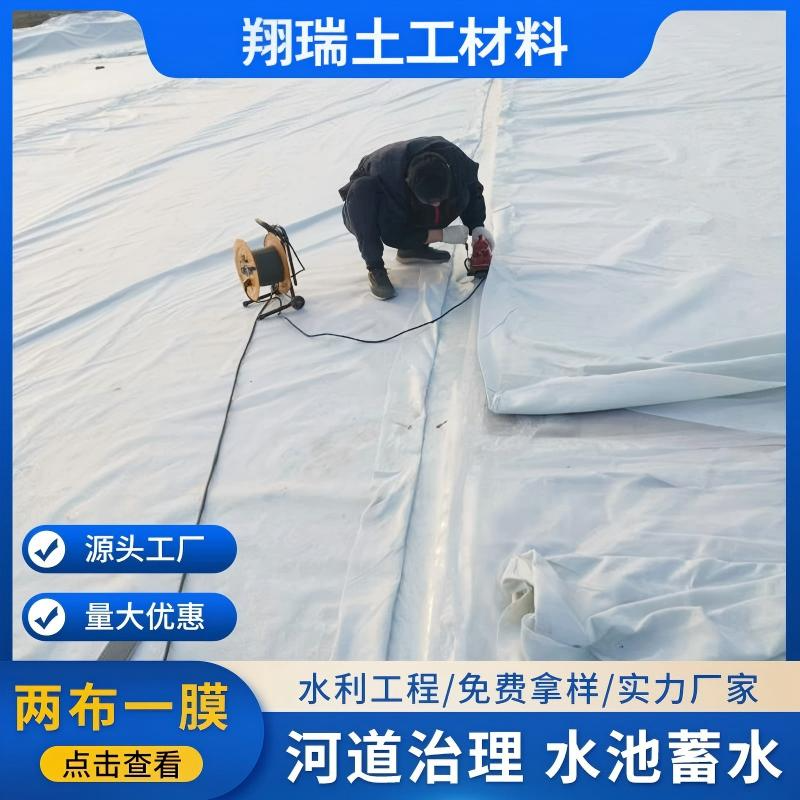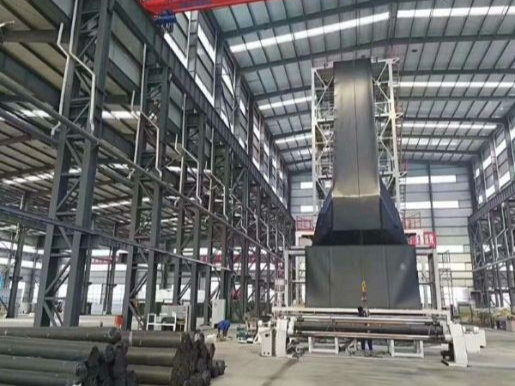

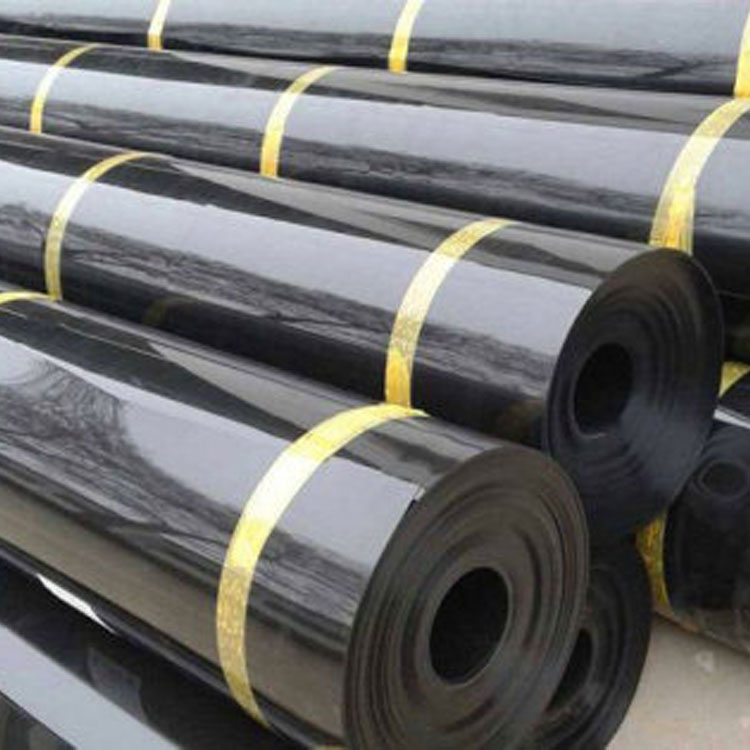


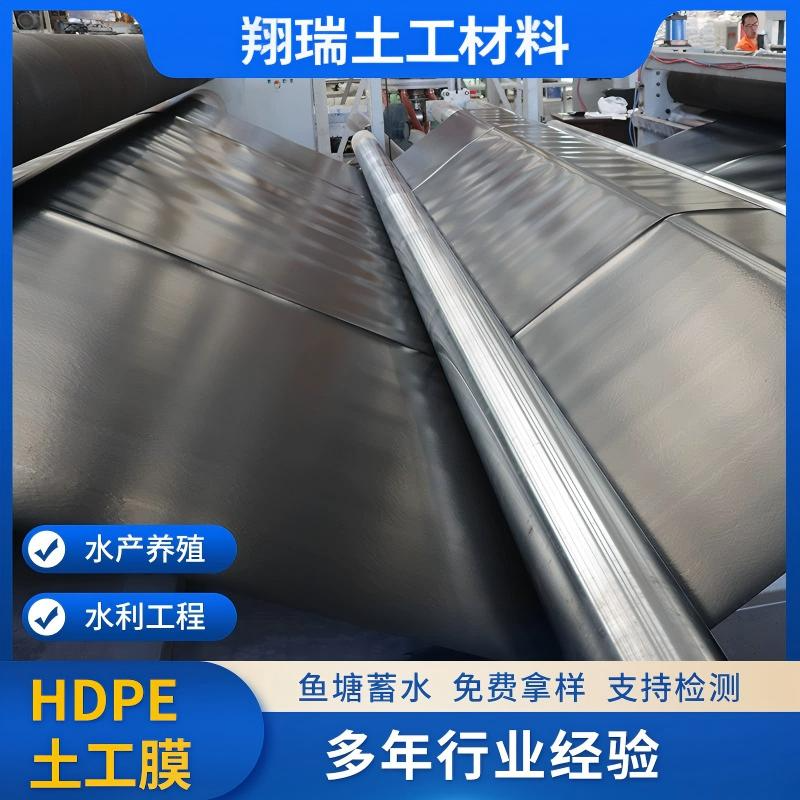
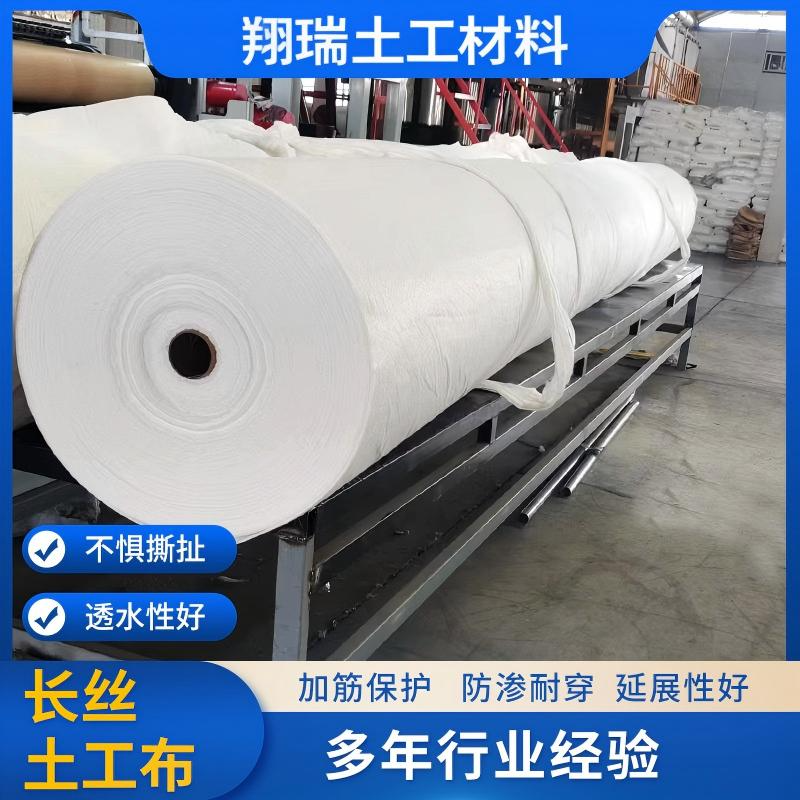
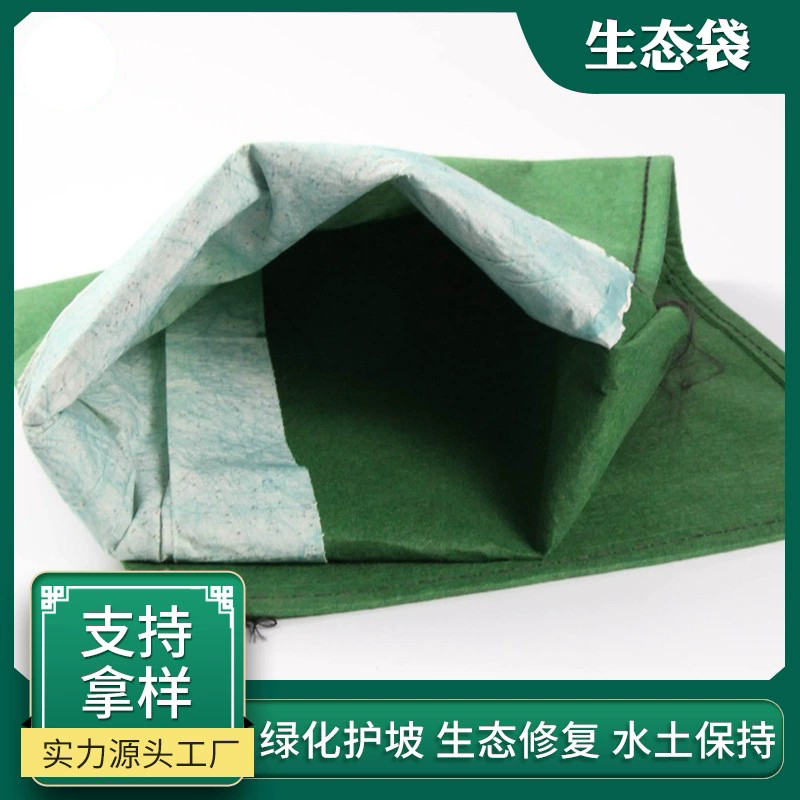





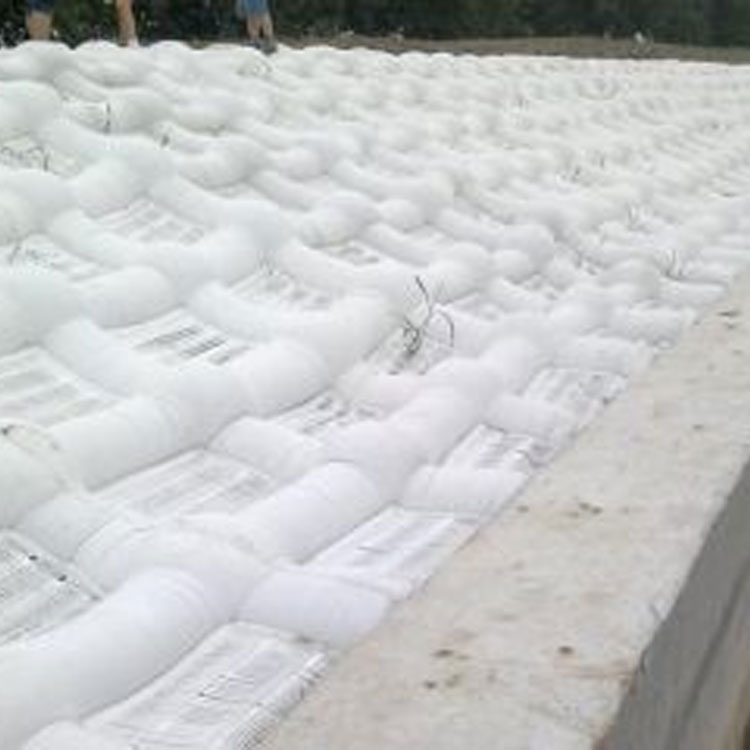
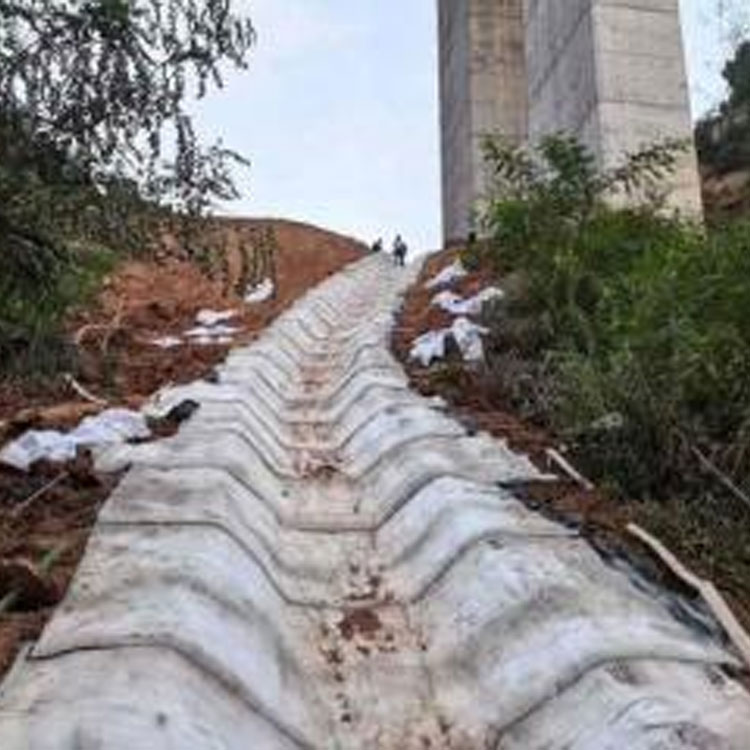
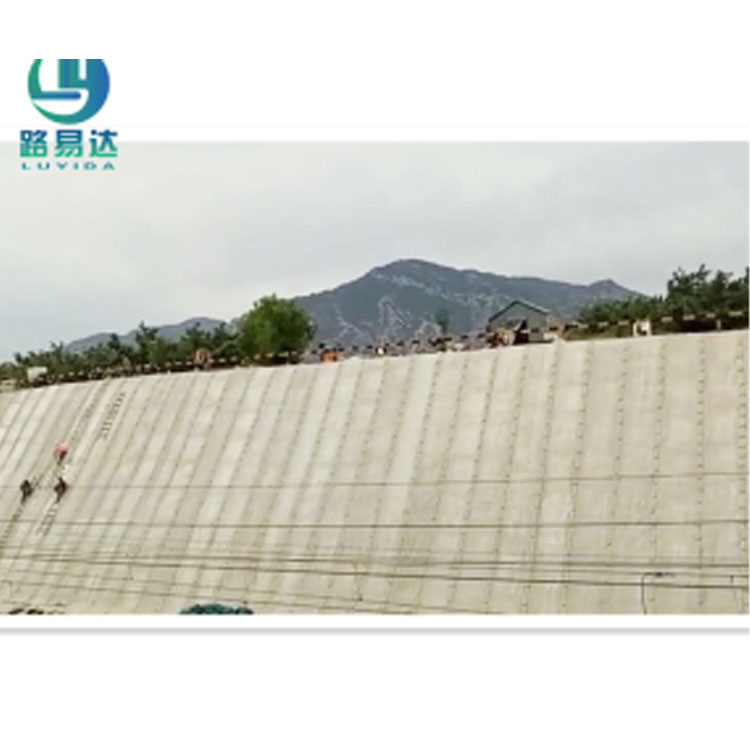
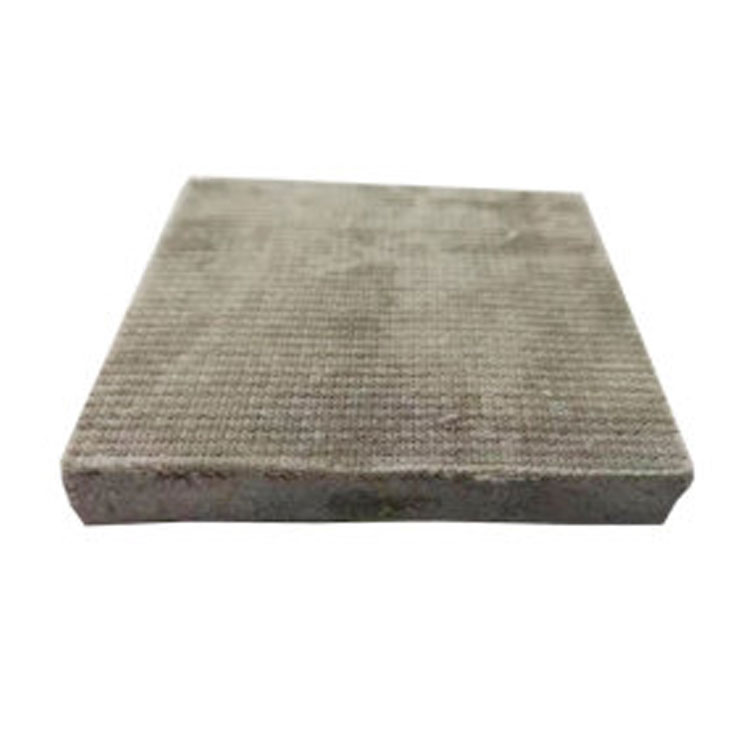
HDPE geomembrane (also known as waterproofing membrane), thickness ranging from 0.2-3mm; those over 0.8mm thick are called waterproof panels. It is a waterproof and barrier material based on polyethylene prime resin. Mainly composed of 97.5% high-density polyethylene, with approximately 2.5% of carbon black, anti-aging agents, antioxidants, UV absorbers, stabilizers, and other additives, offering strong waterproof and isolation properties.
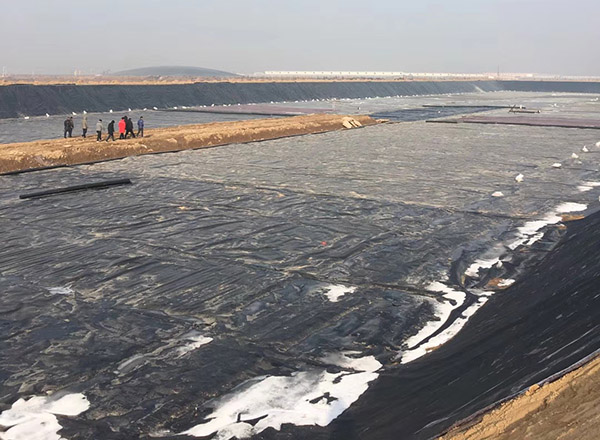
Application Scope:
Environmental Protection and Sanitation: Waste landfill sites, sewage treatment plants, power plant regulating ponds, industrial solid waste, etc.
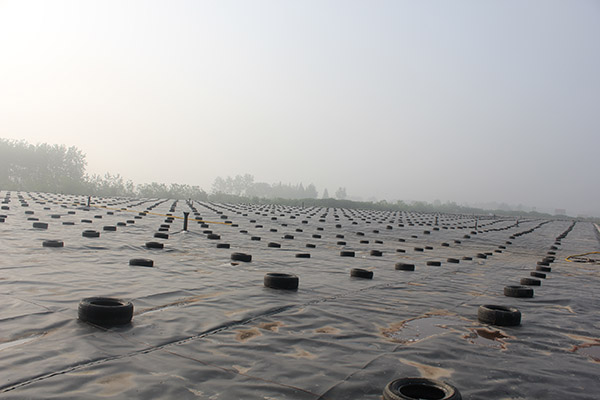
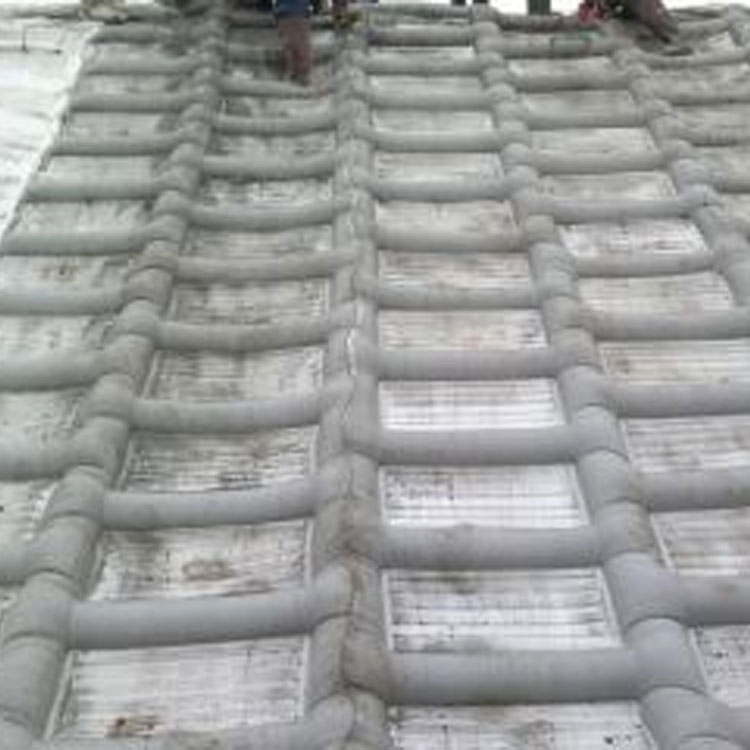
Hydrology: Seepage prevention, leak plugging, reinforcement of rivers, lakes, reservoir embankments, watercourse seepage prevention, vertical heart walls, slope protection, etc.
Municipal Engineering: subway systems, underground construction of buildings, green roofs, waterproofing for roof gardens, and internal lining for sewage pipelines.
Garden: Artificial lakes, watercourses, reservoirs, golf course pond linings, slope protection, waterproofing and moisture-proofing for green lawns, etc.
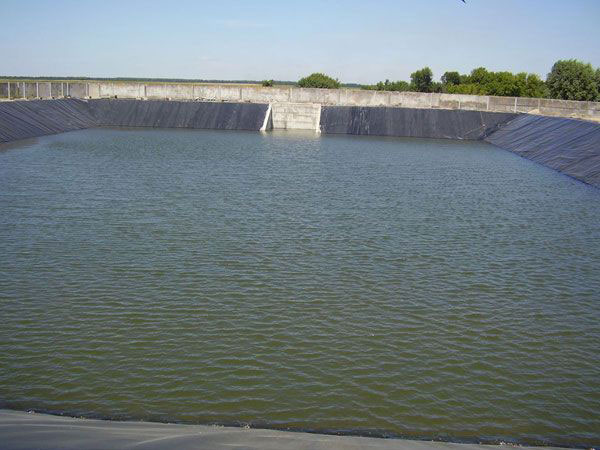
Petroleum: Tank lining for chemical plants, oil refineries, and gas stations; inner linings and secondary linings for reaction ponds and sedimentation ponds.
Mining: Slurry ponds, leach ponds, ash ponds, dissolution ponds, sedimentation ponds, stockpiles, and anti-seepage linings for tailings.
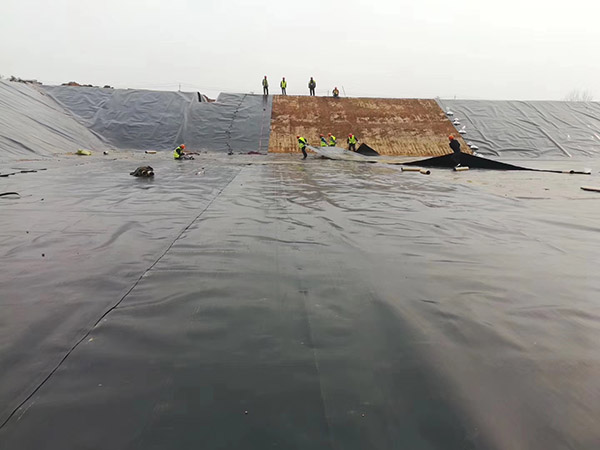
Agriculture: Reservoirs, drinking water ponds, water storage ponds, and impermeable irrigation systems
Aquaculture: Intensive and factory-style pond liners, fishponds, shrimp ponds, and sea cucumber cultivation slope linings.
Salt Industry: Saltfield crystallization ponds, brine ponds with covers, salt pond plastic shade cloths, etc.