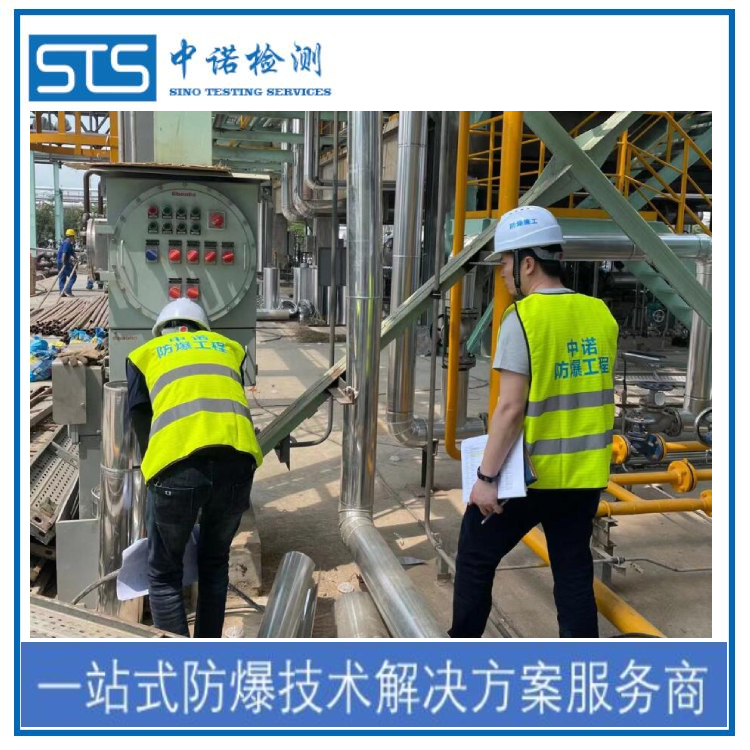
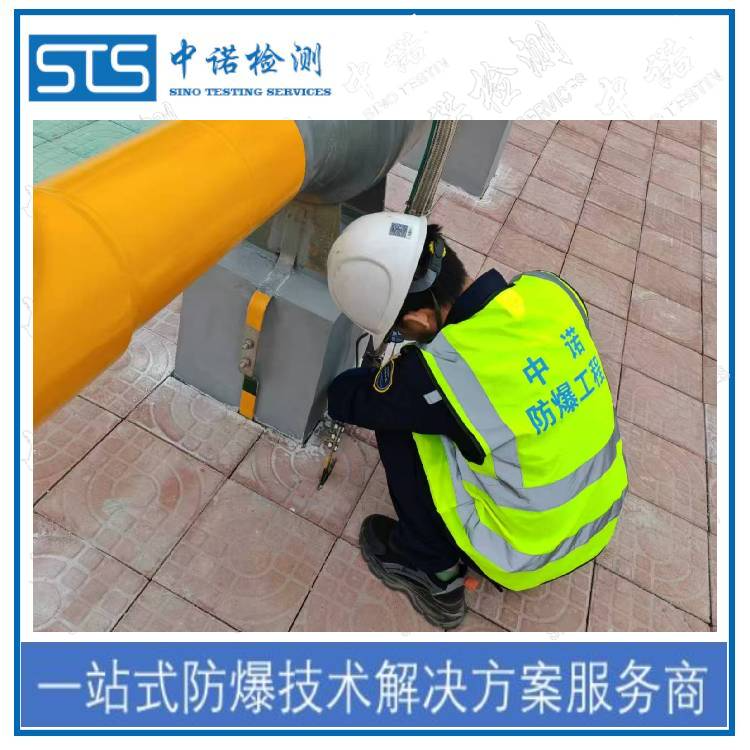









Understanding the inspection cycle for explosion-proof equipment is crucial, as it directly relates to production safety. Generally speaking, fixed installation explosion-proof electrical equipment typically requires professional periodic inspections no more than every 3 years. However, the actual inspection frequency may vary depending on the type of equipment, usage environment, and relevant regulations.
1. Understand different types of explosion-proof electrical inspections
Equipment/Inspection Type: Fixed installations should undergo regular inspections not exceeding every 3 years in accordance with GB3836.16-2024, AQ3009-2007. Mobile/portable equipment requires visual inspection before each use; general inspection annually; detailed inspection every 3 years. Initial inspection in accordance with GB3836.16-2024 is mandatory before installation completion and operation. Special circumstances may warrant a shortened cycle (e.g., harsh environment, past issues identified, stricter industry regulations).
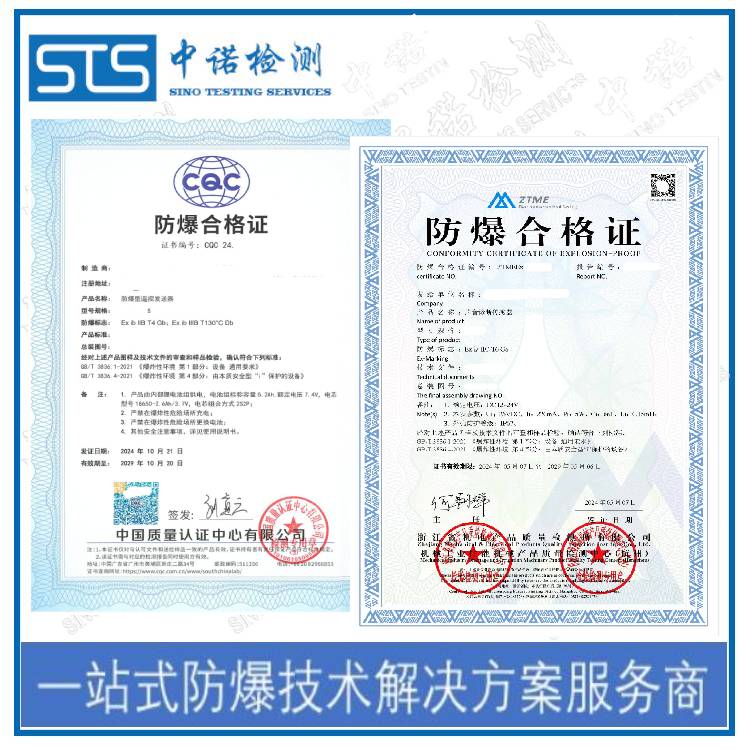
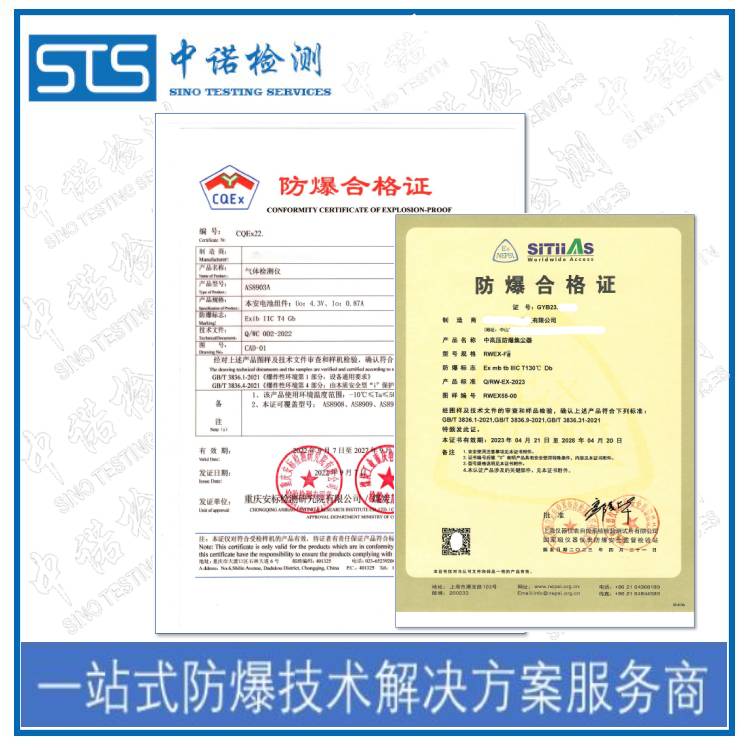
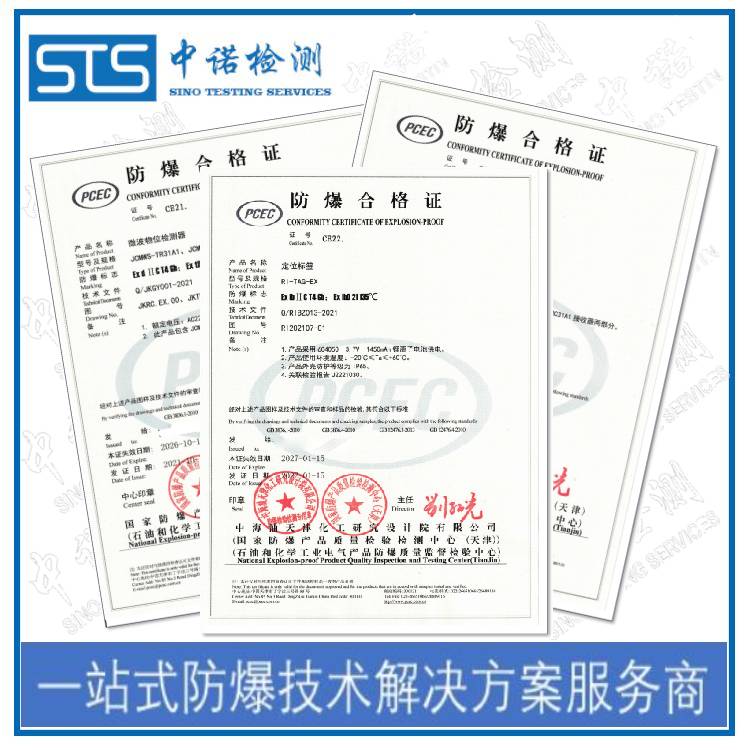
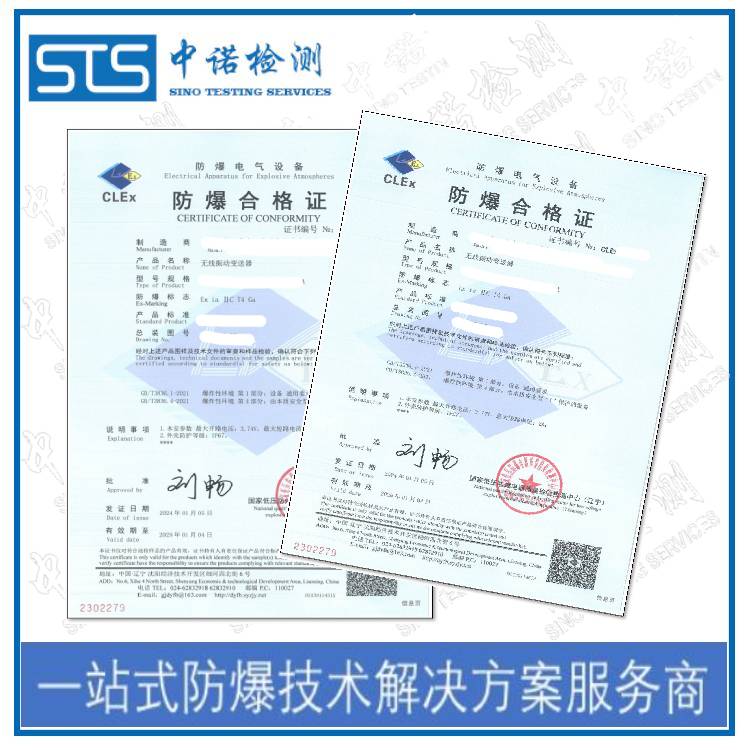
1. Initial Inspection: A comprehensive check performed before a new explosion-proof electrical device or equipment is put into operation. This is a crucial step to ensure the safety and compliance of the equipment from the very beginning, and must be conducted by a certification body with professional explosion-proof qualifications.
2. Regular Inspections: These are checks conducted during the use of the equipment to ensure the continuous effectiveness of its explosion-proof safety performance. The aforementioned "annual inspection" primarily refers to this type of regular inspection.
3. Daily and Continuous Supervision: In addition to professional regular inspections, the company's daily maintenance and checks are crucial. This includes daily visual inspections and condition monitoring of the equipment by professionals.
Section 2: Precautions
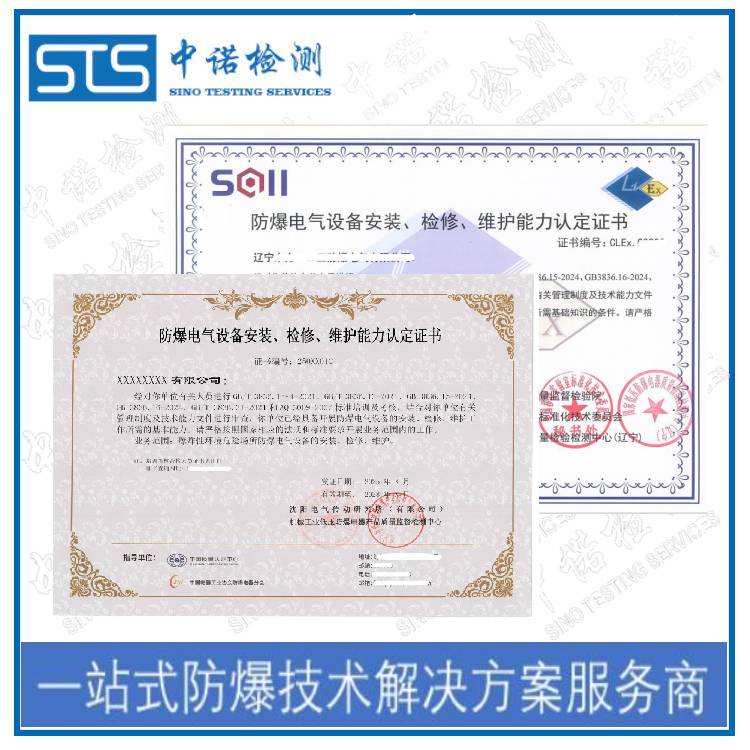
1. Testing agencies must be qualified: The inspection of explosion-proof electrical appliances is a highly professional task that must be entrusted to agencies with the corresponding qualifications.
2. Adjustable cycle: The standard 3-year cycle is the longest interval. If the equipment is in a particularly harsh environment (such as high temperature, high humidity, or corrosive), or if there have been many issues found in past inspections, the detection cycle should be appropriately shortened.
3. Adhere to stricter regulations: Certain specific industries (such as coal mining) may have more stringent regulations than national standards. Always prioritize the specific requirements of your industry.