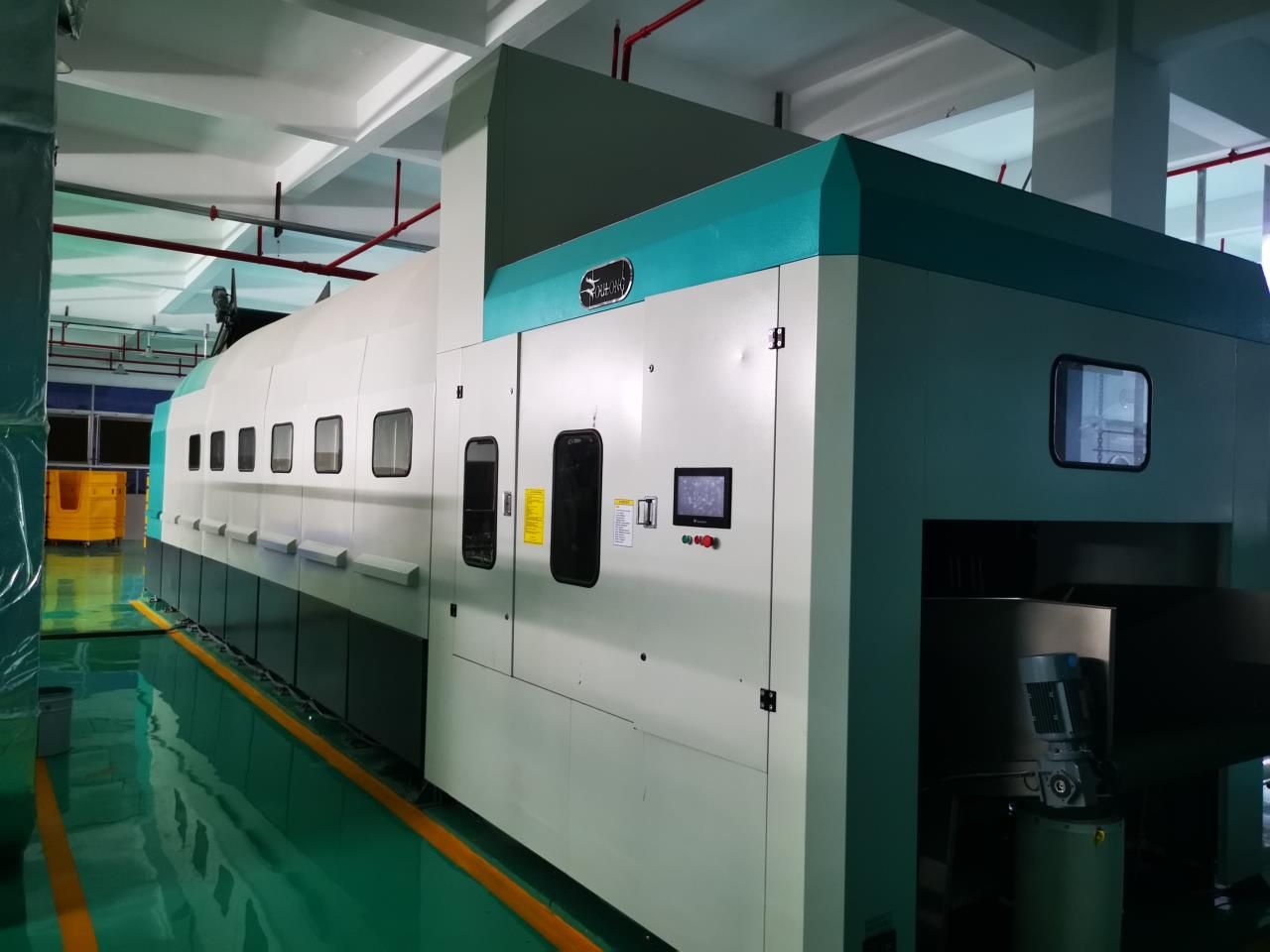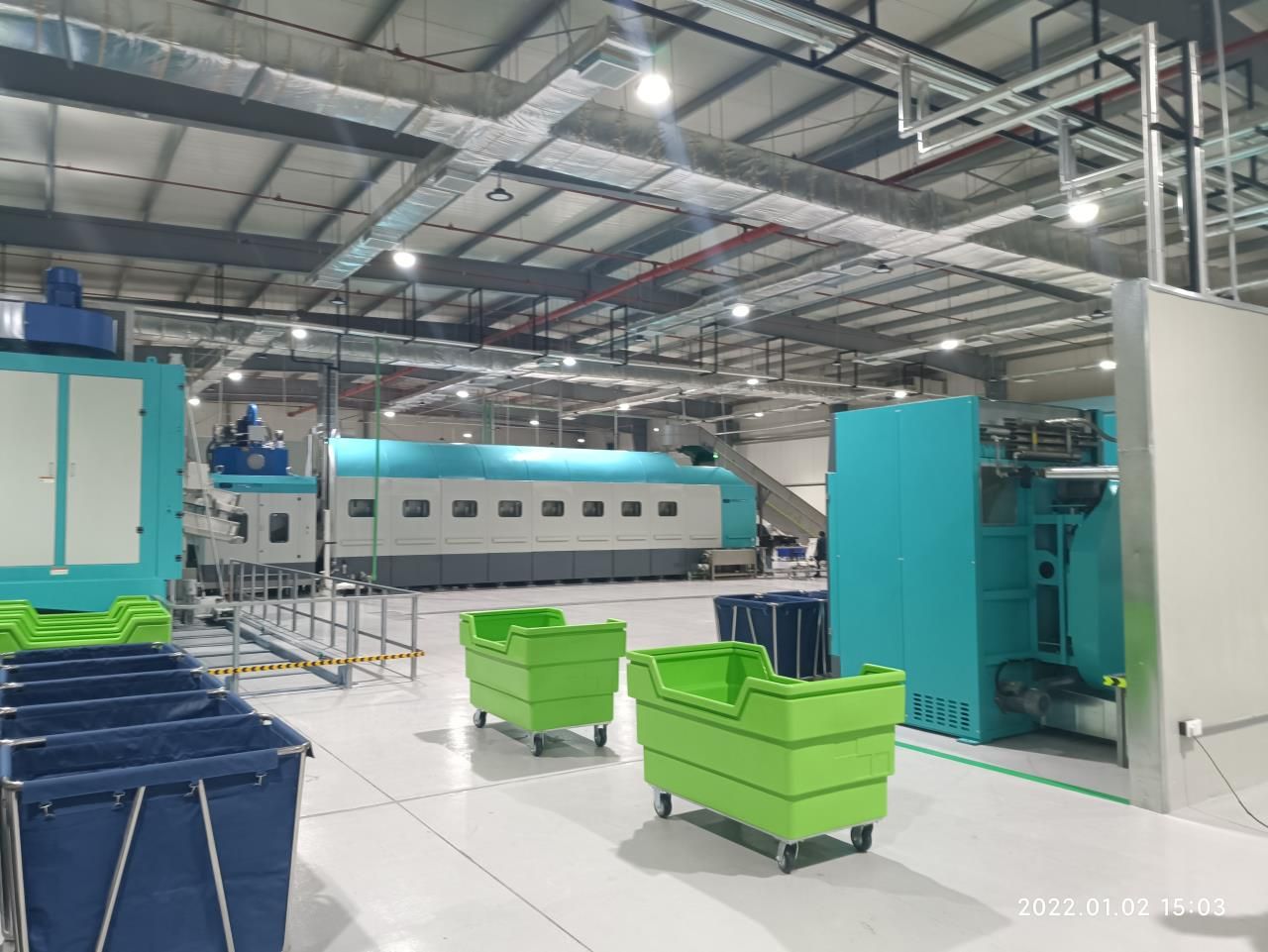













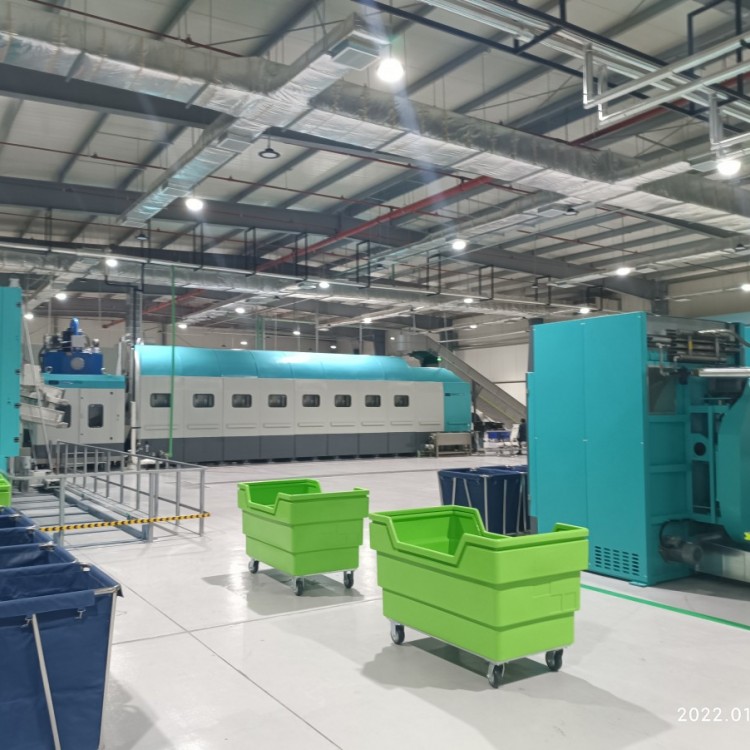

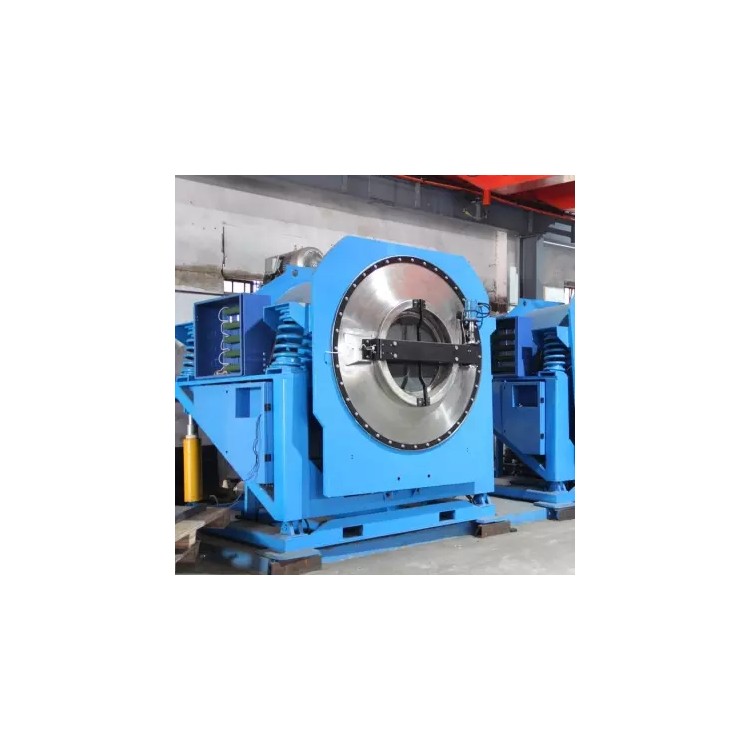
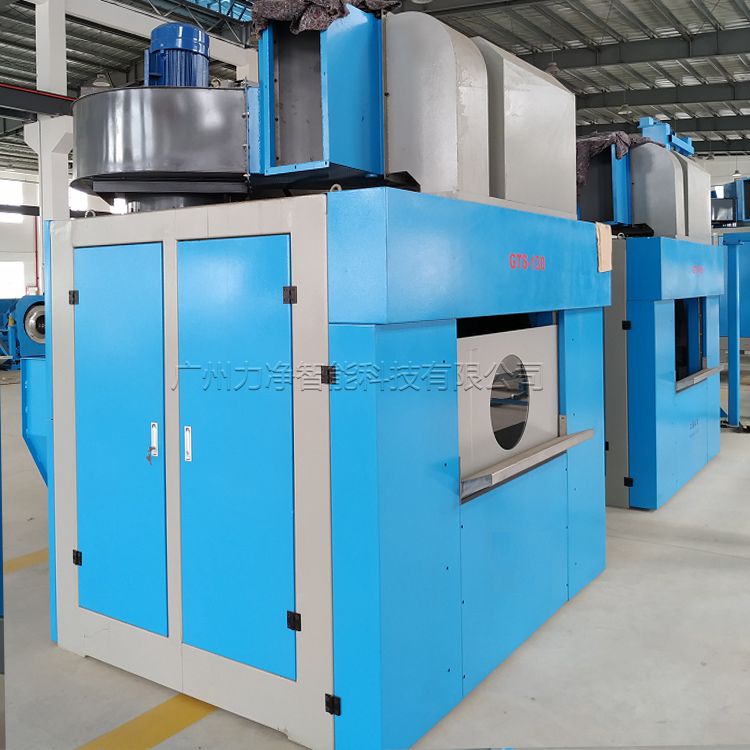
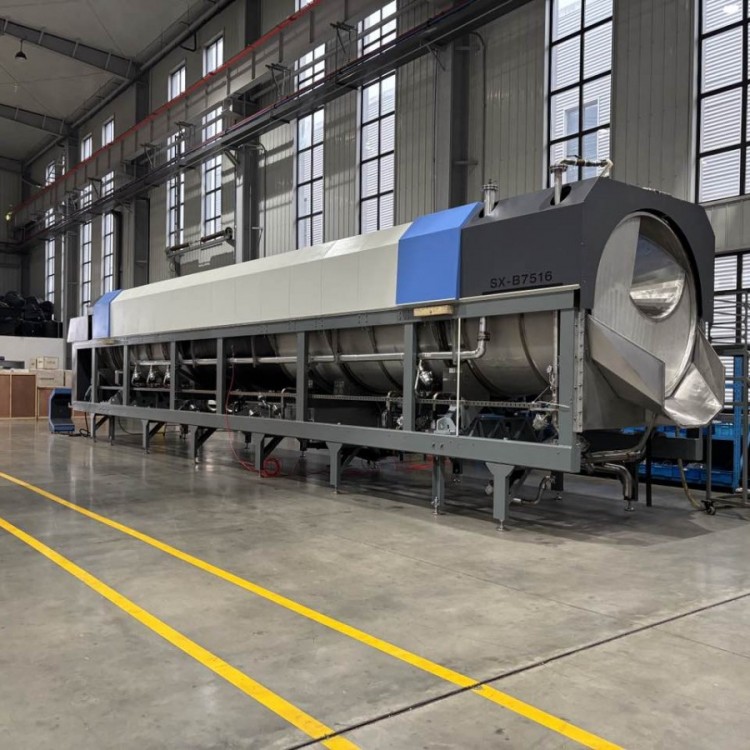
Laundry Conveyor Applications:
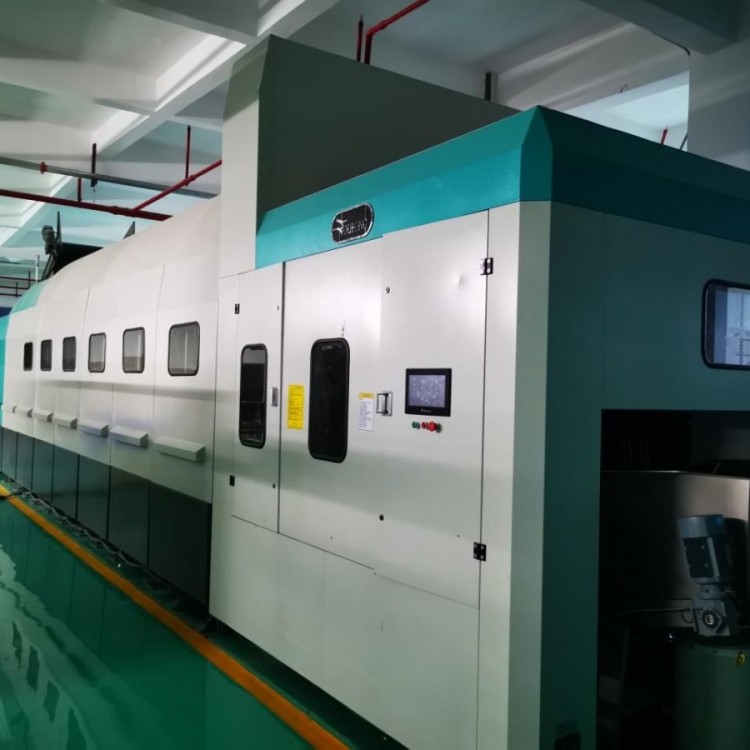
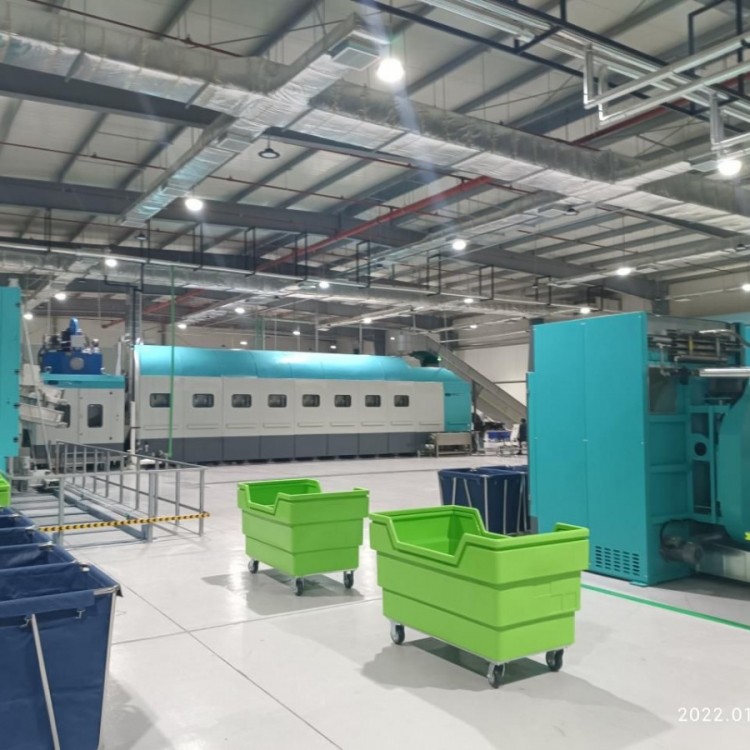
A Laundry Monster is a washing equipment primarily used in large laundries (or laundry factories) to perform functions such as washing, rinsing, and drying. It utilizes water recycling and filtration technology, significantly reducing water and steam consumption, achieving over 70% water savings and more than 60% electricity savings, and cutting labor costs by 80%. Additionally, the Laundry Monster boasts high reliability.
The operating principle of the washing dragon:
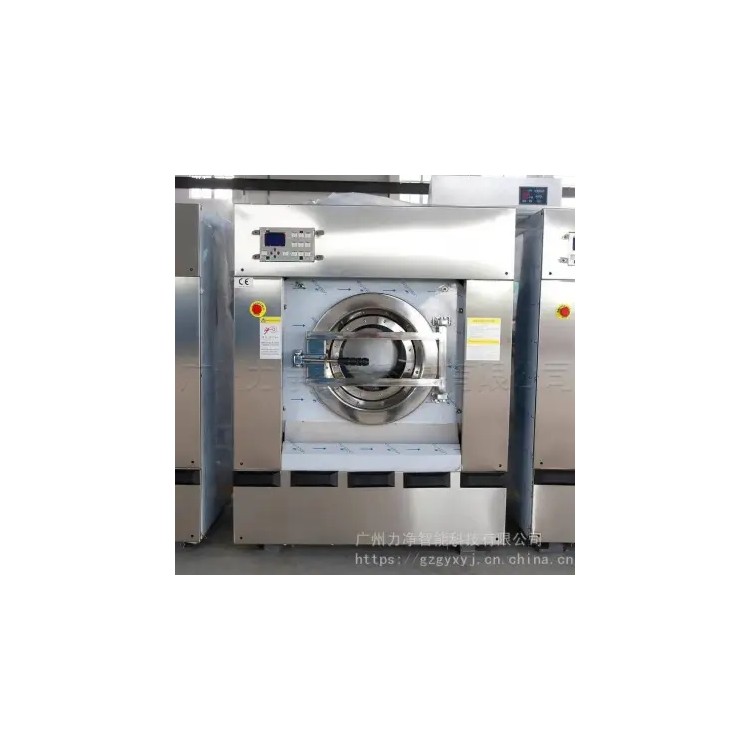
The washing drum operates primarily by utilizing rotating water streams and friction to remove dirt and sweat from clothing surfaces. Water injected into the washing drum creates a swirling current, and the rotating drum continuously rubs the clothes, while the chemicals in the detergent dissolve the dirt, allowing it to detach from the fabric. Additionally, due to the surfactants in the detergent, dirt and water mix and flow more easily, accelerating the cleaning process.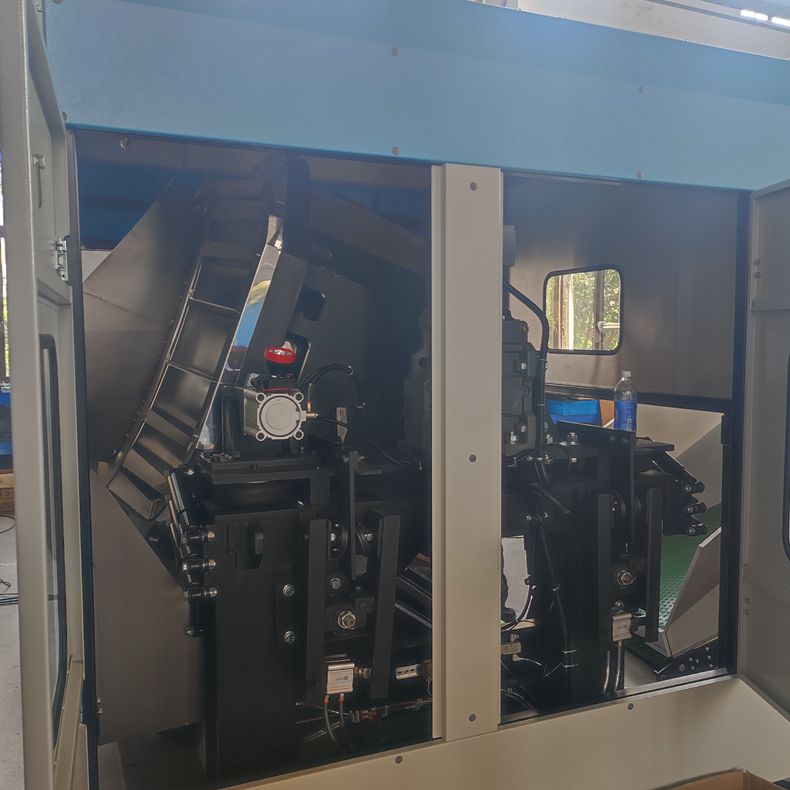
Laundry Conveyor Applications:
A laundry chain is a type of washing equipment, widely used in the following fields:
Industrial Sector: The laundry chain finds broad application in the industrial sector, such as in hotels, factories, and more. These locations often require substantial laundry services, and the laundry chain offers automated solutions that significantly enhance both efficiency and quality. In summary, the laundry chain is widely used across various fields, catering to diverse laundry needs.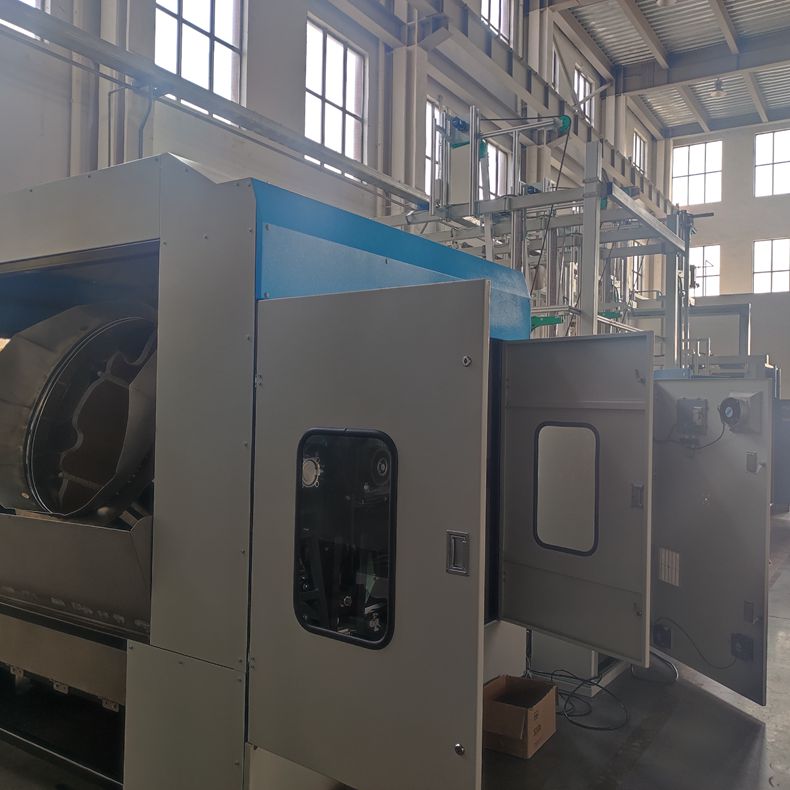
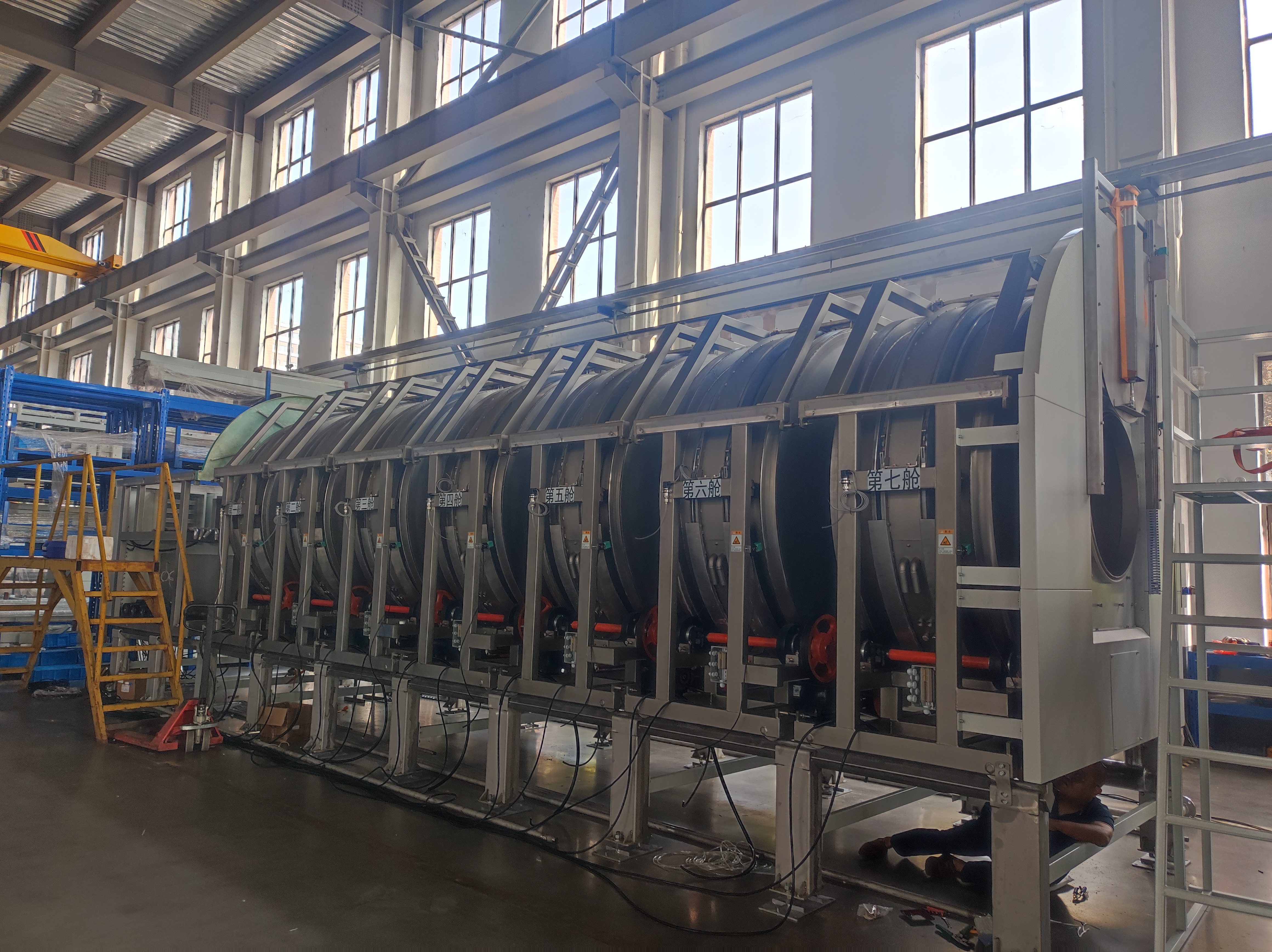
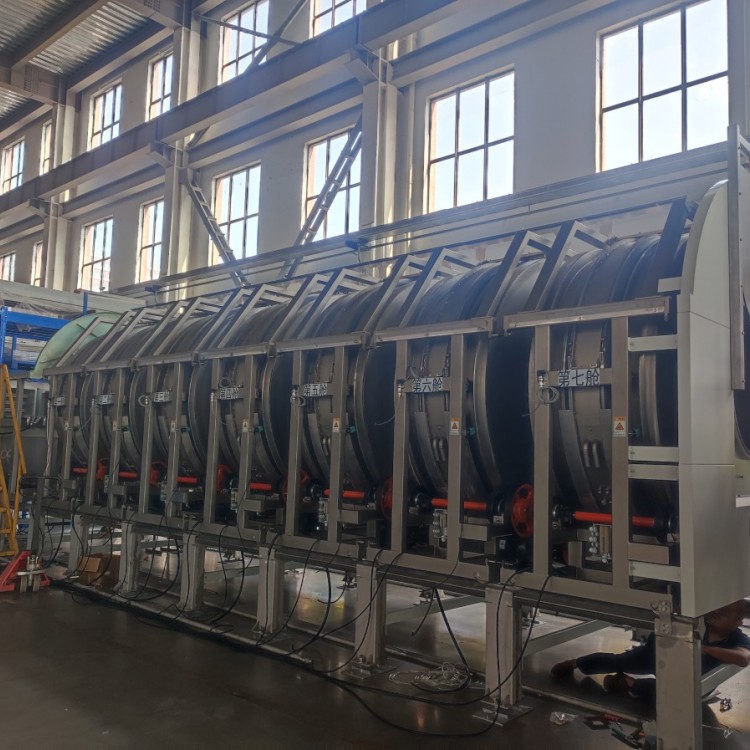
How many chambers does the laundry dragon have?
The laundry chain comes in models from 4 to 10 compartments, catering to various scenarios, washing capacities, and investment budgets.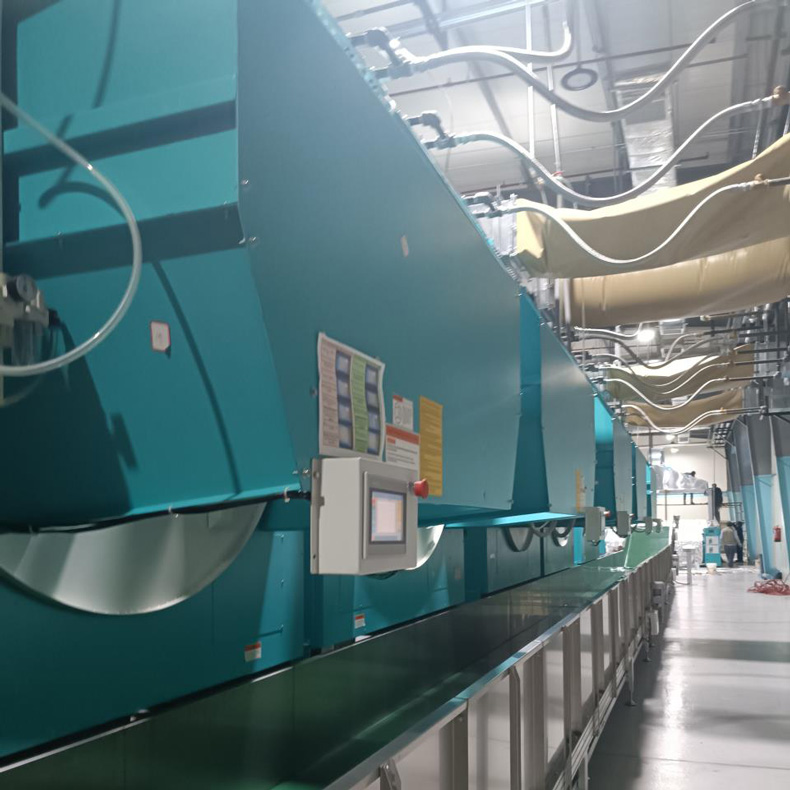
Laundry conveyor features:
The features of the laundry conveyor mainly include:
Washing: The washing tunnel offers efficient washing, rinsing, and drying functions, significantly enhancing the cleaning efficiency and quality.
Automation: The laundry conveyor utilizes automation technology to automatically complete various steps in the washing process, such as filling water, adding detergent, mixing, and rinsing, significantly reducing manual operations and labor costs.
Energy-saving and Environment-friendly: The laundry dragon utilizes energy-saving technologies such as water recycling and electrical energy utilization, significantly reducing energy consumption and environmental pollution.
High Reliability: The laundry conveyor features high reliability, utilizing materials and manufacturing processes that ensure long-term stable operation, reducing failure rates and maintenance costs.
Adaptable: The laundry conveyor is versatile to accommodate various washing needs and site environments, applicable in diverse locations and industries such as hotels, factories, commercial spaces, etc.
In summary, the Laundry Dragon is an automated, energy-saving, environmentally friendly, and highly reliable washing equipment suitable for various washing needs and site environments.
Laundry conveyor maintenance and repair
Maintenance and repair of the Laundry Dragon mainly includes the following aspects:
Regular Inspections: Conduct regular checks on all parts and systems of the laundry dragon, including the washing section, heating and cooling systems, pump and pipeline systems, and control systems, to ensure proper operation.
Replacement Parts: Replace worn or damaged parts as needed, such as washing drums, pumps, valves, etc.
Cleaning and Maintenance: Regularly clean and maintain the interior and exterior of the laundry chute, including sinks, drums, pumps, and the pipeline system, to ensure proper operation and hygiene.
Calibration and Adjustment: Regularly calibrate and adjust the washing dragon's control system to ensure accurate control of the washing process.
Maintenance Equipment: Regular maintenance is required for the equipment provided, such as dryers, irons, folding machines, etc., which includes cleaning, lubrication, and maintenance.
In summary, regular maintenance and repair are required for Laundry Dragon to ensure proper operation and extend its lifespan. Safety operations should be observed during maintenance to avoid accidents. For issues that cannot be resolved, it is recommended to contact a repair technician for inspection and repair.
WeChat Official Account

Scan to follow Official Account