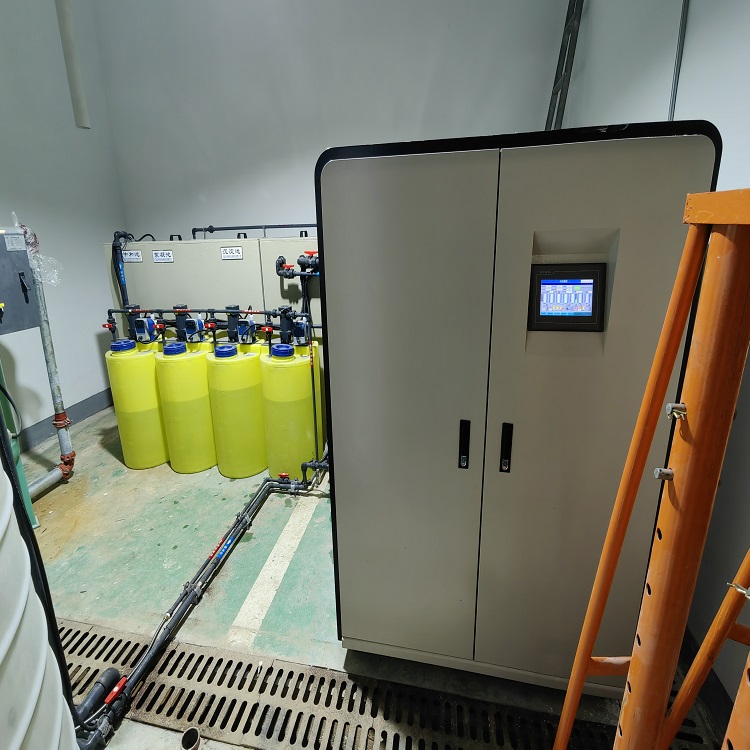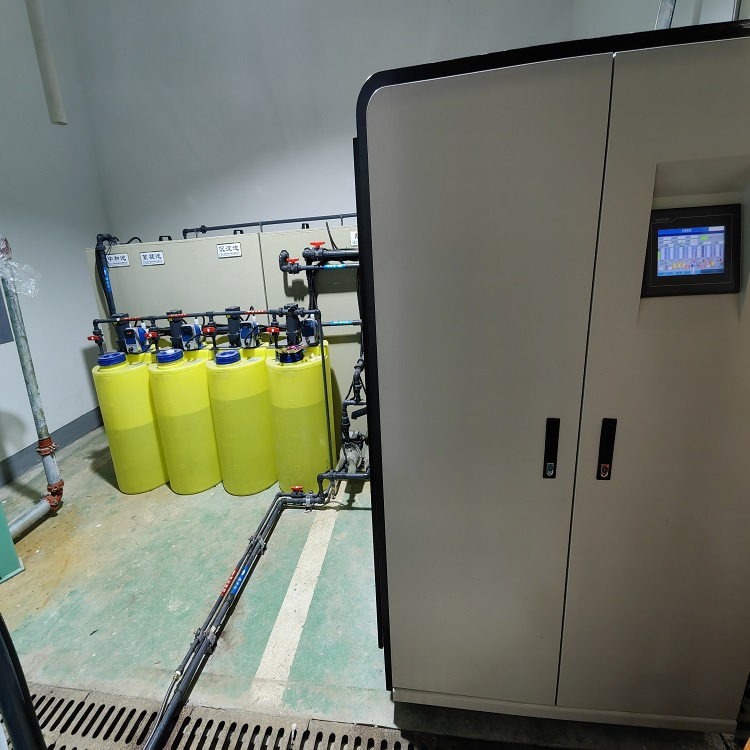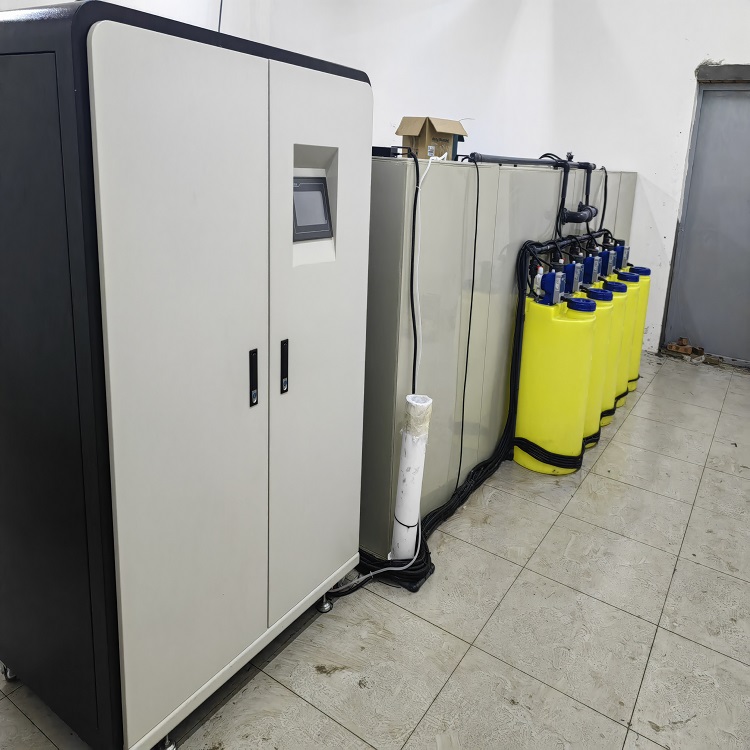

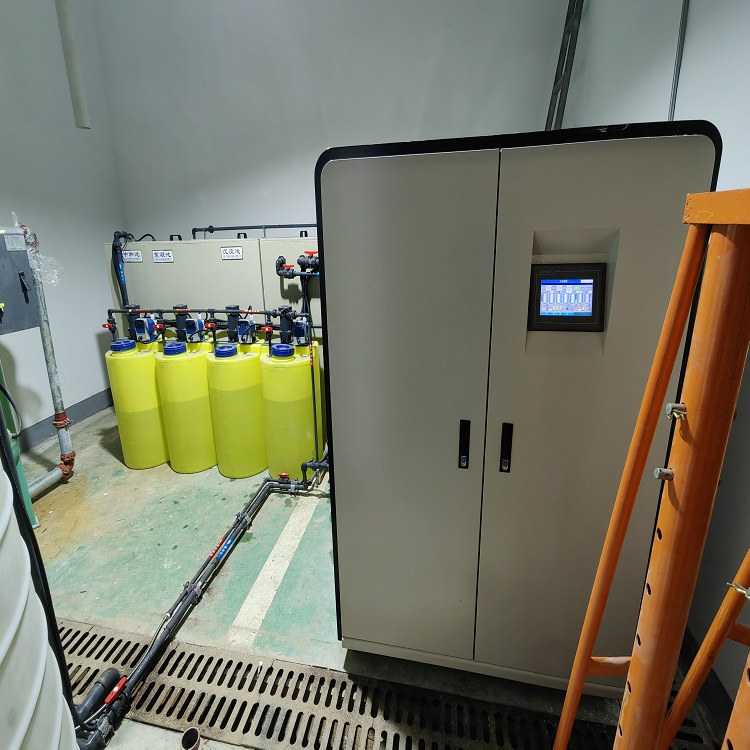













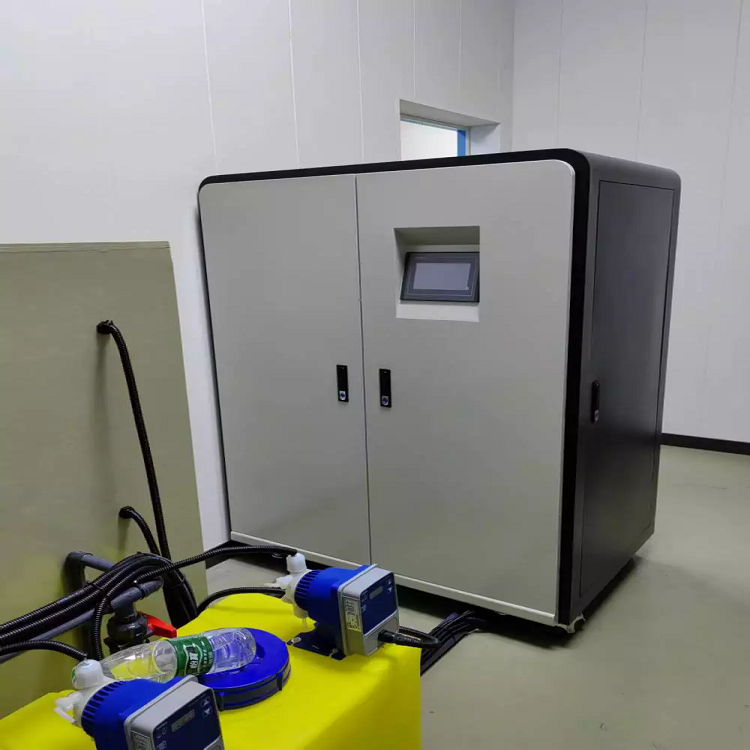
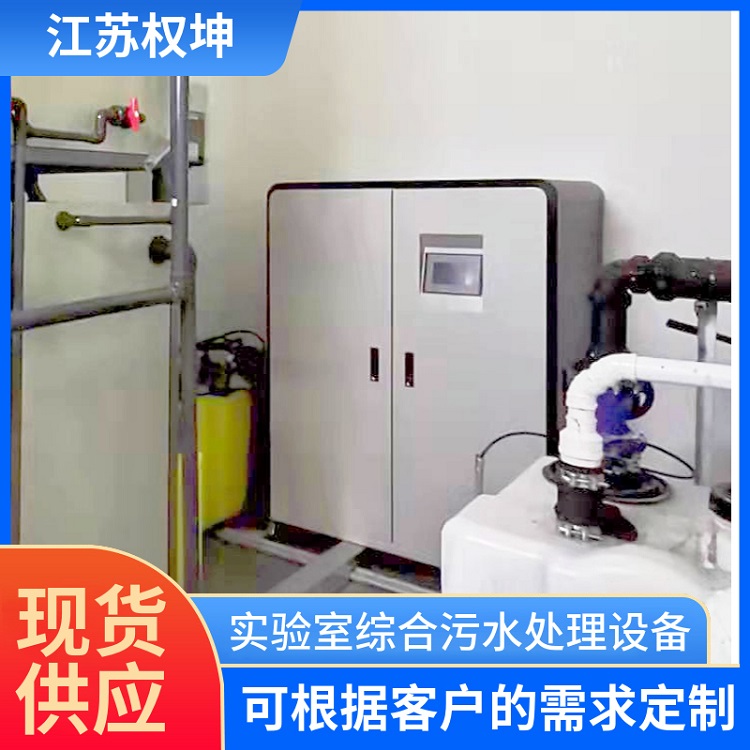
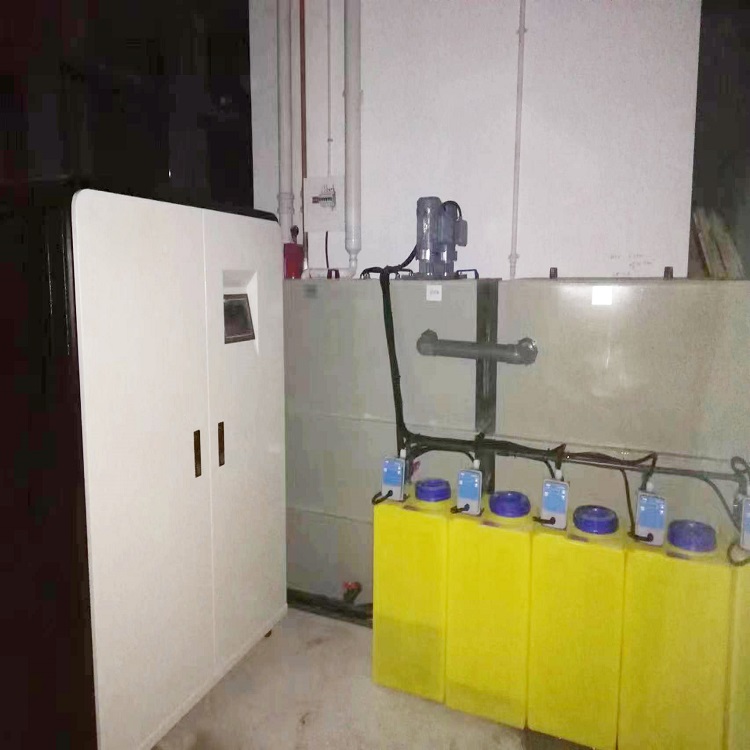
Integrated Waste Water Treatment System for Physical and Chemical Laboratory_Quankun Environmental Protection_Cutting Machine Waste Water Recycling Equipment
Laboratory wastewater treatment is often overlooked, and chemical laboratory wastewater causes a certain level of environmental pollution. The wastewater from research institutions, environmental monitoring centers, and pharmaceutical inspection facilities poses significant hazards. As chemical laboratory wastewater increases, many laboratories simply discharge untreated wastewater into the sewers. Given the complex composition of experimental wastewater, which contains a high concentration of acids, alkalis, hexavalent chromium, arsenic compounds, phenols, benzene, and other toxic and harmful substances, direct discharge will undoubtedly pollute the drinking water and living environment of the public. It is imperative to find an economical, efficient, energy-saving, and environmentally friendly treatment process for chemical laboratory wastewater.

By Pollutant Nature Classification:
Based on the nature of the main pollutants in wastewater, it can be categorized into organic, inorganic, and biological laboratory wastewater. Organic laboratory wastewater includes commonly used organic reagents and samples, such as phenols, benzene, nitro compounds, etc. Inorganic laboratory wastewater primarily contains strong acids, strong bases, heavy metals, arsenic compounds, etc. Biological wastewater often originates from biosafety laboratories, with pollutants including culture media, culture substrates, and liquid biological specimens tested in the lab, such as blood, urine, sputum, vomit, etc. There are also a small amount of laboratory utensils and animal cage rinse water, with pollutants mainly being pathogenic bacteria, free of heavy metal ions, with good biodegradability, and a high content of pathogenic microorganisms.

Operations and Maintenance Management of Laboratory Wastewater Treatment Equipment
Regularly inspect equipment operation, record key parameters, and promptly identify and resolve issues.
Follow the equipment manual for regular cleaning, replacement of consumables, and instrument calibration to ensure stable performance.
Develop emergency response plans for unforeseen events such as wastewater spills and equipment failures, ensuring swift action and minimizing environmental impact.
Regularly train staff on equipment operation, safety regulations, and environmental knowledge to enhance operational skills and environmental awareness.
Regularly test water quality, compare against discharge standards, compile water quality monitoring reports, which serve as the basis for equipment performance evaluation.


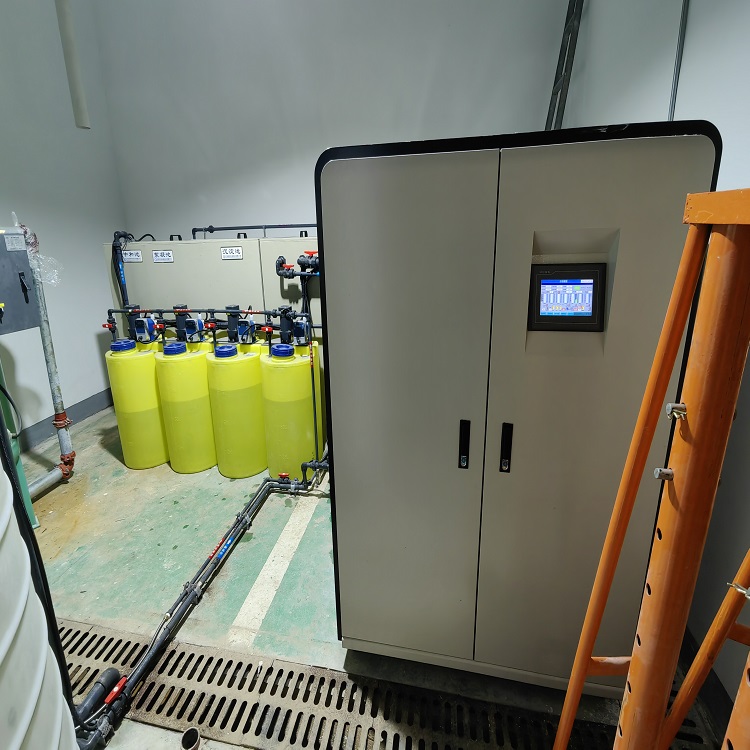
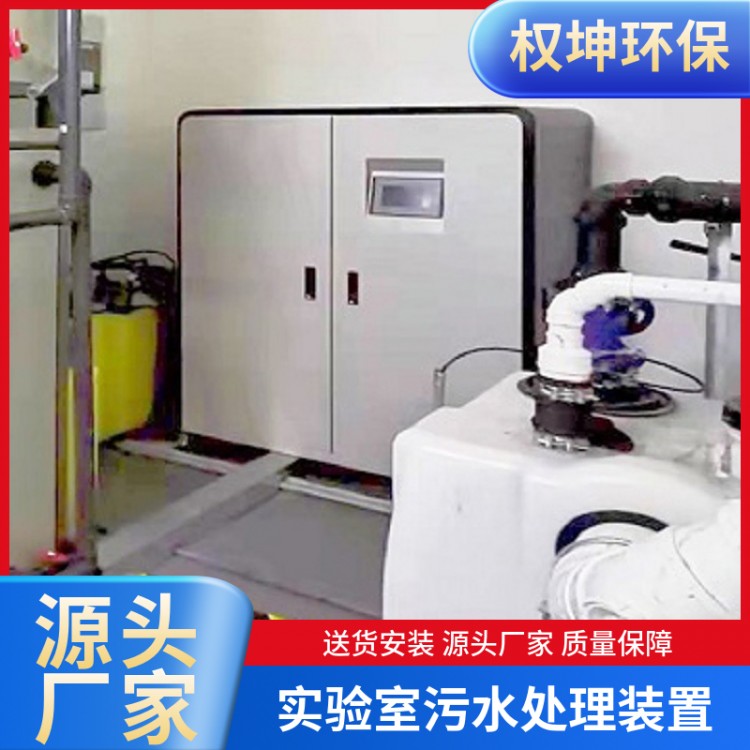
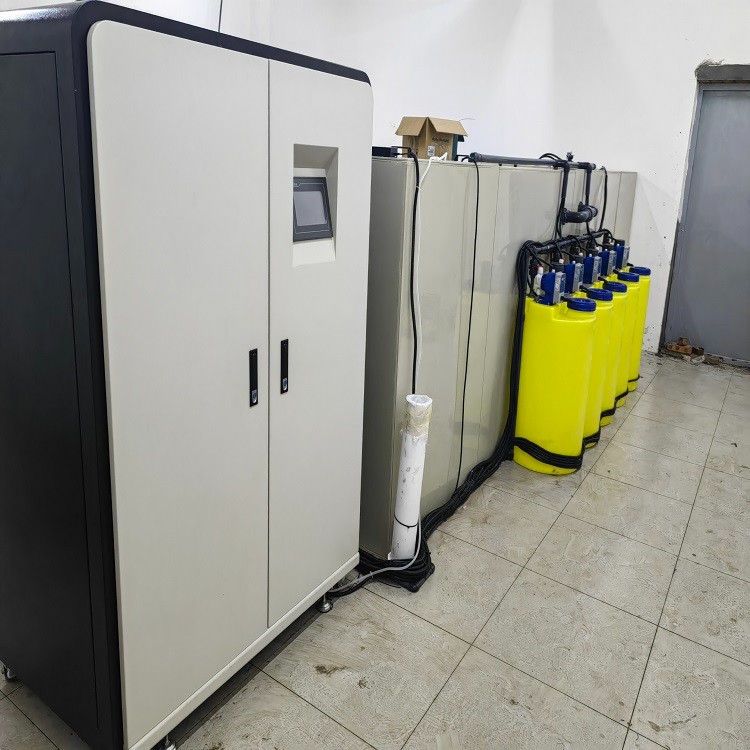
Integrated Waste Water Treatment Equipment for Physical & Chemical Laboratory, Quankun Environmental, Waste Water Reuse Equipment for Cutting Machine
Laboratory wastewater treatment equipment is widely used in universities, colleges, research institutions, medical facilities, pharmaceuticals, disease control centers, environmental supervision, product quality inspection, inspection and quarantine, drug inspection, blood stations, animal husbandry, hospitals, petrochemical industries, and various laboratory and analytical laboratories. After treatment, the wastewater meets the first, second, and third-grade standards of the Comprehensive Wastewater Discharge Standard [GB8978-1996]. The treated wastewater can be discharged into the municipal sewage network or further utilized through additional treatment processes.