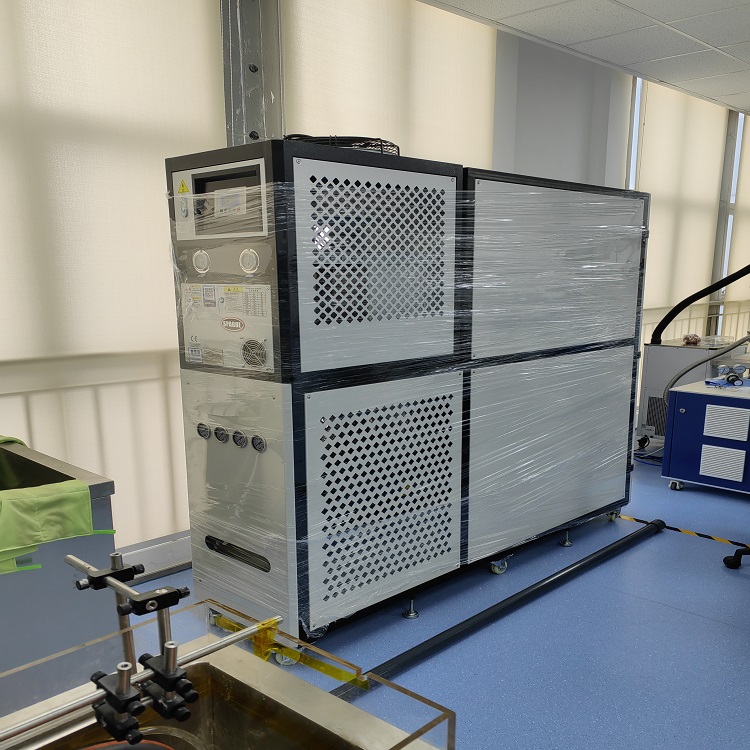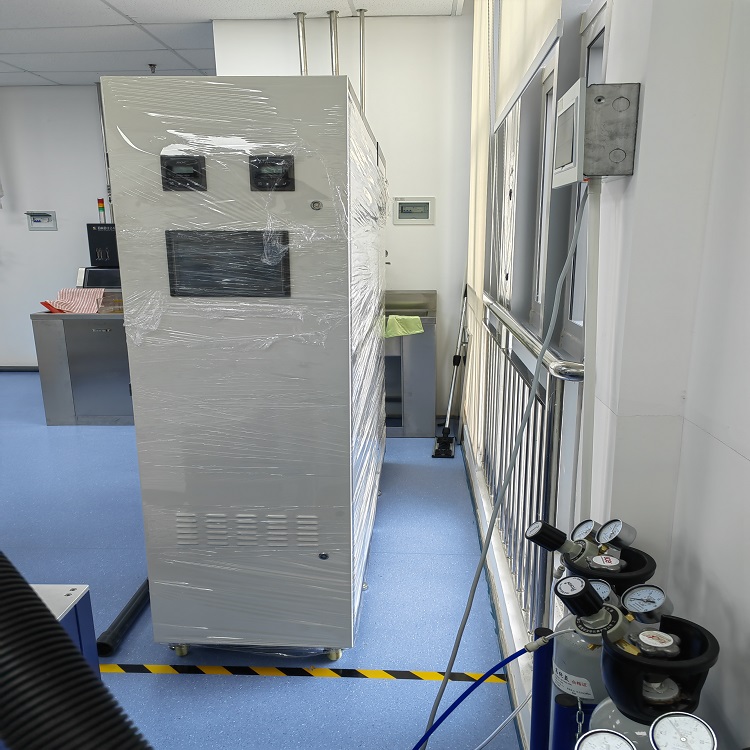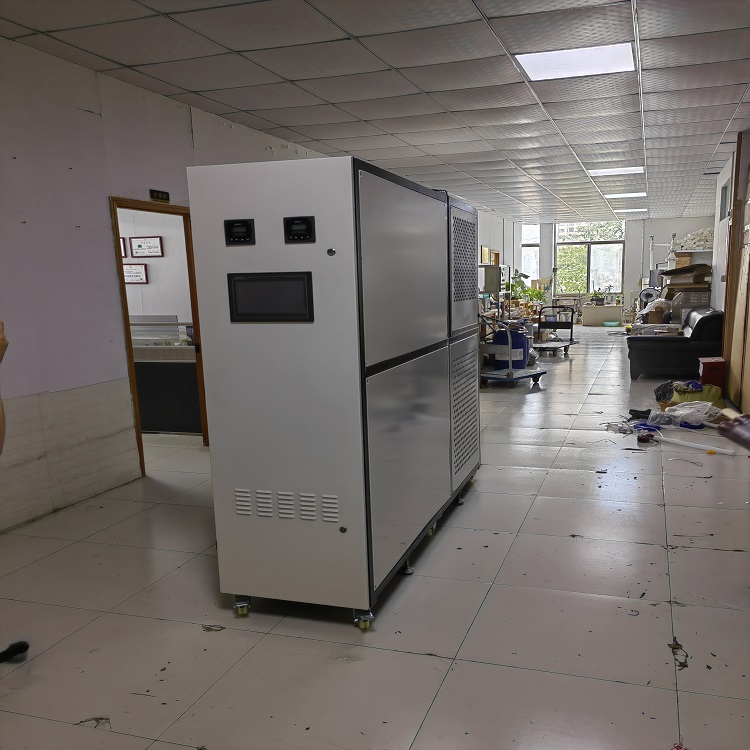

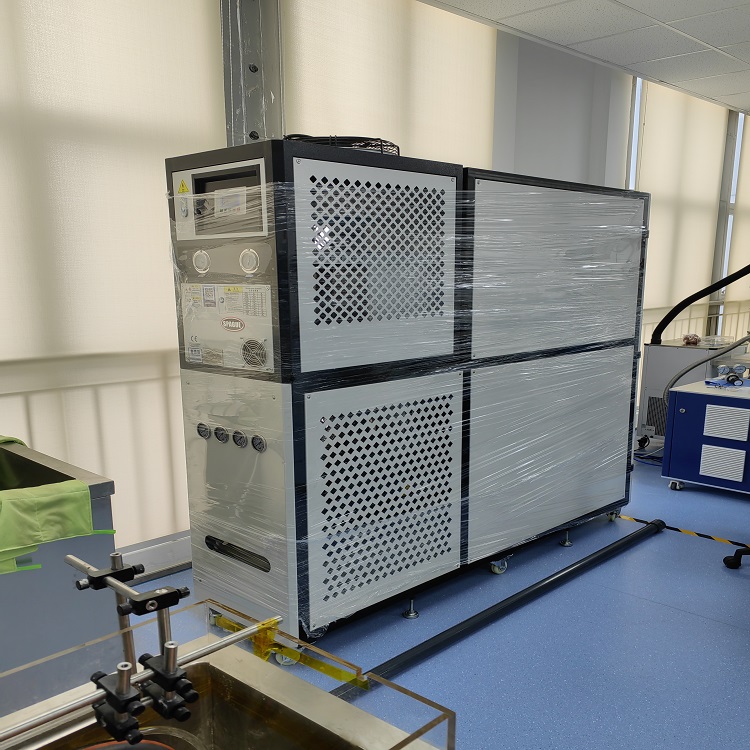

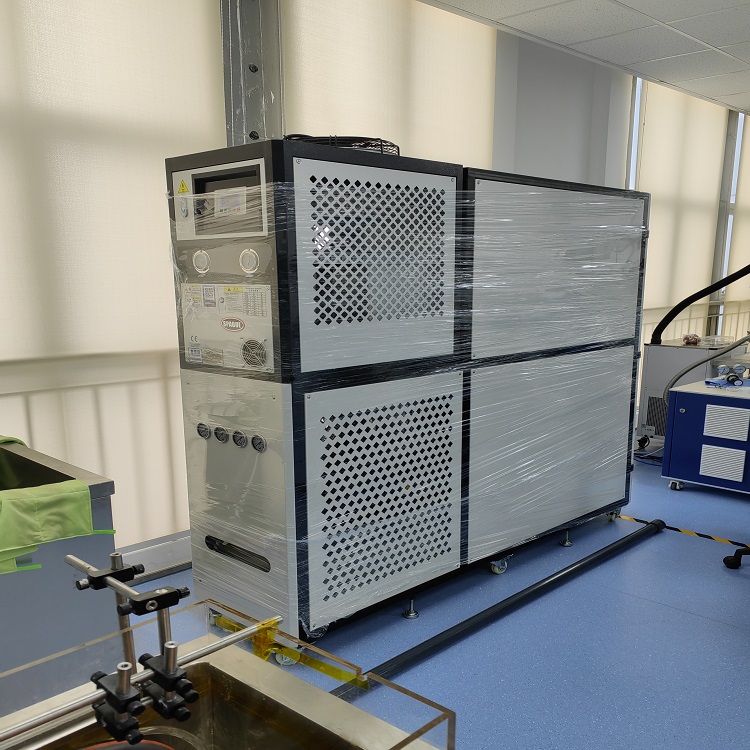
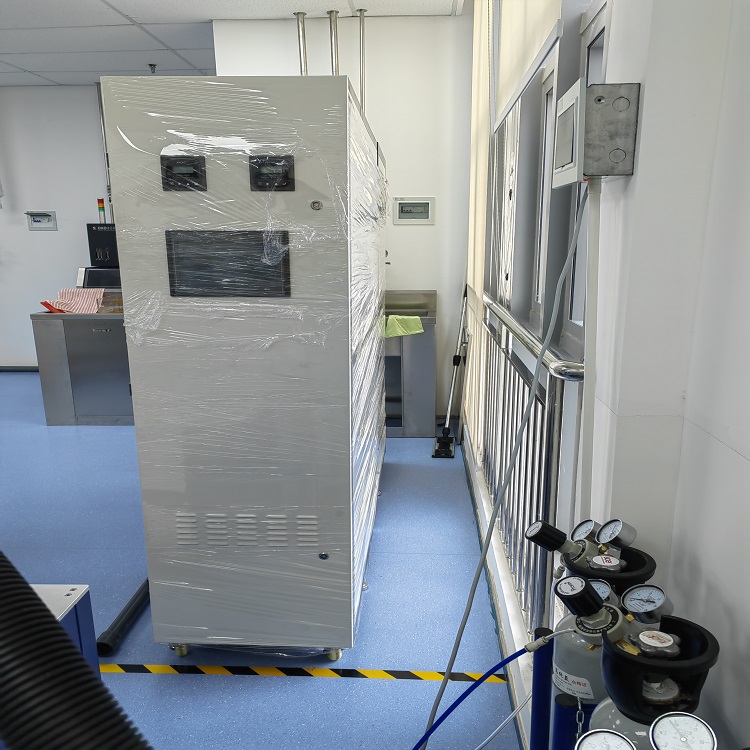
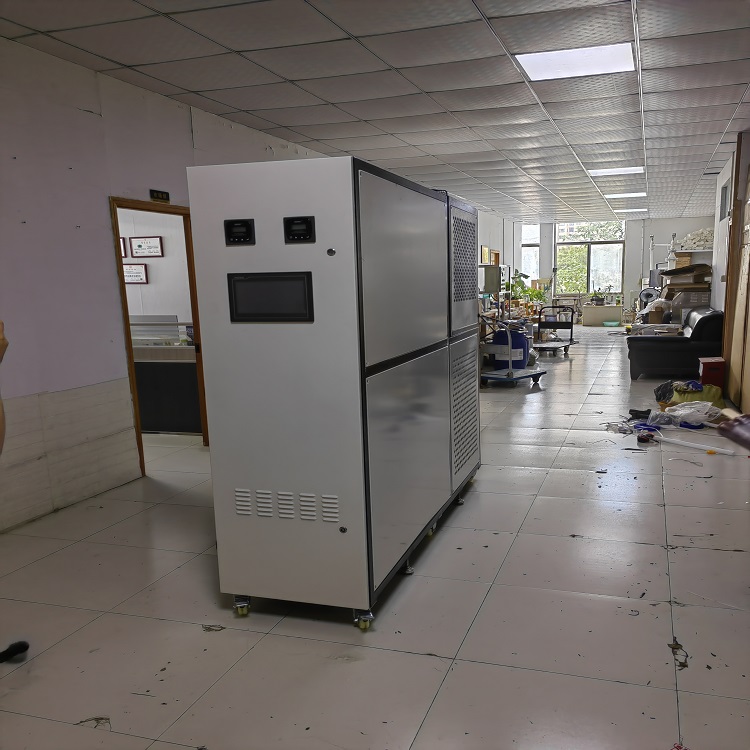












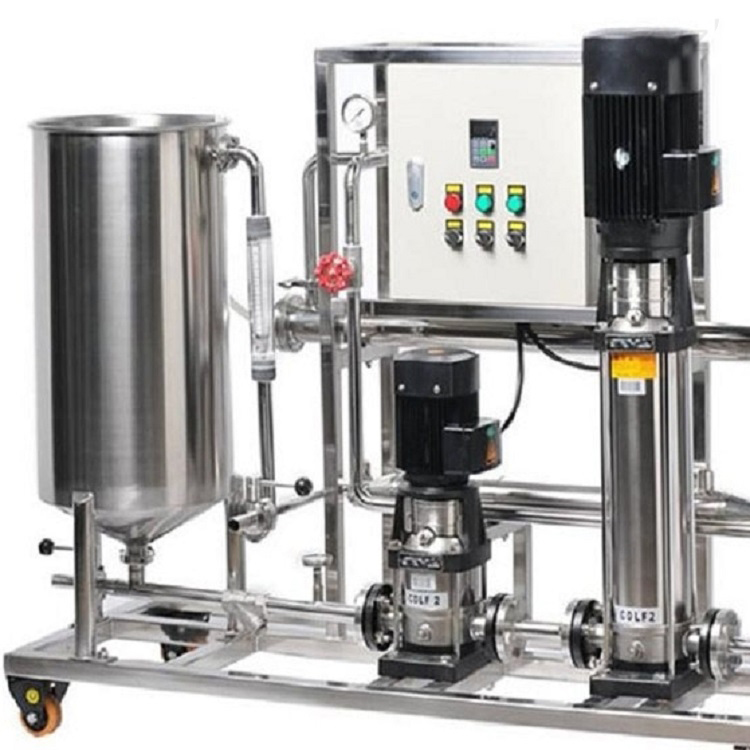
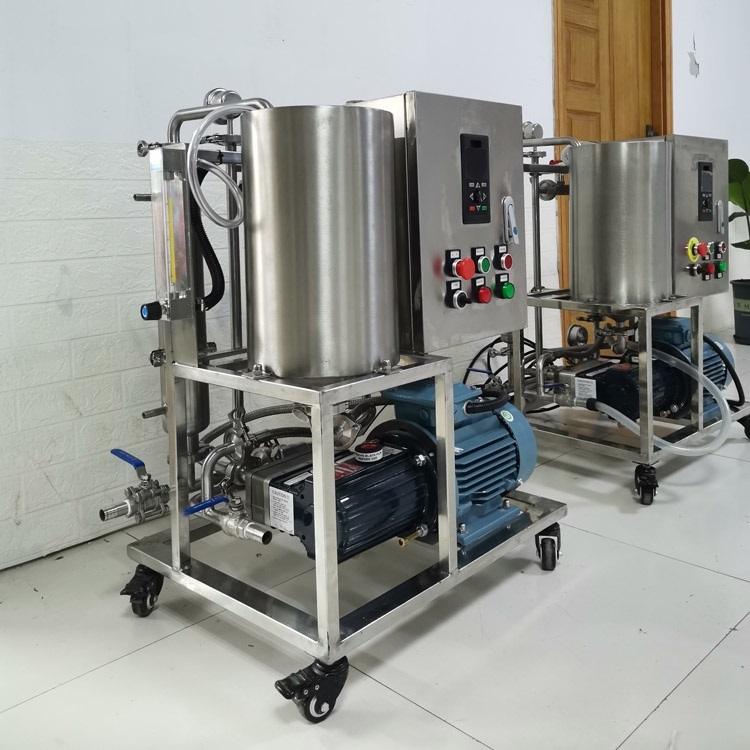
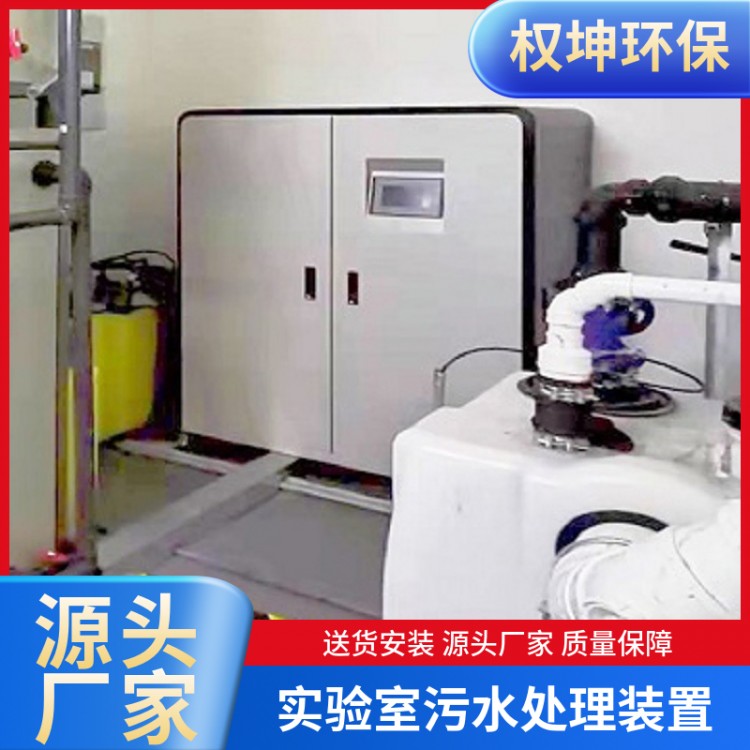
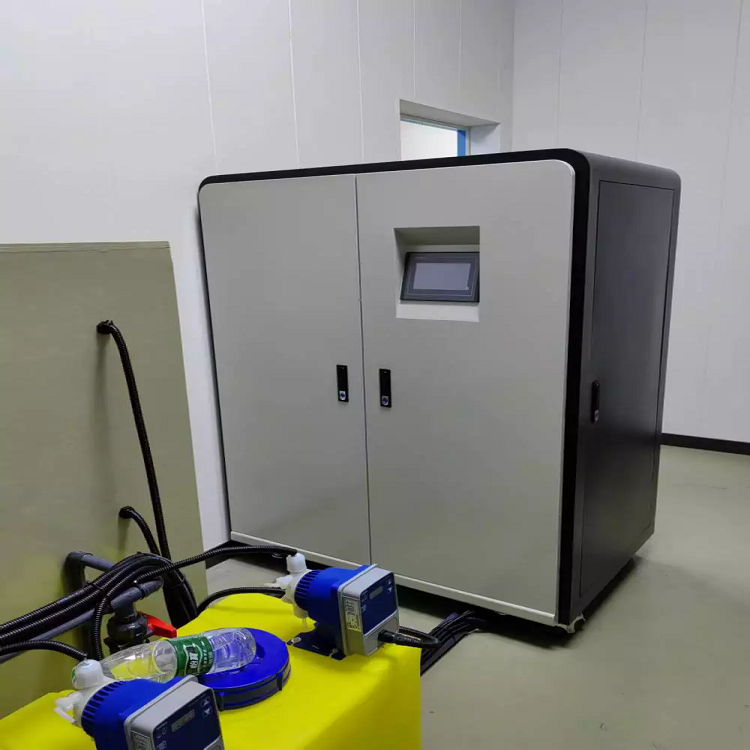
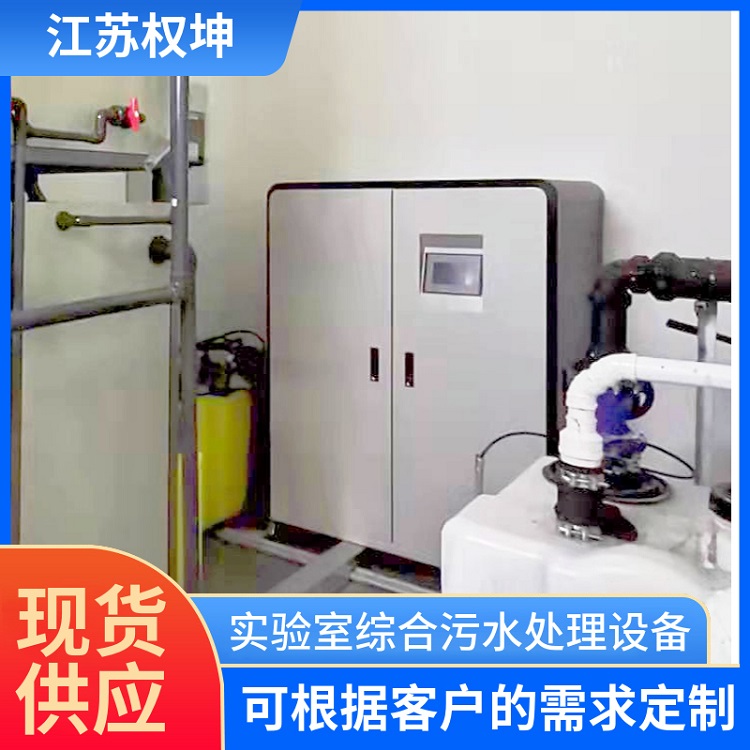
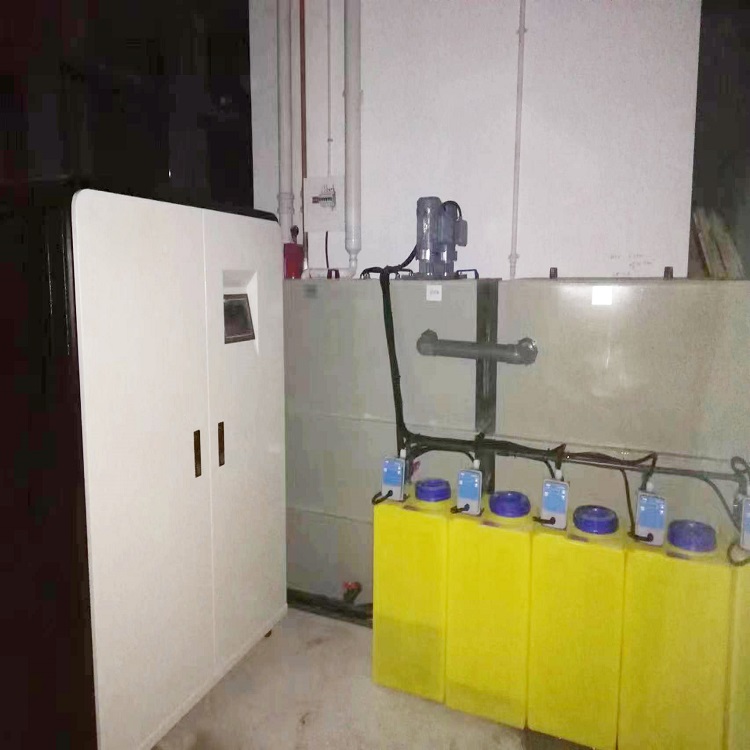
Metalworking Fluid Wastewater Treatment Equipment - Zero Discharge System - Chemical Wastewater Treatment Equipment - Comprehensive After-Sales Support
Wastewater treatment equipment for metalworking fluids plays a crucial role in modern industrial production. As manufacturing rapidly develops, the issue of wastewater generated during metalworking becomes increasingly prominent, causing severe environmental pollution and affecting the sustainable development of enterprises. Therefore, efficient and reliable wastewater treatment equipment for metalworking fluids has become a key factor in corporate environmental upgrading.

The working principle of metalworking fluid wastewater treatment equipment primarily relies on the integrated application of physical, chemical, and biological treatment technologies. Initially, the wastewater undergoes a pretreatment stage to remove large particles and oils, laying the groundwork for subsequent deep treatment. This stage typically includes devices such as grille filters, sedimentation tanks, and oil-water separators. Grille filtering can intercept large solid particles in the wastewater, preventing blockages in subsequent treatment units; sedimentation tanks utilize gravity to settle suspended solids to the bottom, forming sludge; oil-water separators then physically or chemically separate oils from the wastewater, reducing the oil content.
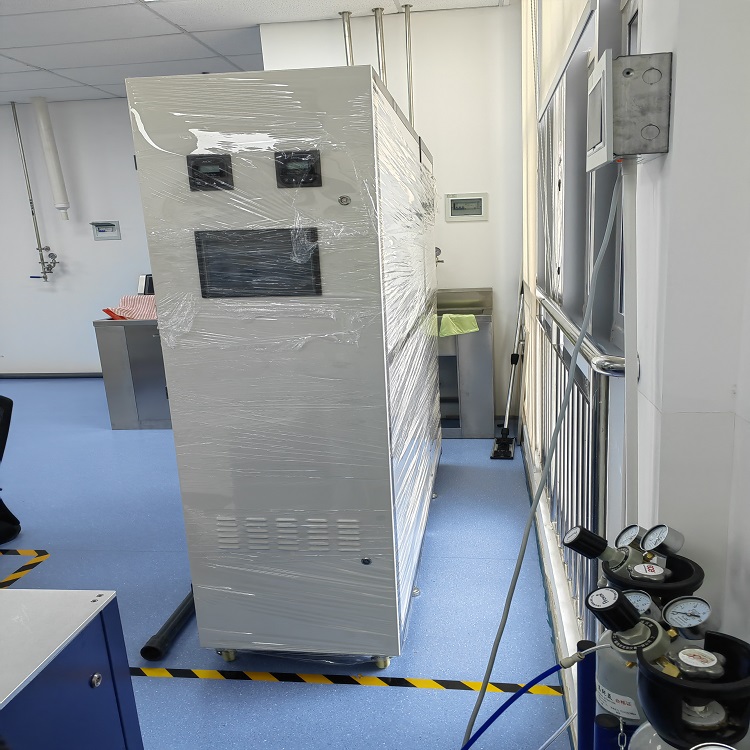
After pretreatment, the wastewater enters the advanced treatment phase, where the core process is to remove dissolved pollutants and heavy metal ions from the wastewater. Common advanced treatment methods include coagulation and sedimentation, oxidation-reduction, membrane separation, and biological treatment. Coagulation and sedimentation involves adding coagulants to the wastewater to aggregate colloidal particles and dissolved organics into larger particles, which are then removed by sedimentation. Oxidation-reduction utilizes oxidizing or reducing agents to convert harmful substances in the wastewater into harmless or low-toxic substances. Membrane separation technology separates solutes and solvents in the wastewater using membranes with different pore sizes to purify the wastewater. Biological treatment uses microbial metabolism to convert organic matter in the wastewater into inorganic matter, while also removing nutrients such as nitrogen and phosphorus.
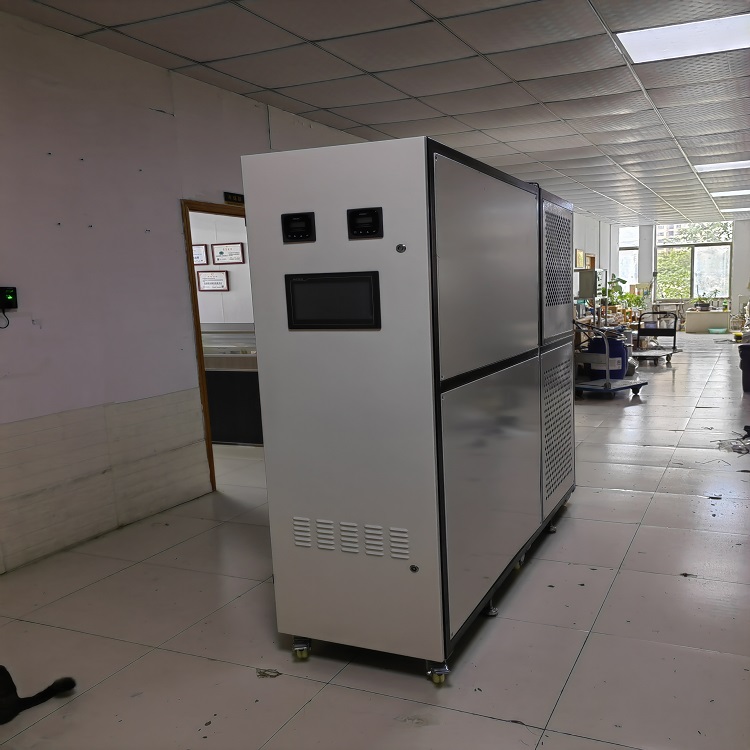
In metalworking fluid wastewater treatment equipment, the biological treatment unit often plays a crucial role. The biological treatment unit typically includes two types: aerobic biological treatment and anaerobic biological treatment. Aerobic biological treatment utilizes the metabolic action of aerobic microorganisms to decompose organic matter in wastewater into carbon dioxide and water, while also producing sludge; anaerobic biological treatment, on the other hand, converts organic matter in wastewater into gases like carbon dioxide using anaerobic microorganisms, also producing sludge. Through the treatment of the biological unit, organic matter and nutrients like nitrogen and phosphorus in the wastewater are effectively removed, significantly improving water quality.
In addition to the aforementioned treatment technologies, metalworking fluid wastewater treatment equipment often includes a sludge treatment unit. The primary task of the sludge treatment unit is to reduce, stabilize, and render harmless the sludge generated during the wastewater treatment process. Common sludge treatment methods include concentration, conditioning, dewatering, and incineration. Concentration involves reducing the volume of sludge and its moisture content. Conditioning is achieved by adding chemicals or using physical methods to improve the dewatering properties of sludge. Dewatering removes moisture from the sludge using mechanical or natural forces, resulting in dried sludge. Incineration burns the dried sludge at high temperatures, converting it into ash and flue gas, thereby achieving complete sludge treatment.
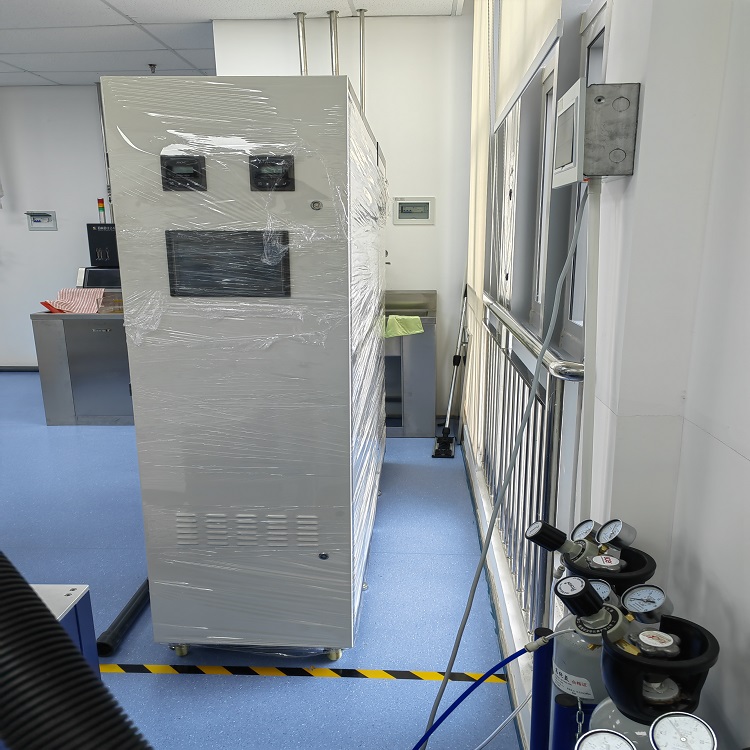
In practical applications, the selection and design of wastewater treatment equipment for metalworking fluids must consider factors such as the wastewater characteristics, treatment scale, requirements, and economic costs. Different types of metalworking fluid wastewater often have significant differences in composition and properties, necessitating the selection of appropriate treatment technologies and equipment based on actual conditions. Additionally, treatment scale is a crucial factor in equipment choice. Large-scale metalworking enterprises require treatment equipment with high capacity, efficiency, and stable operation; for small or medium-sized enterprises, the focus is on cost-effective, space-saving, and easy-to-operate wastewater treatment solutions. Furthermore, treatment requirements are also a significant consideration. Enterprises aiming for higher discharge standards should opt for better-performing equipment, while those with lower standards can opt for more cost-effective, moderately effective solutions.
Metalworking Fluid Wastewater Treatment Equipment - Zero Discharge System - Chemical Wastewater Treatment Equipment - Comprehensive After-Sales Support
During the operation of metalworking fluid wastewater treatment equipment, maintenance is a crucial aspect. Regular inspections and maintenance can promptly identify and resolve issues during operation, ensuring the equipment runs smoothly and extends its lifespan. Moreover, reasonable operation management is one of the key methods to enhance wastewater treatment effectiveness. By optimizing operating parameters, adjusting treatment processes, and strengthening water quality monitoring, the efficiency of wastewater treatment can be further improved, and operating costs can be reduced.