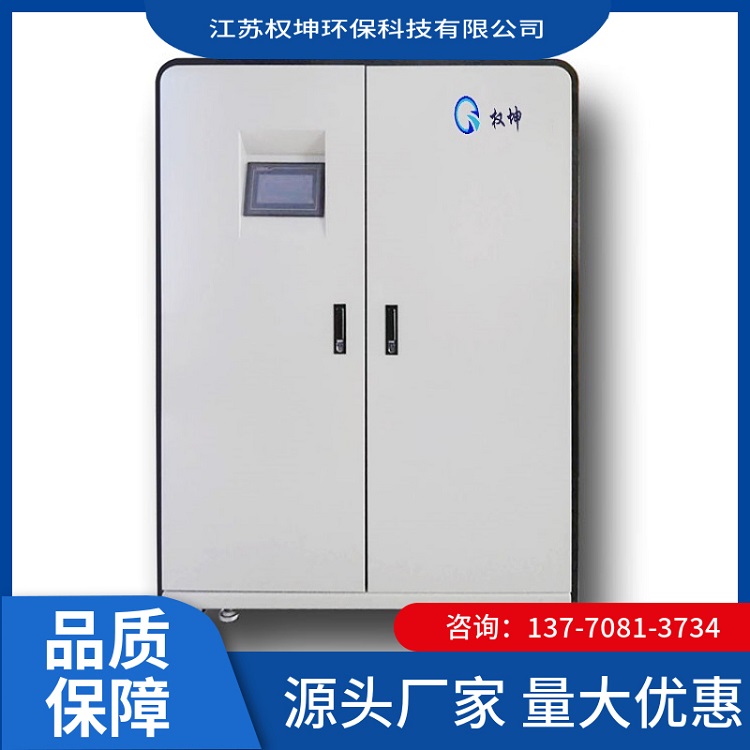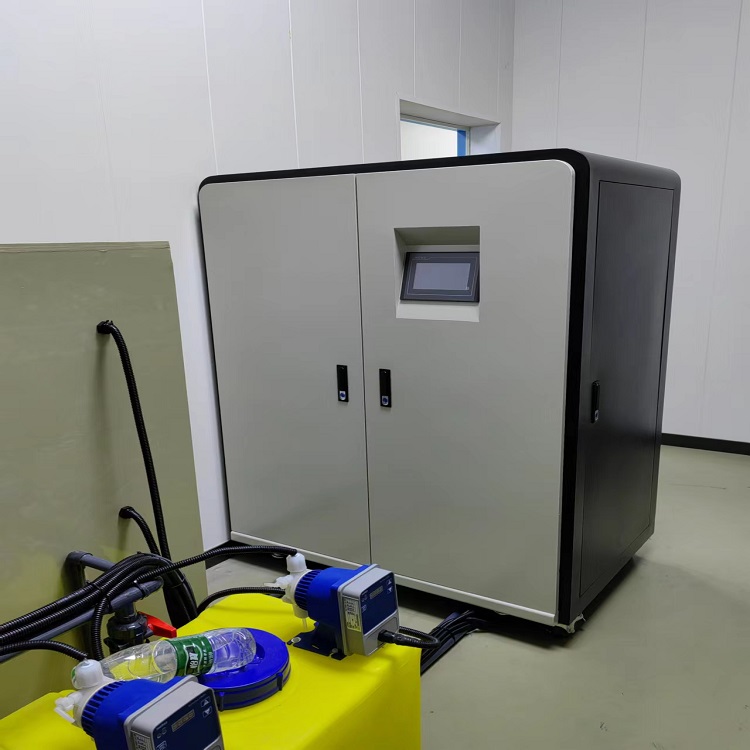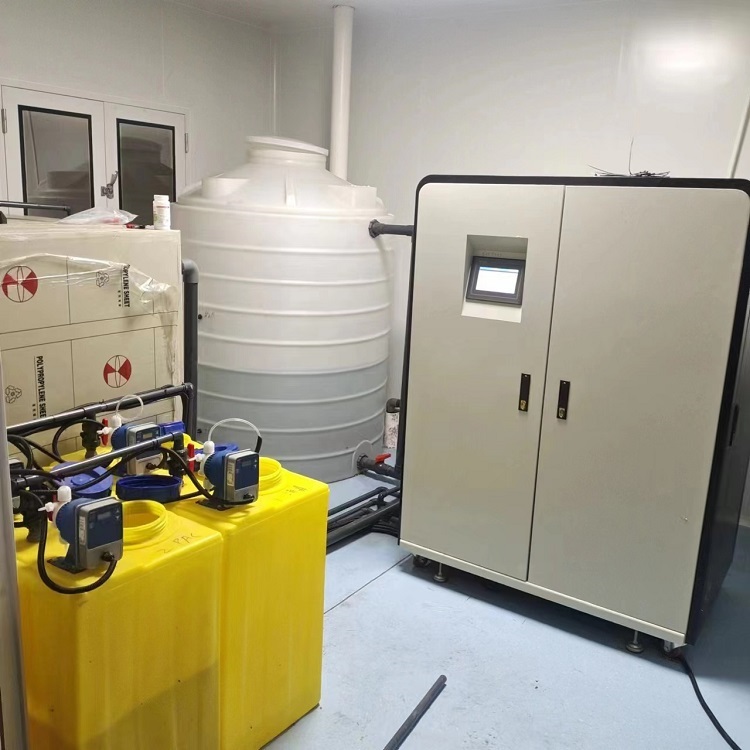















Medical Laboratory Wastewater Treatment System - Small Intelligent Sewage Treatment Package Equipment - Quankun
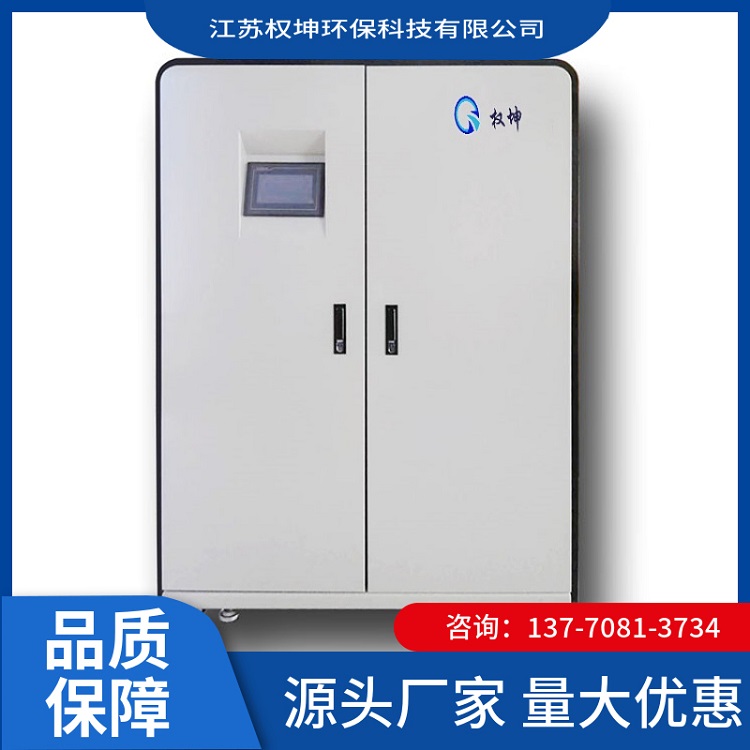
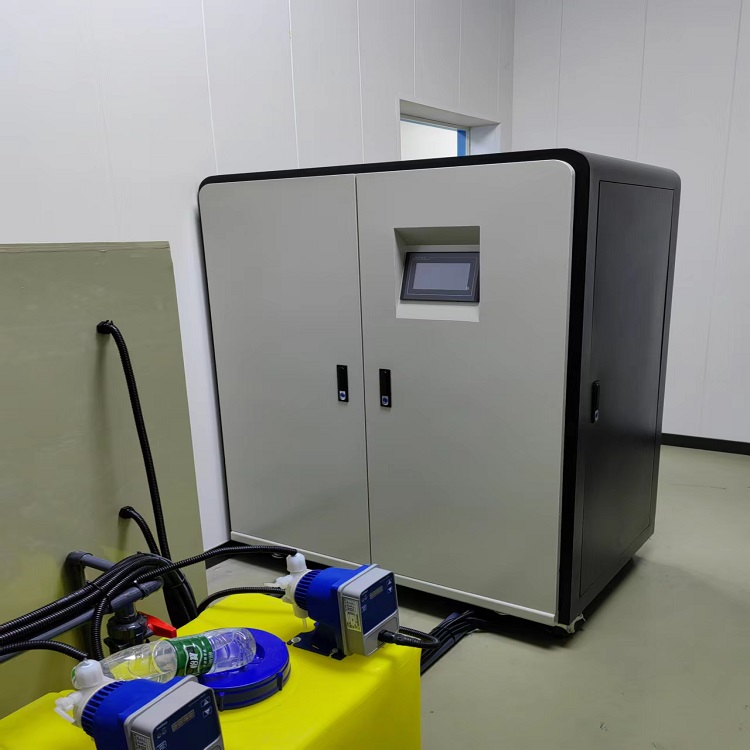
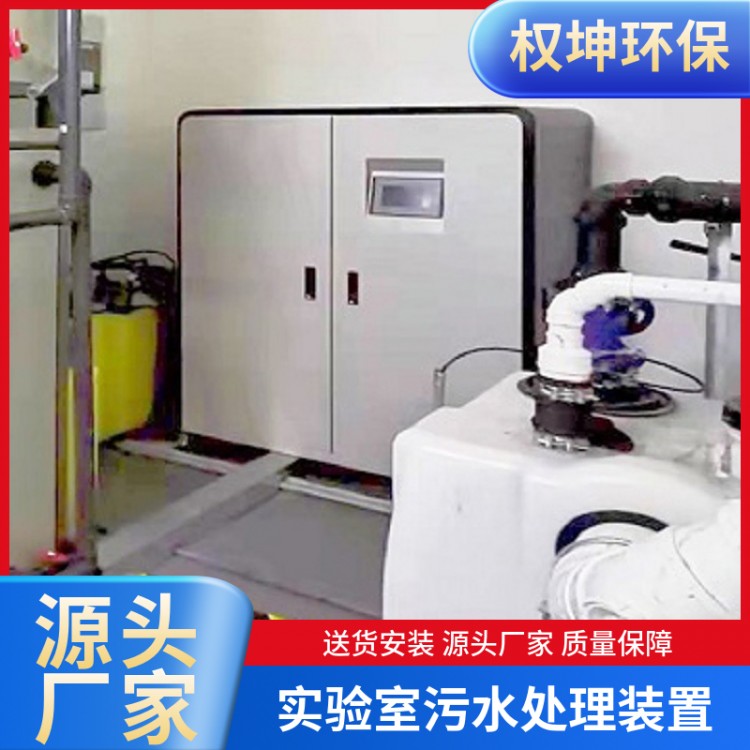
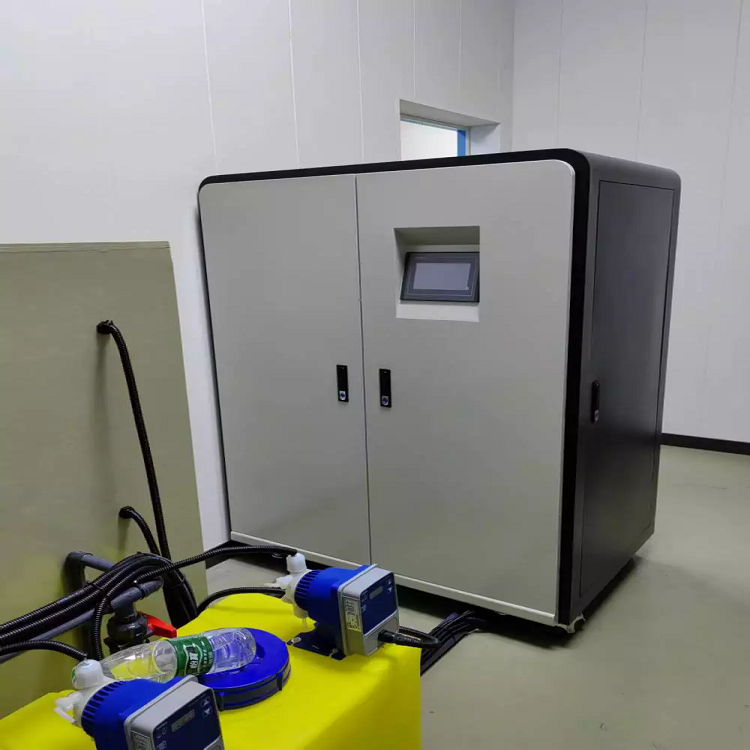
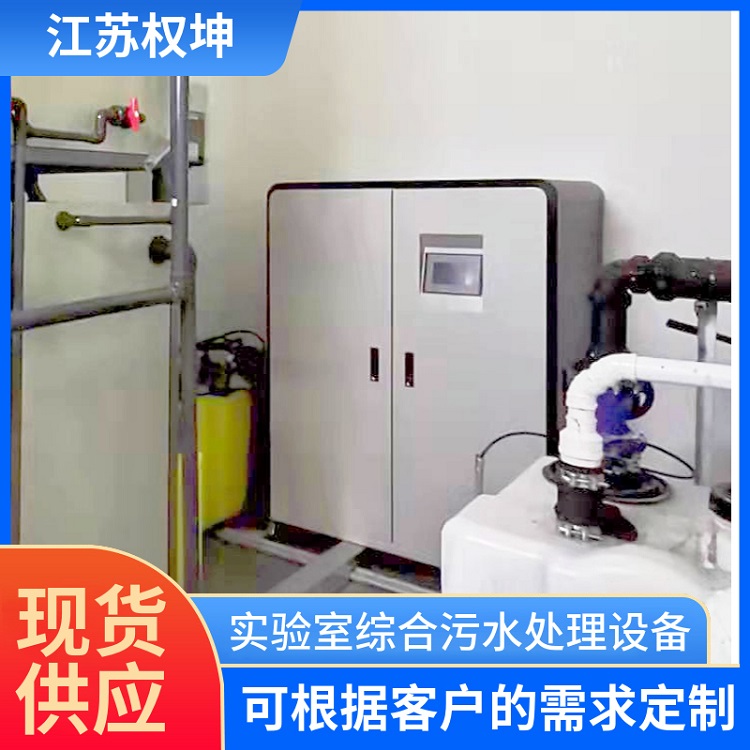
Laboratory wastewater treatment equipment is primarily used for treating wastewater generated from various laboratories. By utilizing the differences in composition, concentration, and pollutants, the equipment, with its adopted process flow and self-control system, automatically calculates and proportionally removes COD, BOD, SS, color, viruses, heavy metal ions, and heavy metal contaminants from laboratory wastewater. This ensures rational and scientific dosing of the equipment, making the wastewater treatment process more efficient. Under the premise of meeting the discharge standards, the equipment makes drug utilization more rational. The wastewater treatment equipment complies with the national standards for discharge, such as GB8978-1996, and the "Water Quality Standards for Sewage Discharged into Urban Sewerage Systems" (GB/T31962-2015) and the relevant requirements of the "Emission Standards for Water Pollutants from Medical Institutions" (GB18466-2005). The treated wastewater can be directly discharged into the municipal pipeline and surrounding rivers and surface water, or processed and recycled through regeneration processes.
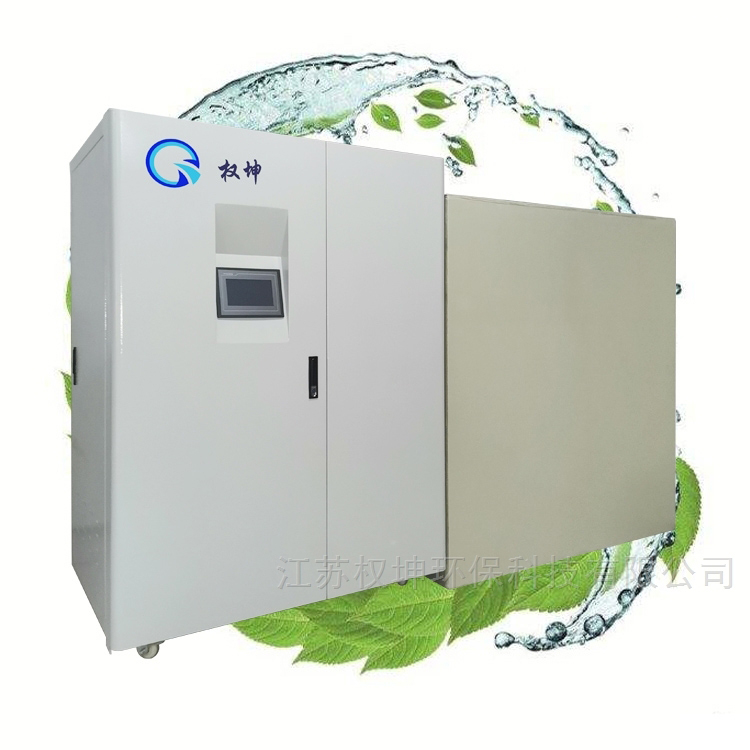
Laboratory wastewater contains acids, bases, organic pollutants, heavy metal ions, and pathogenic microorganisms, with a wide range of pH fluctuations and high COD concentrations. It is primarily categorized into three major types:
1. Organic Wastewater: Primarily derived from laboratory reagents and solvents.
2. Inorganic wastewater: Main sources include acidic and alkaline reagents, heavy metal reagents.
3. Pathogenic Wastewater from Biological Sources: Primarily originates from microbial culture, blood biochemical tests, blood stations, disease control centers, etc.
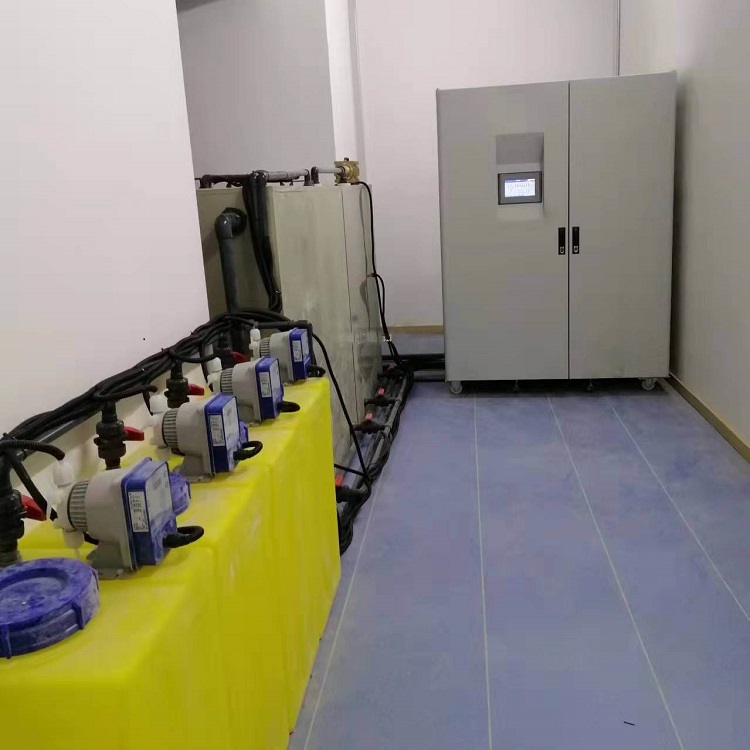
Laboratory Wastewater Discharge Standard: [GB8978-1996] Integrated Wastewater Discharge Standard
Key testing indicators include: heavy metals, pH value, suspended solids, color, COD, E. coli, etc.
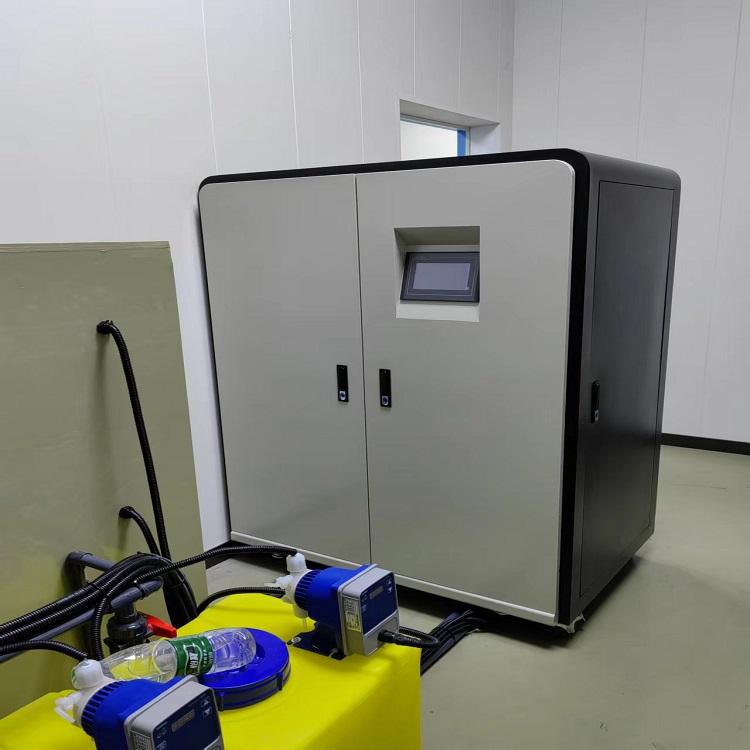
Product Features:
1. Treat wastewater inorganic pollutants with neutralization coagulation, natural sedimentation, fiber fine filtration, and activated carbon adsorption technologies.
2. Features around-the-clock, fully automated operation; no need for dedicated on-site staff.
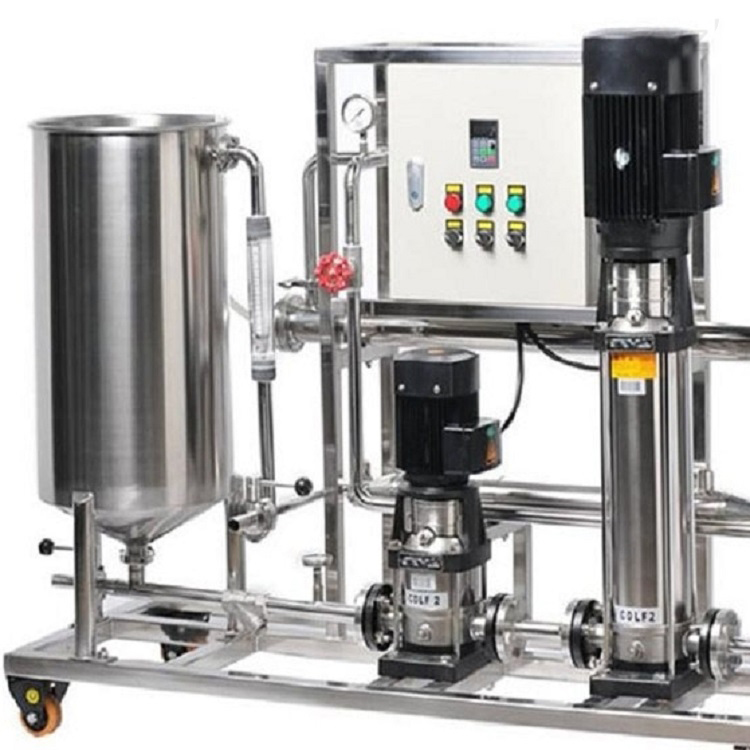
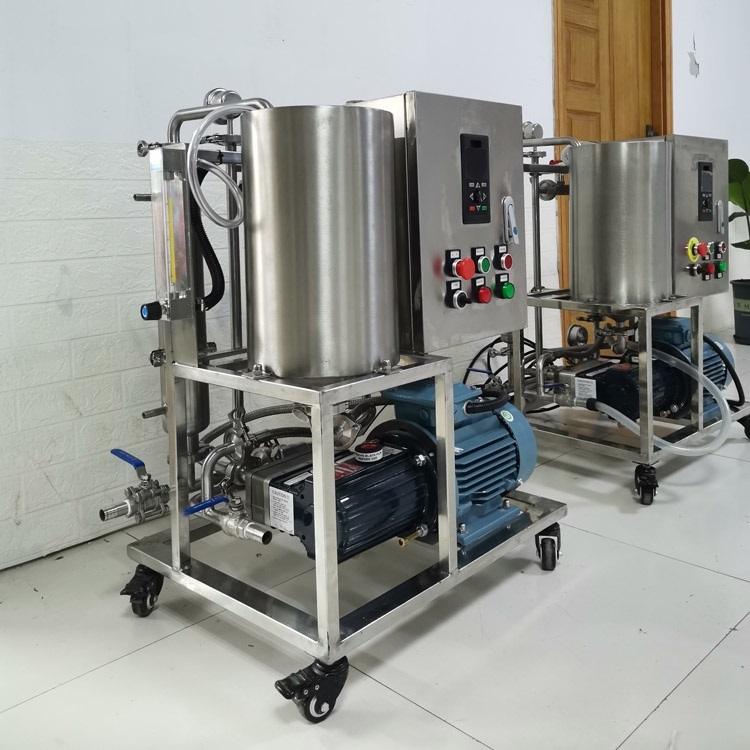
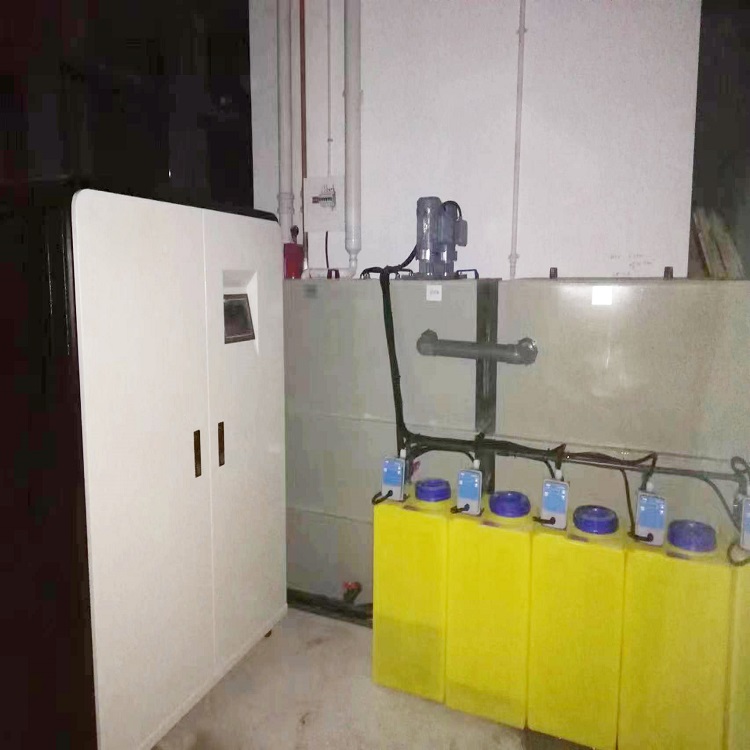
3. Accurately control the dosage of chemicals using a pH meter and imported metering pumps.
4. Easy to operate, stable performance, long service life, and low operation and maintenance costs.
5. Small land area, can be installed indoors or outdoors as needed.
6. Custom design and manufacturing services available to meet various customer requirements.
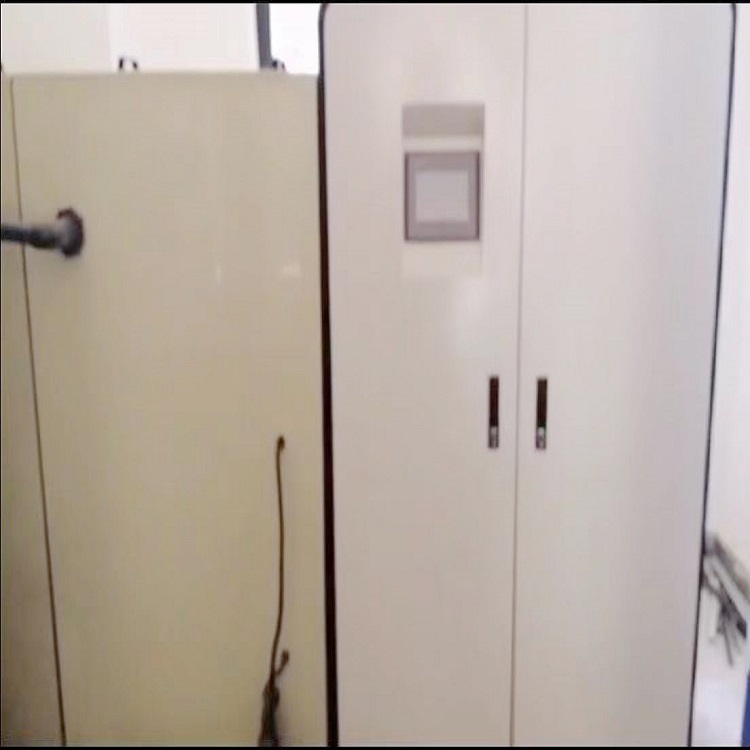
Operation Instructions for Laboratory Wastewater Treatment Equipment:
(1) Turn off the power switch; the green power indicator light illuminates at this point.
(2) Press the submersible pump button, the corresponding indicator light illuminates, and the pump begins to operate.
(3) After the "Pump Operation Indicator Light" illuminates, press the Ozone and Fan buttons. The corresponding indicator lights up, and the Ozone and Fan begin operating, distributing ozone.
(4) To shut down, press either the pump button or the ozone button. The equipment will stop functioning.
(5) Turn off the power switch, operation complete.
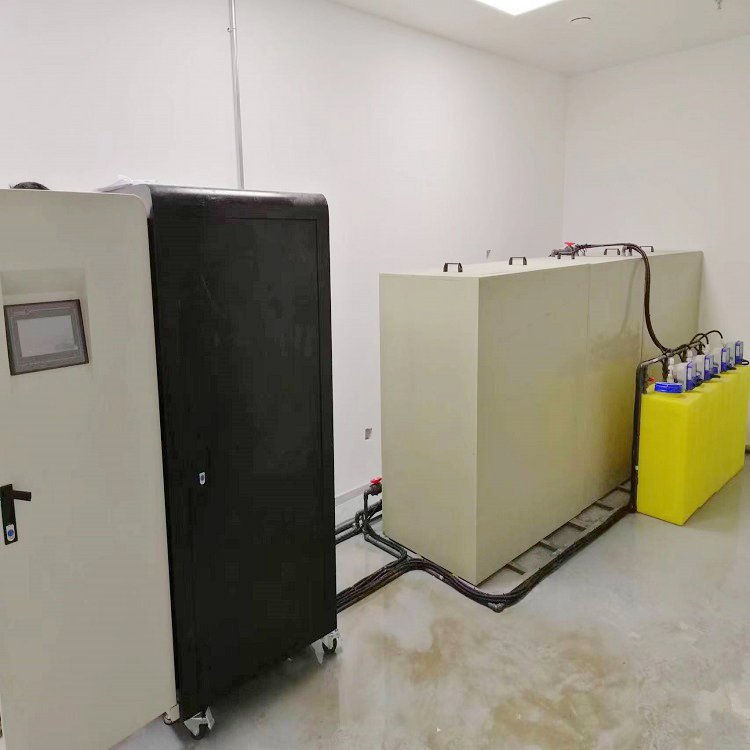
Medical Laboratory Wastewater Treatment Unit - Compact Intelligent Sewage Treatment System - Quankun
Technical Specifications:
1. Treat wastewater inorganic pollutants by neutralization coagulation, natural sedimentation, fiber fine filtration, and activated carbon adsorption technologies.
2. Features around-the-clock, fully automatic operation; no need for dedicated on-site staff.
3. Accurately control the dosage with a pH meter and imported metering pump.
4. Easy to operate, stable performance, long service life, and low operation and maintenance costs.
5. Compact in size, suitable for installation indoors or outdoors as needed.
6. Tailored design and manufacturing services are available to meet different customer requirements.
The laboratory's wastewater is characterized by its small quantity, diverse types, and frequent composition changes. Discharging these waste liquids without treatment would directly contaminate the environment, harm people's health, and have severe consequences.