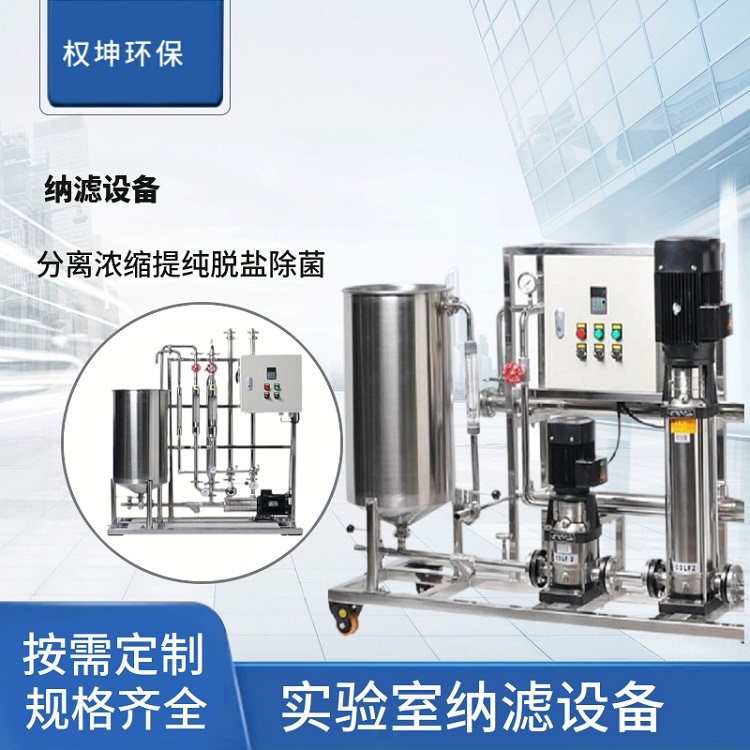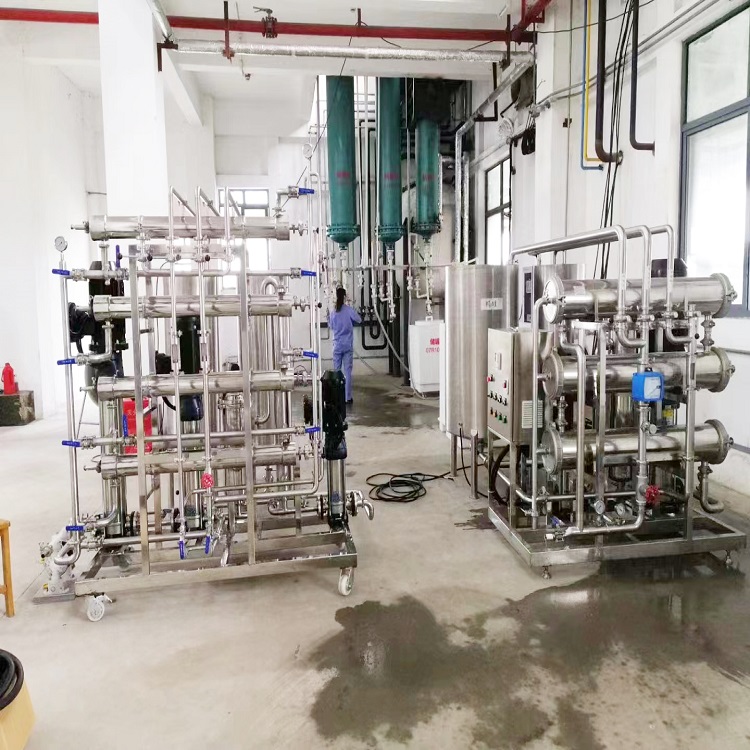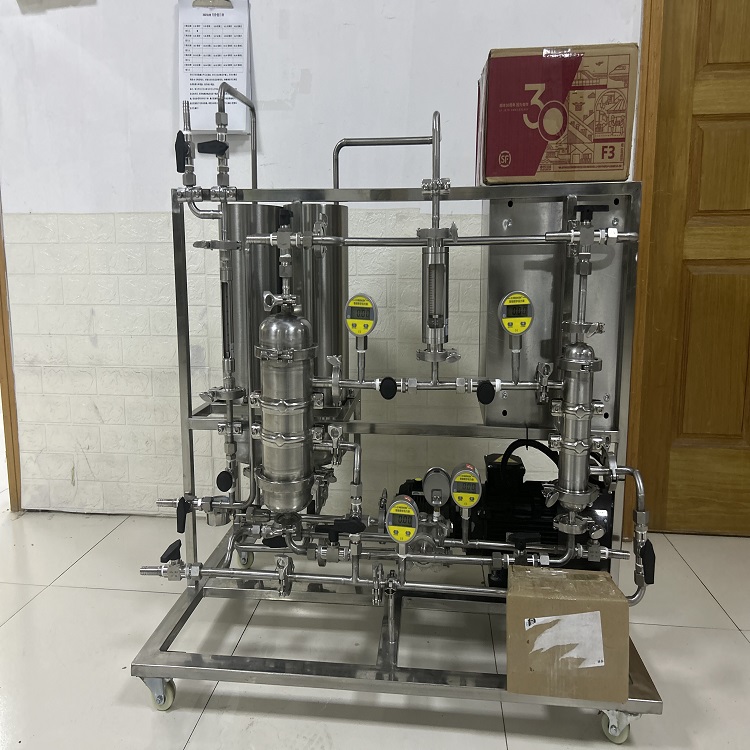

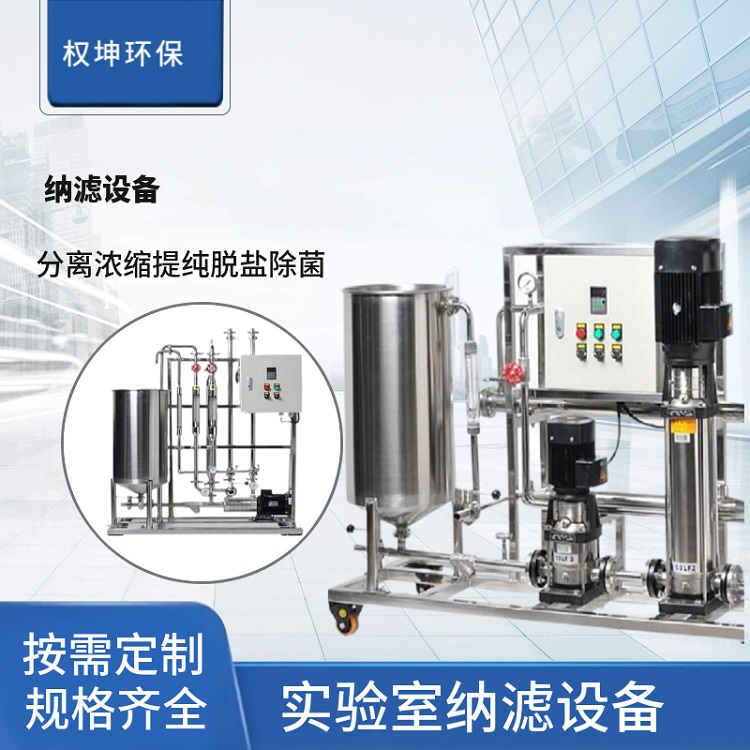

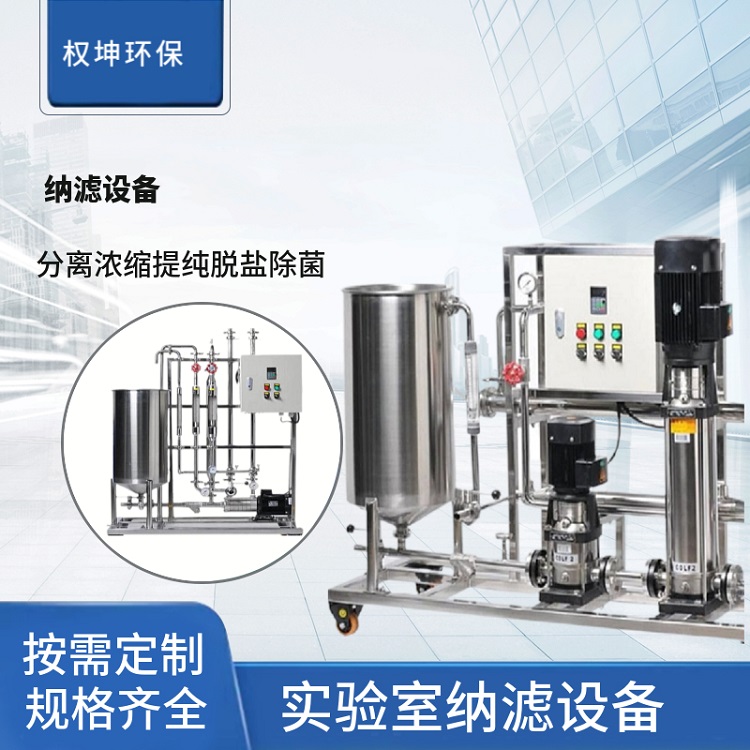

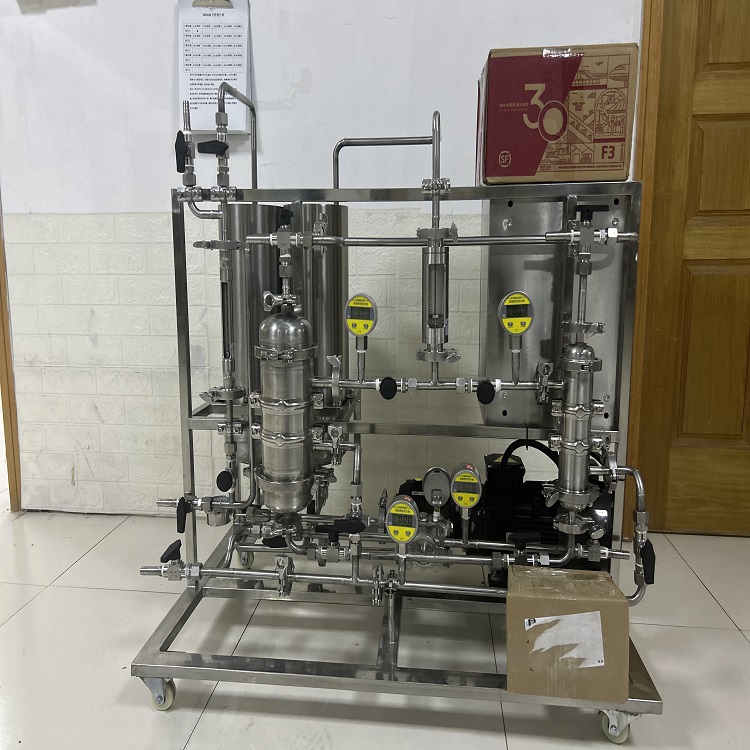












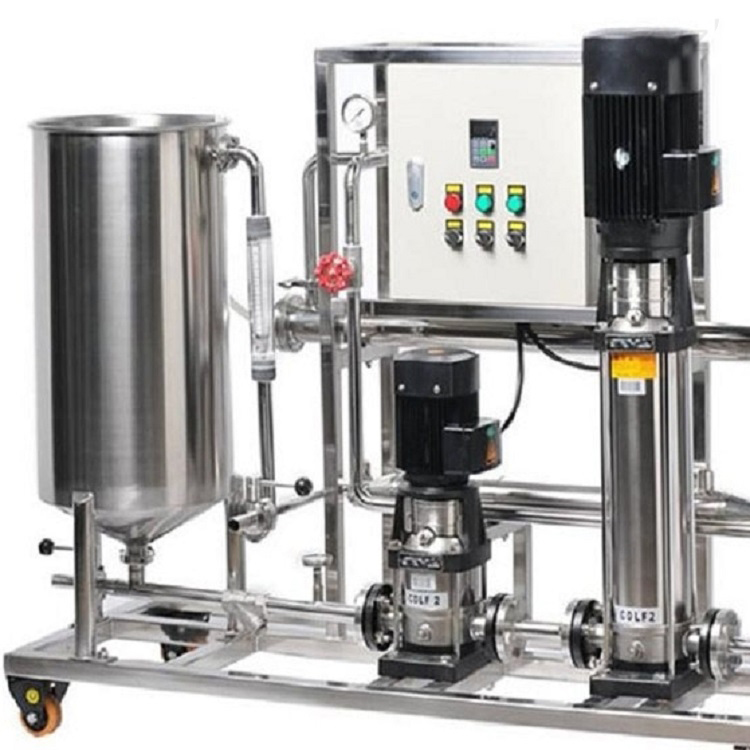
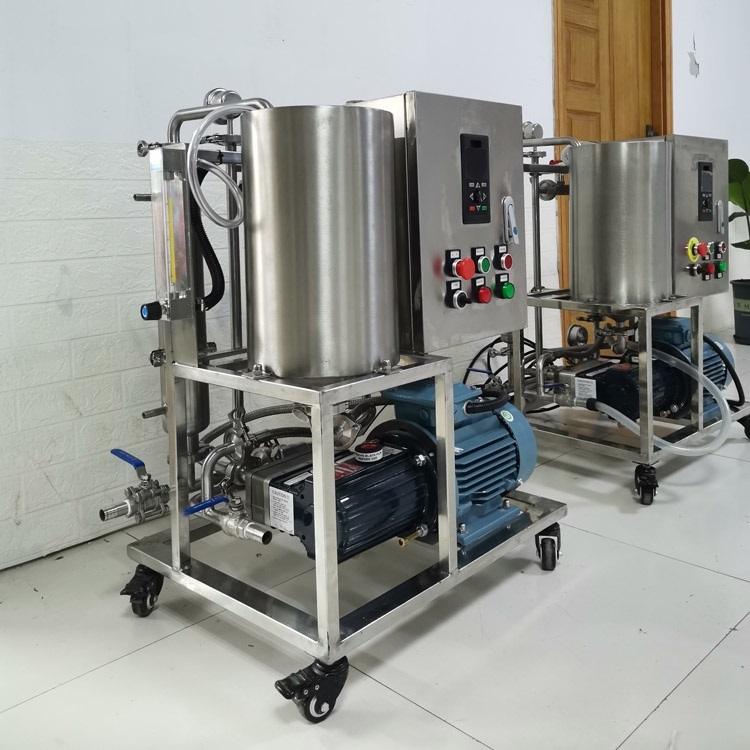
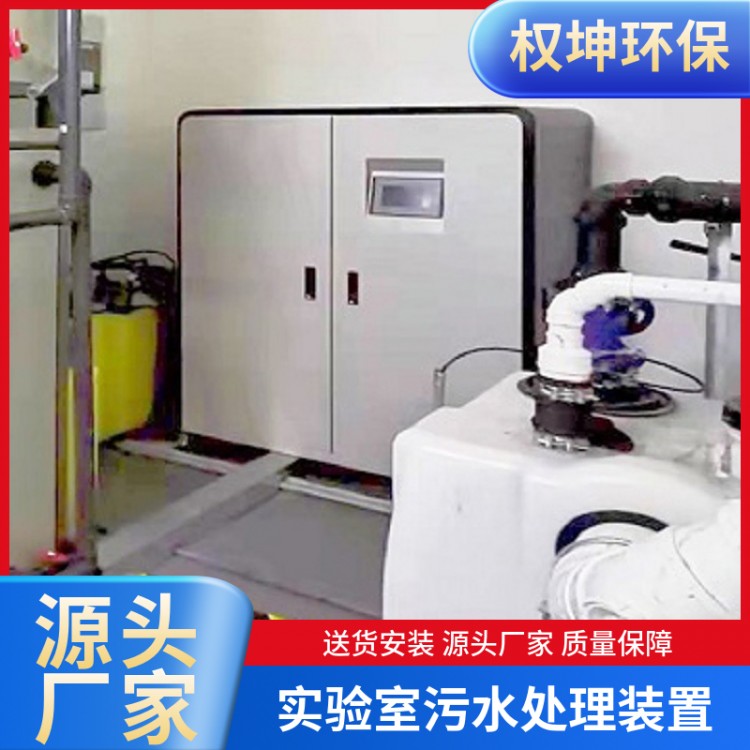
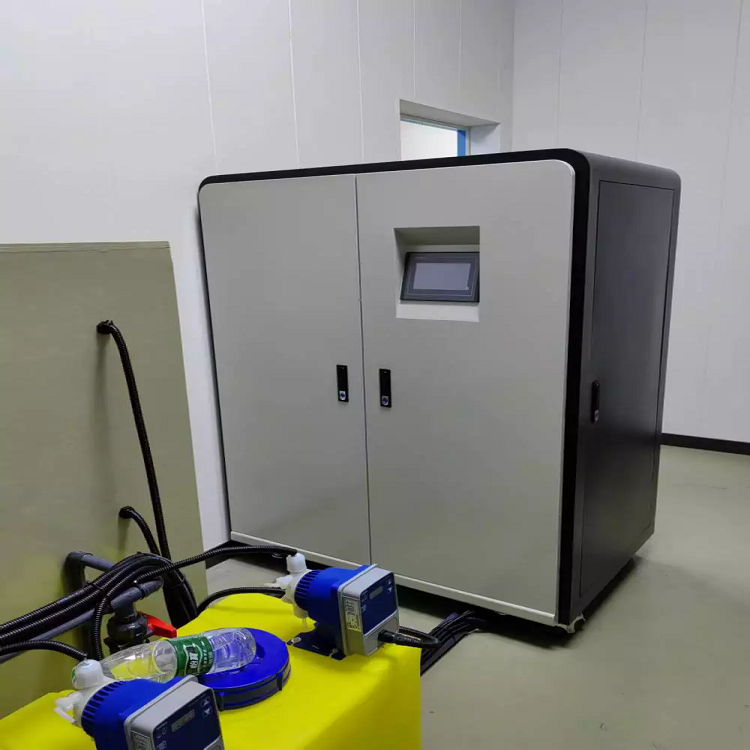
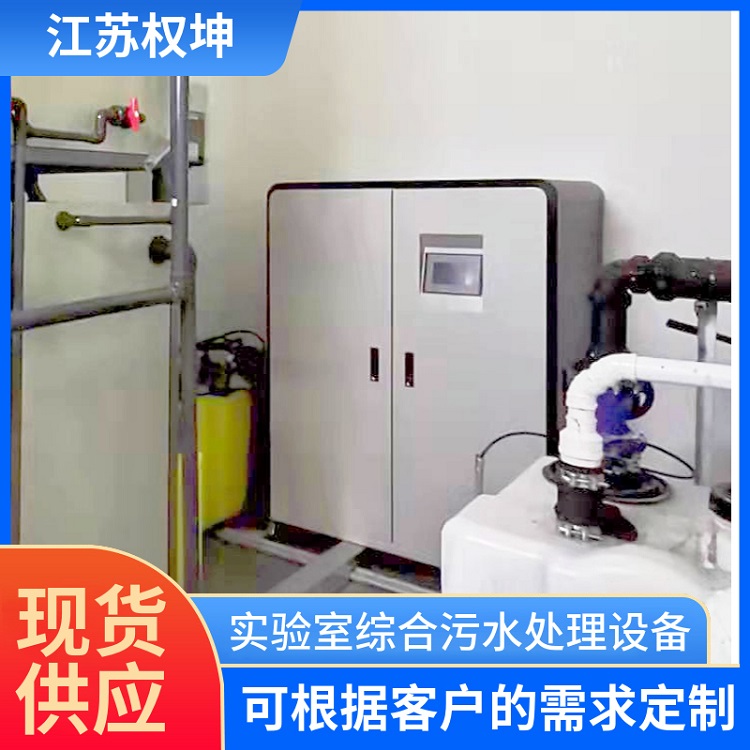
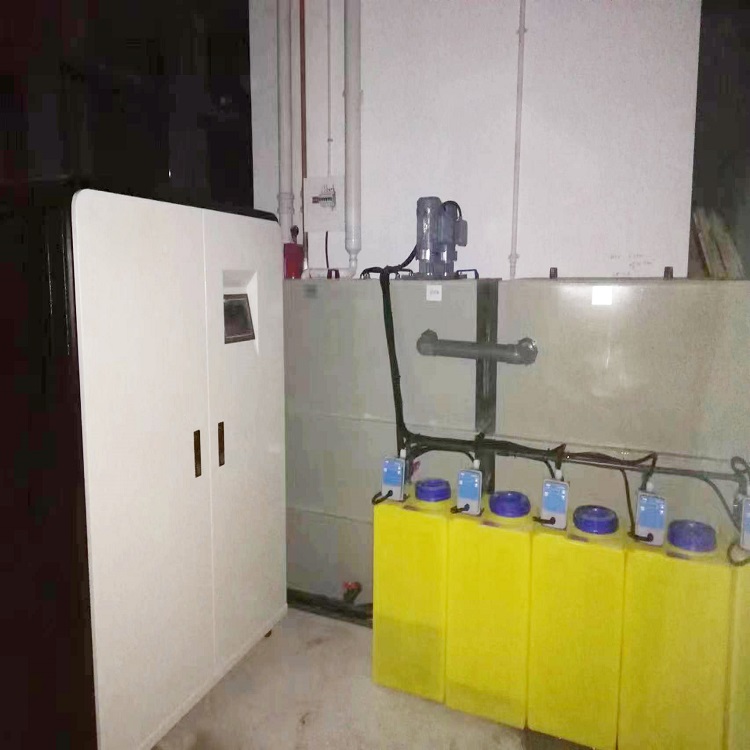
Quankun Environmental Protection produces ceramic membrane production line equipment with compact structure and membrane separation equipment.
Ceramic membrane filters are a precision super-filtration and purification system widely applicable across various fields. The core inorganic ceramic membrane boasts excellent thermal and pore stability, offering high strength, resistance to chemical corrosion, and good cleaning and regeneration capabilities. It combines the dual advantages of efficient and precise filtration.
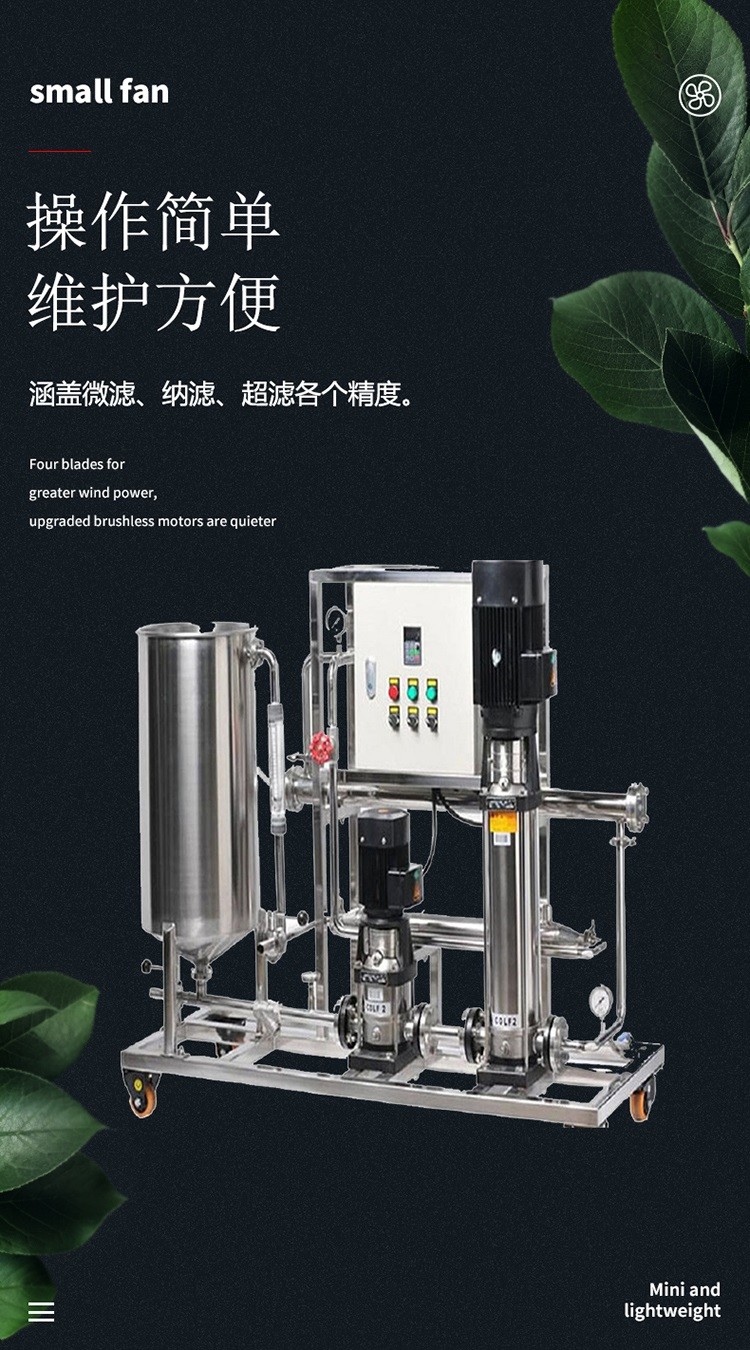
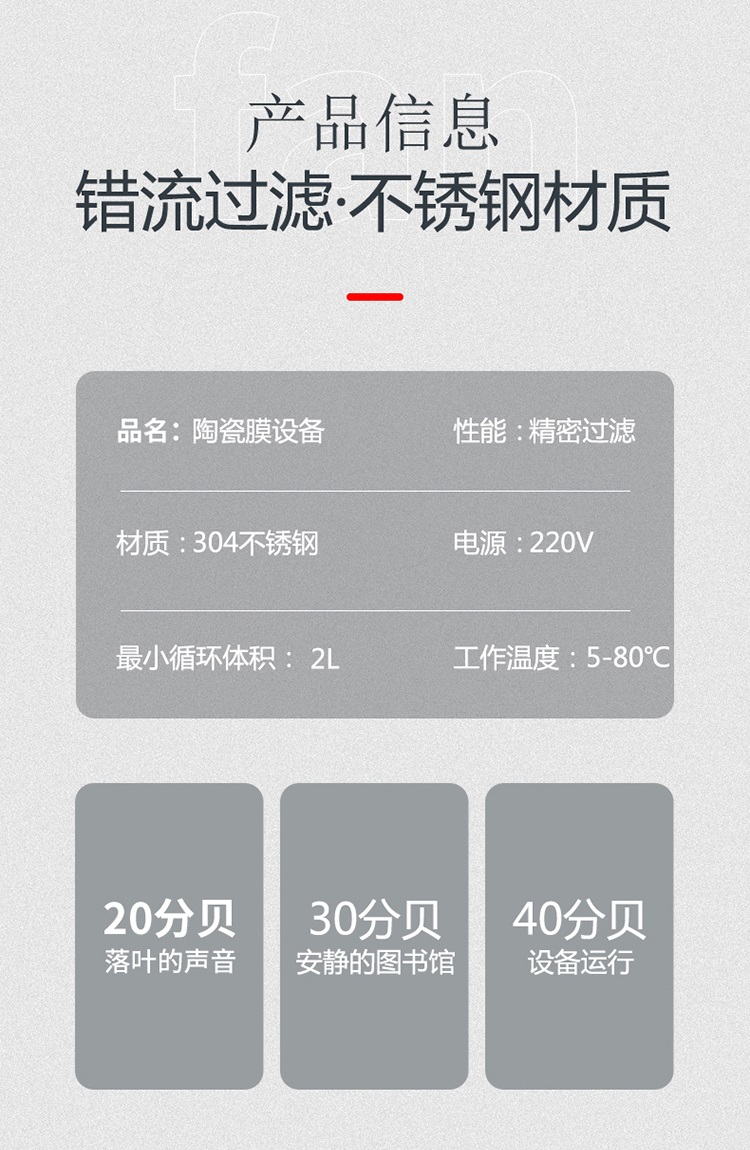
Advantages of ceramic membrane experimental equipment:
1. Utilizing crossflow filtration, with a higher membrane surface velocity (3-5 m/s), it reduces the accumulation of pollutants on the membrane surface, thereby increasing the membrane flux.
2. Utilizing imported centrifugal pumps, featuring low noise, high lift, stable pressure, and reliable performance.
3. Excellent chemical stability, acid and alkali resistance, and resistance to organic solvents.
3. Overall, it boasts an aesthetically pleasing and spacious design, excellent stability, simple operation, and a compact operating volume.
4. High separation efficiency, simple separation process, minimal auxiliary equipment, low energy consumption, and easy operation.
5. Strong resistance to microorganisms; does not react with microorganisms.
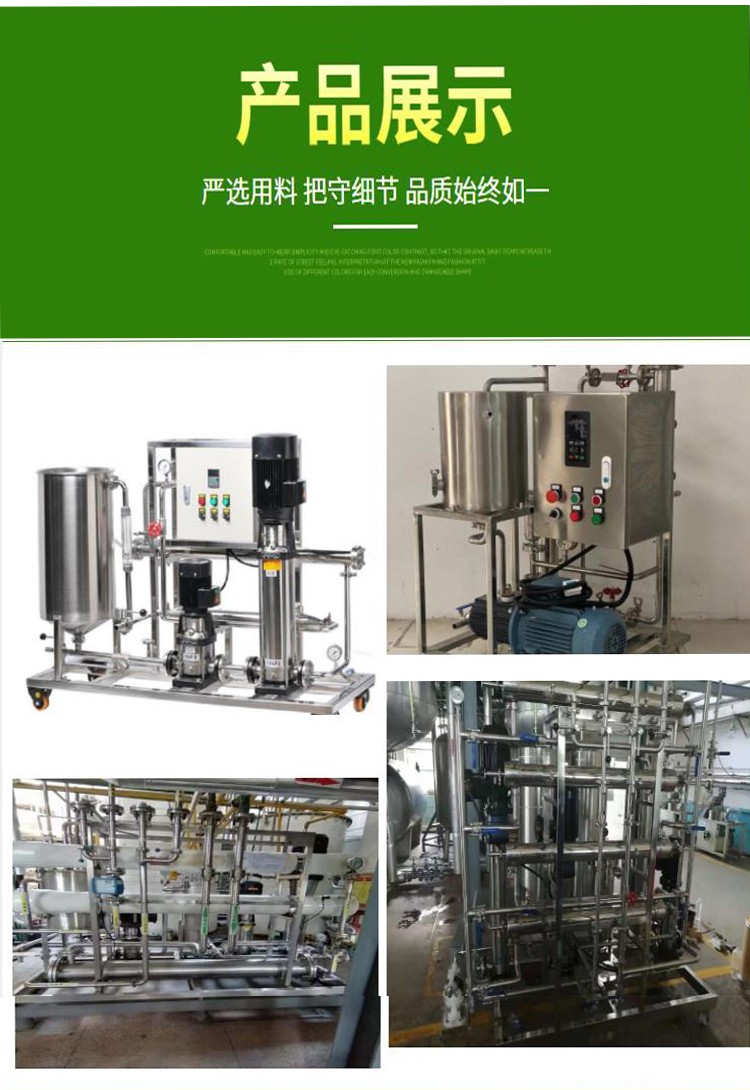
Miniature membrane filtration unit for laboratories, widely applicable in the separation, concentration, and purification of solutions or gaseous substances (such as polymers, cells, microorganisms, viruses, colloids in water, impurities, rust, bacteria, algae, etc.). It uses selectively permeable membranes as the separation medium, with dense micropores in the membrane wall. The original solution passes through one side of the membrane under certain pressure, where the solvent and small molecular solutes permeate the membrane to become the filtrate, while larger molecular solutes are retained by the membrane, achieving the objectives of separation and concentration. The membrane separation process is a dynamic filtration process, where large molecular solutes are blocked by the membrane wall and flow out with the concentrated solution, making the membrane less prone to clogging and enabling continuous long-term use. The filtration process can operate at room temperature and low pressure, without phase changes, and is highly efficient and energy-saving.
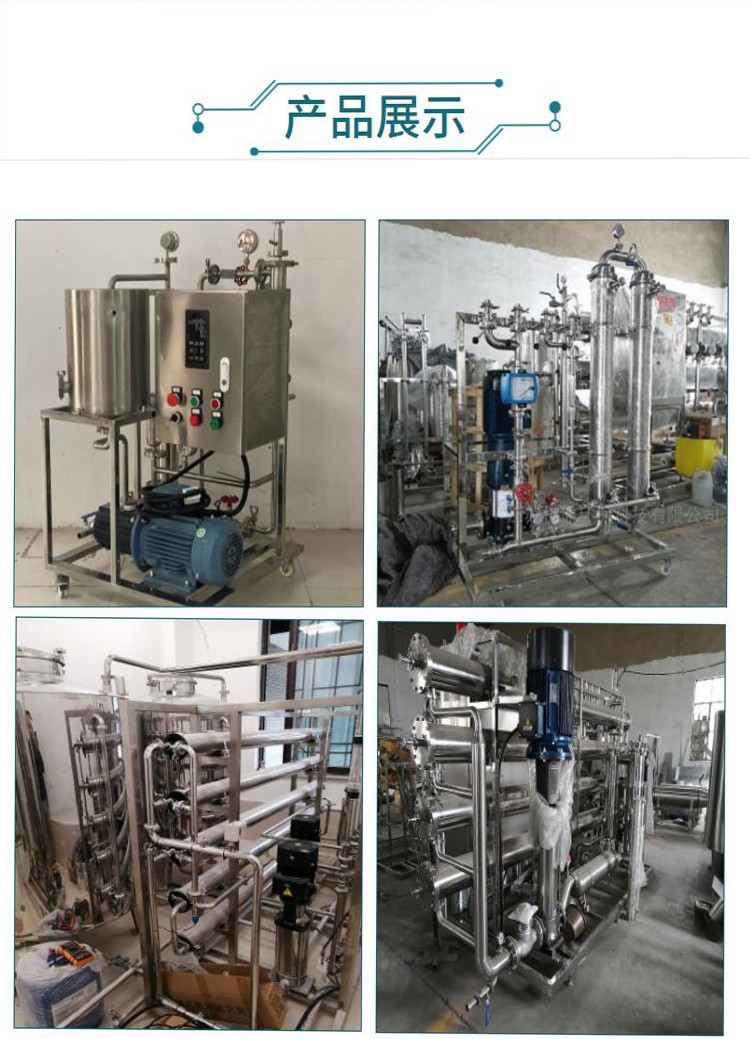
Experimental Project:
1. Measure membrane separation efficiency, understand the separation process of membrane separation.
2. Through the segmentation of membrane components, gain a deeper understanding of the internal structure of the membrane components.
3. Micro-Porous Filtration Test
4. Micro-porous Filtration and Ultra-filtration Backwashing Test
5. Understand the principles and processes of reverse osmosis, as well as the effects and testing of membrane treatment.
6. Secondary Water Depth Treatment Experiment
Ceramic Membrane Laboratory Equipment Specifications and Model:
Our series of equipment can be categorized into dozens of specifications and models, catering to different customer needs, system requirements, technical specifications, and varying treatment capacities, with various filtration accuracy and types of membrane tubes (ceramic or ceramic composite).
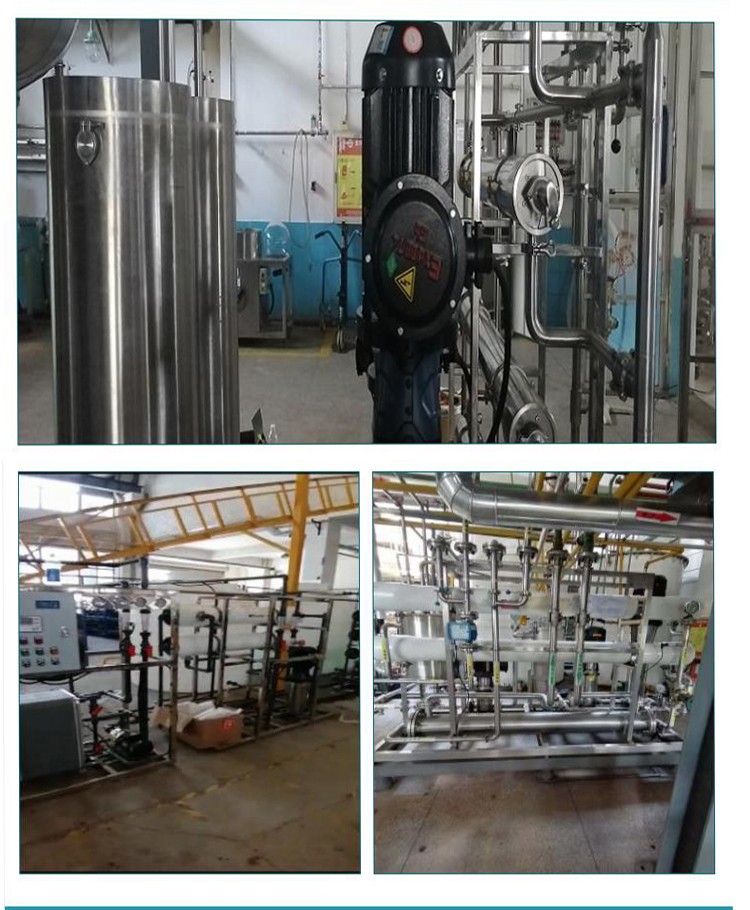
Quankun Environmental Protection produces ceramic membrane production line equipment with compact structure and membrane separation equipment.
Ceramic Film Experimental Equipment Application Scope:
This experimental equipment is highly suitable for research institutions, universities, laboratories, R&D centers, and new product pilot production centers, serving both as a testing device and as a small-scale production equipment for small batch production.
For detailed specifications, please contact Jiangsu Quankun Environmental Protection Technology Co., Ltd. Additionally, we offer laboratory ultra-pure water systems and pure water equipment; feel free to inquire.