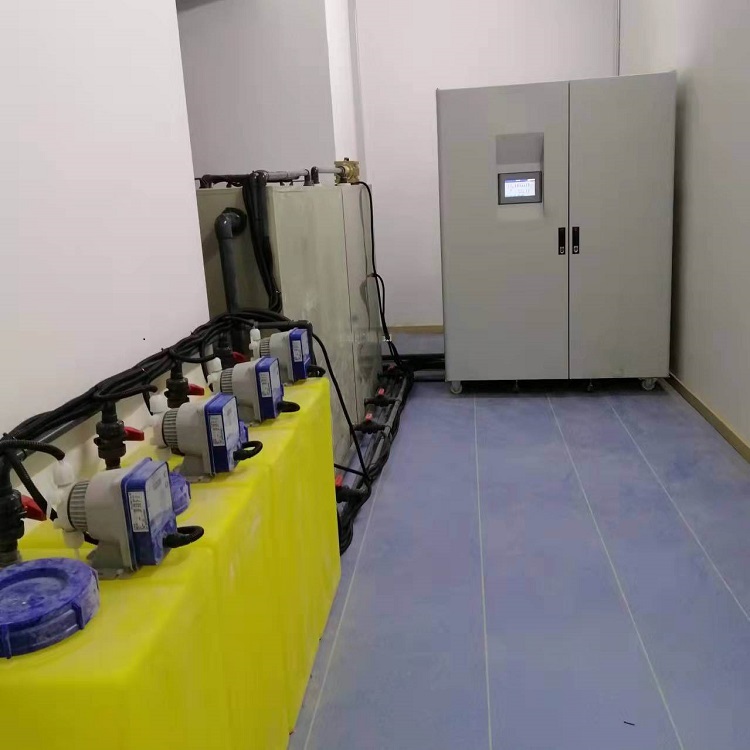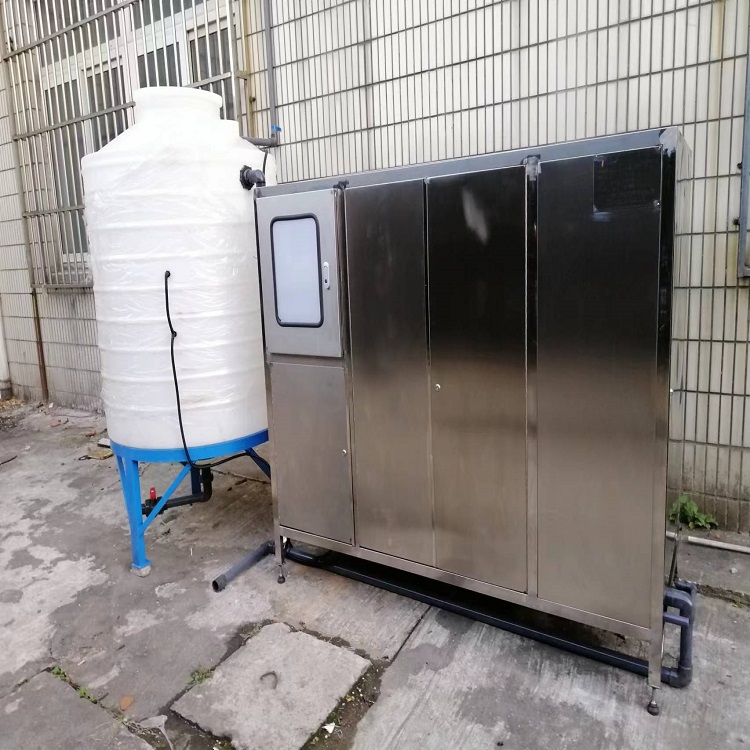



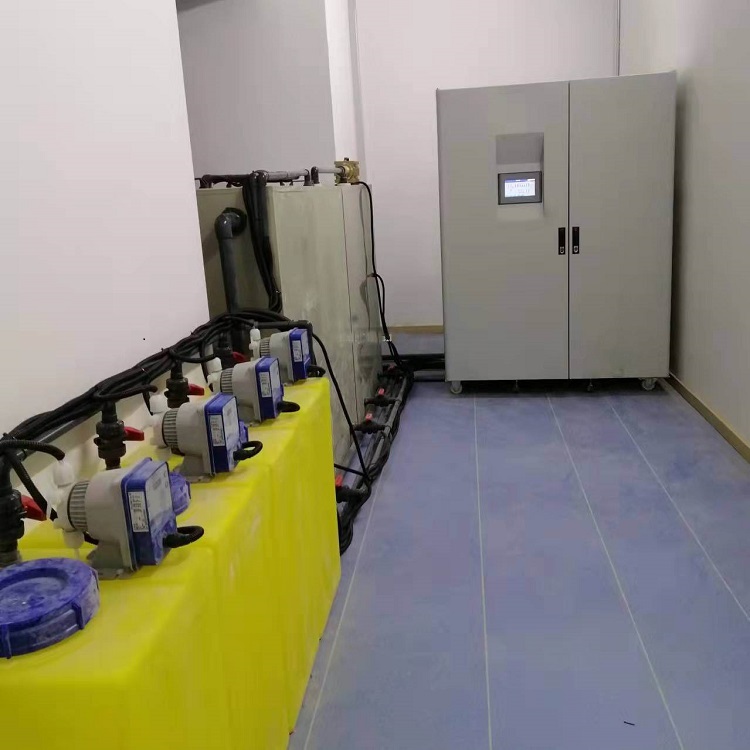
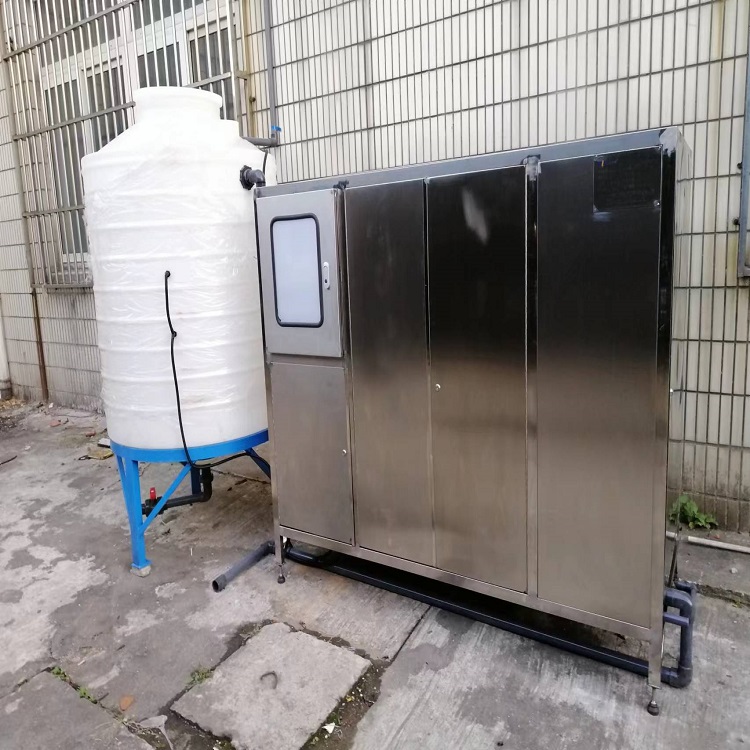












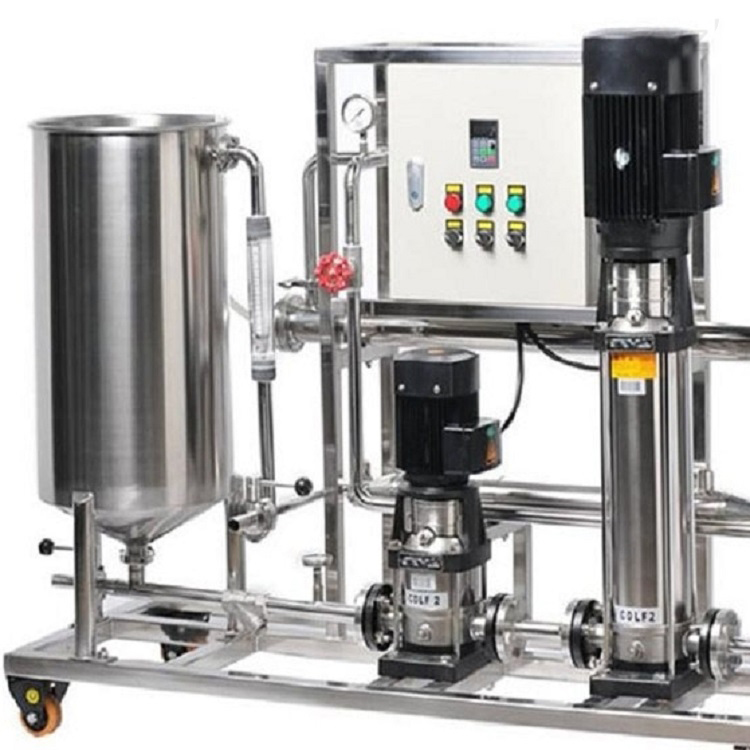
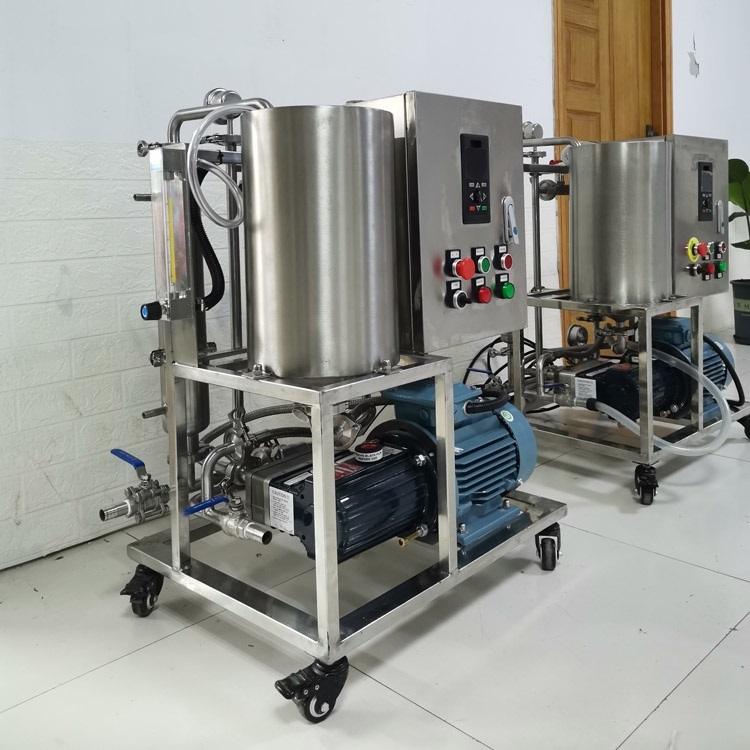
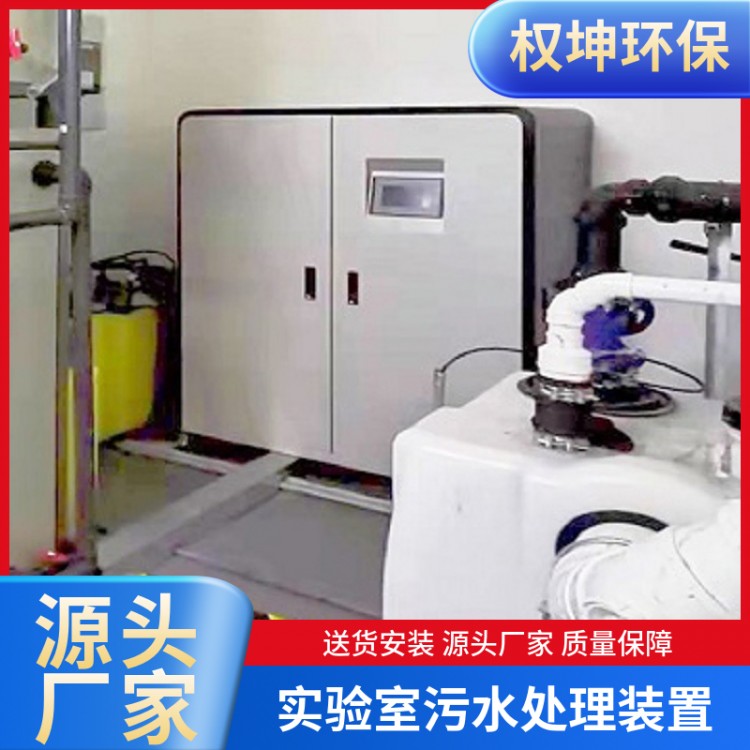
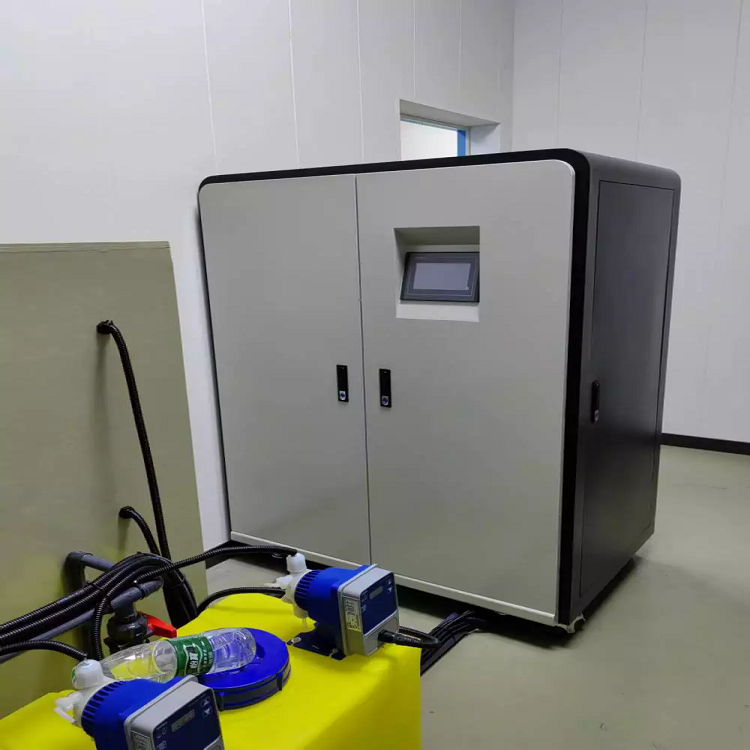
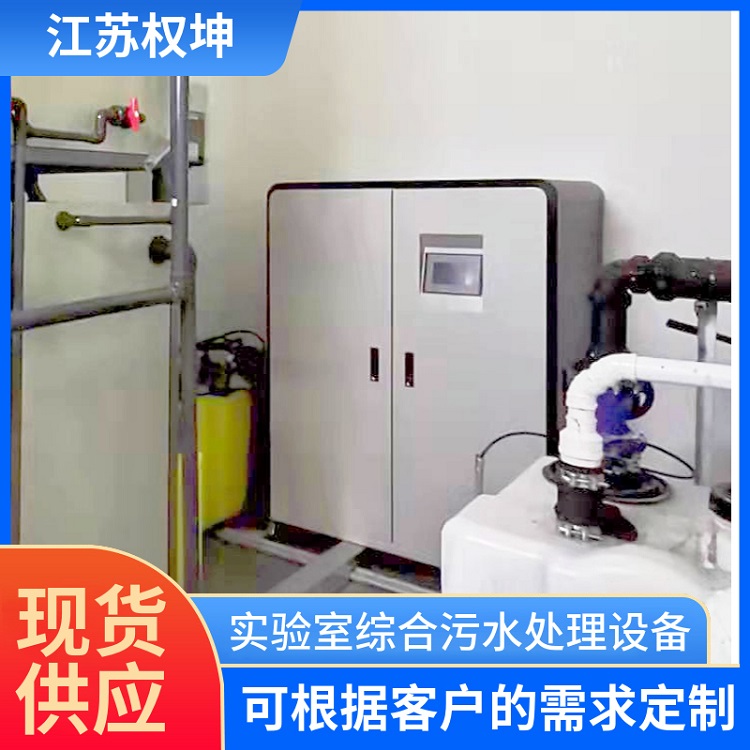
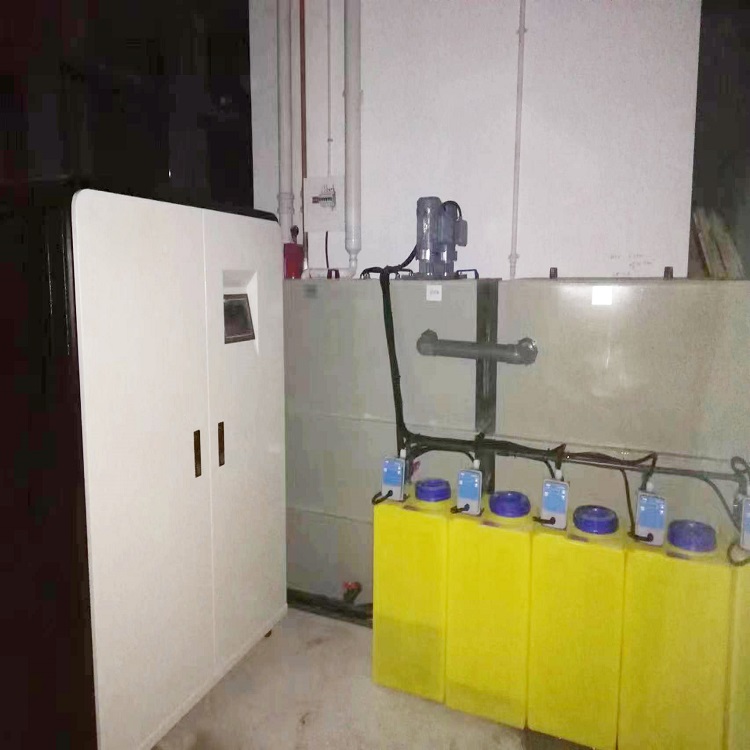
Nanjing Laboratory Wastewater Comprehensive Treatment Equipment Manufacturer
Laboratory wastewater treatment is often overlooked, and chemical laboratory wastewater poses significant environmental pollution. The wastewater generated from scientific research institutions, environmental monitoring centers, and pharmaceutical inspection facilities is highly harmful. As the amount of chemical laboratory wastewater increases, many laboratories simply discharge untreated wastewater into the sewers. Given the complex composition of laboratory wastewater, which contains a high concentration of acidic, alkaline, hexavalent chromium, arsenic compounds, phenols, and benzene, etc., direct discharge will undoubtedly pollute drinking water and living environments. It is imperative to find an economical, energy-saving, and environmentally friendly wastewater treatment process for chemical laboratories.
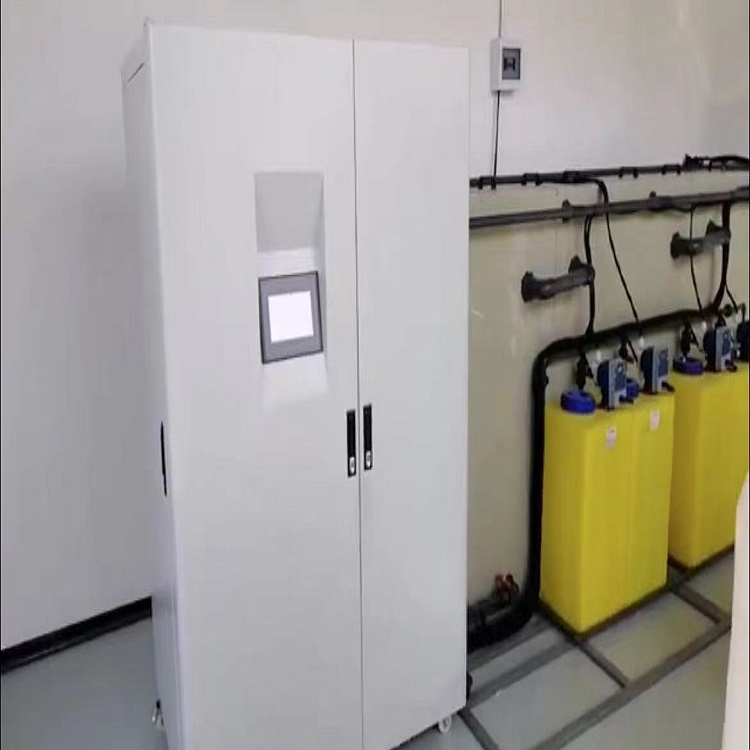
Laboratory wastewater treatment equipment utilizes unique processes such as waste collection, automatic adjustment, coagulation and air flotation mixing, flocculation and coagulation precipitation reaction, sedimentation separation, multi-stage oxidation treatment, multi-level decomposition degradation, high and low potential difference micro-electrolysis technology, electrochemical oxidation-reduction technology, two-stage organic biological activity treatment technology, new biochemical reaction treatment technology, novel packed bed photo-catalytic reaction technology for organic wastewater, and selective mass transfer and mycelium surface molecular imprinting technology. These processes comprehensively treat organic, inorganic, and biological wastewater generated in laboratories. School laboratory wastewater treatment equipment effectively removes COD, BOD, SS, color, and heavy metal ions from wastewater. Different treatment technologies and control systems are employed based on the composition of various experimental wastewater.
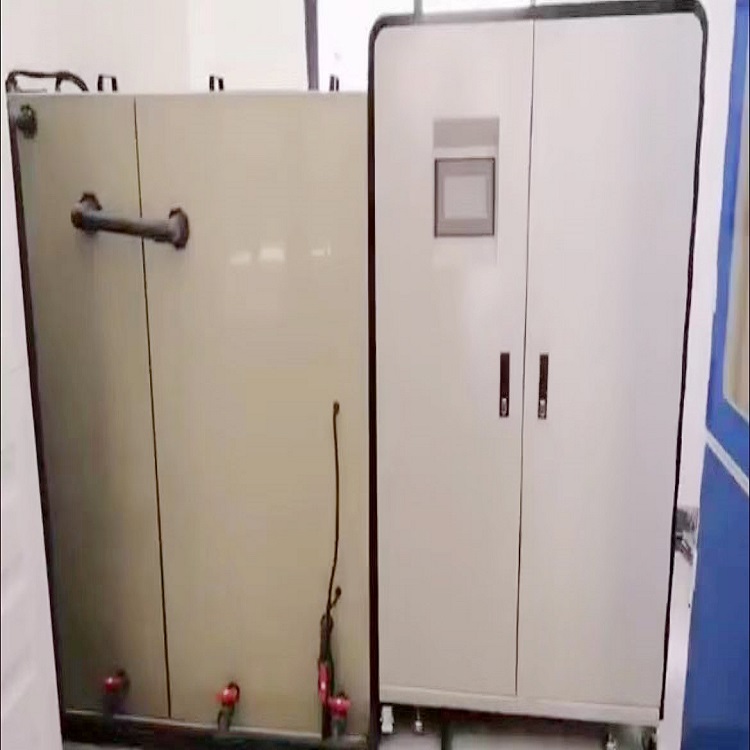
Basics of Laboratory Wastewater Treatment Equipment Design
1. Laboratory wastewater sources: Comprehensive laboratory wastewater generated from the cleaning of drugs, reagents, solutions, and instruments.
2. Comprehensive laboratory wastewater composition: inorganic substances, organic substances, biological wastewater, etc.
1) Inorganic wastewater: heavy metal ions, pH levels of acids and bases, halogen ions, and other non-metal ions.
2) Organic Wastewater: Organic solvents, ammonia nitrogen, organic phosphorus drugs, etc.
3) Biological wastewater: viruses, chlamydia, mycoplasma, spirilla, fungi, Brucella, anthrax bacteria, etc.

Features:
1. Widely applicable, adaptable to wastewater treatment in various laboratories.
2. Utilize advanced multi-stage treatment technology to purify wastewater to meet discharge standards.
3. Centralized control with high automation, easy operation, fully automatic operation, no need for dedicated staff on duty.
4. Automatic leak and electric shock protection, high and low voltage automatic protection, no wastewater protection, liquid storage tank level protection.
5. Dynamic operation with digital LCD display for water quality indicators.
6. "One-stop" integrated design, featuring attractive appearance, small footprint, rapid processing speed, low operation costs, easy installation and relocation, high processing capacity, excellent processing results, low energy consumption, acid and alkali resistance, low noise, multiple safety protections, no leaks, and environmental friendliness, truly achieving engineering equipmentization. No need for multiple treatment ponds, and no secondary pollution such as waste, exhaust, and wastewater.
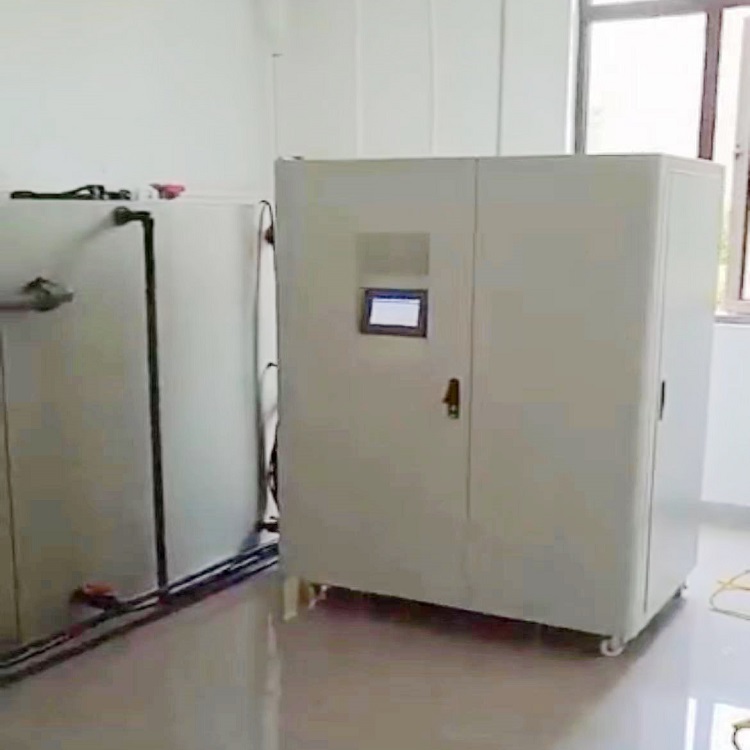
Features of Laboratory Wastewater Treatment Equipment:
1. Fully automatic control.
2. Compact structure, small land area required.
3. Low overall cost, corrosion-resistant, and long service life.
4. Low operation costs, consistent water quality output.
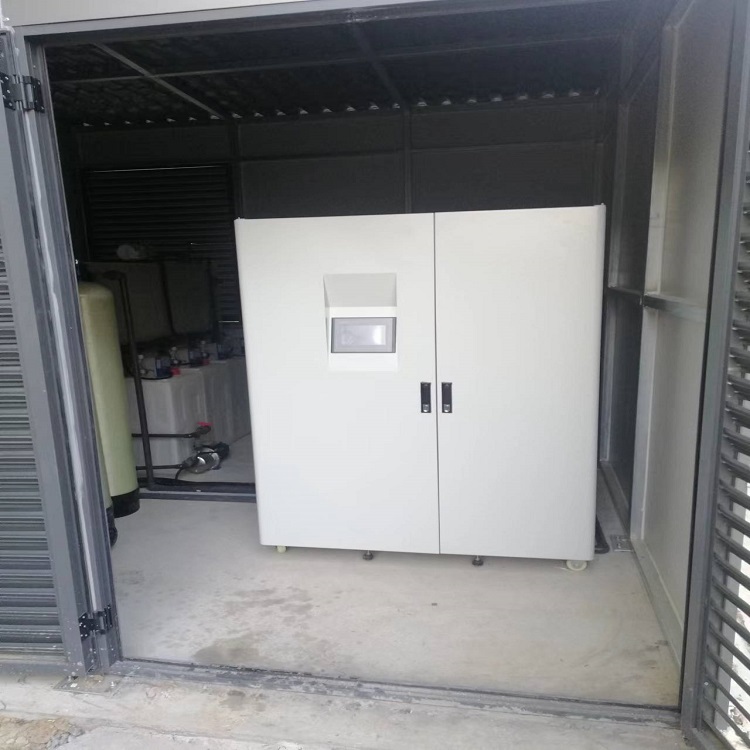
Nanjing manufacturer of comprehensive laboratory wastewater treatment equipment
Application Range of Laboratory Wastewater Treatment Equipment:
Wastewater treatment equipment for laboratories is widely used in universities, colleges, research institutions, medical facilities, pharmaceuticals, disease control centers, environmental monitoring, product quality inspection, drug testing, blood stations, animal husbandry, hospitals, and corporate laboratories for wastewater treatment from testing rooms. After treatment, the wastewater meets the three-tier standards of the Comprehensive Wastewater Discharge Standard "GB8978-1996". The treated wastewater can be discharged into the municipal wastewater network or recycled through further treatment processes.