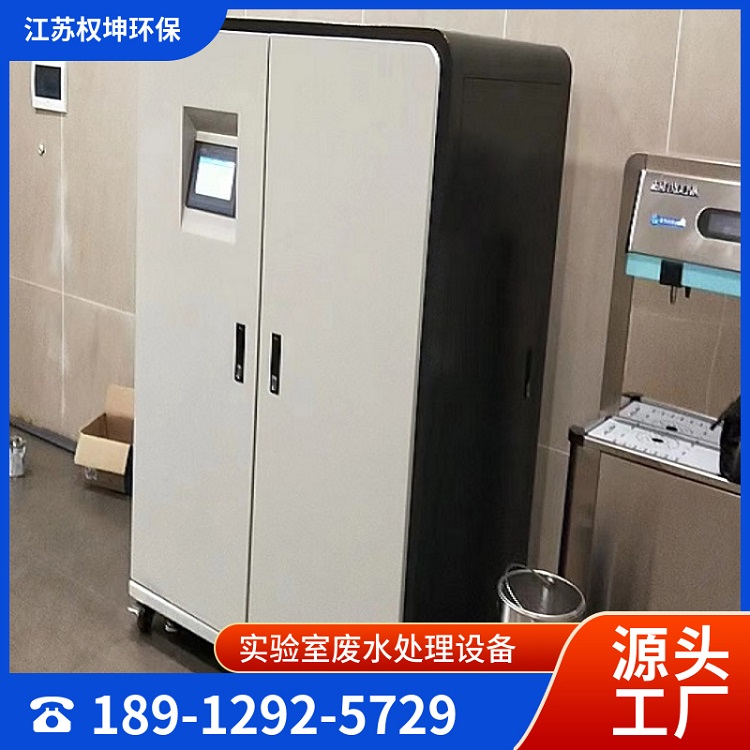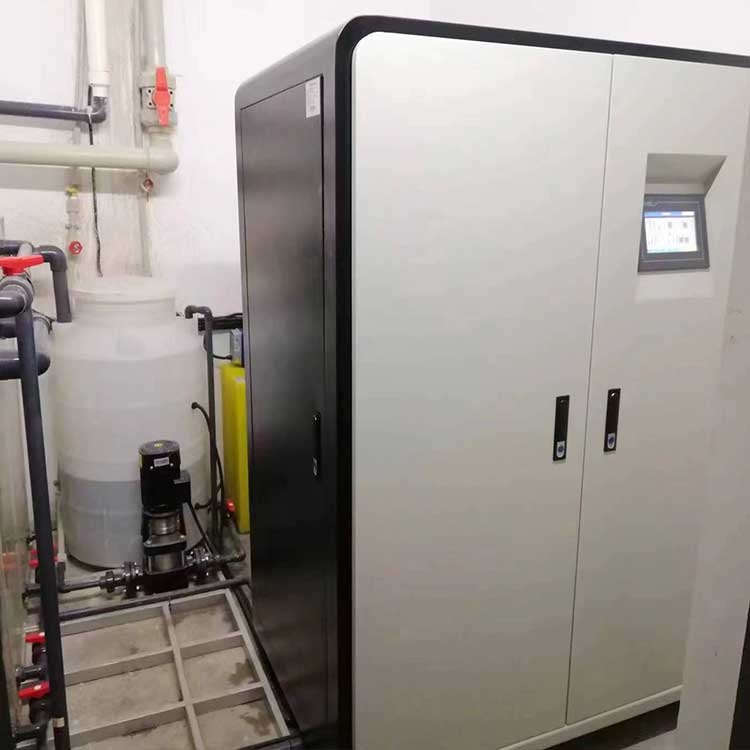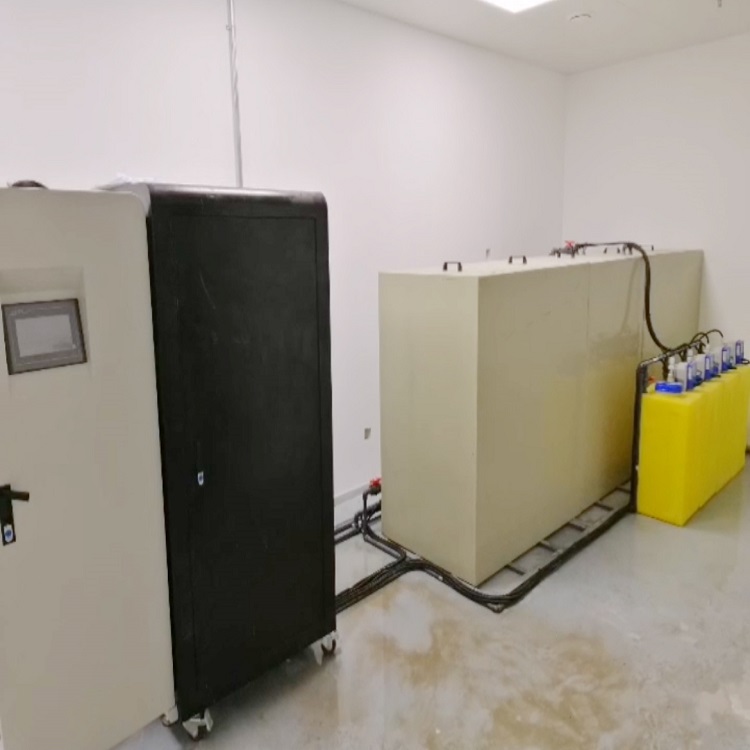

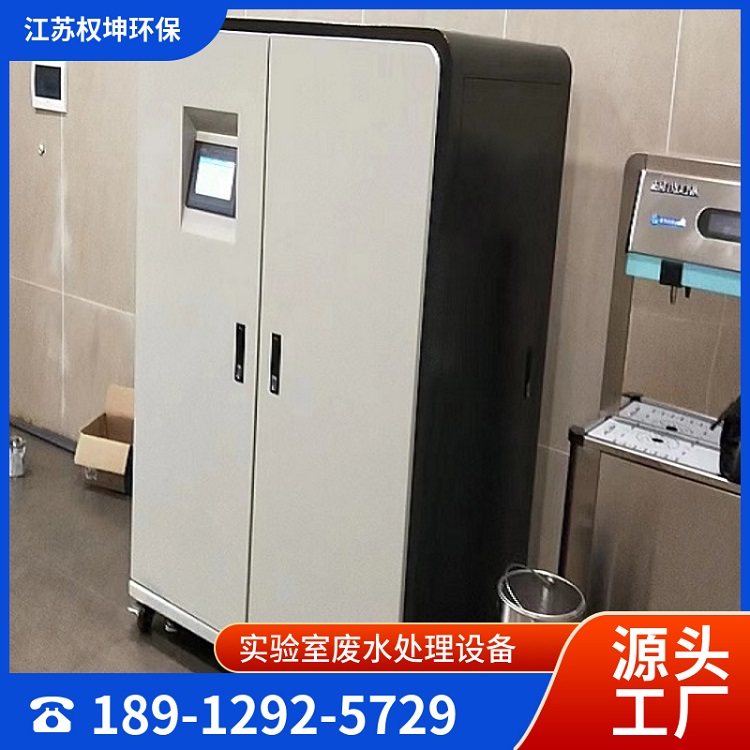

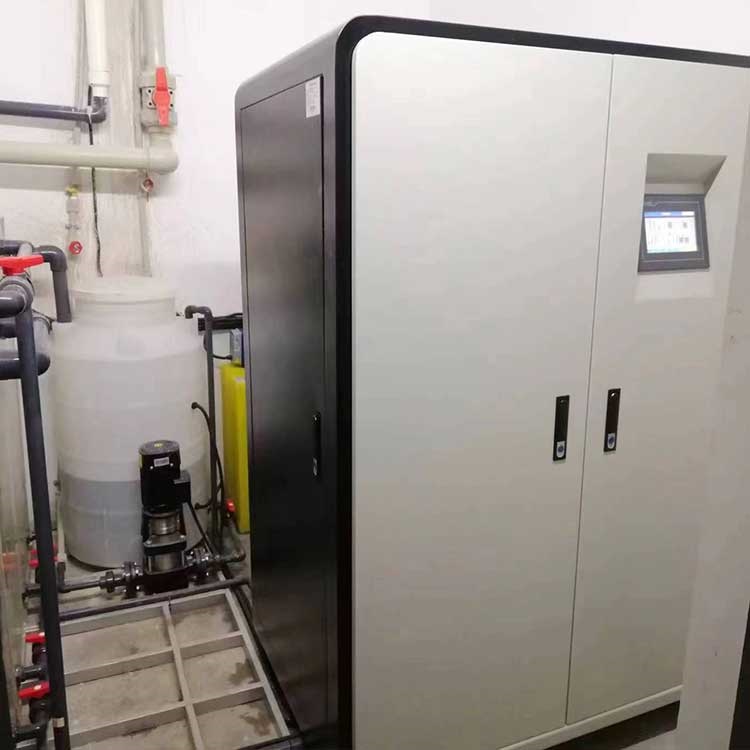
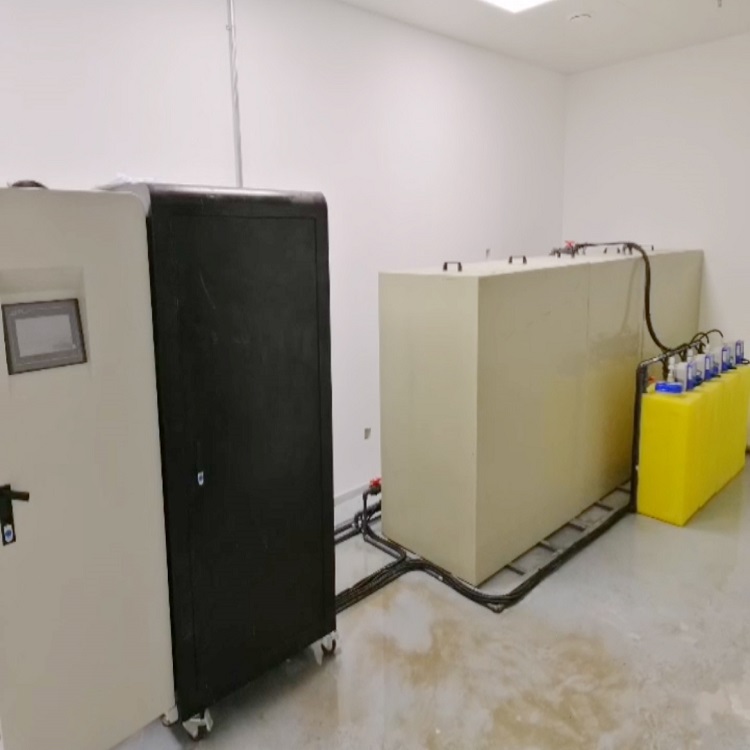












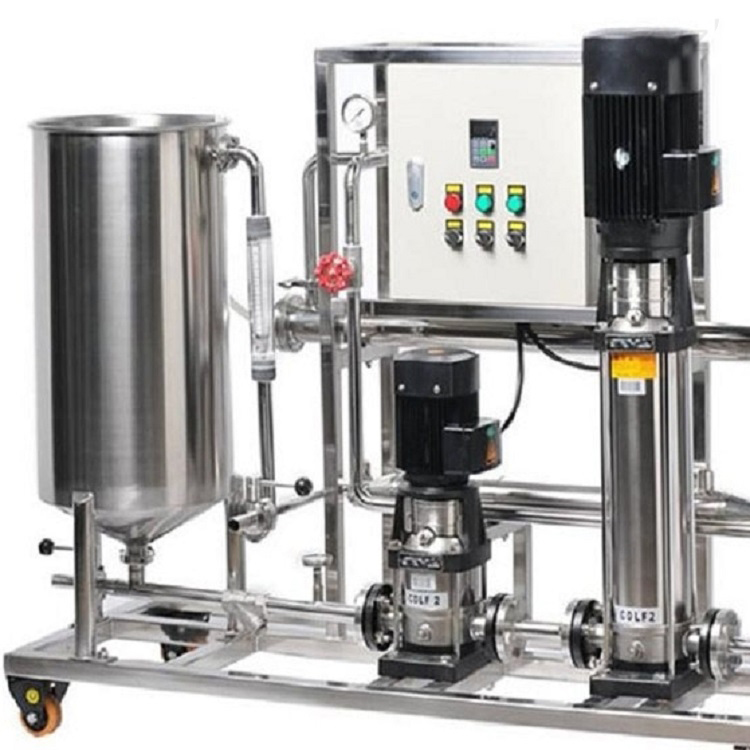
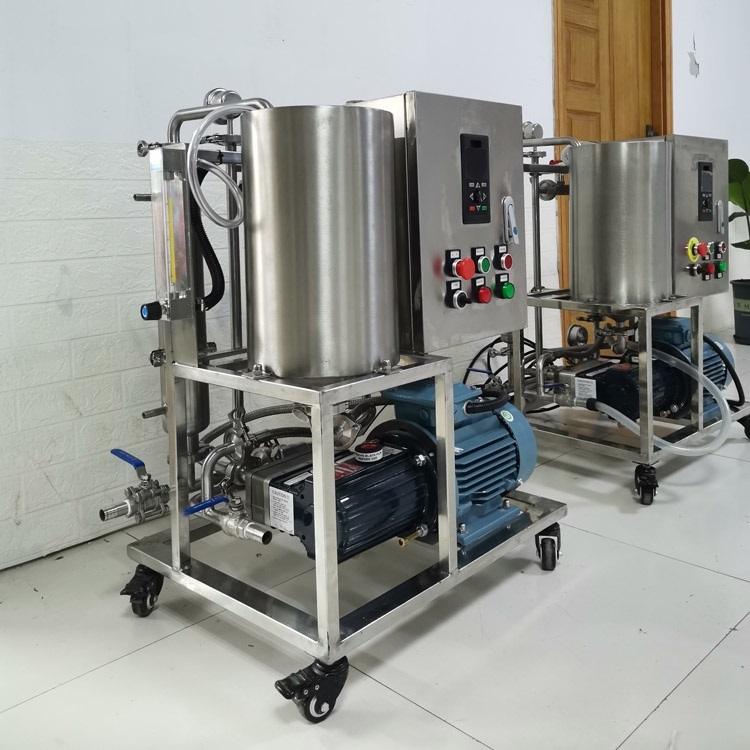
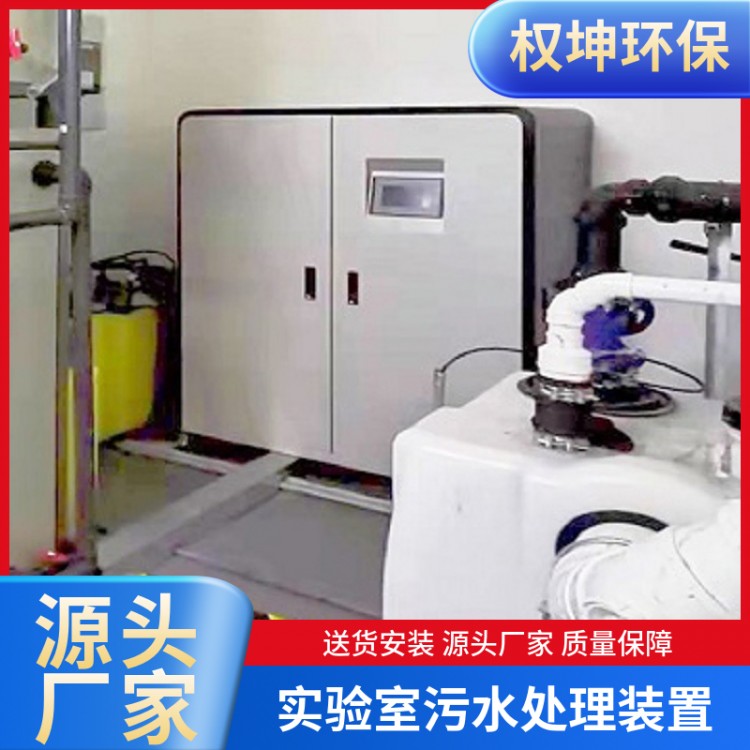
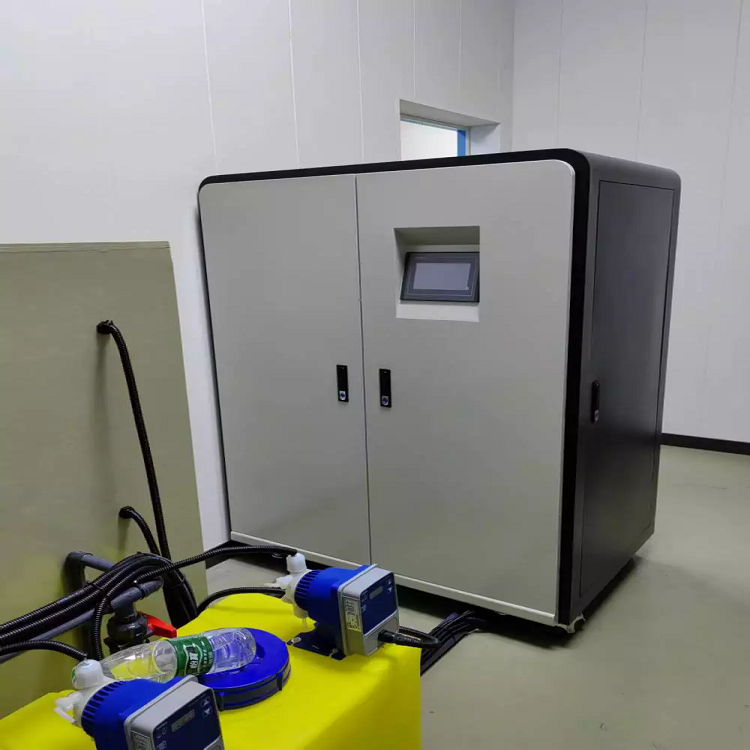
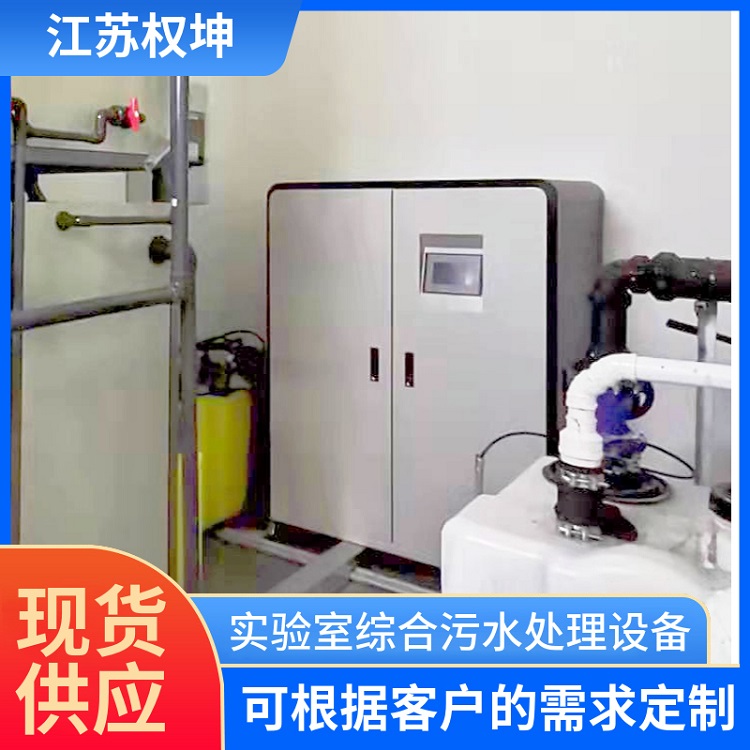
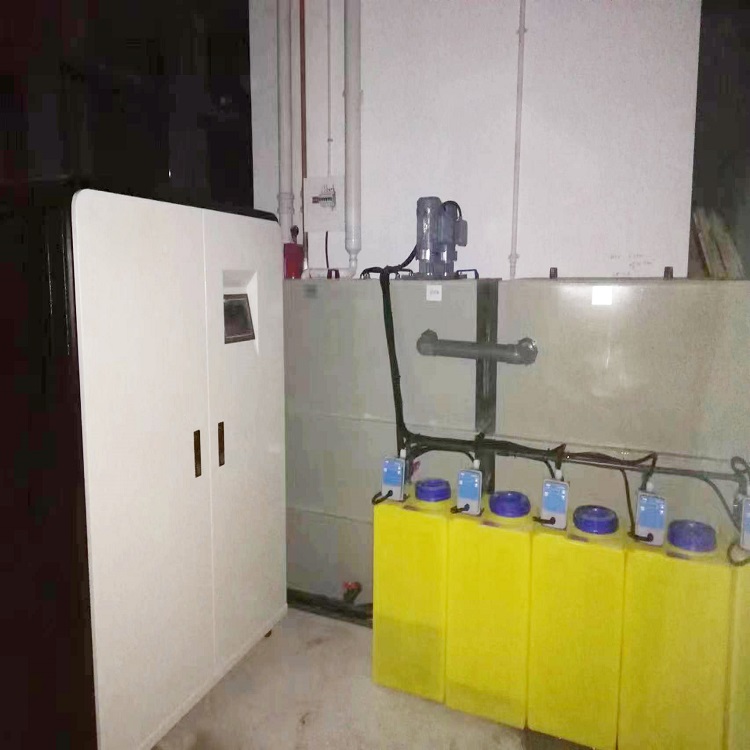
Junior High Lab Wastewater Treatment Equipment - Compact Integrated Sewage Treatment Plant - Free Installation and Customizable
Laboratory wastewater poses significant hazards. With the expansion of universities and colleges, the surge in student numbers, and the economic development driving scientific research, the volume of chemical laboratory wastewater is increasing. Many laboratories discharge untreated wastewater directly into the sewers. Given the complex composition of experimental wastewater, which contains a high concentration of acids, alkalis, hexavalent chromium, phenols, and other harmful substances, direct discharge is bound to pollute the public water supply and living environment. It is urgently necessary to find an economical, efficient, energy-saving, and environmentally friendly wastewater treatment process suitable for chemical laboratories.
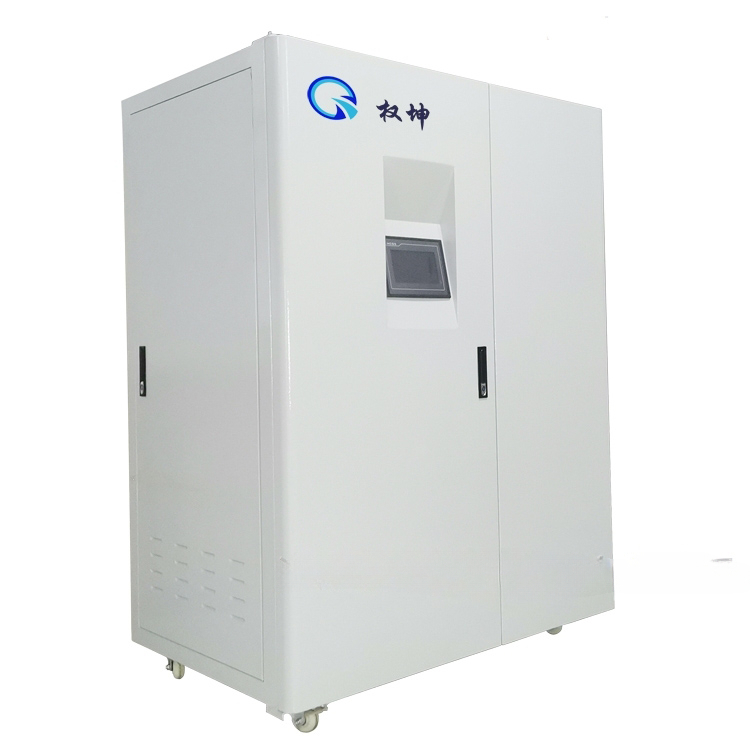
Laboratory wastewater treatment equipment processing flow:
Neutralizing Unit: Add NaOH to the wastewater to adjust the pH to 8.5-9.2, causing certain ions in the wastewater to react with sodium hydroxide and form precipitates, thereby removing heavy metal ions.
Coagulation Sedimentator: Adding a certain amount of CJI water treatment agent causes the wastewater to form a large amount of coagulated flocs. After sedimentation, it reduces the workload of subsequent processes and improves the removal rate of COD and suspended solids.
Filtering Device: Utilizes a quartz sand-filled layer to trap and remove suspended particles and fine materials that have not been separated by air floatation, with scheduled backwashing to ensure consistent filtration efficiency.
Activated Carbon Decolorization Unit: Utilizes the adsorption capacity of activated carbon for further deep treatment, removing color and odor from water. Ensures the effluent meets standards.
Ozone Generators (Disinfection): For E. coli, Salmonella, and other pathogens, disinfection can be achieved through the use of an ozone generator.
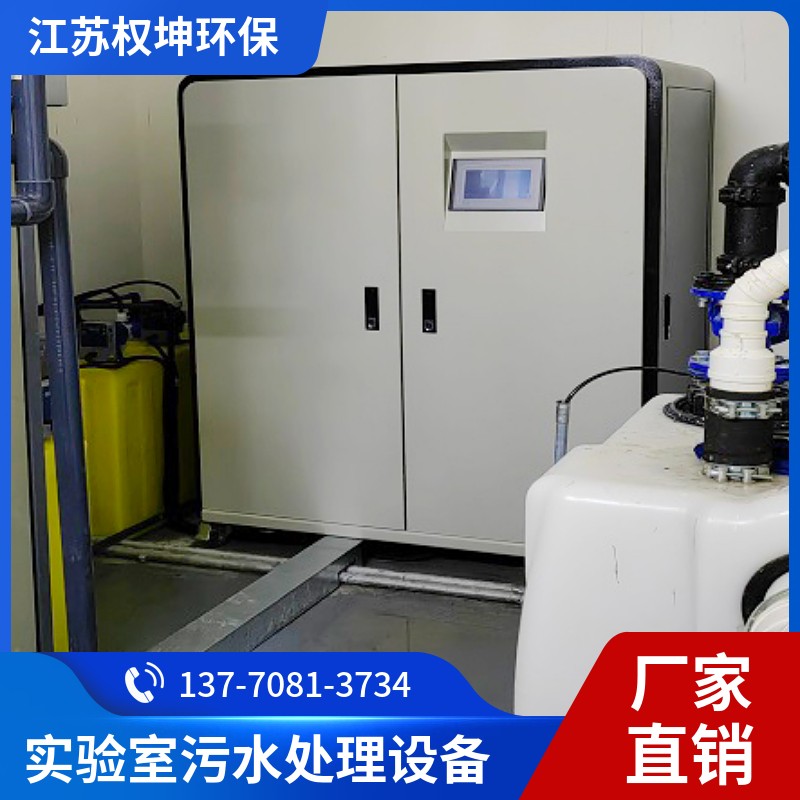
Mature technology for laboratory wastewater treatment equipment:
1. Considering all factors, the school's laboratory wastewater treatment equipment utilizes a mature technology that requires low investment, stable operation, low running costs, and effective treatment.
2. In response to the characteristics of wastewater, the school laboratory's sewage treatment equipment employs special measures to ensure the removal of harmful components, and gives full consideration to anti-corrosion measures for pipelines, equipment, and structures.
3. Select equipment for school laboratory wastewater treatment that features stable performance, easy maintenance, reasonable pricing, durability, and high treatment efficiency.
4. Structures are arranged in a rational and compact manner, with an aesthetically pleasing and generous appearance, aiming to minimize land usage.
5. The school laboratory wastewater treatment equipment has a certain capacity to withstand water quality and quantity shock loads.
6. The design takes full consideration of noise and odors to prevent secondary pollution, ensuring that the school laboratory wastewater treatment equipment does not cause any new pollution to the surrounding environment.
7. Achieve automated control to enhance stability; school laboratory wastewater treatment equipment ensures the effluent quality meets standards.
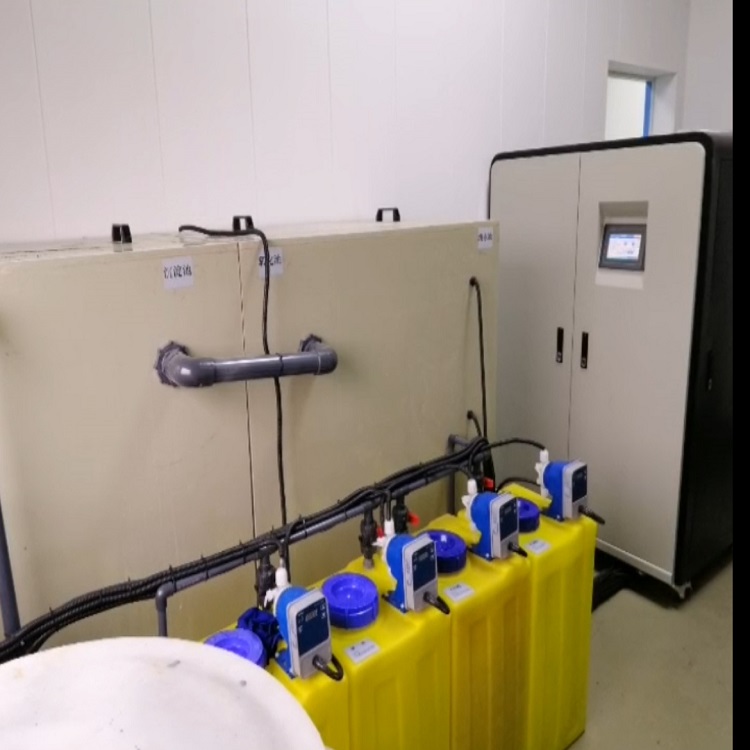
Junior High Lab Wastewater Treatment Equipment - Compact Integrated Sewage Treatment System - Free Installation Available for Customization
Laboratory wastewater treatment equipment features:
1. Wide applicability, suitable for wastewater treatment in various laboratories.
2. High level of automation with centralized control, user-friendly human-machine interface, easy operation, fully automatic operation, no need for dedicated staff.
3. Centralized control, high level of automation, easy to operate, fully automatic operation, no need for dedicated staff.
4. Automatic leak and electric shock protection, high and low voltage automatic protection, no wastewater protection, and liquid level protection for storage tank.
5. Dynamic operation with digital LCD display for water quality indicators.
6. "One-stop" integrated design, featuring attractive appearance, small footprint, low operation costs, easy installation and mobility, high processing capacity, excellent processing effect, low energy consumption, acid and alkali resistance, low noise, and environmental friendliness, truly achieving engineering equipmentization. No need for multiple treatment ponds, and does not produce secondary pollution such as waste residue, waste gas, and wastewater.