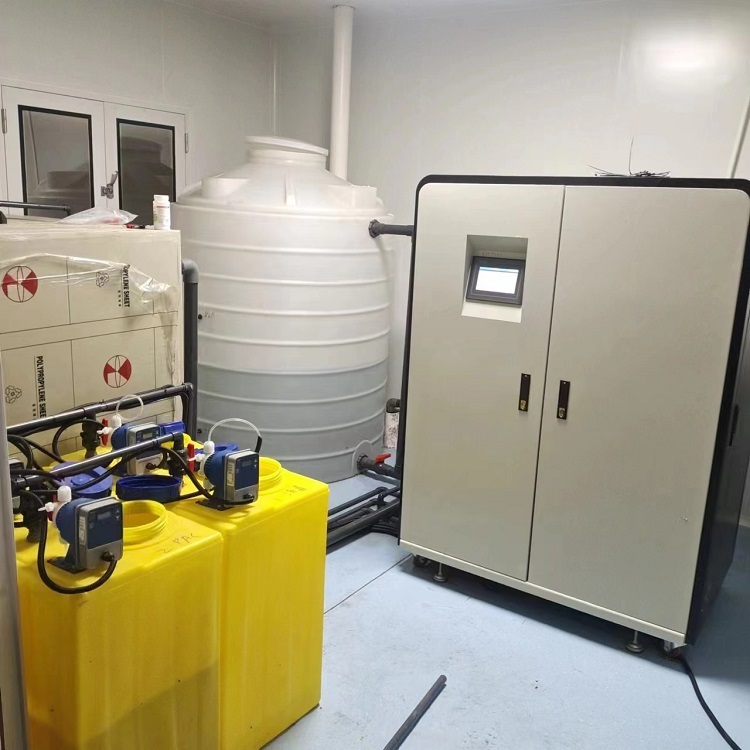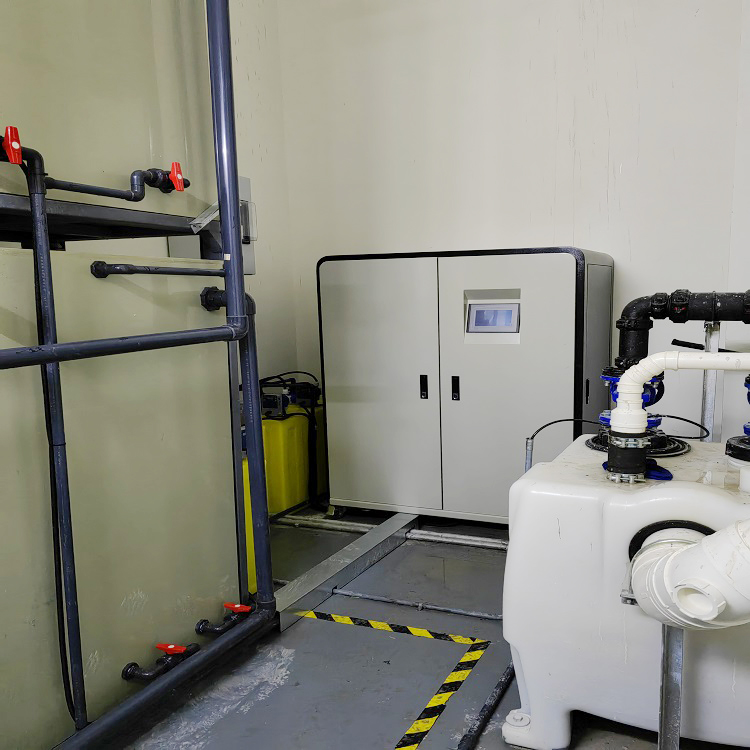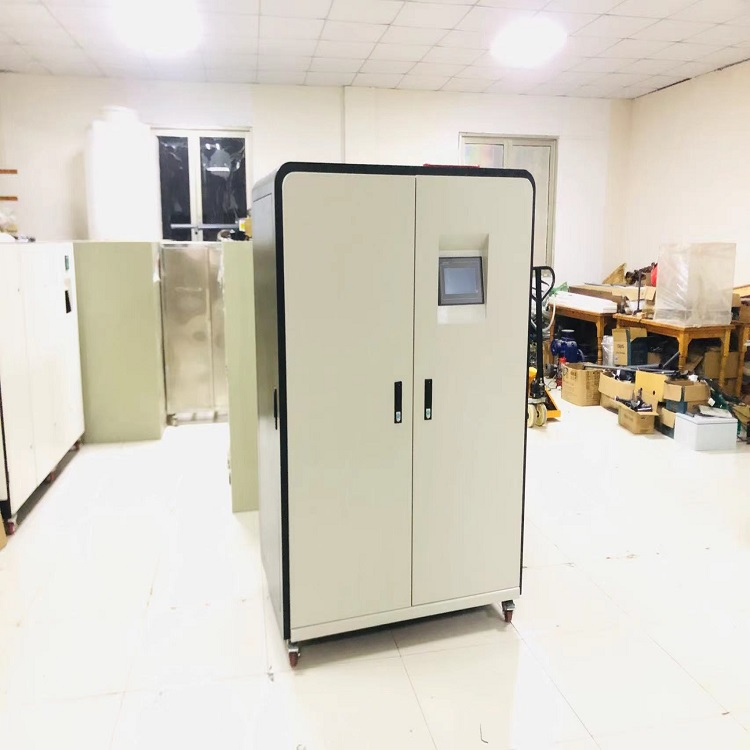

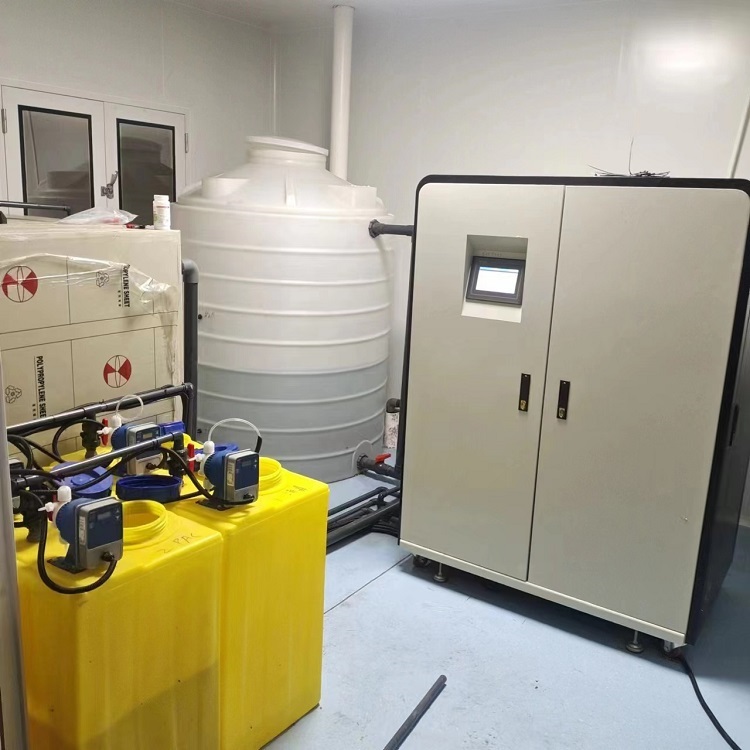

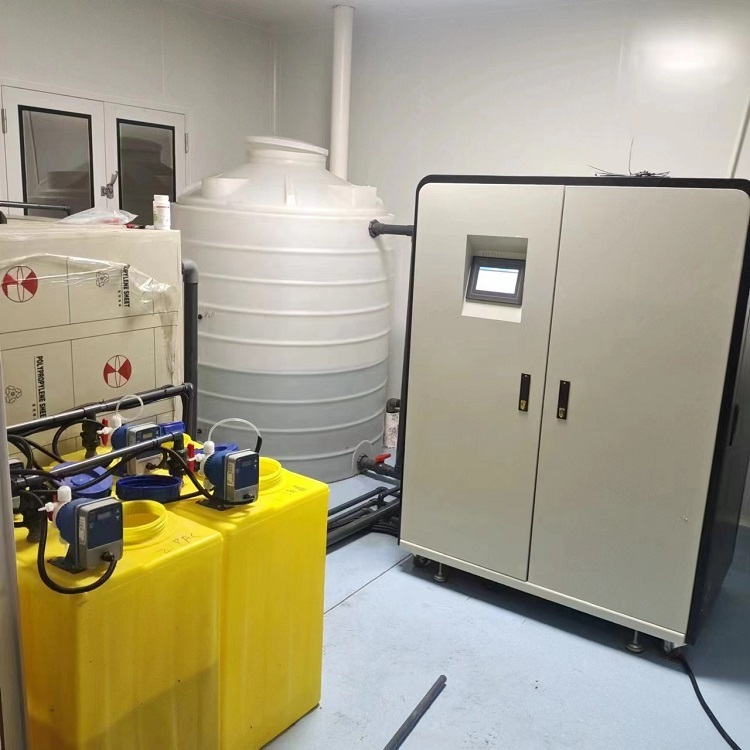
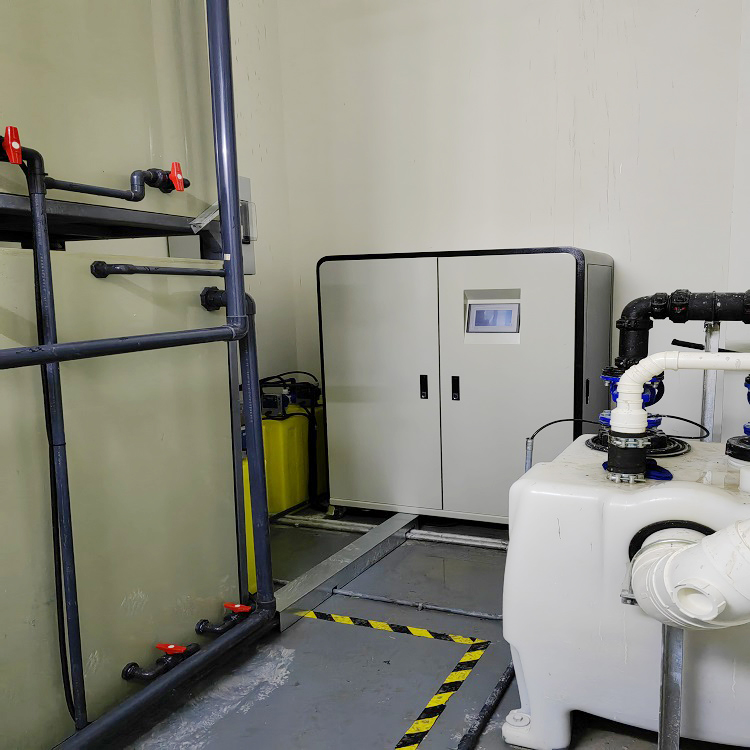
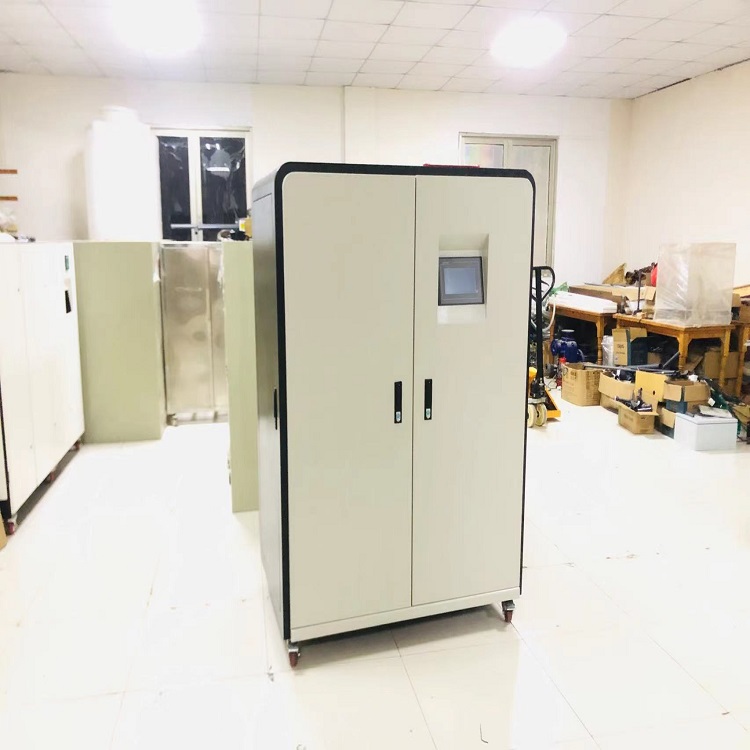












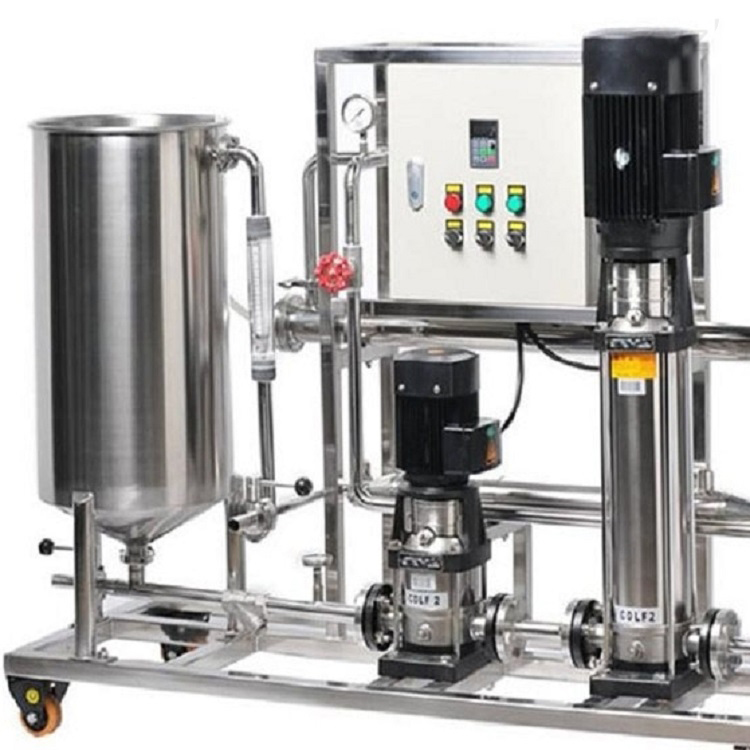
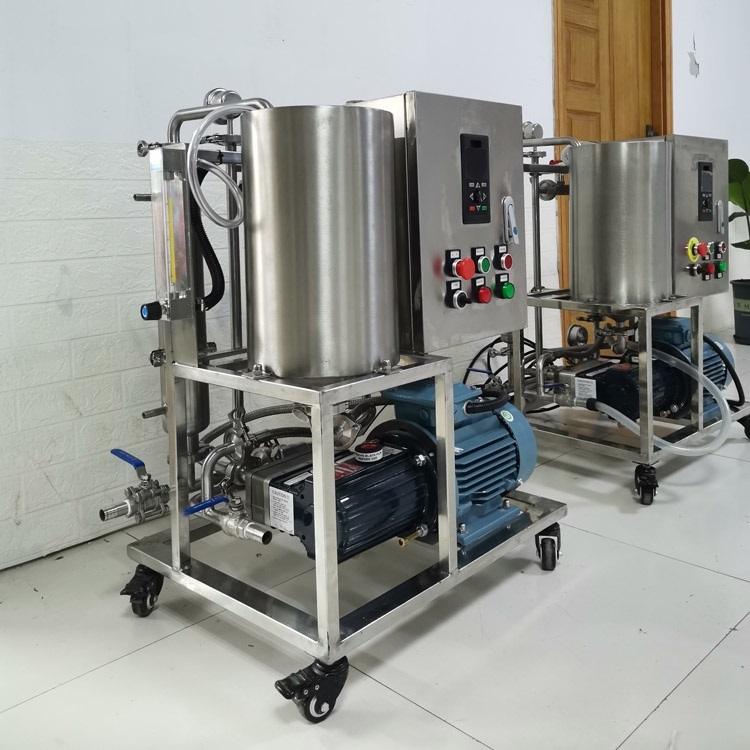
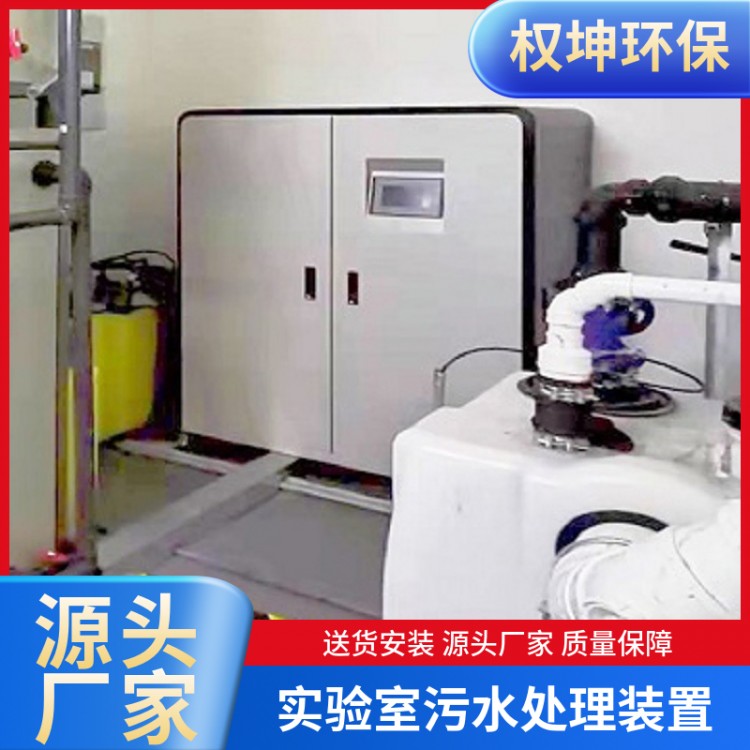
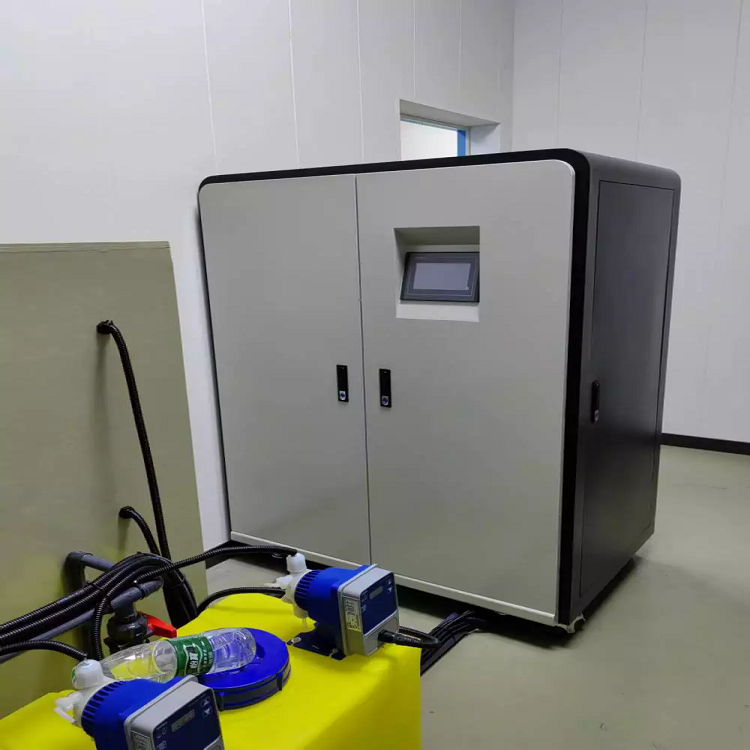
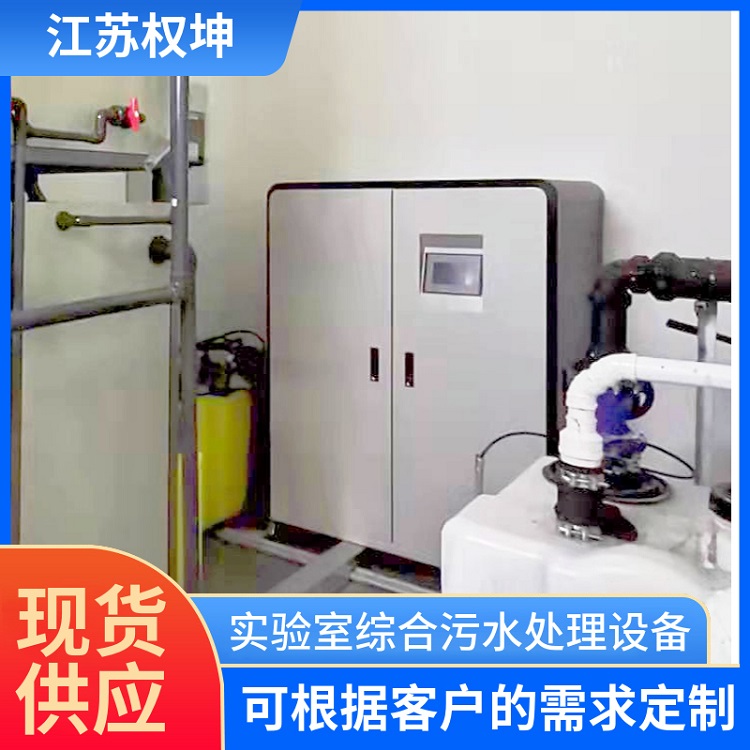
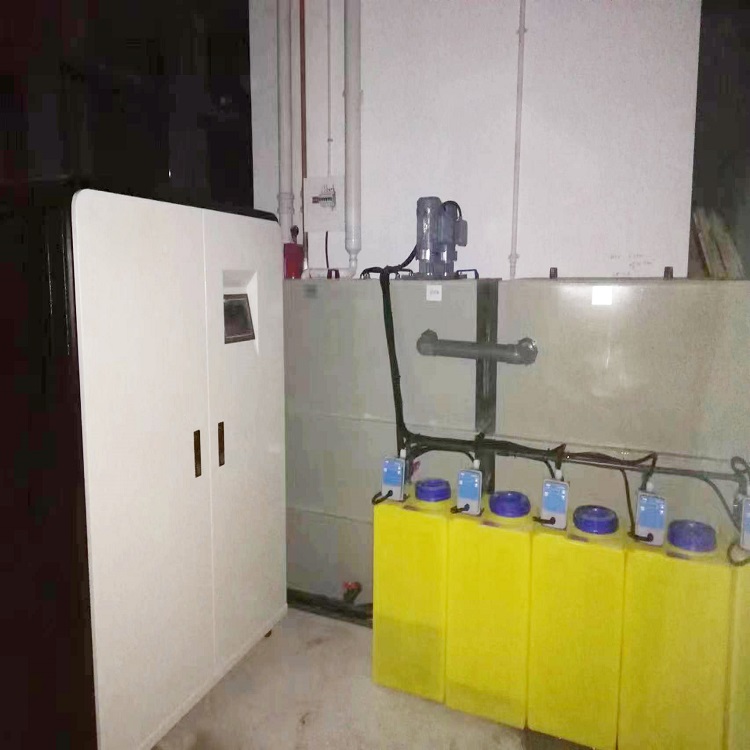
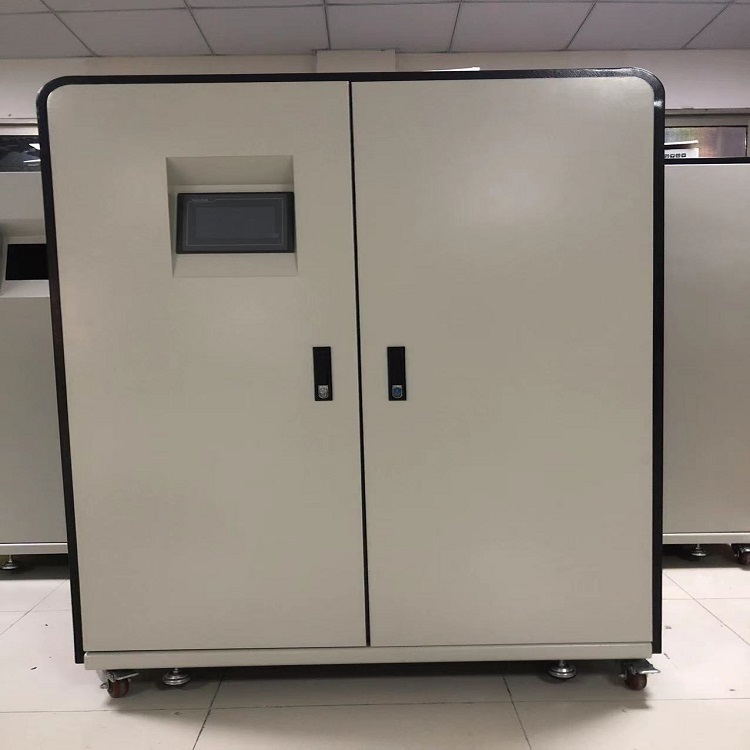
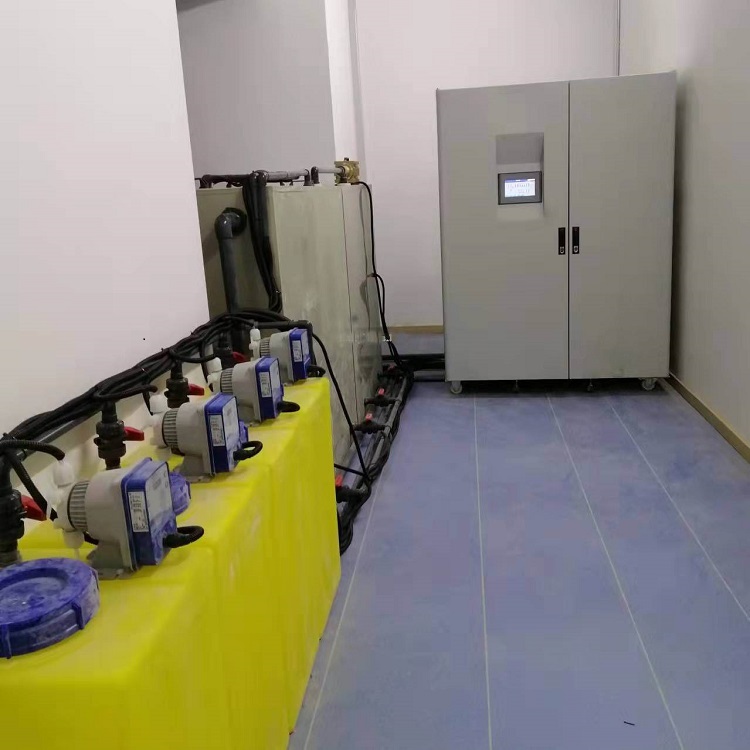
Educational Building Laboratory Wastewater Treatment Equipment - Quankun - Standard Discharge - Integrated Wastewater Treatment Equipment
Reagents and pharmaceuticals used in laboratories range from nearly a hundred to over a thousand types. Currently, the school offers multiple experimental courses, which include experiments on verifying material properties, quantitative analysis, organic synthesis, and extraction of organic substances. The chemical reagents used consist of common acids, bases, heavy metal salts, and phenols, along with their organic derivatives. Most of these can cause severe environmental pollution. Many reagents and their reaction by-products, such as various acids, bases, heavy metal salts, and organic substances, are harmful to both the environment and human health. Some of these substances can persist in the environment for a long time, being difficult to degrade; others accumulate in the food chain, causing toxic effects; and some even cause secondary pollution during the degradation process.

General Principles for Laboratory Wastewater Treatment:
1. Upon proving that waste has become sufficiently scarce and safe, it can be released into the atmosphere or drainage; strive to concentrate the waste liquid to reduce volume and store it separately in a safe location; use methods such as distillation, filtration, and adsorption to separate hazardous materials, discarding only the safe portions; whether liquid or solid, anything that can be safely burned should be incinerated, but in moderate quantities to avoid harmful gases or residues; if incineration is not feasible, choose a safe location for landfilling, ensuring it does not remain exposed to the ground.
2. Generally, toxic gases can be exhausted by fume hoods or ventilation ducts after being diluted by air. Large quantities of toxic gases must be combusted with oxygen or treated by adsorption before being released.
3. Wastewater should be stored in appropriate containers and locations based on its chemical properties, using sealed containers, and should not be mixed for storage. Label the type, storage duration, and schedule for regular disposal.
Technical Specifications:
1. Treat wastewater inorganic pollutants by neutralization coagulation, natural sedimentation, fiber fine filtration, and activated carbon adsorption technologies.
2. Operates fully automatically around the clock, without the need for constant human supervision.
3. Accurately control the dosage with a pH meter and imported metering pump.
4. User-friendly, stable operation, long service life, and low maintenance costs.
5. Small footprint, can be placed indoors or outdoors as needed.
6. Tailor-made design and manufacturing according to different customer requirements.
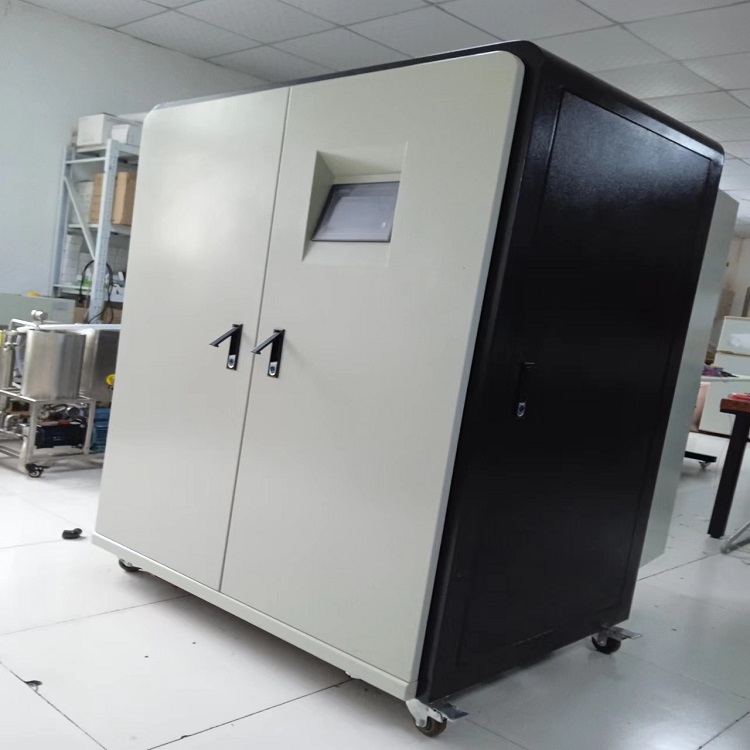
Product Features:
1. Treat wastewater inorganic pollutants with neutralization coagulation, natural sedimentation, fiber fine filtration, and activated carbon adsorption technologies.
2. Features around-the-clock, fully automatic operation; no need for dedicated personnel to be on duty.
3. Utilize a pH meter and imported metering pump for precise dosing control.
4. User-friendly, stable operation, long lifespan, and low maintenance costs.
5. Compact footprint, suitable for indoor or outdoor placement as needed.
6. Tailored design and manufacturing services are available to meet various customer requirements.
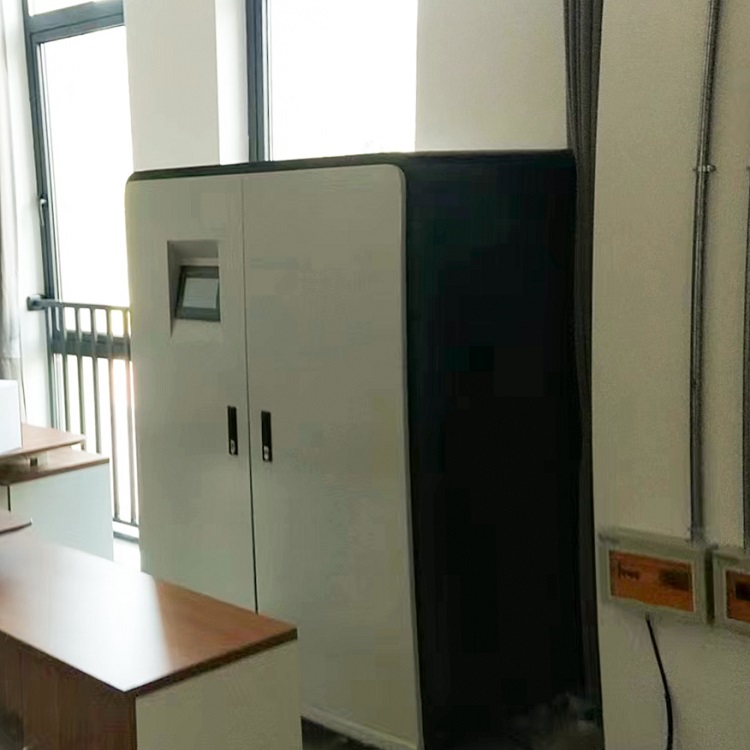
Educational Building Laboratory Wastewater Treatment Equipment - Quankun - Standard Discharge - Integrated Wastewater Treatment Equipment
Application Range:
Our Laboratory Wastewater Treatment Unit is a newly developed equipment based on our years of experience in treating organic wastewater. Designed for compact laboratory spaces with low wastewater flow, this unit combines neutralization, multi-stage filtration, and sterilization processes. It boasts small size, low noise, no secondary pollution, no release of irritant gases, and easy installation and maintenance. It is widely used in research institutions, chemical laboratories of universities and colleges, petrochemical enterprises, and various quarantine and inspection departments.