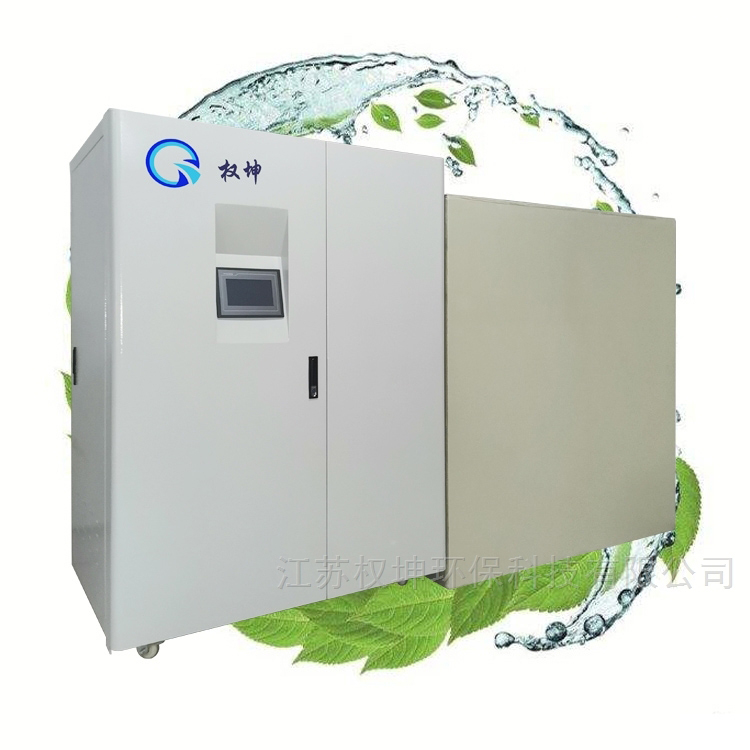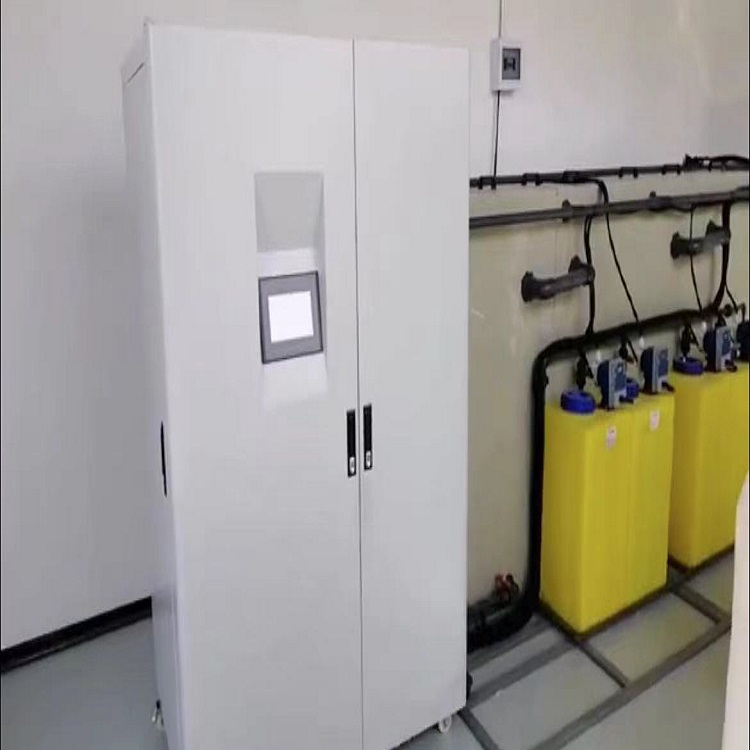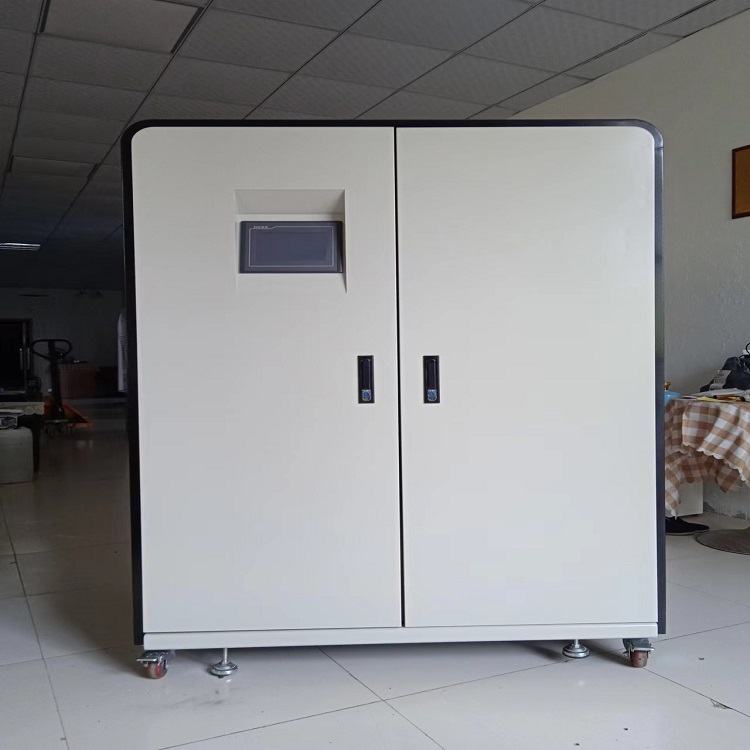

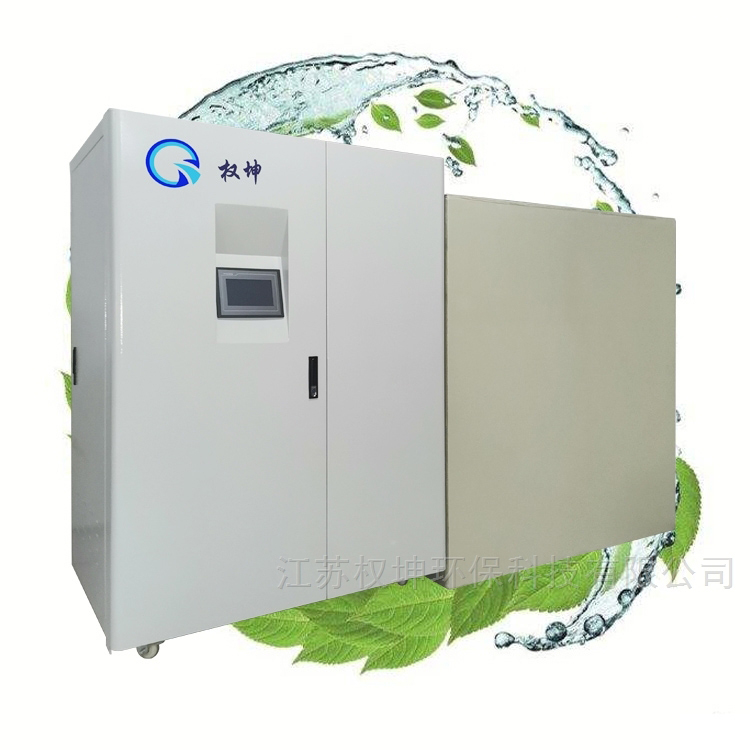


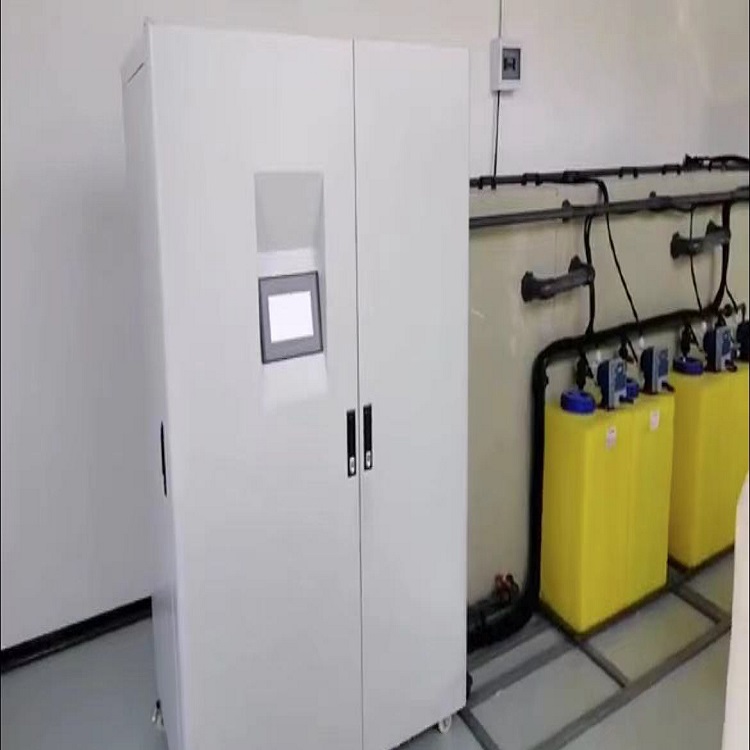
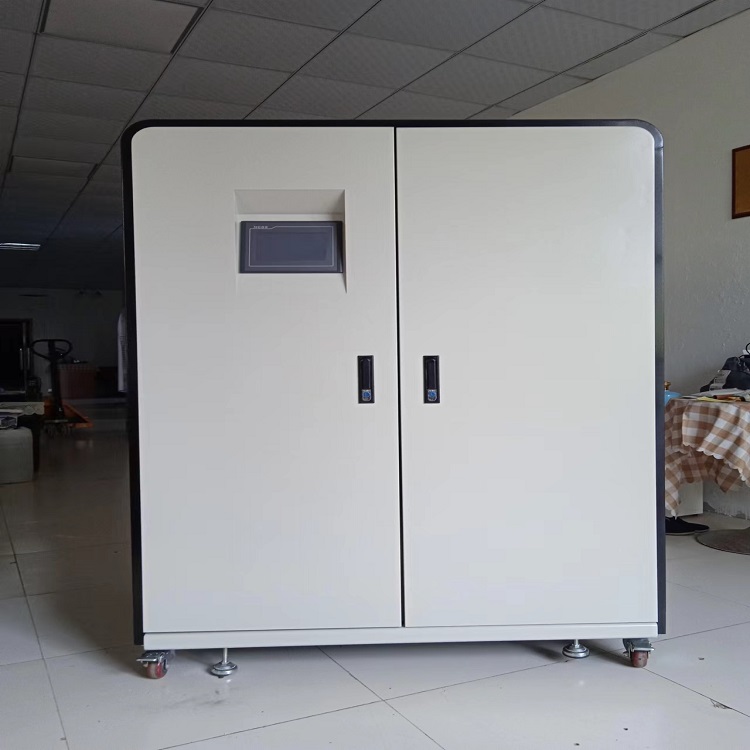












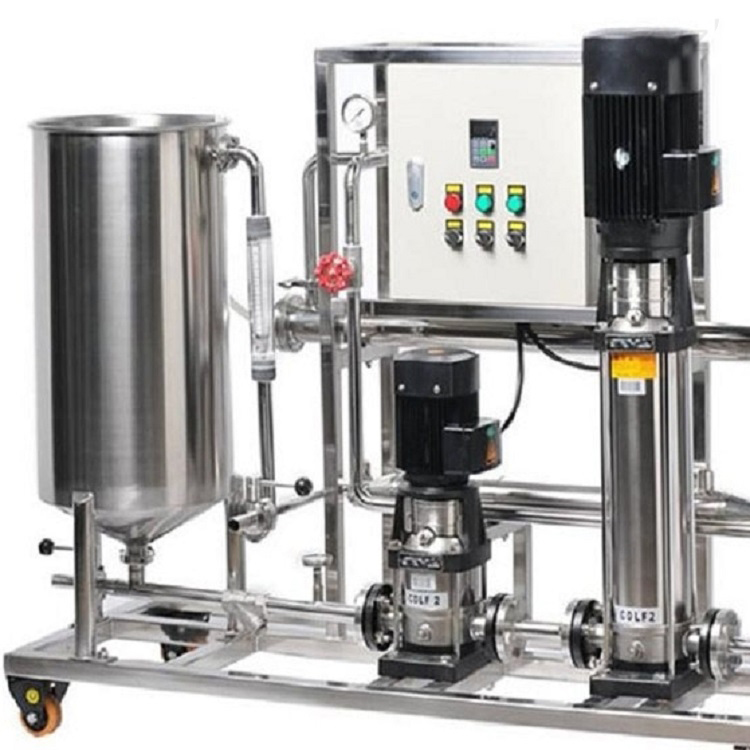
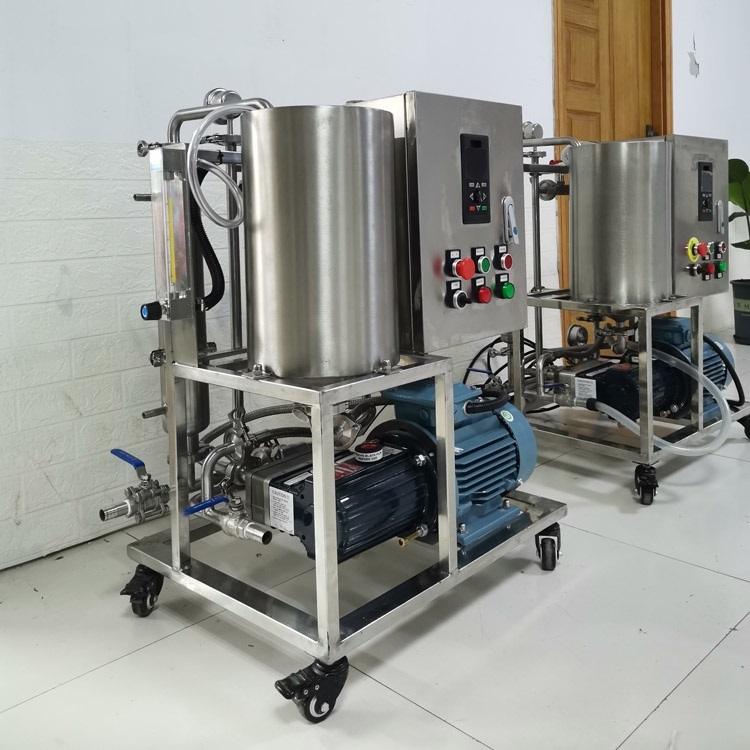
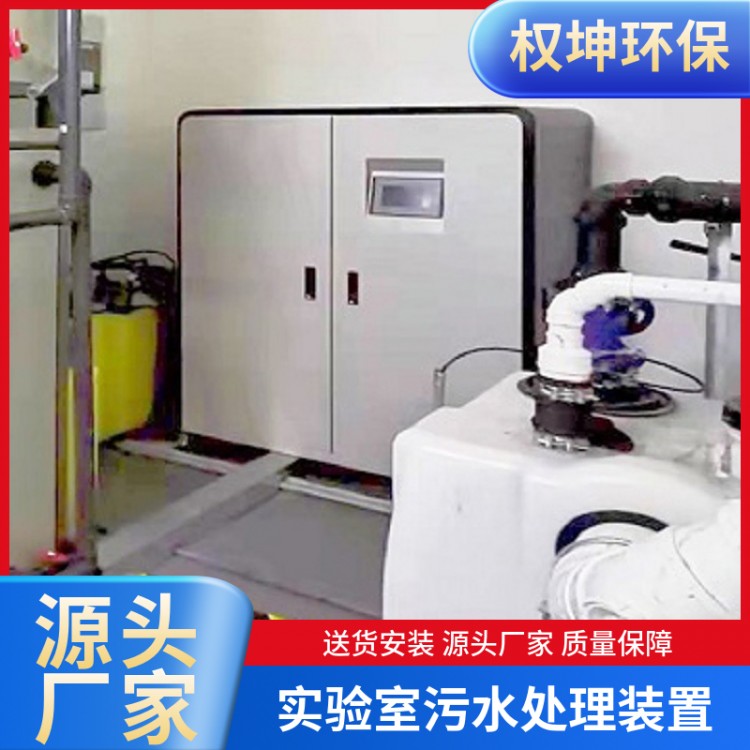
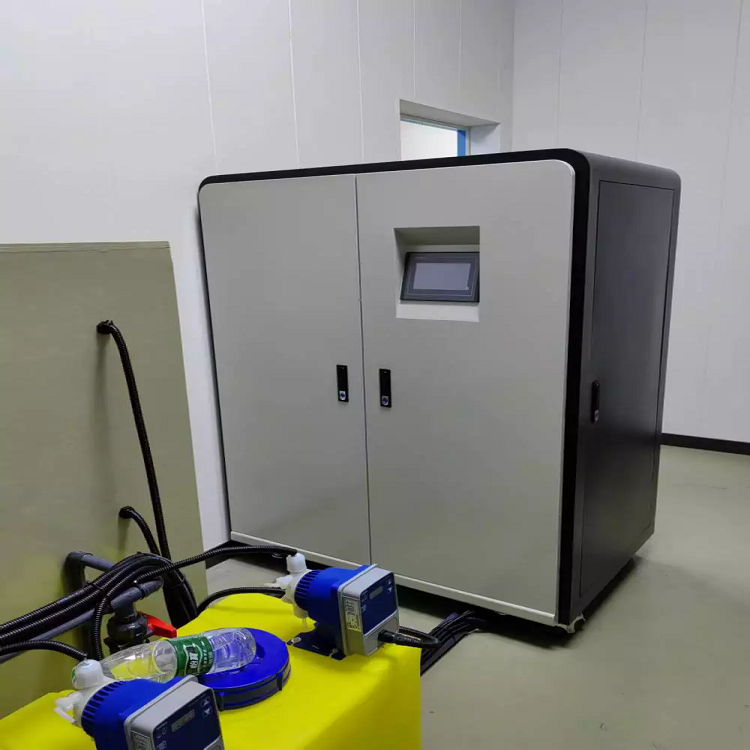
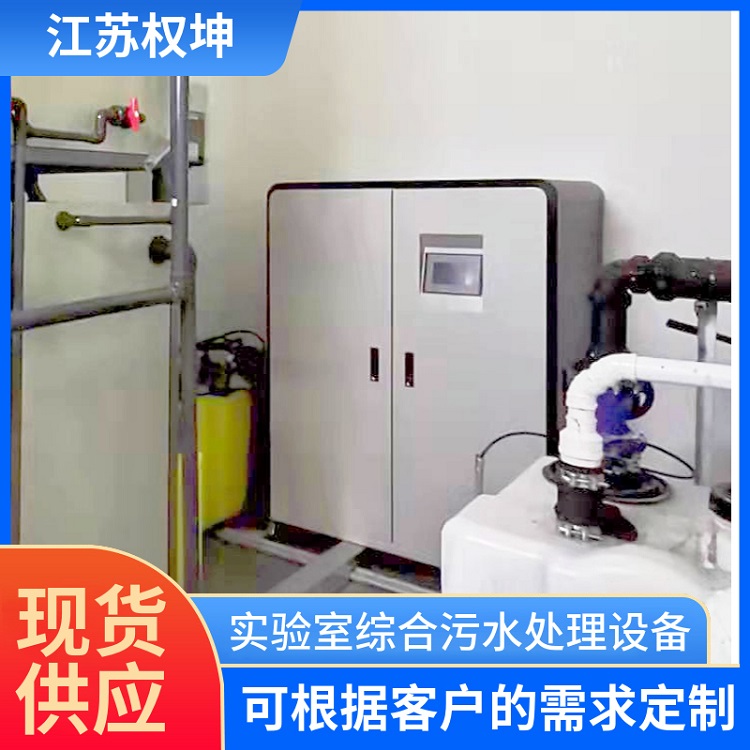
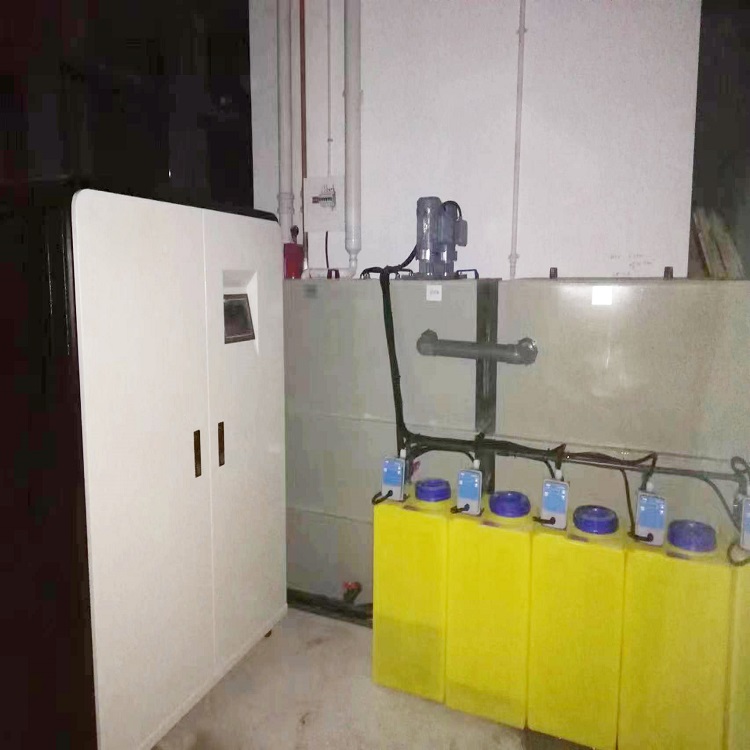
Highly automated laboratory wastewater treatment equipment, source factory for wastewater treatment units, Quankun
Lab Wastewater Treatment Equipment Introduction:
Laboratory wastewater treatment equipment includes wastewater collection unit, automatic adjustment unit, pretreatment unit, automatic dosing unit, coagulation and air flotation mixing unit, flocculation and coagulation sedimentation unit, sedimentation and separation unit, solid-liquid separation unit, sludge drying unit, heavy metal capture unit, filtration and adsorption unit, new catalytic micro-electrolysis treatment unit, high and low potential difference micro-electrolysis technology treatment unit, electrochemical catalytic oxidation-reduction proprietary technology treatment unit, photocatalytic reaction technology treatment unit, multi-stage deep decomposition and degradation treatment unit, two-stage organic biological activity treatment unit, new biological reaction treatment unit, composite disinfection treatment unit, and new organic wastewater packed bed photocatalytic reaction special technology.

Based on the nature of the main pollutants in the wastewater, it can be categorized into two major types: laboratory organic and inorganic wastewater. Inorganic wastewater primarily contains heavy metals, metal complexes, acids and bases, cyanides, sulfides, halogen ions, and other inorganic ions. Organic wastewater includes common organic solvents, organic acids, ethers, polychlorinated biphenyls, organophosphorus compounds, phenols, petroleum, and greases. Compared to inorganic wastewater, organic wastewater has a broader scope of pollution and poses more severe hazards. Different wastewaters have varying compositions of pollutants, requiring different treatment methods and degrees. The treatment of laboratory wastewater follows the principles of categorized collection, on-site and timely in-situ treatment, simple operation, utilizing waste to treat waste, and cost reduction.
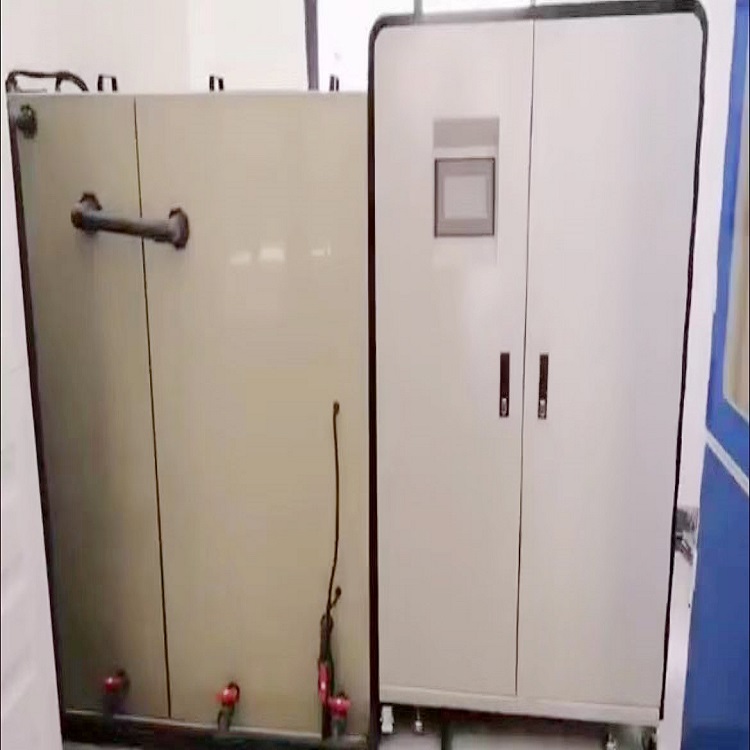
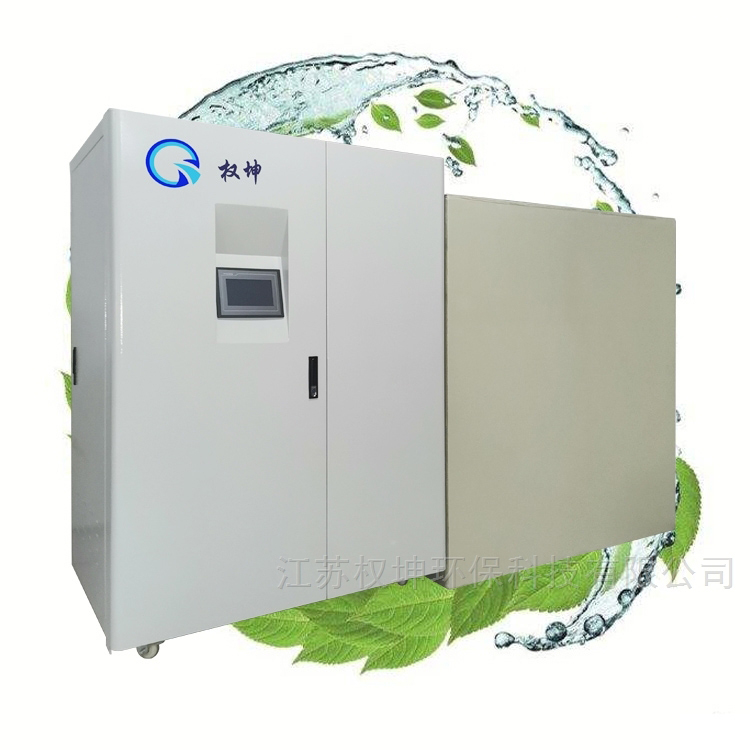
Laboratory water treatment equipment features:
1. Capable of denitrification and phosphorus removal, able to meet the requirements for treating industrial wastewater, domestic wastewater, and urban wastewater by adjusting the equipment structure.
2. The equipment has strong impact load resistance, with an average residence time in the contact oxidation process exceeding 6 hours.
3. The equipment ensures stable water quality output, with minimal sludge production and ease of handling.
4. The equipment features an aeration system installed in the contact oxidation pond, which facilitates constant aeration and ensures even bubble distribution. This promotes continuous movement of fibers and promotes the growth and maturation of microorganisms within the tank, exhibiting characteristics of the activated sludge process.
5. Water treatment equipment can be placed above ground level or buried underground. It reduces the footprint and saves land area. When buried, the top can be covered with green vegetation.
6. The equipment, in addition to conventional silencing measures with blowers, also features the installation of new sound-absorbing materials on the interior walls of the blower room, ensuring the operational noise is below 50 decibels, thereby reducing its impact on the surrounding environment.
7. Submersible pumps can be installed within the equipment, saving costs.
8. Simple and convenient operation, saving labor; both manual and automatic operation available.
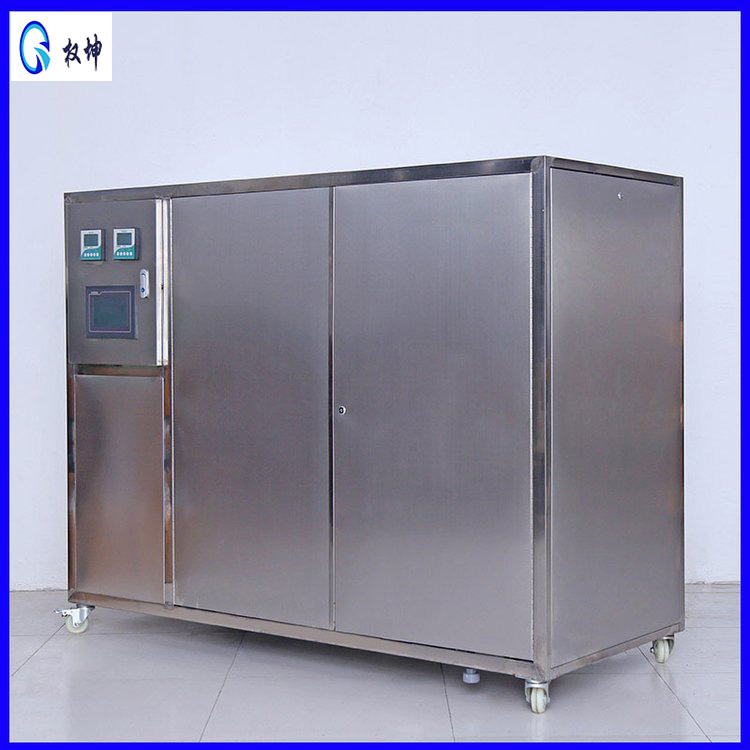
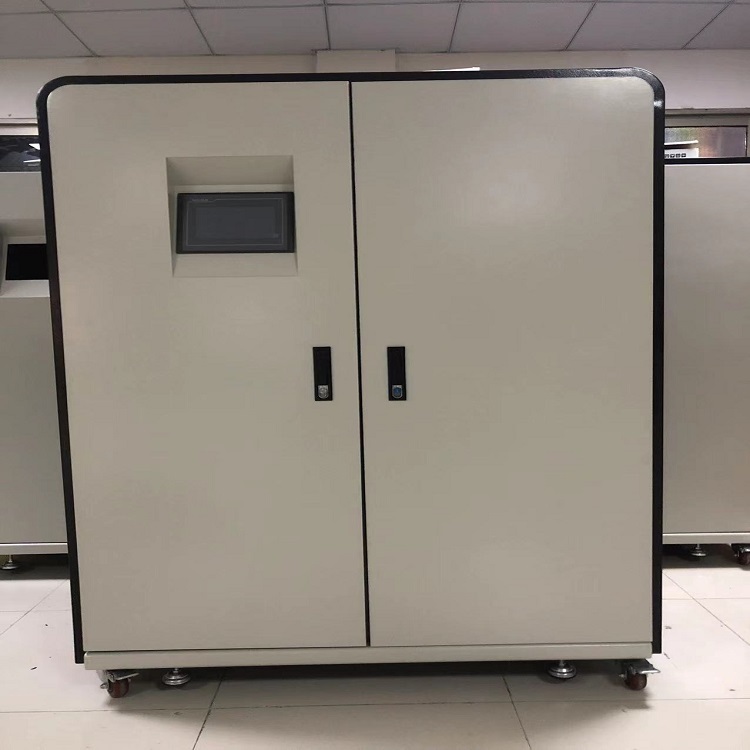
Highly automated laboratory wastewater treatment equipment, source factory Quankun wastewater treatment unit
Application Scope:
Laboratory wastewater treatment equipment is a technologically advanced, highly automated system with excellent treatment performance, minimal footprint, and simple operation and management. It does not require dedicated on-site staff and is specifically designed for comprehensive wastewater treatment in laboratories across various industries both domestically and internationally. It has received high praise from users and is widely used in research institutions, universities, environmental monitoring, product inspection, food and drug testing, entry-exit inspection and quarantine, disease control centers, geological and mineral detection centers, analytical testing centers, water resource monitoring, and grain and oil quality inspection.