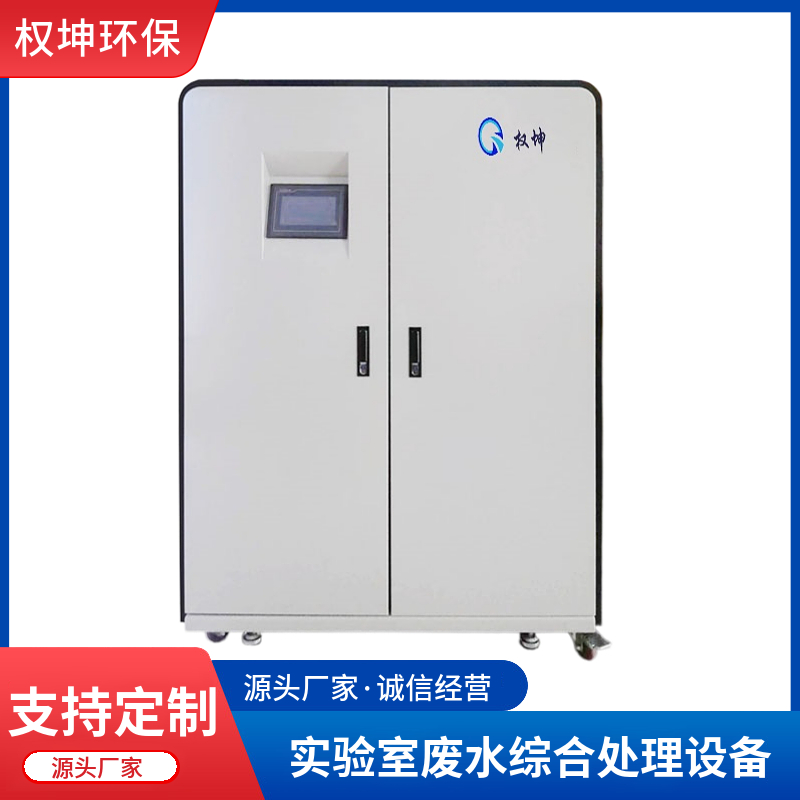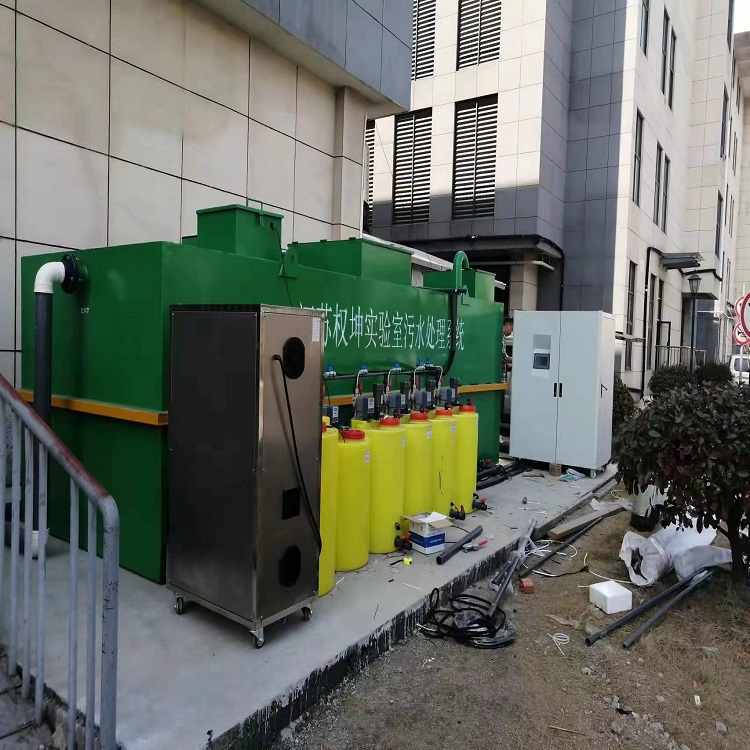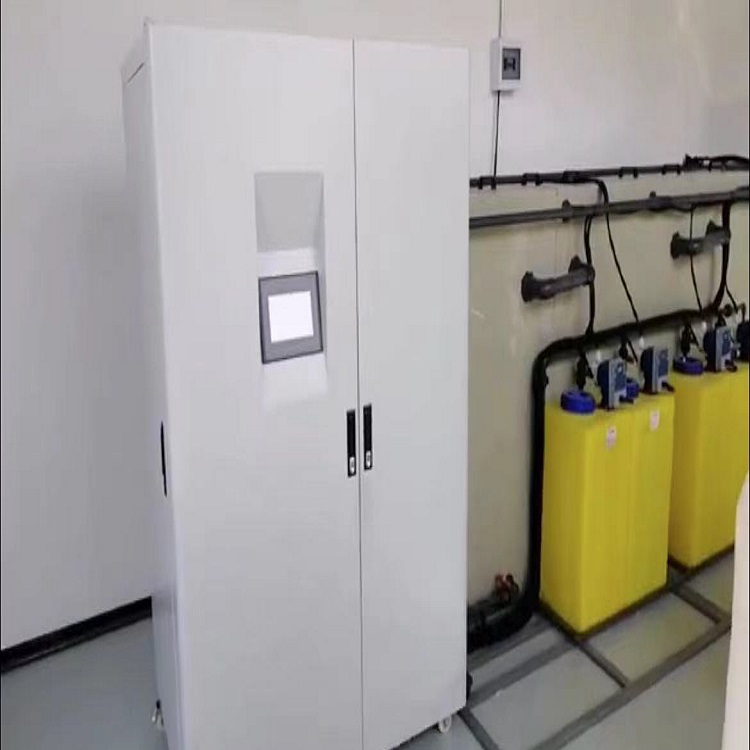













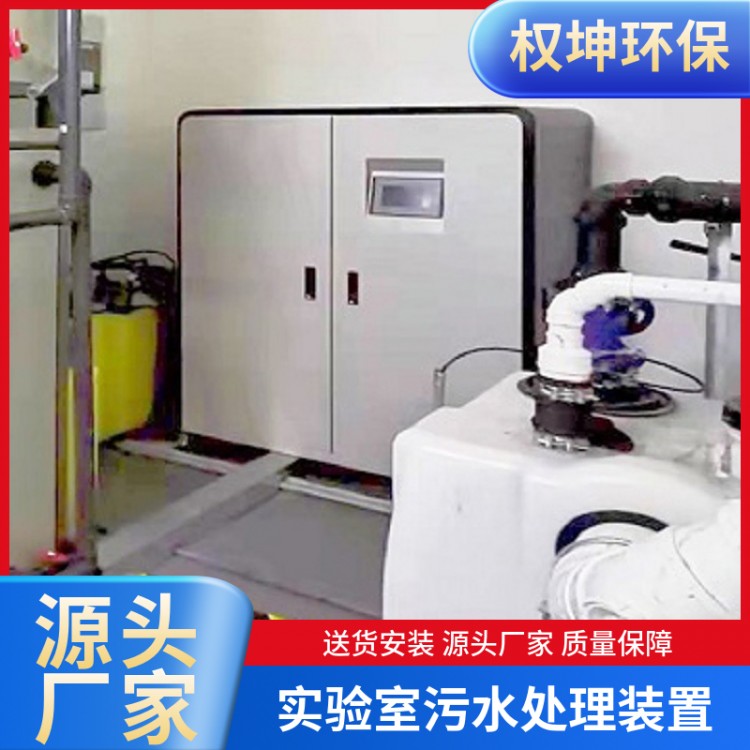
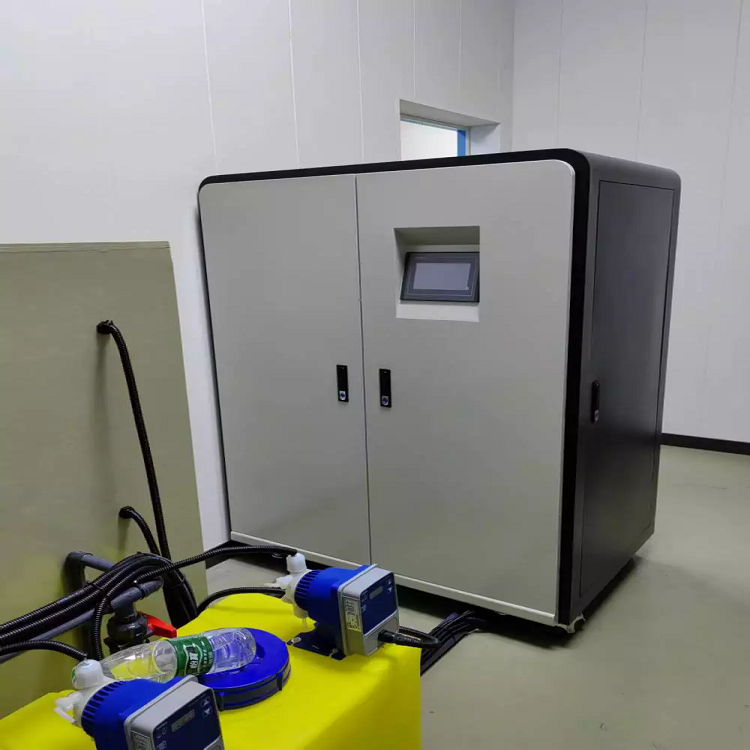
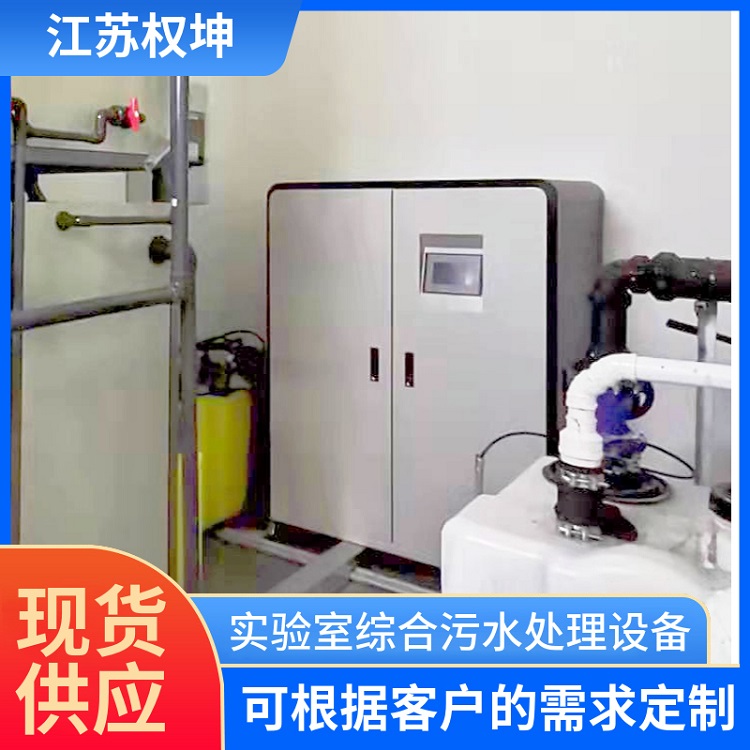
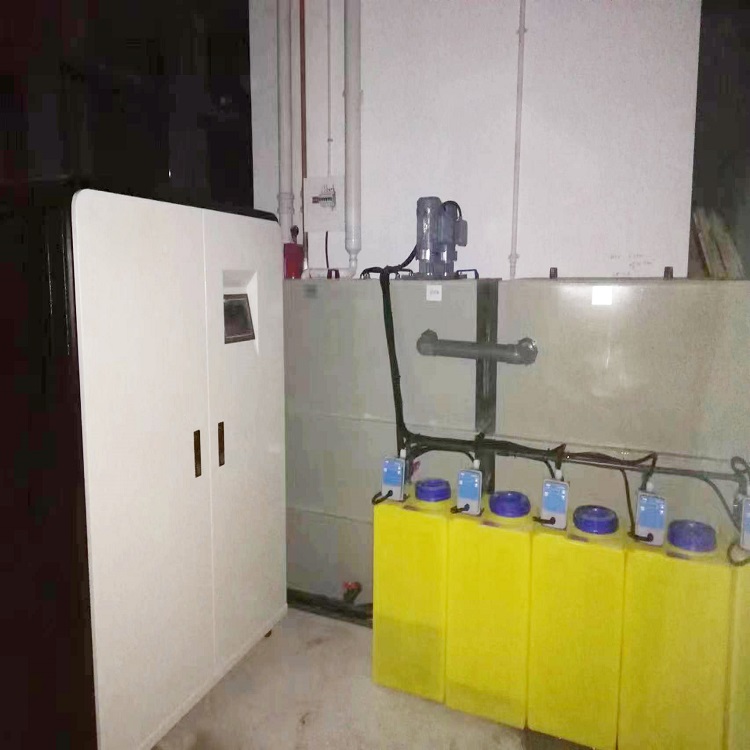
University Lab Wastewater Treatment Equipment - Inspection Department Sewage Treatment Equipment - Compact in Size
University laboratories, as important venues for scientific research and teaching, produce a large volume of wastewater daily. This wastewater contains various chemicals, biological materials, and radioactive substances, among others. If not effectively treated before discharge, it poses a severe threat to both the environment and human health. Therefore, the research and application of wastewater treatment equipment for university laboratories is particularly crucial.
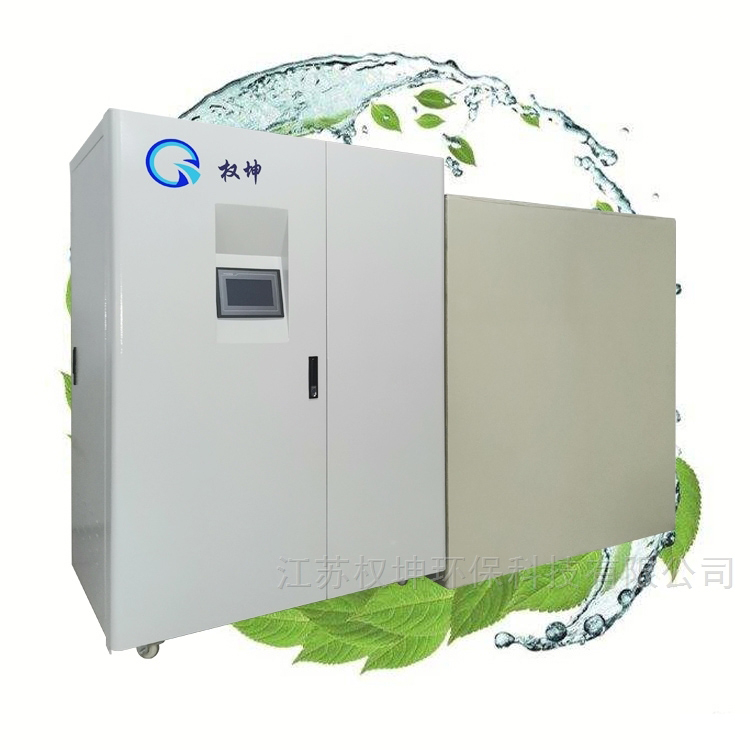
The basic principle of university laboratory wastewater treatment equipment is to remove or convert harmful substances in wastewater into harmless ones through physical, chemical, and biological methods, thereby achieving the goal of wastewater purification. Physical treatment mainly includes steps such as filtration, sedimentation, and centrifugation, which can remove suspended particles and plankton in wastewater; chemical treatment adjusts the pH value and adds chemicals to decompose, precipitate, or convert chemical substances in wastewater; and biological treatment utilizes the metabolic action of microorganisms to convert organic matter in wastewater into harmless substances.
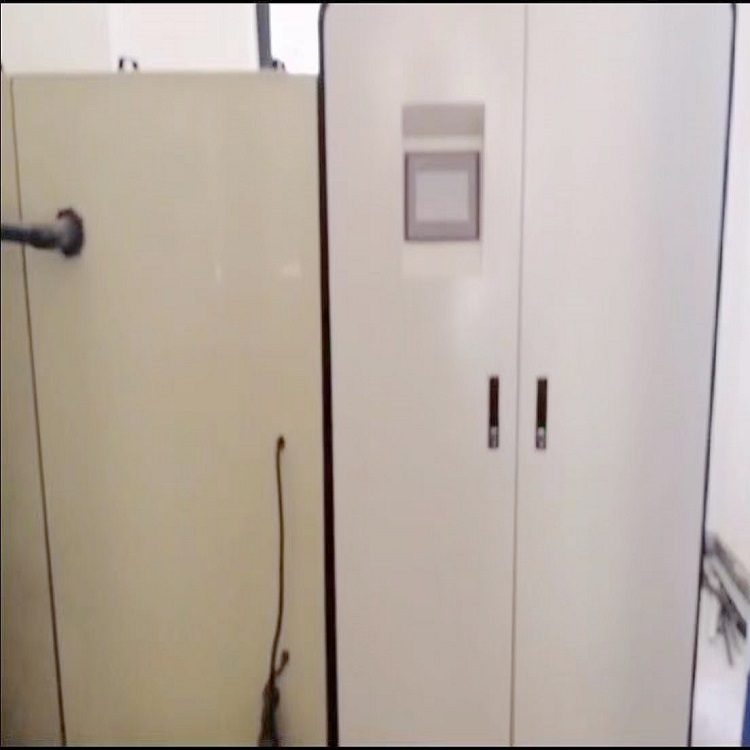
Currently, the market has seen a variety of university laboratory wastewater treatment equipment. These devices, categorized by treatment scale and process, can be divided into small, medium, and large-scale laboratory wastewater treatment systems. Small systems are suitable for individual labs or small research teams, with lower processing capacity, commonly including filters, centrifuges, and membrane separators; while medium and large systems are designed for labs or research centers with higher volumes, enabling more efficient wastewater treatment.
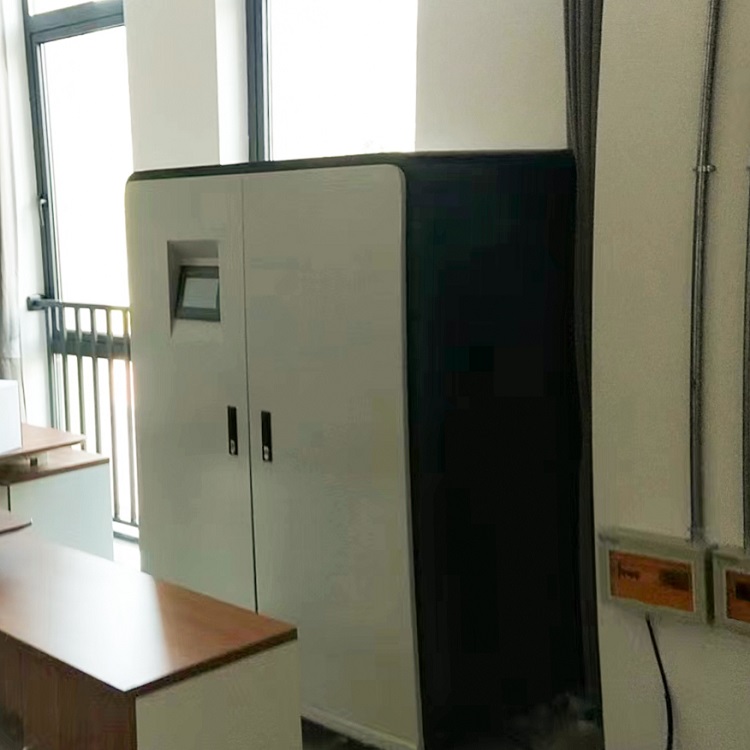
When designing waste treatment equipment for biological reagent laboratories, the following principles should be followed:
Efficiency: The equipment should have high-efficiency waste liquid treatment capabilities, capable of rapidly removing pollutants from waste liquids.
2. Environmental Protection: The equipment should use environmentally friendly processing techniques to avoid secondary pollution.
3. Safety: The equipment must ensure the safety of the operators and prevent accidents such as the leakage of waste liquids.
4. Practicality: The equipment should meet the actual needs of the laboratory, with ease of operation and maintenance.
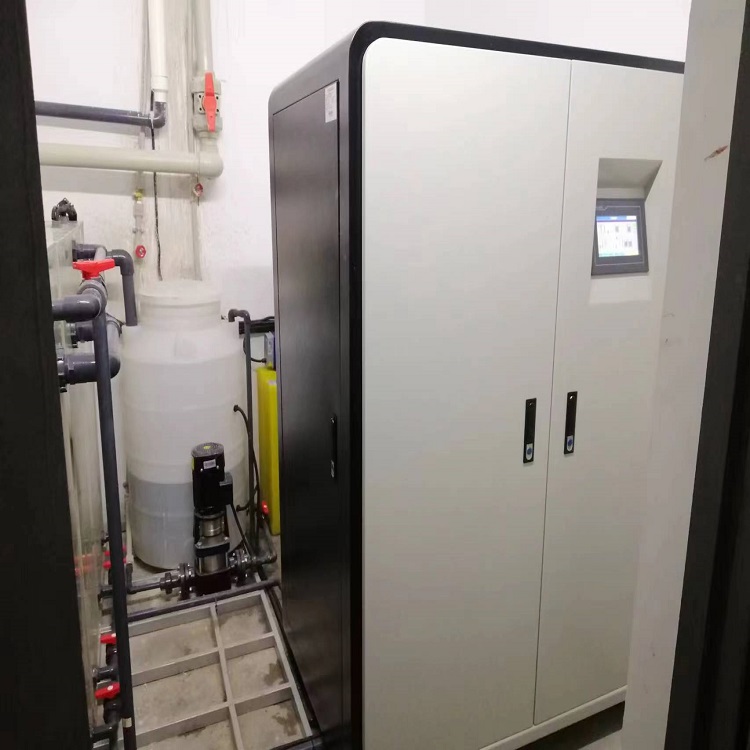
University Lab Wastewater Treatment Equipment - Inspection Department Sewage Treatment Equipment - Compact Footprint
Operation Principle:
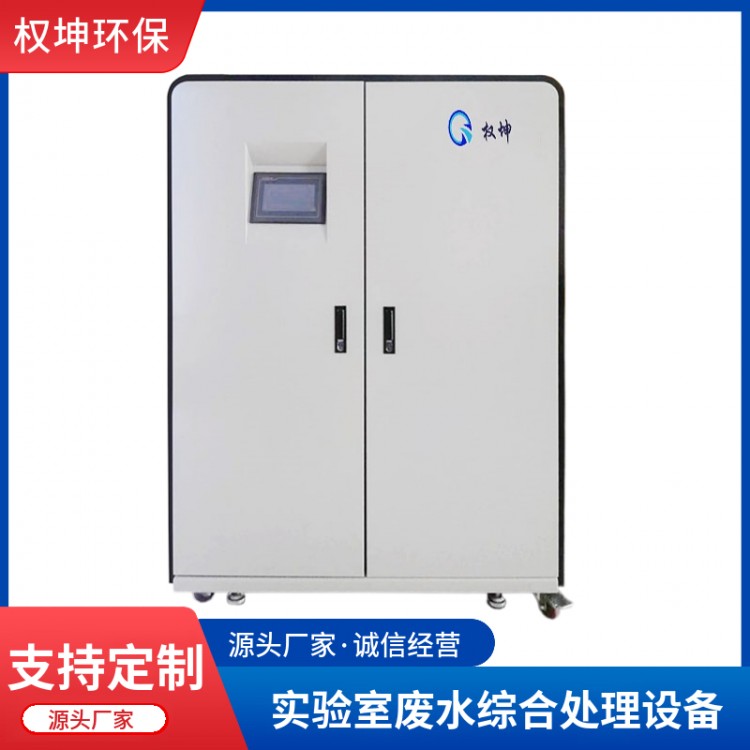
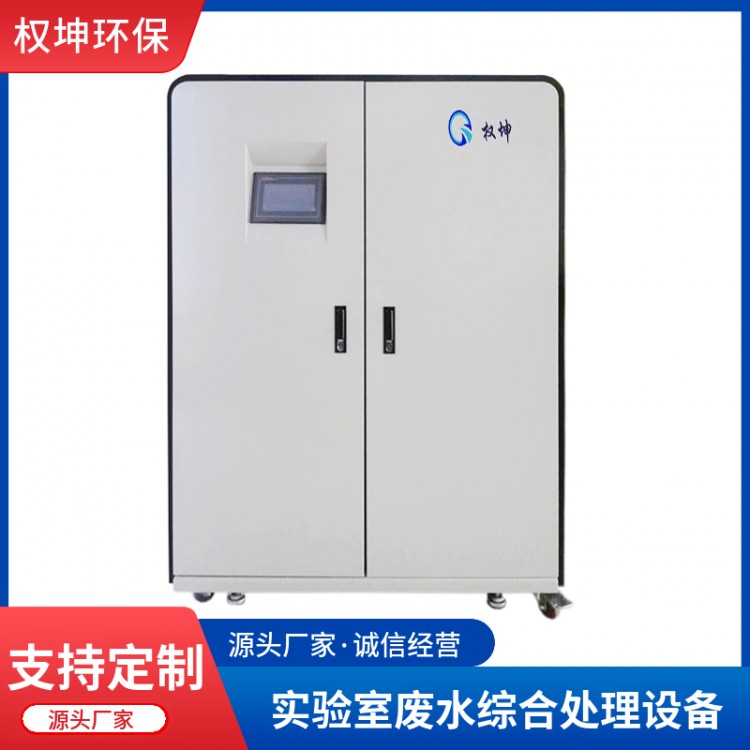
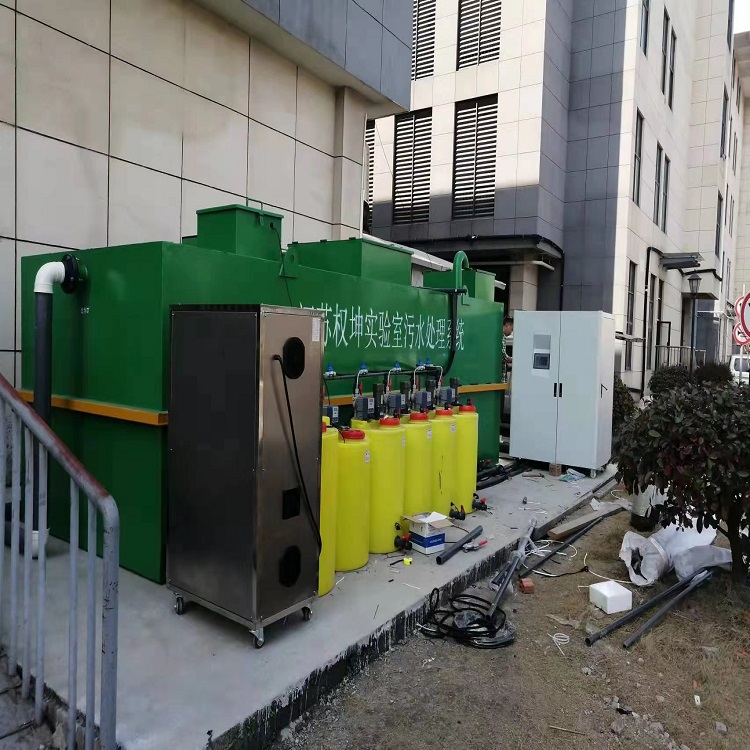
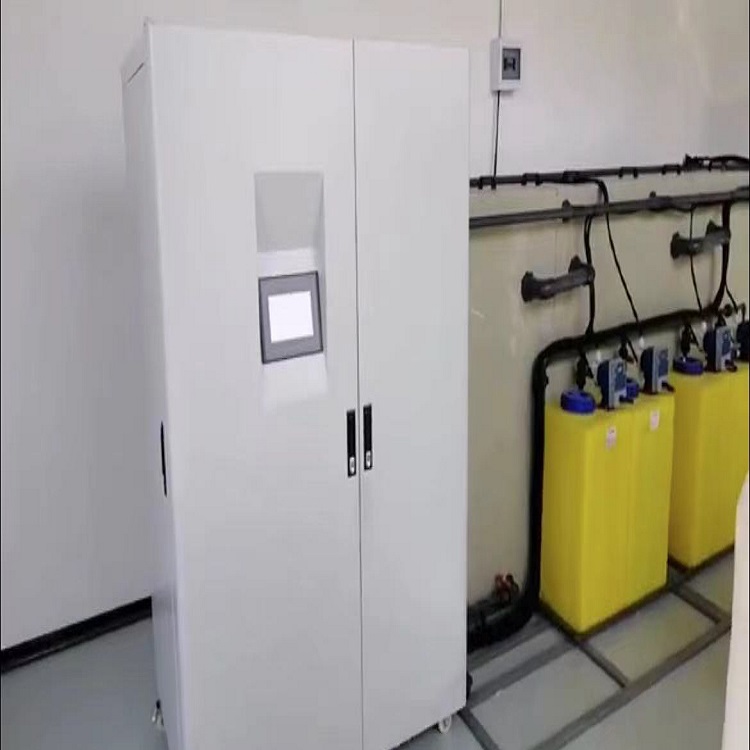
The Quankun Laboratory Wastewater Treatment Machine is equipped with multiple purification units, including wastewater classification collection, wastewater adjustment, water deep treatment, sedimentation separation, physical treatment, biological treatment, neutralization, and comprehensive wastewater purification. It can effectively handle inorganic, organic, and biological wastewater generated in laboratories. After undergoing multiple process steps, the wastewater meets discharge standards, addressing the treatment needs of various types of laboratory wastewater.
The Quankun Laboratory's wastewater treatment equipment is equipped with multiple purification units, with each process scientifically arranged to ensure that the laboratory's wastewater meets the required discharge standards.