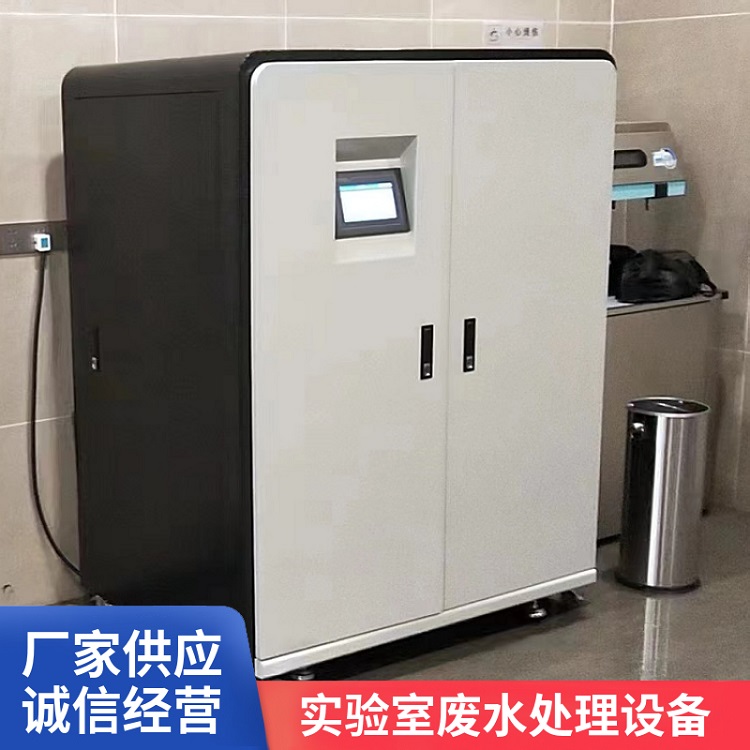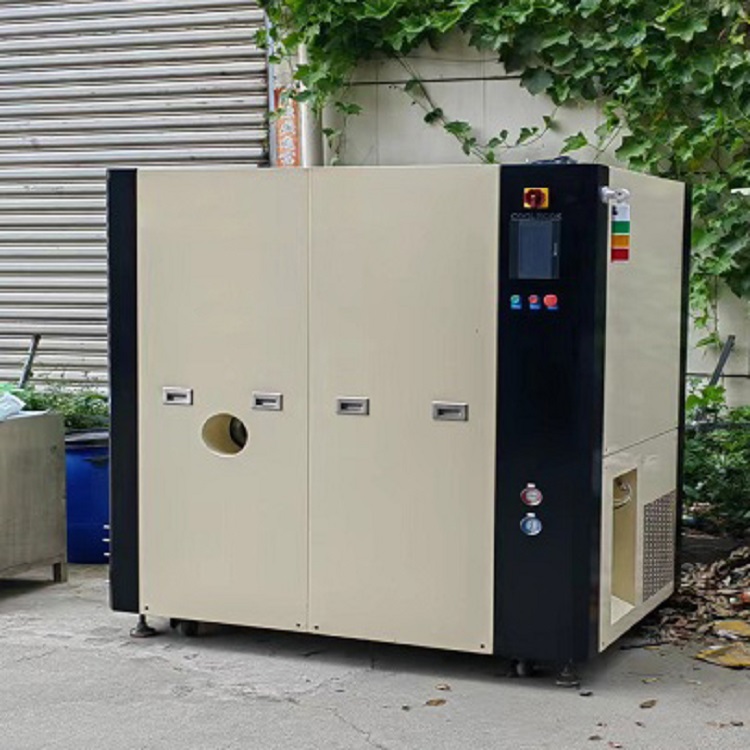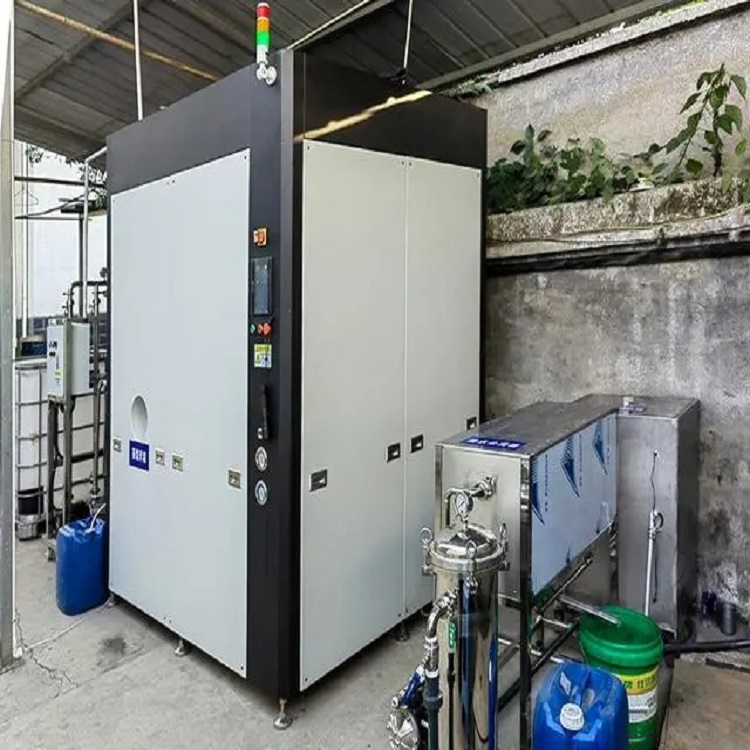

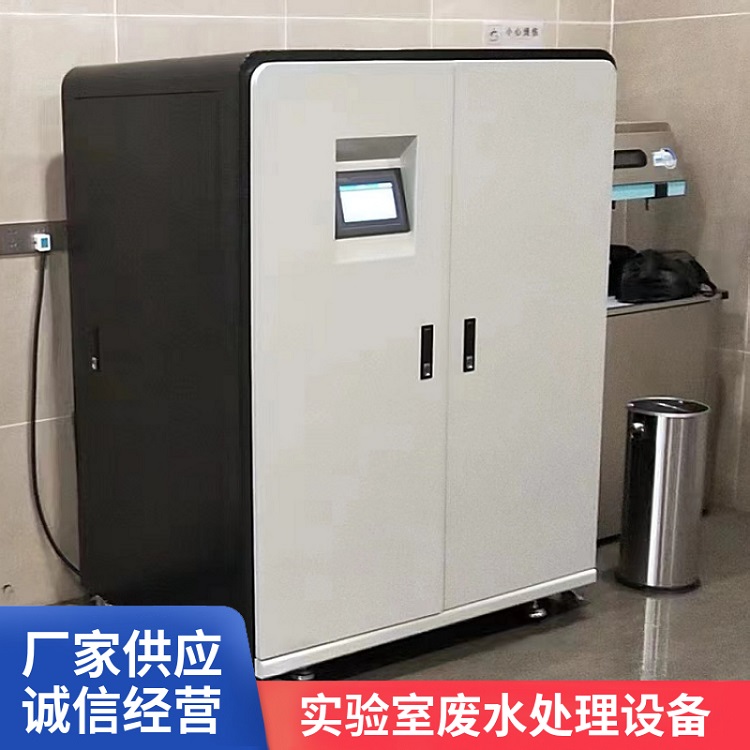













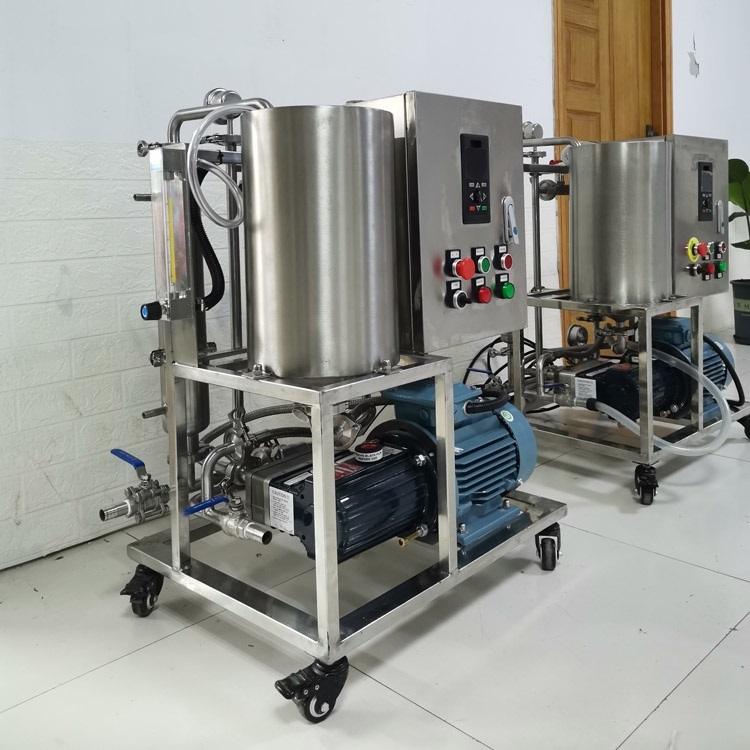
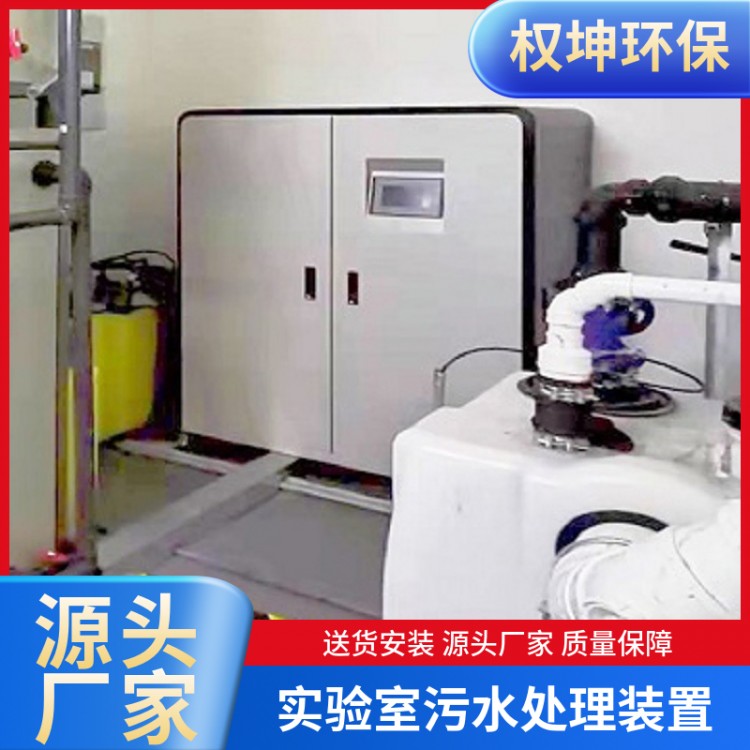
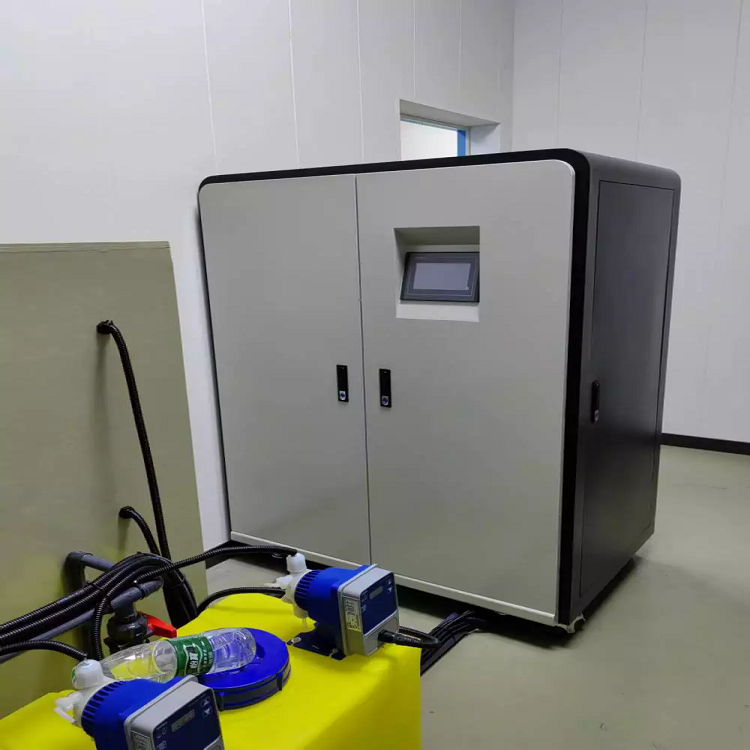
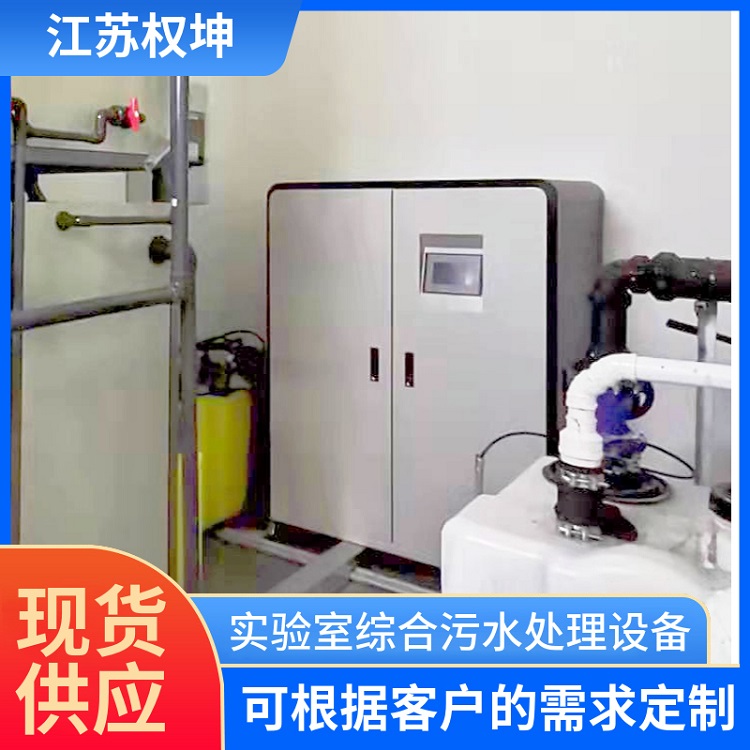
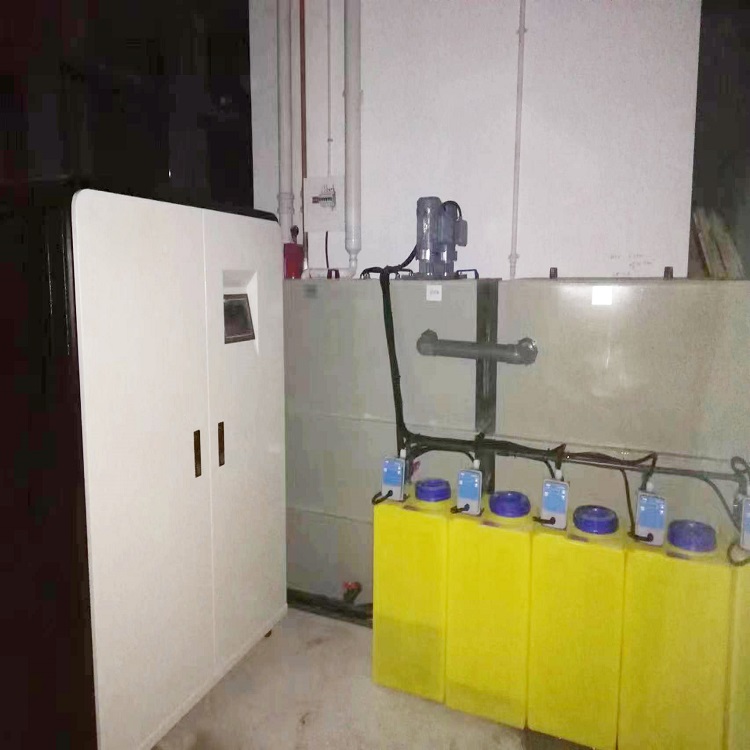
Quankun Electroplating Wastewater Evaporation Equipment - Chromium-Nickel Industrial Sewage Concentration Equipment - Manufacturer Direct Customization
The working principle of electroplating wastewater treatment equipment primarily relies on a combination of physical, chemical, and biological methods to remove and transform pollutants in the wastewater. Physical methods, such as sedimentation, filtration, and adsorption, are mainly used to remove suspended solids and particulates from the wastewater. Chemical methods involve adding chemicals to cause precipitation or redox reactions of heavy metal ions in the wastewater, thereby reducing their concentration. Biological methods utilize the metabolic action of microorganisms to decompose organic matter in the wastewater into harmless substances. The integrated application of these methods effectively treats electroplating wastewater, achieving environmental protection discharge standards.
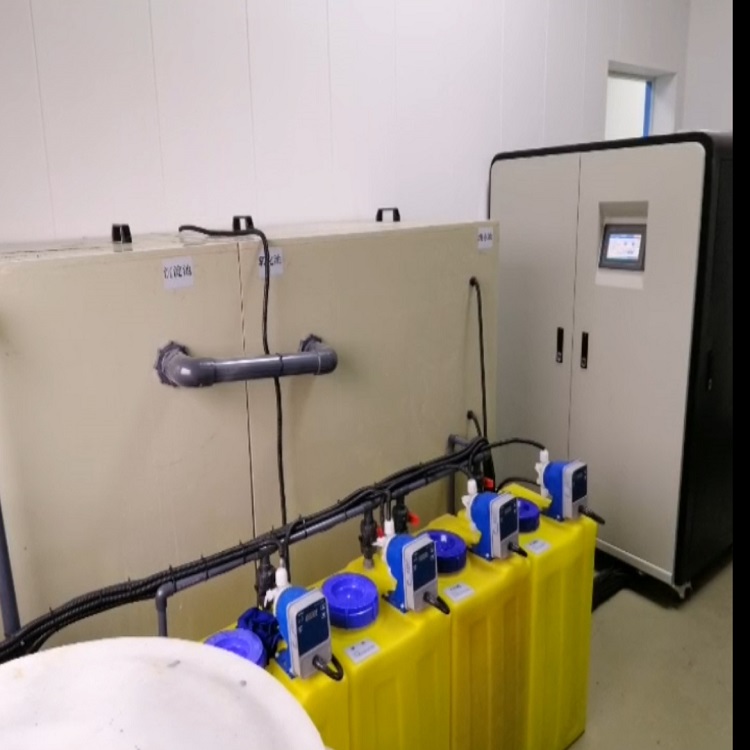
In the application field, electroplating wastewater treatment equipment is widely used in the wastewater treatment of industries such as electroplating, hardware, machinery, and automotive. The wastewater produced during the production process in these industries, if discharged untreated, can severely impact the environment. The emergence of electroplating wastewater treatment equipment has provided these industries with an effective wastewater management solution, not only reducing environmental pollution but also enhancing the enterprises' sustainable development capabilities.
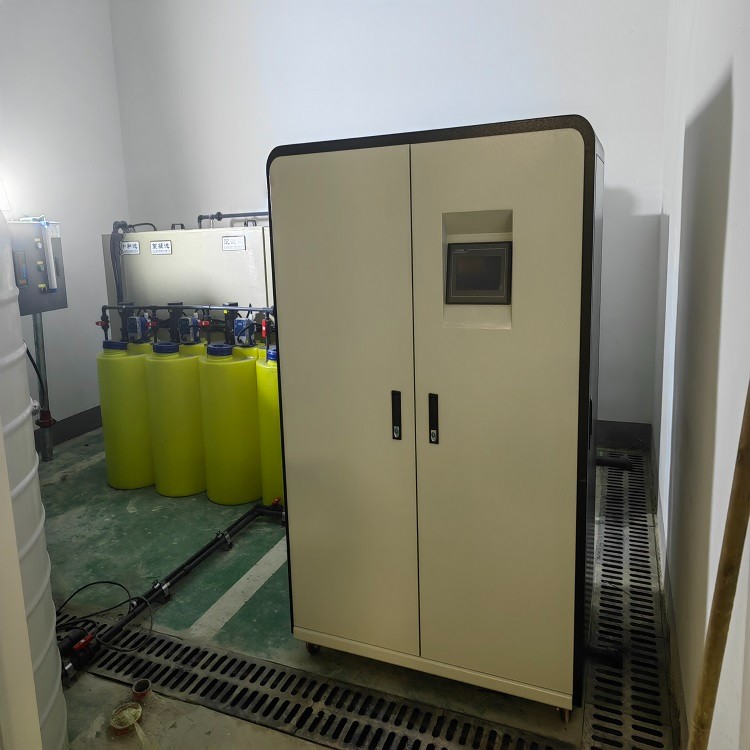
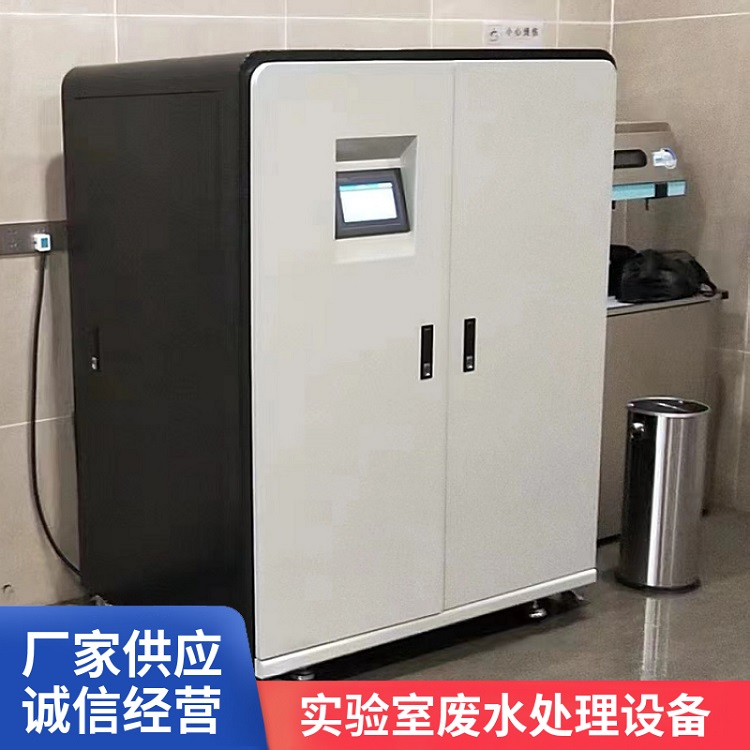
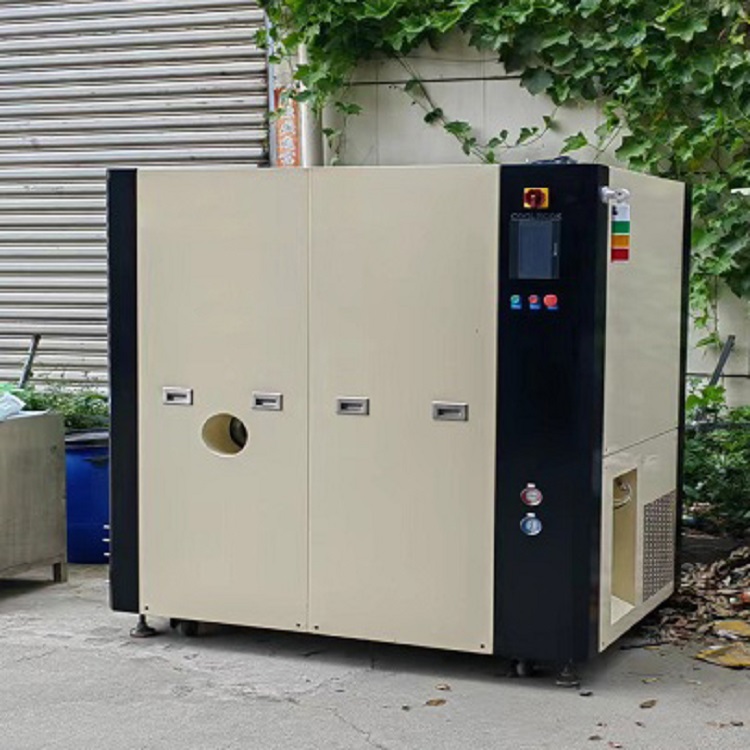
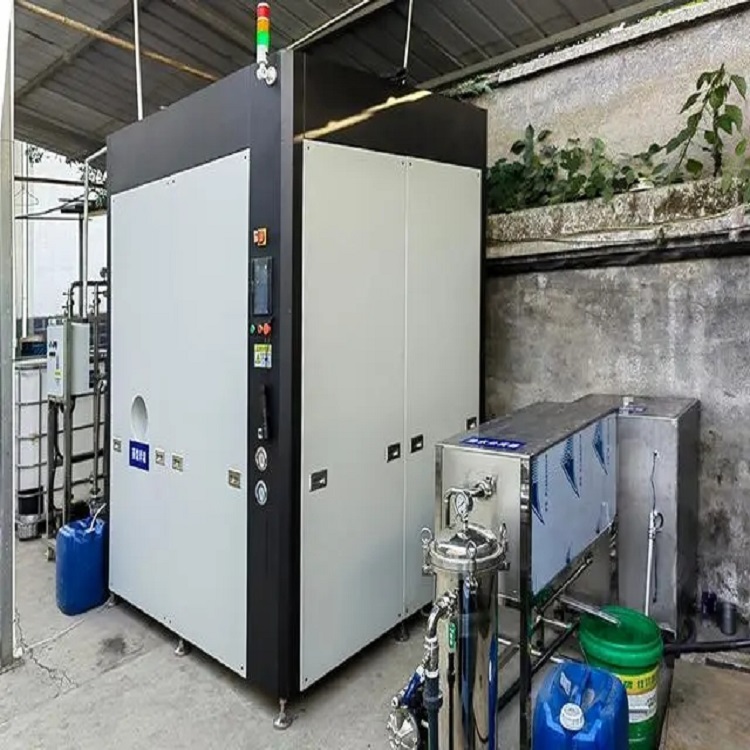
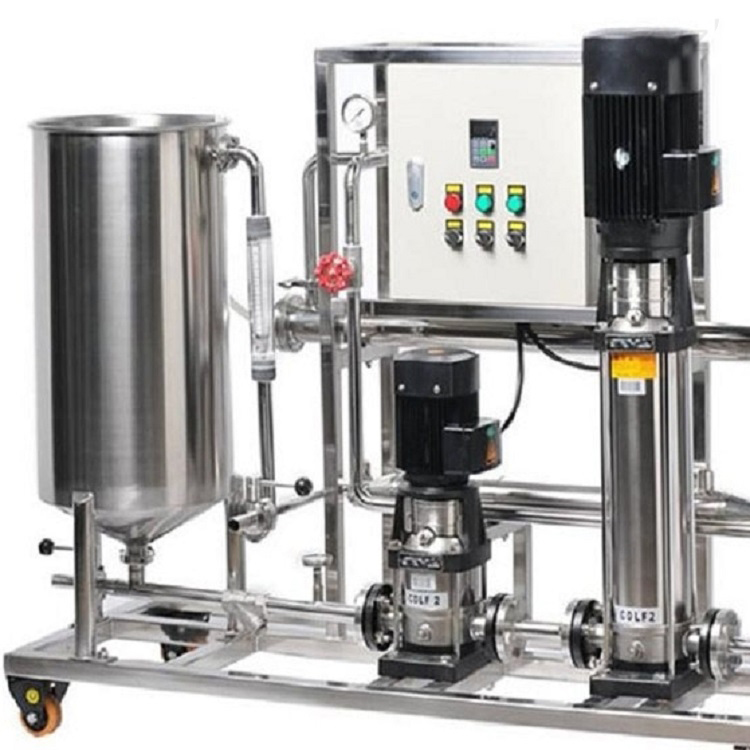
Regarding the types of electroplating wastewater treatment equipment, there are various models and functions available in the market. Common equipment includes filtration systems, plating tanks, electrode bars, heat exchangers, refrigeration units, and fans. Additionally, there are specialized wastewater treatment devices, such as flotation machines, centrifuges, and sludge dewatering machines. These units have unique features and can be selected and applied based on actual needs and wastewater characteristics.
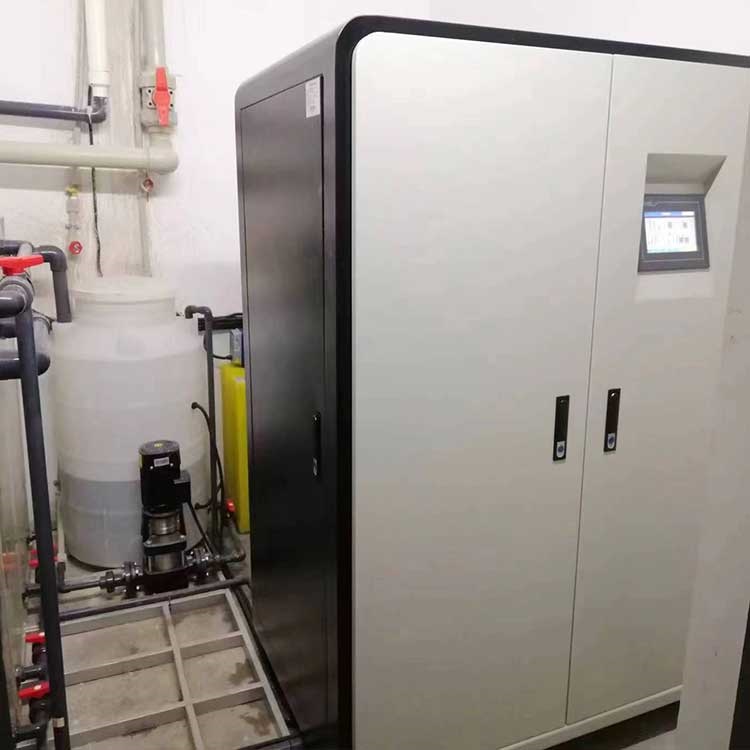
Electroplating wastewater treatment equipment can be processed in three stages: physical, chemical, and biological.
During the physical treatment stage, methods such as sedimentation, filtration, and adsorption are commonly used to remove suspended solids and large particles from wastewater. Sedimentation involves adjusting the pH level and adding chemicals to clump the suspended particles together and settle them down, thus achieving solid-liquid separation. Filtration retains fine particles through filtration media to achieve purification. Adsorption uses adsorbents like activated carbon to absorb organic matter in the wastewater, reducing the content of pollutants.
The chemical treatment phase primarily involves adding chemicals to precipitate heavy metal ions and other pollutants from the flocculent wastewater. Common methods include complexation precipitation, oxidation-reduction, and complexation precipitation. For instance, by adding sodium oxalate, sodium sulfite, and other agents, these can react with heavy metals like iron and copper ions in the wastewater to form precipitates, thereby removing pollutants.
The biological treatment stage involves the degradation and transformation of organic matter in wastewater using microorganisms. Typically, aerobic and anaerobic methods are employed. Under aerobic conditions, by providing ample oxygen and suitable environmental temperatures, the metabolic activity of microorganisms is accelerated, enabling them to effectively decompose the organic matter in the wastewater. In anaerobic conditions, the synergistic action of microbial communities converts organic matter into renewable energy sources.
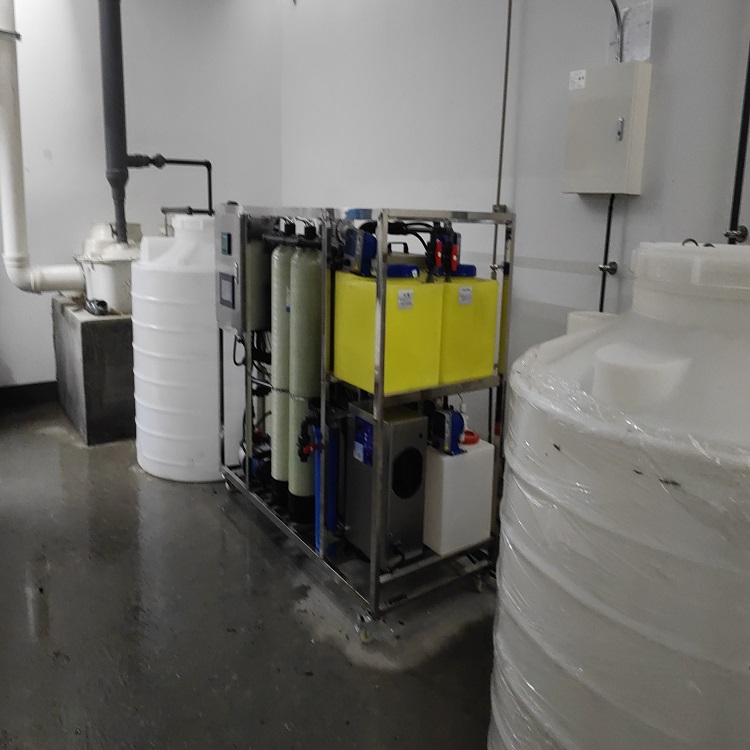
Quankun Plating Wastewater Evaporation Equipment - Chromium and Nickel Industrial Sewage Concentration Equipment - Source Manufacturer Customization
It's important to note that for the treatment of electroplating wastewater, besides selecting appropriate equipment and technology, a reasonable treatment plan should be considered based on the specific situation. Additionally, relevant enterprises and institutions should enhance research on energy conservation and emission reduction, as well as resource recycling during the electroplating process, to minimize the negative impact on the environment.