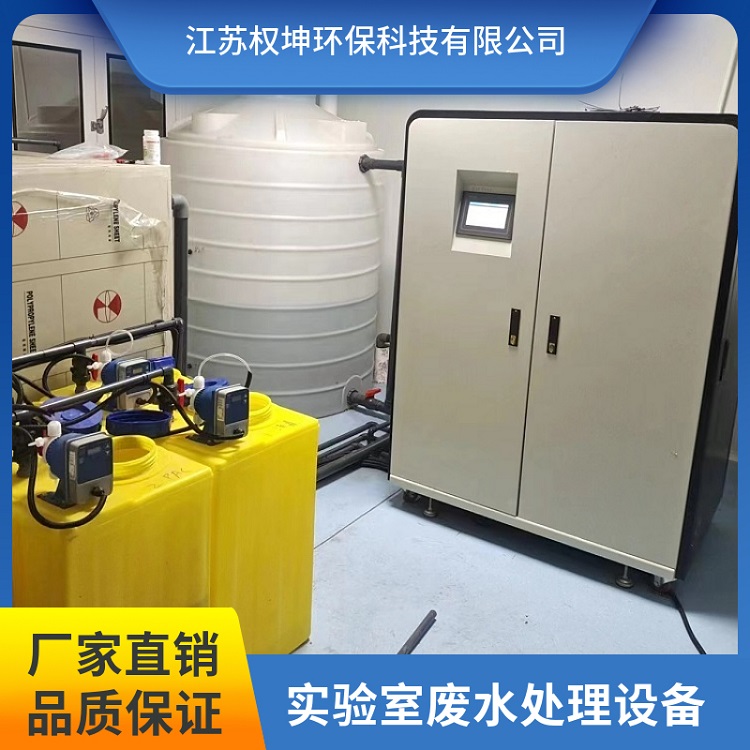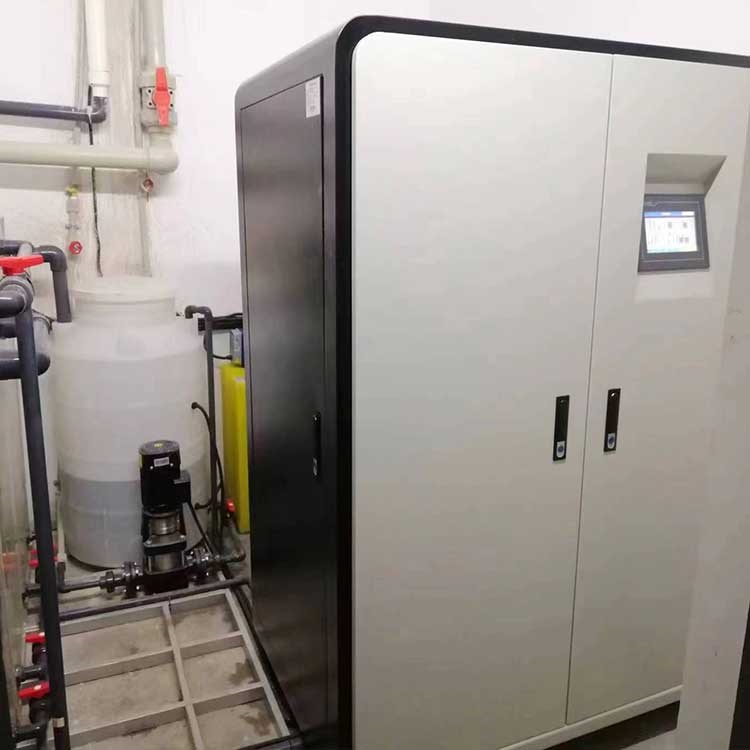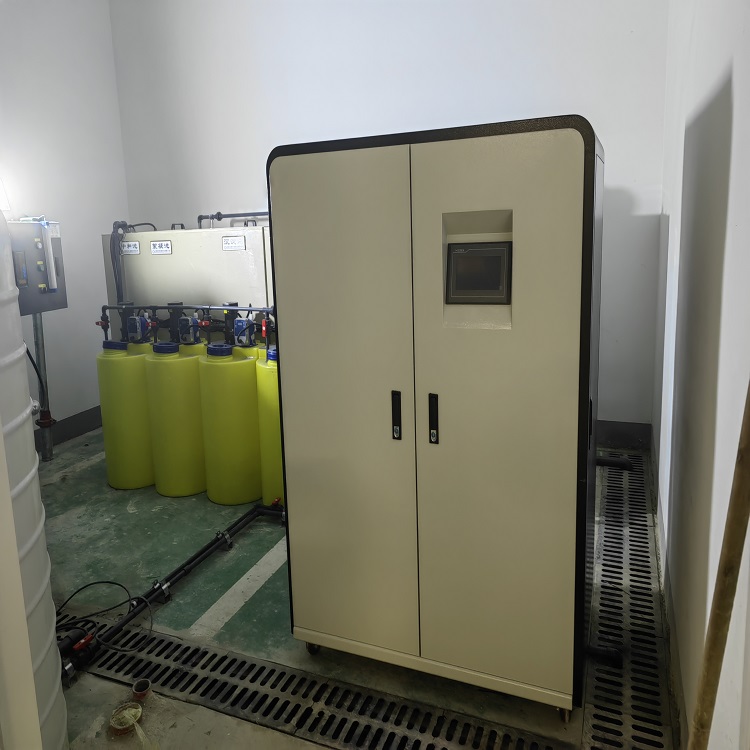

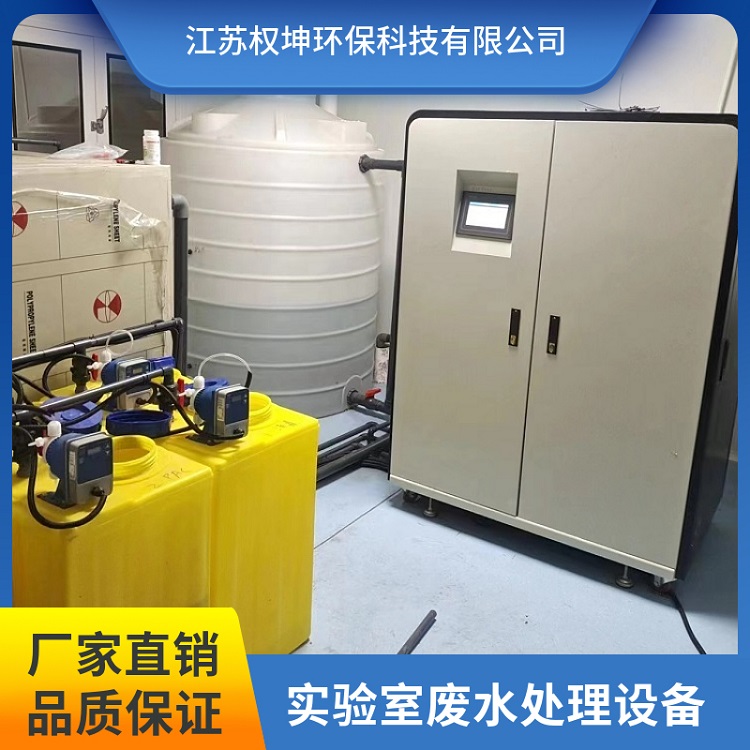













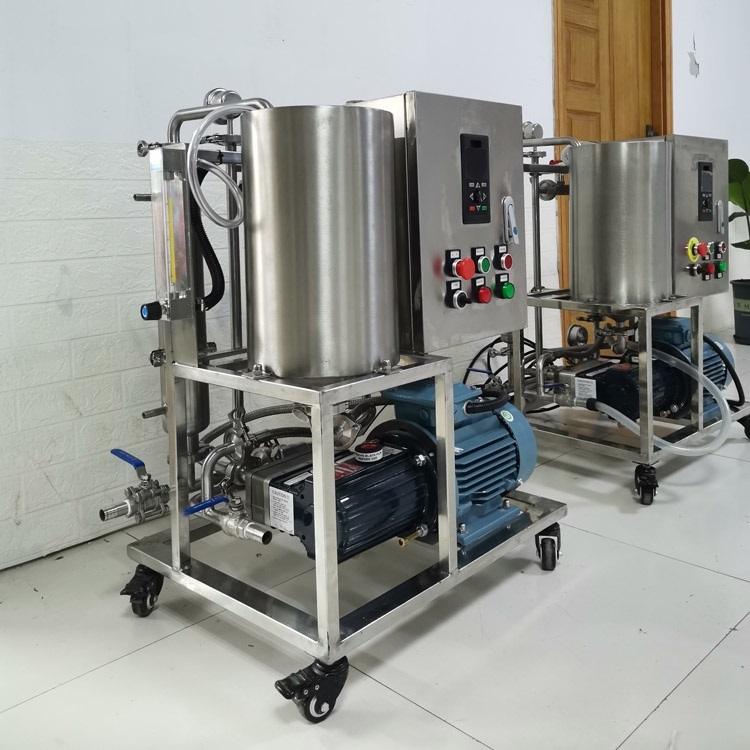
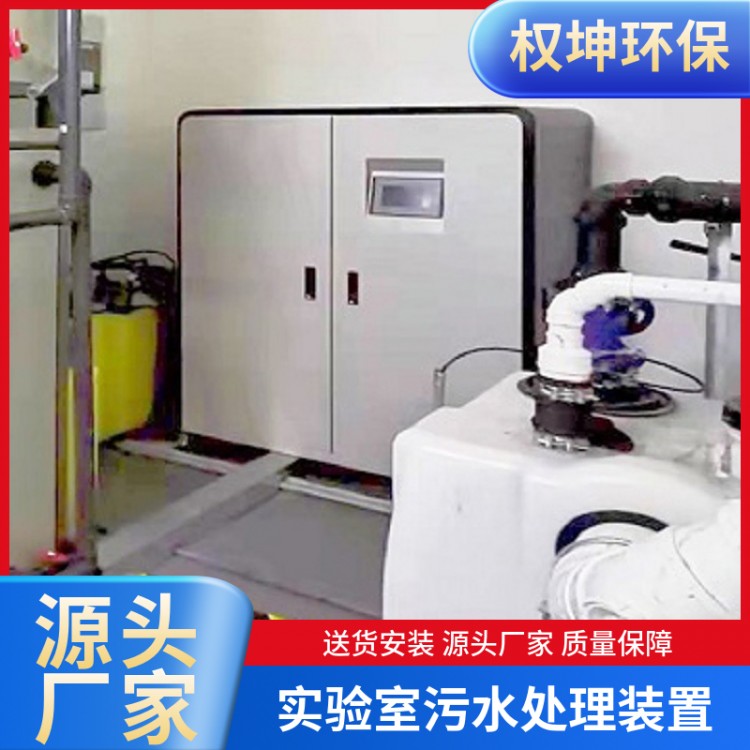
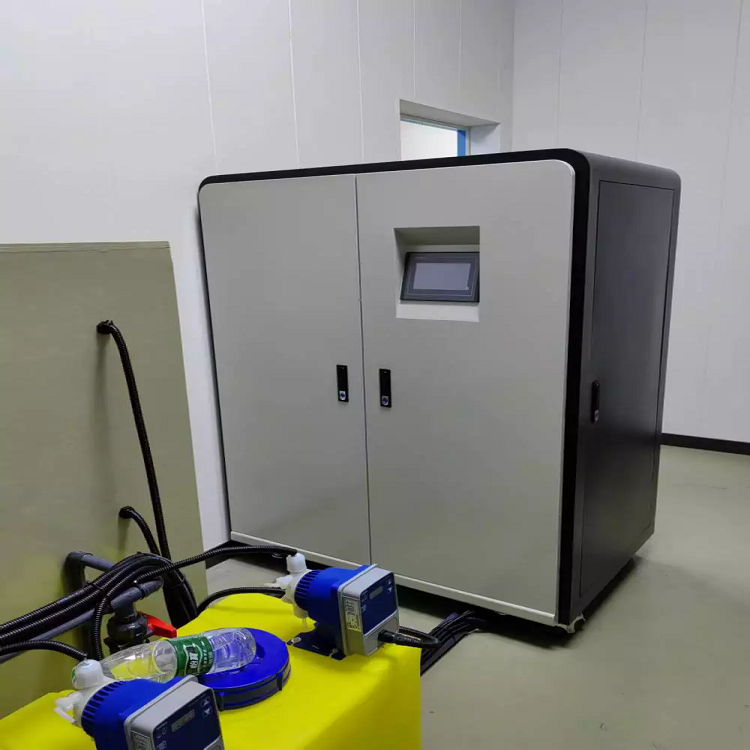
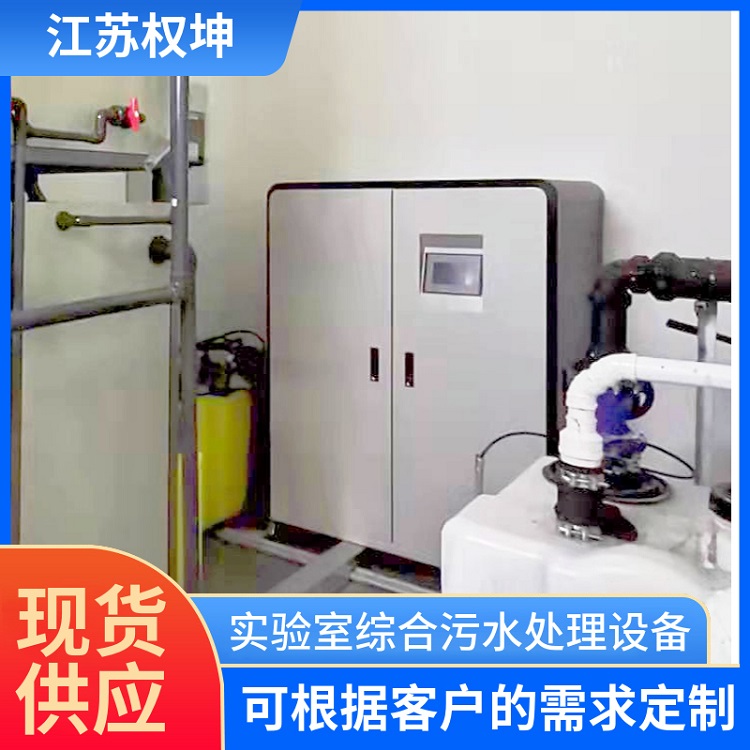
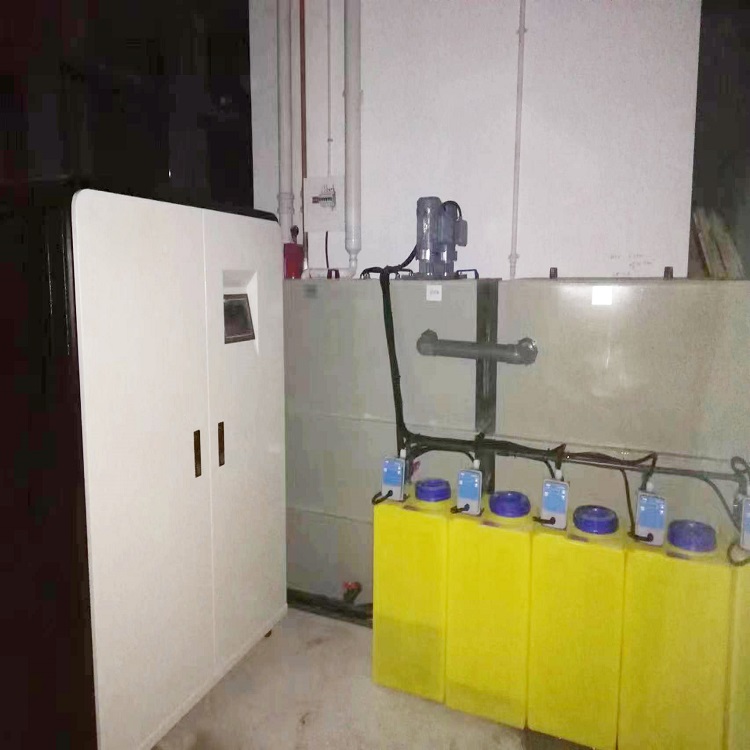
Nanjing Laboratory Sewage Treatment Equipment - Quankun - Customization Supported
In our daily operations, the laboratory is an indispensable part, handling a vast array of experiments and testing tasks. However, it also generates a significant amount of wastewater. This wastewater contains various chemicals, biological substances, and harmful materials. If not effectively treated before discharge, it could pose severe harm to the environment and human health. Thus, the importance of laboratory wastewater treatment equipment is self-evident.
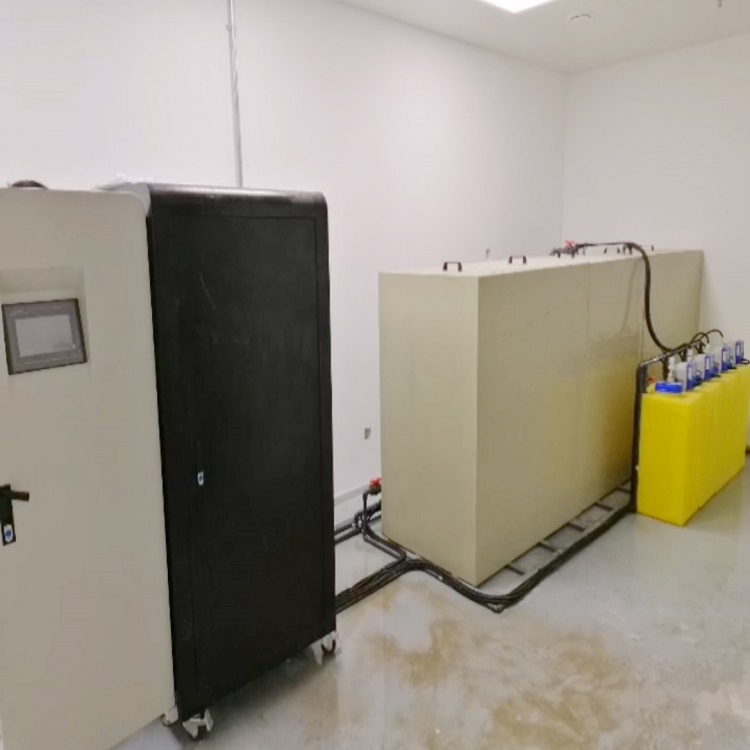
Laboratory wastewater treatment equipment effectively removes harmful substances from wastewater. These units utilize advanced physical, chemical, and biological treatment technologies, reducing harmful substances in wastewater below safe discharge standards through processes like sedimentation, filtration, oxidation, and disinfection. This not only preserves the ecological balance of the environment but also prevents potential health threats to surrounding residents.
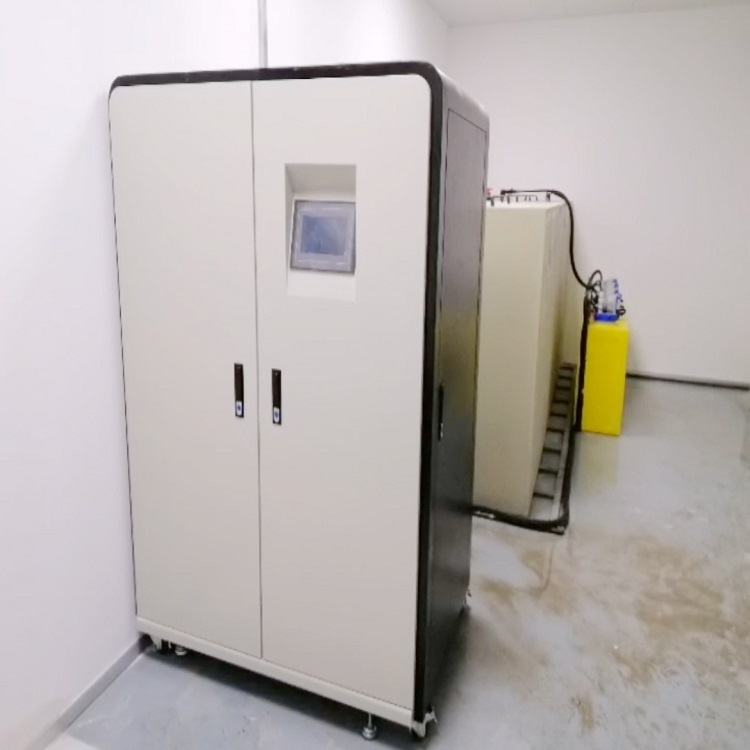
Features of Laboratory Water Treatment Equipment:
1. Capable of denitrification and phosphorus removal, the equipment can be adjusted in structure to meet the treatment requirements for industrial wastewater, domestic wastewater, and urban wastewater.
2. The equipment has strong impact load resistance, with an average residence time in the contact oxidation process exceeding 6 hours.
3. Equipment produces stable effluent quality with minimal sludge output and easy handling.
4. The contact oxidation tank is equipped with an aeration device for blowing air, which allows the fibers to continuously float, ensuring uniform aeration. This promotes the growth and maturation of microorganisms within the tank, exhibiting characteristics of the activated sludge process.
5. Water treatment equipment can be placed above ground level or buried underground. Reduces land area requirement, conserving land usage. When buried, the top can be covered with greenery.
6. In addition to conventional muffler measures with blowers, we've also installed new sound-absorbing materials on the interior walls of the blower room, ensuring the equipment operates at noise levels below 50 decibels, thereby minimizing its impact on the surrounding environment.
7. Submersible pumps can be installed within the equipment, saving costs.
8. Easy to operate, convenient, labor-saving, with both manual and automatic operation options.
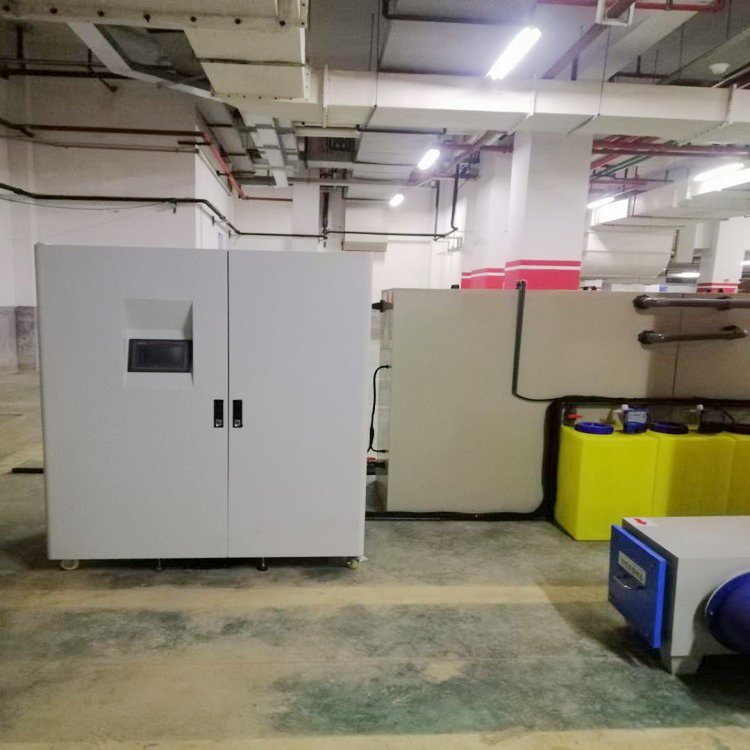
Equipment Process:
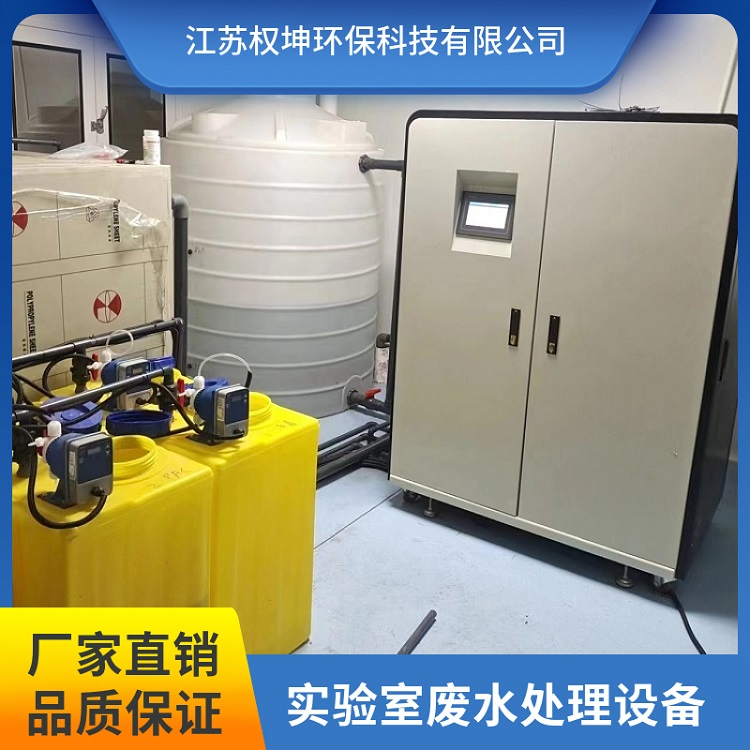
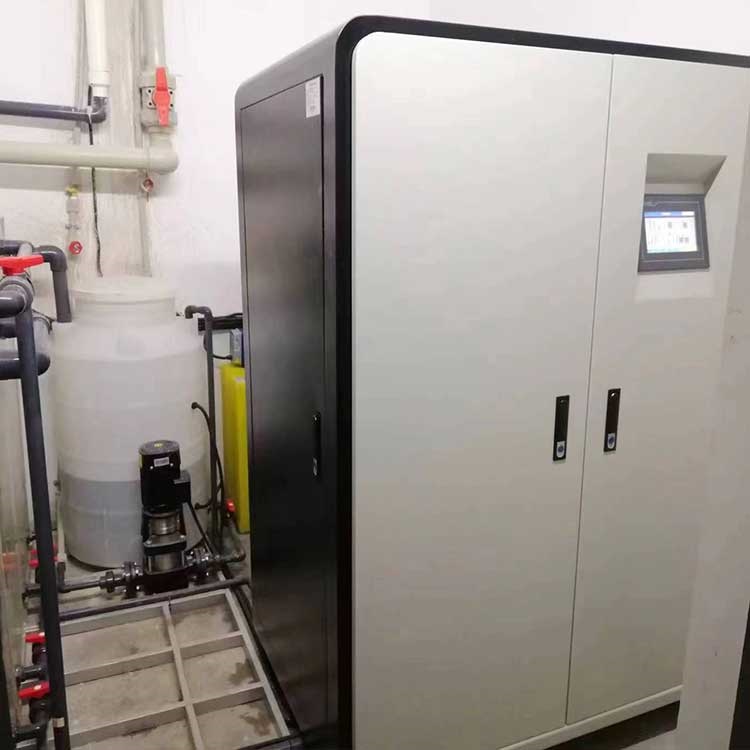
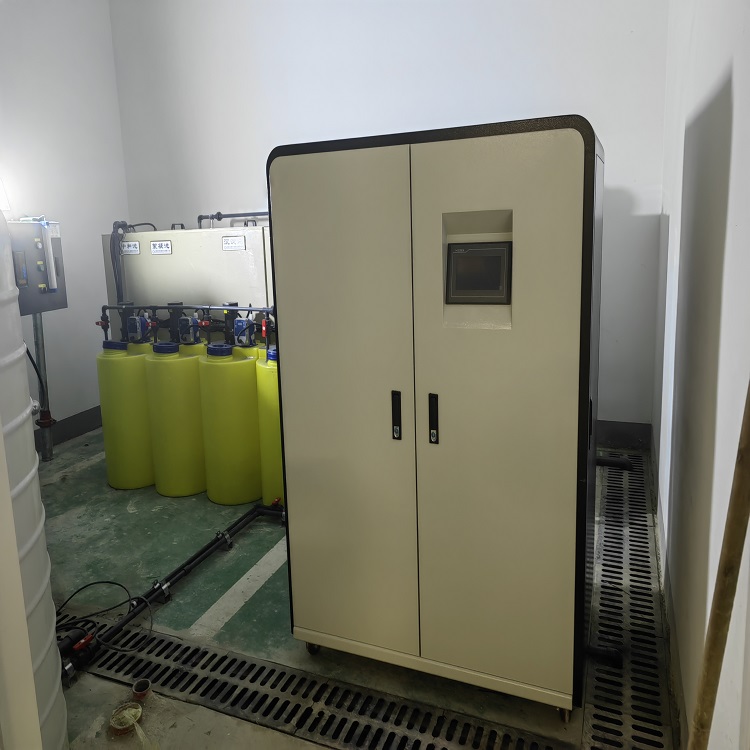
Wastewater is collected through sewage pipes and stored in external storage tanks for quality adjustment and preliminary sedimentation of large particle impurities. An internal float ball sensor monitors water level; upon reaching the set high water level, it is pumped to the main equipment via an external lift pump. It first enters the pH adjustment tank, controlled by a pH meter (parameters are factory-set, adjustable based on actual conditions), which automatically adjusts the pH level by adding acid or alkali. After pH adjustment, it flows into the micro-electrolysis tank, where it undergoes electrolysis through internal potential differences, reducing COD and removing some heavy metal ions. It then sequentially enters the flocculation sedimentation tank, where it is flocculated and sedimented by adding PAC or PAM, reducing SS. Flowing into the clear water tank, it is automatically pumped to a multimedia filter by a self-priming pump for adsorption filtration and then into a slow-release disinfection unit for disinfection treatment. The treated wastewater meets the first, second, and third standards of the Integrated Wastewater Discharge Standard (GB8978-1996). The treated wastewater can be discharged into the municipal sewage system or surface and river waters, or it can be reused through further treatment processes.
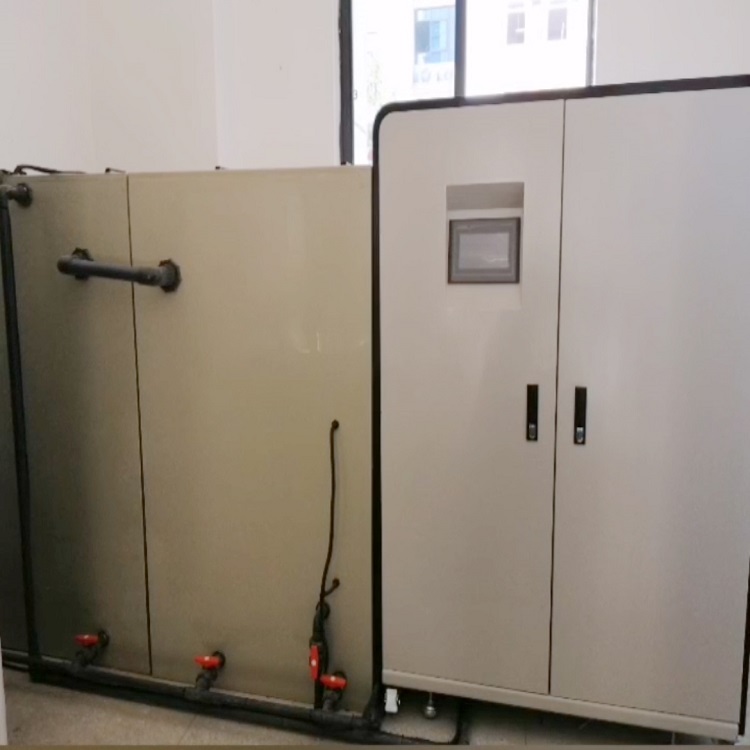
Nanjing Laboratory Sewage Treatment Equipment - Quankun - Customizable Support
Application Scope:
Laboratory wastewater treatment equipment is a technologically advanced, highly automated system with excellent treatment performance, minimal land use, simple operation and management, and does not require dedicated staff. It is specifically designed for comprehensive wastewater treatment in laboratories across various industries both domestically and internationally. It has received high praise from users and is widely used in research institutions, universities, environmental monitoring, product inspection, food and drug inspection, entry-exit inspection and quarantine, disease control centers, geological and mining testing centers, analytical testing centers, water resource monitoring, and grain and oil quality inspection, among others.