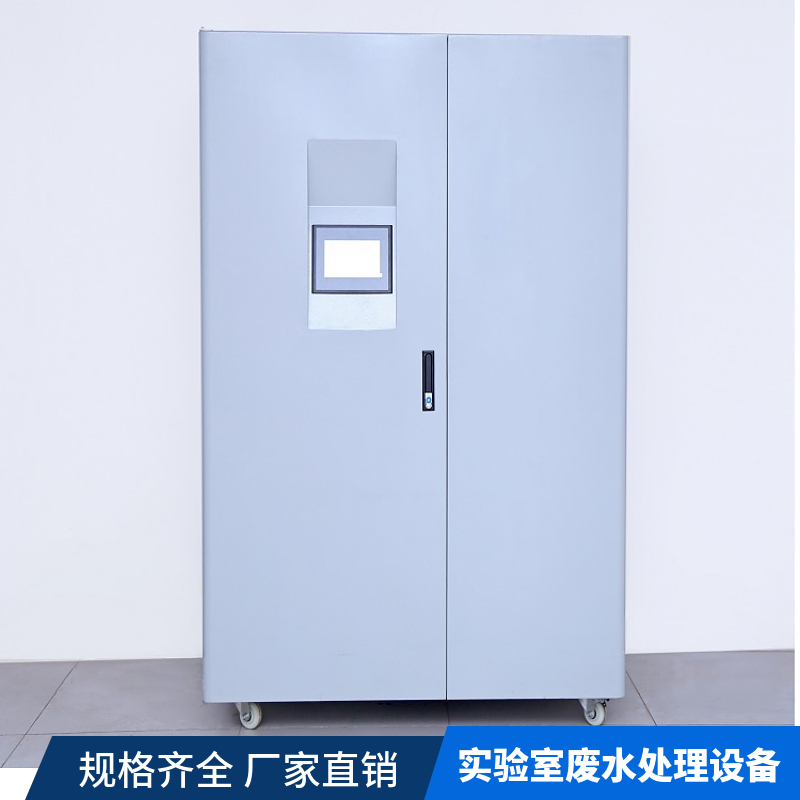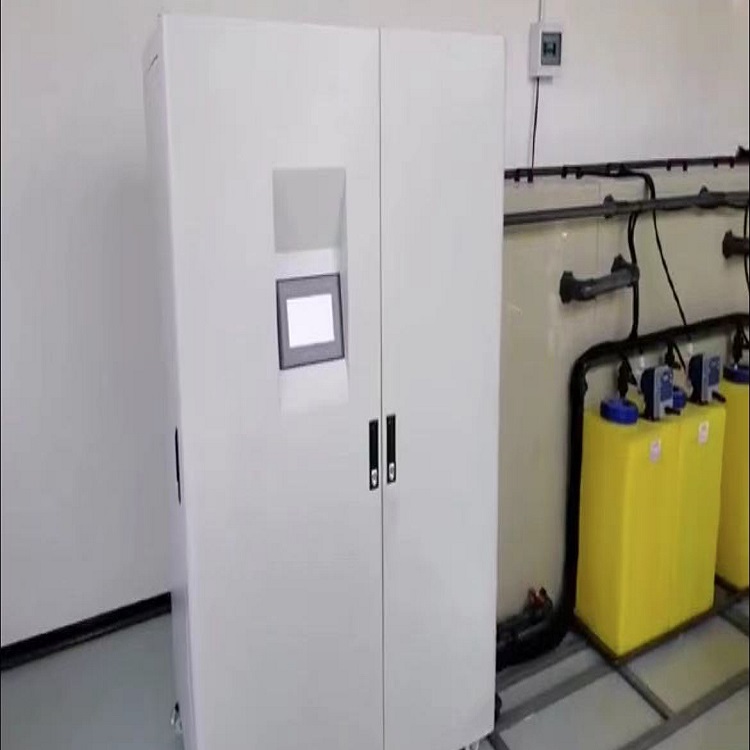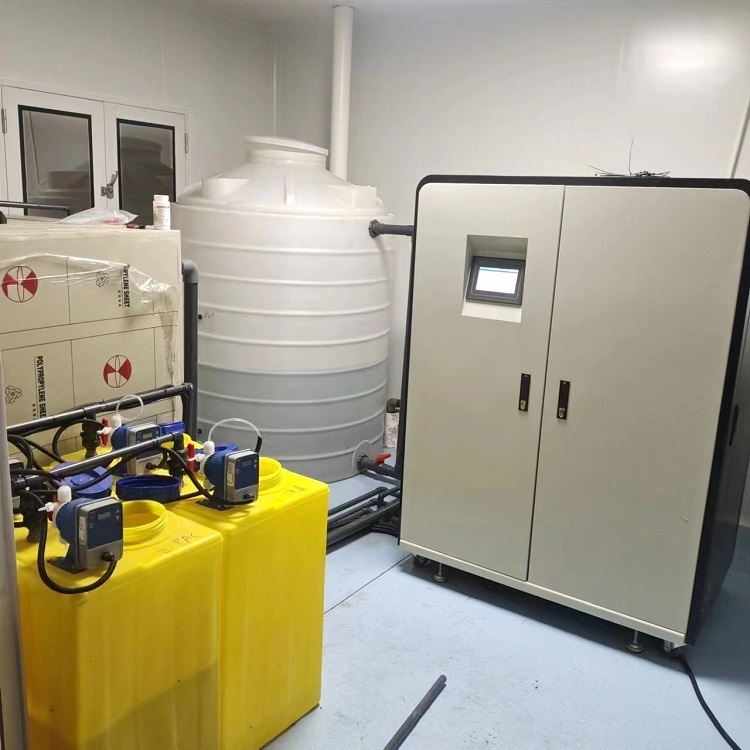



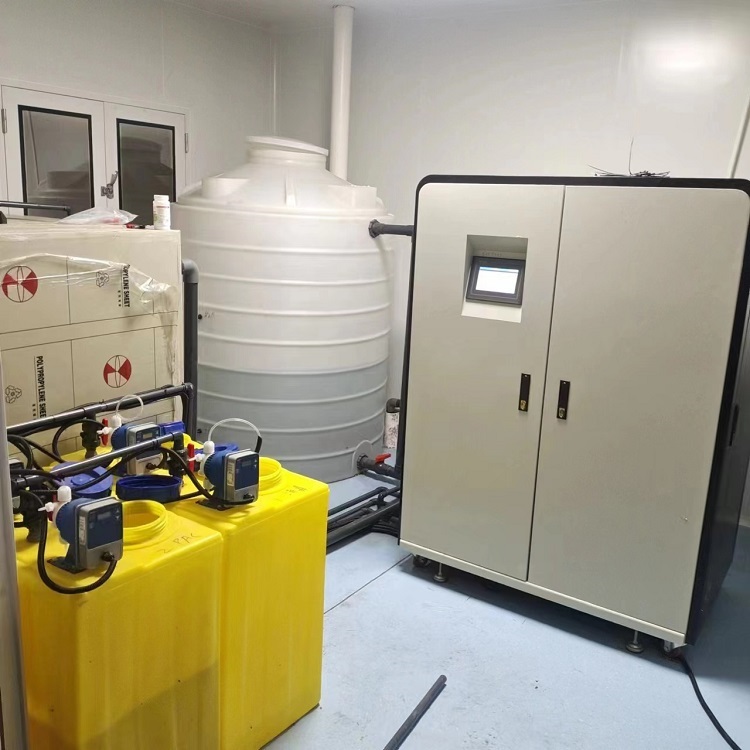












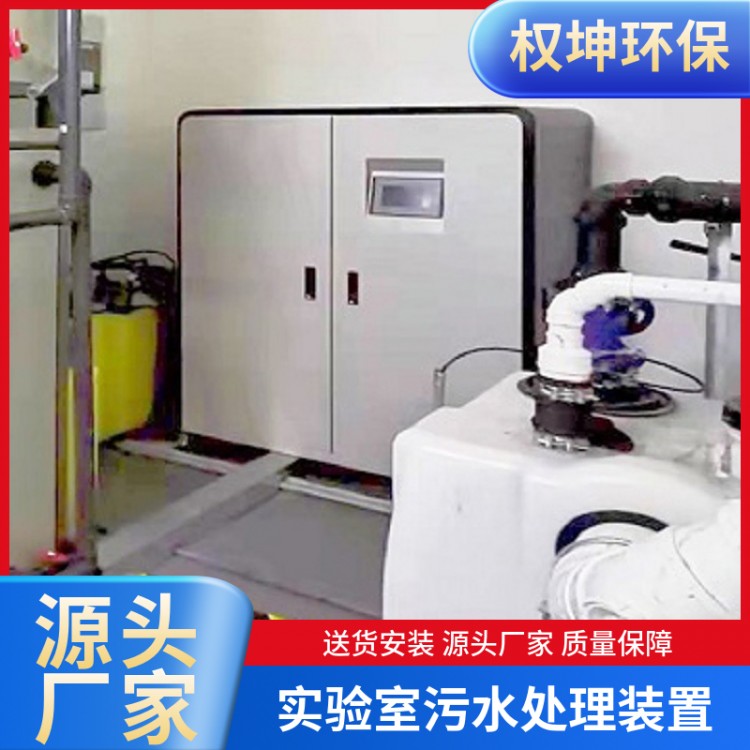
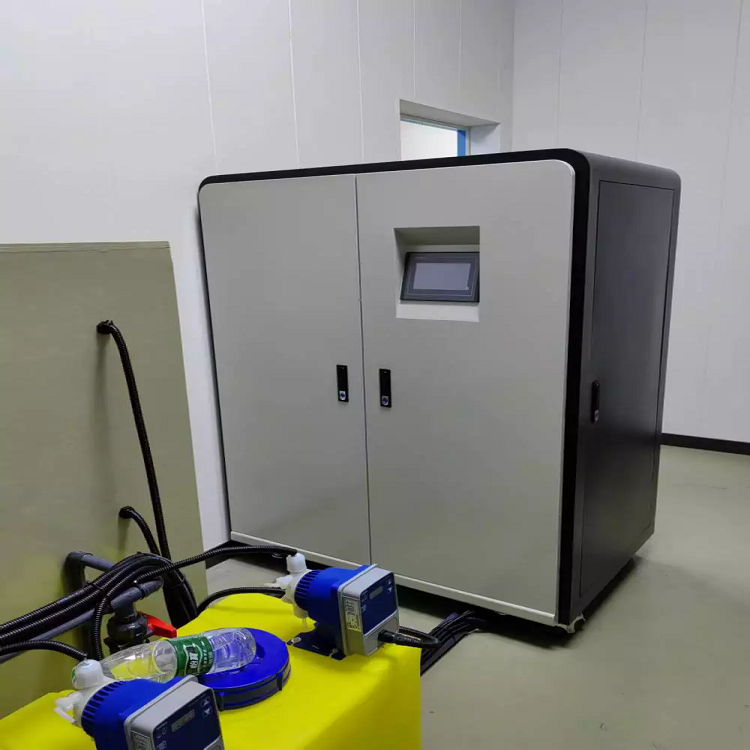
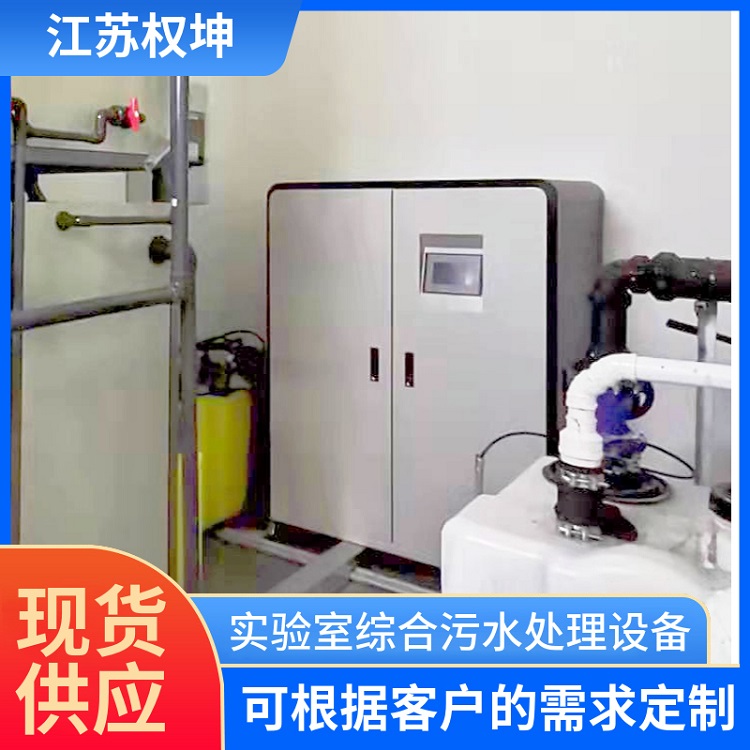
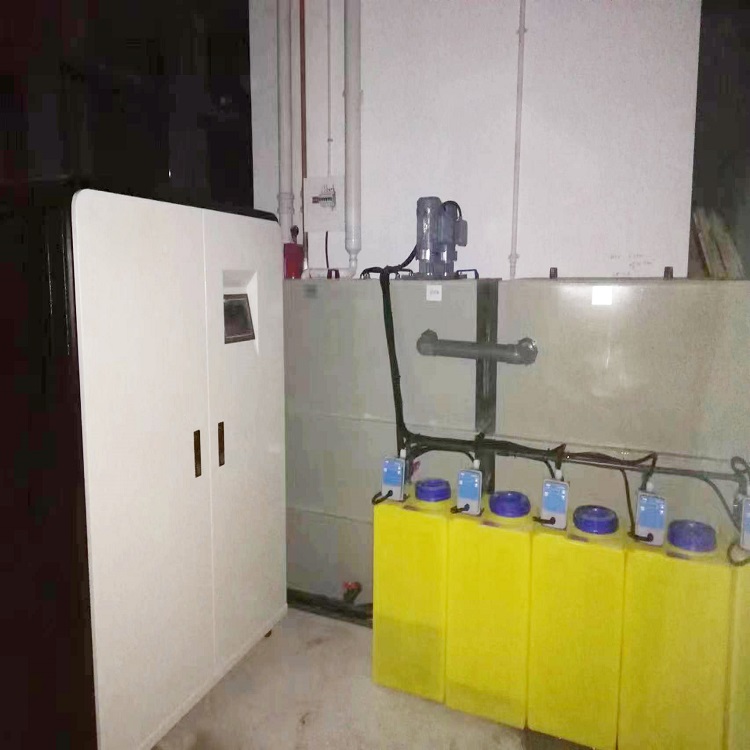
Quan Kun PCR Lab Waste Treatment Equipment - Durable and Robust
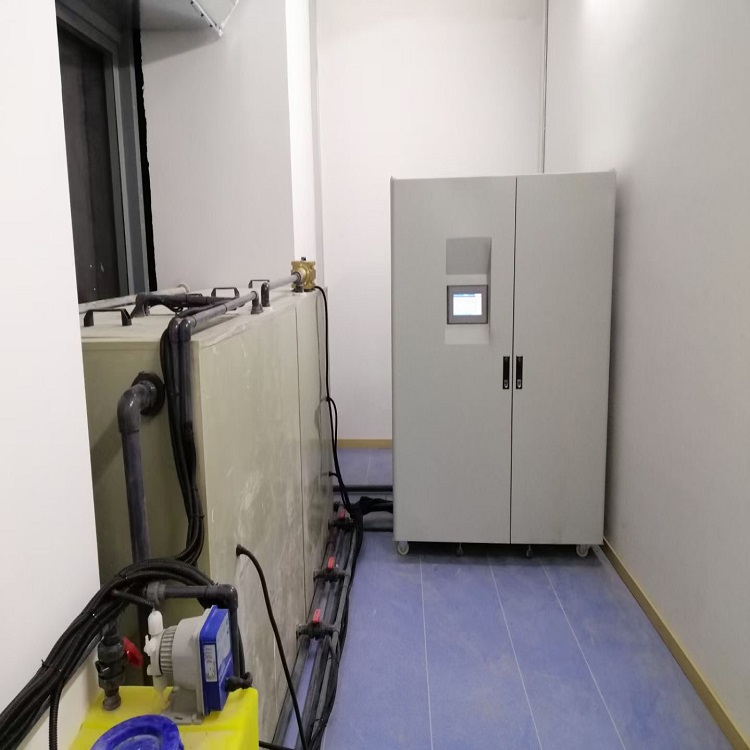
The primary function of the PCR laboratory wastewater treatment equipment is to efficiently and safely process wastewater generated from PCR experiments. The equipment removes harmful substances from the wastewater through various methods, including physical, chemical, and biological, and only after meeting national and local environmental protection standards can the treated wastewater be discharged. This not only ensures the biological safety of the laboratory but also protects the environment and human health.

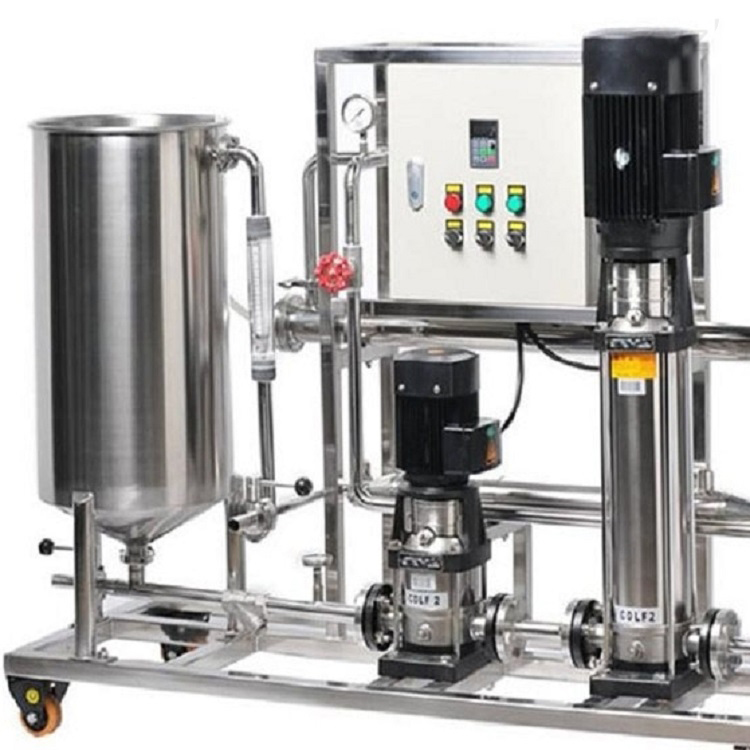
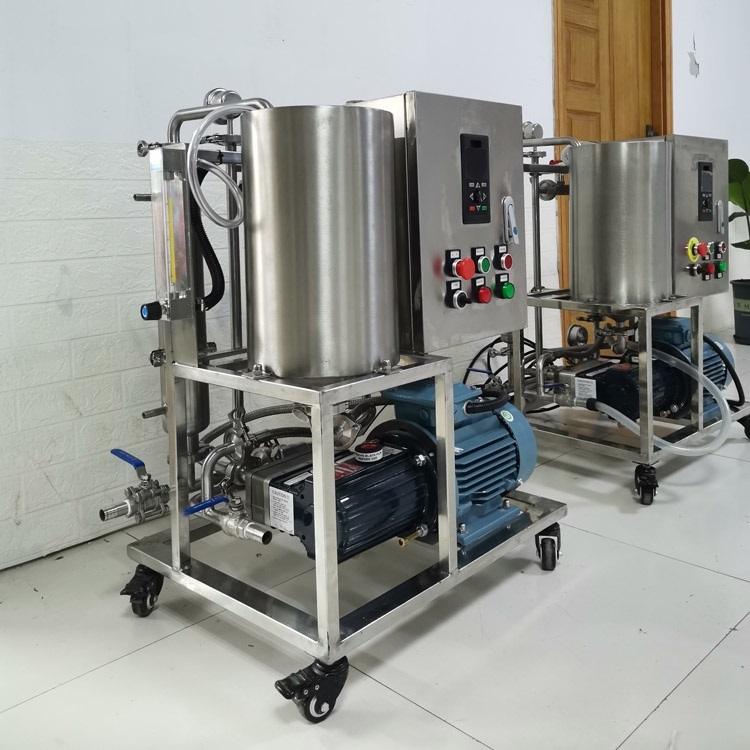
In equipment design, PCR lab wastewater treatment systems must thoroughly consider the characteristics and treatment requirements of the wastewater. The structure should be compact, rational, easy to operate, and maintain. Additionally, the equipment should be made of corrosion-resistant and high-temperature-resistant materials to accommodate the unique working environment of PCR labs. Moreover, the performance indicators such as noise and energy consumption should meet industry standards to ensure green and environmentally friendly operation.
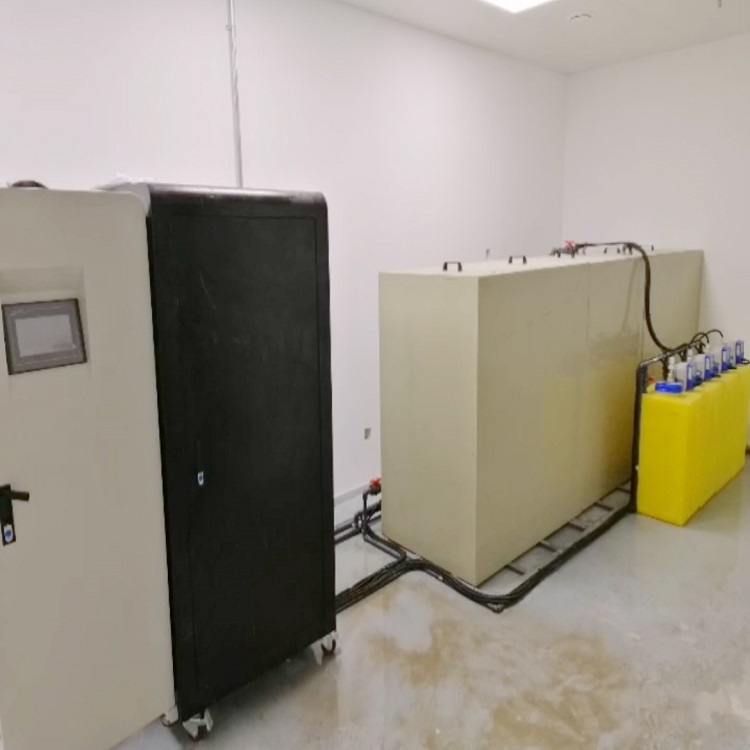
Basic requirements for the laboratory's three wastes emissions are:
1. Non-toxic, or reduce the emission concentration to below the permissible high levels specified by the national or relevant departments.
3. Corrosive substances to drainage pipes should be converted to non-corrosive substances, such as converting sulfuric acid to sodium sulfate or calcium sulfate.
4. Will not react violently with water or air, nor form harmful substances.
5. Free from pathogens, carcinogens, mutagens, teratogens, or capable of reducing emissions to below the permissible high concentration levels as specified by national or relevant authorities.
6. Radioactive waste must particularly comply with the national emission requirements.
7. For substances with extremely active chemical properties, they should first be diluted with appropriate inert materials before undergoing the necessary treatment. For instance, tin tetrachloride can be diluted with sand or soil, and then processed according to the methods described in the next section.
8. Certain substances, whether they are elements or compounds, have high toxicity and should be recycled rather than discharged, such as mercury and its salts.
Application Scope:
Laboratory wastewater treatment equipment is widely used in universities, colleges, research institutions, medical institutions, pharmaceuticals, disease control centers, environmental supervision, product quality inspection, inspection and quarantine, drug inspection, blood stations, animal husbandry, hospitals, petrochemical industries, and various company laboratories and testing rooms. After treatment, the wastewater meets the first, second, and third-grade standards of the Comprehensive Wastewater Discharge Standard [GB8978-1996]. The treated wastewater can be discharged into the municipal sewage network or further utilized through additional treatment processes.

Quan Kun PCR Laboratory Waste Water Treatment Equipment - Durable and Robust
The application range of PCR laboratory wastewater treatment equipment is extensive, suitable for various PCR laboratories, biological laboratories, hospitals, and other locations. In practical use, the equipment should possess excellent stability and reliability, ensuring long-term stable operation and effective wastewater treatment. Additionally, the equipment should be highly intelligent, enabling real-time monitoring and remote control of the wastewater treatment process, thereby enhancing management efficiency.