













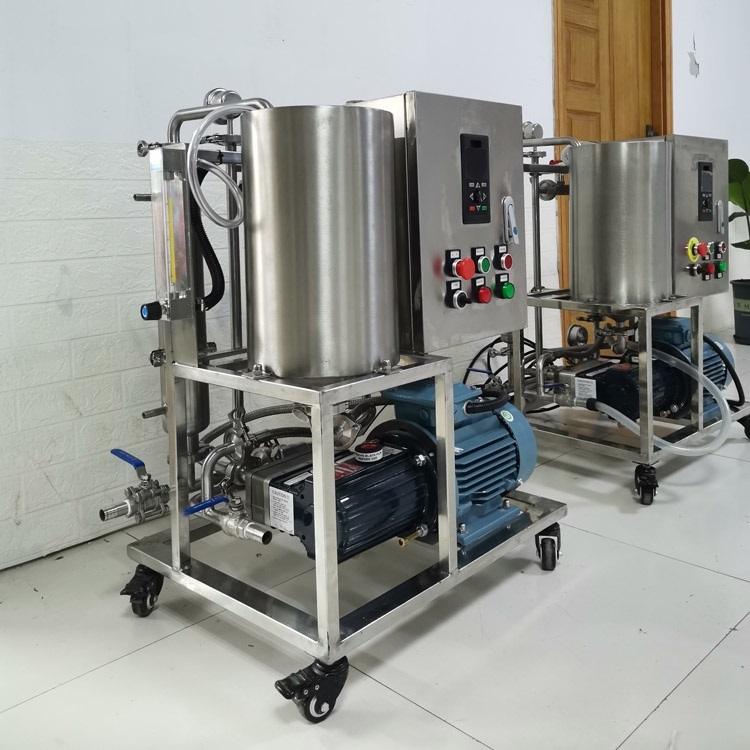
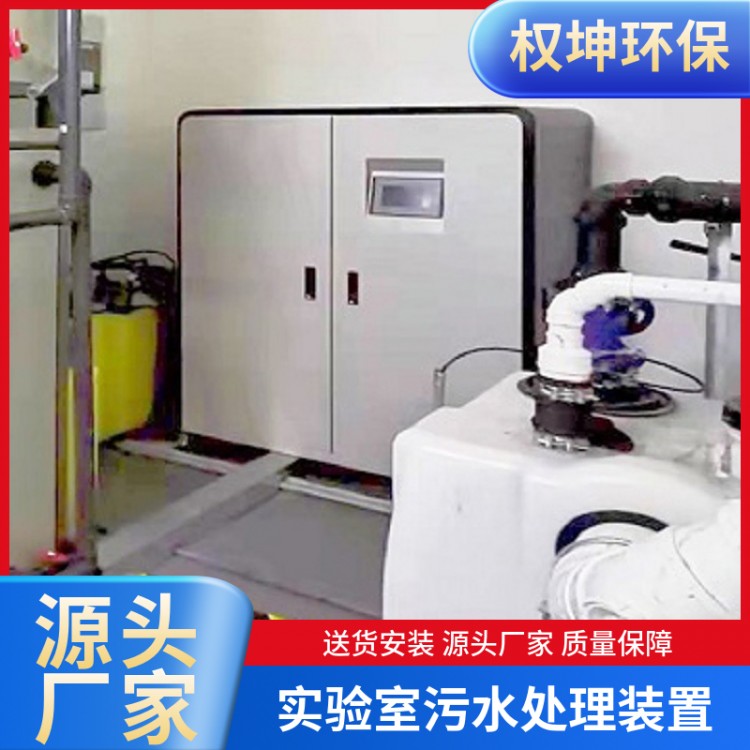
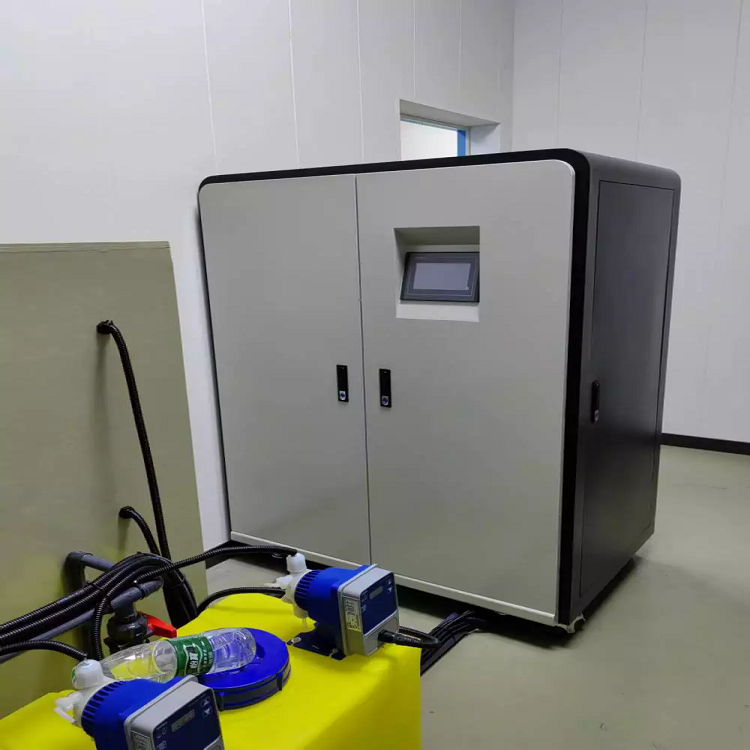
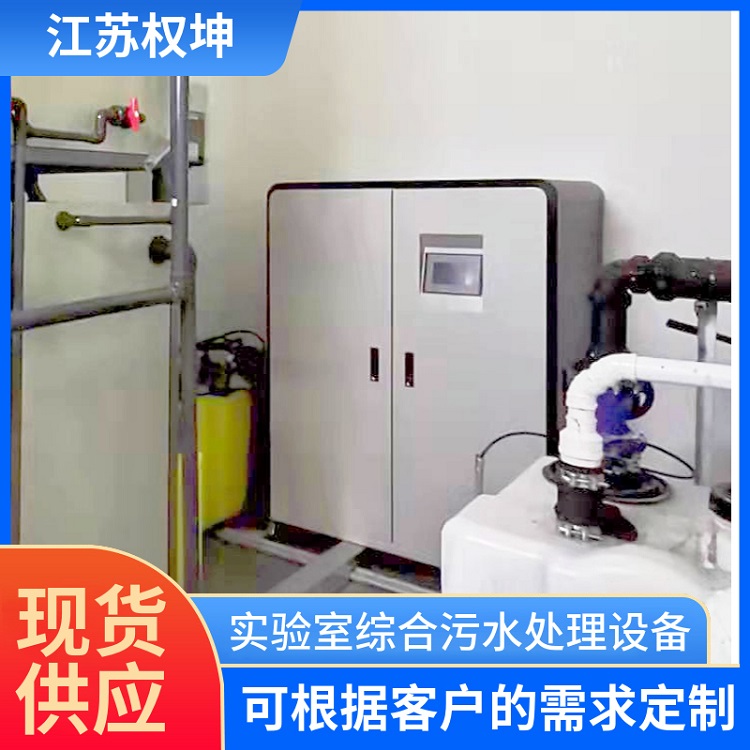
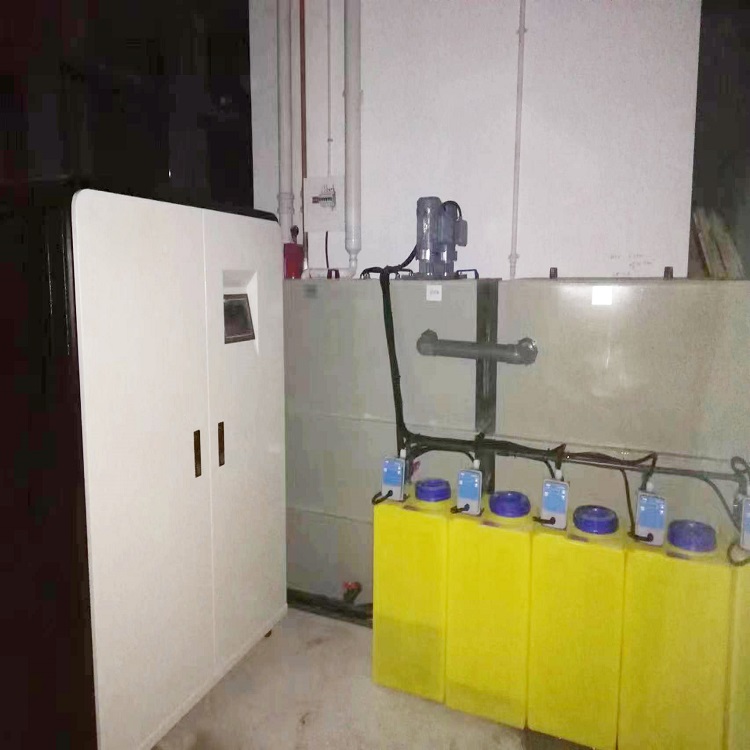
Nanjing manufacturer of laboratory wastewater treatment equipment
Equipment Overview:
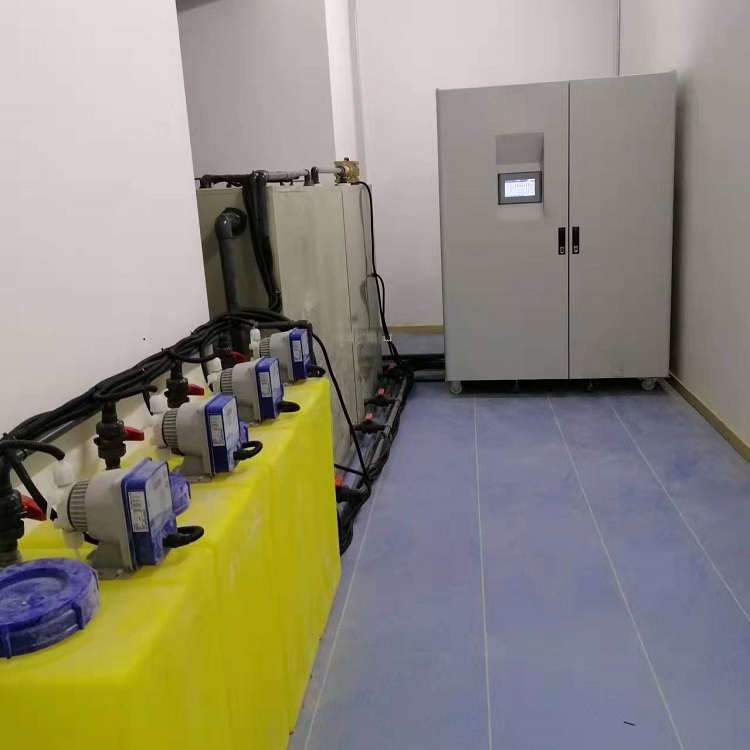
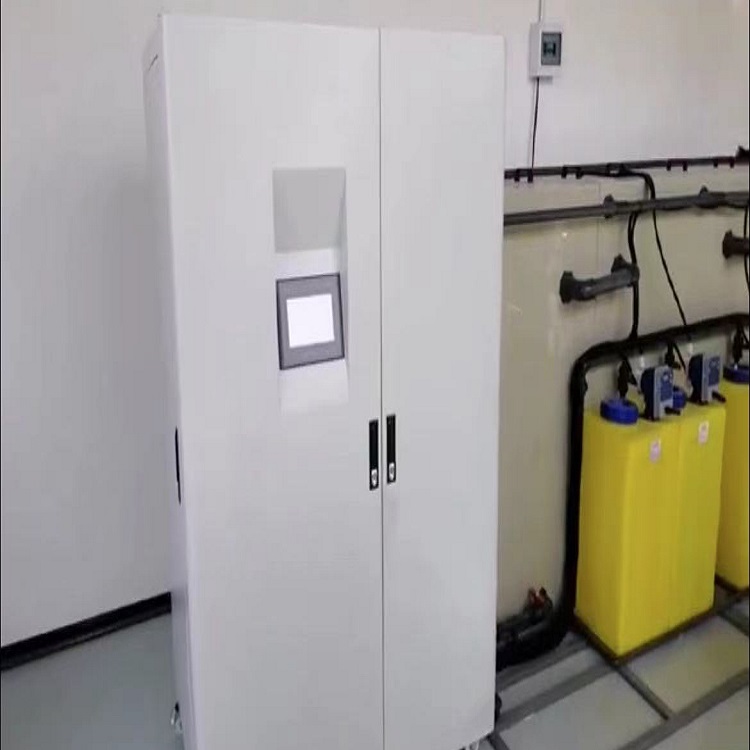
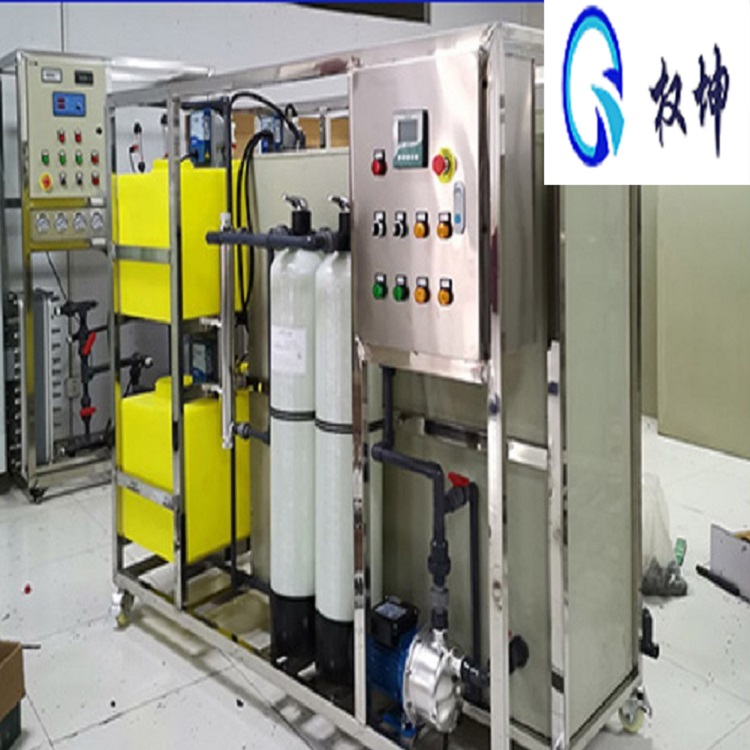
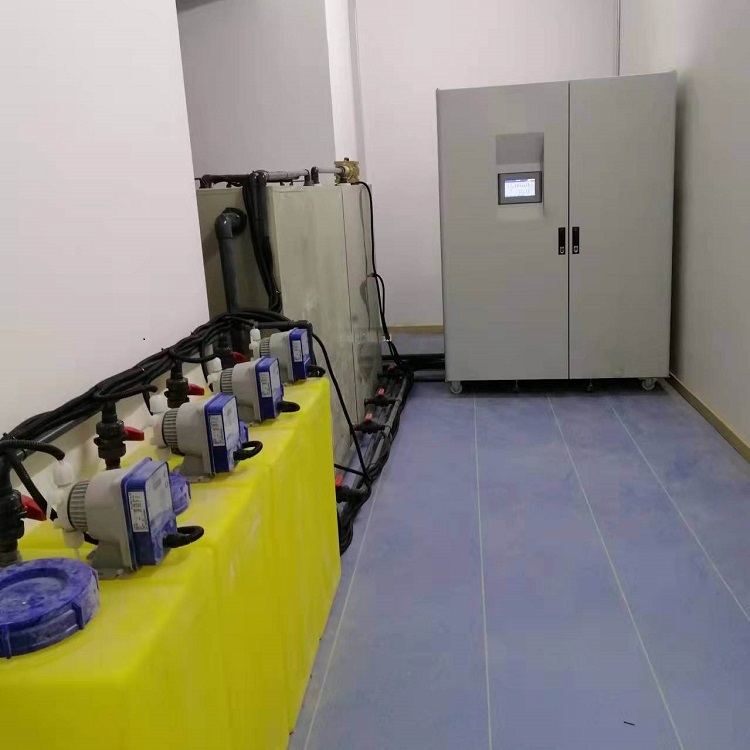
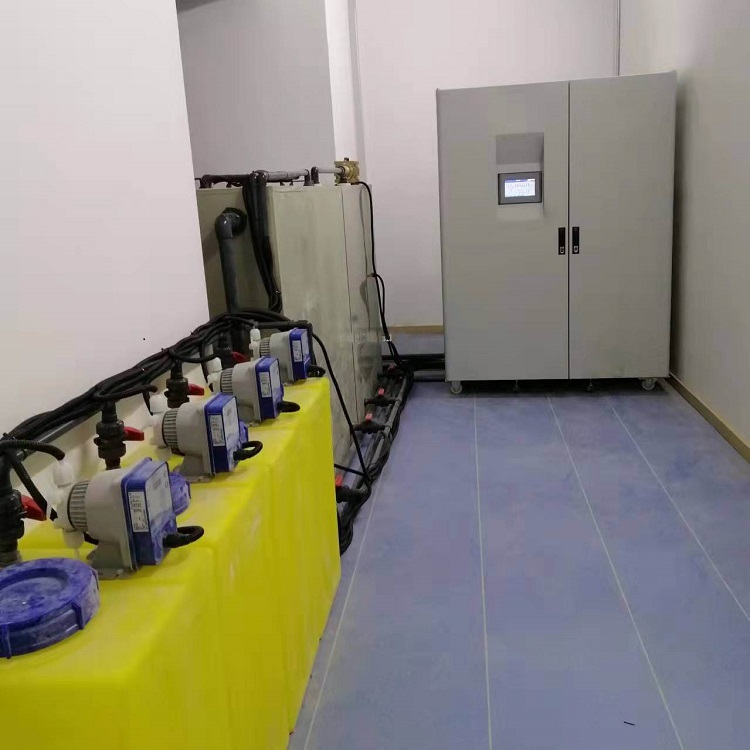
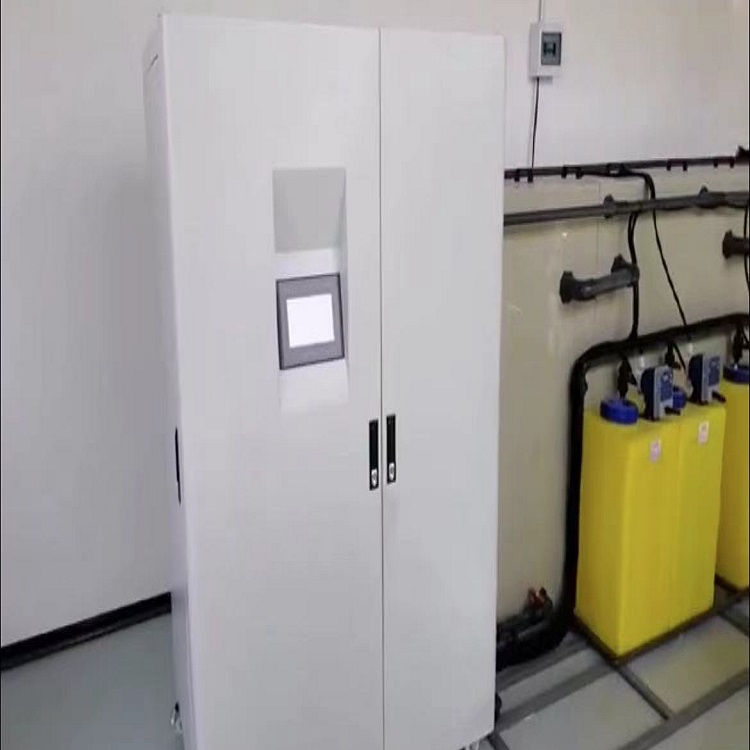
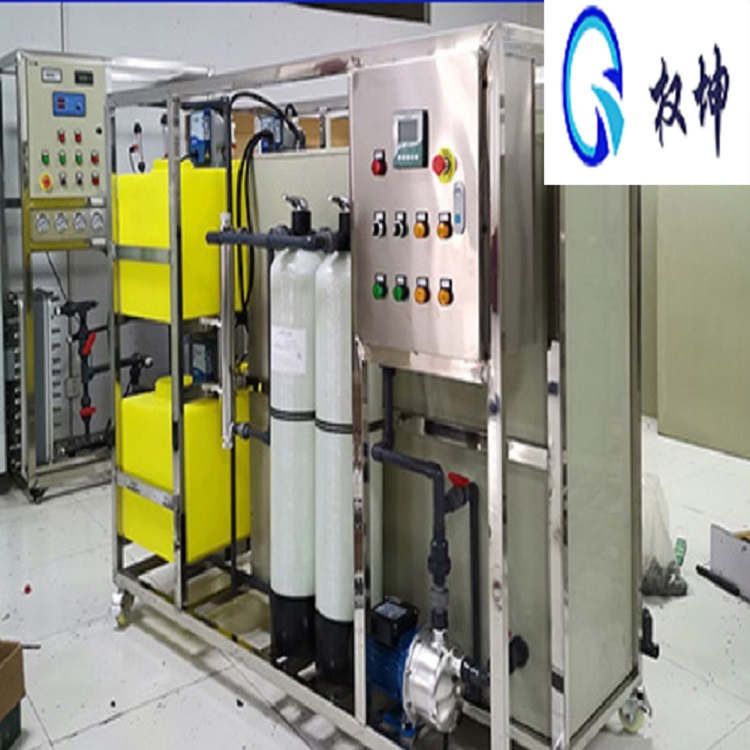
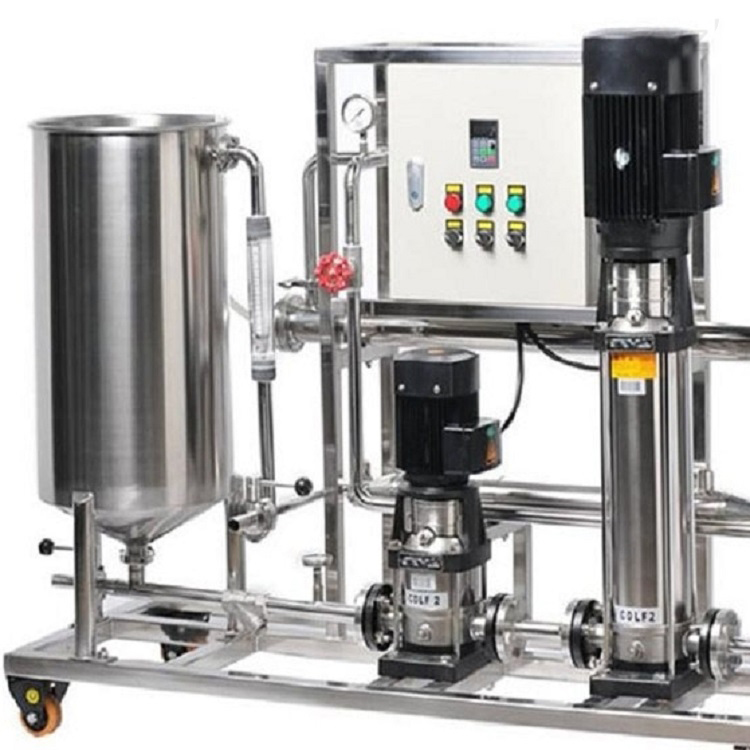
The comprehensive laboratory wastewater treatment system is composed of units such as wastewater collection, automatic regulation, pretreatment, automatic dosing, coagulation and air flotation mixing, flocculation and coagulation sedimentation, sedimentation separation, solid-liquid separation, sludge drying, heavy metal capture, filtration and adsorption, novel catalytic active micro-treatment, electrochemical catalytic oxidation and reduction technology processing, multi-stage advanced decomposition degradation processing, two-stage organic biological activity treatment, novel biological reaction treatment, and composite disinfection treatment. This forms a complete laboratory wastewater treatment system. The system operates using a PLC programmable control system and a human-machine interface operating system, with remote monitoring and operation. It runs automatically according to the program set by the PLC controller and parameters set by the pH self-control instrument, with multi-level automatic on-line monitoring. The control system automatically calculates based on the composition and concentration of different laboratory wastewater and then dosages are automatically added in proportion, making the process more scientific and rational, ensuring treatment effectiveness while saving consumption and requiring no dedicated personnel on duty.
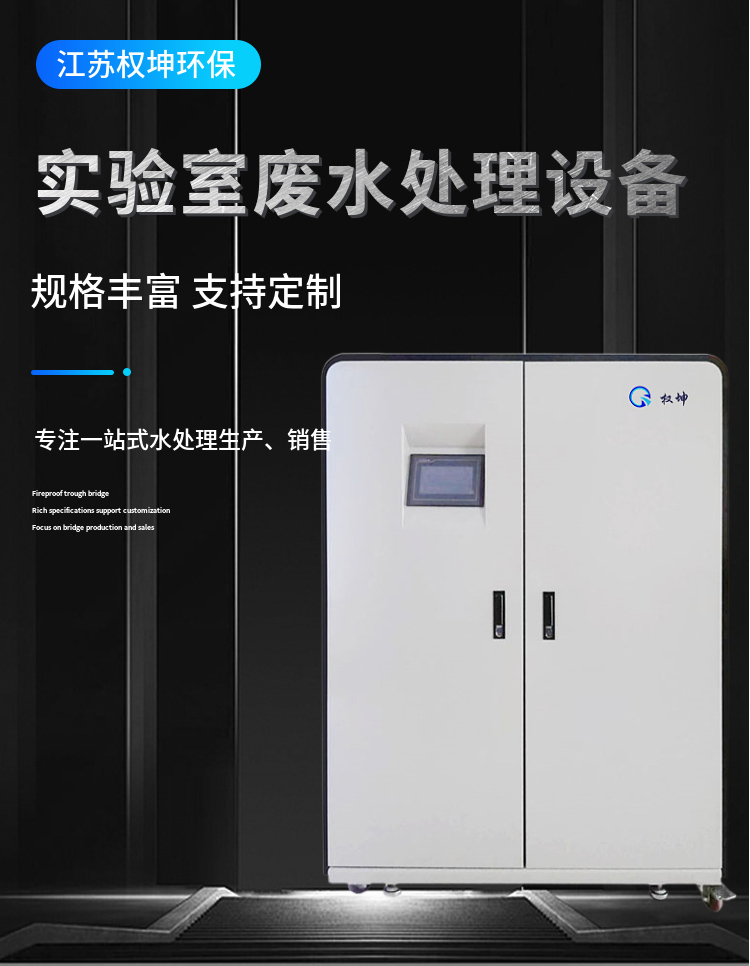
Wastewater Treatment Types:
1. Laboratory wastewater sources: laboratory chemicals, reagents, test solutions, laboratory wastewater collected after experiments, residual reagents, expired laboratory chemicals and reagents, etc., integrated wastewater.
2. Laboratory wastewater composition: inorganic substances, organic substances, biological wastewater, etc.
3) Biological: Pathogens, etc.; a) Pathogens: Bacteria, viruses, chlamydia, mycoplasma, spirochetes, fungi, Brucella, anthrax bacteria, etc.; Wastewater treated by the laboratory's sewage treatment facility for nucleic acid testing meets national discharge standards and can be directly discharged into the municipal sewage pipeline network.
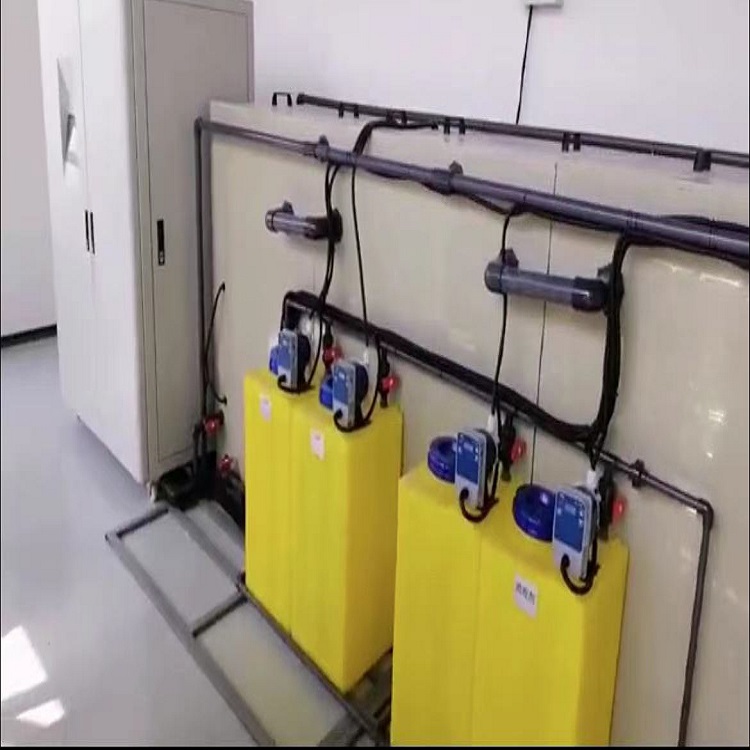
Equipment Installation:
Laboratory comprehensive wastewater treatment equipment is loaded and unloaded using forklifts or hoisted by cranes.
2. Equipment should be horizontally placed on a concrete base. The electrical control cabinet should be located away from corrosive gases, water, and areas prone to dampness to prevent damage to electrical components.
3. The effluent pipe from the wastewater collection tank is connected to the inlet pipe of the sewage treatment equipment, ensuring the effluent pipeline is properly linked.
4. Before wiring connections, use insulating tubes to protect the wires and secure them in the proper position to prevent leakage. The circuit should have safety devices, and live parts should be properly grounded.
5. After installation, recheck that all parts are securely fastened, that all components are present, that the pipeline and electrical installation is correct, that the live setup is grounded, and then you can proceed to test the machine if there are no issues.
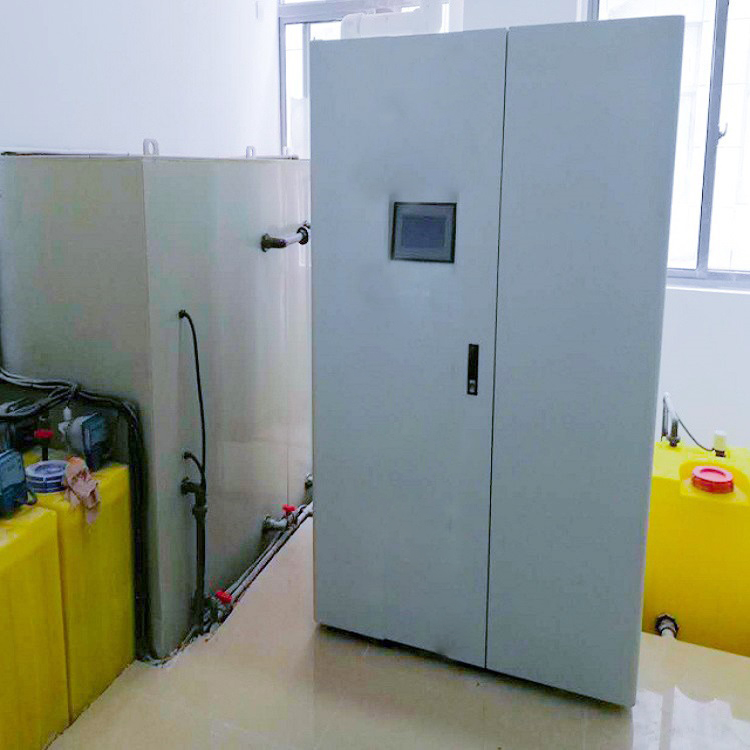
Nanjing manufacturer of laboratory wastewater treatment equipment
Application Scope:
Laboratory wastewater treatment equipment is widely used in colleges, universities, research institutions, medical institutions, biopharmaceuticals, disease control centers, environmental supervision, product quality inspection, inspection and quarantine, drug inspection, blood stations, animal husbandry, hospitals, petrochemicals, and various laboratories and analytical rooms. After treatment, the wastewater meets the first, second, and third standards of the Comprehensive Wastewater Discharge Standard [GB8978-1996]. The treated wastewater can be discharged into the municipal sewage pipeline or further utilized through additional treatment processes.