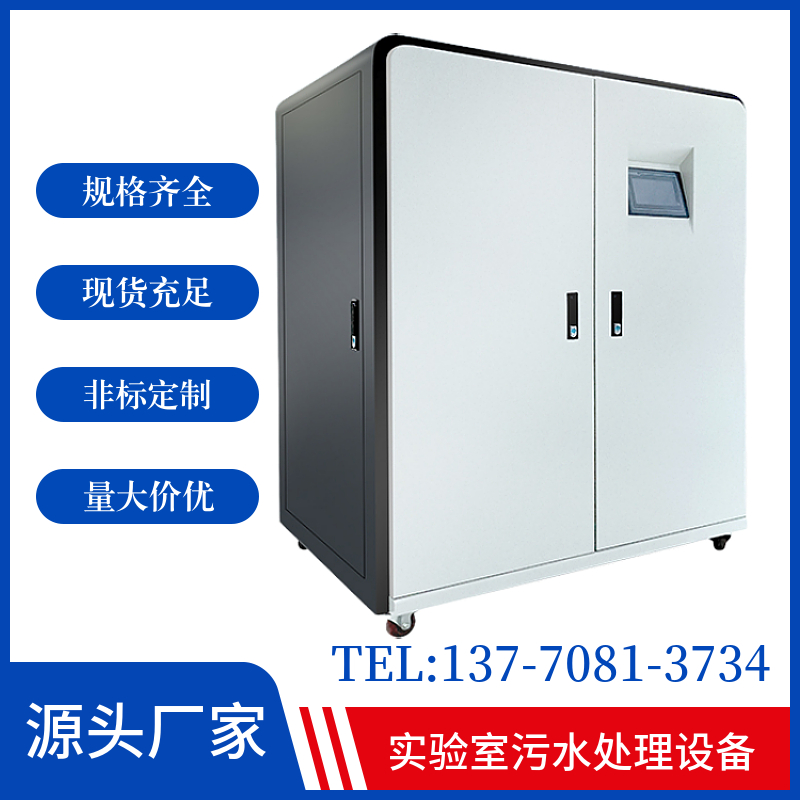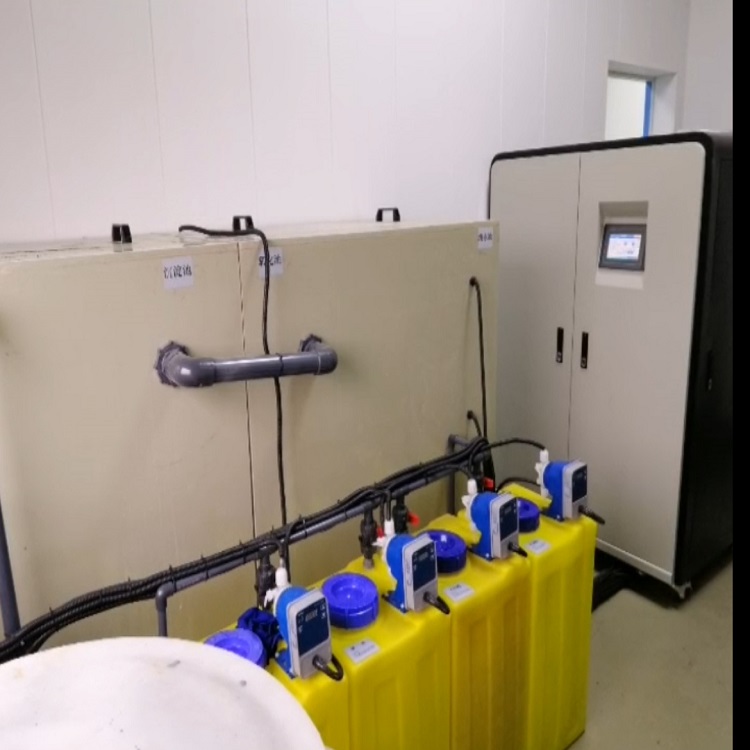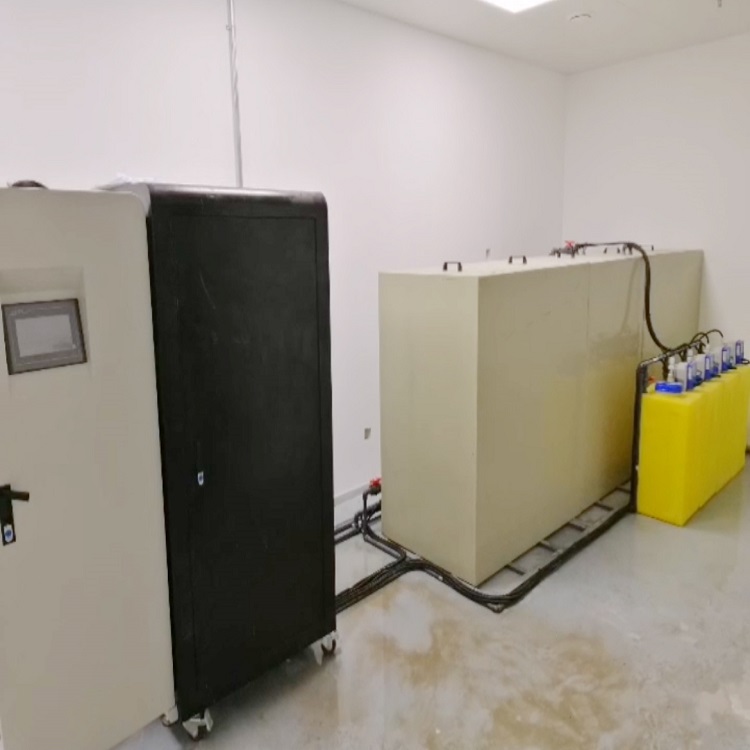









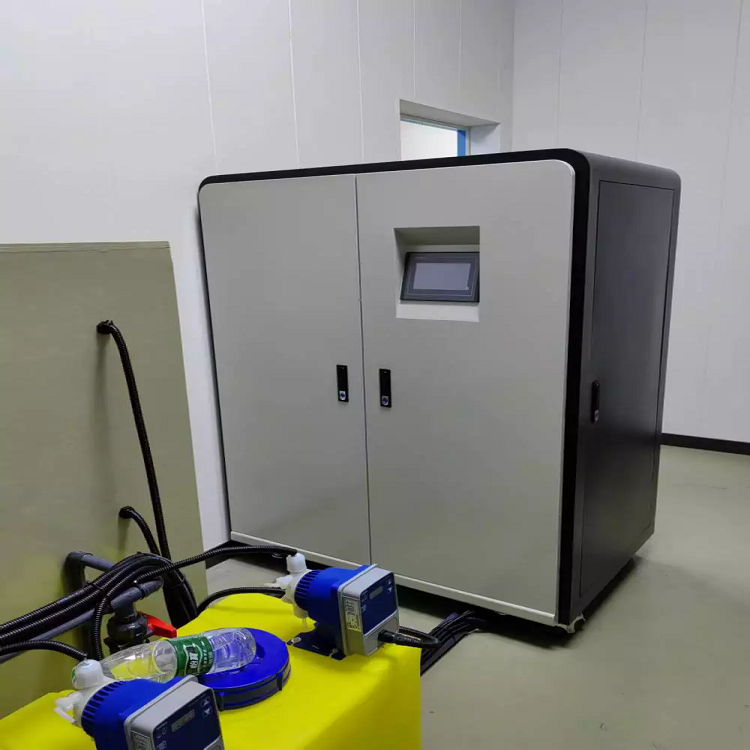
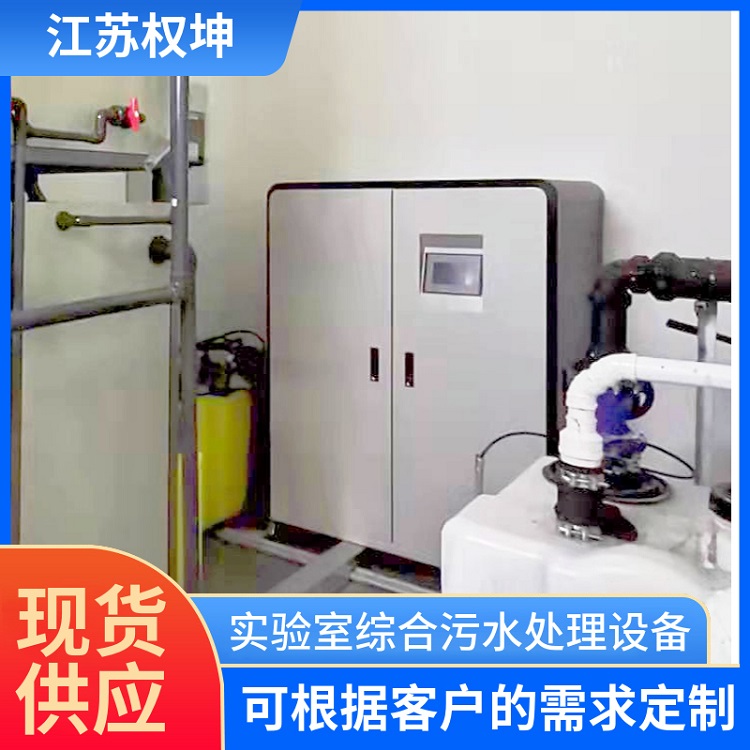
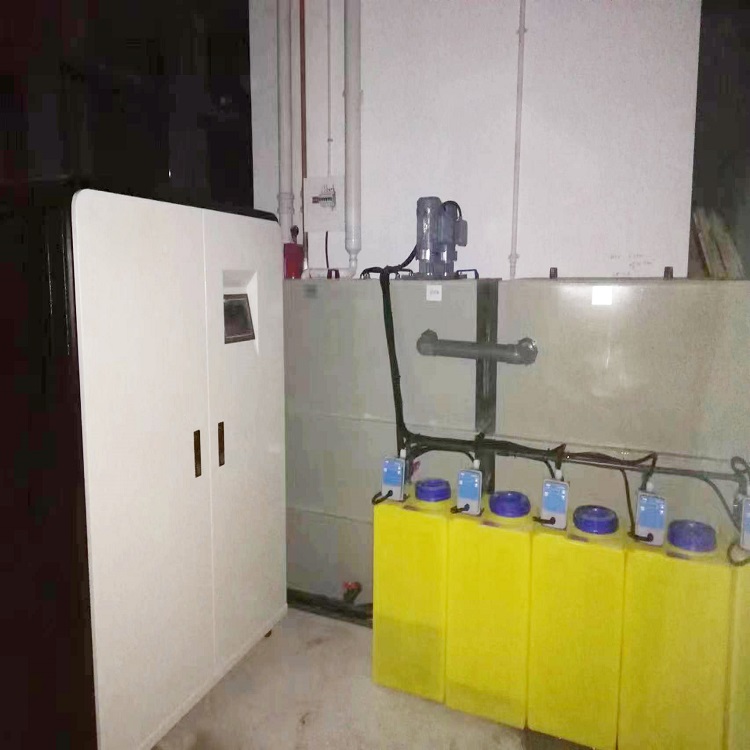
Laboratory Waste Water Treatment Equipment
Laboratory wastewater primarily contains strong acids or alkalis, along with various bacteria and viruses.
Parasite eggs contain a variety of inorganic and organic substances as well as biochemical materials, such as various drugs and disinfectants.
Hazardous agents, heavy metal ions, and non-biodegradable substances, etc. Therefore, the treatment of laboratory wastewater requires both consideration
Consider hygiene standards for sterilization and disinfection, taking into account CODcr, BOD5, and heavy metals, among other environmental indicators.
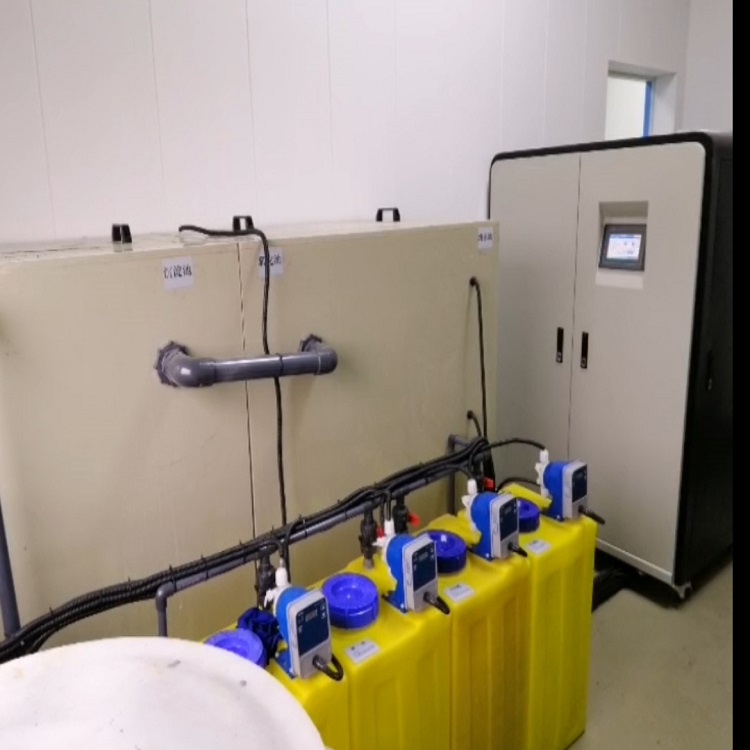
Design Principles:
(1) Maximize existing equipment and pipeline infrastructure to reduce investment scale and costs.
(2) Post-treatment purified water can be considered for recycling to reduce processing load and lower operational costs.
(3) The newly built wastewater treatment equipment is simple to operate and run, with low operational costs.
(4) Ensure that the effluent from the treated wastewater meets the "Emission Standards for Water Pollutants from Medical Institutions"
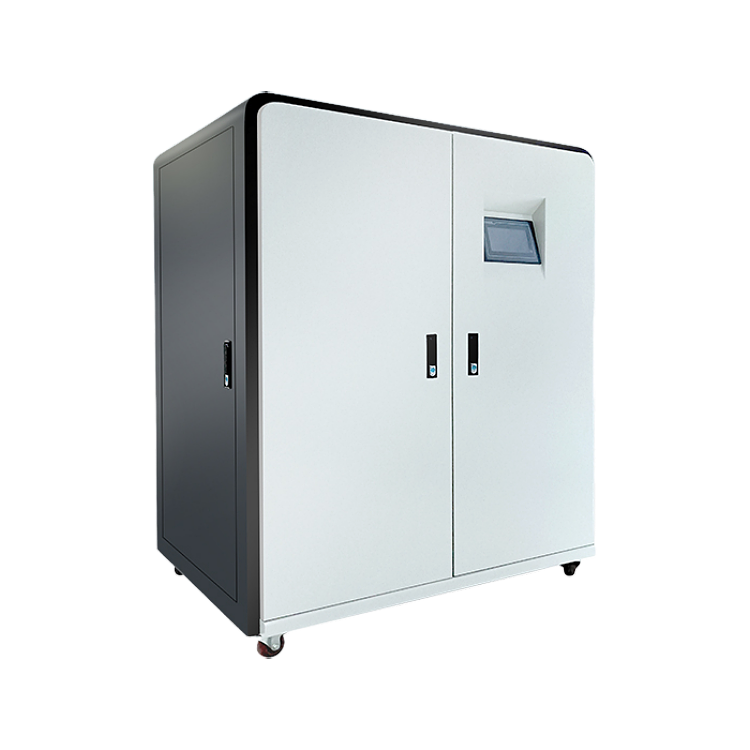
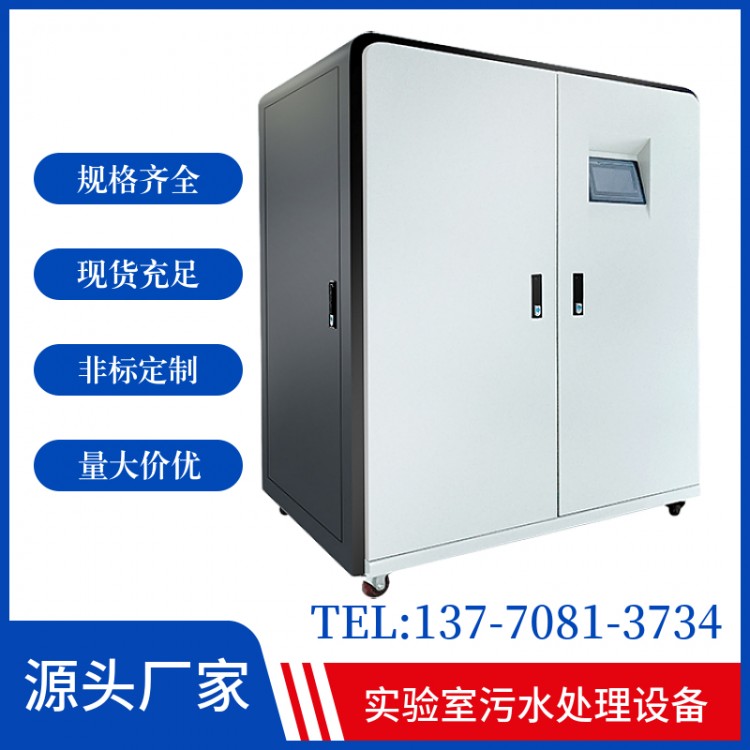
Laboratory wastewater treatment equipment features:
1. Widely applicable, adaptable to wastewater treatment in various laboratories.
2. High level of automation, centrally controlled, user-friendly interface, easy to operate, fully automatic operation, no need for dedicated staff.
3. Centralized control, high level of automation, easy operation, fully automatic operation, no need for dedicated staff.
4. Automatic water and electric leakage protection, automatic high and low voltage protection, no waste water protection, liquid storage tank level protection.
5. Dynamic operation with a digital LCD display for water quality indicators.
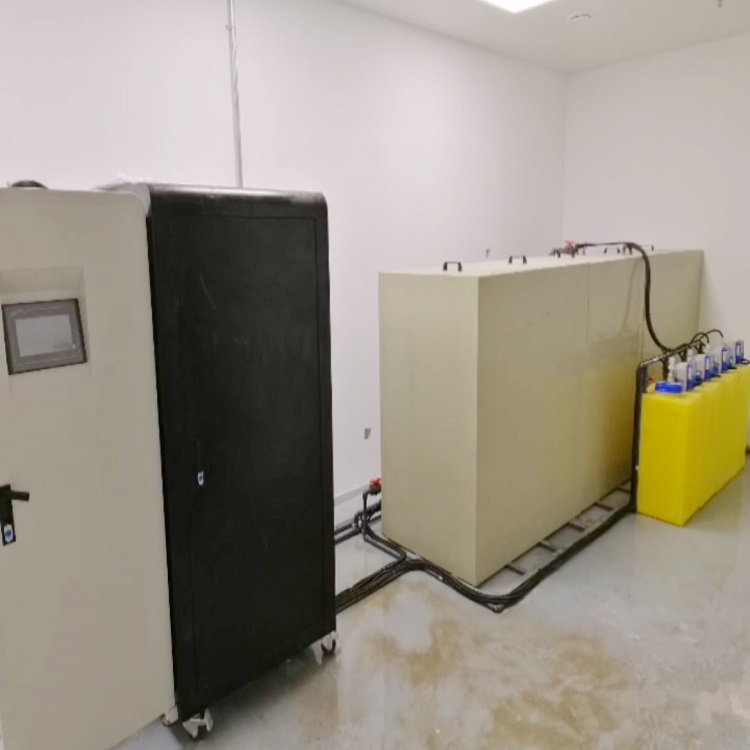
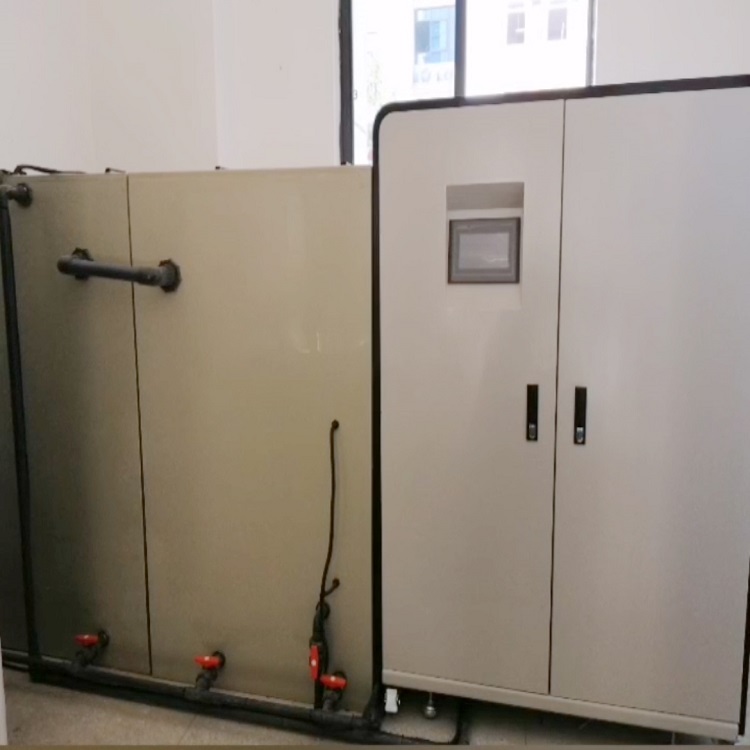
6. "One-stop" integrated design featuring aesthetic appearance, small land occupation, low operation costs, easy installation and relocation, high processing capacity, excellent processing effect, low energy consumption, resistance to acid and alkali corrosion, low noise, and environmental friendliness, truly achieving engineering equipmentization. No need for multiple treatment ponds, eliminating secondary pollution such as waste sludge, waste gas, and waste water.
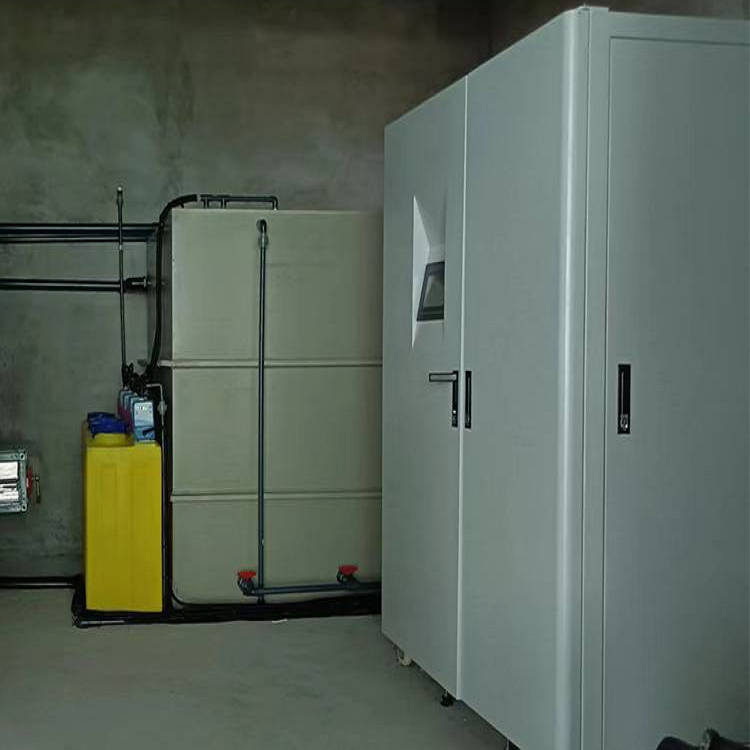
Cautionary Notes for Maintenance:
If there are minor malfunctions with small-scale laboratory wastewater treatment equipment, such as belt deviation in the dewatering machine, excessively low oil temperature in the blower, or low-level alarm from the automatic flocculation device, these can be repaired on-site by staff without disassembly. In such cases, with a supervisor's guidance and confirmation that the repair will not disrupt the entire process, repairs should be completed as soon as possible.
1. When equipment requires disassembly for repair, simple replacement of parts, or relocation, such as a complete pump replacement, electrical component, and hand valve replacement. In such cases, the maintenance staff must report the issue to the supervisor, who will then assign a maintenance team for the replacement or repair.
2. In the event of equipment failure that the crew cannot repair, it is necessary to promptly report to the department head. The department head should then arrange for the equipment supplier or a relevant professional to conduct the inspection and repair.
3. Employ a tiered approach to address issues with small-scale laboratory wastewater treatment equipment, ensuring uninterrupted continuous operation while enhancing the equipment's effective utilization.
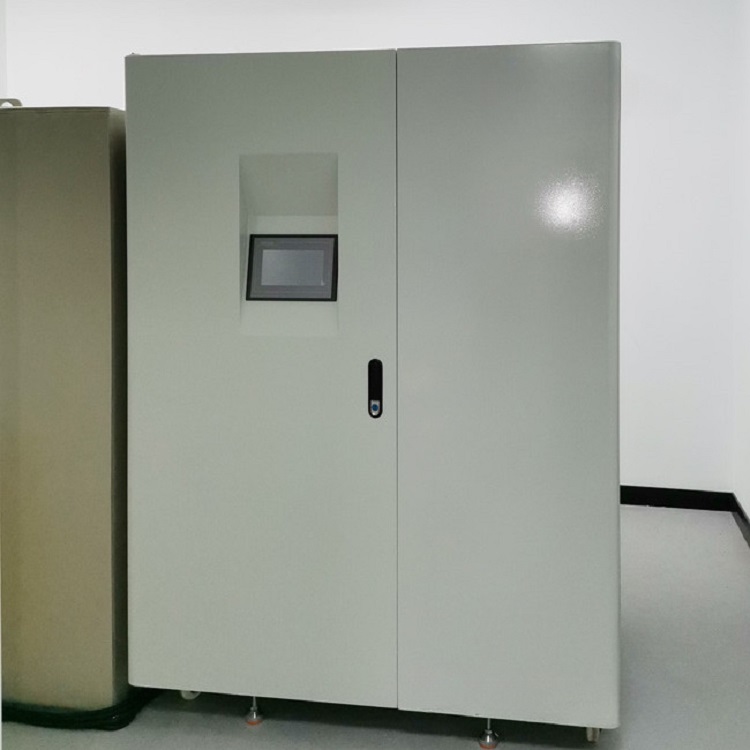
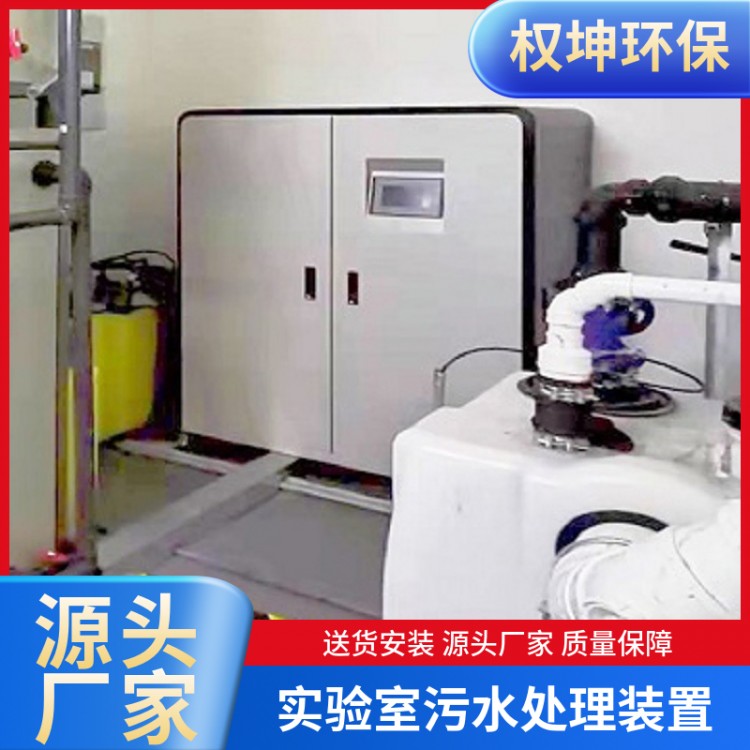
Laboratory wastewater treatment unit
Equipment Advantages:
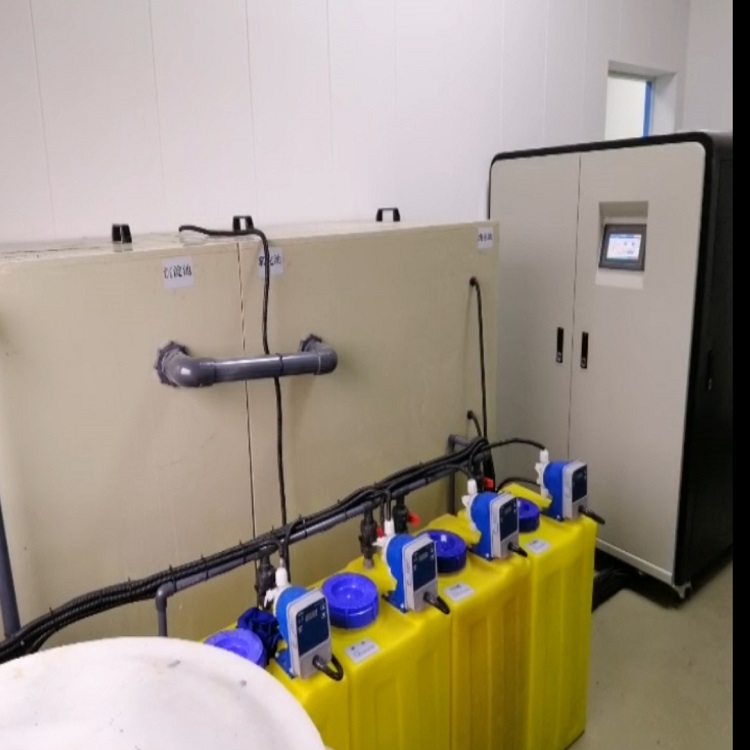
Treat wastewater inorganic pollutants using technologies such as neutralization coagulation, flocculation, natural sedimentation, fine filtration, and activated carbon adsorption.
2. Fully automated operation, requiring no on-site staff 24/7.
3. Accurately control the dosing amount using pH value and a metering pump.
4. Easy to operate, stable performance, long service life, with low operation and maintenance costs.
5. Compact in size, suitable for installation indoors or outdoors as needed.
6. Custom designs and manufacturing available according to customer requirements and operating volume.