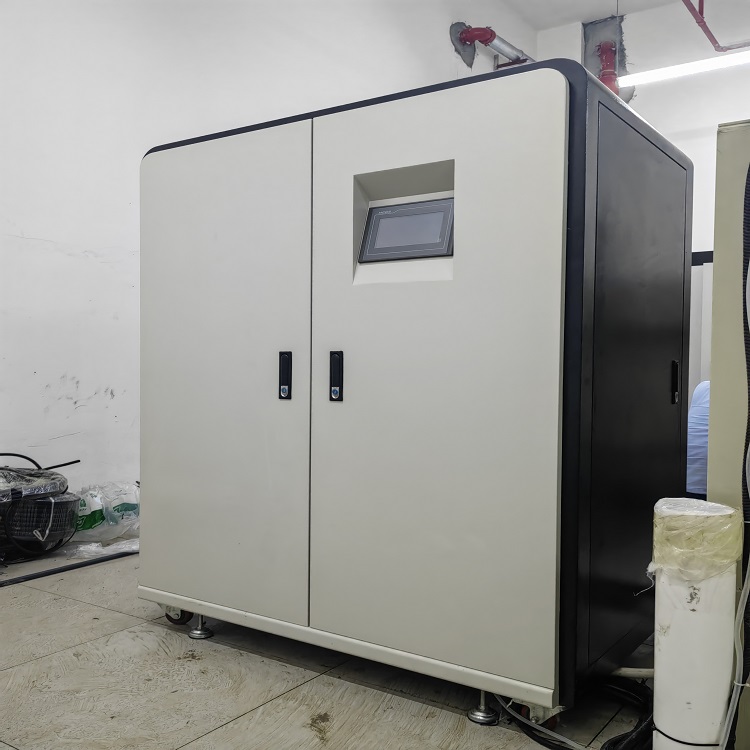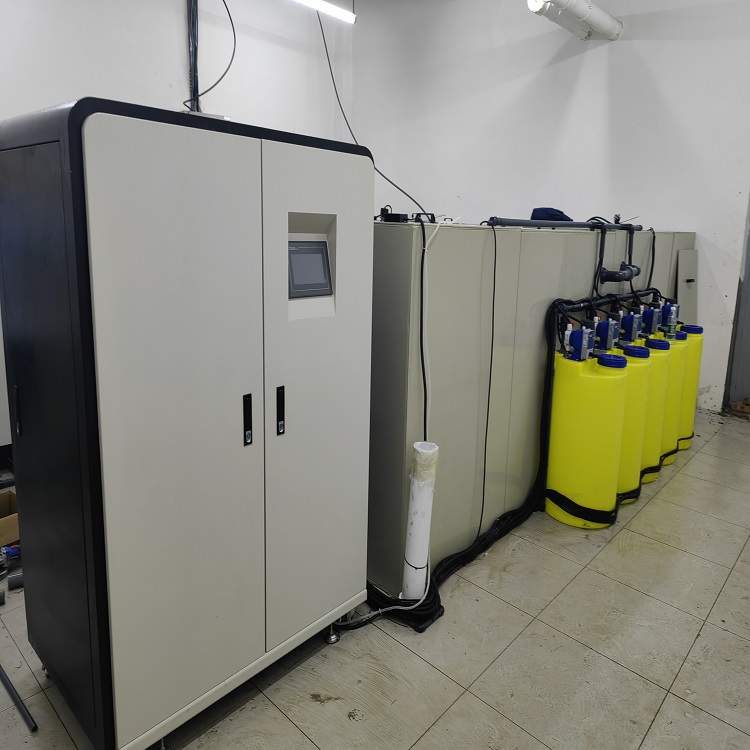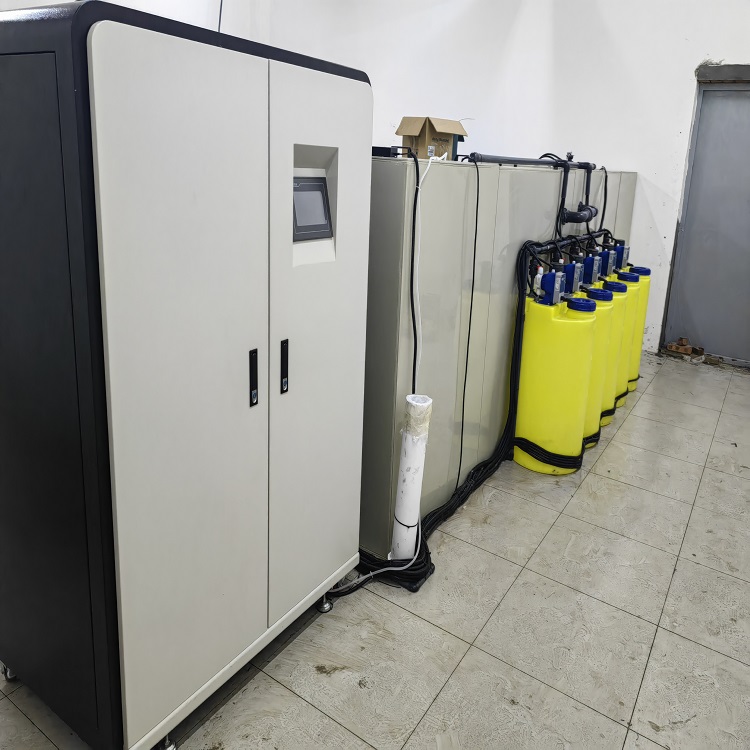

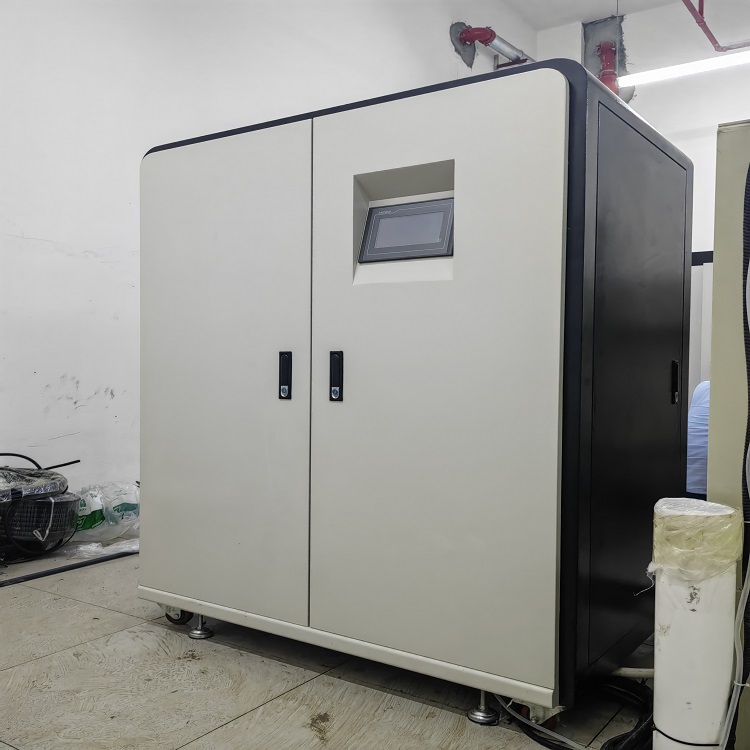

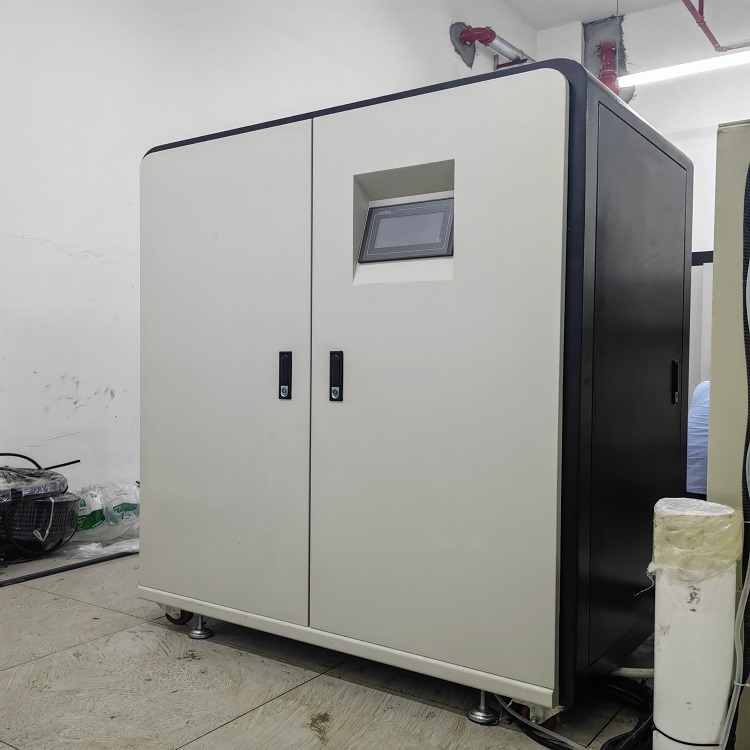
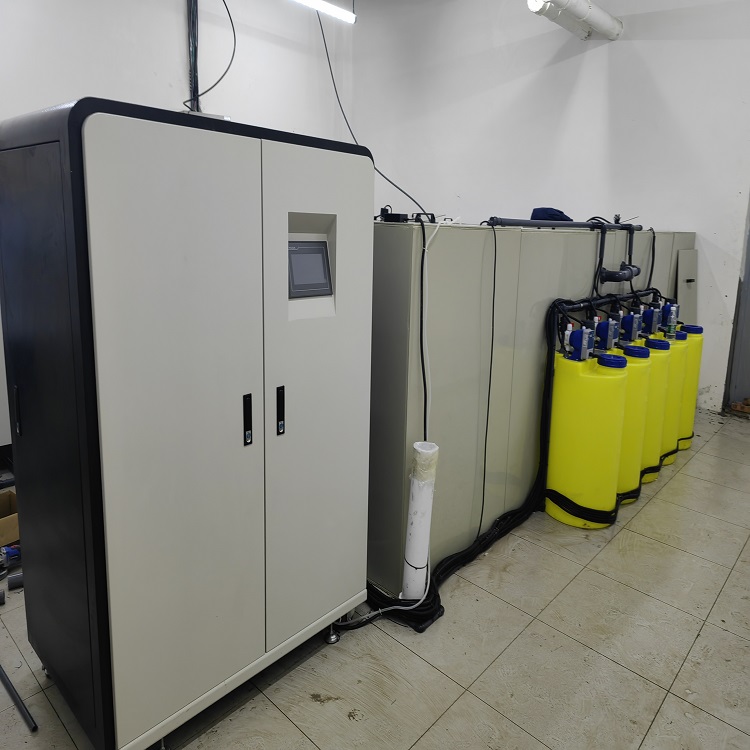
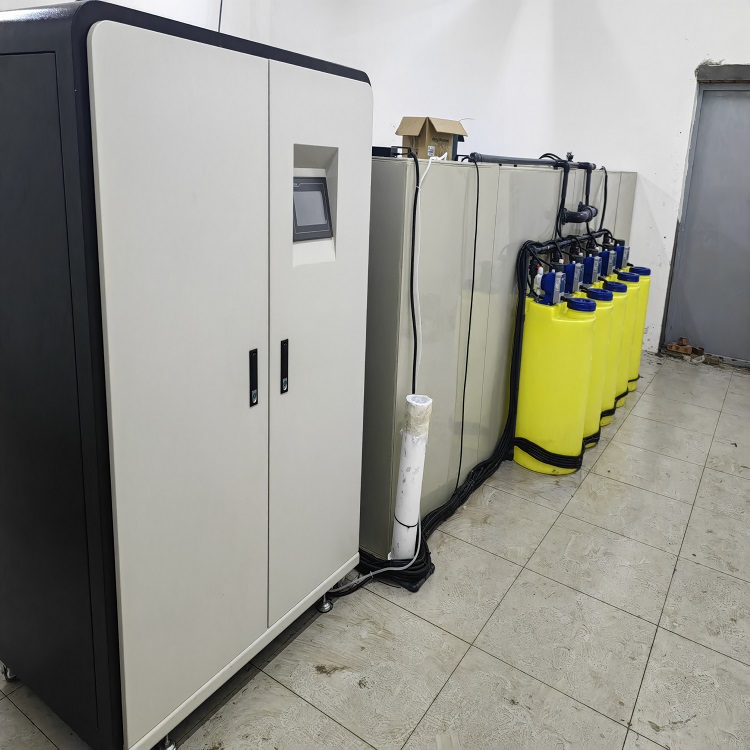












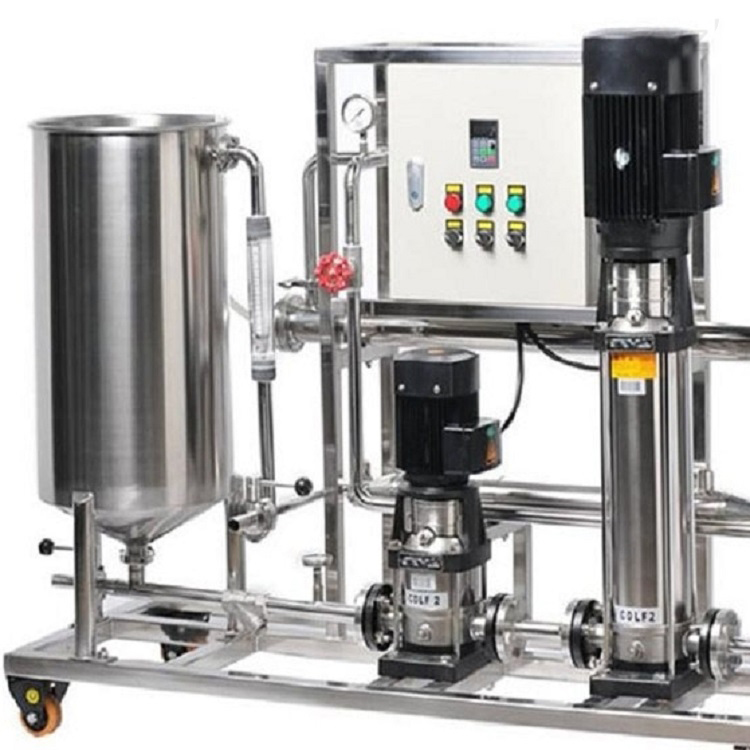
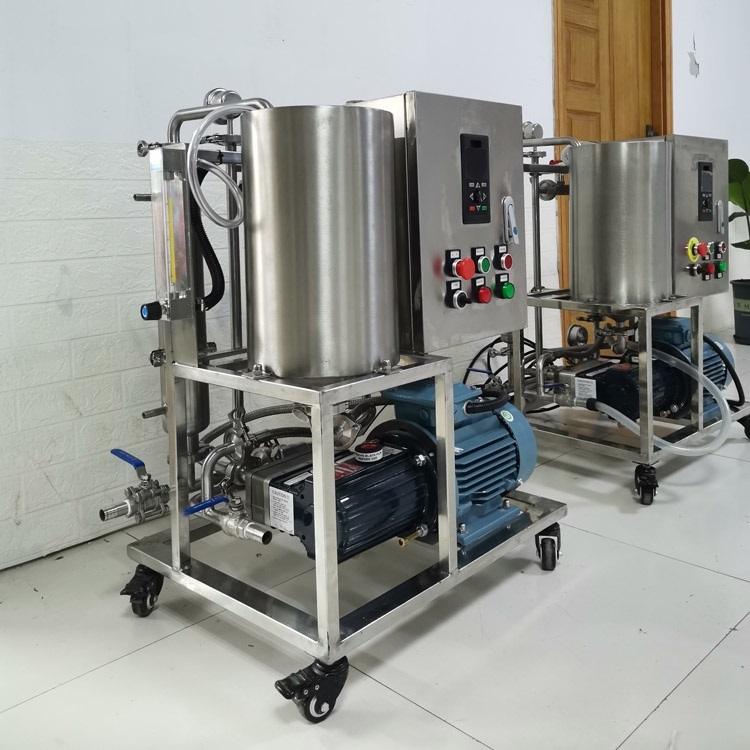
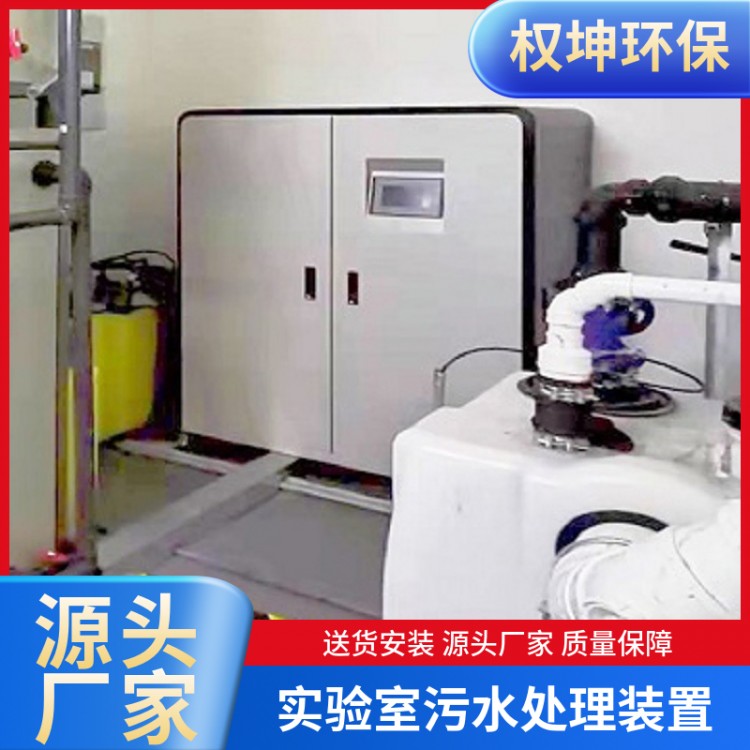
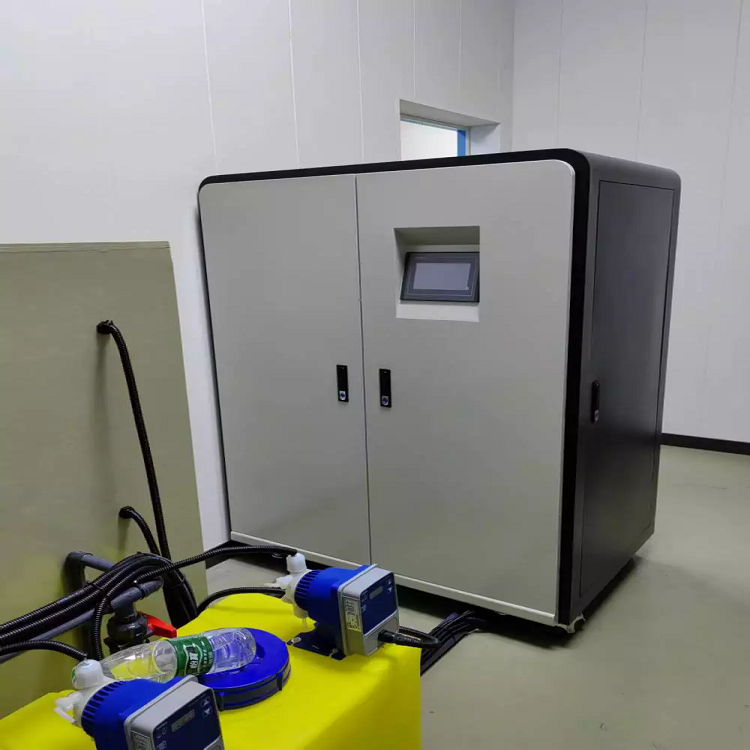
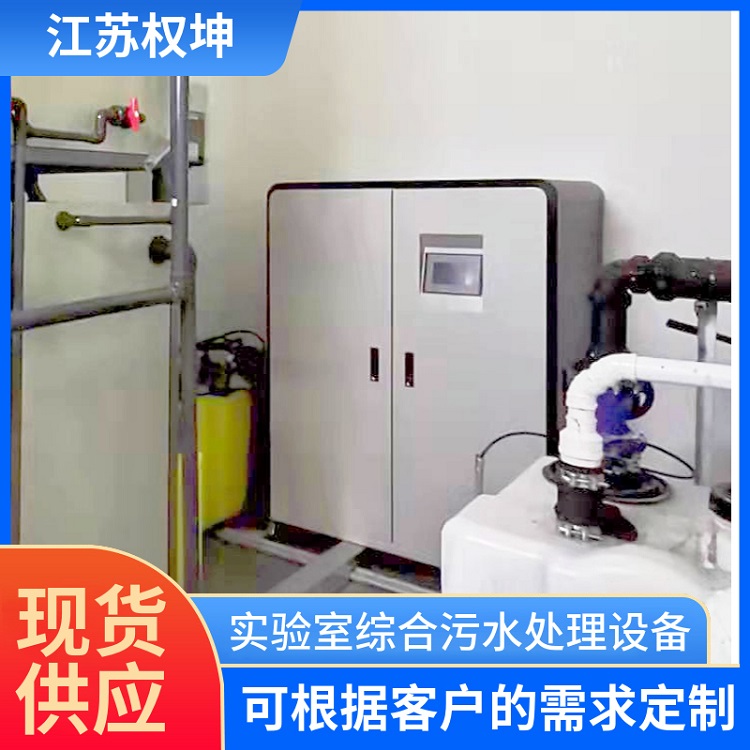
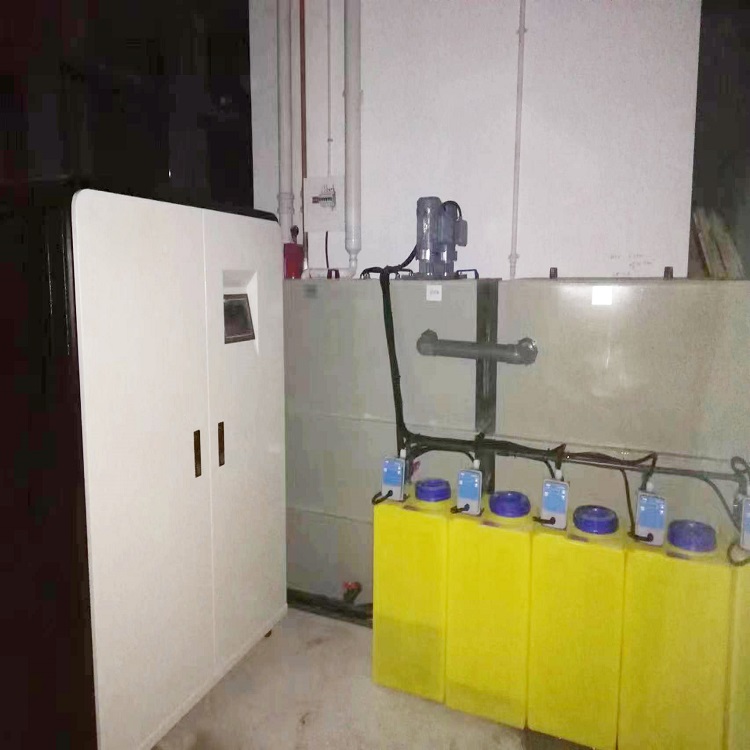
Integrated Medical Wastewater Treatment Equipment Process - Small Sewage Treatment Unit - Custom Made to Order
Experimental wastewater exhibits characteristics such as low volume, strong intermittency, high hazard, and complex and variable composition. Based on the nature of the main pollutants in the wastewater, it can be divided into two major categories: organic and inorganic wastewater. Inorganic wastewater primarily contains heavy metals, metal complexes, acids and bases, sulfides, halogen ions, and other inorganic ions. Organic wastewater includes common organic solvents, organic acids, ethers, organic phosphorus compounds, phenols, petroleum products, and fatty substances. Generally, due to strict collection and storage methods for experimental wastewater and waste materials during the experiment, the pollutant concentration entering the experimental wastewater system can be controlled within a certain range after storage and regulation. However, it still possesses certain corrosiveness and biological toxicity.
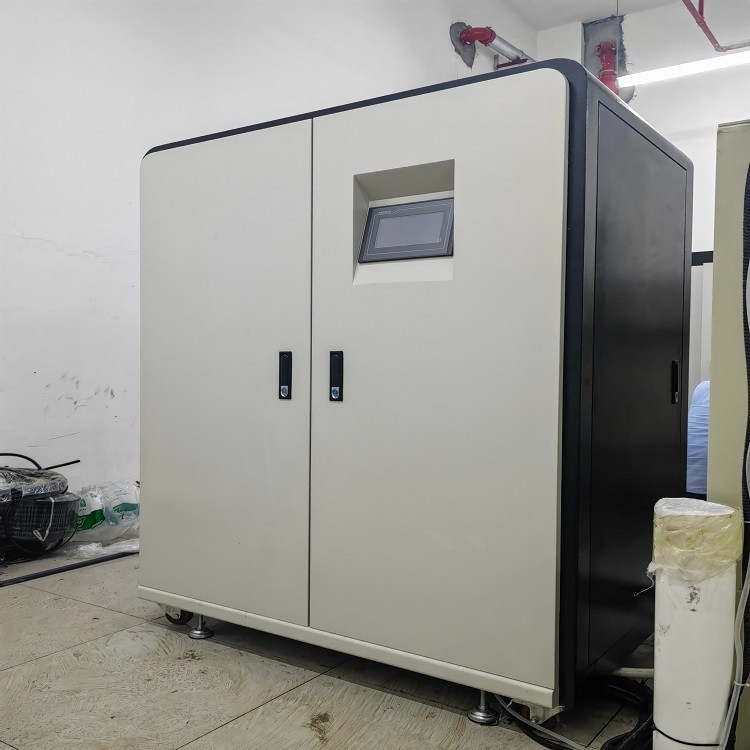
Traditional laboratory wastewater treatment processes generally rely on physical-chemical methods, which offer effective treatment for acidic and alkaline wastewater, oxidizing-reducing wastewater, and toxic and harmful wastewater. However, these methods are insufficient in terms of cost-effectiveness and their ability to remove low-concentration organic matter, nitrogen, and phosphorus when applied to laboratory domestic wastewater.
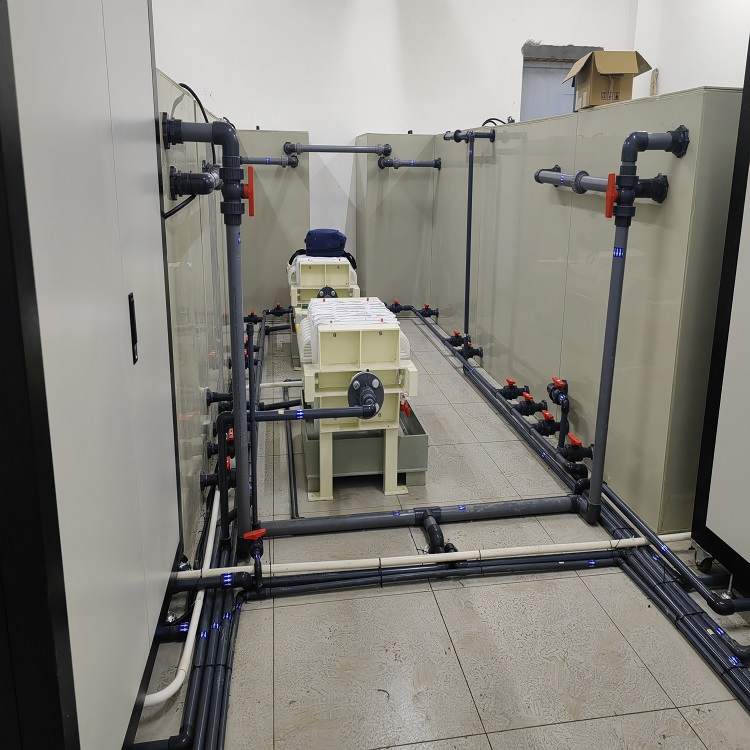
Laboratory wastewater treatment equipment, including an alternating sequence of: regulating ponds, integrated laboratory wastewater pretreatment system, septic tanks, regulating sedimentation tanks, anaerobic-aerobic contact biofilm reactors, and inclined plate sedimentation tanks. The experimental wastewater is first treated in the regulating pond and the integrated laboratory wastewater pretreatment system, then combined with the laboratory's domestic wastewater and discharged into the septic tank. Subsequently, it is further processed through the regulating sedimentation tank, anaerobic-aerobic contact biofilm reactor, and inclined plate sedimentation tank before being discharged in compliance with standards.
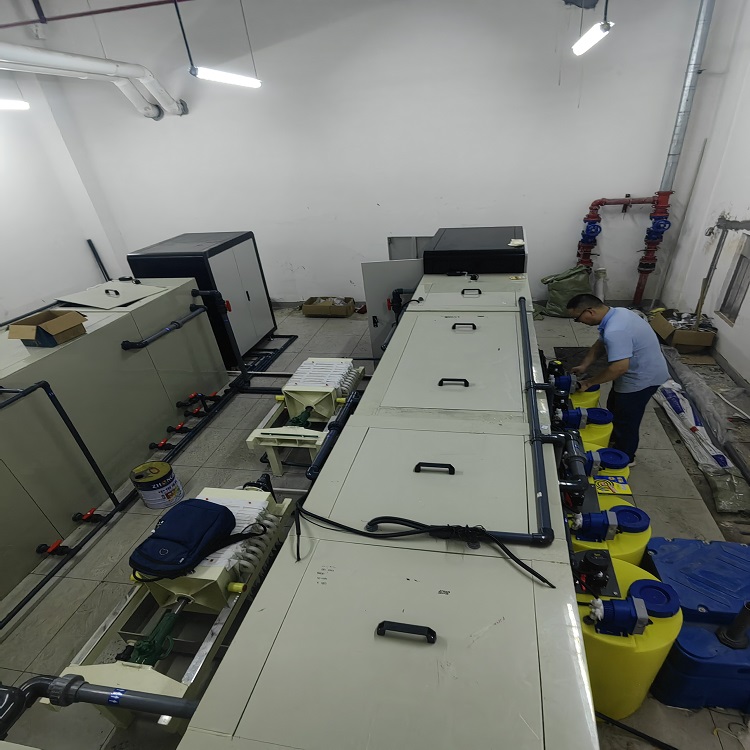
Process Features:
1. Treat various pollutants in wastewater with technologies such as neutralization precipitation, chemical oxidation, heavy metal capture, photocatalytic reaction, micro-electrolysis, ozone oxidation, and multi-media filtration; 2. Monitor and control the water quality and treatment process of wastewater in real-time using a microcomputer program, ensuring around-the-clock automatic operation without the need for constant supervision; 3. Accurately control the dosage of chemicals using a pH meter and imported metering pumps, with features including liquid level control, low-drug alarms, and automatic sludge removal; 4. Utilize advanced aeration equipment for thorough gas-water contact and complete reaction; 5. Easy to operate, stable in performance, long service life, and low operation and maintenance costs; 6. Takes up minimal space, can be installed indoors or outdoors as needed; 7. Custom design and manufacturing based on customers' specific requirements.
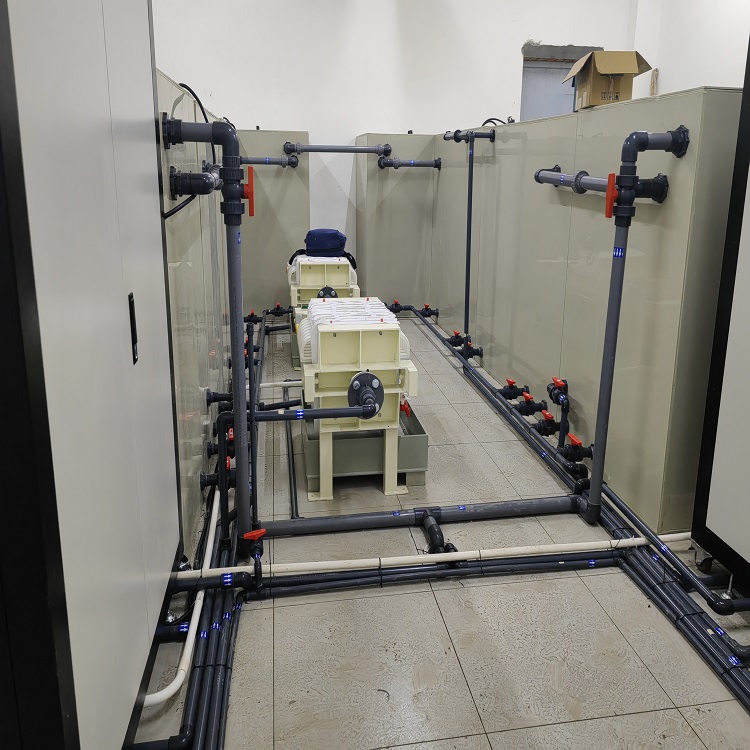 Integrated Medical Wastewater Treatment Equipment Process - Small Sewage Treatment Unit - Customized as Required
Laboratory Water Treatment Equipment Features:
1. Capable of denitrification and phosphorus removal, able to meet the requirements for treating industrial wastewater, domestic wastewater, and urban wastewater through adjusting the equipment structure.
2. The equipment has strong impact load resistance, with an average停留 time of over 6 hours in contact oxidation.
3. The equipment maintains stable effluent water quality with minimal sludge production and easy handling.
4. The contact oxidation tank is equipped with an aeration blower for aeration, allowing the fibers to continuously float and ensuring even aeration. This promotes the growth and maturation of microorganisms inside the tank, characteristic of the activated sludge process.
5. Water treatment equipment can be placed above ground or buried underground. Reduces footprint and saves land area. When buried, the top can be covered with greenery.
6. The equipment not only employs conventional exhaust fan noise reduction measures but also incorporates new sound-absorbing materials on the interior walls of the exhaust fan room, ensuring that the noise level during operation is below 50 decibels, thereby minimizing the impact on the surrounding environment.
7. Submersible pumps can be installed within the equipment, cost-saving.
8. Easy and convenient to operate, saving labor; both manual and automatic operation available.