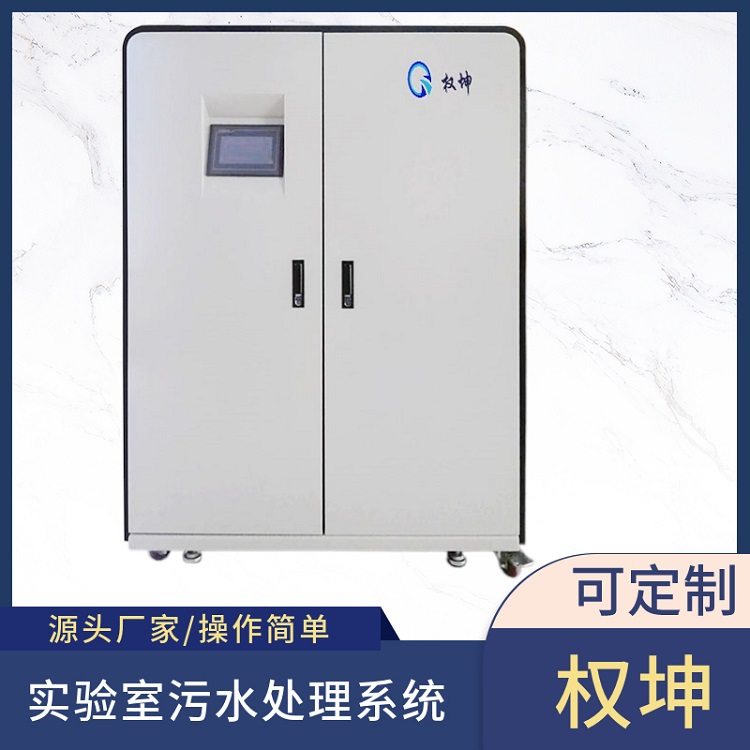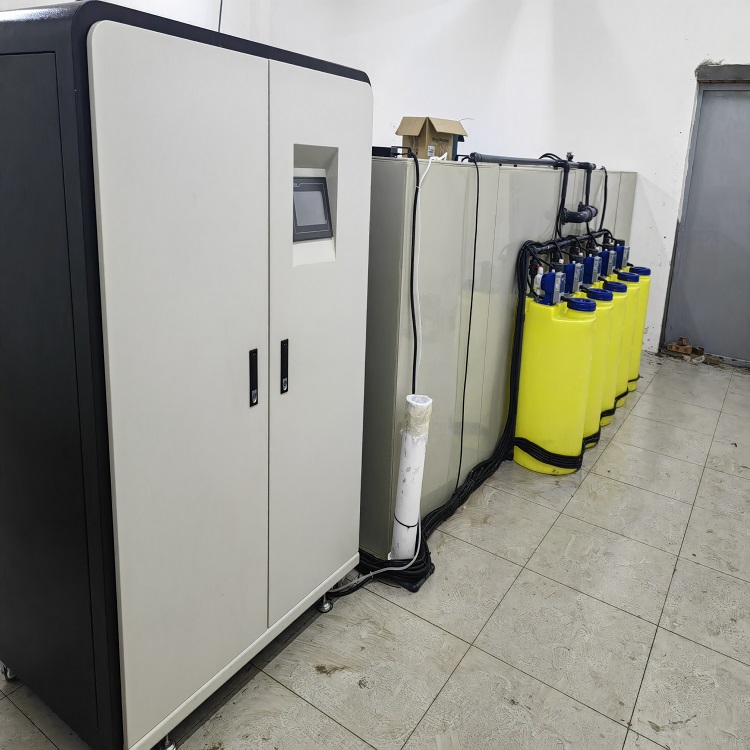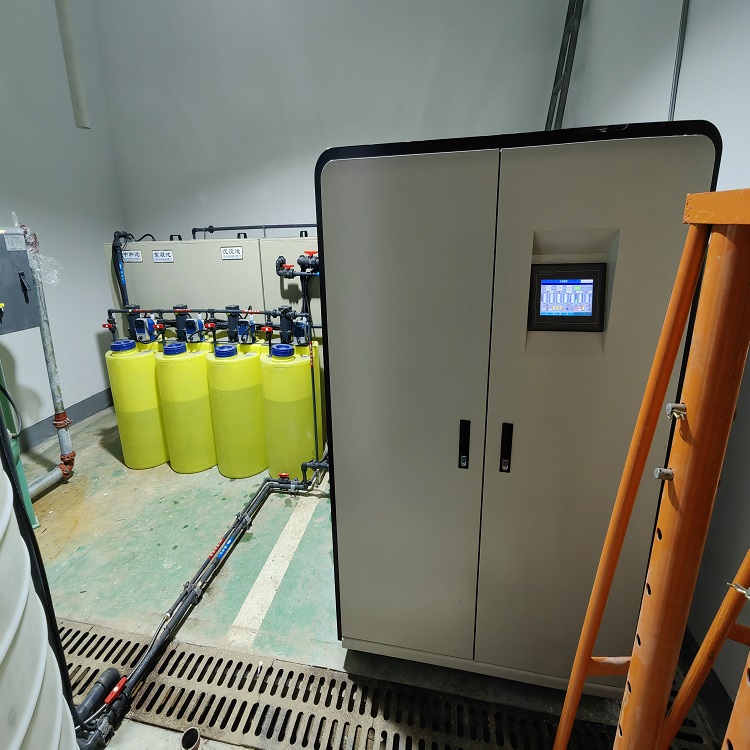


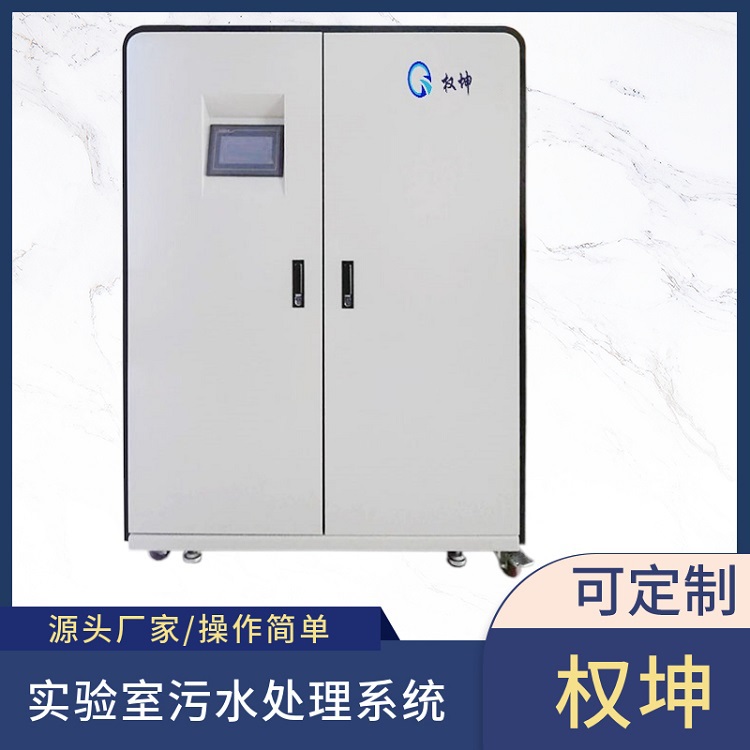












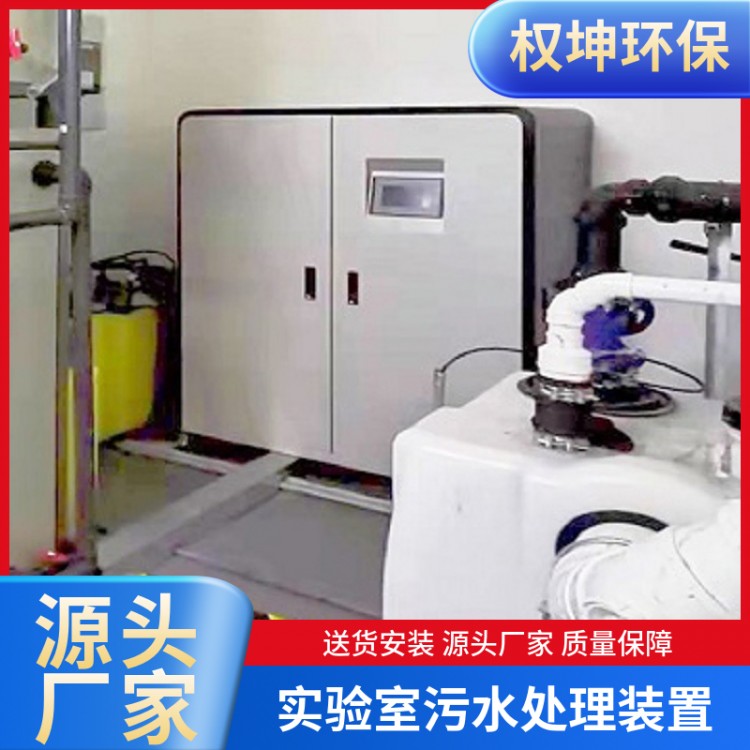
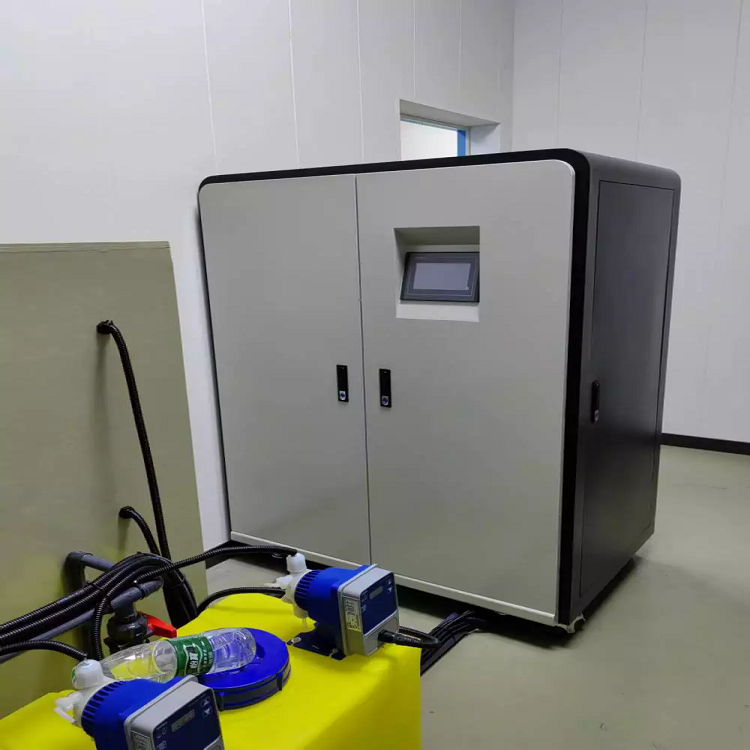
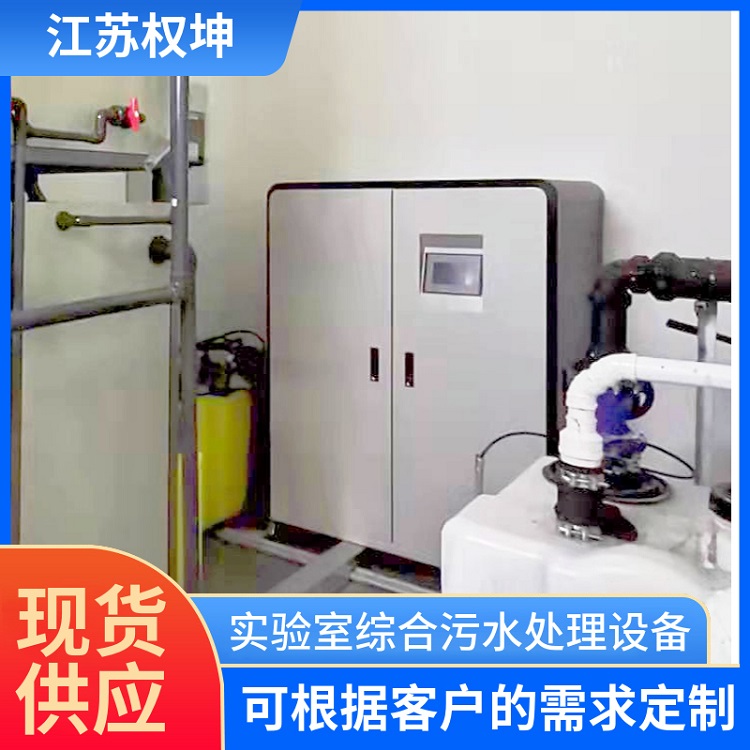
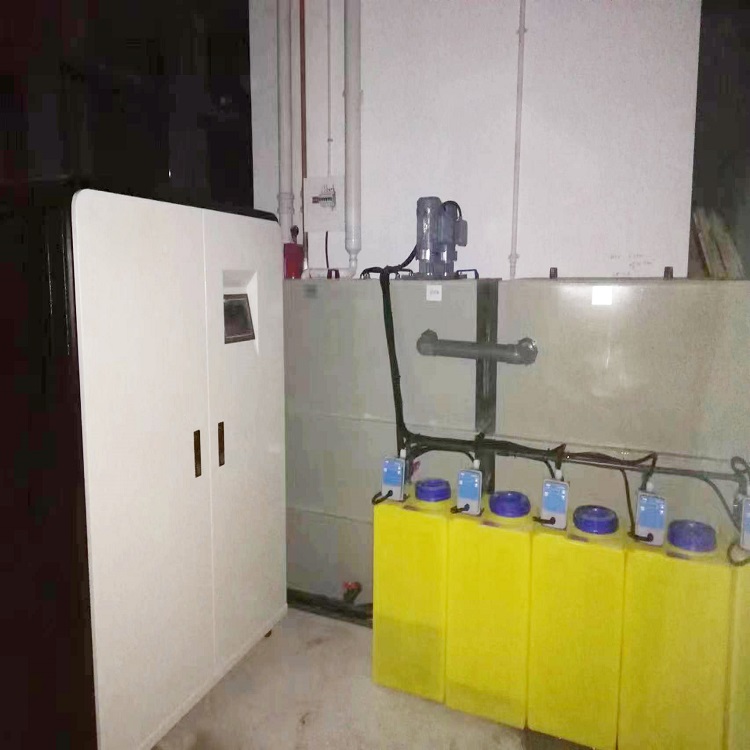
Lab Wastewater Treatment Equipment - School & Medical Institution Effluent Treatment - Easy to Operate - Quankun
Reagents and pharmaceuticals used in the lab range from nearly a hundred to over a thousand varieties. Currently, the school offers multiple experimental courses, including tests for verifying material properties, quantitative analysis, organic synthesis, and extraction of organic substances. The chemicals used include common acids, bases, heavy metal salts, and phenols along with their organic compounds. Most of these can cause severe environmental pollution. Many reagents and their reaction by-products, such as various acids, bases, heavy metal salts, and organic substances, are harmful to both the environment and human health. Some of these substances can persist in the environment for a long time and are difficult to degrade; others accumulate in the food chain, causing toxic effects in the human body; and some even cause secondary pollution during the degradation process.

Mature technology for laboratory wastewater treatment equipment:
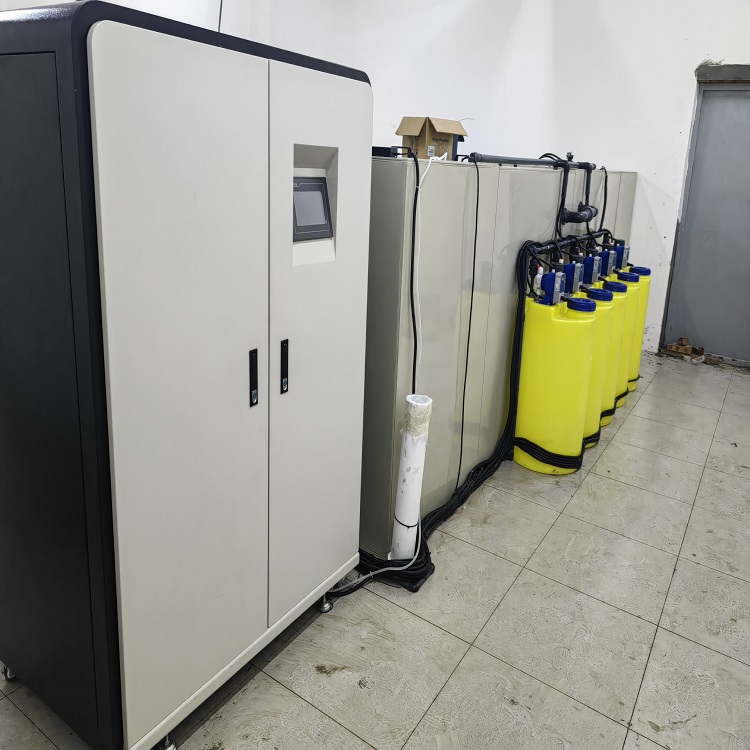
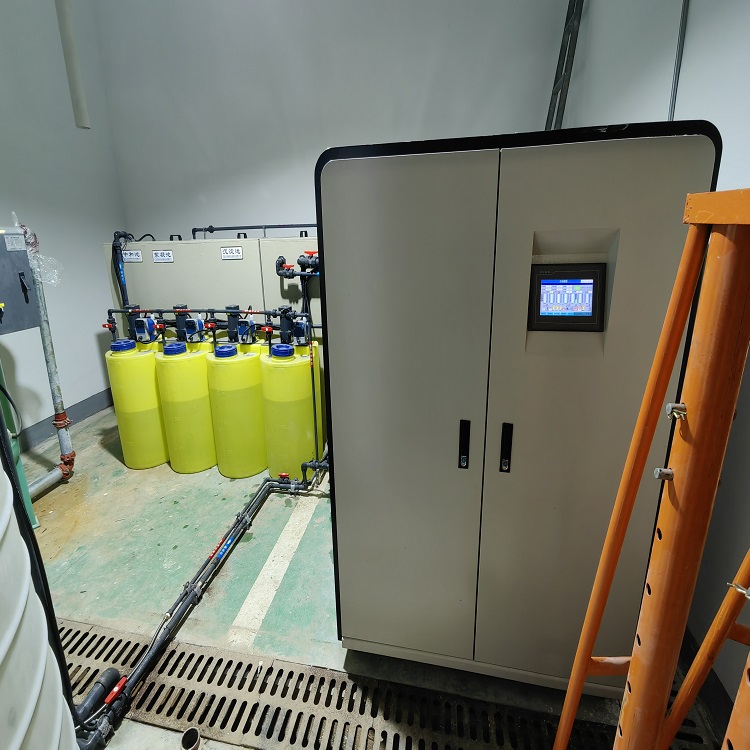
After considering all factors, the school's laboratory wastewater treatment equipment adopts a mature technology with low investment, stable operation, low operation costs, and excellent treatment effects.
2. In response to the characteristics of wastewater, the school laboratory's sewage treatment equipment employs special measures to ensure the removal of harmful components, taking into account anti-corrosion measures for pipelines, equipment, and structures.
3. Select equipment for school laboratory wastewater treatment that is stable in performance, easy to maintain, reasonably priced, durable, and highly efficient in treatment.
4. Structures are arranged in a reasonable and compact manner, with an aesthetically pleasing and generous appearance, aiming to minimize land usage.
5. School laboratory wastewater treatment equipment has certain capacity to withstand water quality and volume shock loads.
6. Design considerations thoroughly address noise and odors to prevent secondary pollution, ensuring the school laboratory wastewater treatment equipment does not cause new pollution to the surrounding environment.
7. Achieve automated control to enhance stability; ensure the effluent quality of the school laboratory's wastewater treatment equipment meets standards.
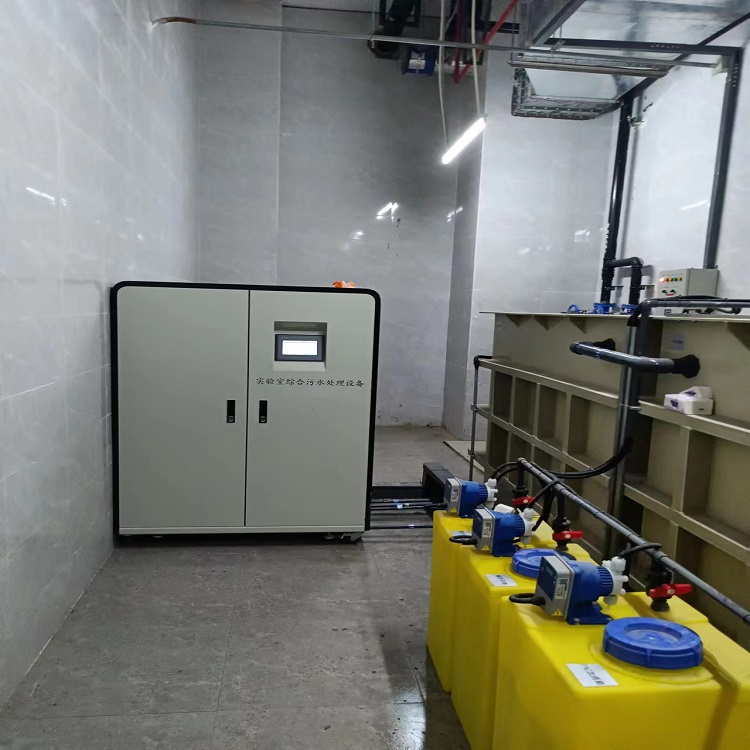
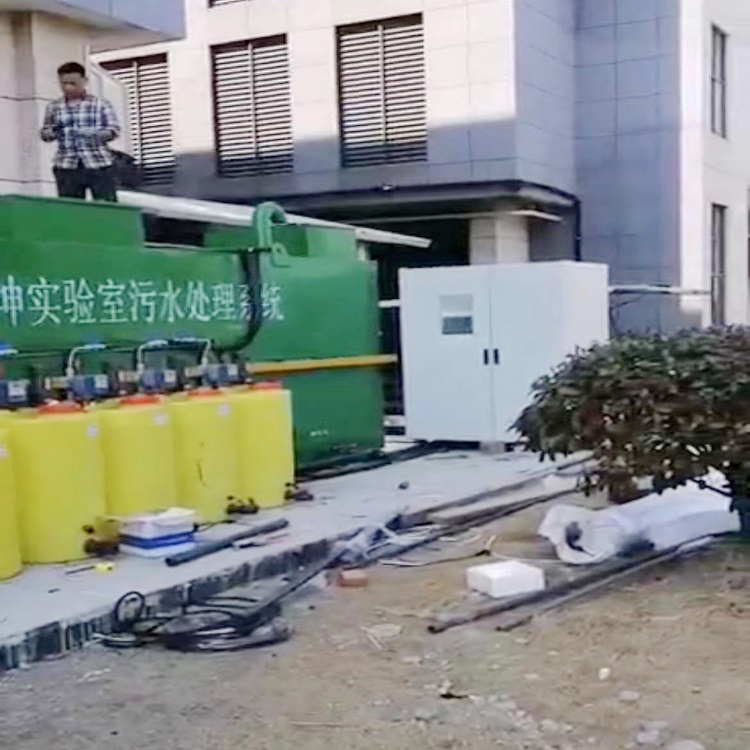
Laboratory Wastewater Treatment Equipment Features:
1. Fully automatic control used.
2. Compact structure, minimal land footprint.
3. Low total cost, corrosion-resistant, and long service life.
4. Low operation costs, stable water quality upon discharge.
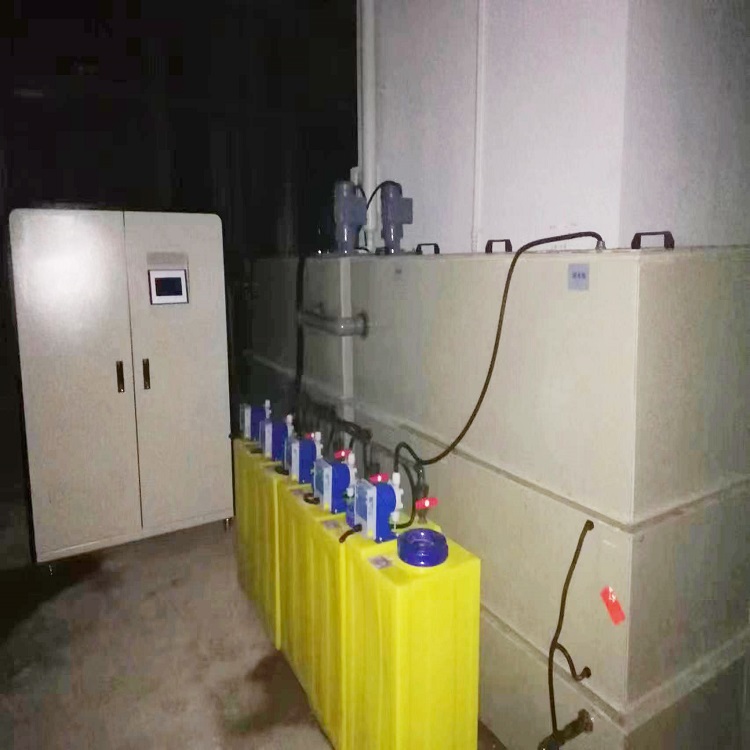
When selecting and inspecting laboratory wastewater treatment equipment, the following factors should be considered:
Wastewater Quality: Understand the composition, concentration, and discharge standards of the wastewater to select the appropriate treatment process and equipment.
2. Treatment Capacity: Select equipment with appropriate treatment capacity based on the laboratory's wastewater generation and processing requirements.
3. Operating Costs: Consider the total cost of equipment acquisition, operation, and maintenance when selecting equipment with high cost-performance ratio.
4. Ease of Operation: Select equipment that is user-friendly and easy to maintain, reducing the skill requirements for operators.
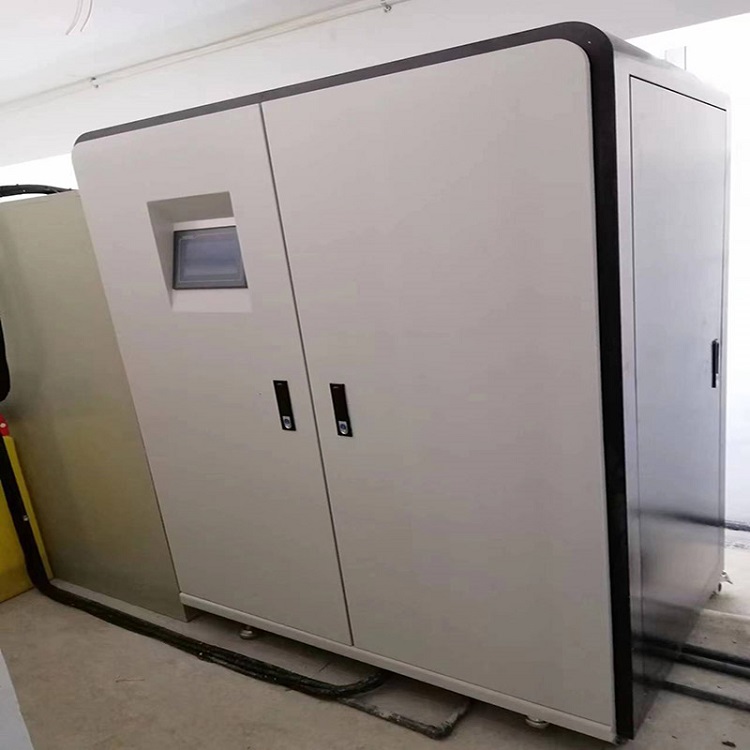
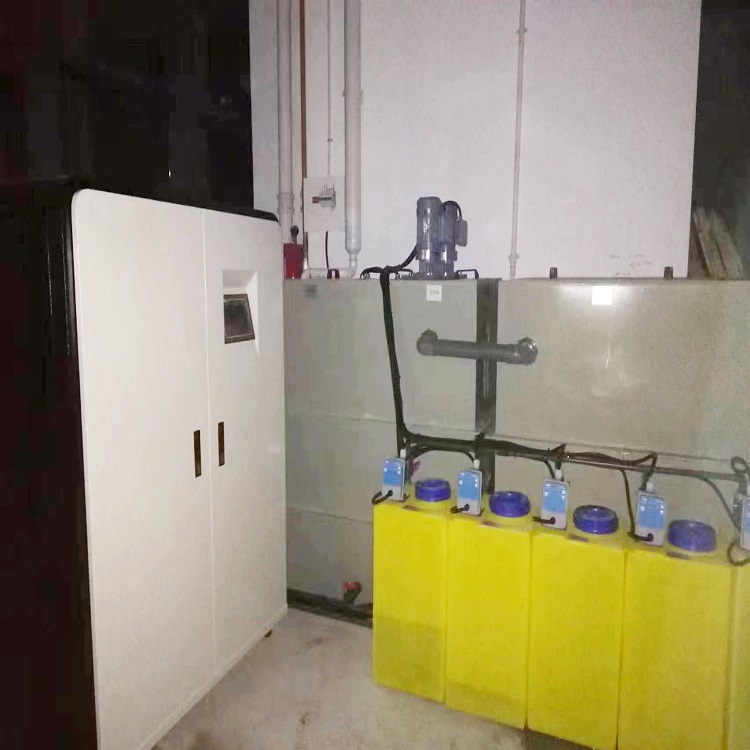
Laboratory Wastewater Treatment Equipment - School and Medical Institution Sewage Treatment - Easy Operation - Quankun
Application Scope of Laboratory Wastewater Treatment Equipment:
Laboratory wastewater treatment equipment is widely used in universities, colleges, research institutions, medical facilities, biopharmaceuticals, disease control centers, environmental supervision, product quality inspection, drug testing, blood stations, animal husbandry, hospitals, and corporate laboratories for wastewater treatment in testing rooms. After treatment, the wastewater meets the Class III standard of the Comprehensive Wastewater Discharge Standard [GB8978-1996]. The treated wastewater can be discharged into the municipal wastewater pipeline or reused through further treatment processes.