

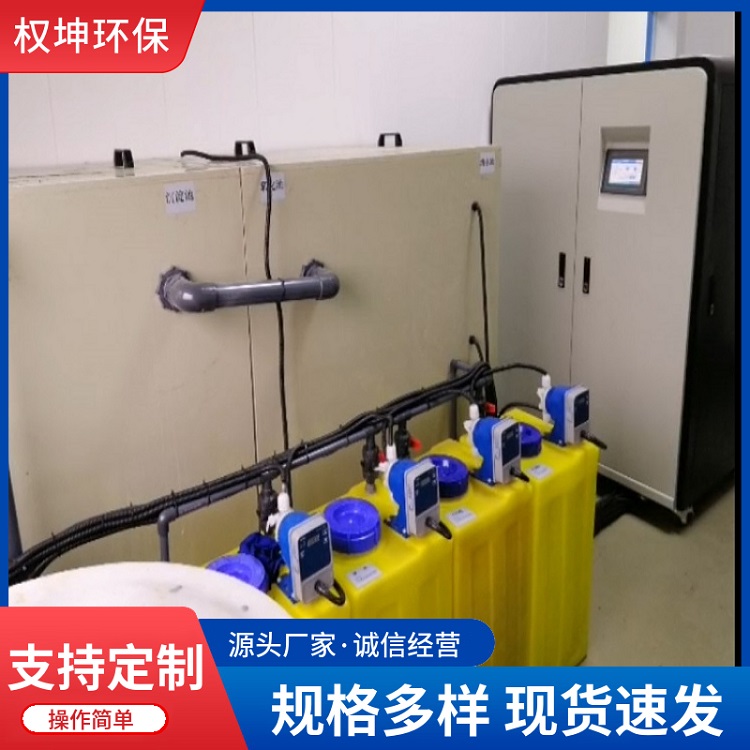
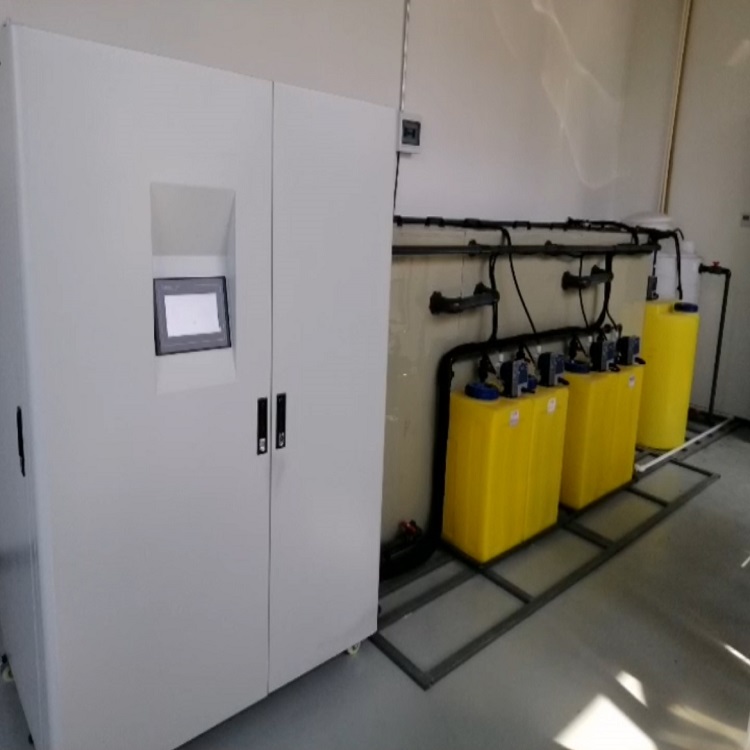
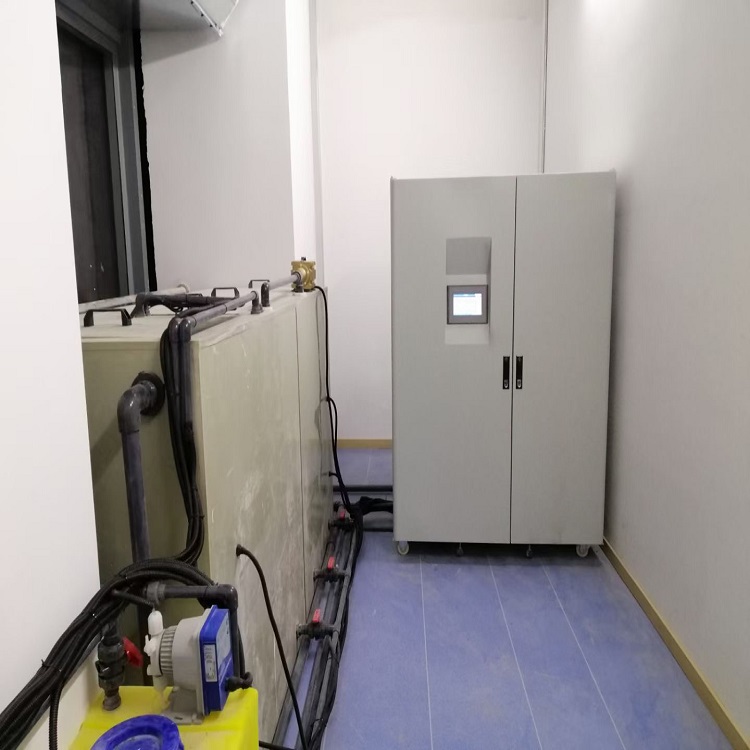












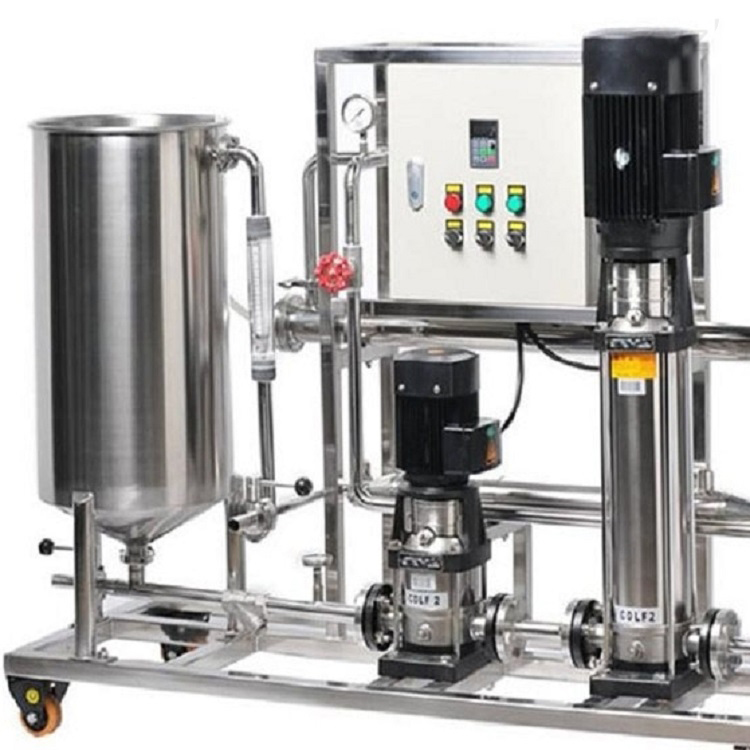
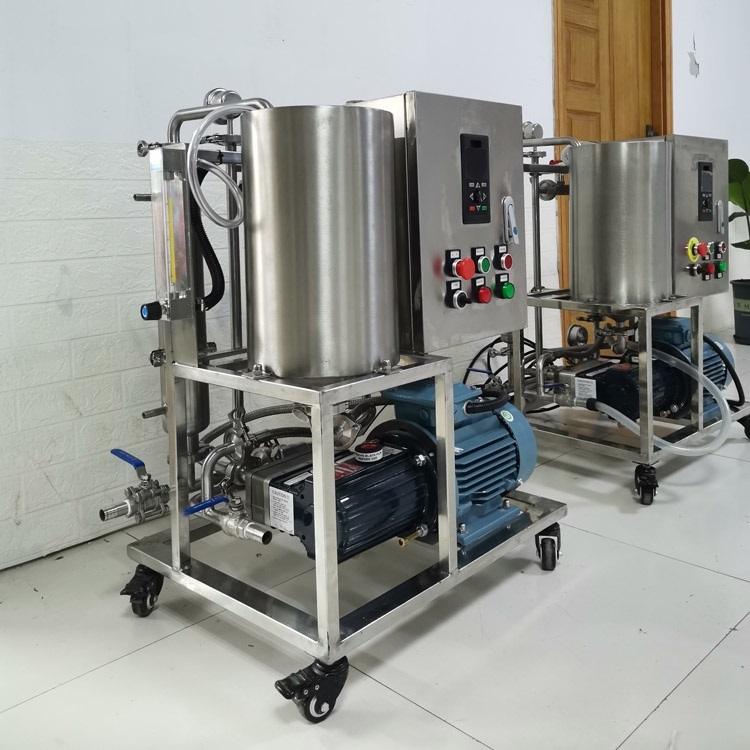
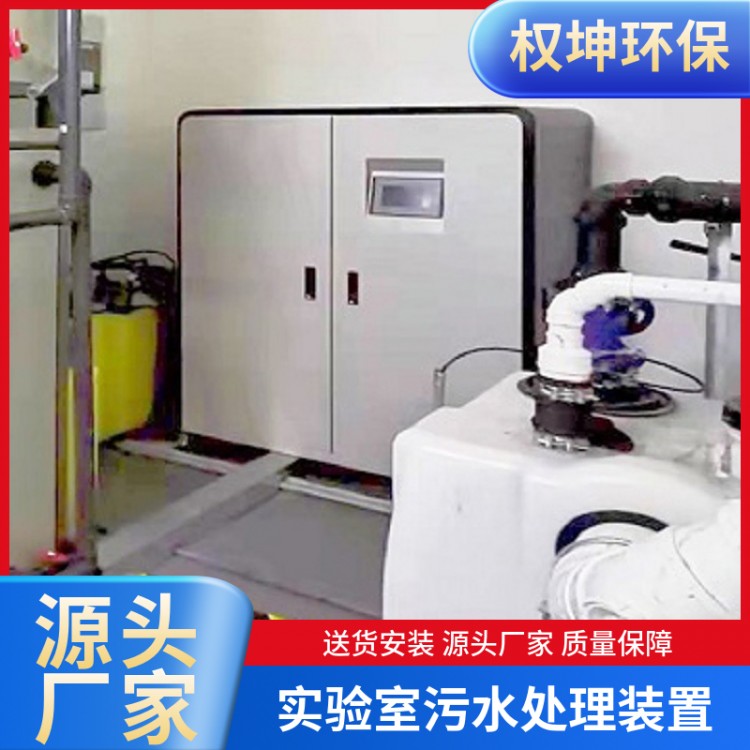
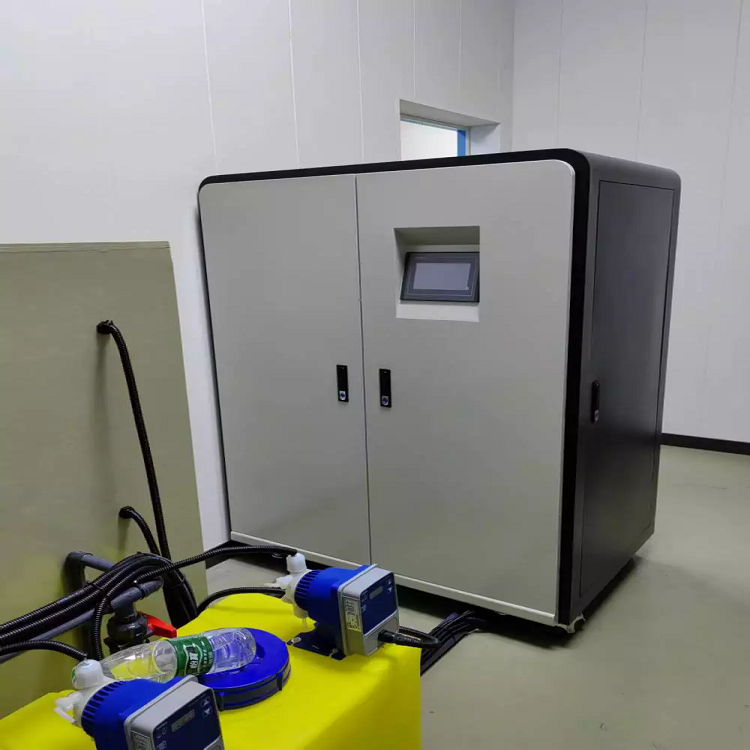
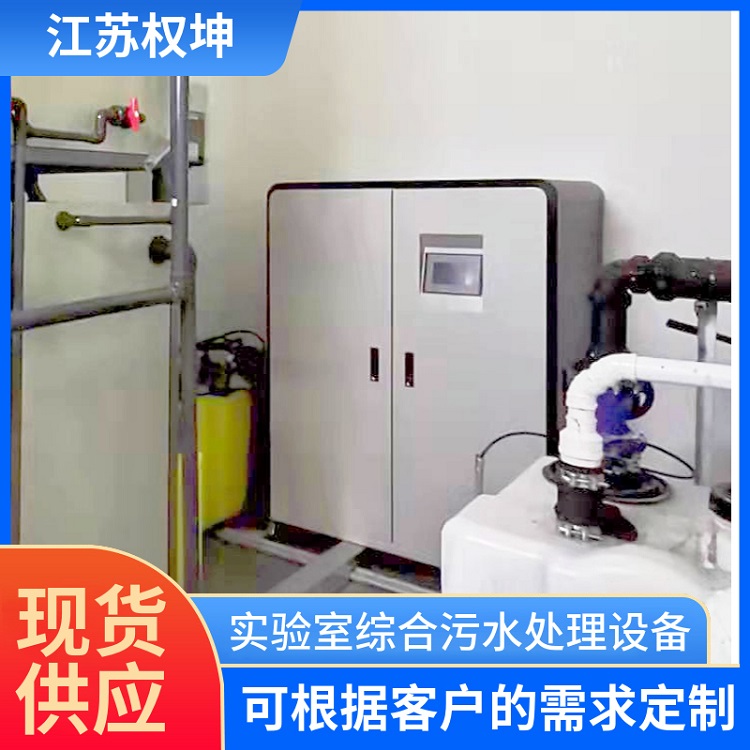
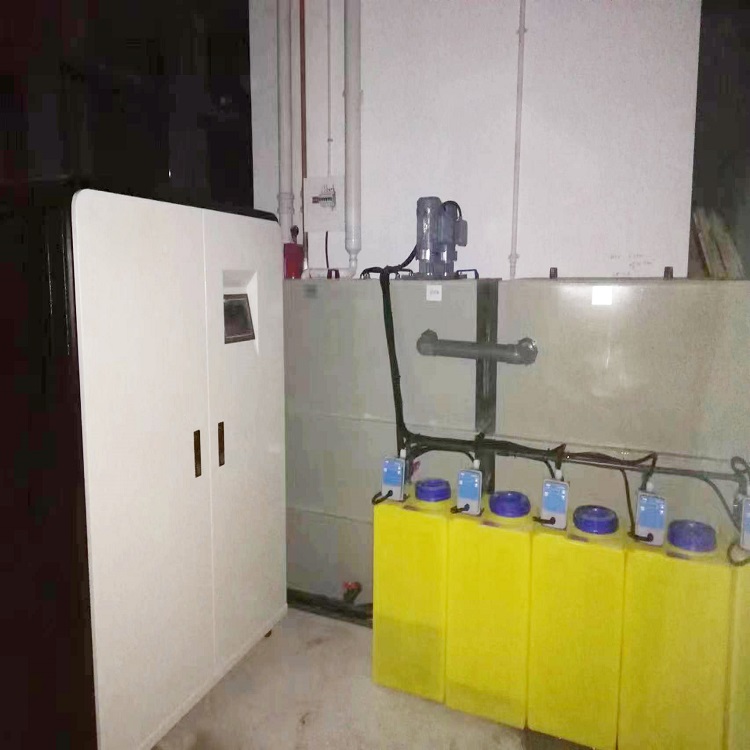
Chipping Chip Wastewater Reuse Equipment, University Lab Sewage Treatment Equipment Price, Quankun
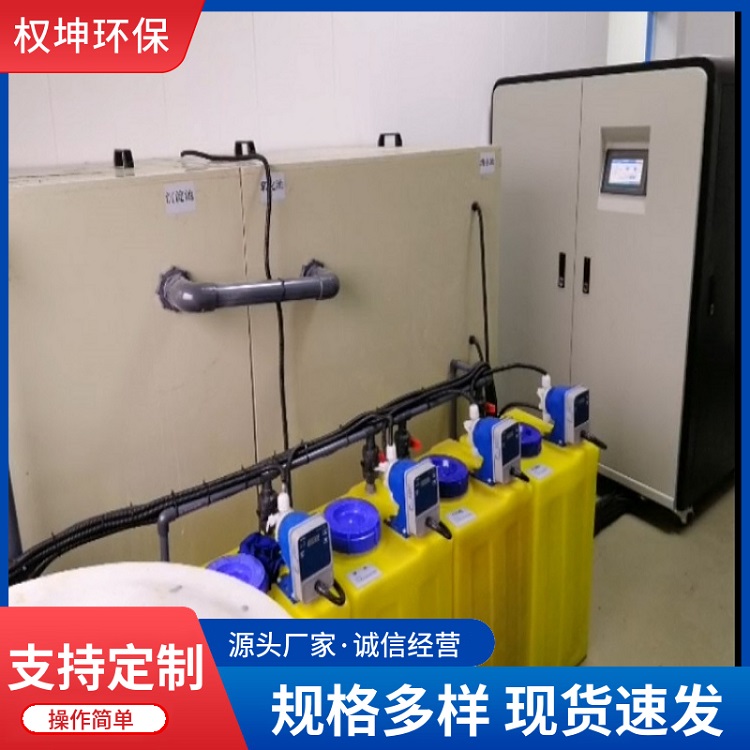
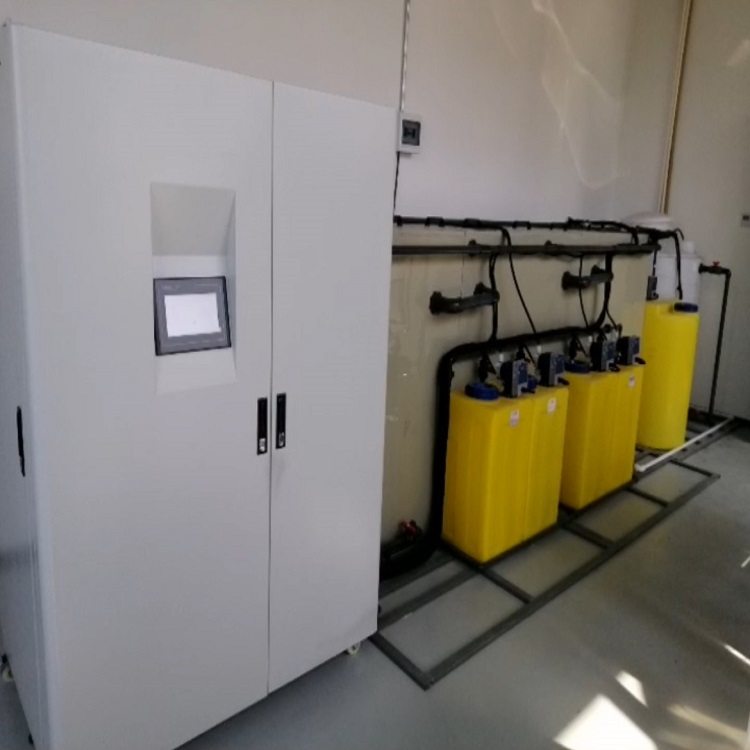
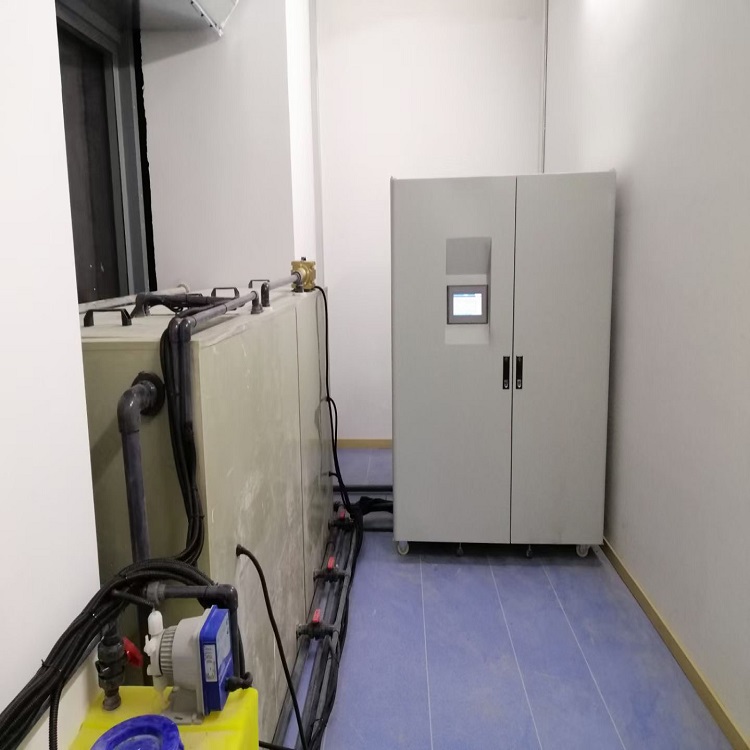
The laboratory wastewater treatment unit, with automated control, metal sheet construction, attractive appearance, and efficient wastewater processing, effectively addresses the wastewater treatment challenge while protecting the laboratory environment and the surrounding ecological system.
Features of Laboratory Wastewater Treatment Equipment:
Efficiency: Laboratory wastewater treatment equipment should be highly efficient, capable of rapidly processing wastewater and enhancing treatment efficiency.
2. Reliability: Laboratory wastewater treatment equipment should be reliable, ensuring stability and dependability during operation to prevent the failure of timely wastewater treatment due to equipment issues.
3. Automation: Laboratory wastewater treatment equipment should feature automation capabilities to minimize manual operation and enhance the efficiency of the equipment.
4. Energy Efficiency: Laboratory wastewater treatment equipment should be energy-efficient, capable of effectively utilizing energy, and reducing energy waste.
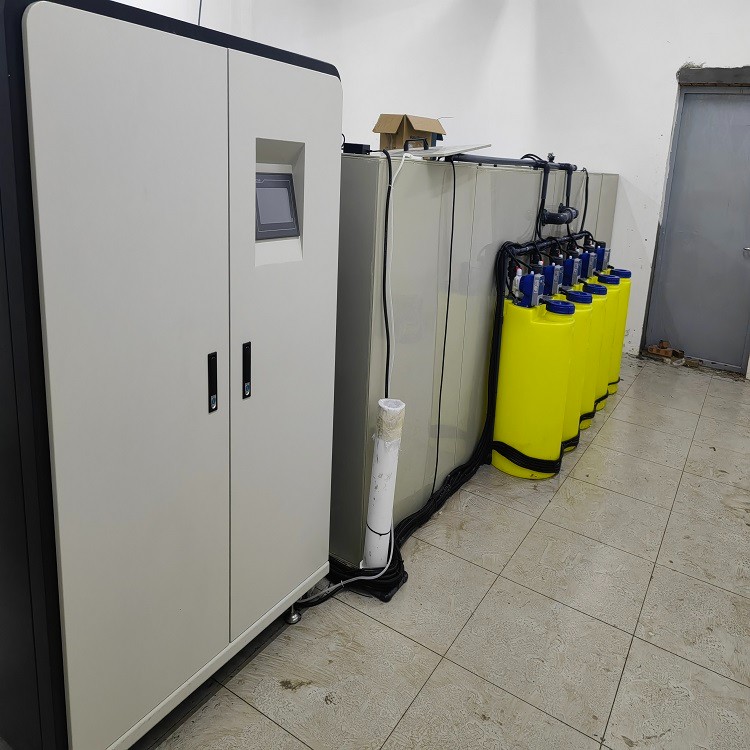
Laboratory inorganic wastewater treatment equipment plays a crucial role in environmental protection, laboratory safety, and resource recycling. Through equipment such as concentrated acid wastewater treatment, heavy metal wastewater treatment, high-concentration salt delayed crystallization, and cyanide wastewater treatment, various types of inorganic wastewater can be efficiently processed, ensuring the effluent meets national discharge standards. Additionally, resources within the wastewater are recycled, providing safety and environmental support for the laboratory. Labs should select suitable equipment based on actual needs and use and maintain them properly to ensure effective wastewater treatment and long-term stability.
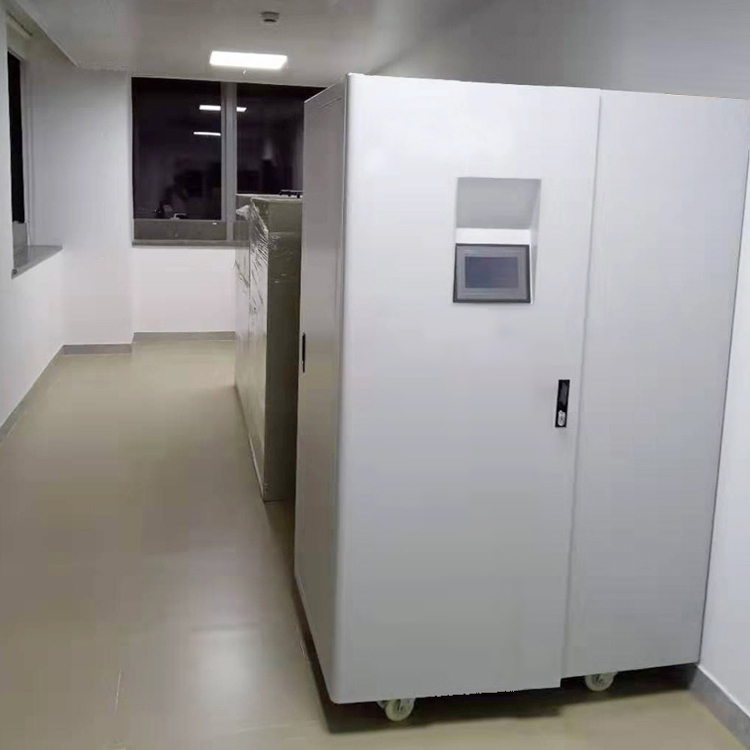
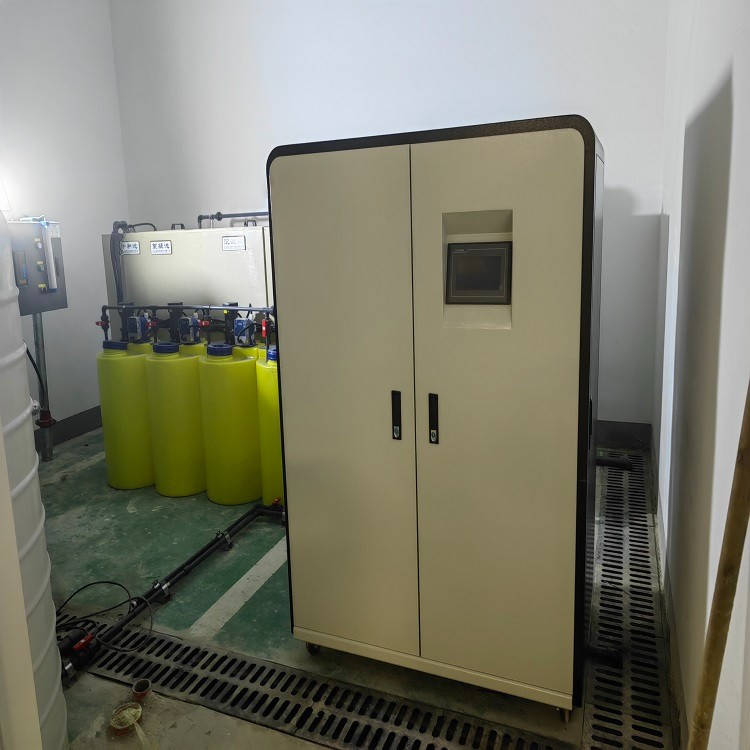
Design and Functionality of the Equipment:
Wastewater Collection System: This system gathers wastewater generated in the animal disease control laboratory through pipes. The system should be highly efficient and reliable to ensure that all wastewater is fully channeled into the treatment equipment.
2. Primary Treatment Equipment: Commonly used primary treatment equipment includes solid-liquid separators and sedimentation ponds. Solid-liquid separation can remove most solid particles, making it easier to treat the soluble substances in wastewater. Sedimentation ponds allow suspended particles in wastewater to settle to the bottom, thereby reducing the concentration of suspended solids.
3. Biological Treatment Systems: The biological treatment system is the core process in wastewater treatment. This system employs biotechnology to remove organic matter and chemical substances such as ammonia nitrogen from water through the action of microorganisms. Common biological treatment systems include activated sludge process and biofilm process. These systems utilize active microorganisms as mediums, converting organic matter into carbon dioxide and water through oxidation and degradation.
4. Disinfection Equipment: Disinfection is a crucial step to ensure wastewater meets emission standards. Wastewater from animal disease control laboratories may contain pathogenic microorganisms and pathogens. Without effective disinfection, it poses a threat to the environment and human health. Disinfection equipment can utilize methods such as ultraviolet lamps, ozone oxidation, or chemical agents to effectively kill pathogens.
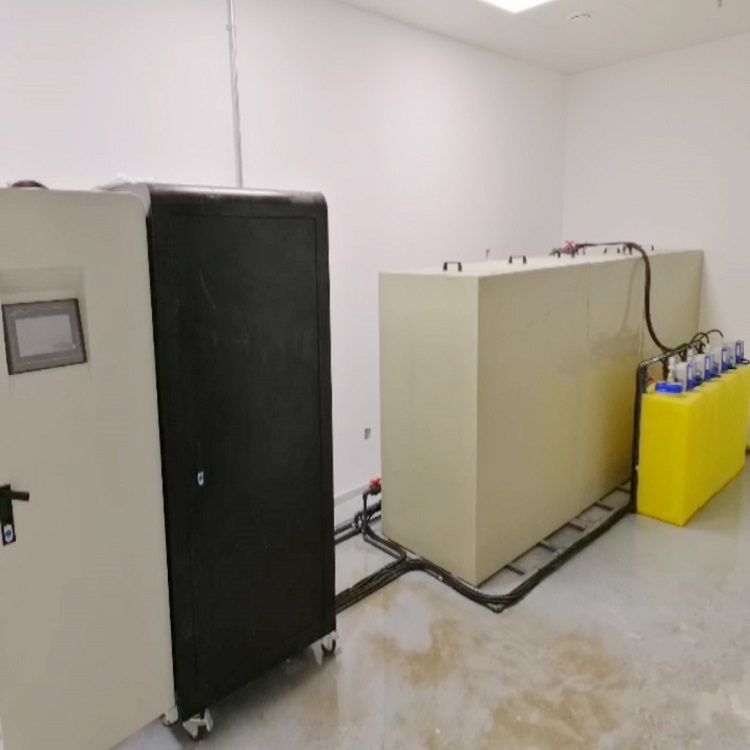
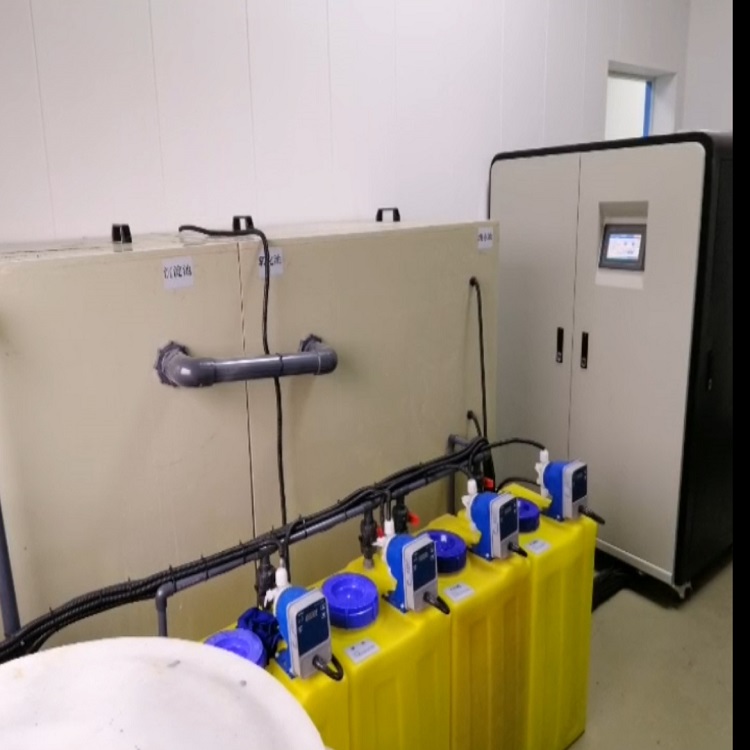
Chipping Chip Wastewater Recycling Equipment, University Laboratory Sewage Treatment Equipment Price, Quankun
Equipment Features:
1. Broad applicability: Adaptable to wastewater treatment in various laboratories.
2. Patented Technology: Utilizes multiple advanced patented technologies to undergo multi-stage treatment and purification of comprehensive wastewater, fully meeting discharge standards.
3. High Automation Level: Centralized control, user-friendly interface, simple operation, fully automatic operation, no need for dedicated staff oversight.
4. Automatic Protection Features: Leak and electrical shock automatic protection, high and low voltage automatic protection, no wastewater protection, liquid level protection for each treatment unit, overload protection for electrical equipment, and overcurrent protection for electrical circuits.
5. Long Service Life: With a scheduled automatic cleaning feature, the system regularly cleans necessary parts, thereby extending their lifespan.
6. Low operation costs: Low power consumption and energy-efficient; stable operation with minimal breakdowns, resulting in low maintenance costs; long lifespan of consumables with reduced consumable costs; proportional automatic dosing for less medication consumption; no need for dedicated staff, eliminating additional management fees, etc.
7. Smart Integration: With a "one-stop" integrated design, it occupies less space, is easy to install and move, truly achieves engineering equipmentization, has an aesthetically pleasing appearance, and does not require multiple treatment ponds.