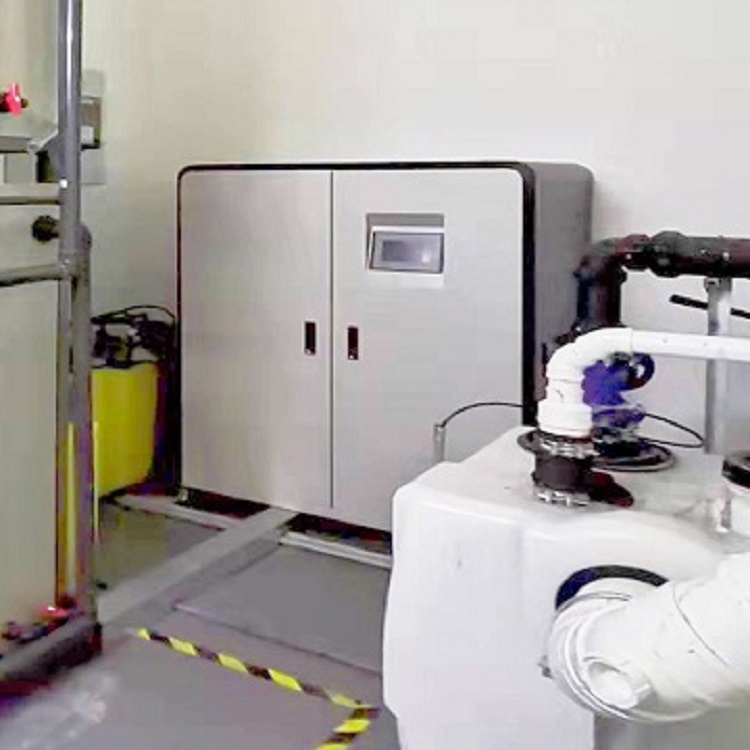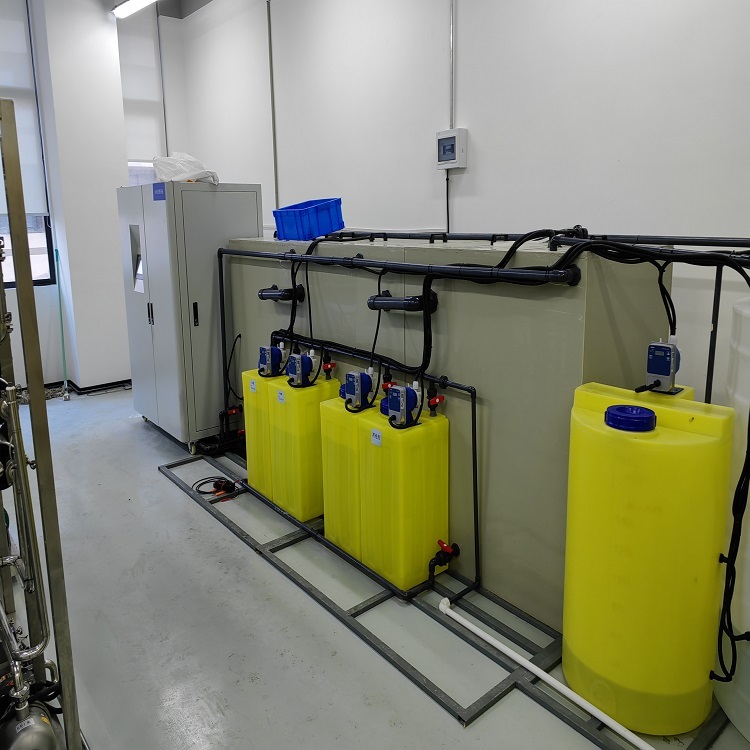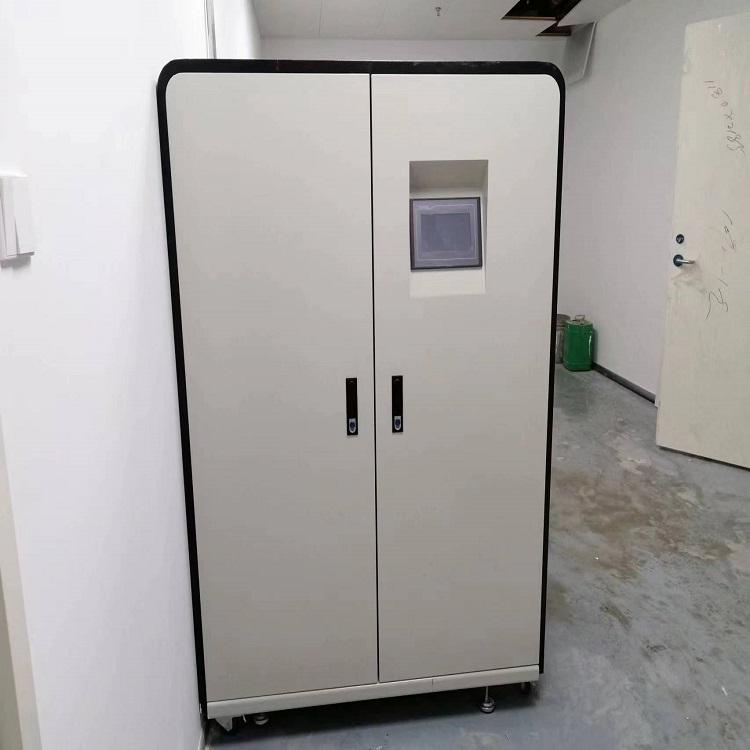

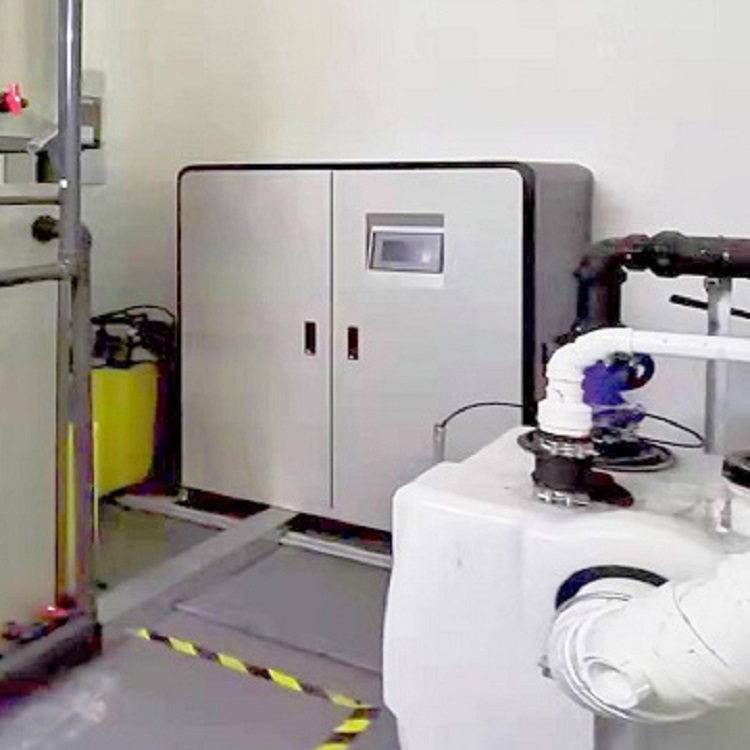

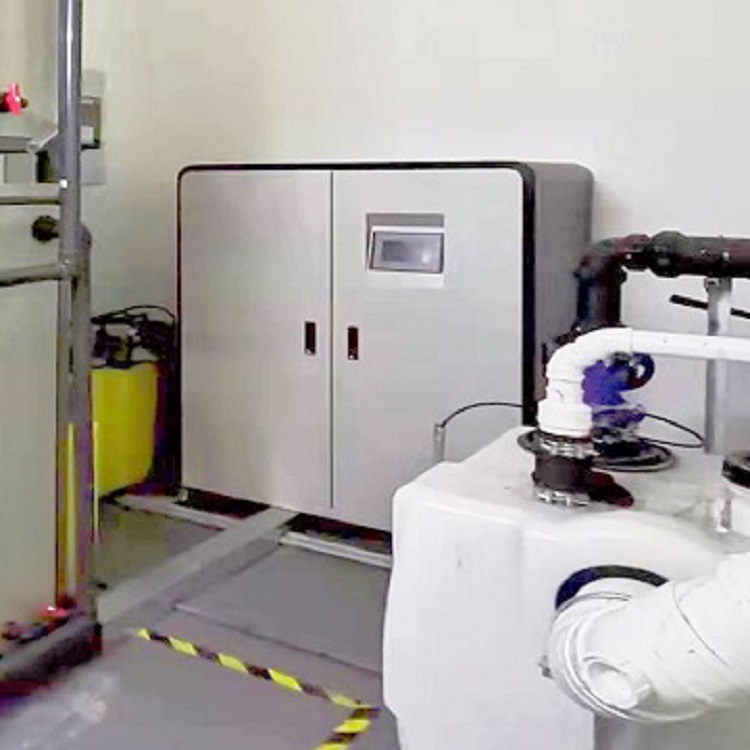
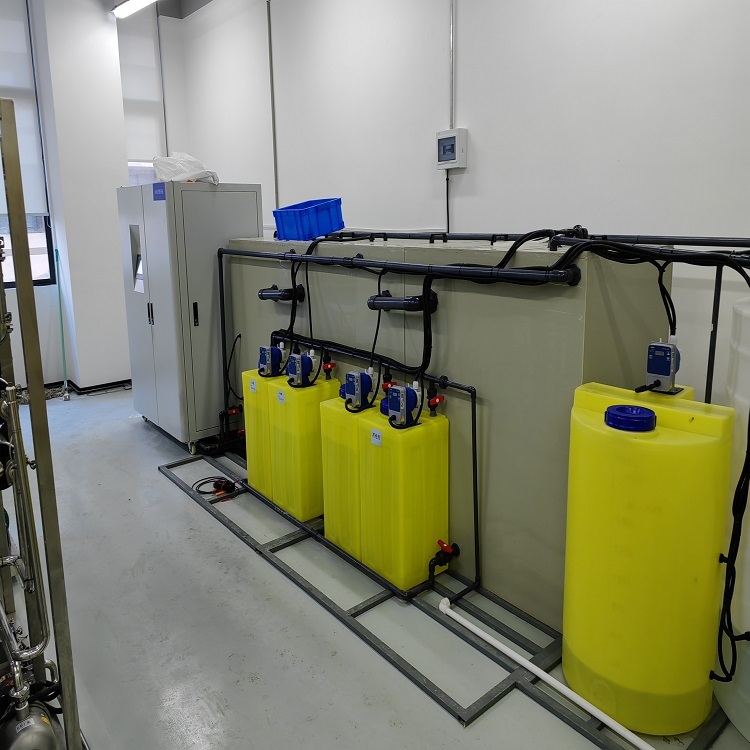
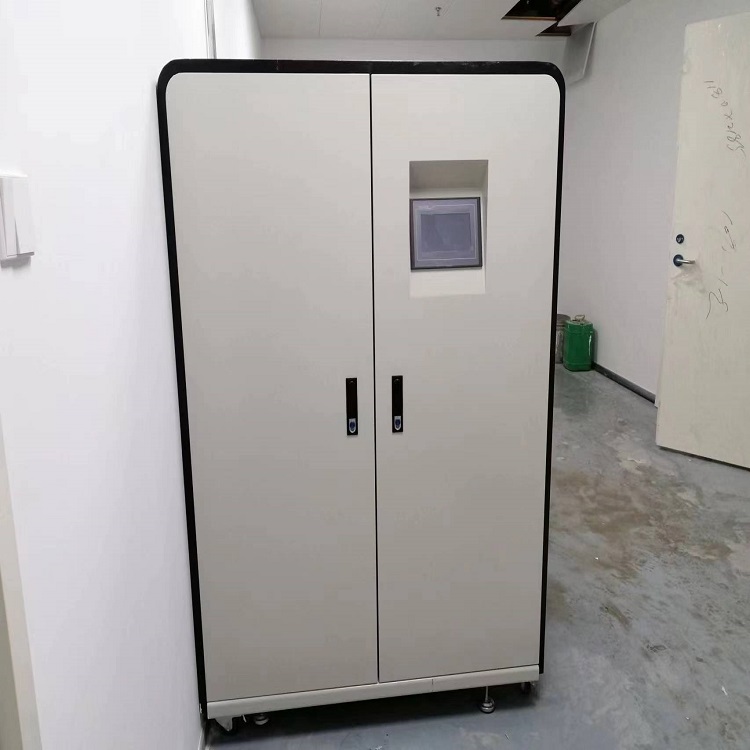












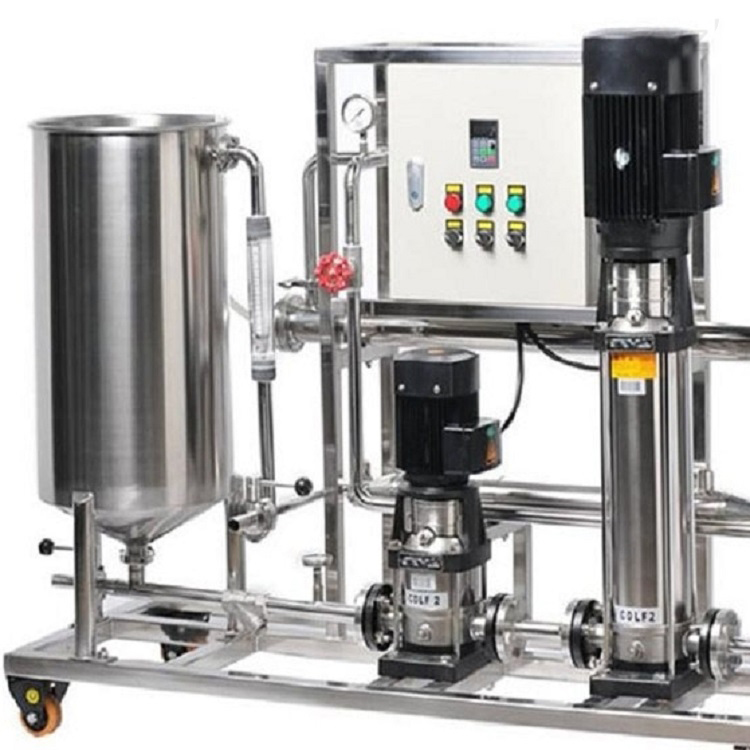
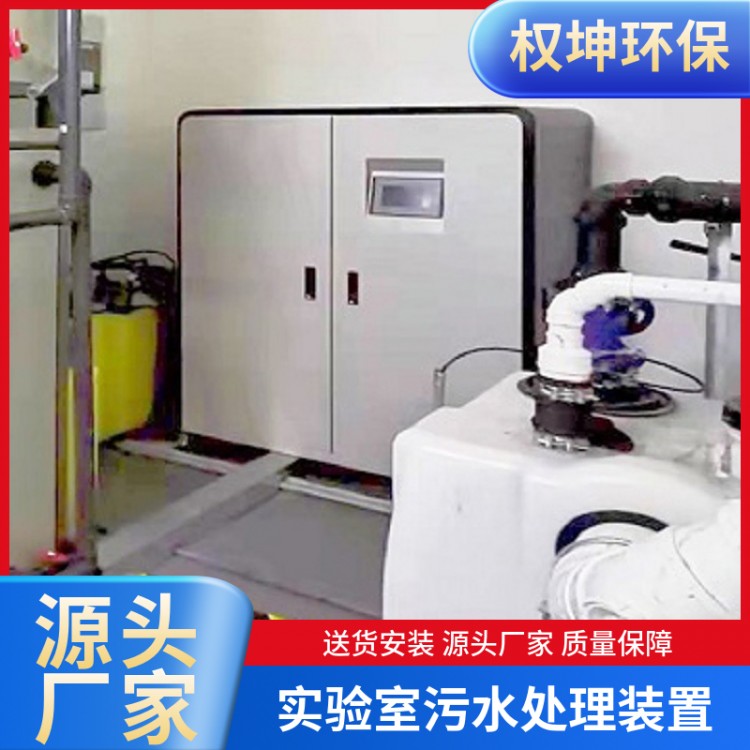
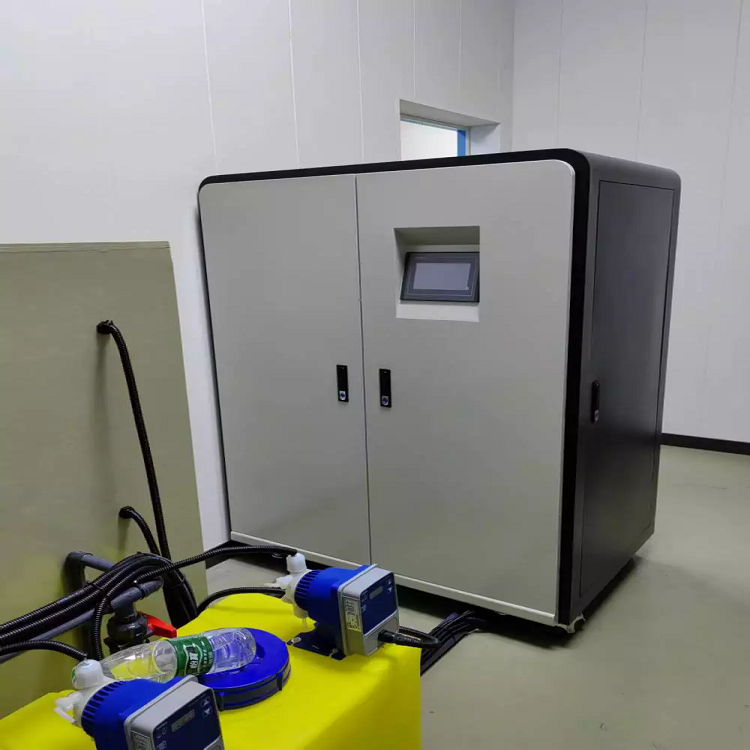
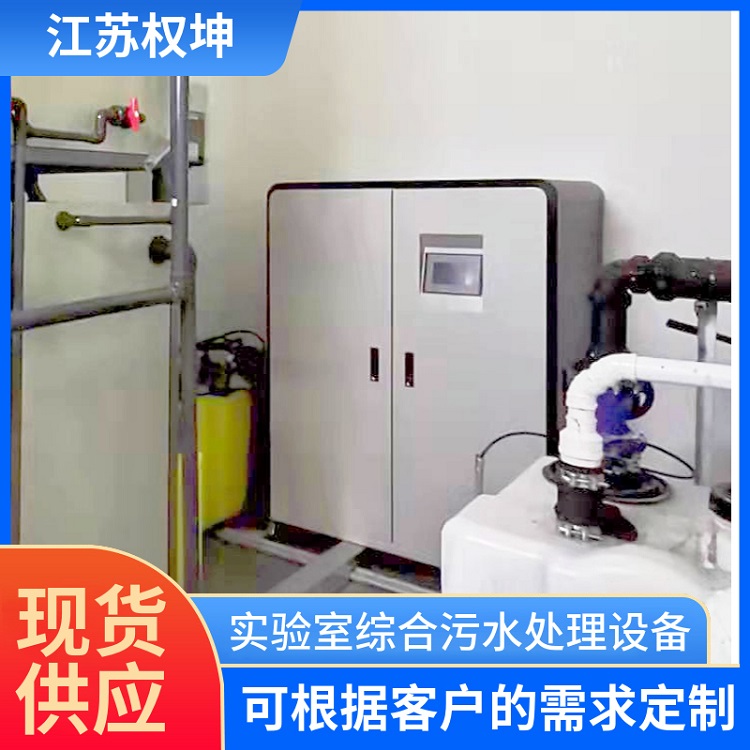
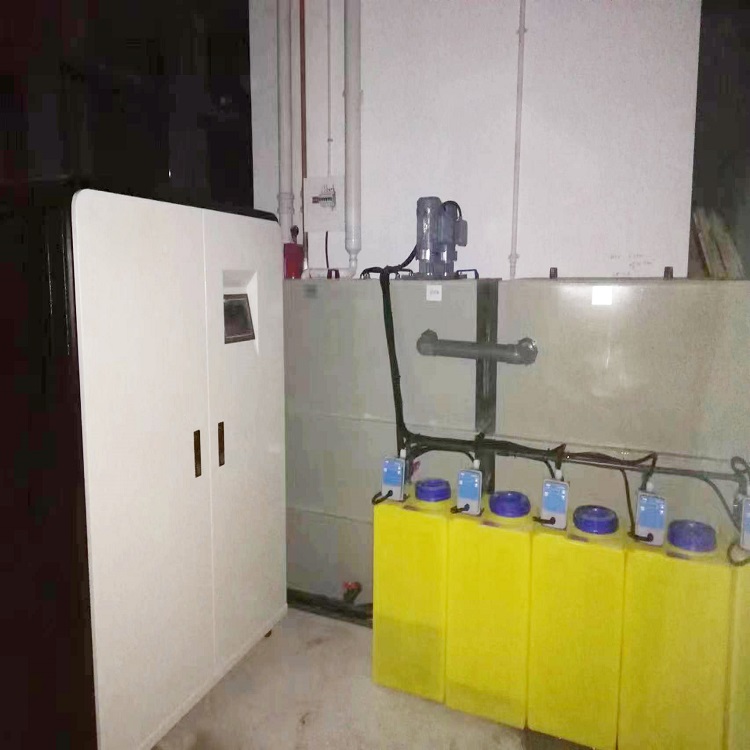
School Research Lab Wastewater Treatment Equipment_Quankun Manufacturer_Laboratory Waste Liquid Treatment System_Wide Practicality
Wastewater treatment equipment in laboratories may encounter some malfunctions throughout its application. If not properly addressed, these issues could jeopardize the progress of experiments and normal operations. Therefore, establishing a reasonable fault prevention plan for laboratory wastewater treatment equipment is essential to take immediate and effective measures in case of malfunctions.
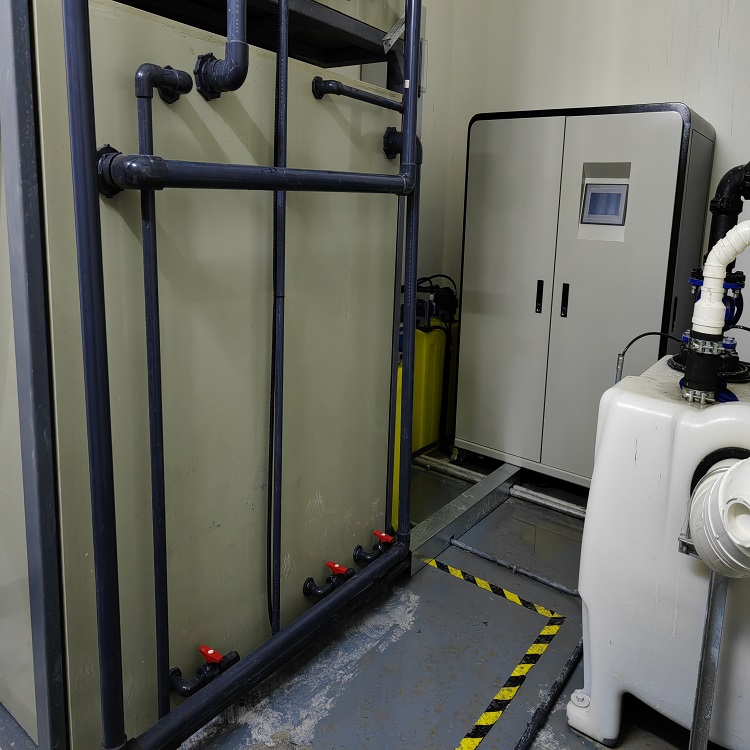
Process Features:
1. Treat various pollutants in wastewater using technologies such as neutralization precipitation, chemical oxidation, ozone oxidation, and multi-media filtration.
2. Utilizes a microcomputer program for real-time monitoring and control of wastewater quality and treatment process, ensuring around-the-clock, fully automatic operation without the need for constant supervision.
3. Accurately control dosing with a pH meter, ORP meter, and imported metering pump, featuring liquid level control, medication shortage alarms, and automatic sludge removal.
4. Utilize advanced oxygenators for thorough gas-water contact and complete reaction.
5. User-friendly, stable operation, long service life, low running and maintenance costs.
6. Small footprint, suitable for placement indoors or outdoors as per different conditions.
7. Tailor-made design and manufacturing to cater to various customer requirements.
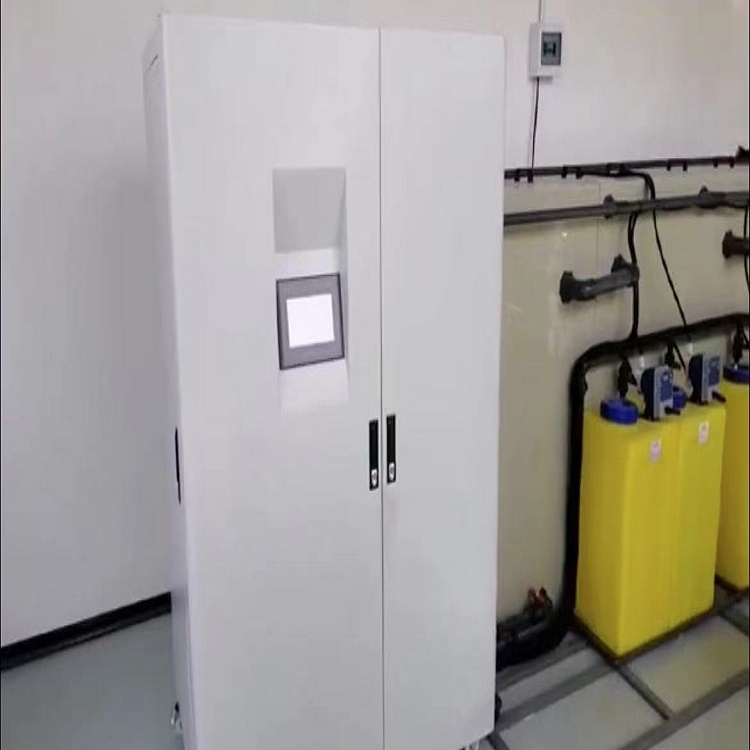
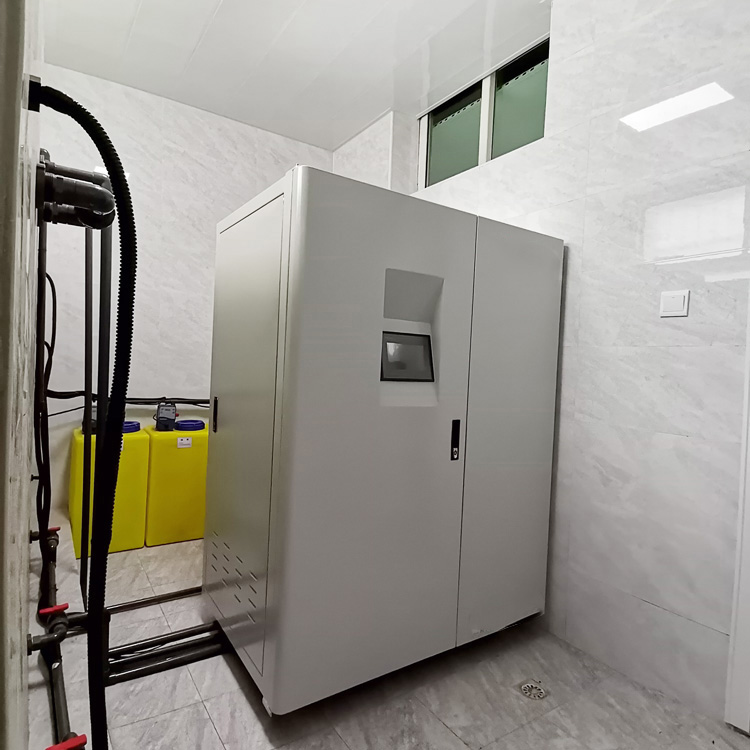
Process Flow:
The entire wastewater treatment process is controlled by an automatic control system. The neutralization and adjustment system is equipped with a float ball level controller, which automatically stops the pump at low levels and starts it at high levels, allowing for basic unattended operation.
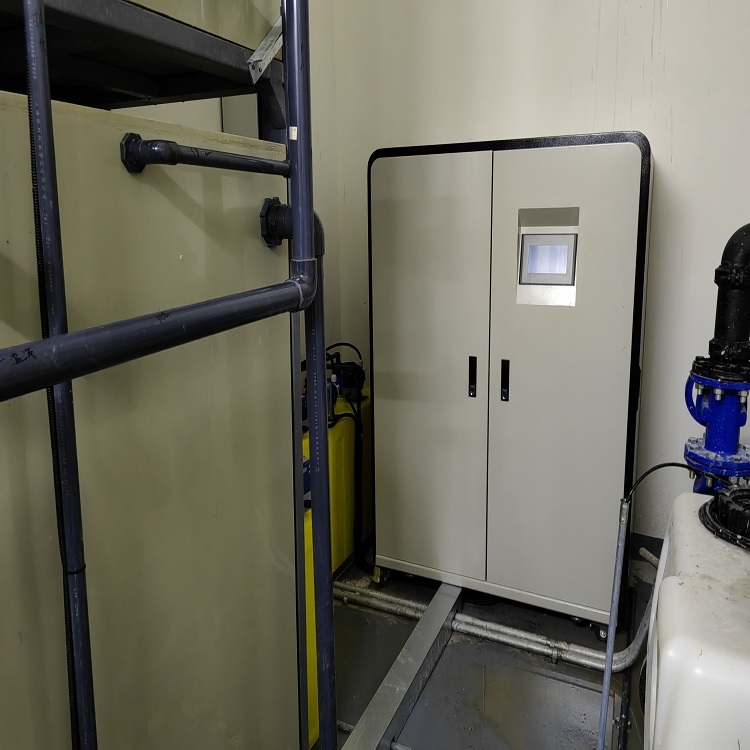
Application Fields:
A highly automated, efficient, space-saving, and easy-to-operate comprehensive wastewater treatment system for laboratories in various industries at home and abroad. It has received widespread praise from users and is widely used in universities, research institutions, food and drug inspection, product quality inspection, disease control centers, environmental monitoring, agricultural product quality inspection, inspection and quarantine, grain and oil testing, animal disease control, blood stations, livestock breeding, medical institutions, hospitals, biopharmaceuticals, petrochemicals, and other laboratories and analytical laboratories for wastewater treatment. The treated wastewater meets the first, second, and third-level standards of the Comprehensive Wastewater Discharge Standard [GB8978-1996]. The treated wastewater can be discharged into the municipal sewage network or surface and river water, or it can be reused through further treatment processes.
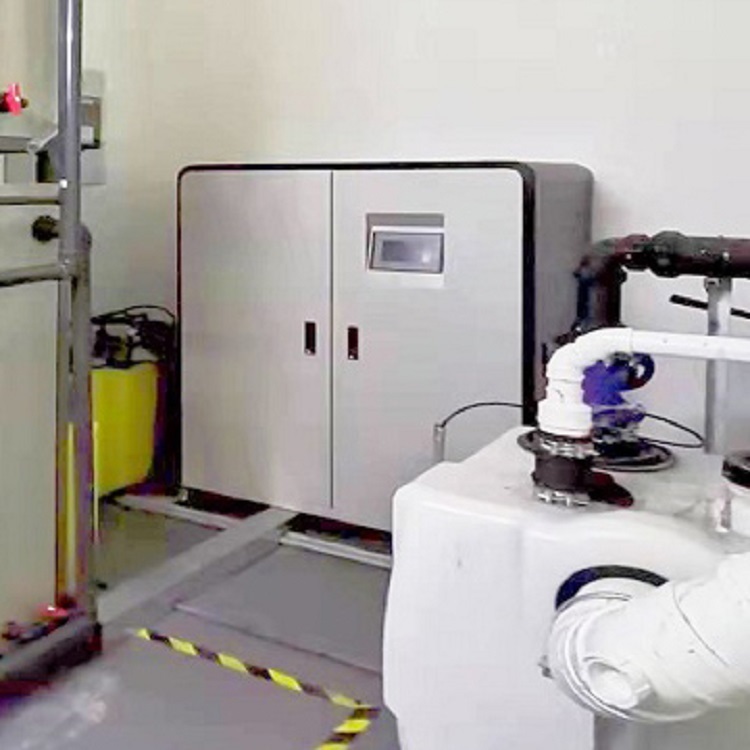
School Research Lab Wastewater Treatment Equipment, Quankun Manufacturer, Lab Waste Liquid Treatment System, Wide Practicality
Method Features:
Wastewater discharge is generally divided into two parts: one part is domestic wastewater, and the other part is wastewater generated from related hospital beds and medical institutions. The treatment process used by the disease control center to meet the water quality and flow requirements must ensure that the treated effluent meets the standard. The main three processes employed are: primary treatment with enhanced treatment effect, secondary treatment, and simple biochemical treatment. The number of E. coli can be maintained at a low level over a long period, with the effluent from the filtration system ensuring compliance with water quality requirements, and all effluent indicators meeting the national medical wastewater discharge standards.