













Semiconductor Lab Wastewater Treatment Equipment Manufacturer | Wastewater Treatment Equipment Maintenance and Care
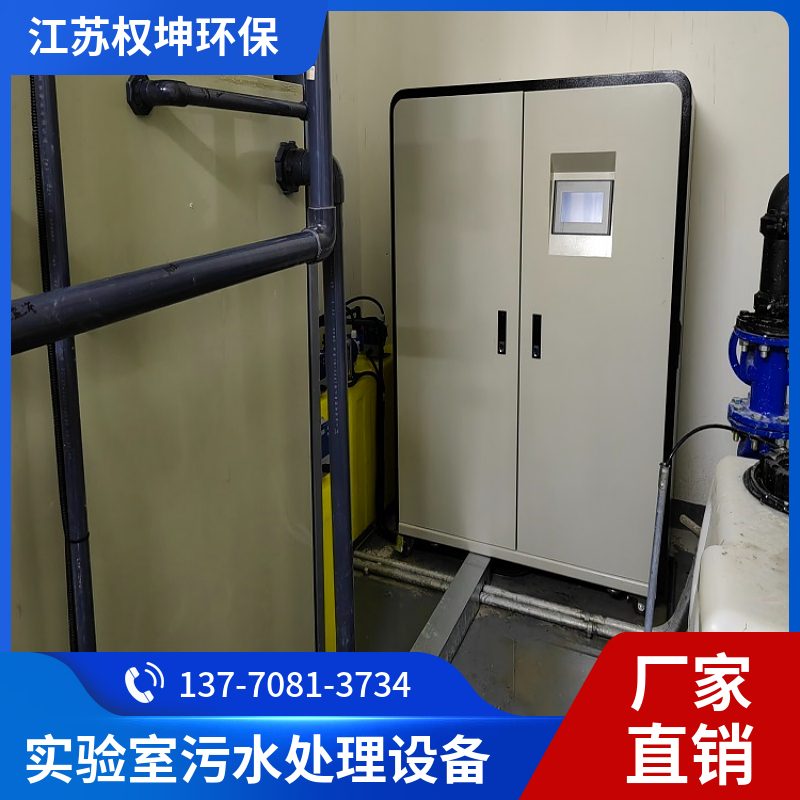
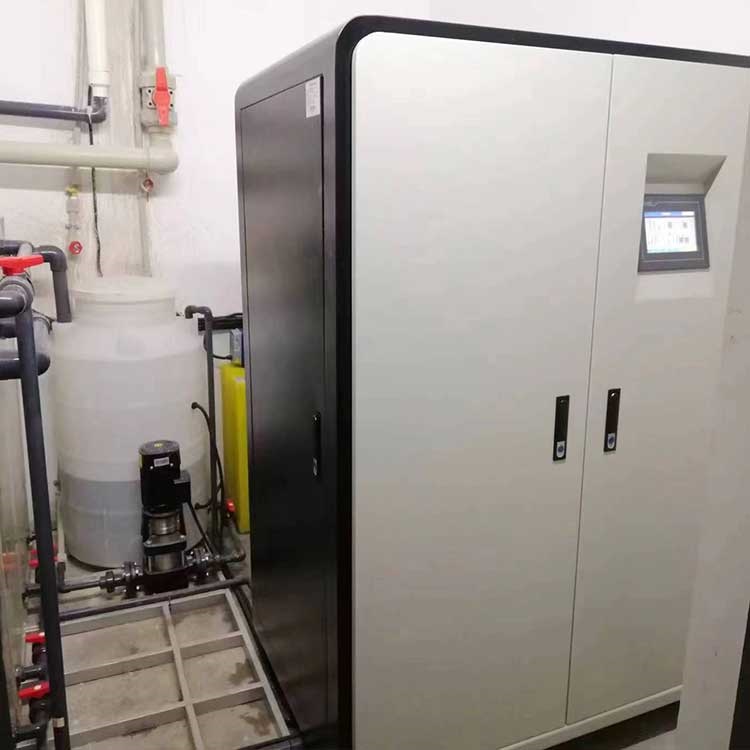
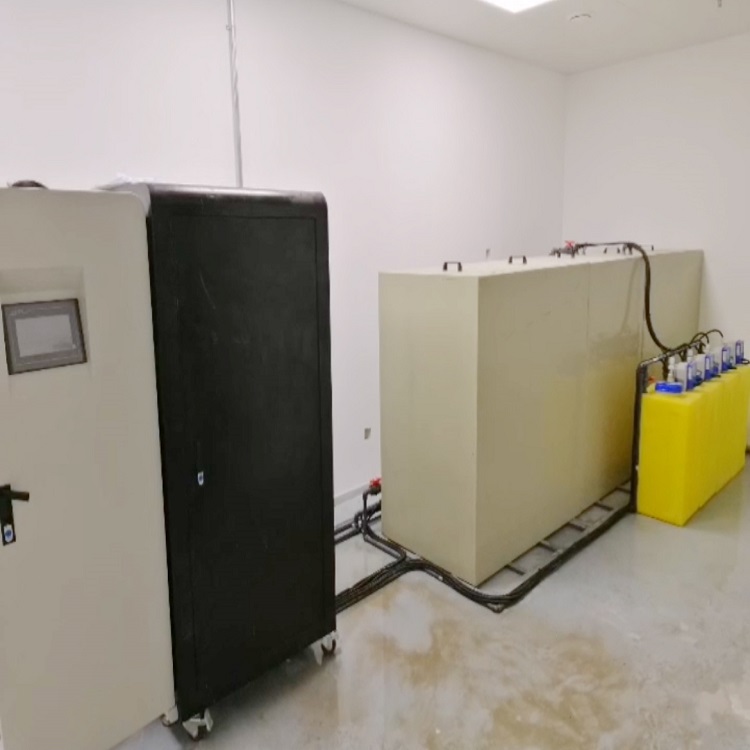
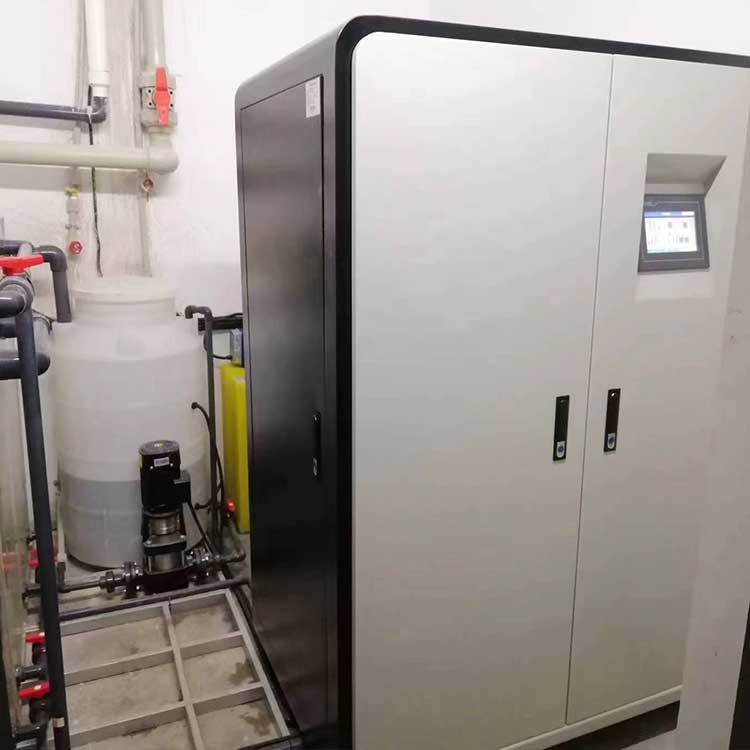
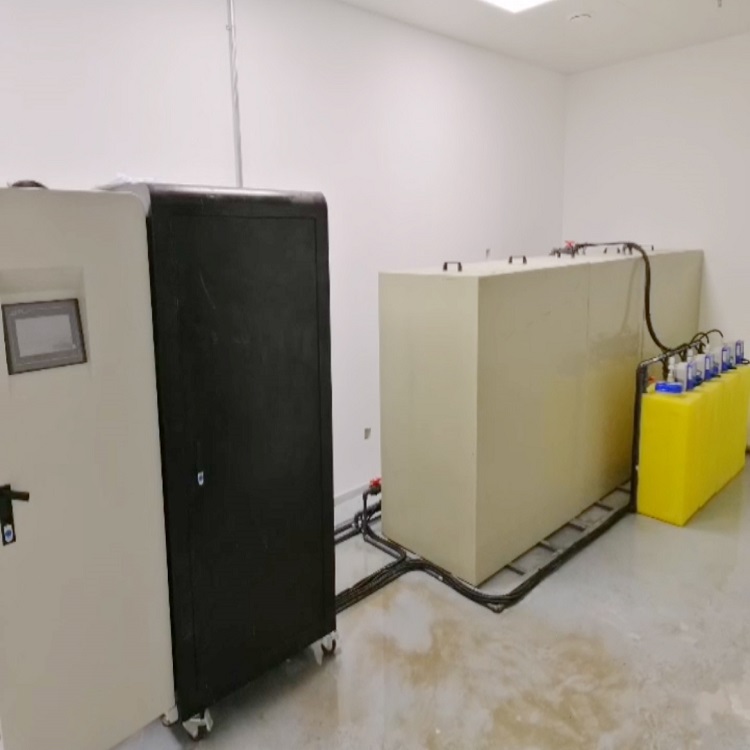
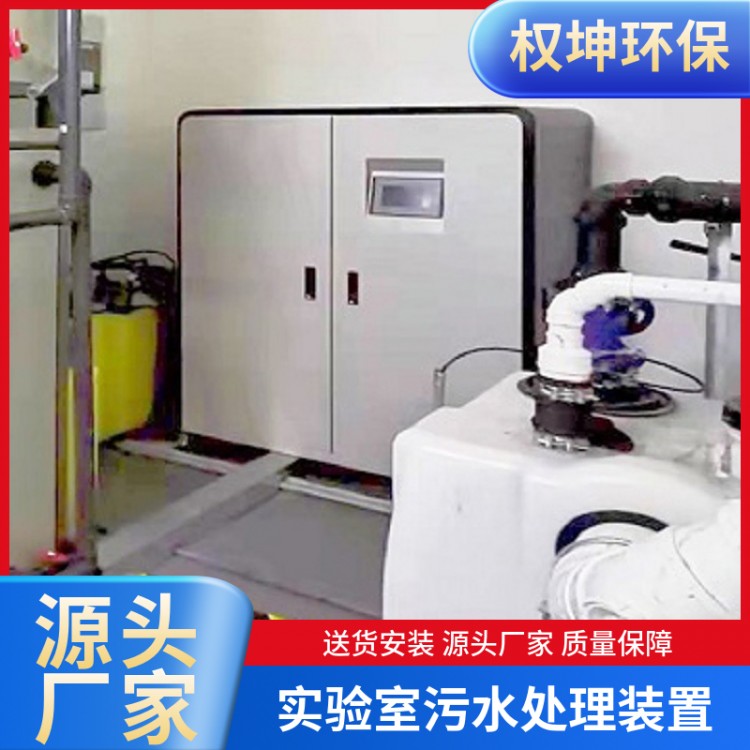
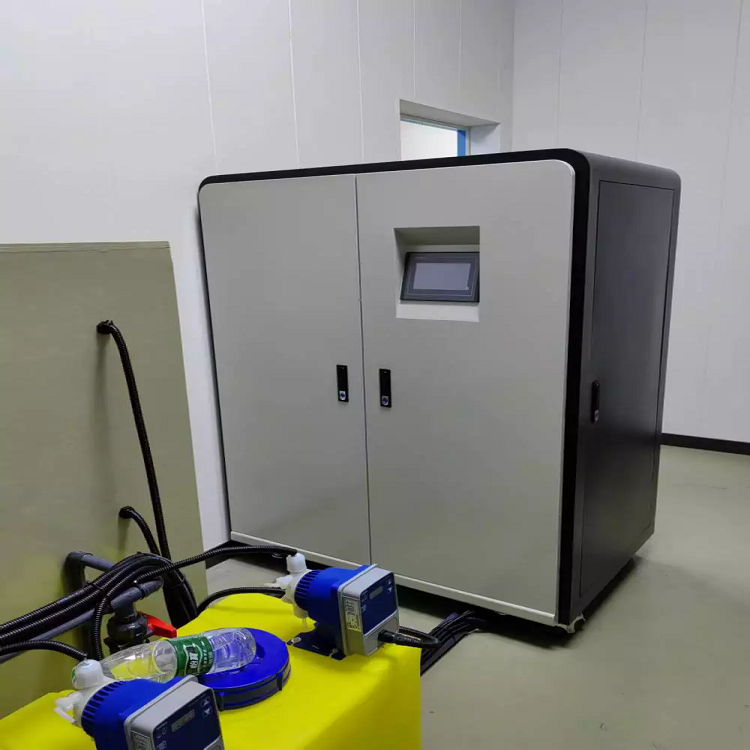
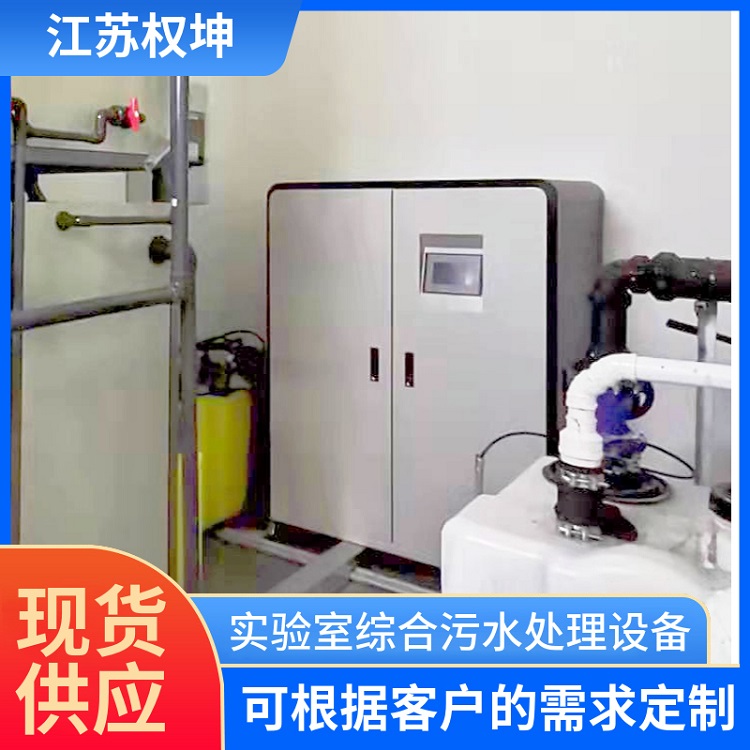
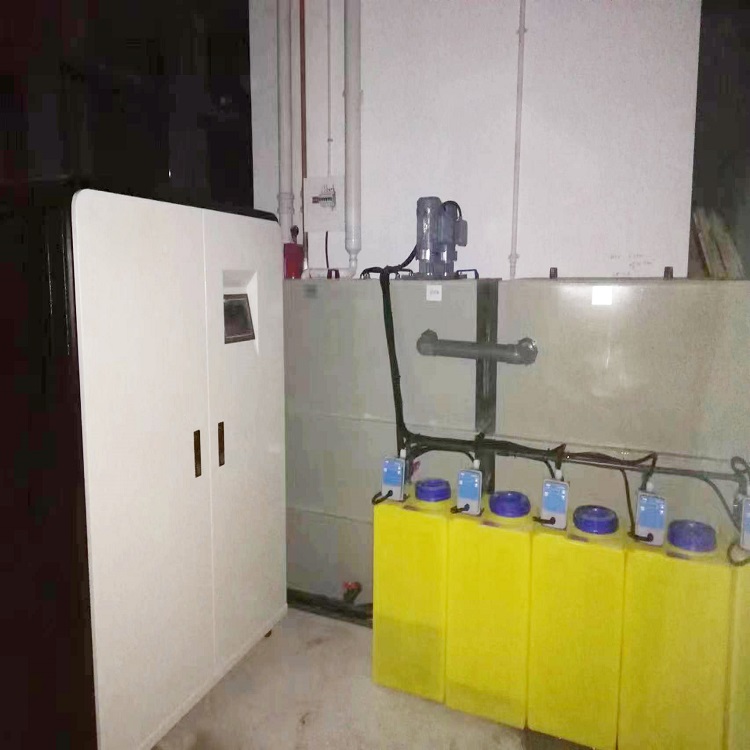
The comprehensive laboratory wastewater treatment equipment is a cutting-edge, highly automated, and efficient system with a small footprint, easy to operate, and does not require constant supervision. It is specifically designed for the treatment of comprehensive wastewater in laboratories across various industries both domestically and internationally, and has received widespread praise from users. It is widely used in wastewater treatment for research institutes, universities, monitoring stations, product inspections, food inspections, entry-exit inspections and quarantines, disease control centers, geological and mining centers, analytical centers, water resource monitoring, grain and oil quality inspections, petrochemicals, animal husbandry, agricultural product inspections, central blood stations, and various industrial laboratories and testing rooms.

Laboratory wastewater discharge standards: [GB8978-1996] Comprehensive Wastewater Discharge Standards
Key testing indicators include: heavy metals, pH value, suspended solids, colorimetry, COD, Escherichia coli, etc.

Mature methods and equipment for laboratory wastewater treatment:
1. Heavy metal co-precipitation process: Removes heavy metals, suspended solids, and color.
2. Automatic PH Adjustment Process: Automatically adjusts the PH value of acidic and alkaline wastewater.
3. Ozone Oxidation Disinfection Process: Organic Wastewater Degradation, COD Removal, and Eradication of E. coli.
4. Medical wastewater must be dosed with chlorine dioxide as required.
5. Laboratory Wastewater Treatment and Purification System: Integrated process with fully automatic operation


Process Description:
Wastewater is collected and homogenized in a sedimentation tank, then flows into a neutralization reaction tank where a measured amount of acid (or alkali) solution is added based on the water quality characteristics for neutralization. The neutralized wastewater is then pumped to a filter tank for filtration. During this process, a measured amount of净水剂 solution is also introduced to cause flocculation reactions in the pollutants, enhancing the filtration efficiency. The filtered clean water is sterilized by an ozone sterilizer and then flows into a bioactive carbon tank, where fine pollutants are further intercepted and adsorbed for decomposition. The treated clean water is then directly discharged into the urban sewage pipeline network.

Semiconductor Lab Wastewater Treatment Equipment Manufacturer, Sewage Treatment Equipment Maintenance and Service
1. Neutralization Unit: Add NaOH to the wastewater to adjust the pH to 6.5-7.2, causing Cr3+, Cd2+, Pb2+, Mn2+ ions in the wastewater to react with NaOH and form precipitates, thereby removing heavy metal ions. Subsequently, the pH is adjusted back to 6-9, with the addition amounts of NaOH and HCl automatically controlled.
2. Coagulation Sedimentation Tank: Adding a certain amount of CJI water treatment agent causes the wastewater to produce a large amount of coagulated flocs. After sedimentation, it reduces the workload of subsequent processes and improves the removal rates of COD and suspended solids.
3. Filtration Device: Utilizes a quartz sand filling layer to intercept and remove suspended particles and other fine materials that have not been separated by air flotation. Timely backwashing ensures stable filtration performance.
4. Carbon Adsorption Decolorization Unit: Utilizes the adsorption capacity of activated carbon for further deep treatment, removing color, organic matter, and odors from water. Ensures that the effluent meets discharge standards.
5. Ozone Generator (Disinfection): For bacteria like E. coli and Salmonella, disinfection can be achieved through the use of an ozone generator. Ozone has the molecular formula O3 and is a colorless, pungent-smelling gas with a blue hue. In its liquid state, it appears dark blue, while in its solid state, it is a deep blue-black. Additionally, ozone is a strong oxidizing agent, and the sterilization process is a biochemical oxidation reaction.
6. Photocatalytic Device: Utilizes a specialized high-energy, high-ozone UV ultraviolet light beam to break down organic matter in wastewater, effectively treating molecular chains of ammonia, H2S, VOCs, benzene, and other waste gases. This process degrades organic and inorganic high-molecular-weight waste gas compounds into low-molecular-weight compounds such as CO2 and H2O under the照射 of high-energy UV light beams, achieving effective treatment and meeting emission standards.
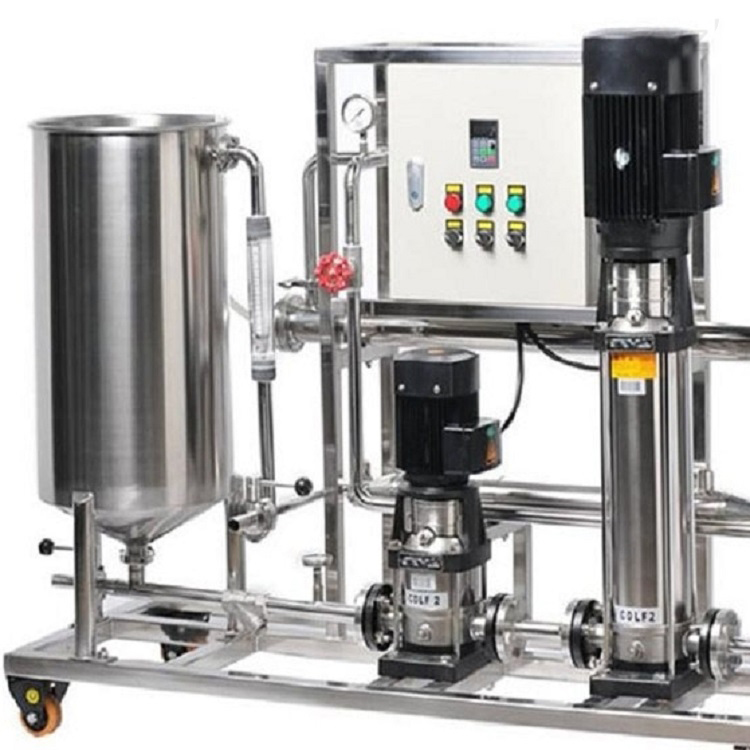
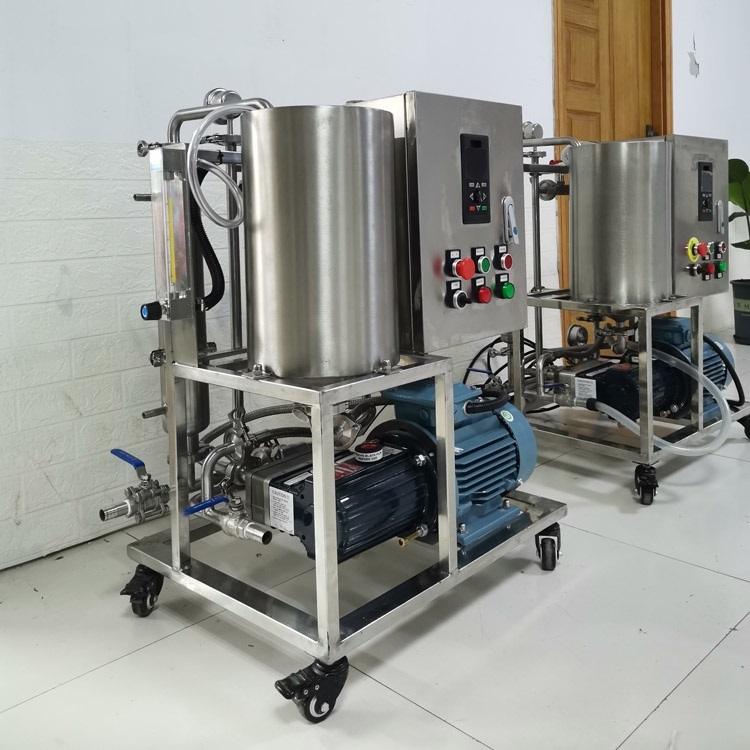
7. Ultrafiltration Unit: An ultrafiltration membrane system is a solution separation device driven by the pressure difference across the ultrafiltration membrane fibers. The ultrafiltration membrane only allows solvents (such as water molecules), inorganic salts, and small organic molecules to pass through, while retaining larger molecules like suspended particles, colloids, proteins, and microorganisms in the solution, thereby achieving the purpose of purification and separation.