













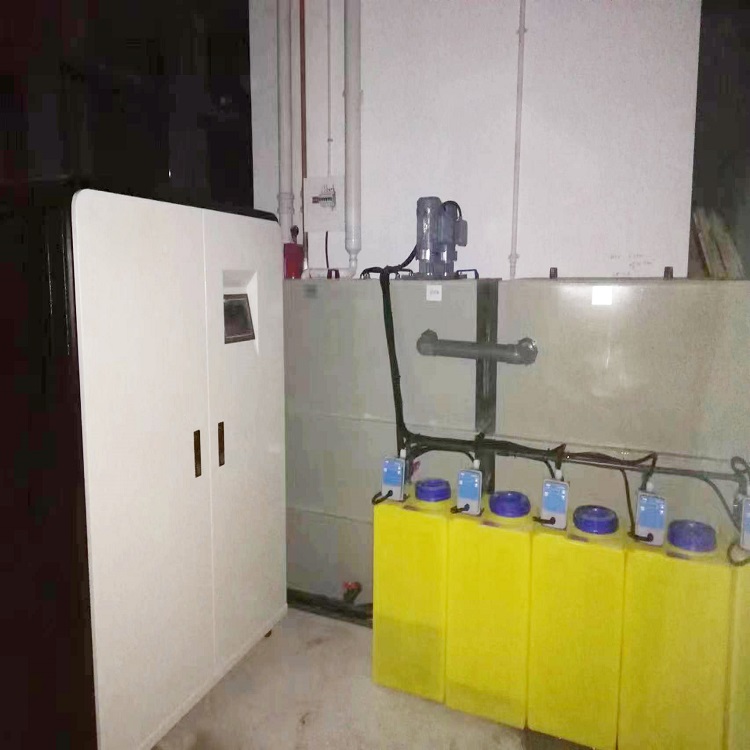
Lithium-ion Battery Production Wastewater Treatment Equipment - Inorganic Laboratory Sewage Treatment System - Quankun Customized
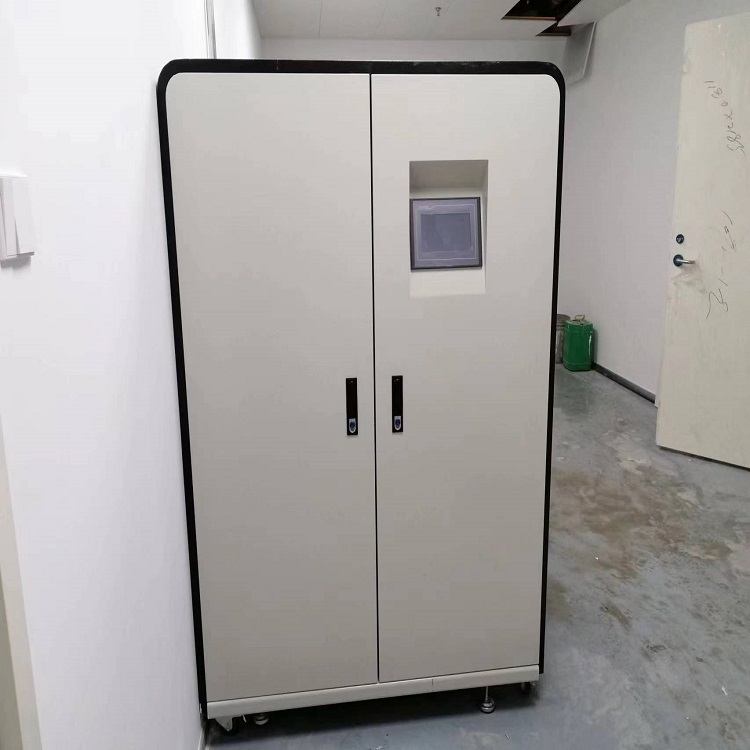
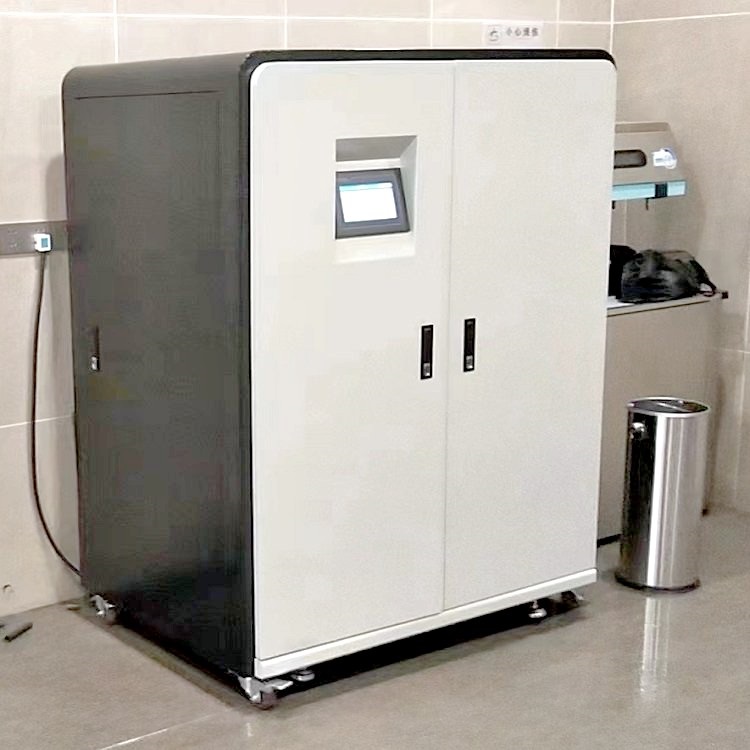
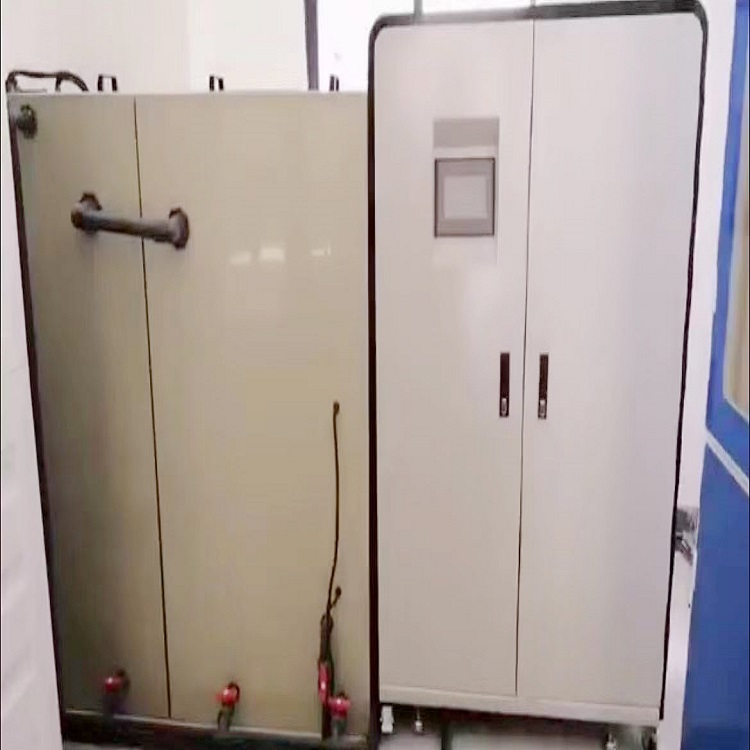
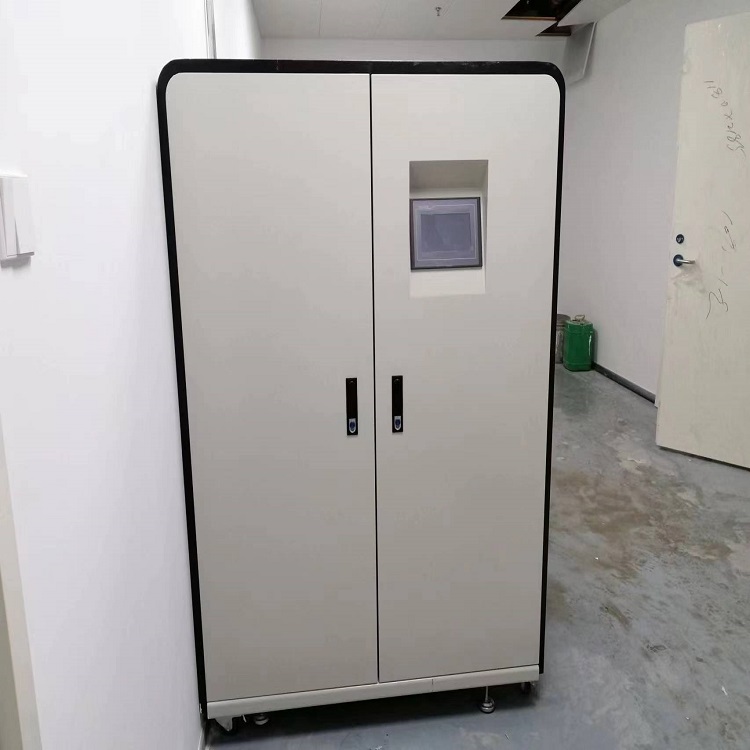
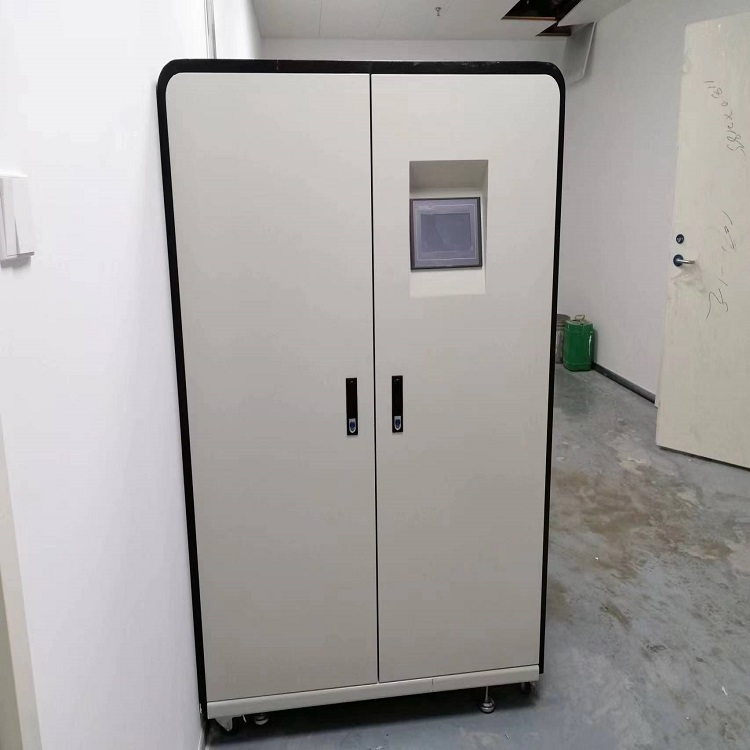
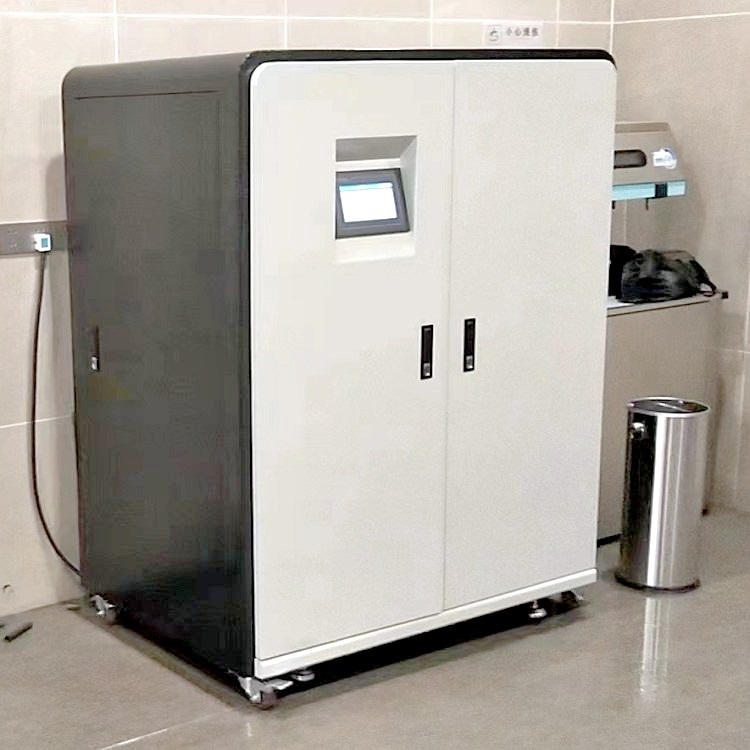
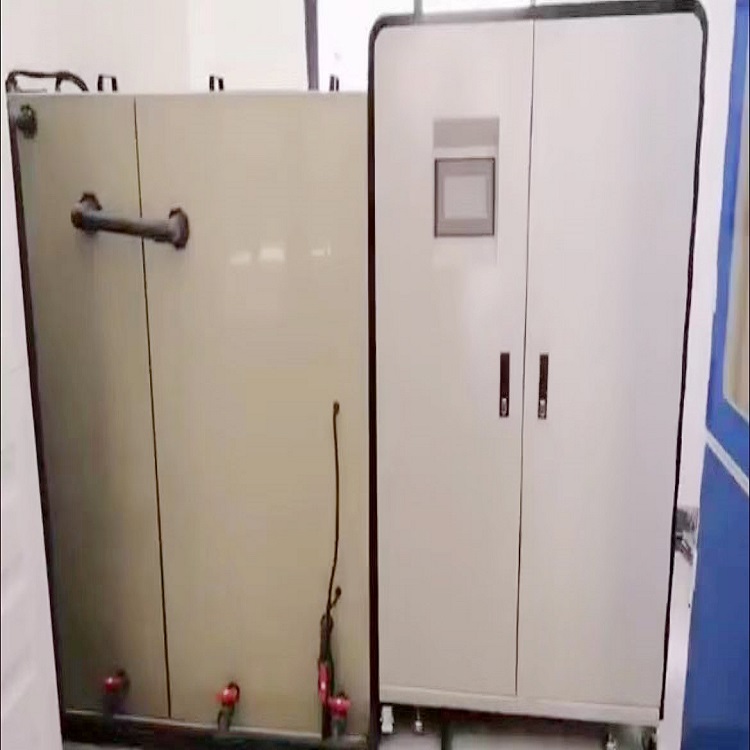
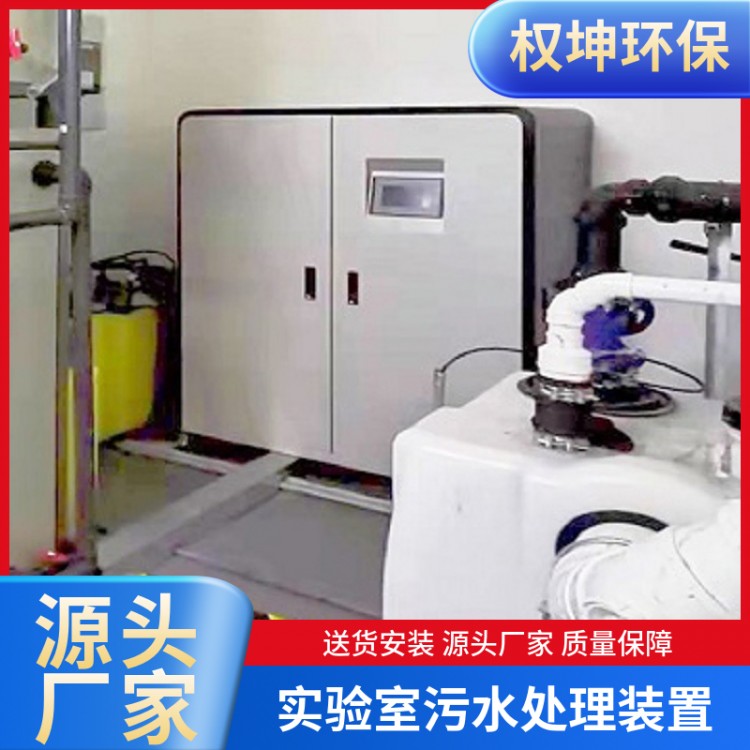
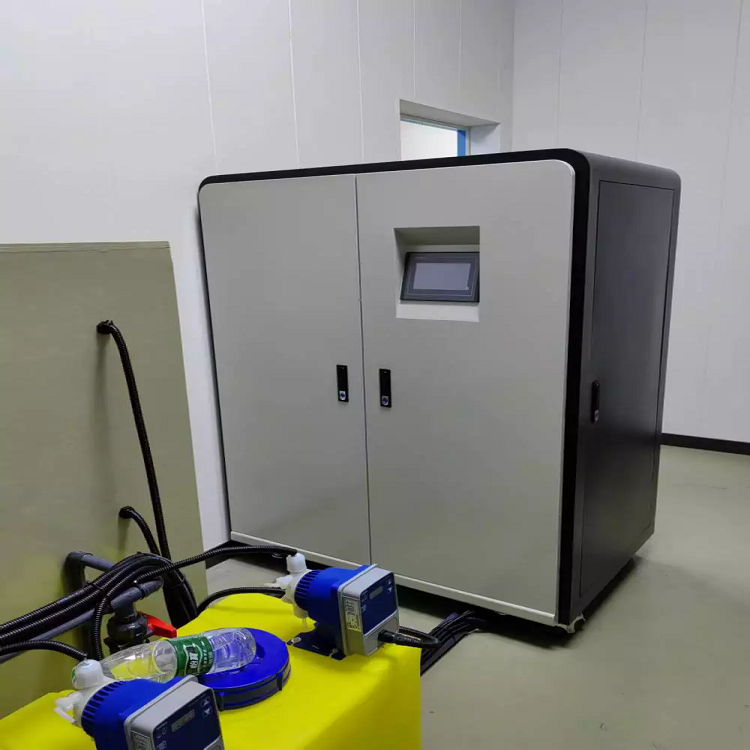
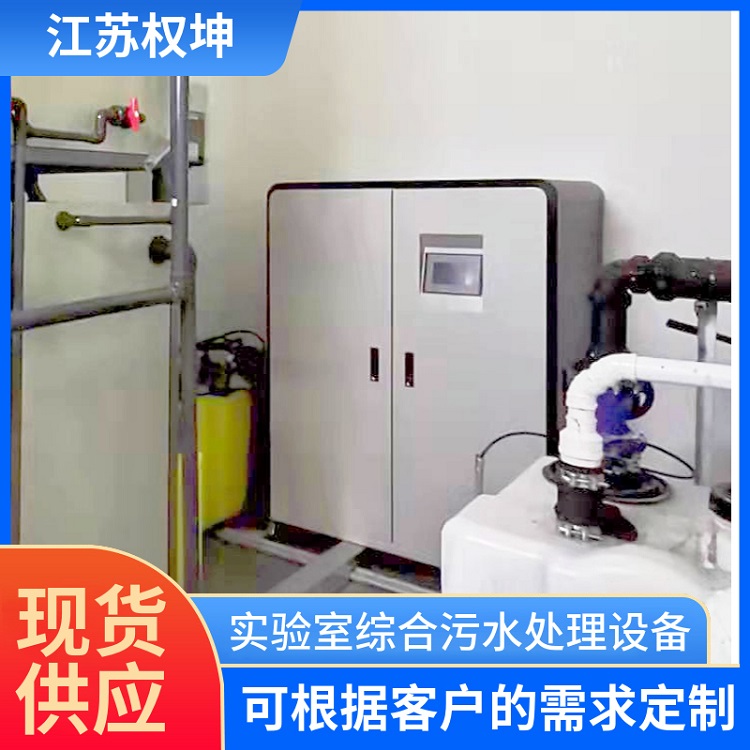
The comprehensive wastewater treatment equipment for laboratories is a state-of-the-art, highly automated system with excellent treatment effects, compact in size, easy to operate, and does not require dedicated staff. It is specifically designed for the comprehensive wastewater treatment in laboratories across various industries both domestically and internationally. The equipment has received high praise from users and is widely used in research institutions, universities, monitoring, product inspection, food inspection, entry-exit quarantine, disease control centers, geological and mining centers, analytical centers, water resource monitoring, grain and oil quality inspection, petrochemicals, animal husbandry, agricultural product inspection, central blood stations, and other industries' laboratory and testing room wastewater treatment.
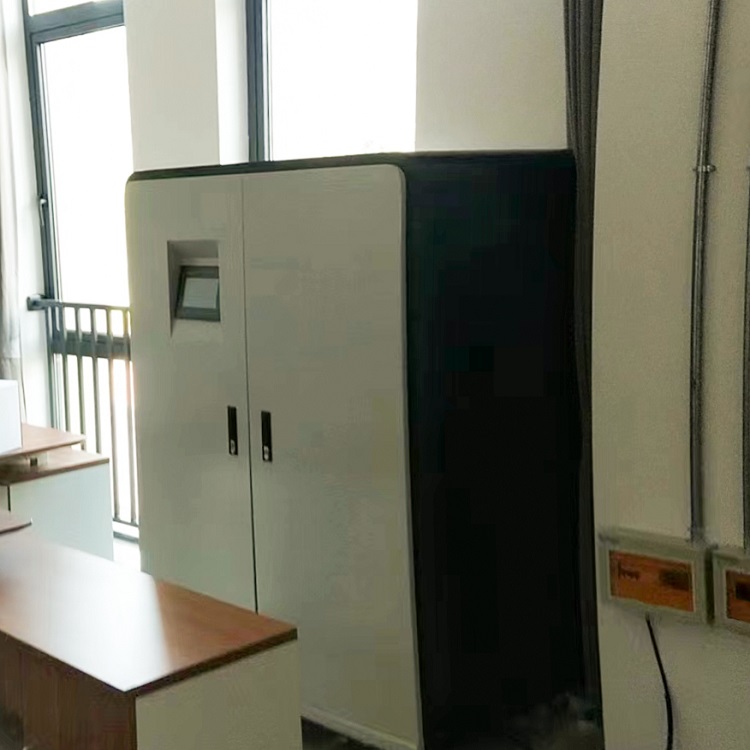
Design solutions can achieve comprehensive effluent discharge.
1. Wide applicability: Suitable for wastewater treatment in various laboratories.
2. Technology: Utilizes multiple advanced technologies for multi-stage treatment and purification of comprehensive wastewater, fully meeting discharge standards.
3. High Automation Level: Centralized control, user-friendly human-machine interface, simple operation, fully automatic operation, no need for dedicated on-site staff.
4. Automatic Protection Features: Leak or electric shock automatic protection, high/low voltage automatic protection, no wastewater protection, liquid level protection for each treatment unit, overload protection for electrical equipment, overcurrent protection for electrical circuits.
5. Scheduled Auto-Cleaning Function: Automatically cleans required parts at scheduled times, extending the lifespan of the components.
6. Low operating costs: Low power, low energy consumption; fewer operational and fault issues, resulting in lower costs; longer lifespan of consumables, reducing consumable costs; proportional automatic dosing, minimizing consumption; no need for dedicated staff, eliminating additional fees, etc.
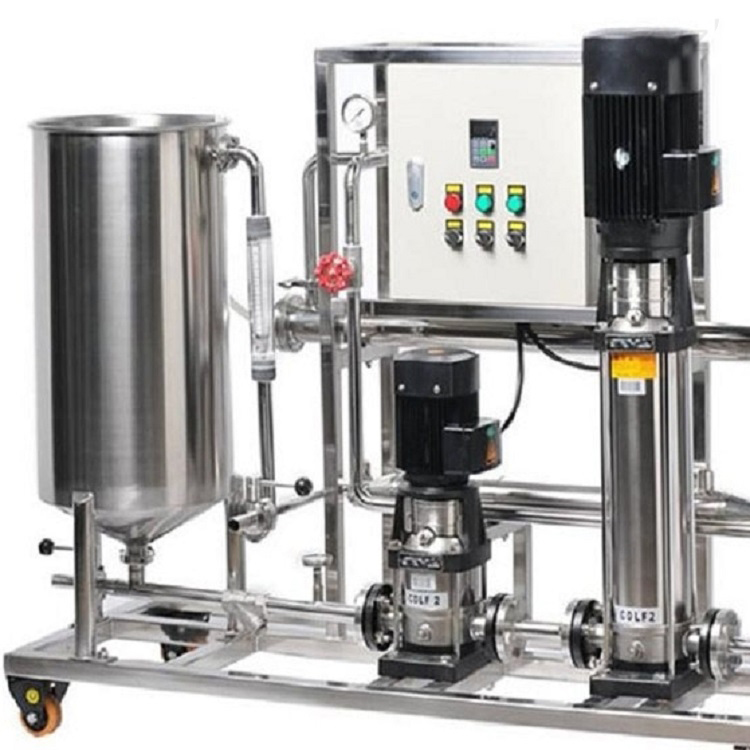
7. User-friendly: Equipped with a double-stage silent motor and anti-corrosion pump, low noise level; the entire process utilizes an enclosed system, free of odors and leaks, and does not produce waste sludge, wastewater, or exhaust gases, thus avoiding secondary pollution.
8. Smart Integration: With a "one-stop" integrated design, it features compact size, rapid processing speed, easy installation, and truly achieves engineering equipmentization. It has an aesthetically pleasing appearance and does not require multiple treatment ponds.
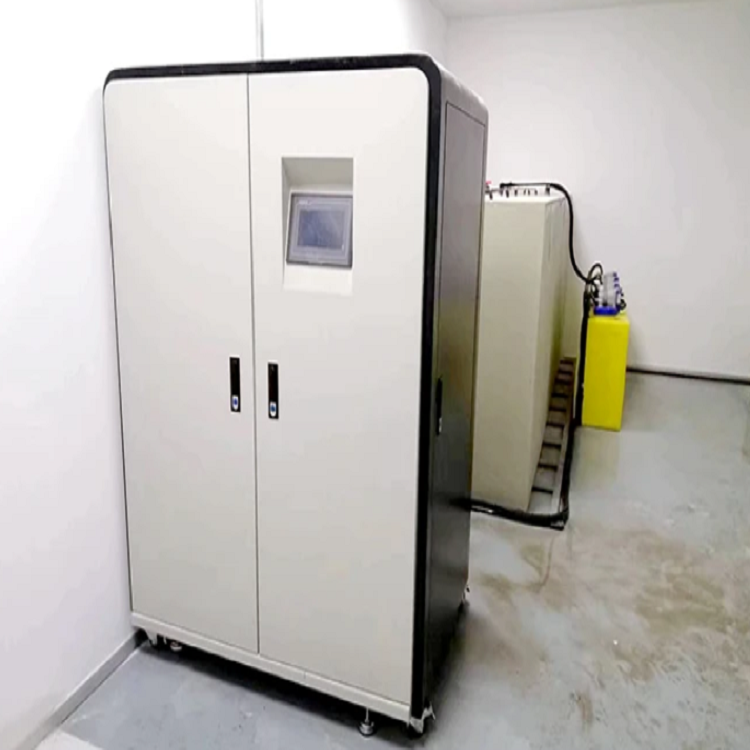
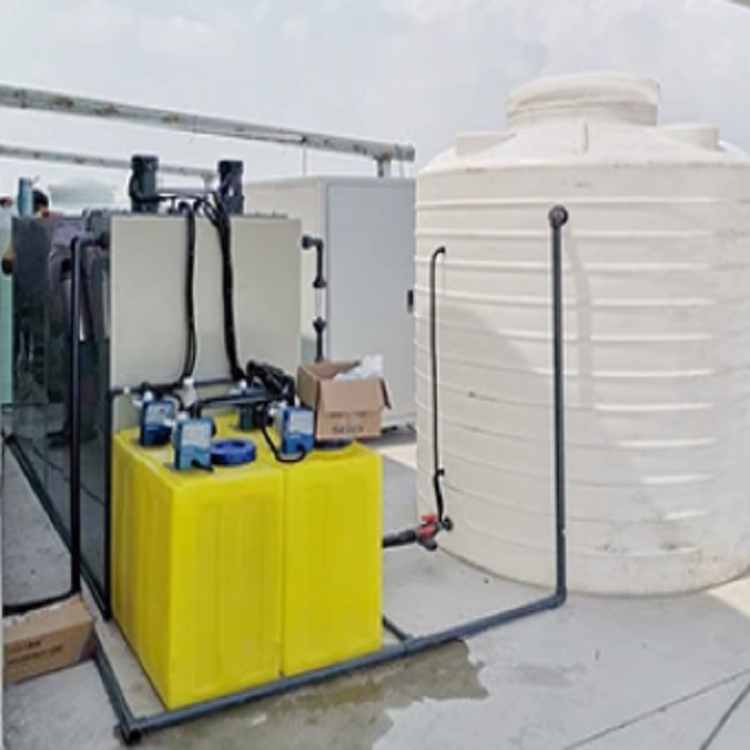
Features of Laboratory Wastewater Treatment Equipment:
1. Fully automatic control utilized.
2. Compact structure, minimal land footprint.
3. Low total cost, corrosion-resistant, and long service life.
4. Low handling fees, stable water quality upon discharge.

Application Scope of Laboratory Wastewater Treatment Equipment:
Laboratory wastewater treatment equipment is widely used in universities, colleges, research institutions, medical facilities, pharmaceutical companies, disease control centers, environmental supervision, product quality inspection, drug inspection, blood stations, animal husbandry, hospitals, and corporate laboratories for wastewater treatment. After treatment, the wastewater meets the Class III standards of the Comprehensive Wastewater Discharge Standard [GB8978-1996]. The treated wastewater can be discharged into the municipal wastewater pipeline or further utilized through additional treatment processes.

Lithium-ion Battery Production Wastewater Treatment Equipment - Inorganic Laboratory Sewage Treatment System - Quankun Customized
Laboratory wastewater contains acids, bases, organic pollutants, heavy metal ions, and pathogenic microorganisms, with a wide range of pH fluctuations and high COD concentrations. It is primarily categorized into three major types:
1. Organic Wastewater: Primarily derived from laboratory reagents and solvents.
2. Inorganic Wastewater: Main sources include acidic and alkaline reagents, heavy metal reagents.
3. Bio-pathogenic Wastewater: Primarily originates from microbial culture, blood biochemical experiments, blood stations, disease control centers, etc.