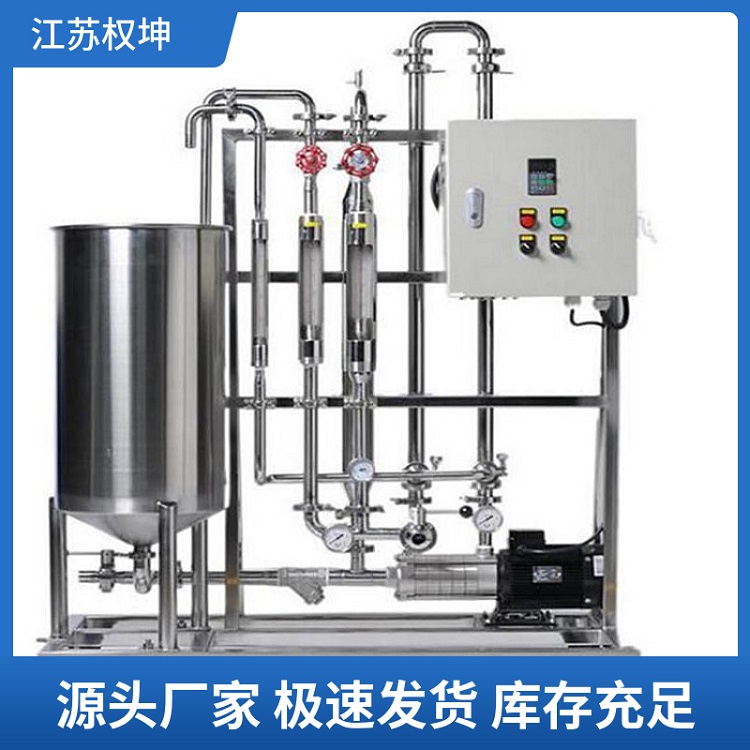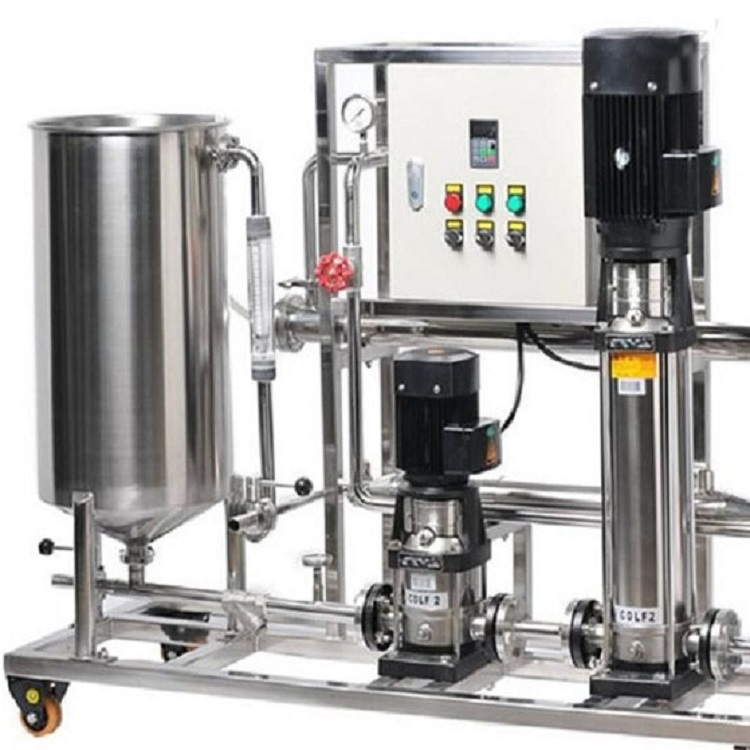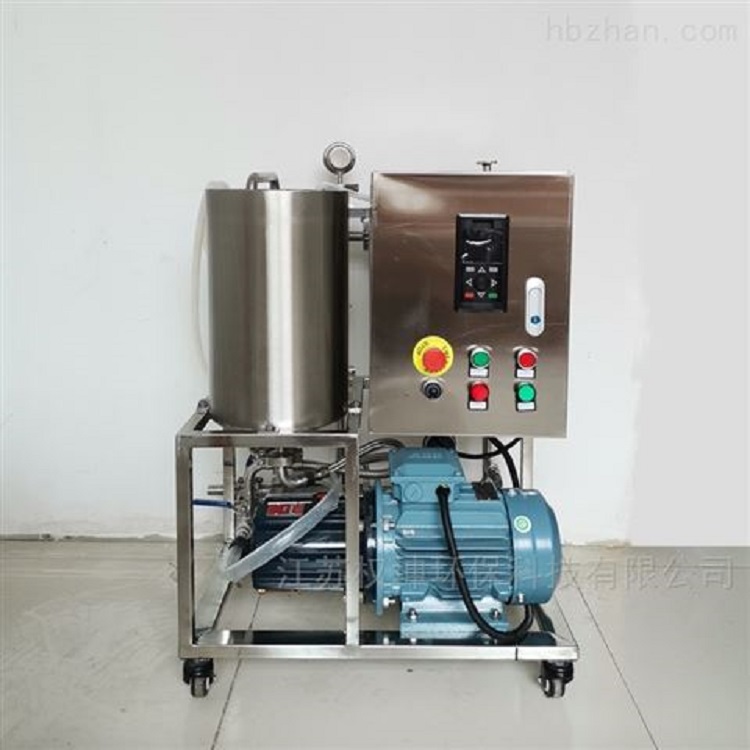

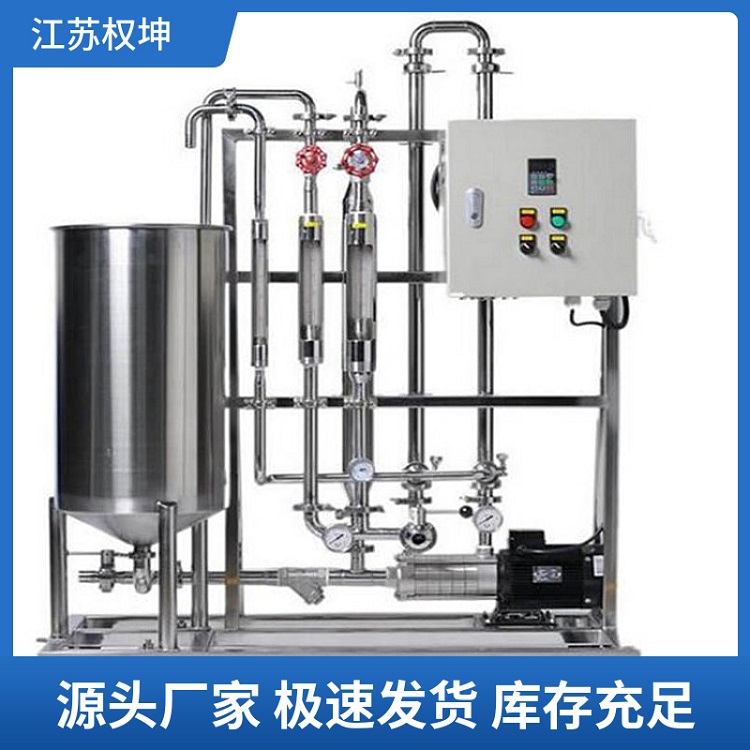

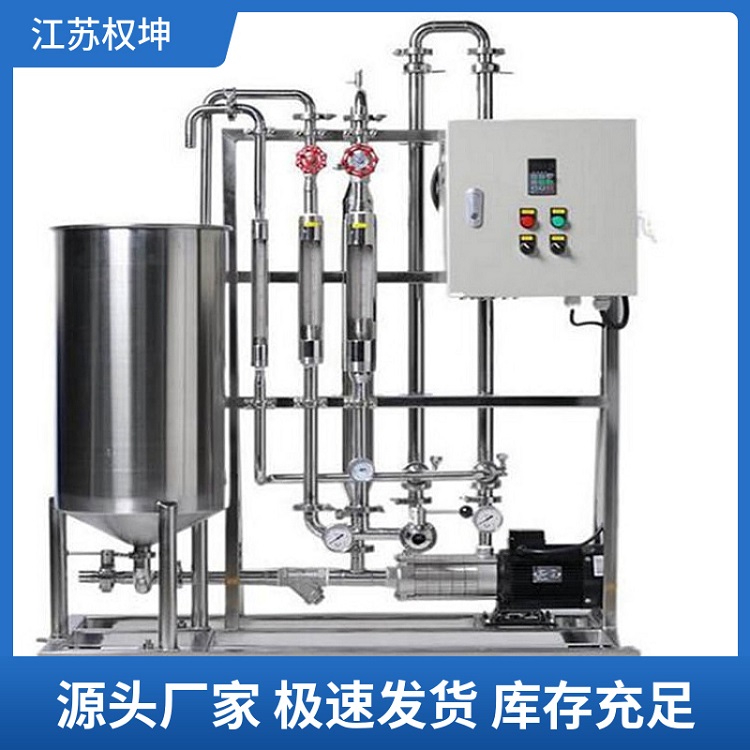
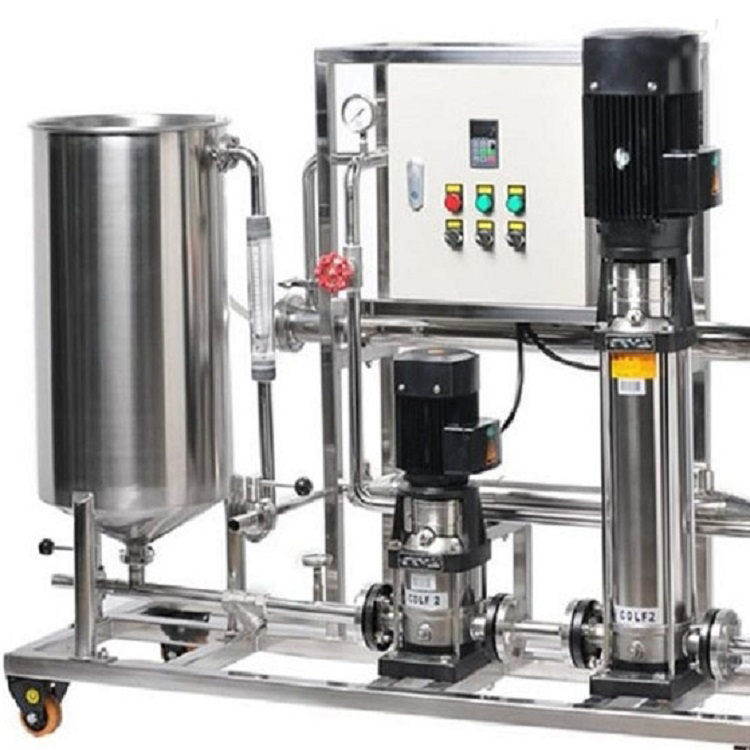
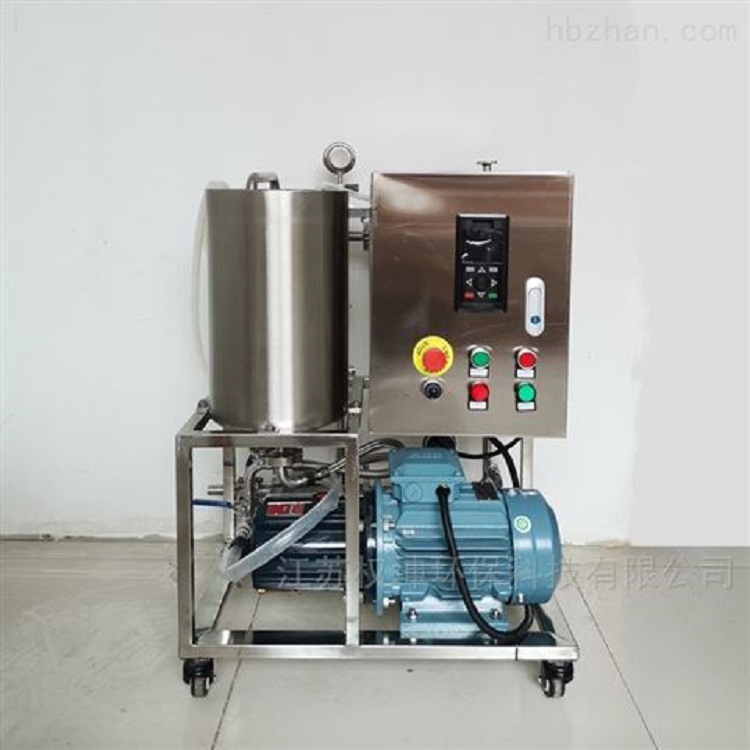












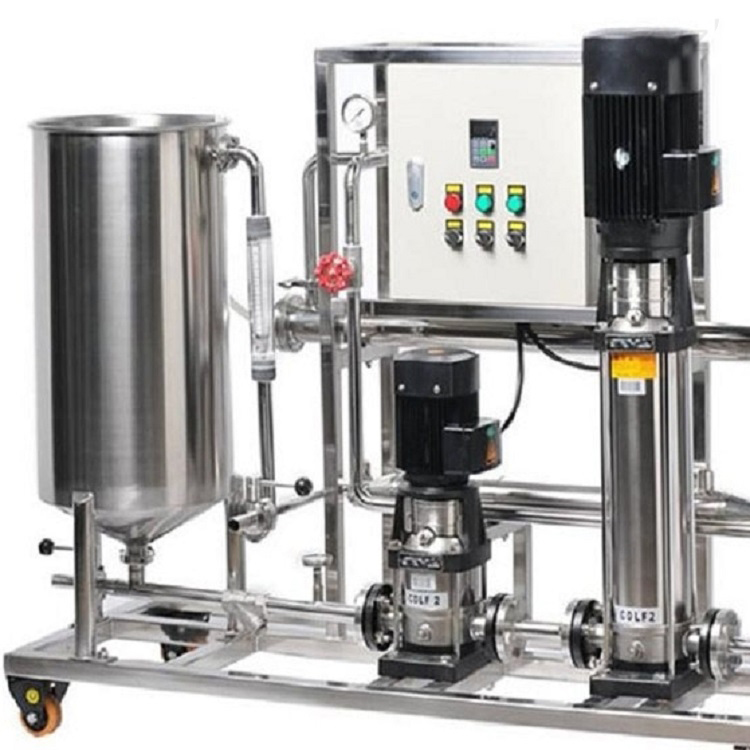
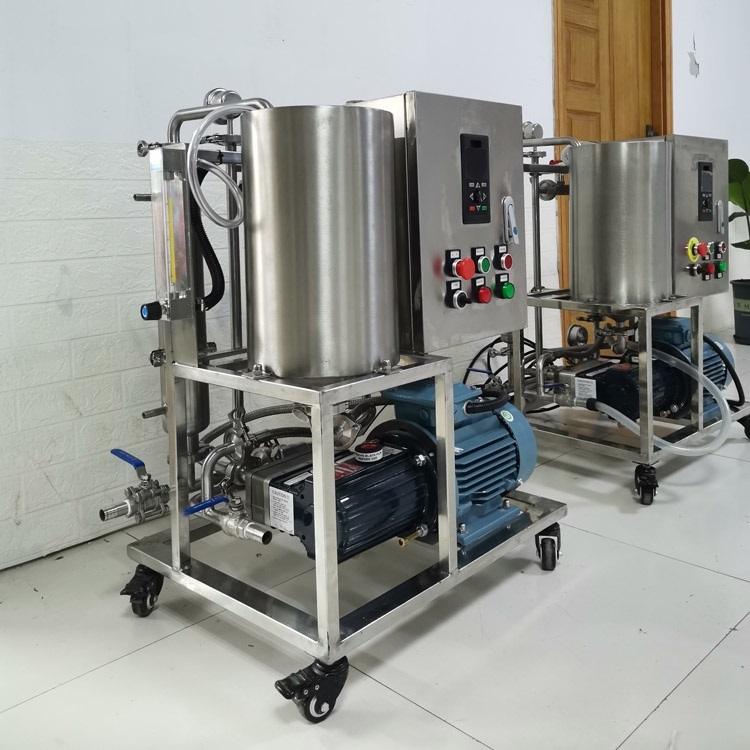
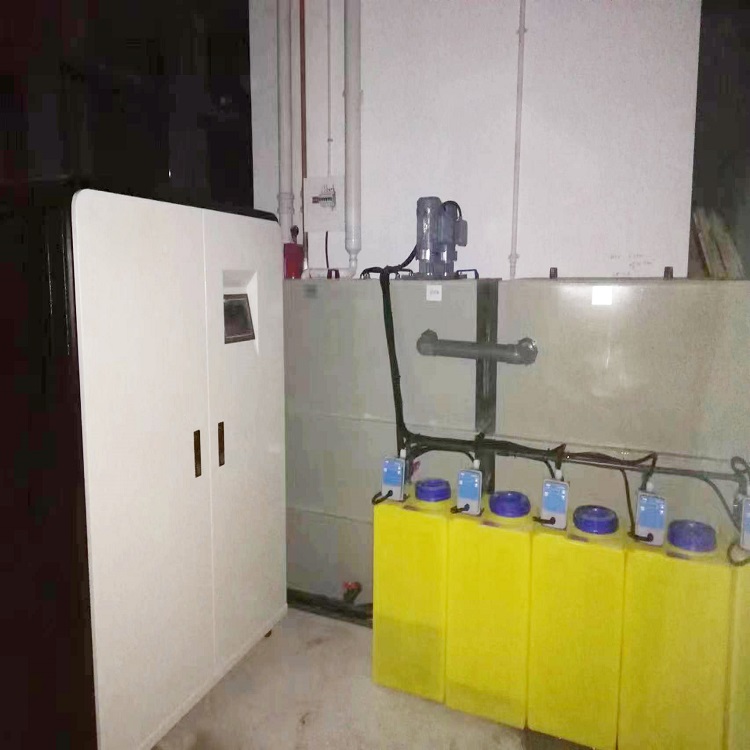
Nanofiltration Membrane Experimental Equipment - Material Separation and Concentration - Customizable and Processed
Nanofiltration membranes are functional semi-permeable membranes that allow solvent molecules, some low molecular weight solutes, or low-priced ions to pass through. They are a special and promising type of separation membrane, named for their ability to retain substances at sizes approximately on the nanometer scale. Organic matter retention is around 150-500 molecular weight, with solubility salt retention ranging between 2-98%, and desalination of monovalent anion salt solutions is lower than that of divalent anion salt solutions. They are used for the removal of organic matter and color from surface water, the removal of groundwater hardness, partial removal of dissolved salts, concentration of fruit juices, and concentration of useful substances. Identifying the type of contamination a nanofiltration membrane has suffered depends on the overall quality of the raw water.
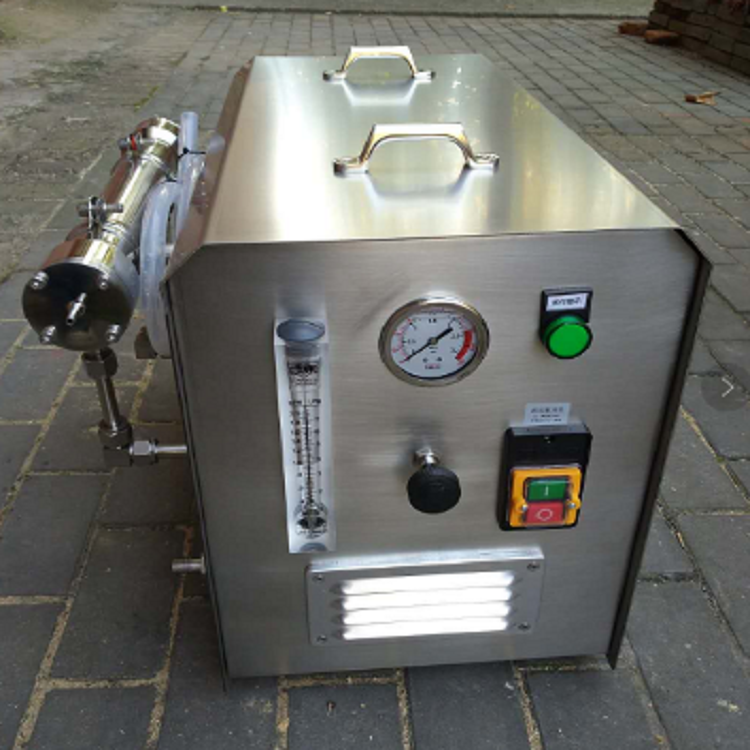
Product Features:
Good chemical stability, resistant to acids, alkalis, oxidation, and organic solvents, etc.
2. Withstanding high temperatures; capable of high-temperature sterilization and disinfection.
3. Easy to clean and long-lasting.
4. Narrow aperture distribution, high separation accuracy;
5. No extractable substances, suitable for food and pharmaceutical process separation.
6. Complete sets of equipment occupy less space, have a high level of automation, and low labor costs.
7. Low water or feed requirements, applicable in some extreme environments.
8. The ceramic membrane system features a high degree of process integration and achieves full automatic control, enabling continuous feeding, continuous discharge of filtrate and filter cake.
9. Compared to traditional technologies, inorganic ceramic membrane separation technology can enhance product yield and purity, shorten production cycles, boost economic benefits, and promote energy conservation and emission reduction.
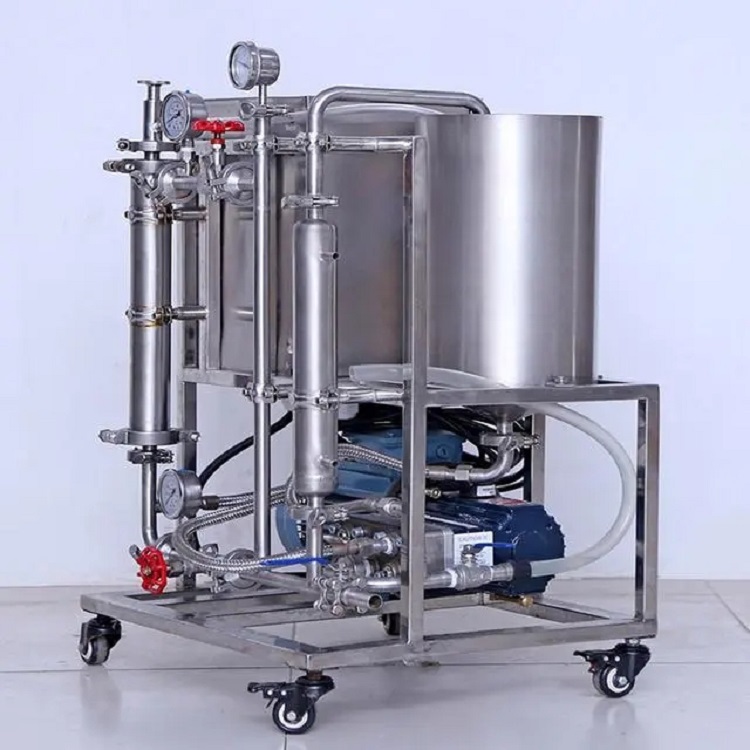
NF Equipment Features:
Based on the specific customer needs, permeate from the nanofiltration membrane can be recycled, and the membrane elements can be restored to their optimal performance after cleaning, fully realizing the economic efficiency of the membrane equipment. Different membrane configurations are selected in combination with process technical requirements and specific user needs to ensure the retention performance of membrane elements within various systems, as well as the stability and reliability of the entire membrane system operation.
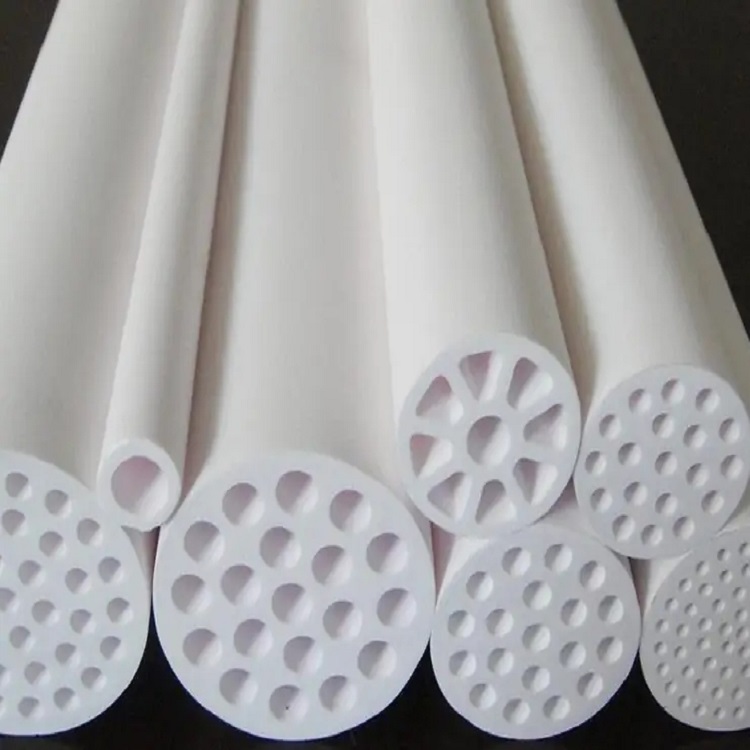
The system can achieve desalination and concentration of materials under low operating pressure simultaneously, with a short production cycle, thorough desalination, high purity of the final product, and good stability in quality. The process is always at ambient temperature, with no phase changes, and has no adverse effects on any effective components of the material, making it particularly suitable for the treatment of thermosensitive substances. The product has a high content of effective ingredients and can proceed to the next stage of processing or be dried directly based on process requirements. The system operates in a fully enclosed pipeline, is made of sanitized stainless steel, ensuring a safe and hygienic work environment, and can meet GMP or FDA standardized production requirements. With a high degree of process integration, rational layout, and full automatic control, our engineers will provide on-site system maintenance.
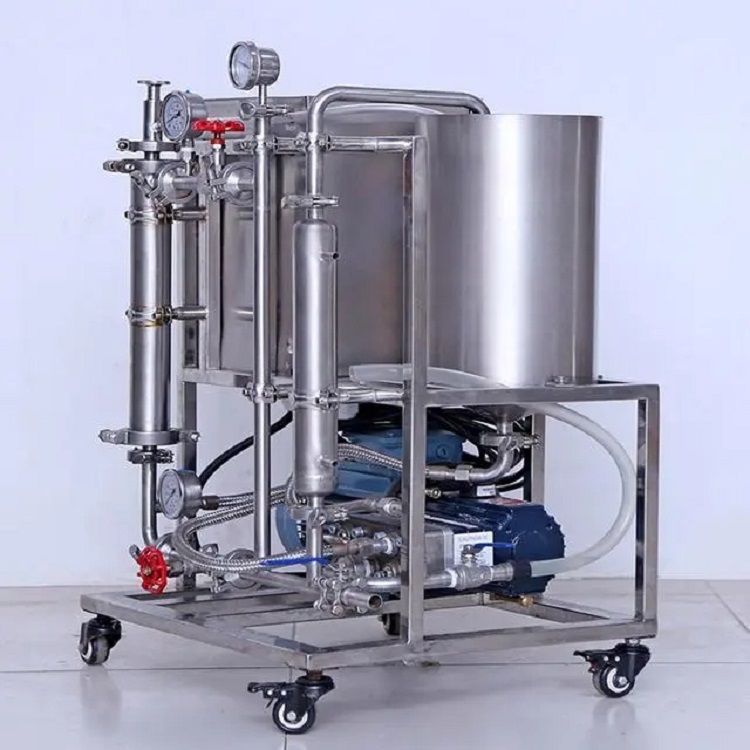
Nanofiltration Membrane Experimental Equipment - Material Separation and Concentration - Customizable upon request
Application Scope:
Nanofiltration membrane applications: Water softening treatment, capable of removing turbidity, color, and organic matter; rainwater recycling, reclaimed water treatment, and wastewater treatment; concentration and purification of various products in the food, beverage, and pharmaceutical industries, such as proteins, vitamins, amino acids, soy sauce, seasonings, dairy products, and alcoholic beverages; concentration and separation of process water solutions in chemical engineering; removal of harmful substances from drinking water; surface water and groundwater treatment.