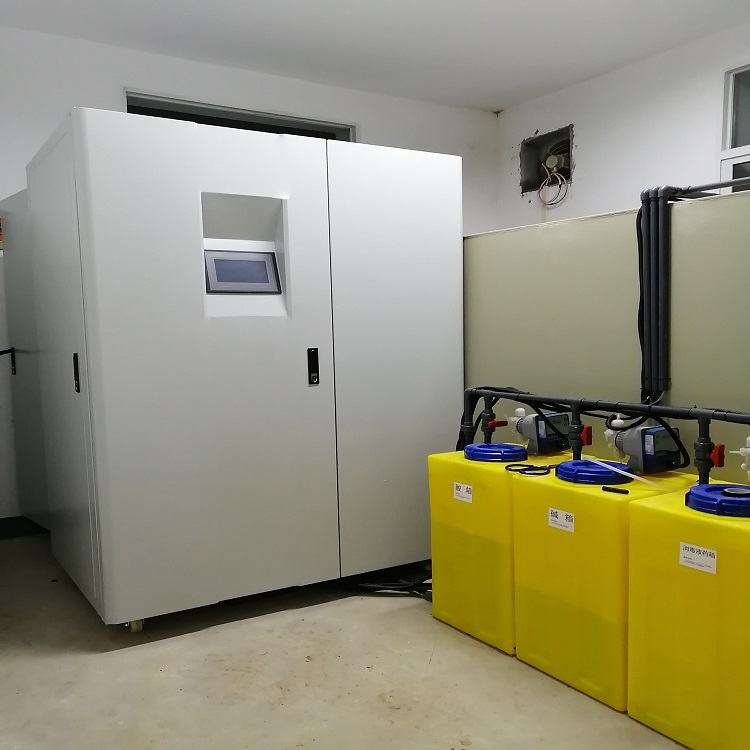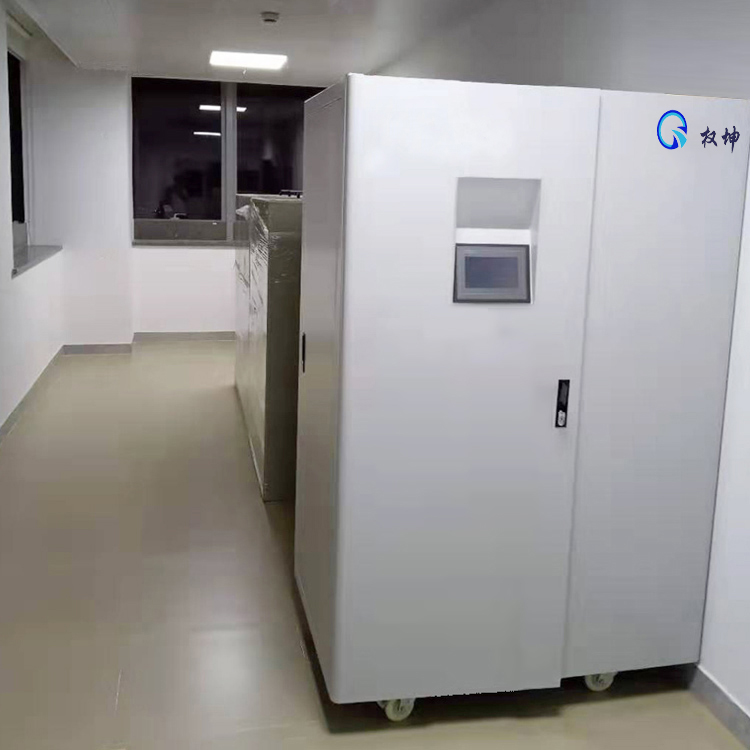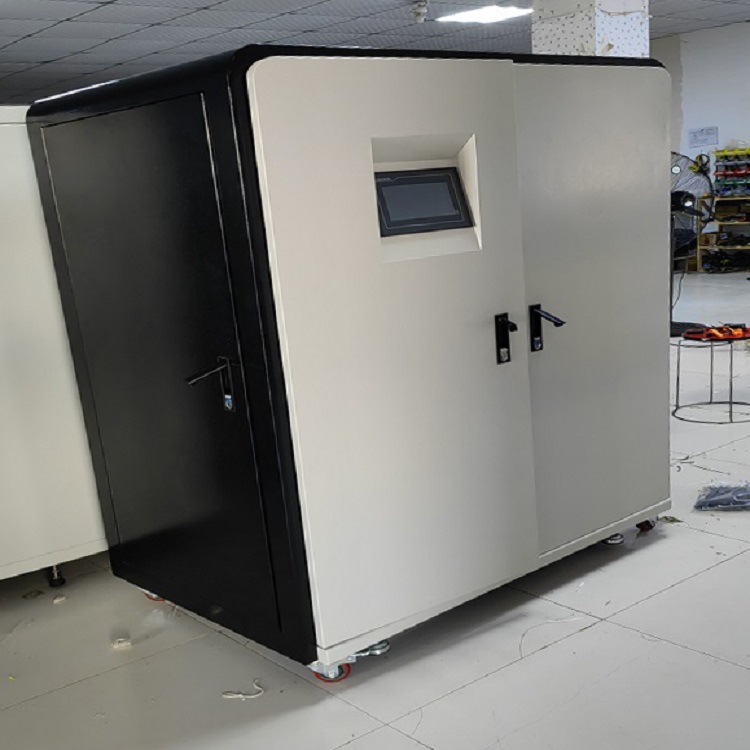

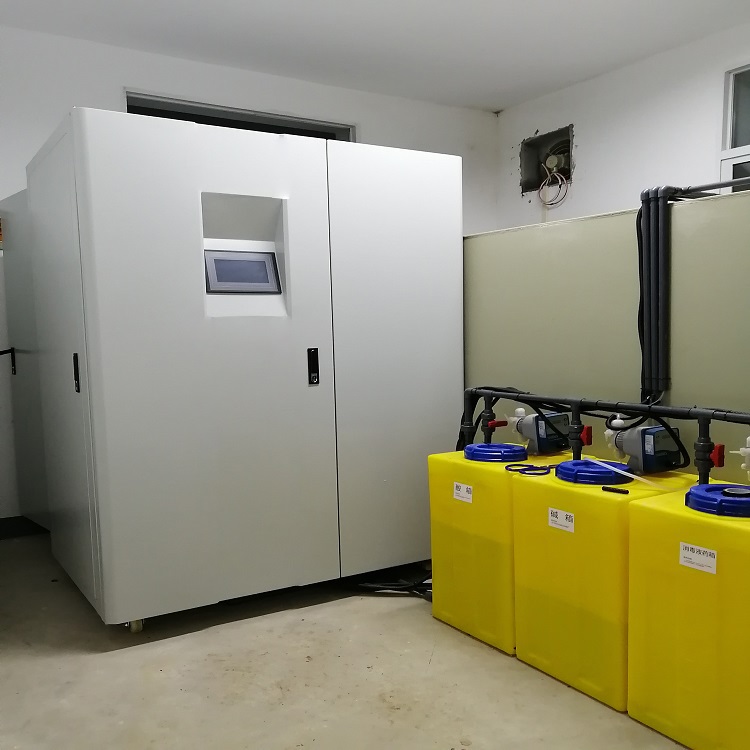

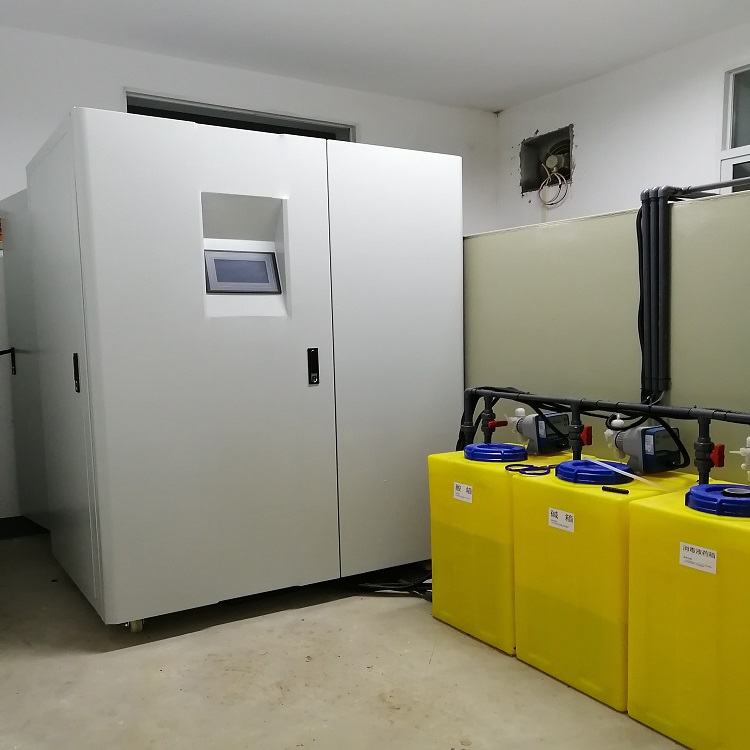
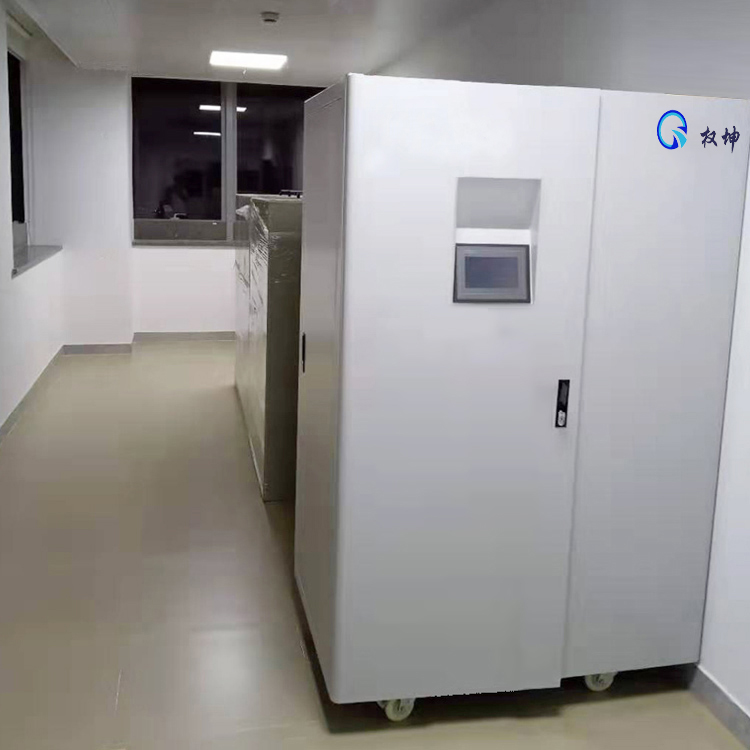
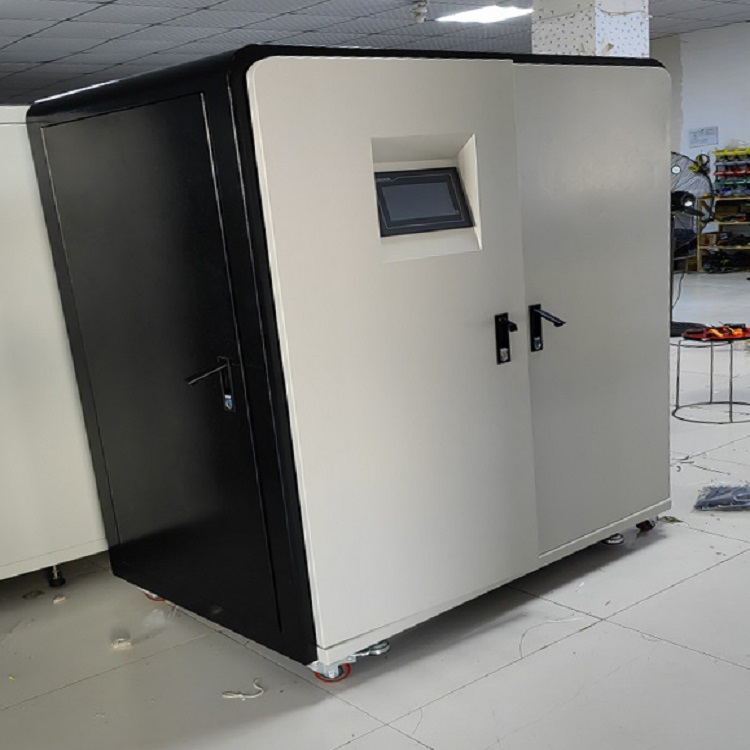












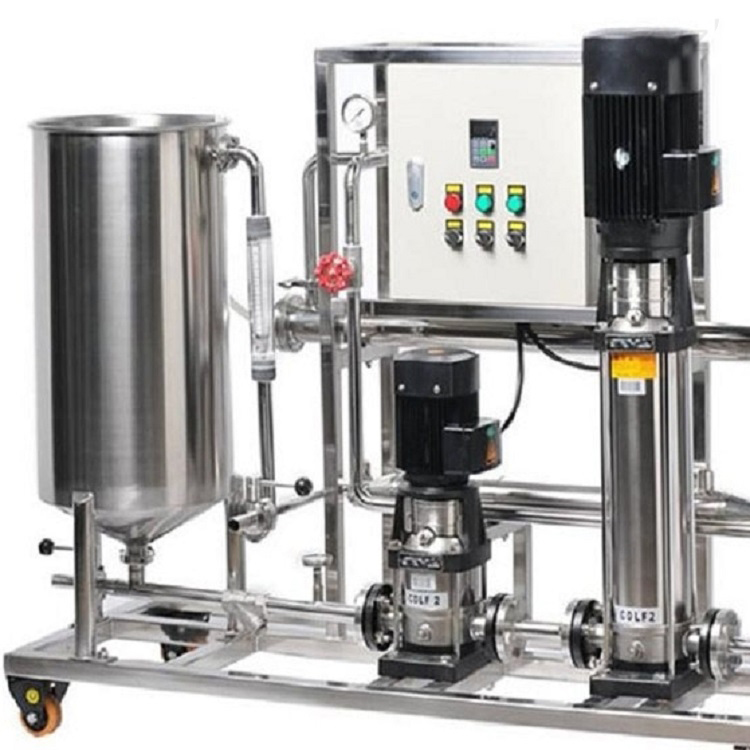
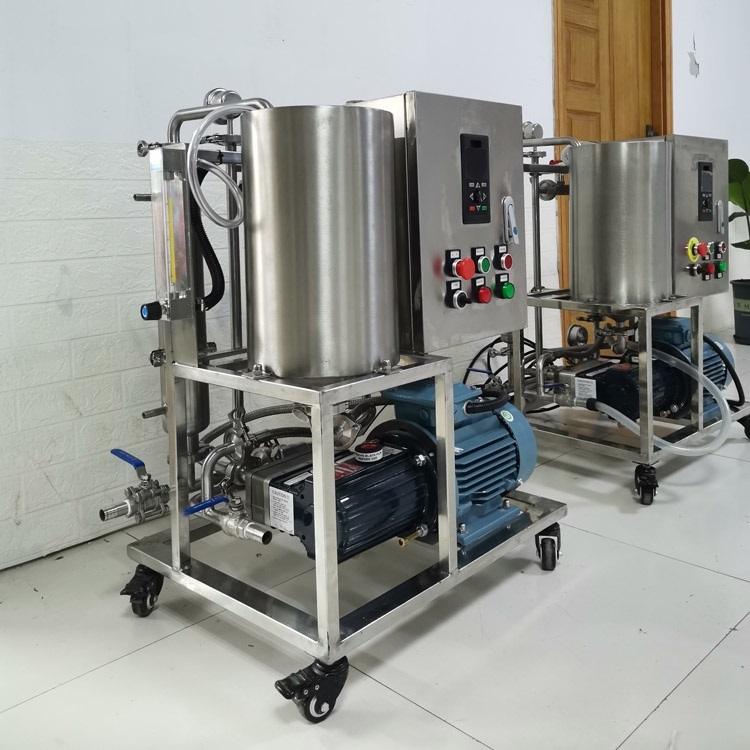
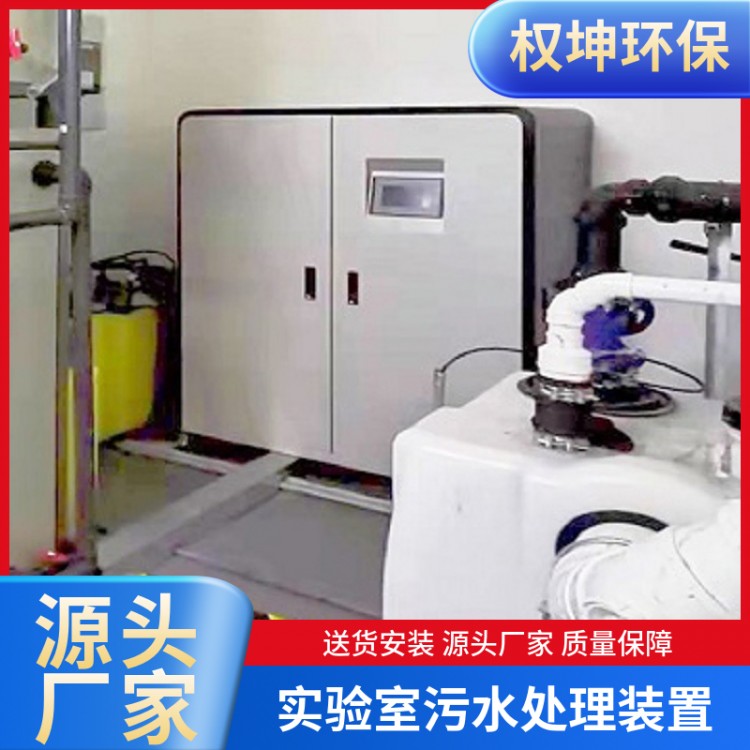
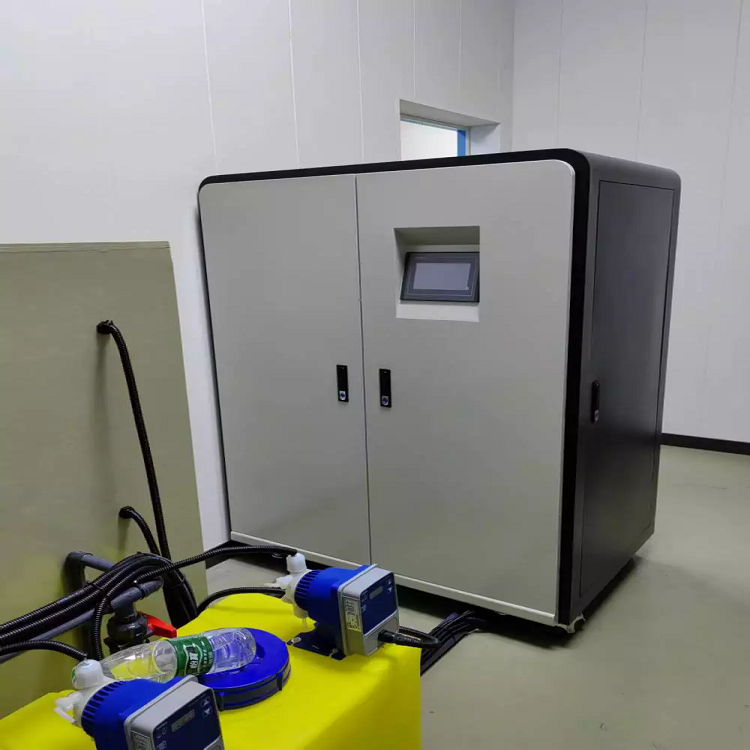
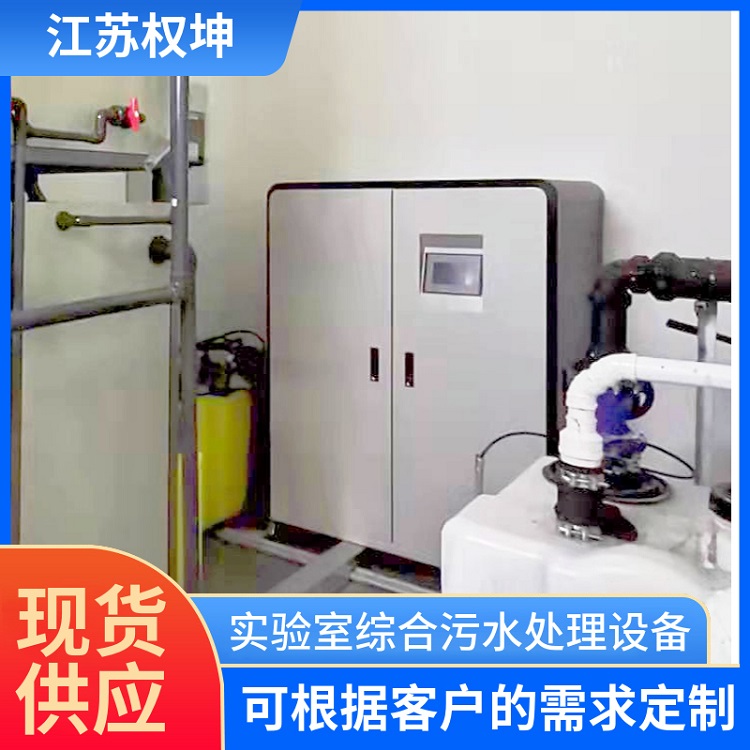
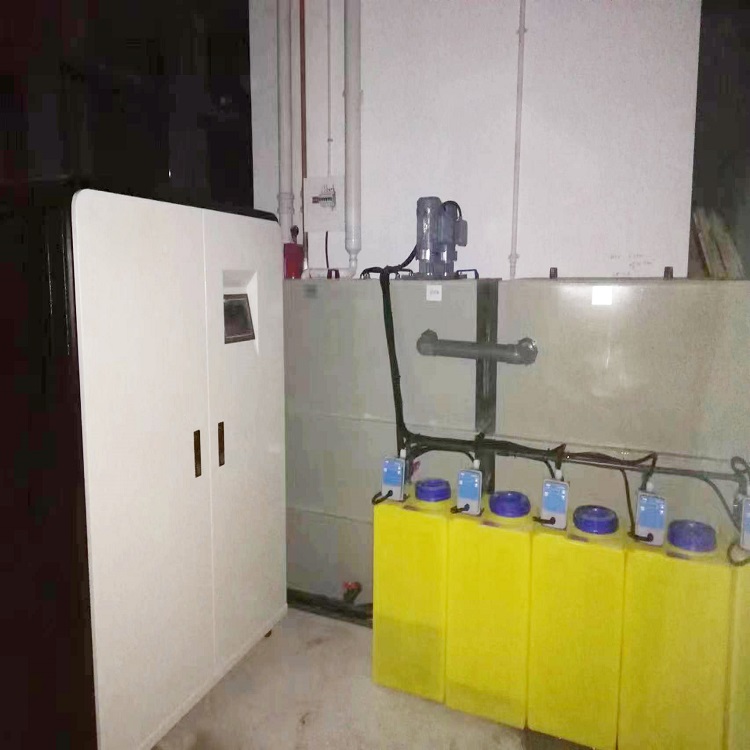
Large-scale laboratory wastewater treatment equipment
In large-scale laboratory wastewater treatment systems, commonly used equipment includes sedimentation tanks, anaerobic digestion tanks, aeration tanks, and filtration systems. Sedimentation tanks are used to remove suspended solids and particles, while anaerobic digestion tanks can decompose organic waste. Aeration tanks enhance the growth of aerobic bacteria through oxygenation, accelerating the decomposition of organic matter in the wastewater. Filtration systems remove fine particles and impurities from the water, improving the purification process.
Materials used in large-scale laboratory wastewater treatment equipment must possess corrosion resistance, antibacterial properties, and high-temperature resistance. Common materials include stainless steel, plastic, and ceramics. Additionally, enhancing treatment efficiency and reducing the equipment's footprint are crucial requirements. As a result, advanced technologies and compact designs are widely applied in laboratory wastewater treatment equipment, such as membrane separation technology and microbial degradation technology.
Equipment Principle:
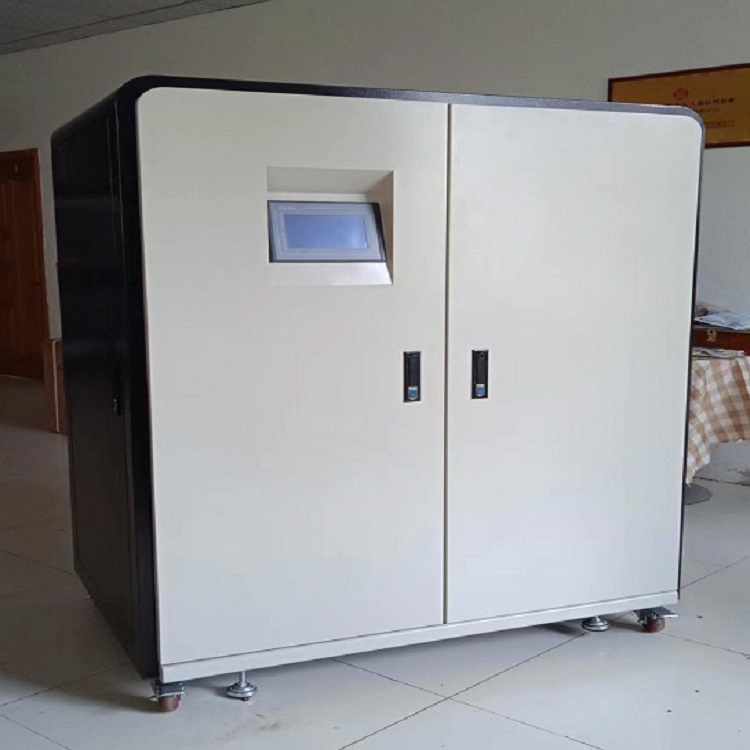
Laboratory wastewater treatment equipment relies on the principles of biotechnology, using a core bacterial community for processing. The equipment is equipped with a series of biological sludge beds. After pre-treatment in the regulating pool, the wastewater enters the bio-bed, where the bacteria within the bio-bed adsorb and degrade organic pollutants through biological actions, converting them into reusable substances like water microorganisms. This treatment principle avoids the potential hazards to the environment and human health caused by traditional treatment methods.
Process Features:
1. Ideal sedimentation for optimal treated effluent water quality.
2. Alternating aerobic and anaerobic operations successfully achieve denitrification of wastewater.
3. No forced aeration is used, thereby avoiding noise pollution from blowers and the difficulties of replacing and maintaining aeration heads.
4. Employed a unique construction method to minimize the spread of odors.
5. An effective sludge residue solution, which minimizes manual operations and ensures the stable and reliable operation of the system.
6. Programmable automatic control, simple operation and management, easy to adjust operating conditions based on actual situations, and achieve optimal operating effects.
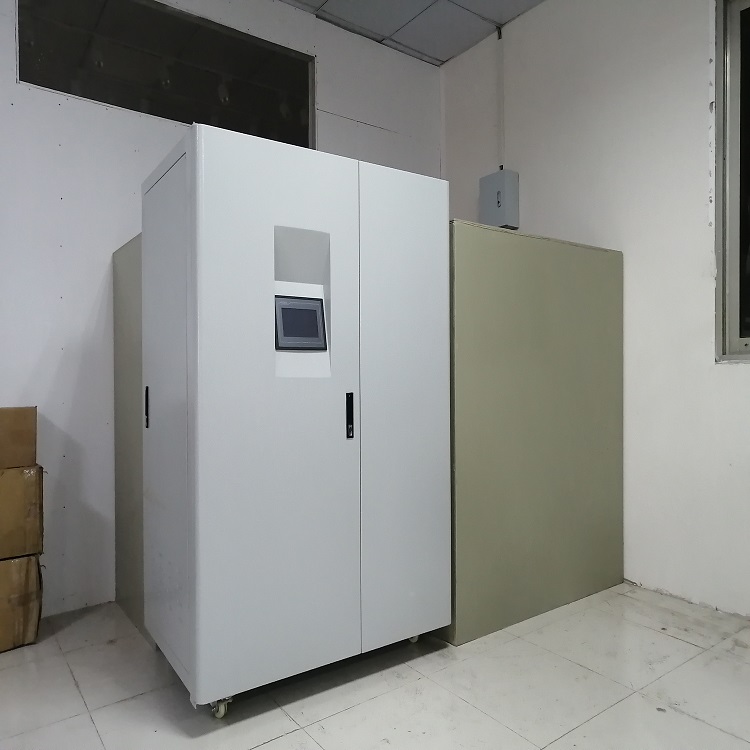
7. Integrated manufacturing, to the maximum extent, achieves system integration, reducing the occupied land area.
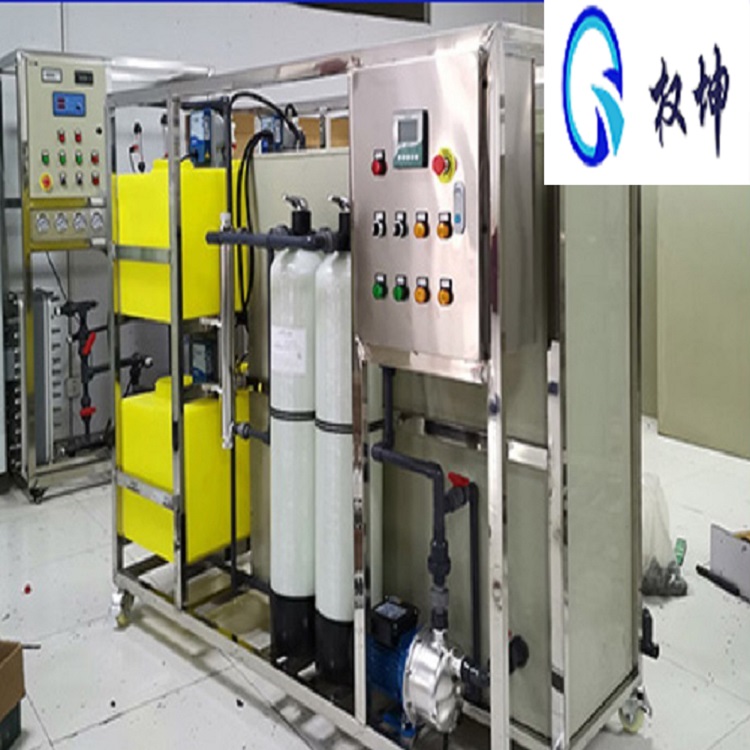
The effluent from the sedimentation tank sequentially enters the heavy metal trap, photocatalytic reactor, and micro-electrolysis unit before flowing into the ozonation oxidation pond. The wastewater, after oxidation, then enters the multi-media filter. The fine suspended particles, trace amounts of metals, and a small quantity of organics that were not removed are partially eliminated through the adsorption and retention by quartz sand and activated carbon with a vast pore structure and large surface area. Another portion is decomposed and removed by anaerobic, aerobic, and facultative bacteria present in the micromembrane attached to the activated carbon. The process of activated carbon retention and adsorption alternates with the micro-degradation desorption process in an interlaced, alternating, and cyclic manner. At this point, the wastewater meets the standards for discharge. The entire wastewater treatment process is controlled by an automatic control system. The neutralization and adjustment system is equipped with a float ball level controller, which automatically stops the pump at low levels and starts it at high levels, allowing for largely unattended operation.
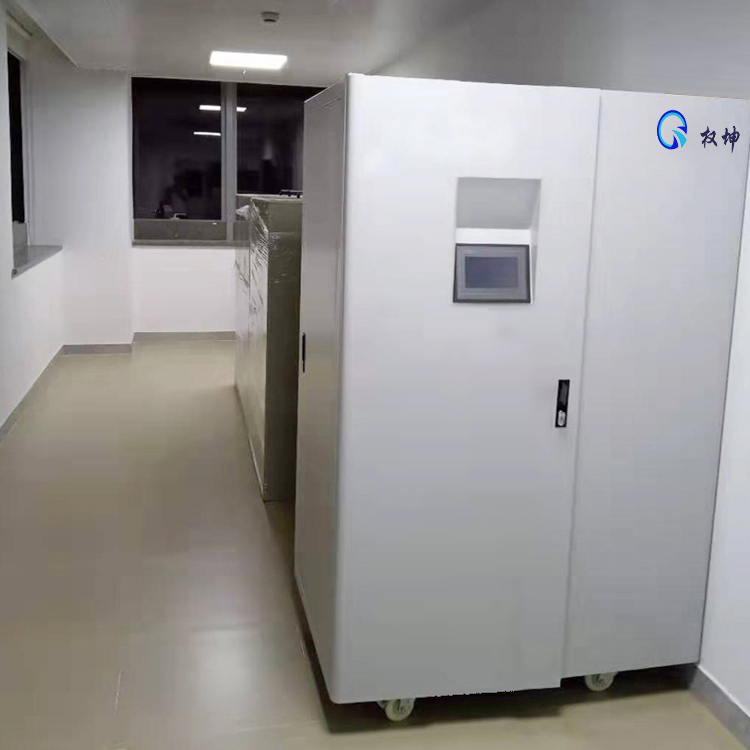
Large-scale laboratory wastewater treatment equipment
Operating Principle:
Laboratory wastewater treatment equipment primarily utilizes coagulation, sedimentation, oxidation, and high-efficiency sterilization to remove and eliminate bacteria, heavy metals, COD, viruses, and other contaminants in biological wastewater. Within a specific pH range, it can kill all microorganisms, including bacterial propagules, bacterial spores, fungi, mycobacteria, and various infectious viruses such as hepatitis viruses. The wastewater treatment process employs automatic control, with the entire procedure requiring no constant supervision by personnel.