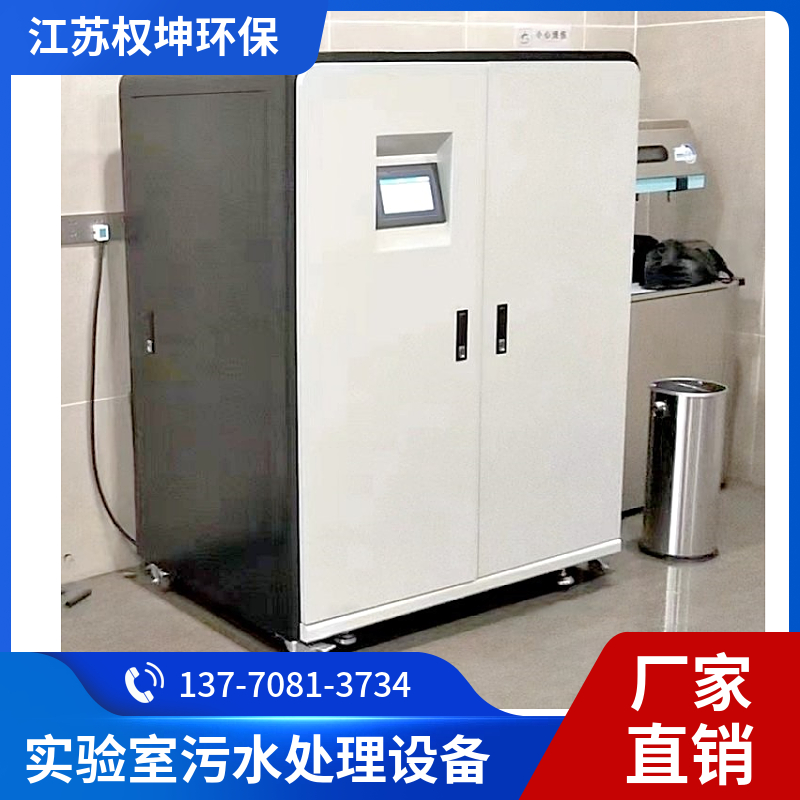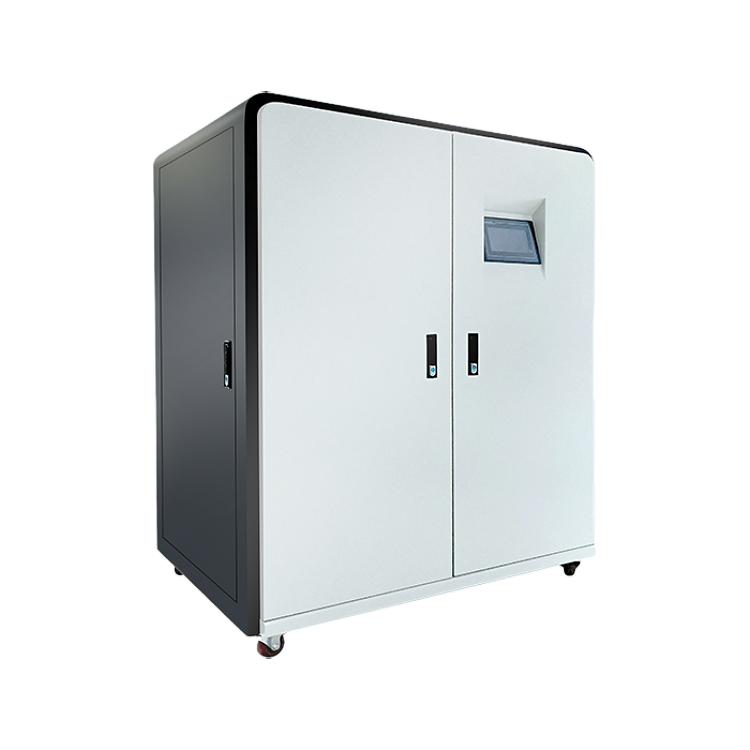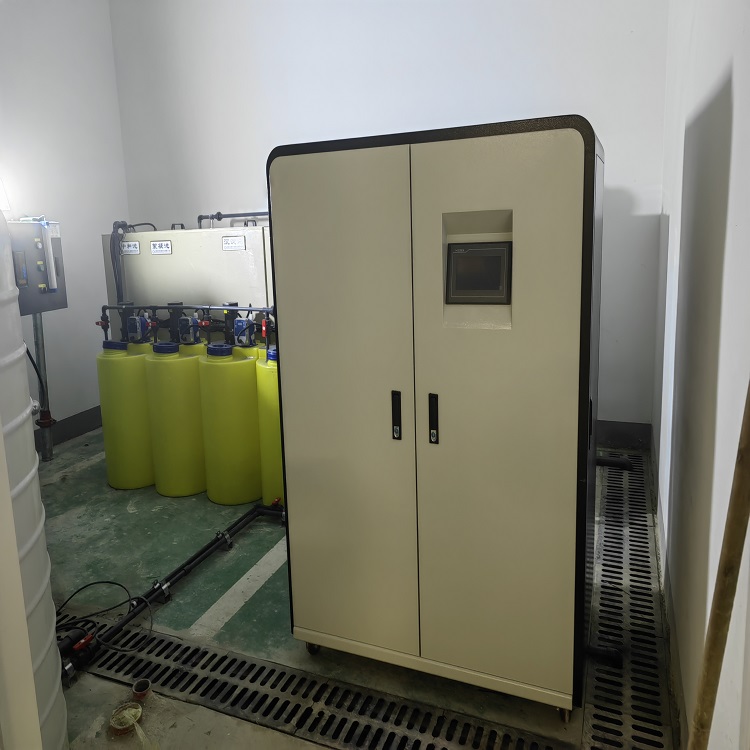

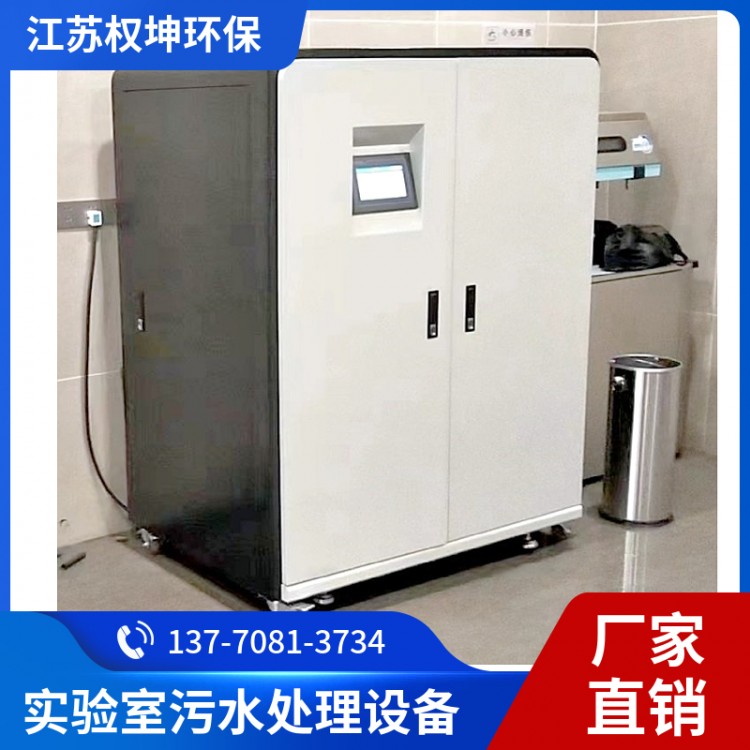

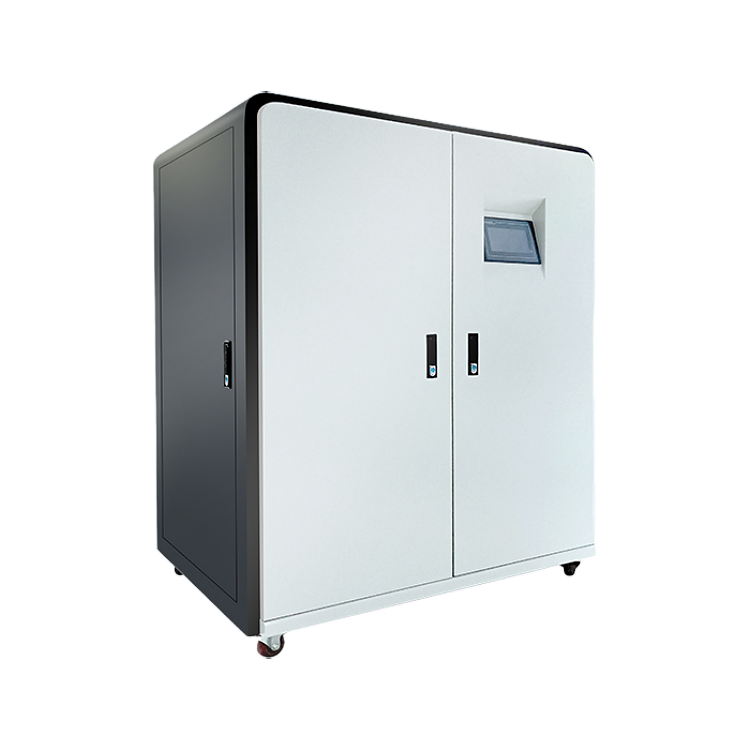
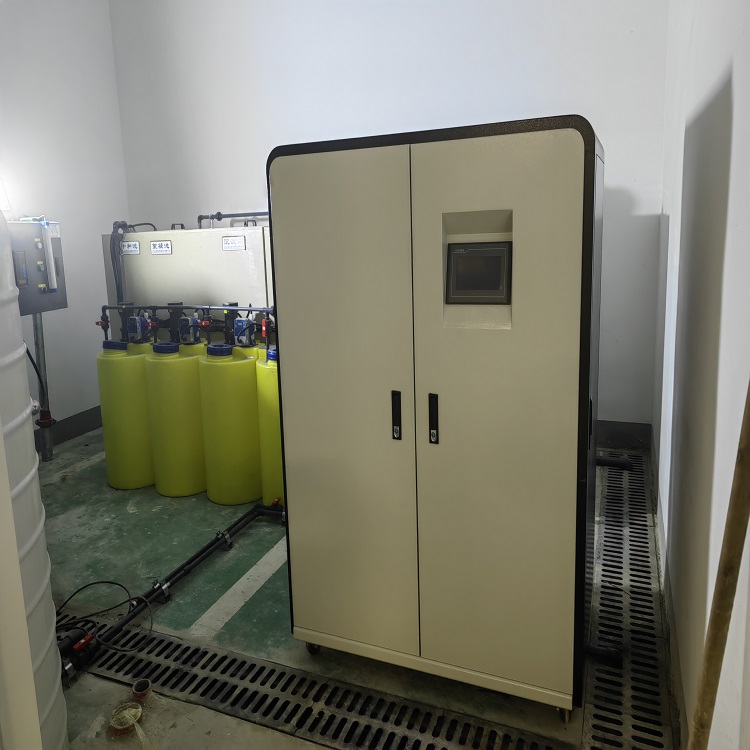












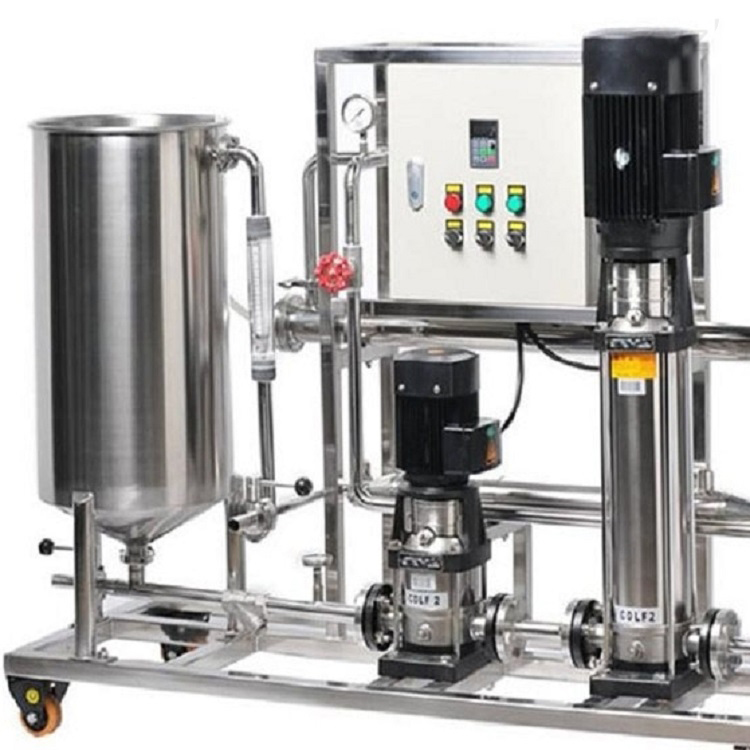
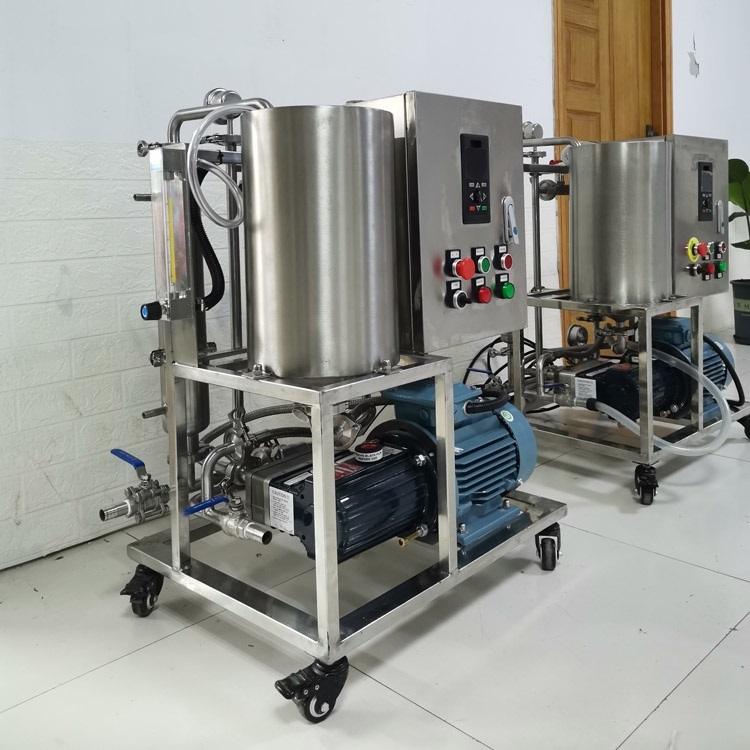
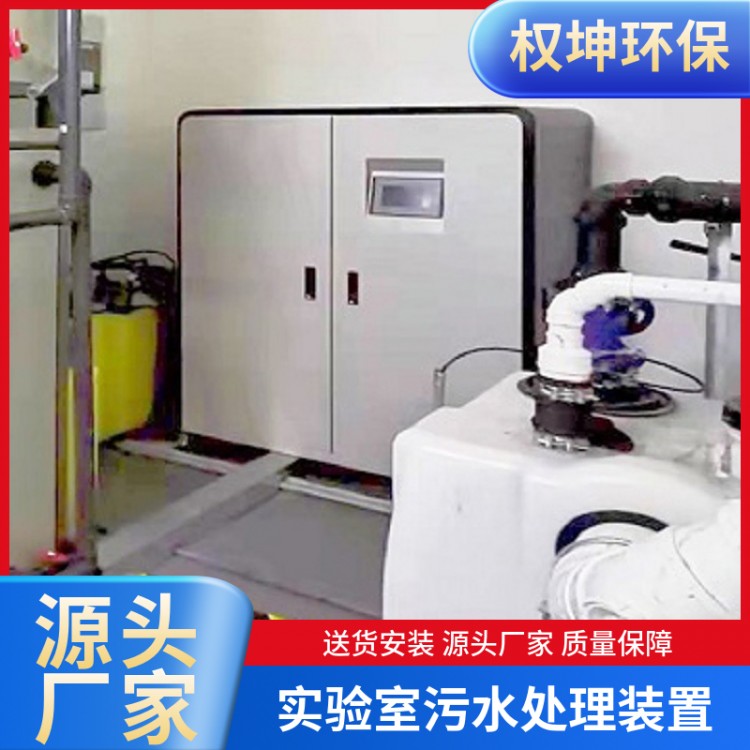
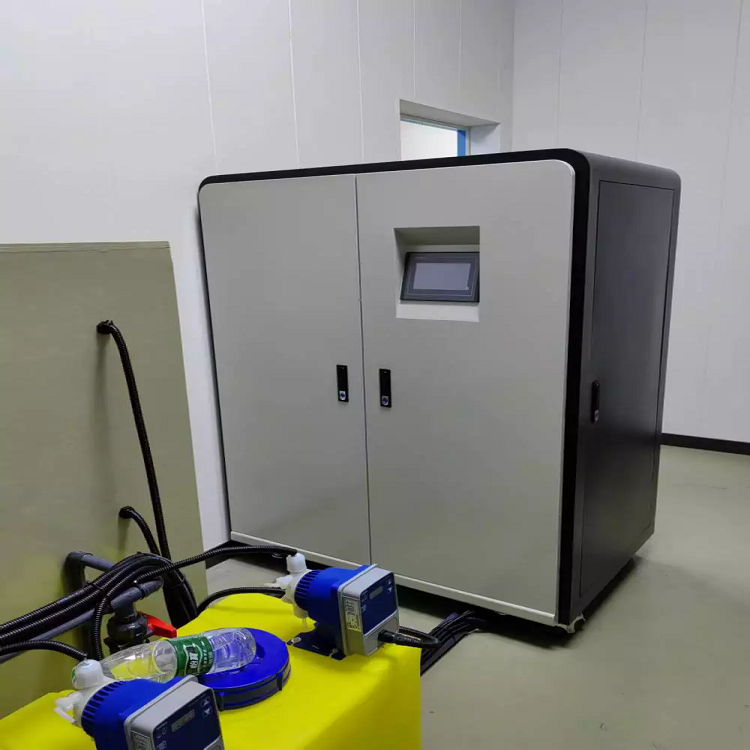
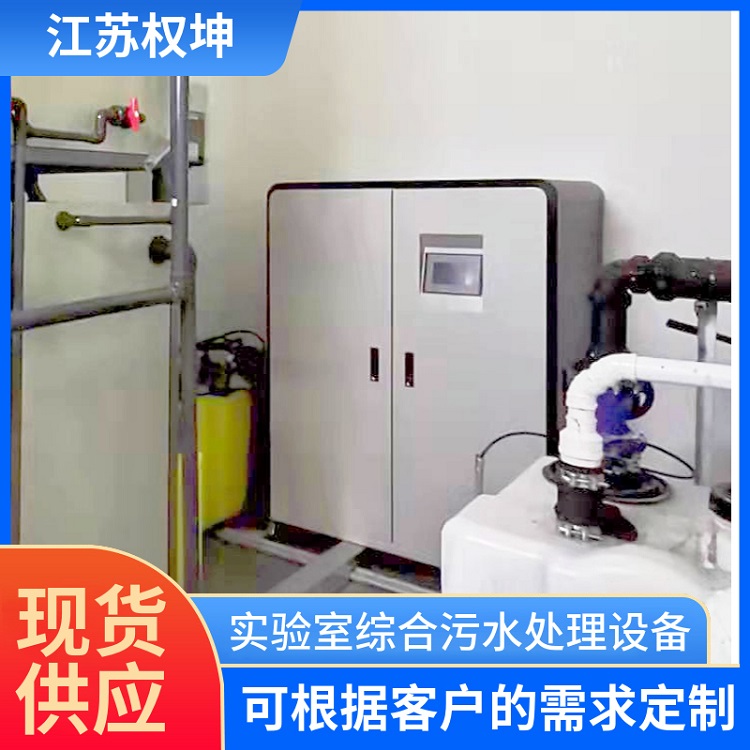
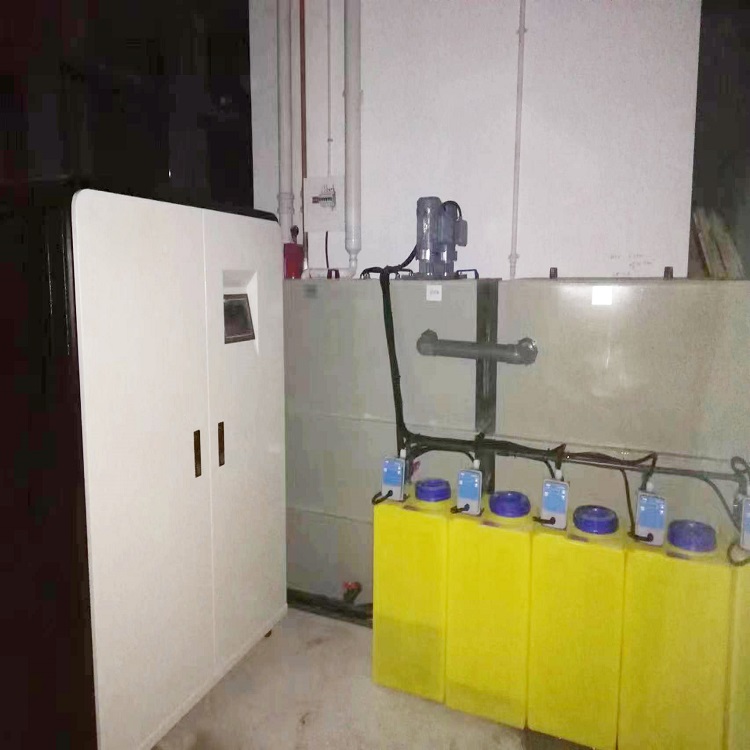
Complete Laboratory Waste Water Treatment Equipment - Quankun Operation Stable - Industrial Sewage Treatment Equipment
Reagents and pharmaceuticals used in the laboratory number in the hundreds, and can go up to thousands. Currently, the school offers multiple experimental courses, which include experiments on verifying the properties of matter, quantitative analysis, organic synthesis, and extraction of organic compounds. The chemical reagents used include common acids, bases, heavy metal salts, and phenols, along with their organic derivatives. Most of these can cause severe environmental pollution. Many reagents and their reaction by-products, such as various acids, bases, heavy metal salts, and organic compounds, are harmful to both the environment and human health. Some of these can persist in the environment for a long time and are difficult to degrade; others accumulate in the food chain and cause toxic effects; and some even cause secondary pollution during the degradation process.
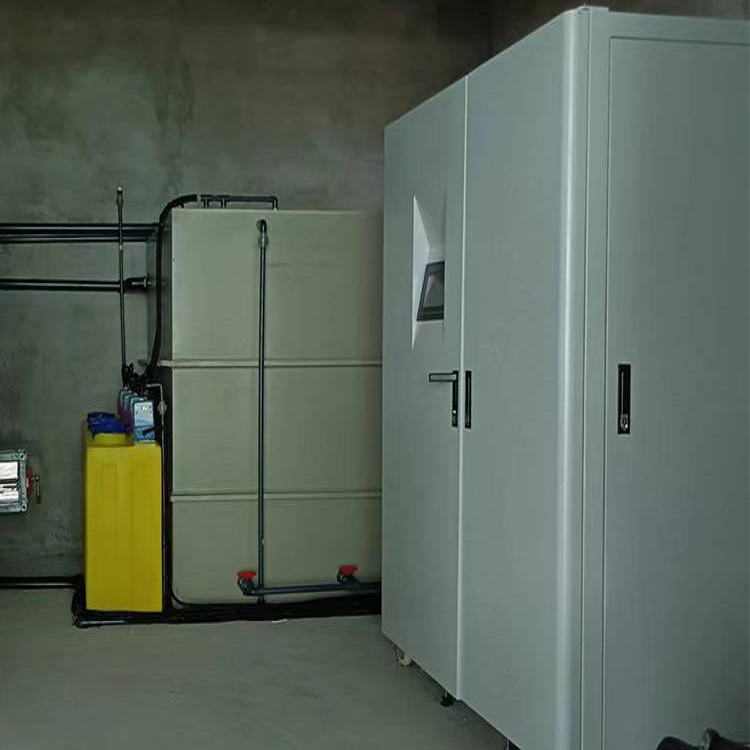
Mature technology for laboratory wastewater treatment equipment:
1. After comprehensive consideration, the school's laboratory wastewater treatment equipment utilizes a mature technology with low investment, stable operation, low operating costs, and excellent treatment effects.
2. In response to the characteristics of wastewater, the school's laboratory sewage treatment equipment employs specific countermeasures to ensure the removal of harmful components, while fully considering anti-corrosion measures for pipelines, equipment, and structures.
3. Select equipment for school laboratory wastewater treatment that is stable in performance, easy to maintain, reasonably priced, durable, and highly efficient in treatment.
Building layout is rational and compact, aesthetically pleasing, and strives to minimize land usage.
5. School laboratory wastewater treatment equipment has certain capacity to withstand water quality and volume shock loads.
6. Design takes full consideration of noise and odors to prevent secondary pollution, ensuring that the school laboratory wastewater treatment equipment does not cause new pollution to the surrounding environment.
7. Achieve automated control to enhance stability; ensure the effluent quality meets standards in school laboratory wastewater treatment equipment.
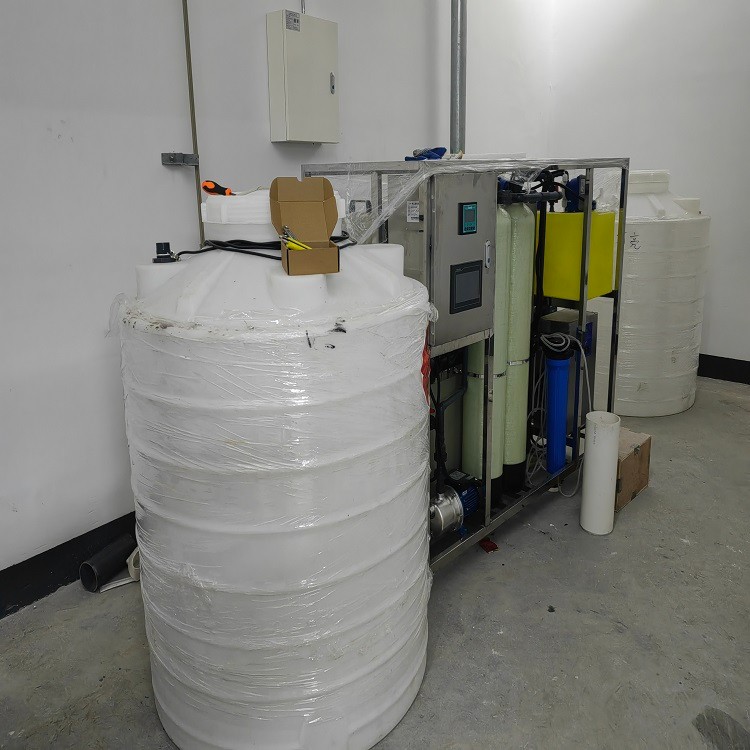
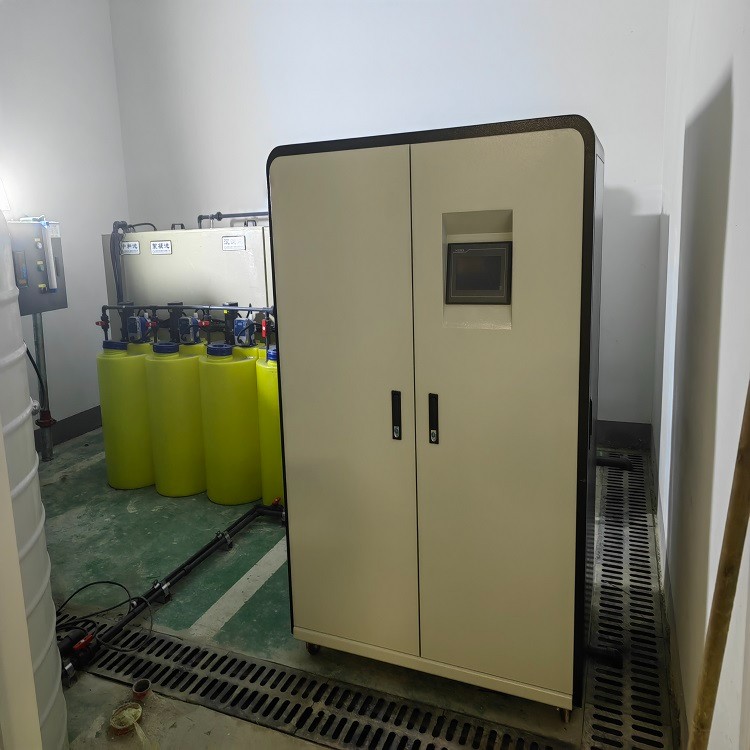
Laboratory wastewater treatment equipment features:
1. Wide applicability, suitable for wastewater treatment in various laboratories.
2. High level of automation, centrally controlled, user-friendly interface, simple operation, fully automatic operation, no need for dedicated staff oversight.
3. Centralized control, high level of automation, easy operation, fully automatic operation, no need for dedicated staff on duty.
4. Automatic leak and electrical shock protection, automatic high/low voltage protection, no wastewater protection, and liquid level protection for storage tanks.
5. Dynamic operation with digital LCD display of water quality indicators.
6. "One-stop" integrated design, aesthetically pleasing, with minimal land footprint, low operation costs, easy installation and mobility, high processing capacity, excellent processing results, low energy consumption, acid and alkali resistance, low noise, and environmentally friendly, truly achieving engineering equipmentization. No need for multiple treatment ponds, and no secondary pollution such as waste sludge, waste gas, and waste water.

Complete laboratory wastewater treatment equipment - Quankun operates stably - Industrial wastewater treatment equipment
Points to note during maintenance:
If there are minor malfunctions in the small-scale laboratory wastewater treatment equipment, such as belt deviation in the dewatering machine, excessively low oil temperature in the blower, and low material level alarm in the automatic flocculation device, they can be repaired on-site without disassembly. In such cases, under the guidance of a supervisor and confirmation that the repair will not affect the entire process, repairs should be completed as soon as possible.
1. When equipment requires disassembly for repair, simple replacement of parts, or overall relocation is needed, such as the complete replacement of a water pump, electrical components, or hand valves. In cases of such malfunctions, the maintenance staff must report the issue to the supervisor, who will then assign a technician for the replacement or repair.
2. In the event of equipment failure that the crew cannot repair, it is necessary to promptly report to the department head, who will then arrange for the equipment supplier or a relevant professional to inspect and repair it.
3. Utilize a tiered approach to address issues with small-scale laboratory wastewater treatment equipment, ensuring uninterrupted continuous operation while also enhancing the equipment's effective utilization.